Heathrow Ends Liquid Carry-On Restrictions, Finally!
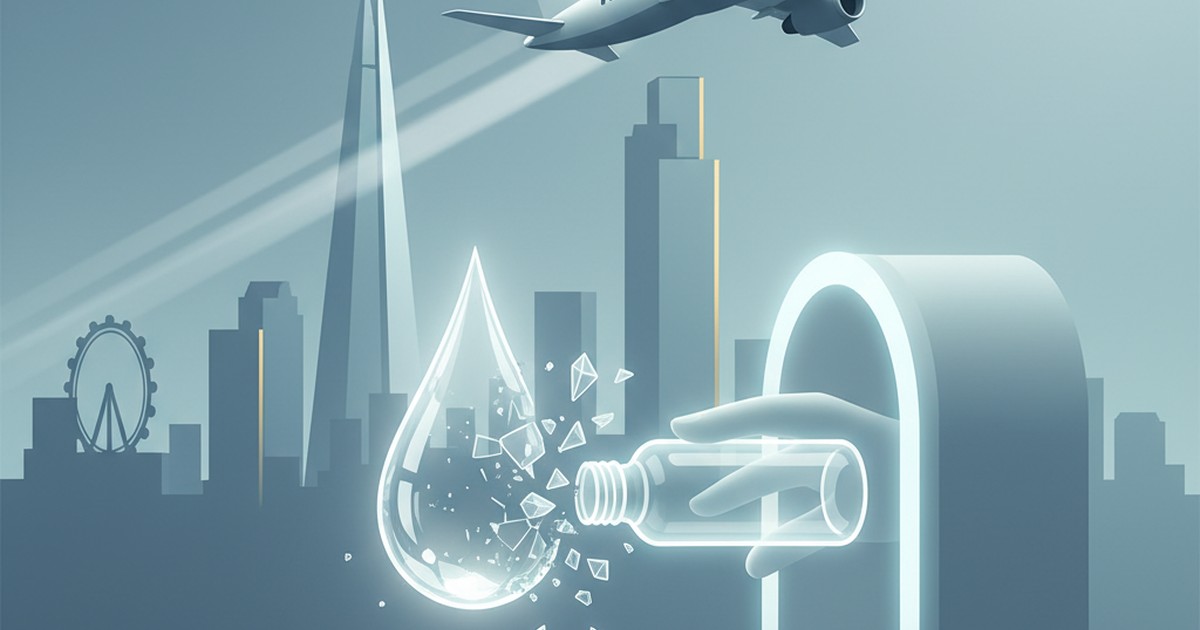
London's Heathrow Airport officially scrapped carry-on liquids limits on Friday, January 23, 2026, marking the end of one of air travel's most frustrating security checkpoint requirements. After nearly two decades of wrestling with tiny bottles and clear plastic bags, passengers can now breeze through Heathrow security with full-size containers of liquids without the hassle of removing them from their carry-on bags.
As someone who's navigated countless airport security lines across the globe, I can tell you this change represents more than just convenience—it's a fundamental shift in how we experience air travel. The 100-milliliter restriction that has plagued travelers since the mid-2000s has finally met its match at Europe's busiest airport, and the implications extend far beyond just being able to pack your favorite shampoo.
The Dawn of a New Travel Era
The transformation at Heathrow didn't happen overnight. This change has been years in the making, driven by the U.K.'s Department for Transport ordering airports to prepare for upgraded screening technology. While individual airports across the U.K. and European Union had begun relaxing liquids rules in recent years, rolling out the policy faced numerous delays and technical challenges.
What makes Heathrow's implementation particularly significant is its scale. This isn't just another regional airport testing new technology—Heathrow is now the largest airport in the world to implement this advanced screening capability. The ripple effects of this decision will likely influence airports globally, especially considering Heathrow's role as a major international hub.
The changes extend beyond just liquids. Passengers no longer need to remove large electronic devices from their bags either, streamlining the entire security process. These modifications apply across all terminals at Heathrow, ensuring consistency regardless of which part of the airport you're departing from.
Beyond Convenience: Environmental Impact
Heathrow CEO Thomas Woldbye emphasized that this change means "less time preparing for security, more time enjoying the journey." However, the environmental benefits might be even more compelling than the convenience factor. The airport expects to save approximately 16 million single-use plastic bags annually—those clear, quart-sized bags that previously held our miniature toiletries.
For frequent travelers, this environmental impact adds up quickly. Consider the millions of passengers who pass through Heathrow each year, each potentially using multiple plastic bags during their journey. The elimination of this requirement represents a significant step toward reducing single-use plastics in the aviation industry.
The change also eliminates the waste associated with discarded liquids at security checkpoints. How many times have you watched perfectly good bottles of water, expensive skincare products, or specialty items get tossed into bins because they exceeded the arbitrary 100-milliliter limit? That waste stream has now been eliminated at Heathrow.
Strategic Importance for American Travelers
For U.S. travelers, Heathrow's policy change carries particular weight. The airport serves as a major hub for U.S.-Europe travel, with airlines operating 41,000 flights from Heathrow to the United States in 2025 alone. This makes Heathrow a critical touchpoint for American business travelers, tourists, and anyone using London as a connection point to other European destinations.
The practical implications are substantial. American travelers connecting through Heathrow can now pack normally without worrying about liquid restrictions during their London layover. This is especially beneficial for those long-haul journeys where you might want to carry full-size toiletries or purchase duty-free liquids without concern about your connecting flight's restrictions.
Business travelers, in particular, will appreciate the streamlined experience. When you're rushing between meetings in different time zones, the last thing you want is to worry about whether your cologne or contact lens solution will make it through security. Business class passengers especially benefit from this change, as they often carry premium toiletries and beverages that previously required careful planning.
The Technology Behind the Change
The elimination of liquid restrictions isn't just about policy—it's about technology. Advanced screening equipment now allows security personnel to identify potential threats within liquid containers without requiring passengers to remove them from bags or limit their size. This represents a significant leap forward in airport security technology.
The new screening systems use sophisticated imaging technology that can analyze the contents of containers in real-time. This means security personnel can distinguish between harmless liquids like water or shampoo and potentially dangerous substances without the blunt instrument approach of size restrictions.
For travelers who frequently navigate international airports, this technological advancement represents a return to the simplicity of pre-2006 air travel, but with modern security capabilities. The screening process becomes more efficient while maintaining the same level of safety that passengers expect.
Will America Follow Suit?
The question on every American traveler's mind is whether the Transportation Security Administration will end its 3-1-1 liquids policy. The Trump administration signaled openness to exploring similar changes during summer 2025, suggesting that policy makers are at least considering the possibility.
However, former TSA Administrator David Pekoske indicated in late 2024 that such a change is "not around the corner" and likely years away. This cautious approach reflects the complexity of implementing new security technology across thousands of airports and the bureaucratic challenges inherent in changing long-standing policies.
Interestingly, the TSA did end the shoe removal requirement for most passengers in July 2025, demonstrating that the agency is willing to evolve its policies when technology and security assessments support such changes. This precedent suggests that liquid restrictions might eventually follow a similar path.
For now, American travelers will need to continue following the familiar 3-1-1 rule when departing from U.S. airports, but they can enjoy the freedom of normal packing when traveling through Heathrow. This creates an interesting dynamic where the travel experience varies significantly depending on your departure and arrival airports.
Historical Context and Future Implications
The liquid restrictions implemented worldwide in the mid-2000s emerged from legitimate terrorism concerns. These policies served their purpose during a critical period in aviation security, but improved bag-screening technology has led security officials to rethink these approaches in recent years.
Heathrow's bold move positions London as a leader in modern airport security practices. Other major international hubs will likely face pressure to implement similar technologies and policies to remain competitive. Travelers increasingly expect streamlined experiences, and airports that cling to outdated restrictions may find themselves at a disadvantage.
The change also reflects broader trends in travel technology and passenger expectations. Modern travelers are accustomed to seamless digital experiences in other aspects of their lives, and they expect airports to evolve accordingly. Enhanced connectivity and reduced friction points have become competitive advantages in the aviation industry.
Practical Tips for Heathrow Travelers
While the liquid restrictions have been eliminated, travelers should still be prepared for other security requirements. Electronic devices still need to be easily accessible for inspection, even if they don't need to be removed from bags. Documentation and identification requirements remain unchanged.
For frequent flyers who utilize airport lounges, this change makes the pre-flight experience even more enjoyable. You can now purchase full-size duty-free items without worrying about restrictions, and you don't need to plan your lounge visits around liquid limitations.
Travelers should also consider how this change affects their packing strategies. You can now pack normally for your outbound journey through Heathrow, but remember that return flights to countries with liquid restrictions will still require compliance with those rules.
Looking Forward
Heathrow's elimination of liquid carry-on restrictions represents more than just a policy change—it's a glimpse into the future of air travel. As airports worldwide grapple with increasing passenger volumes and evolving security threats, technology-driven solutions like advanced screening equipment offer a path forward that prioritizes both safety and passenger experience.
The success of Heathrow's implementation will likely influence other major airports to accelerate their own technology upgrades. For travelers, this means the gradual return of common-sense packing and a more streamlined airport experience. Frequent travelers will particularly appreciate the reduced complexity in managing their travel routines across different airports and jurisdictions.
As we move forward, Heathrow's bold step toward eliminating outdated restrictions while maintaining security standards sets a new benchmark for the industry. The airport has demonstrated that with the right technology and commitment, we can have both security and convenience—a combination that seemed impossible just a few years ago.


 Saily eSIM