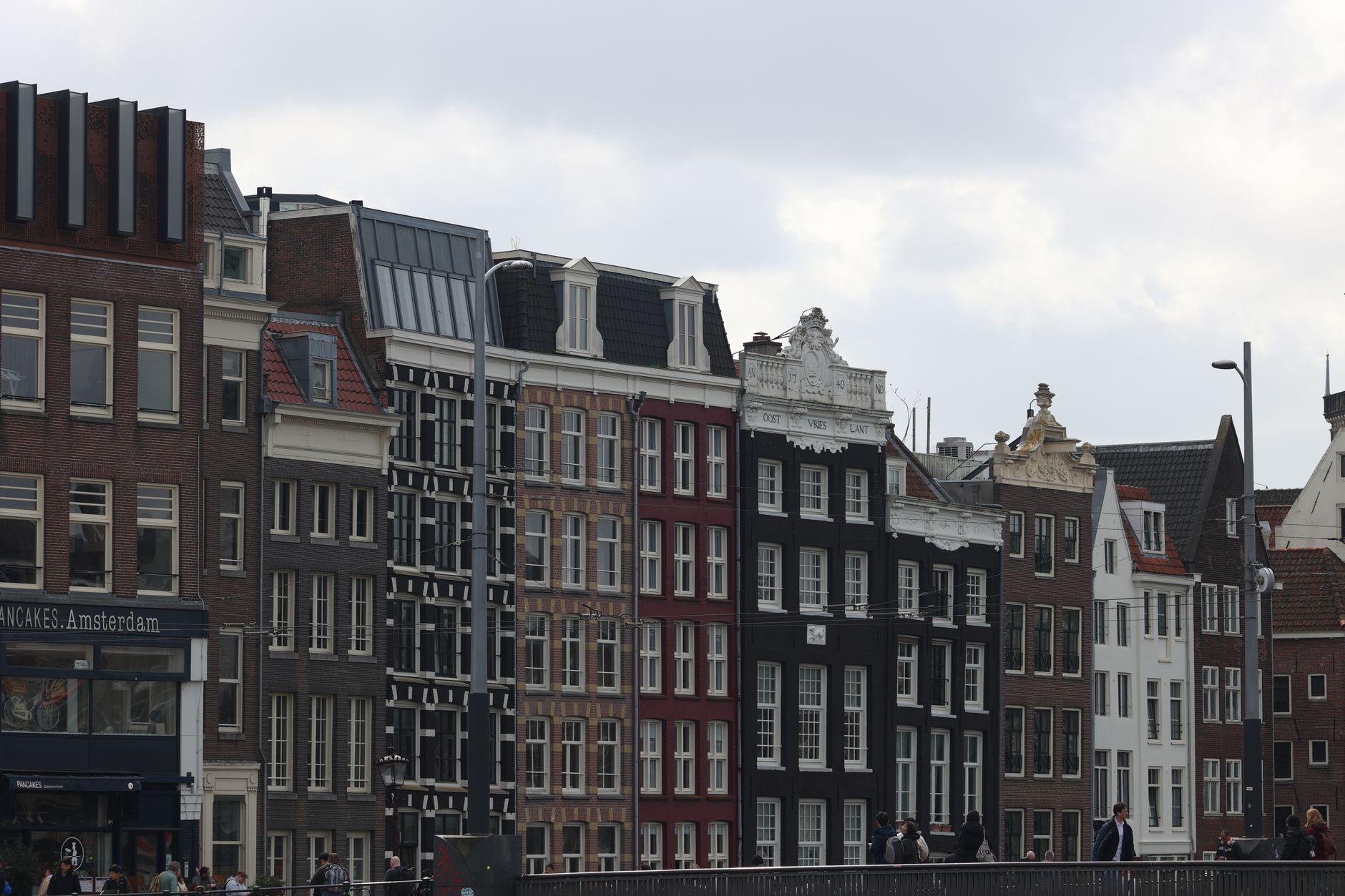

Amsterdam vs Bangkok: Cost of Living Comparison
Choosing between the historic canals of Amsterdam and the vibrant street life of Bangkok involves navigating a significant economic divide. Amsterdam is one of Europe’s most expensive hubs, offering high social stability and infrastructure, while Bangkok remains one of the world's most affordable major metropolises, offering a high-end lifestyle for a fraction of the cost.
Is Amsterdam more expensive than Bangkok?
Yes, Amsterdam is substantially more expensive than Bangkok across almost every metric. In terms of local purchasing power, Amsterdam residents earn higher salaries, but the cost of consumer goods and services is roughly 120% to 150% higher than in Bangkok. For those with a remote income or international savings, Bangkok offers a level of luxury—including domestic help and high-end dining—that would be cost-prohibitive for the average professional in Amsterdam.

Rent and Real Estate: Amsterdam vs Bangkok
Housing is the most significant expenditure in both cities, but the price gap is vast. A one-bedroom apartment in Amsterdam's city center typically costs between $2,300 and $2,800 USD per month. In contrast, a modern condo in a prime Bangkok neighborhood like Sukhumvit or Sathorn ranges from $600 to $950 USD. Furthermore, Bangkok's rental market often includes amenities like rooftop pools and gyms as standard, which are rare and expensive luxuries in Amsterdam’s historic housing stock.
Groceries and Dining Out
Food costs in Bangkok are among the lowest for a global city. A meal at an inexpensive local restaurant in Bangkok costs approximately $2–$4 USD, while a similar meal in Amsterdam exceeds $20 USD. Even at the mid-range level, a three-course dinner for two in Amsterdam averages $90 USD, compared to roughly $35 USD in Bangkok. Groceries in Amsterdam are also significantly higher, particularly for fresh produce and poultry, which are staples in Thai markets.
Getting Around: Public Transit and Fuel
Public transport in Amsterdam is efficient but pricey, with a monthly pass costing around $95 USD. Bangkok offers a mix of the BTS Skytrain, MRT, and inexpensive taxis; a monthly transit pass costs roughly $35 USD. While Amsterdam is the global capital of cycling—allowing residents to commute for free—the sheer heat and traffic in Bangkok make personal vehicles or taxis more common, yet still more affordable than car ownership in the Netherlands due to lower fuel taxes and insurance.
Lifestyle, Entertainment, and Utilities
Utilities for an 85m² apartment in Amsterdam average $250 USD per month, whereas in Bangkok, they typically range from $80 to $130 USD (largely depending on air conditioning usage). Entertainment, such as cinema tickets and fitness club memberships, is roughly 30-50% cheaper in Bangkok. However, Amsterdam offers a wealth of free outdoor activities and public parks that are well-maintained, whereas Bangkok's lifestyle often revolves around private malls and commercial entertainment.
How to get from Amsterdam to Bangkok
There are currently no direct flight routes between Amsterdam (AMS) and Bangkok (BKK) based on recent schedules. Travelers typically connect through major international hubs such as Dubai (DXB), Doha (DOH), or Istanbul (IST). Total travel time generally ranges from 14 to 18 hours depending on the duration of the layover.
The Verdict: Amsterdam or Bangkok?
Amsterdam is the better choice for families and professionals seeking long-term social security, a cycle-friendly environment, and European career opportunities. Bangkok is the clear winner for digital nomads, retirees, and expats looking to maximize their disposable income and enjoy a tropical, high-energy lifestyle with world-class amenities at a budget-friendly price point.
Borderly AI