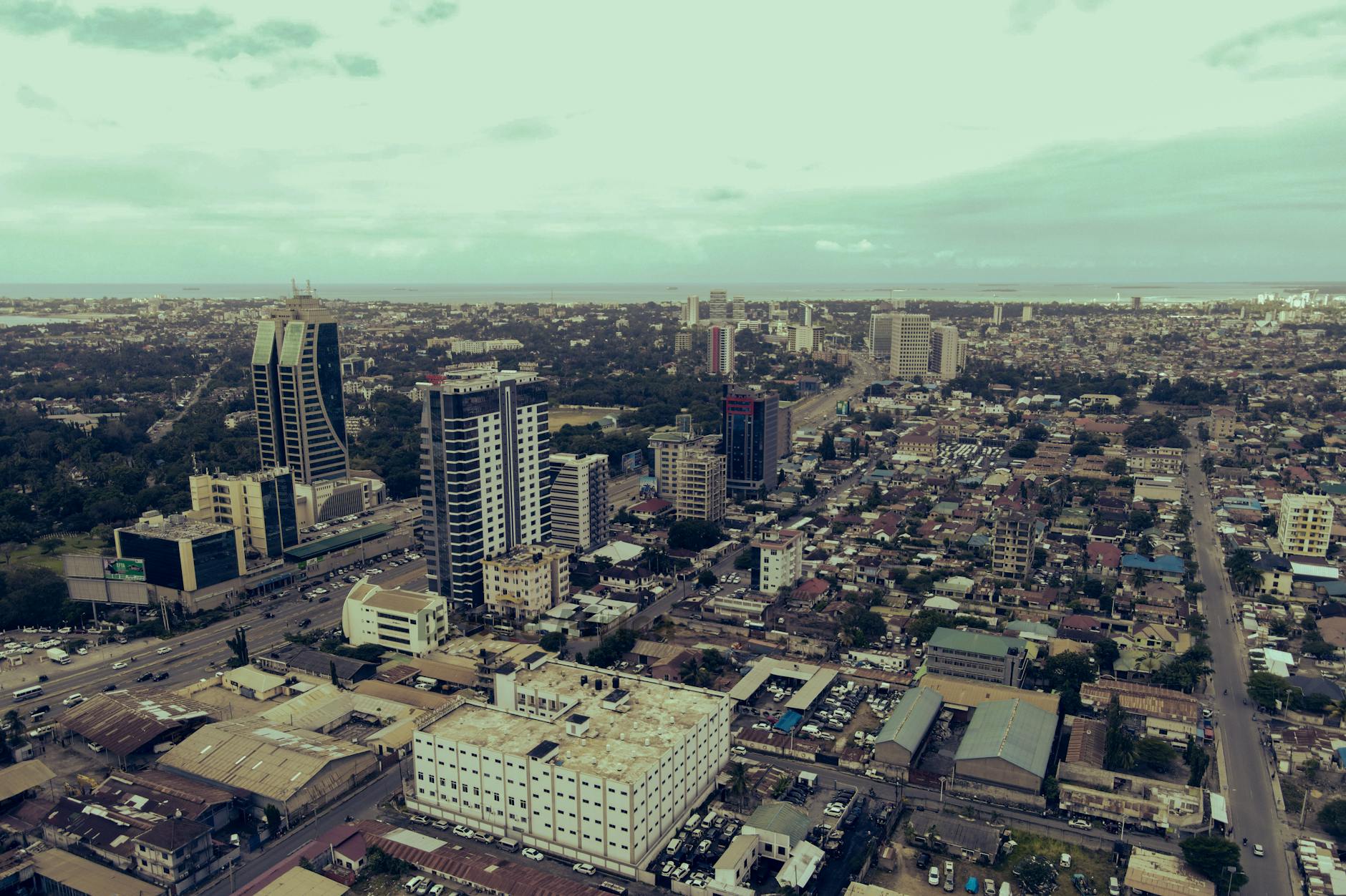


City Comparison

Dar es Salaam vs Dalian: Cost of Living Comparison

Comparing Dar es Salaam, Tanzania's commercial pulse, with Dalian, a major financial and shipping hub in Northeast China, reveals a fascinating contrast between East African growth and Chinese urban infrastructure. While both are coastal cities, the cost of living varies significantly based on your consumption habits. In general, Dalian offers a more standardized and efficient cost structure for infrastructure and transport, whereas Dar es Salaam offers lower costs for local produce and services, albeit with higher premiums for expat-standard housing and imported goods.

Is Dar es Salaam more expensive than Dalian?

When comparing purchasing power, Dalian significantly outperforms Dar es Salaam. Although the face-value cost of consumer goods is relatively similar when converted to USD, the average salary in Dalian is nearly double to triple that of Dar es Salaam, meaning residents in Dalian enjoy a higher quality of life for the same relative effort. For an international expat, Dar es Salaam can feel more expensive if one insists on Western-style gated communities and imported groceries, while Dalian maintains a more consistent pricing tier across the city.


Housing and Rent: Dar es Salaam vs Dalian

In Dar es Salaam, rent is highly bifurcated. High-end neighborhoods like Masaki or Oyster Bay command 'expat' prices that can reach $1,500–$2,500 for a modern three-bedroom apartment. In contrast, Dalian's rental market is more mature; a similar modern apartment in a desirable district like Zhongshan or Shahekou typically costs between $700 and $1,200. Property purchase prices per square meter are generally higher in Dalian's city center, reflecting China's high real estate demand, while Dar es Salaam offers cheaper land for those looking to build on the outskirts.

Food and Dining: Markets and Restaurants

Dar es Salaam wins on local organic produce; markets like Kariakoo offer tropical fruits and vegetables at prices significantly lower than Dalian's supermarkets. A basic meal at a local 'mama lishe' in Dar is under $2. However, Dalian excels in mid-range dining variety. A three-course meal for two at a mid-range restaurant in Dalian costs roughly $30–$40, which is comparable to similar establishments in Dar es Salaam's upscale areas. Imported items (cheese, wine, cereal) are expensive in both cities, but Dalian's integration into global supply chains often makes these more accessible.

Transport: Getting Around the City

Dalian offers a vastly superior public transportation network, featuring an extensive metro system, buses, and even historic trams, with fares typically under $1 per trip. Dar es Salaam relies on the BRT (Bus Rapid Transit) and 'dala-dalas' (minibuses). While dala-dalas are extremely cheap ($0.20), they lack comfort and safety. Fuel prices in Dar es Salaam are often subject to global volatility and can be higher than in China. Car ownership is common for expats in Dar due to limited public coverage, whereas in Dalian, many residents thrive using only the metro and affordable Didi (ride-sharing) services.

Lifestyle, Utilities, and Entertainment

Utilities (electricity, water, and trash) are generally more reliable and cheaper in Dalian due to centralized heating and state-subsidized infrastructure, averaging around $60–$90 per month for a standard apartment. In Dar es Salaam, electricity can be expensive and prone to outages, often requiring costly backup generators. Internet in Dalian is fast but restricted by the 'Great Firewall,' whereas Dar es Salaam offers unrestricted but often slower and more expensive data packages. Gym memberships and cinema tickets are priced similarly in both cities, ranging from $30–$60 per month for a fitness club.

How to get from Dar es Salaam to Dalian

There are no direct flights between Dar es Salaam (DAR) and Dalian (DLC). The most efficient route typically involves at least two stops. Common connections include flying from Dar es Salaam to a Middle Eastern hub like Dubai (Emirates) or Doha (Qatar Airways), or an African hub like Addis Ababa (Ethiopian Airlines), followed by a flight to a major Chinese gateway like Beijing or Shanghai, and finally a short domestic flight or high-speed train to Dalian. Total travel time usually exceeds 20 hours.

The Verdict: Dar es Salaam or Dalian?

For digital nomads and remote workers, Dalian is the superior choice due to its world-class infrastructure, safety, and high-speed internet. Families may also find Dalian more manageable due to its public safety and modern amenities. However, Dar es Salaam offers a more entrepreneurial environment with high growth potential for those in the import/export or NGO sectors, and it provides a unique tropical lifestyle that Dalian's colder, temperate climate cannot match.

Copyright © 2024 Borderly Labs
All rights reserved
Featured on Dofollow.Tools

Borderly AI