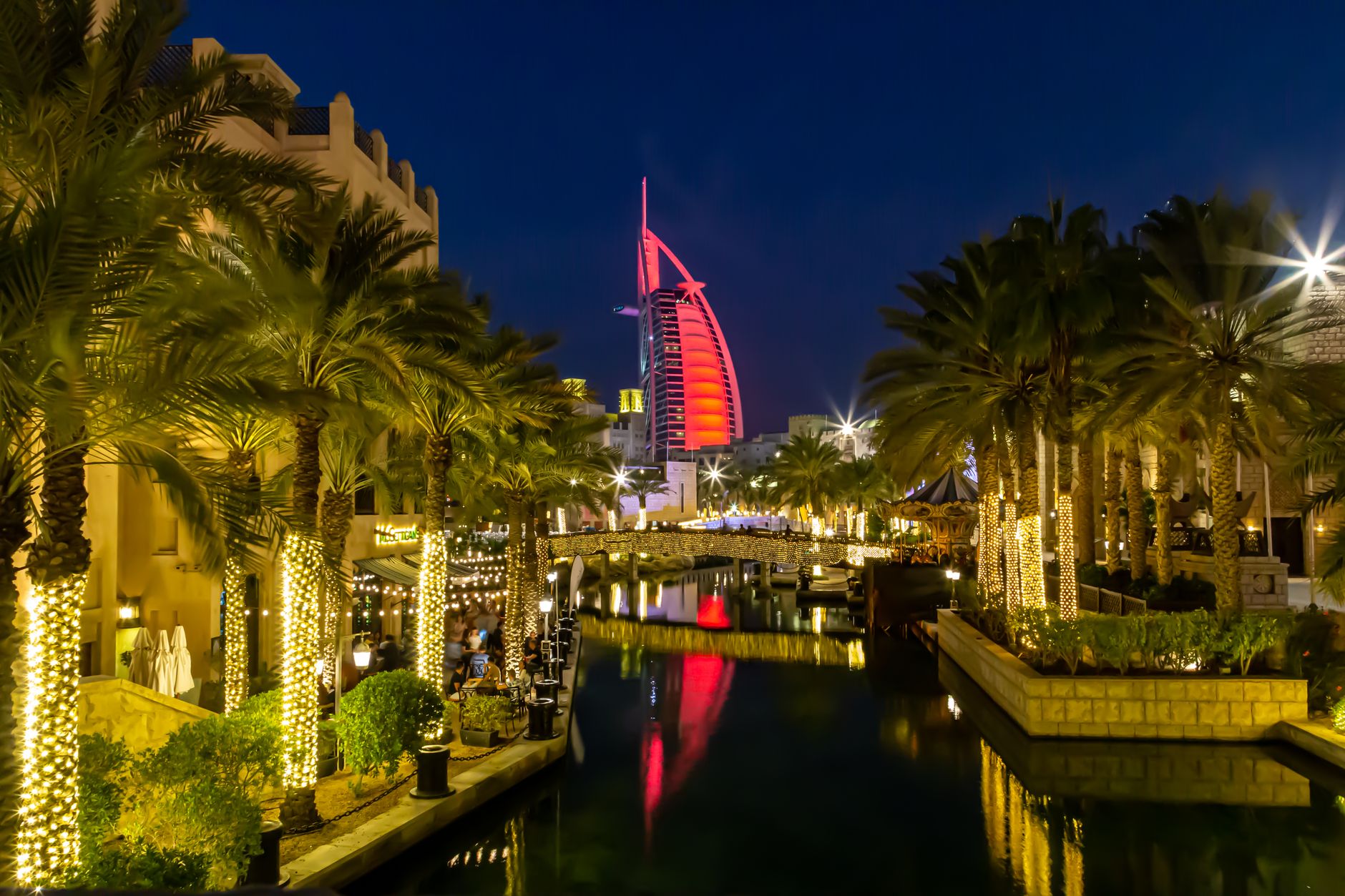

Dubai vs Hangzhou: Cost of Living Comparison
Choosing between the glitzy financial hub of Dubai and the tech-centric 'City of Heaven,' Hangzhou, involves balancing luxury against efficiency. While Dubai is a global tax-free haven known for its high-end lifestyle, Hangzhou serves as China's innovation capital, offering a high quality of life at a significantly lower price point. Generally, Dubai is roughly 60% to 80% more expensive than Hangzhou across most major spending categories.
Is Dubai more expensive than Hangzhou?
In terms of pure purchasing power, Dubai offers higher salaries, often tax-free, which can offset its high costs. However, for a standard middle-class lifestyle, Hangzhou is far more affordable. A monthly budget of $3,500 in Hangzhou provides a life of luxury that would likely cost over $6,500 in Dubai. While Dubai's infrastructure is world-class, Hangzhou’s integration of technology into daily life (via platforms like Alipay and Meituan) creates a unique efficiency that lowers the 'hidden costs' of urban living.
Housing and Rent: Dubai vs Hangzhou
Housing is the largest differentiator. In Dubai, a one-bedroom apartment in a central area like Downtown or Dubai Marina typically costs between $2,200 and $3,500 per month. In contrast, a modern one-bedroom in Hangzhou’s Binjiang or Xiacheng districts ranges from $700 to $1,100. Property purchase prices follow a similar trend, with Dubai’s square-foot prices significantly higher, though Hangzhou's prime real estate remains expensive relative to local Chinese wages.
Dining and Groceries: A Taste of Two Cities
Food costs in Hangzhou are remarkably low; a mid-range dinner for two costs about $30, whereas the same experience in Dubai would likely exceed $100. Local groceries in Hangzhou, particularly fresh produce, are very affordable due to local supply chains. Dubai, which imports the majority of its food, sees higher prices at supermarkets like Spinneys or Waitrose, though budget options like Lulu Hypermarket help bridge the gap. In Dubai, expect to pay $10-$15 for a basic lunch, compared to $4-$7 in Hangzhou.
Getting Around: Public Transit and Fuel
Dubai is a car-centric city with relatively low fuel prices (approx. $0.80-$0.90 per liter), but costs like 'Salik' tolls and expensive parking add up. Hangzhou boasts one of the world's most efficient and affordable metro systems, with most rides costing under $1. Taxis and ride-hailing (Didi) in Hangzhou are also significantly cheaper than Uber or Careem in Dubai. However, for those who enjoy driving, Dubai’s highway infrastructure is superior.
Lifestyle, Utilities, and Entertainment
Utilities (electricity, water, and cooling) in Dubai are significantly higher due to the extreme summer heat and desalination costs, often averaging $200-$400 for a standard apartment. Hangzhou’s utilities are more moderate, though heating in winter can increase costs. Gym memberships and cinema tickets are about 40% cheaper in Hangzhou. Dubai offers more high-end international entertainment options, while Hangzhou offers vast natural beauty, such as West Lake, for free or very low cost.
How to get from Dubai to Hangzhou
There are currently no direct flight routes between Dubai (DXB) and Hangzhou (HGH). Travelers typically opt for a connecting flight through major hubs such as Guangzhou (CAN), Shanghai (PVG), or Beijing (PEK). The total travel time, including layovers, usually ranges from 12 to 16 hours. Alternatively, one can fly direct from Dubai to Shanghai and take the high-speed train to Hangzhou, which takes only 45 minutes.
The Verdict: Dubai or Hangzhou?
For digital nomads and families looking for a lower 'burn rate' without sacrificing safety or modern amenities, Hangzhou is the clear winner. It offers a futuristic lifestyle at a fraction of Western or Middle Eastern prices. Dubai is the better choice for high-net-worth individuals, entrepreneurs looking for a tax-free environment, and those who thrive in a multi-cultural, English-speaking global crossroads where luxury is the standard.
Borderly AI