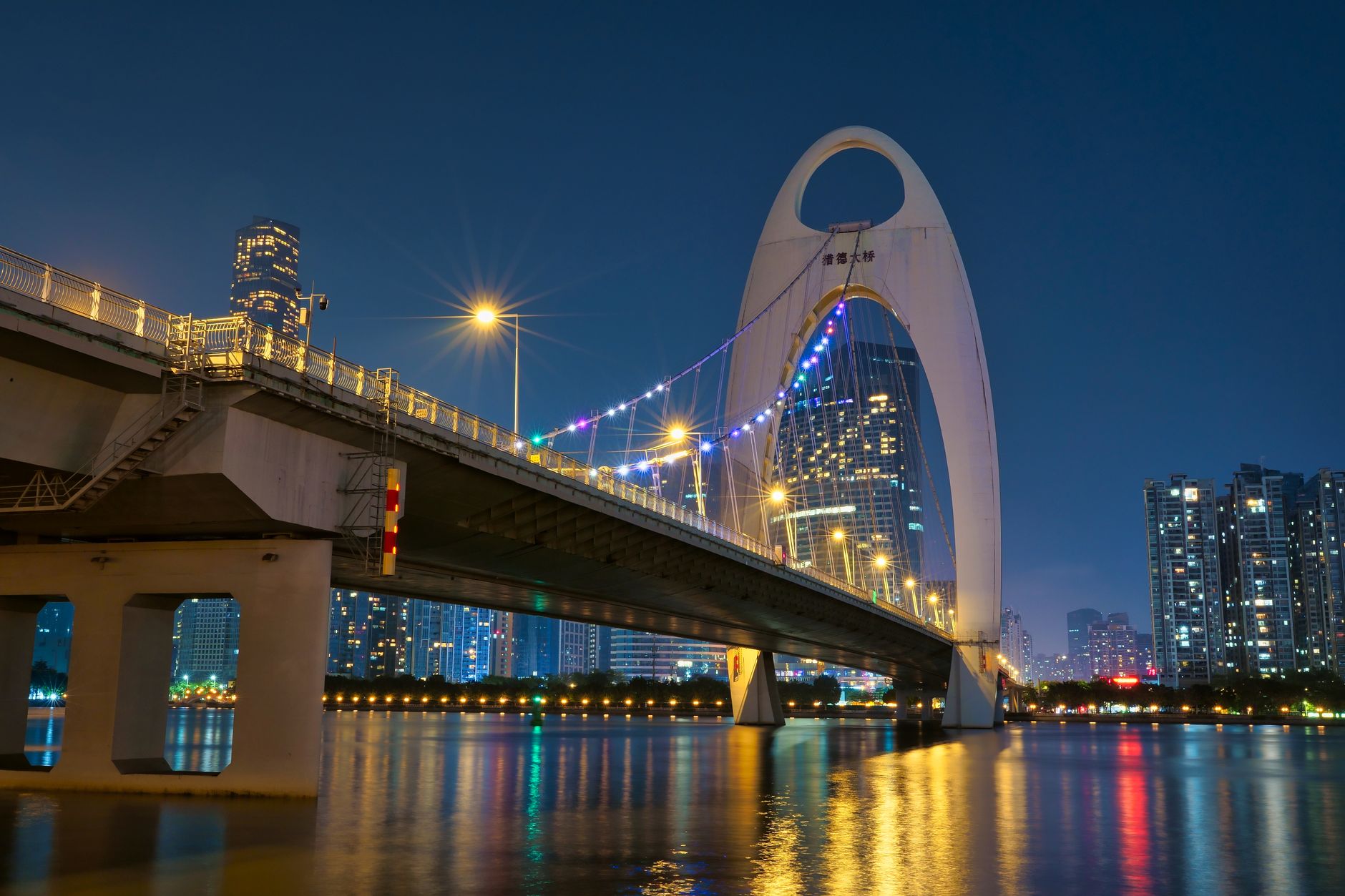

City Comparison

Guangzhou vs Bangkok: Cost of Living Comparison

Choosing between Guangzhou, China’s southern manufacturing hub, and Bangkok, Thailand’s vibrant capital, involves balancing two distinct Asian urban experiences. While both cities offer high energy and world-class infrastructure, Bangkok is generally more affordable for Western expats and digital nomads. Guangzhou offers a more structured, industrial environment with prices that are competitive for a Tier-1 Chinese city but typically higher than the budget-friendly standards of Thailand.

Is Guangzhou more expensive than Bangkok?

In a direct comparison, Guangzhou is approximately 12% to 18% more expensive than Bangkok when factoring in rent and consumer goods. While Guangzhou provides higher local purchasing power for residents employed in its booming tech and trade sectors, those with USD-based incomes will find that their money stretches significantly further in Bangkok. Bangkok excels in providing a high-end lifestyle at a mid-range price point, whereas Guangzhou’s costs have risen steadily alongside its economic development.


Rent and Real Estate: Guangzhou vs Bangkok

Housing costs are the primary driver of the price gap. A modern one-bedroom apartment in central Guangzhou typically rents for $850–$1,400 USD. In Bangkok, a condo of similar quality in a prime area like Sukhumvit or Silom ranges from $650–$1,100 USD. Furthermore, Bangkok’s rental market is famous for offering luxury amenities like rooftop pools and fitness centers as standard features, which are often considered premium additions in the Guangzhou market.

Dining and Grocery Costs

Bangkok is widely considered one of the most affordable food capitals in the world. A meal at an inexpensive local restaurant in Bangkok costs roughly $2–$4 USD, while a similar experience in Guangzhou costs $4–$8 USD. For groceries, local markets in both cities are affordable, but Bangkok offers a wider variety of imported international goods at lower tax rates than China. A mid-range three-course dinner for two in Bangkok averages $35 USD, compared to approximately $50 USD in Guangzhou.

Public Transit and Commuting

Both cities boast world-class public transportation systems. Guangzhou’s Metro is exceptionally cheap, with most trips costing under $1 USD. Bangkok’s BTS and MRT systems are efficient but slightly more expensive per kilometer. However, when it comes to private transport, Bangkok’s taxis and ride-hailing services (Grab) are generally more affordable and accessible than Guangzhou's counterparts (Didi), though traffic congestion is significantly more severe in Bangkok.

Lifestyle, Entertainment, and Utilities

Monthly utilities (electricity, water, heating) for a standard apartment are roughly comparable, ranging from $60–$100 USD in both cities, though Bangkok’s year-round humidity can lead to higher air conditioning costs. Cinema tickets, gym memberships, and international school fees are generally 15–20% cheaper in Bangkok. Guangzhou offers a more 'business-first' lifestyle, while Bangkok is optimized for leisure and social connectivity, making entertainment spending much more frequent in the Thai capital.

How to get from Guangzhou to Bangkok

Currently, there are no direct flight routes provided between Guangzhou (CAN) and Bangkok (BKK). Travelers typically opt for connecting flights through regional hubs such as Hong Kong (HKG), Kunming (KMG), or Hanoi (HAN). Total travel time including layovers typically ranges from 6 to 9 hours. For those prioritizing budget, low-cost carriers often operate through Bangkok’s Don Mueang Airport (DMK) with connections.

The Verdict: Guangzhou or Bangkok?

For digital nomads and those seeking a high quality of life with a focus on leisure and social variety, Bangkok is the clear winner due to its lower cost of living and 'expat-friendly' infrastructure. Families and professionals in manufacturing or international trade may prefer Guangzhou for its superior infrastructure, safety, and direct access to global supply chains, despite the higher monthly burn rate.

Copyright © 2024 Borderly Labs
All rights reserved
Featured on Dofollow.Tools

Borderly AI