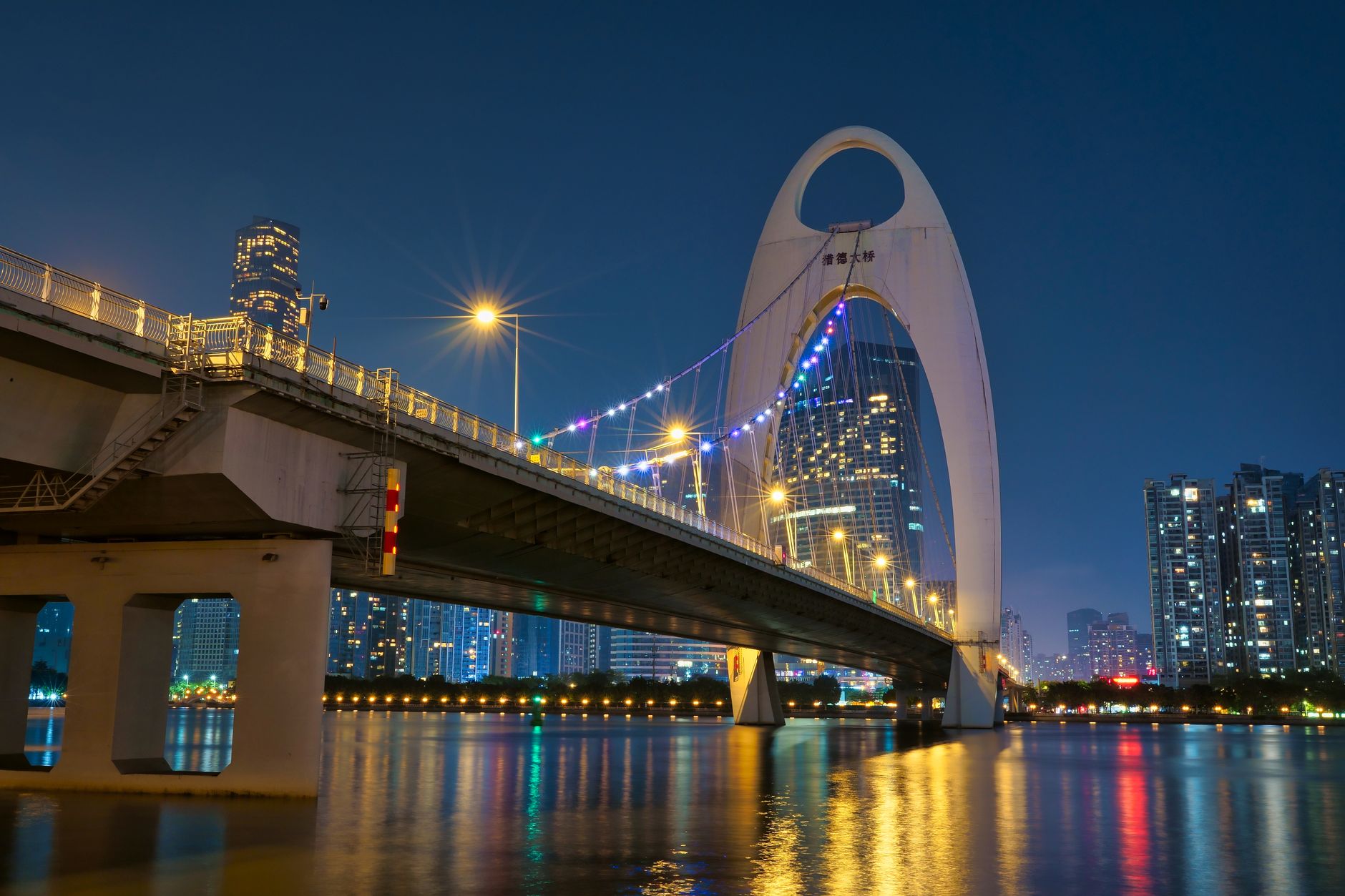

Guangzhou vs Harbin: Cost of Living Comparison
Comparing Guangzhou, a global Tier-1 trade hub in southern China, with Harbin, the 'Ice City' of the northeast, reveals a stark contrast in affordability. While Guangzhou offers a dynamic, international lifestyle at a premium, Harbin provides a significantly lower cost of living, characterized by some of the most affordable urban housing and dining options in China's major provincial capitals.
Is Guangzhou more expensive than Harbin?
Yes, Guangzhou is substantially more expensive than Harbin. On average, the cost of living in Guangzhou is approximately 35% to 45% higher than in Harbin. Local purchasing power in Guangzhou is bolstered by higher average salaries in tech and international trade, but for those on a fixed budget or working remotely, USD goes much further in Harbin. While a single person might require around $1,100 per month (excluding rent) to live comfortably in Guangzhou, the same lifestyle can be maintained in Harbin for roughly $650 to $750.

Housing and Real Estate: Southern Hub vs. Northern Capital
Housing represents the largest price gap between the two cities. In Guangzhou, a one-bedroom apartment in the city center (such as Tianhe or Haizhu) typically ranges from $700 to $1,200 USD per month. In contrast, a similar apartment in Harbin's central districts (like Nangang or Daoli) can be found for $300 to $500 USD. Property prices follow a similar trend; the price per square meter in Guangzhou is often four to five times higher than in Harbin, making Harbin one of the most accessible large cities for real estate in China.
Dining and Groceries: Cantonese Delicacies vs. Hearty Northeast Fare
Food costs are notably lower in Harbin. A meal at an inexpensive local restaurant in Harbin typically costs between $3 and $5 USD, while a similar meal in Guangzhou starts at $6 to $9 USD. Guangzhou offers an elite international dining scene with prices comparable to Western capitals, whereas Harbin's culinary scene focuses on hearty Dongbei portions at budget-friendly prices. Grocery prices for local produce are roughly 15-20% cheaper in Harbin, though Guangzhou has better availability and pricing for imported specialty goods.
Getting Around: Public Transit and Fuel Costs
Both cities feature extensive metro systems and affordable public bus networks. A monthly transit pass in Guangzhou costs around $30 USD, while in Harbin it is slightly cheaper at approximately $20-25 USD. Taxi starting fares are lower in Harbin (approx. $1.40 USD) compared to Guangzhou (approx. $1.80 USD). However, Guangzhou’s infrastructure is more integrated with the Pearl River Delta's high-speed rail network, offering more expensive but faster regional connectivity compared to the more isolated Harbin.
Lifestyle, Utilities, and Entertainment
Utilities vary by season: Guangzhou residents face high electricity bills in the summer for air conditioning, while Harbin residents pay significant heating fees in the winter (often centralized and pre-paid). On average, basic utilities for an 85sqm apartment are about $60 in Harbin and $85 in Guangzhou. Fitness club memberships and cinema tickets are roughly 20-30% more expensive in Guangzhou. For entertainment, Harbin offers unique seasonal attractions like the Ice and Snow World, which are cheaper than Guangzhou's year-round theme parks and high-end nightlife.
How to get from Guangzhou to Harbin
There are currently no direct flight routes provided for this specific pairing. To travel between Guangzhou (CAN) and Harbin (HRB), travelers typically take a connecting flight through major hubs like Beijing (PEK/PKX) or Shanghai (PVG/SHA). Total travel time by air including layovers is usually between 6 to 8 hours. Alternatively, the high-speed rail connects the two cities, though the journey takes approximately 12 to 14 hours, spanning nearly the entire north-south length of China.
The Verdict: Guangzhou or Harbin?
The choice depends heavily on your career and climate preference. Guangzhou is the superior choice for career-driven professionals, expats in international trade, and those who prefer a humid, tropical climate. Harbin is the winner for budget-conscious individuals and digital nomads who want a true 'big city' experience at a fraction of the cost, provided they can handle the extreme sub-zero winters. For families, Harbin offers a significantly lower barrier to high-quality housing and private education.
Borderly AI