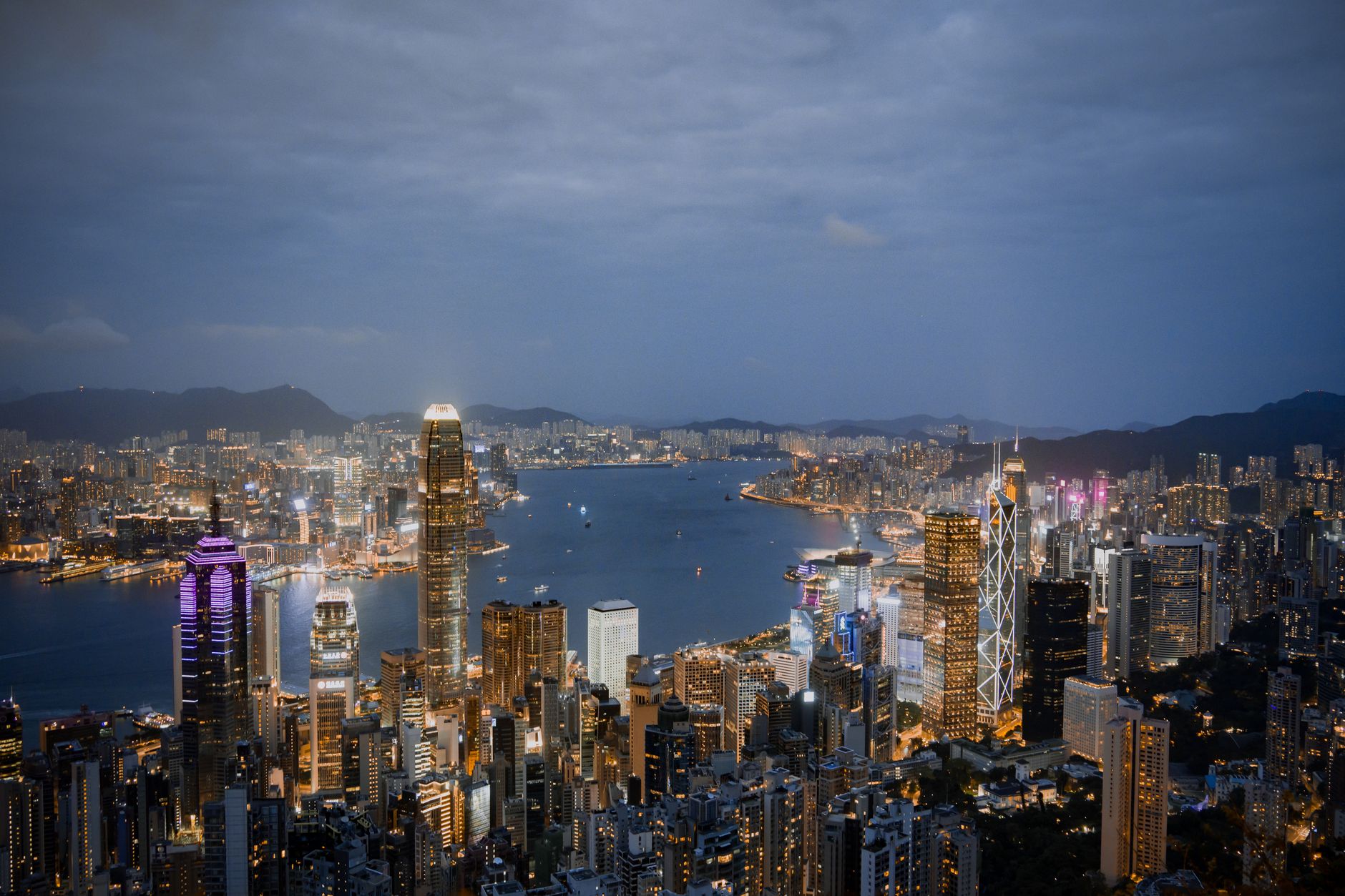

Hong Kong vs Dallas: Cost of Living Comparison
Choosing between the vertical, high-density financial hub of Hong Kong and the sprawling, business-friendly metroplex of Dallas involves a trade-off between urban efficiency and suburban space. While both are major economic engines, their cost structures—particularly in housing and transportation—diverge significantly. This guide compares expenses in USD to help you determine which city aligns better with your budget.
Is Hong Kong more expensive than Dallas?
In general, Hong Kong is significantly more expensive than Dallas, primarily due to real estate. While consumer prices for goods and services in Hong Kong are roughly 10-15% higher than in Dallas, the gap widens to over 40% when rent is factored in. Dallas offers a much higher local purchasing power for the average middle-class earner. However, Hong Kong’s low personal income tax rate (capped at 15-17%) can sometimes offset the high cost of living for high-income expatriates compared to the US federal and state tax system.

Housing and Real Estate
Housing represents the most dramatic price difference. In Hong Kong, a modest 1-bedroom apartment in the city center typically costs between $2,200 and $3,500 USD per month for a very small footprint. In Dallas, the same budget could secure a luxury 2-bedroom apartment in a prime neighborhood like Uptown or a large single-family home in the suburbs. On a price-per-square-foot basis, Hong Kong is consistently ranked as one of the most expensive markets in the world, often costing 5 to 8 times more than Dallas.
Groceries and Dining Out
The food landscape varies by habit. In Dallas, groceries are relatively affordable due to Texas's role as a major agricultural and logistics hub; a typical grocery bill for a couple might range from $400–$600 USD. In Hong Kong, imported Western goods (like cheese, milk, and beef) are expensive, though local markets offer cheaper produce. Dining out in Hong Kong ranges from $7 USD at a local 'cha chaan teng' to world-class fine dining. Dallas offers a robust mid-range dining scene where a meal for two at a standard restaurant costs about $60–$80 USD.
Transportation and Commuting
Transportation is one area where Hong Kong is more affordable. Its MTR system is world-leading, with most daily commutes costing under $2 USD per trip. Most residents do not need a car. Conversely, Dallas is a car-dependent city. While gas is relatively cheap (approx. $0.85 per liter), the total cost of car ownership—including insurance, maintenance, and monthly payments—usually exceeds $600 USD per month. In Hong Kong, owning a car is a luxury due to exorbitant parking fees and fuel prices exceeding $3.00 USD per liter.
Lifestyle, Utilities, and Entertainment
Basic utilities (electricity, heating, water) for a 900 sq ft apartment in Dallas average around $180–$250 USD, often driven by high AC usage in summer. In Hong Kong, smaller apartment sizes keep utility bills lower, typically between $100–$160 USD. Fitness memberships are comparable, averaging $60–$90 USD in both cities. Entertainment, such as cinema tickets and drinks, is roughly 15% more expensive in Hong Kong's central districts compared to Dallas's entertainment hubs.
How to get from Hong Kong to Dallas
There are currently no direct flight routes between Hong Kong (HKG) and Dallas (DFW). Travelers usually opt for one-stop connections through major hubs such as Tokyo (NRT/HND), Seoul (ICN), or Los Angeles (LAX). Total travel time typically ranges from 18 to 22 hours depending on layover duration. For those looking for the most comfortable transit, Cathay Pacific and American Airlines offer frequent connecting services via partner hubs.
The Verdict: Hong Kong or Dallas?
For digital nomads and young professionals who value a car-free, hyper-urban lifestyle and proximity to Asian markets, Hong Kong is the premier choice, provided they can handle cramped living quarters. For families and those seeking a higher 'quality of space' per dollar, Dallas is the clear winner. The North Texas region provides a significantly more affordable path to homeownership and a lower overall cost of living for those willing to drive.
Borderly AI