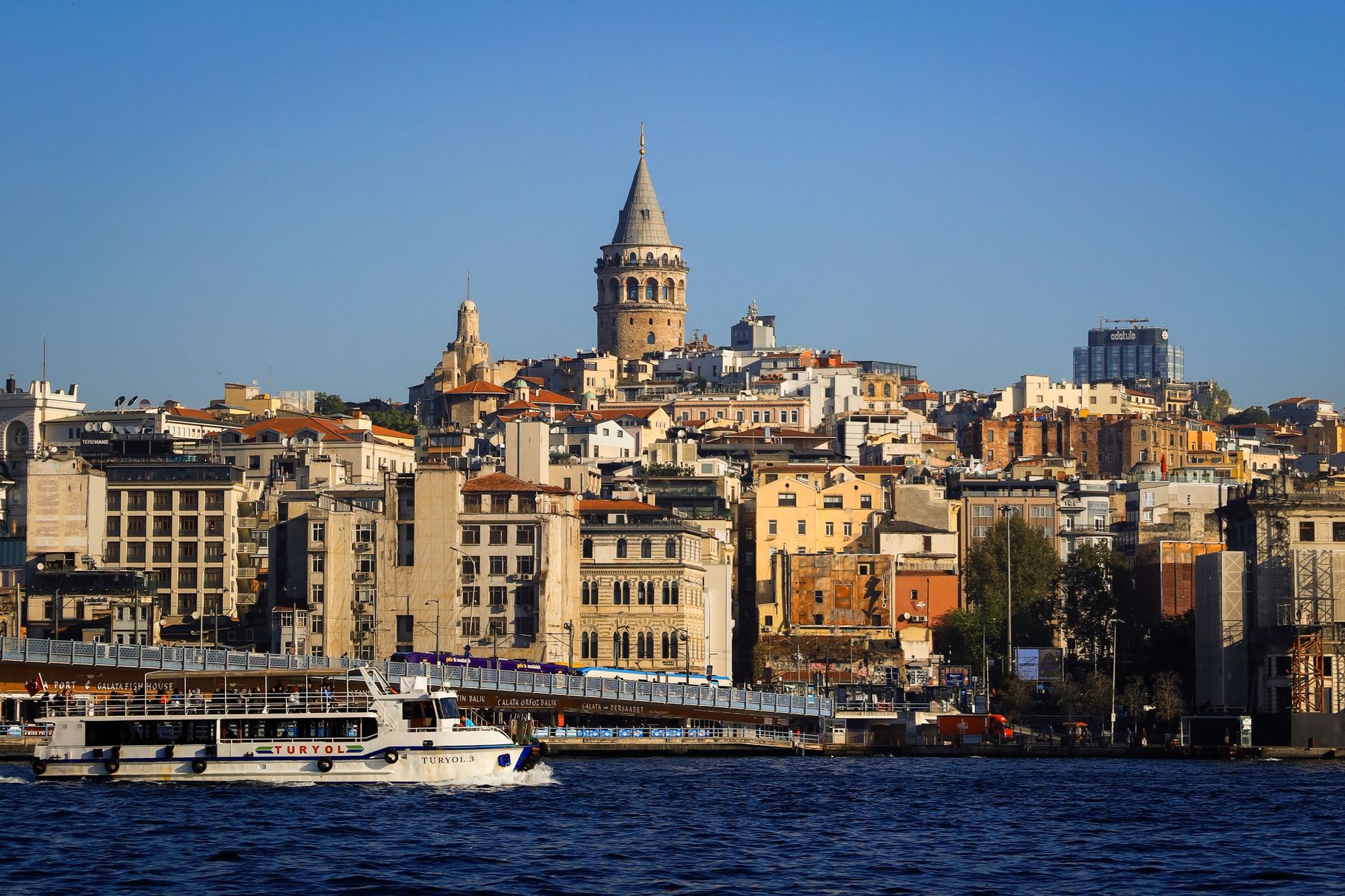
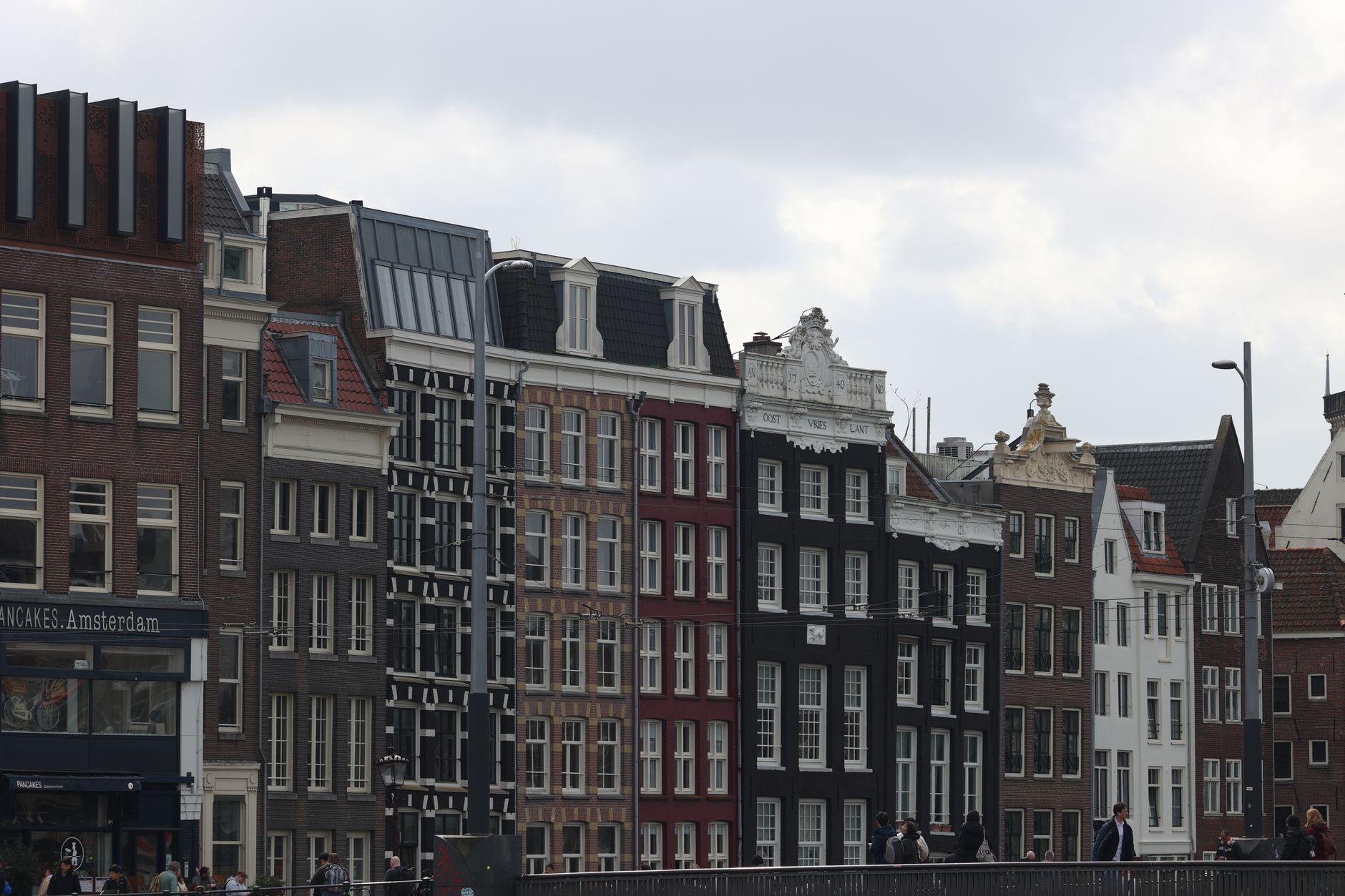

Istanbul vs Amsterdam: Cost of Living Comparison
Comparing Istanbul and Amsterdam reveals a stark contrast between one of the most affordable metropolises in Eurasia and one of Western Europe's most expensive capitals. While Istanbul offers a vibrant, historic lifestyle at a relatively low cost for those with foreign currency, Amsterdam provides high-tier infrastructure and social stability, albeit at a significant financial premium. For most expatriates, moving from Istanbul to Amsterdam will result in a cost of living increase of roughly 150% to 200%.
Is Istanbul more expensive than Amsterdam?
No, Istanbul is substantially more affordable than Amsterdam. When standardized to USD, consumer prices in Amsterdam—including rent—are approximately 175% higher than in Istanbul. While Amsterdam offers higher local purchasing power due to significantly higher average salaries, the 'cost of entry' for a comfortable lifestyle is much lower in Istanbul. A monthly budget of $2,500 allows for a luxury lifestyle in Istanbul, whereas the same amount would barely cover basic rent and utilities for a modest apartment in Amsterdam.

Housing and Real Estate: Renting in Amsterdam vs Istanbul
The housing market is the most significant differentiator. Rent in Amsterdam is approximately 280% higher than in Istanbul. A central one-bedroom apartment in Amsterdam typically costs between $1,900 and $2,600 per month, while a similar unit in a trendy Istanbul neighborhood like Beşiktaş or Kadıköy ranges from $700 to $1,100. Furthermore, Amsterdam is currently facing a severe housing shortage, making the rental market extremely competitive compared to the relatively abundant supply in Istanbul.
Groceries and Dining Out
Dining out in Istanbul is roughly 65% cheaper than in Amsterdam. A three-course meal for two at a mid-range restaurant in Istanbul costs around $35, while the same experience in Amsterdam averages $90. Grocery costs also favor Istanbul, particularly for fresh produce and local markets, though imported goods and alcohol are heavily taxed in Turkey, narrowing the gap for specific luxury items. Overall, a monthly grocery bill in Amsterdam will be about 50-70% higher than in Istanbul.
Getting Around: Public Transit and Fuel
Istanbul’s public transportation network is vast and exceptionally cheap, with a monthly pass costing roughly $35. In contrast, a monthly transit pass in Amsterdam costs approximately $110. While Amsterdam is the world's premier cycling city, reducing the need for transit for some, those relying on cars will find fuel and parking costs in Amsterdam to be among the highest in Europe. Istanbul suffers from intense traffic congestion, but the sheer affordability of taxis and ferries makes it easier to navigate on a budget.
Lifestyle, Utilities, and Fitness
Utilities (electricity, heating, water, and garbage) for an 85sqm apartment average around $80 in Istanbul, compared to over $260 in Amsterdam, driven by higher energy prices in the Netherlands. Fitness costs also vary; a monthly gym membership in Istanbul is roughly $40, while Amsterdam averages $60. Entertainment, such as cinema tickets and theater, is generally 50% cheaper in Istanbul.
How to get from Istanbul to Amsterdam
As there is no direct flight route specified between Istanbul (IST) and Amsterdam (AMS) in this configuration, travelers typically utilize connecting flights through major European hubs like Frankfurt (FRA), Munich (MUC), or Zurich (ZRH). The total travel time including layovers usually ranges from 6 to 9 hours. For those looking for the most efficient path, checking for seasonal charters or indirect flag carrier connections is recommended.
The Verdict: Istanbul or Amsterdam?
The choice depends heavily on your income source and lifestyle priorities. Istanbul is the superior choice for digital nomads and remote workers earning in USD or EUR, as it offers a high quality of life, world-class cuisine, and deep culture at a fraction of Western prices. Amsterdam is better suited for career-driven professionals seeking a stable, English-friendly corporate environment and a high-functioning, bikeable urban infrastructure, provided they can afford the substantial premium for housing.
Borderly AI