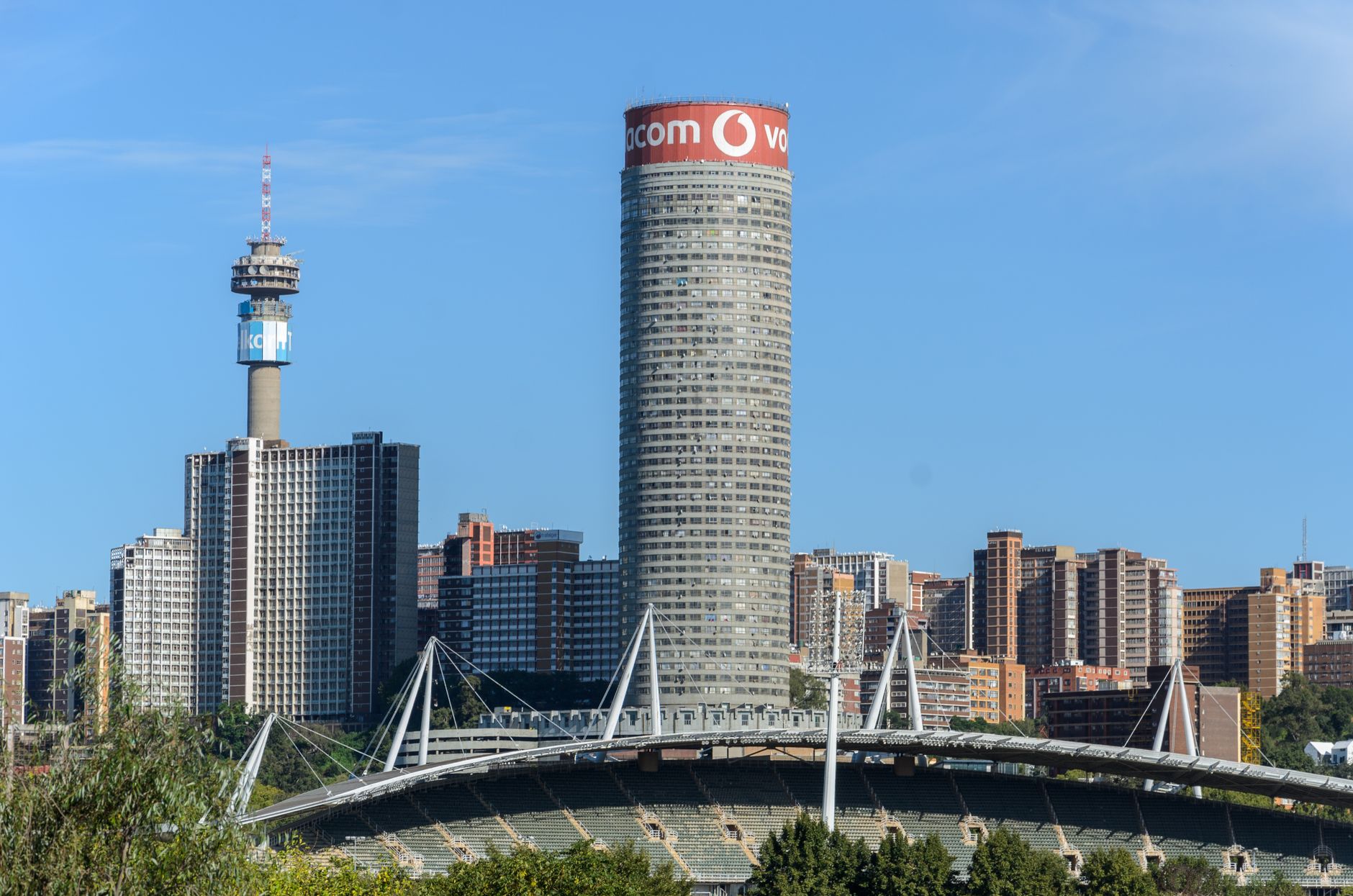


Johannesburg vs Brussels: Cost of Living Comparison
Choosing between the economic powerhouse of South Africa and the 'Capital of Europe' involves balancing affordability with infrastructure. Generally, Johannesburg offers a significantly lower cost of living, particularly in terms of real estate and services, while Brussels commands a premium for its high-quality public amenities and central European location.
Is Johannesburg more expensive than Brussels?
In a direct comparison, Johannesburg is substantially more affordable than Brussels. Most estimates suggest that consumer prices in Brussels are approximately 45% to 55% higher than in Johannesburg when measured in USD. While local purchasing power is relatively high in both cities compared to their respective regions, those earning a foreign currency (USD or EUR) will find that their money goes nearly twice as far in Johannesburg across most spending categories.

Housing and Rent in Johannesburg vs Brussels
The housing market reveals the largest gap between the two cities. Rent in Brussels is typically 80% to 110% higher than in Johannesburg. For example, a modern one-bedroom apartment in the center of Brussels costs roughly $1,300–$1,600 USD per month, whereas a similar unit in a safe, upscale Johannesburg neighborhood like Sandton or Rosebank might cost between $650 and $850 USD. Property prices per square meter in Brussels are also significantly higher, reflecting the density and demand of the European administrative hub.
Grocery and Dining Costs
Dining out in Johannesburg is remarkably affordable, with a mid-range three-course meal for two costing approximately $40 USD, compared to roughly $85 USD in Brussels. Grocery costs follow a similar trend; while Brussels offers excellent quality in cheese and bread, the overall basket—including meat, poultry, and local produce—is about 40% more expensive than in Johannesburg's supermarkets.
Getting Around: Public Transit and Fuel
Brussels boasts a world-class public transportation system of trams, buses, and metros, with a monthly pass costing around $60 USD. In contrast, Johannesburg is a car-centric city where most expats and middle-class residents rely on private vehicles or ride-hailing services. While fuel prices in South Africa are often slightly lower than in Belgium, the hidden costs of vehicle maintenance and insurance in Johannesburg make transportation a more complex budget item than the predictable transit fees of Brussels.
Lifestyle, Fitness, and Utilities
Utilities, including electricity, heating, and water, are generally more expensive in Brussels, particularly following recent energy price fluctuations in Europe. A gym membership in Brussels averages $40–$60 USD per month, which is about 30% higher than in Johannesburg. Entertainment, such as cinema tickets and nightlife, is also consistently more expensive in the Belgian capital.
How to get from Johannesburg to Brussels
There are currently no direct flight routes between Johannesburg (JNB) and Brussels (BRU). Travelers typically connect through major European or Middle Eastern hubs. Common layover points include Frankfurt (Lufthansa), London (British Airways), Paris (Air France), or Istanbul (Turkish Airlines). Total travel time generally ranges between 13 and 16 hours depending on the connection.
The Verdict: Johannesburg or Brussels?
For digital nomads and remote workers looking to maximize their lifestyle for every dollar spent, Johannesburg is the clear winner. The city offers luxury living at a fraction of European prices. However, for families and professionals prioritizing safety, walkable neighborhoods, and access to the European Union's job market, Brussels remains the more stable, albeit costlier, investment.
Borderly AI