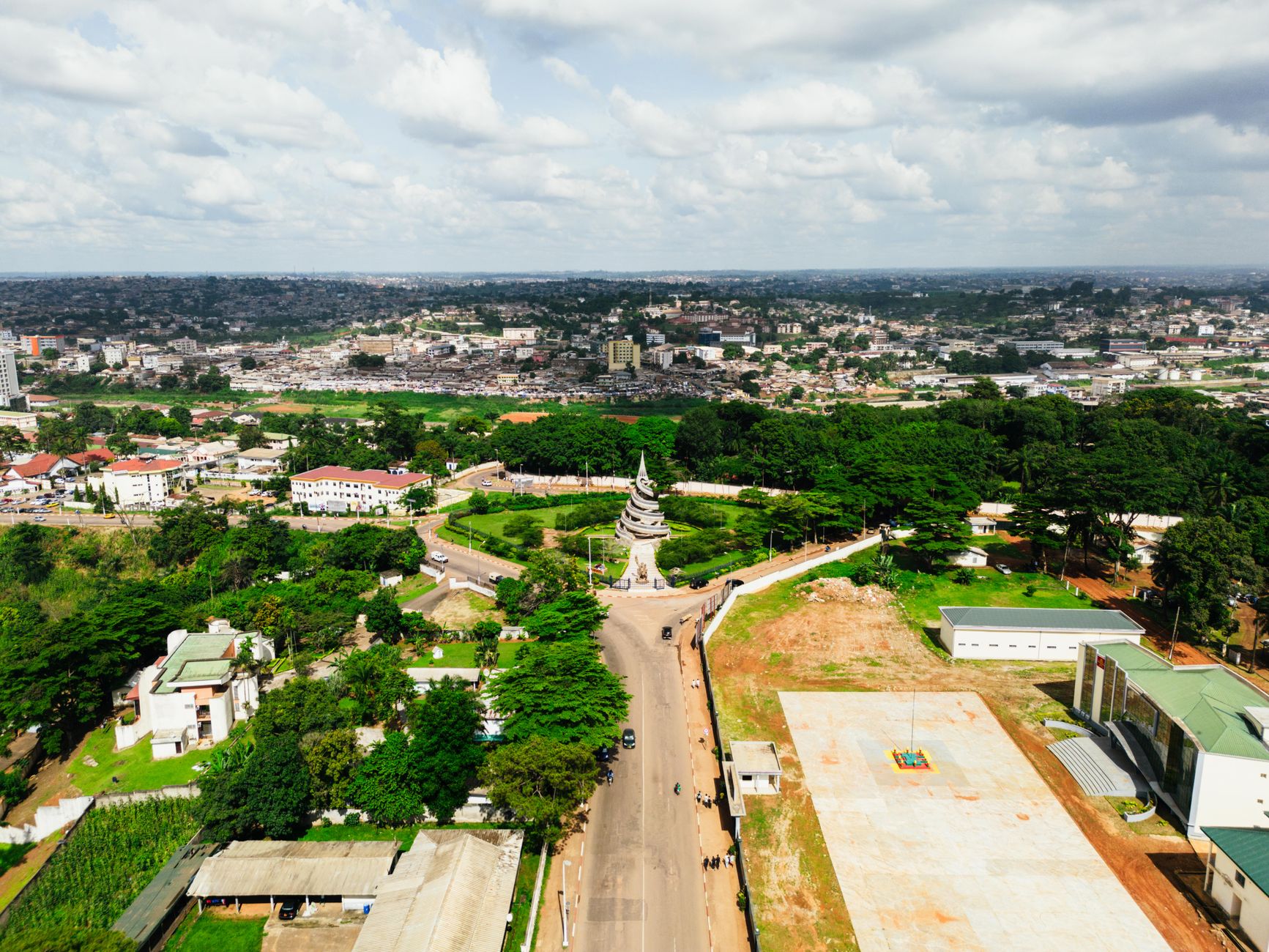

City Comparison

Kinshasa vs Bogotá: Cost of Living Comparison

Navigating the economic landscapes of Kinshasa and Bogotá reveals a stark contrast between a high-cost frontier market and a developed Latin American hub. While Kinshasa is often ranked as one of Africa's most expensive cities for expatriates due to its heavy reliance on imported goods and infrastructure challenges, Bogotá offers a more affordable, modern urban lifestyle supported by a robust local agricultural and manufacturing base.

Is Kinshasa more expensive than Bogotá?

In terms of expatriate purchasing power, Kinshasa is significantly more expensive than Bogotá. The cost of maintaining an international standard of living in Kinshasa—accounting for imported groceries, private security, and reliable utilities—can be double that of Bogotá. While the Colombian Peso (COP) offers good value for those earning in USD, the Congolese Franc (CDF) economy is heavily dollarized at the upper end, driving up prices for services and consumer goods. Overall, a resident in Bogotá enjoys approximately 50% higher purchasing power compared to a resident in Kinshasa.


Rent and Real Estate: High Premiums vs. Urban Variety

Housing represents the largest price gap between the two cities. In Kinshasa, secure and high-quality housing is concentrated in the Gombe district, where a three-bedroom apartment can easily exceed $3,500 USD per month. In contrast, Bogotá's upscale neighborhoods like Chicó or Rosales offer luxury apartments for $1,500 to $2,500 USD. On average, rent in Kinshasa is 60% to 110% higher than in Bogotá for comparable safety and amenities.

Groceries and Dining Out: Local Abundance vs. Import Costs

Bogotá is remarkably affordable for food due to Colombia's year-round agricultural productivity; a mid-range dinner for two typically costs between $30 and $50 USD. In Kinshasa, many supermarket items are imported from Europe or neighboring countries, leading to grocery bills that are 40% higher than in Bogotá. Dining out in Kinshasa's expat-oriented restaurants is also considerably more expensive, with similar quality meals often costing 70% more than in the Colombian capital.

Public Transit and Fuel Costs

Bogotá features a structured mass transit system, the TransMilenio, and an extensive network of cycle paths, making it relatively cheap to navigate ($0.75 per ride). Kinshasa lacks a formal mass transit network, and expats generally rely on private vehicles or expensive hired taxis for safety. While fuel prices are regulated in both countries, the total cost of mobility is higher in Kinshasa due to the necessity of private transport and the high maintenance costs associated with local road conditions.

Lifestyle: Entertainment, Gym, and Utilities

Utilities in Kinshasa, including stable internet and electricity (often requiring back-up generators), are significantly more expensive and less reliable than in Bogotá. A monthly gym membership in Bogotá averages $30–$50 USD, whereas high-end facilities in Kinshasa often charge $80 USD or more. Entertainment such as cinema tickets and nightlife are also about 30% more affordable in Bogotá.

How to get from Kinshasa to Bogotá

There is no direct flight route between Kinshasa (FIH) and Bogotá (BOG). Travelers typically connect through European hubs such as Paris (Air France) or Brussels (Brussels Airlines) before catching a connecting flight to Bogotá via Madrid or Miami. Alternatively, routes through Istanbul (Turkish Airlines) or Addis Ababa (Ethiopian Airlines) may be available. Total travel time usually ranges from 22 to 30 hours depending on layovers.

The Verdict: Kinshasa or Bogotá?

Bogotá is the clear winner for digital nomads, retirees, and families seeking a high quality of life at a manageable price point. Kinshasa is better suited for specialized professionals in the mining, diplomatic, or NGO sectors whose employers typically provide housing and security allowances to offset the exceptionally high cost of living.

Copyright © 2024 Borderly Labs
All rights reserved
Featured on Dofollow.Tools

Borderly AI