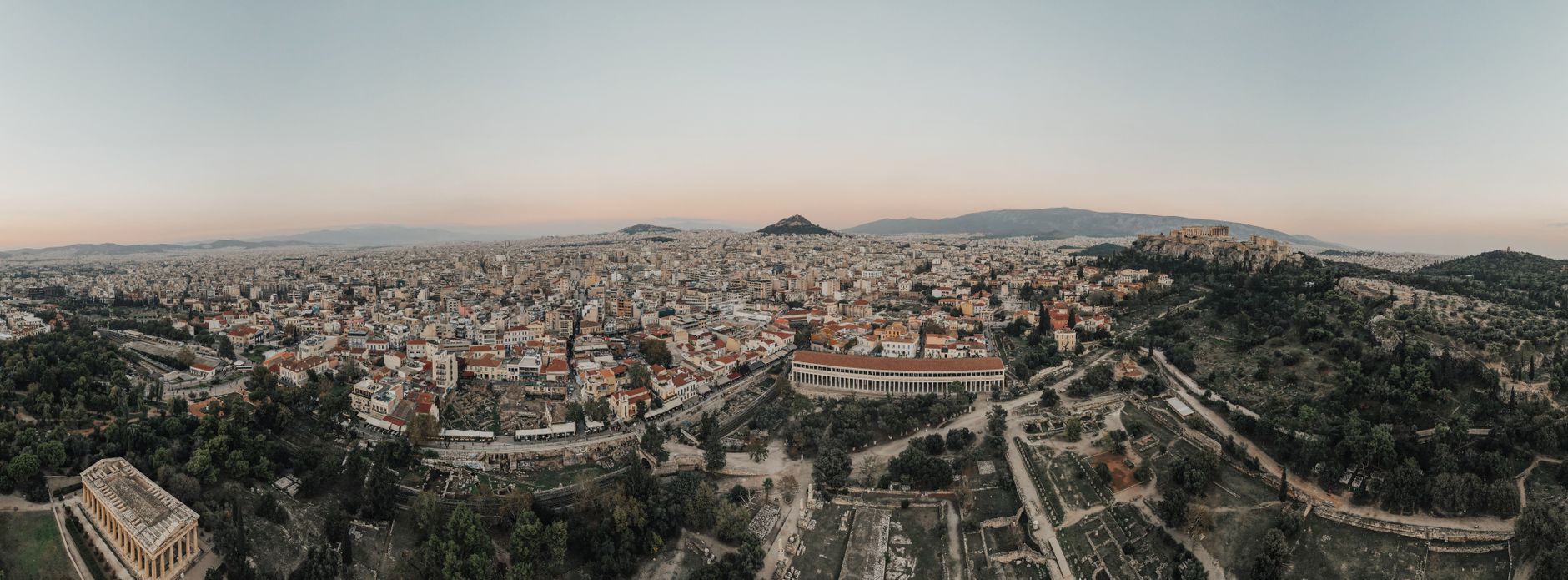

Luanda vs Athens: Cost of Living Comparison
The cost of living comparison between Luanda, Angola, and Athens, Greece, reveals a stark contrast between an expensive, import-dependent frontier market and a more affordable, developed Mediterranean capital. While Luanda has historically ranked as one of the world's most expensive cities for expatriates due to the high price of security and imported goods, Athens offers a significantly higher quality of life for a lower price point across almost every category including housing, food, and healthcare.
Is Luanda more expensive than Athens?
From an economist's perspective, Luanda is generally more expensive for an international standard of living. While the local currency (AOA) has faced significant devaluation, the 'expat basket'—comprising secure housing, reliable utilities, and imported consumer goods—remains priced at a premium. In contrast, Athens provides a mature economy where local purchasing power is higher, and the cost of services is stabilized by the Eurozone. For a middle-class lifestyle, Athens is roughly 25-40% cheaper than maintaining a similar standard in Luanda's secure zones.

Housing and Real Estate
Housing is the primary driver of Luanda's high costs. A secure, modern three-bedroom apartment in Luanda's 'Cidade Alta' or Talatona can cost between $3,500 and $7,000 USD per month. In Athens, a high-end apartment in desirable neighborhoods like Kolonaki or Glyfada typically ranges from $1,200 to $2,500 USD. Property prices in Athens follow a standard European market trajectory, whereas Luanda's market is heavily segmented between luxury fortified compounds and informal housing.
Groceries and Dining Out
Athens is famous for its affordable, high-quality Mediterranean diet. Local markets provide fresh produce at prices significantly lower than those in Angola. A basic grocery bill in Athens might average $400 USD per month, while in Luanda, the same basket featuring imported cheeses, meats, and produce could easily exceed $800 USD. Dining out in Athens is also more economical; a three-course meal for two at a mid-range restaurant costs around $55 USD, whereas a similar experience in Luanda's upscale restaurants often starts at $100 USD.
Transport and Infrastructure
Luanda has one of the lowest fuel prices in the world due to government subsidies, making private car ownership the primary mode of transport. However, the lack of structured public transit and extreme traffic congestion are significant downsides. Athens offers a comprehensive and modern public transport network, including a metro, trams, and buses, with a monthly pass costing roughly $30 USD. While fuel in Greece is significantly more expensive due to EU taxes, the overall cost of mobility is often lower in Athens when including car maintenance and time lost to traffic.
Lifestyle and Utilities
Utilities in Luanda can be a hidden expense, as many residents must invest in private water tanks and diesel generators to combat intermittent municipal supply. In Athens, while energy costs have risen, the infrastructure is reliable. For entertainment, Athens offers a massive variety of cinemas, theaters, and outdoor activities that are significantly cheaper than the limited high-end entertainment options in Luanda. A gym membership in Athens averages $45 USD, compared to $100+ USD for international-standard gyms in Luanda.
How to get from Luanda to Athens
There are no direct flight routes between Luanda (LAD) and Athens (ATH). Travelers usually opt for one-stop connections through major European or Middle Eastern hubs. The most popular routes include flying with TAP Air Portugal via Lisbon, Turkish Airlines via Istanbul, or Lufthansa via Frankfurt. Total travel time typically ranges from 11 to 15 hours depending on the layover duration.
The Verdict: Luanda or Athens?
For digital nomads and families looking for a balance of history, safety, and affordability, Athens is the superior choice. It offers a developed European lifestyle at a fraction of the cost of other EU capitals. Luanda is typically recommended only for professionals in the oil, gas, or mining sectors whose relocation packages include high allowances for housing and security, as the cost of living for a self-funded expat is disproportionately high relative to the available infrastructure.
Borderly AI