
Nanjing vs Atlanta: Cost of Living Comparison
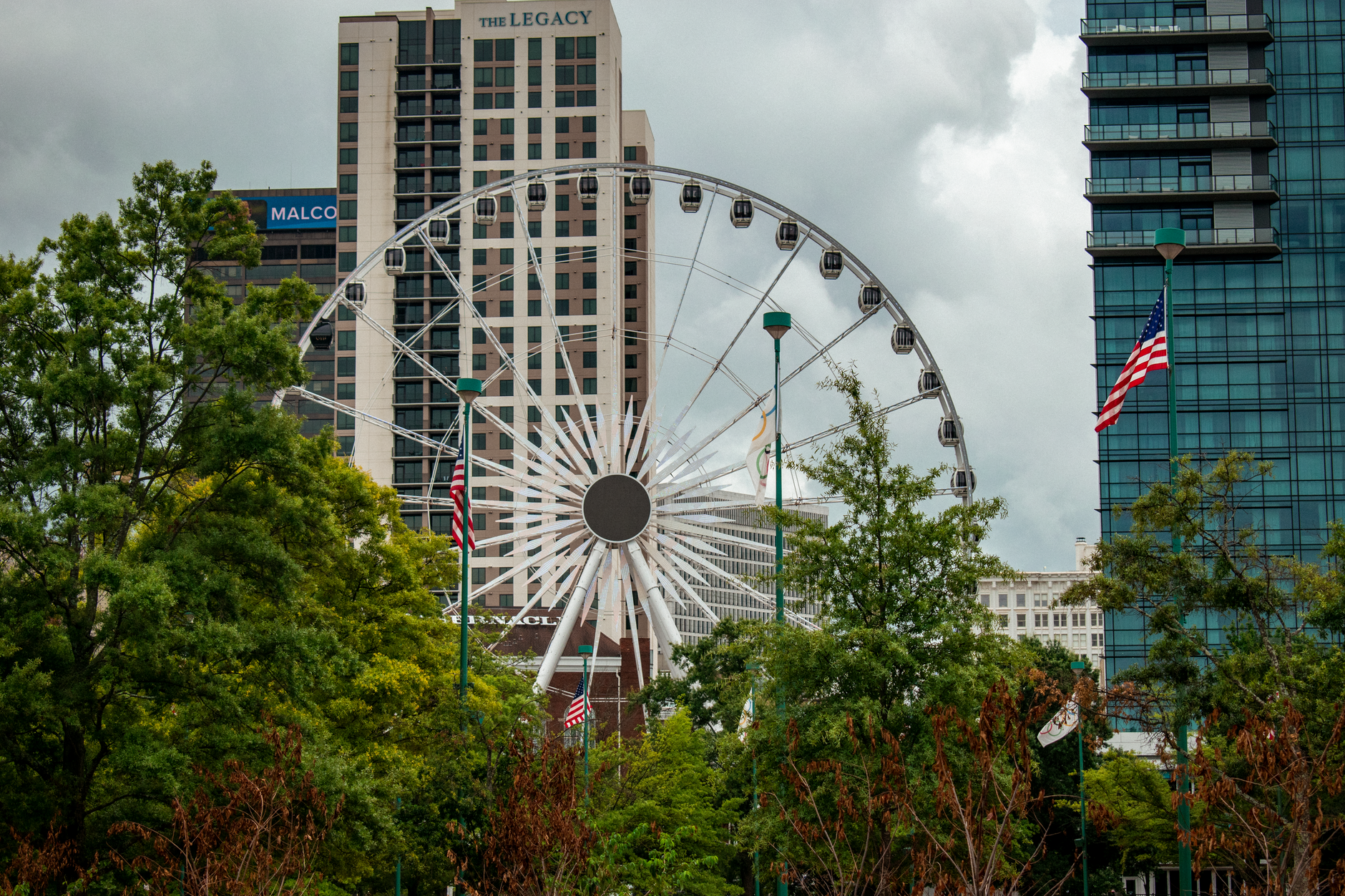
Comparing Nanjing and Atlanta reveals a significant disparity in affordability and lifestyle structure. As a major Chinese educational and industrial hub, Nanjing offers a high standard of living at a fraction of the cost of Atlanta, a primary economic engine of the American South. Generally, living in Atlanta is approximately 50% to 70% more expensive than living in Nanjing, primarily driven by the high costs of housing, healthcare, and services in the United States.
Is Nanjing more expensive than Atlanta?
No, Nanjing is significantly more affordable than Atlanta across almost all metrics. While Atlanta offers higher local purchasing power for its residents due to higher average salaries, a relocation from Atlanta to Nanjing would see a dramatic reduction in monthly overhead. In Nanjing, an individual can maintain a comfortable lifestyle for around $1,200 - $1,500 USD per month, whereas a similar lifestyle in Atlanta would likely require $3,500 USD or more. The most notable differences are found in service-oriented costs and rent.
Housing and Real Estate: Nanjing vs Atlanta
Housing represents the largest price gap between the two cities. In Atlanta, a one-bedroom apartment in the city center typically ranges from $1,800 to $2,500 USD. In contrast, a similar modern apartment in Nanjing’s central districts (like Xinjiekou) costs between $700 and $1,100 USD. Outside the city center, Nanjing’s prices drop even further, often below $500 USD. Property purchase prices per square foot are also generally higher in Atlanta's desirable neighborhoods, though Nanjing's core real estate remains expensive relative to local wages.
Food and Dining: Groceries vs Restaurants
Dining out in Nanjing is exceptionally affordable, with a mid-range meal for two costing approximately $25 USD, compared to $70 USD or more in Atlanta (especially when including the standard 20% US tipping culture, which does not exist in China). Groceries in Nanjing are roughly 30% cheaper if shopping at local wet markets for fresh produce. However, imported Western goods in Nanjing can often match or exceed Atlanta prices. In Atlanta, staples like milk and bread are relatively affordable, but the overall monthly food budget is significantly higher due to the cost of processed foods and dining services.
Getting Around: Public Transit and Fuel
The transportation experience differs vastly. Nanjing boasts a world-class, extensive subway system where most rides cost less than $1 USD. Atlanta is a car-dependent city; while MARTA exists, most residents require a private vehicle. This introduces costs for insurance, maintenance, and parking that are largely avoidable in Nanjing. Gasoline is generally more expensive in China than in Georgia, USA, but the necessity of driving in Atlanta makes its total transportation burden much higher—often exceeding $500 USD/month compared to Nanjing's $50 USD/month for transit users.
Lifestyle, Utilities, and Entertainment
Basic utilities (electricity, heating, water) for a standard apartment in Nanjing average around $60-$90 USD per month, whereas in Atlanta, they frequently exceed $180 USD. High-speed internet is notably cheaper in Nanjing. Fitness and leisure also favor Nanjing; a monthly gym membership averages $30-$50 USD, while premium clubs in Atlanta often start at $60-$100 USD. Cinema tickets and domestic entertainment are also more budget-friendly in the Chinese city.
How to get from Nanjing to Atlanta
There are currently no direct flight routes between Nanjing Lukou International Airport (NKG) and Atlanta Hartsfield-Jackson International Airport (ATL). Travelers typically connect through major hubs such as Shanghai (PVG), Seoul (ICN), or New York (JFK). Total travel time usually ranges from 20 to 26 hours depending on layovers. Since there is no direct route, travelers should check for the most efficient transfers via major international carriers.
The Verdict: Nanjing or Atlanta?
For digital nomads and remote workers earning in USD, Nanjing offers an incredible opportunity to 'geo-arbitrage,' providing a high-tech, safe, and culturally rich environment at a low cost. For families, Atlanta provides more space (suburban housing with yards) and access to the American educational system, but at a much higher price point. If budget and infrastructure efficiency are the priorities, Nanjing wins. If career growth in the US corporate sector and sprawling suburban living are the goals, Atlanta is the choice.
Borderly AI