
Nanjing vs Dar es Salaam: Cost of Living Comparison
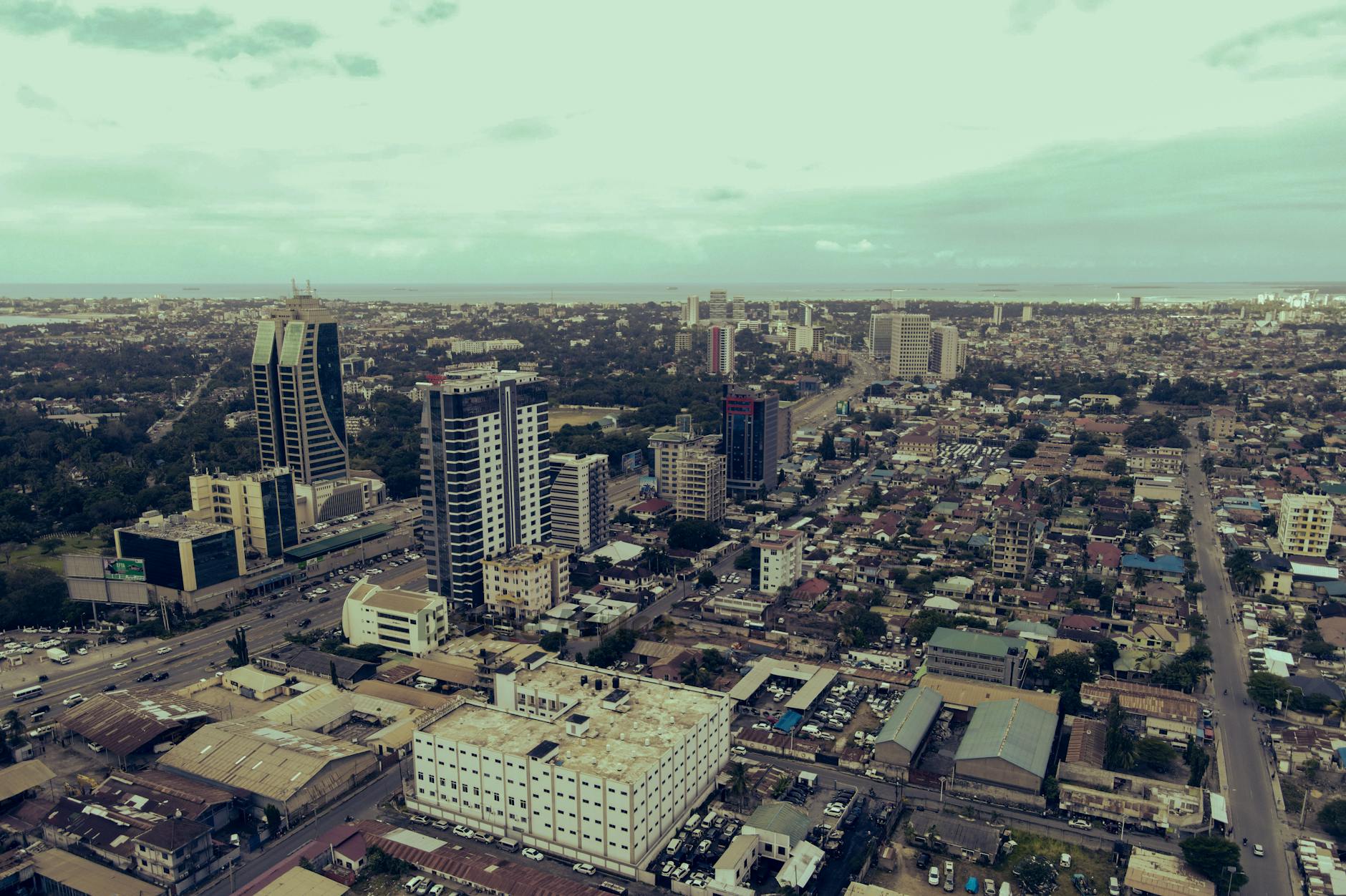
Nanjing, a historic yet ultra-modern Chinese hub, and Dar es Salaam, Tanzania's bustling coastal commercial center, offer vastly different economic landscapes. While Nanjing provides world-class infrastructure at a moderate price point for China, Dar es Salaam offers a lower baseline for local goods but can be surprisingly expensive for those maintaining a Western standard of living. This comparison evaluates how your budget stretches in these two unique cities.
Is Nanjing more expensive than Dar es Salaam?
In general, the cost of living in Nanjing is roughly 25% higher than in Dar es Salaam. However, this figure is deceptive due to the quality of infrastructure. Nanjing offers much higher local purchasing power and significantly better public services for the price. In Dar es Salaam, while basic local services and labor are very cheap, imported goods and high-end amenities often command a premium that can exceed Nanjing's prices. For an expat seeking a middle-class lifestyle, Nanjing provides more 'value for money' in terms of safety, connectivity, and public utilities.
Housing and Rent: Modern High-Rises vs Coastal Living
Rent in Nanjing's city center for a modern one-bedroom apartment typically ranges from $550 to $850 USD. In Dar es Salaam, a comparable apartment in a safe, central area might cost between $400 and $700 USD. However, in Dar's elite expat enclaves like Masaki or Oyster Bay, prices can skyrocket to $1,500+ USD for secured compounds. Nanjing's housing market is characterized by dense high-rises with reliable utilities, whereas Dar es Salaam offers more detached housing options but may require additional spending on private security and backup generators.
Food and Dining: Street Food vs Imported Staples
Groceries in Dar es Salaam are generally more affordable, particularly for fresh tropical produce, seafood, and local grains, often costing 30% less than in Nanjing. However, Nanjing excels in the variety and cost of budget dining; a meal at a local Chinese eatery costs between $3 and $6 USD. In Dar es Salaam, local 'Mama Lishe' stalls offer meals for under $3 USD, but international-style restaurants and cafes are often more expensive than their equivalents in Nanjing due to the high cost of imported ingredients.
Transport: High-Tech Transit vs Urban Commuting
Nanjing has a significant advantage in public transportation, featuring an extensive, clean, and cheap subway system where most trips cost less than $1 USD. Dar es Salaam relies on the DART (Bus Rapid Transit) and private 'daladalas,' which are very inexpensive but can be crowded and less efficient. Gasoline prices are typically higher in Tanzania than in China. While car ownership is common for expats in both cities, the cost of importing and maintaining a vehicle in Dar es Salaam is considerably higher due to taxes and road conditions.
Lifestyle, Utilities, and Entertainment
Monthly utilities (electricity, water, and waste) for an 85sqm apartment in Nanjing average $60–$90 USD, whereas in Dar es Salaam, air conditioning costs in the humid climate can push bills over $120 USD. Internet in Nanjing is significantly faster and more affordable than in Dar es Salaam. For leisure, a gym membership in Nanjing is roughly $40–$60 USD, while high-end gyms in Dar es Salaam catering to the international community often charge $70 USD or more. Cinema tickets and international clothing brands are priced similarly in both cities.
How to get from Nanjing to Dar es Salaam
There are no direct flights between Nanjing (NKG) and Dar es Salaam (DAR). The most common routes involve at least one stop, typically through major international hubs. Frequent connections are available via Dubai (Emirates), Doha (Qatar Airways), or Addis Ababa (Ethiopian Airlines). Total travel time usually ranges from 16 to 22 hours. Travelers may also consider taking a high-speed train from Nanjing to Shanghai to access a wider variety of flight paths from Shanghai Pudong (PVG).
The Verdict: Nanjing or Dar es Salaam?
Nanjing is the better choice for digital nomads and professionals who prioritize high-speed internet, efficient public transit, and urban safety. It offers a more seamless 'plug-and-play' lifestyle. Dar es Salaam is better suited for entrepreneurs or humanitarian workers interested in emerging African markets, or those who prefer a slower coastal pace of life and can afford the premium required for high-end housing and security.
Borderly AI