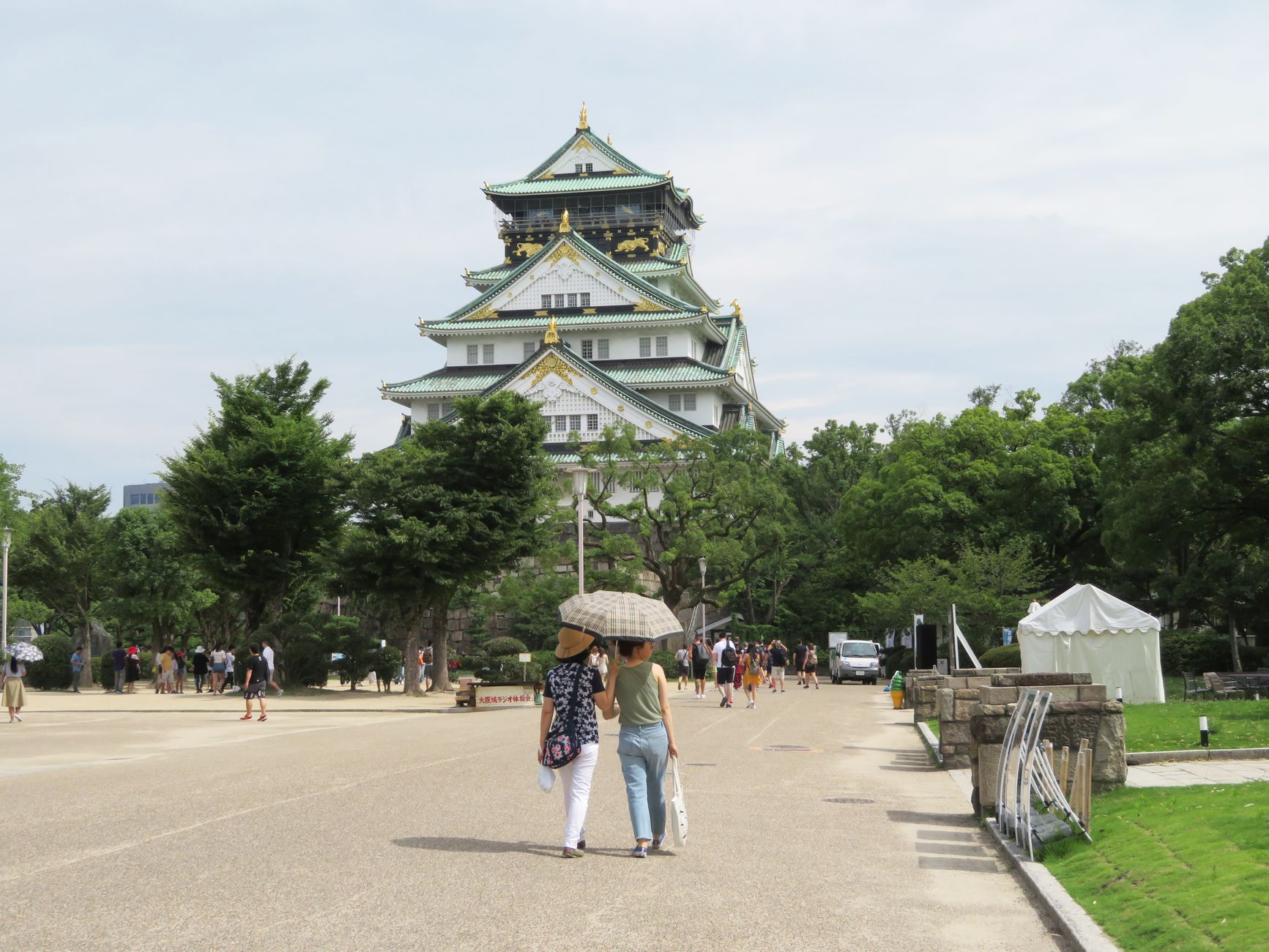
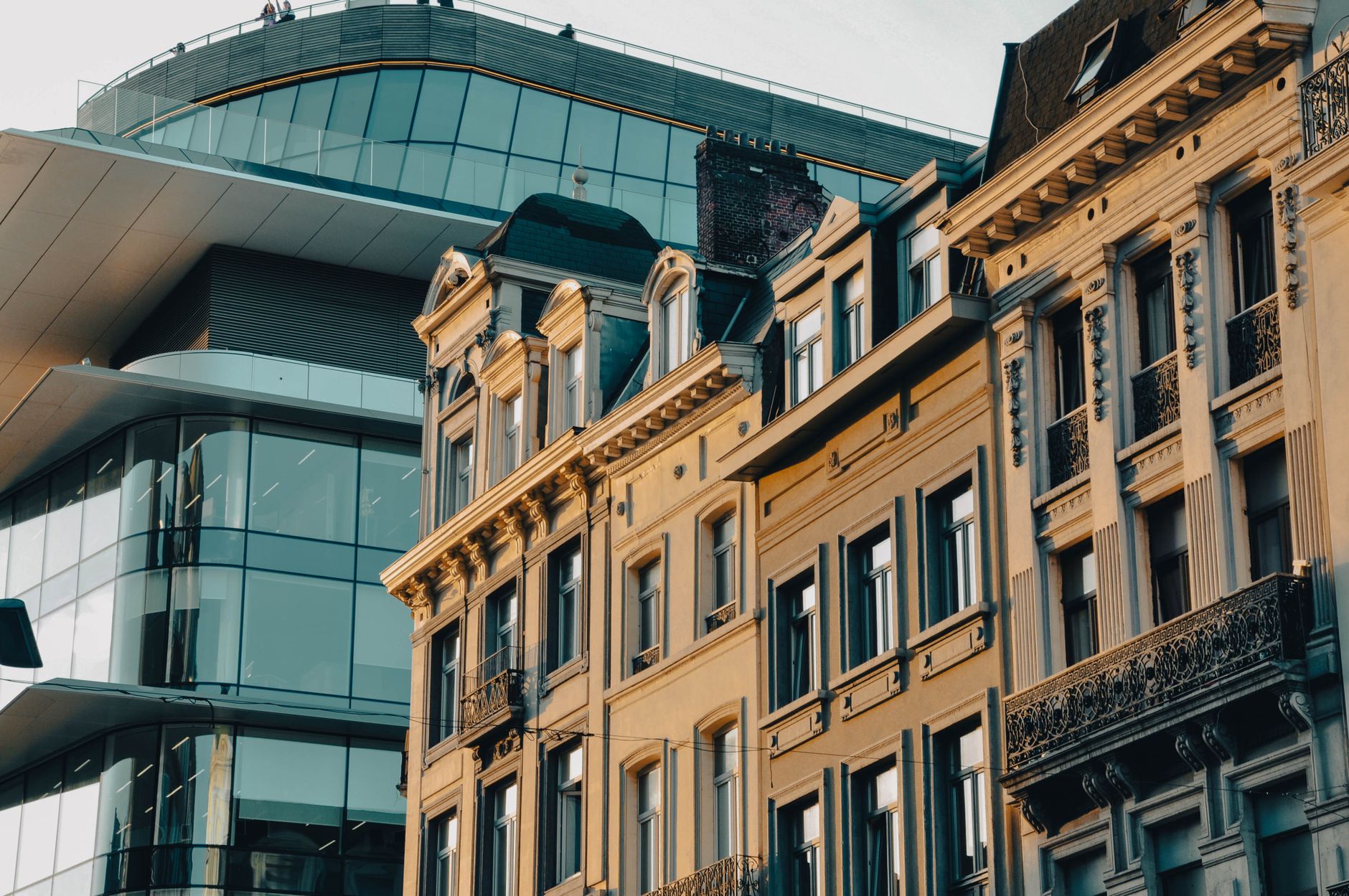

Osaka vs Brussels: Cost of Living Comparison
Choosing between the culinary capital of Japan and the heart of the European Union involves balancing distinct economic landscapes. Generally, Osaka offers a more budget-friendly urban lifestyle, particularly regarding dining and local services, while Brussels reflects the higher price points typical of Western European administrative hubs, especially in housing and utilities.
Is Osaka more expensive than Brussels?
No, Osaka is significantly more affordable than Brussels. When standardized to USD, the overall cost of living in Osaka is approximately 15% to 25% lower than in Brussels. While salaries in Brussels can be higher in certain sectors due to the presence of international institutions, the local purchasing power in Osaka remains strong because of the current exchange rate of the Yen and the highly competitive domestic market for consumer goods.

Rent and Real Estate in Osaka and Brussels
Housing is the primary driver of the cost difference. Renting a one-bedroom apartment in the center of Brussels typically costs between $1,100 and $1,400 per month. In contrast, a similar apartment in central Osaka ranges from $700 to $950. While Japanese apartments are often smaller in square footage, they are generally newer or better maintained. Outside the city center, Brussels rent remains higher than Osaka’s suburban districts by about 30%.
Groceries and Dining Out
Osaka is world-renowned for its affordable 'street food' culture and high-quality dining at low price points. A meal at an inexpensive restaurant in Osaka costs around $7–$10, whereas a similar meal in Brussels is closer to $18–$22. However, grocery shopping in Brussels for Western staples like cheese, bread, and wine is cheaper than in Osaka. Conversely, fresh produce and seafood in Osaka are competitively priced if shopping at local markets rather than high-end department stores.
Getting Around: Public Transit and Fuel
Osaka features an incredibly efficient but distance-based fare system for its subways and trains, which can become expensive for long daily commutes. Brussels uses a flat-fare system for its STIB/MIVB network, with a monthly pass costing roughly $55, making it more economical for frequent travelers. However, car ownership is more expensive in Brussels due to higher fuel taxes and parking fees compared to Osaka.
Lifestyle, Entertainment, and Utilities
Monthly utilities (electricity, heating, cooling, water) for a standard 85m² apartment are higher in Brussels, often exceeding $220, compared to approximately $140 in Osaka. High-speed internet is similarly priced in both cities. Lifestyle activities like cinema visits and gym memberships are roughly 10-15% more expensive in Brussels, reflecting the higher labor and operational costs in the Eurozone.
How to get from Osaka to Brussels
There is currently no Direct Flight Route between Osaka (KIX) and Brussels (BRU). Travelers typically connect through major international hubs such as Helsinki (Finnair), Munich (Lufthansa), or Dubai (Emirates). Total travel time usually spans between 16 and 22 hours depending on layover durations.
The Verdict: Osaka or Brussels?
For digital nomads and those prioritizing a lower cost of living without sacrificing urban convenience, Osaka is the superior choice. It offers world-class infrastructure and safety at a fraction of the cost of major European cities. Brussels remains a strategic choice for families and professionals working within European policy or international law, though they should expect to pay a premium for housing and daily services.
Borderly AI