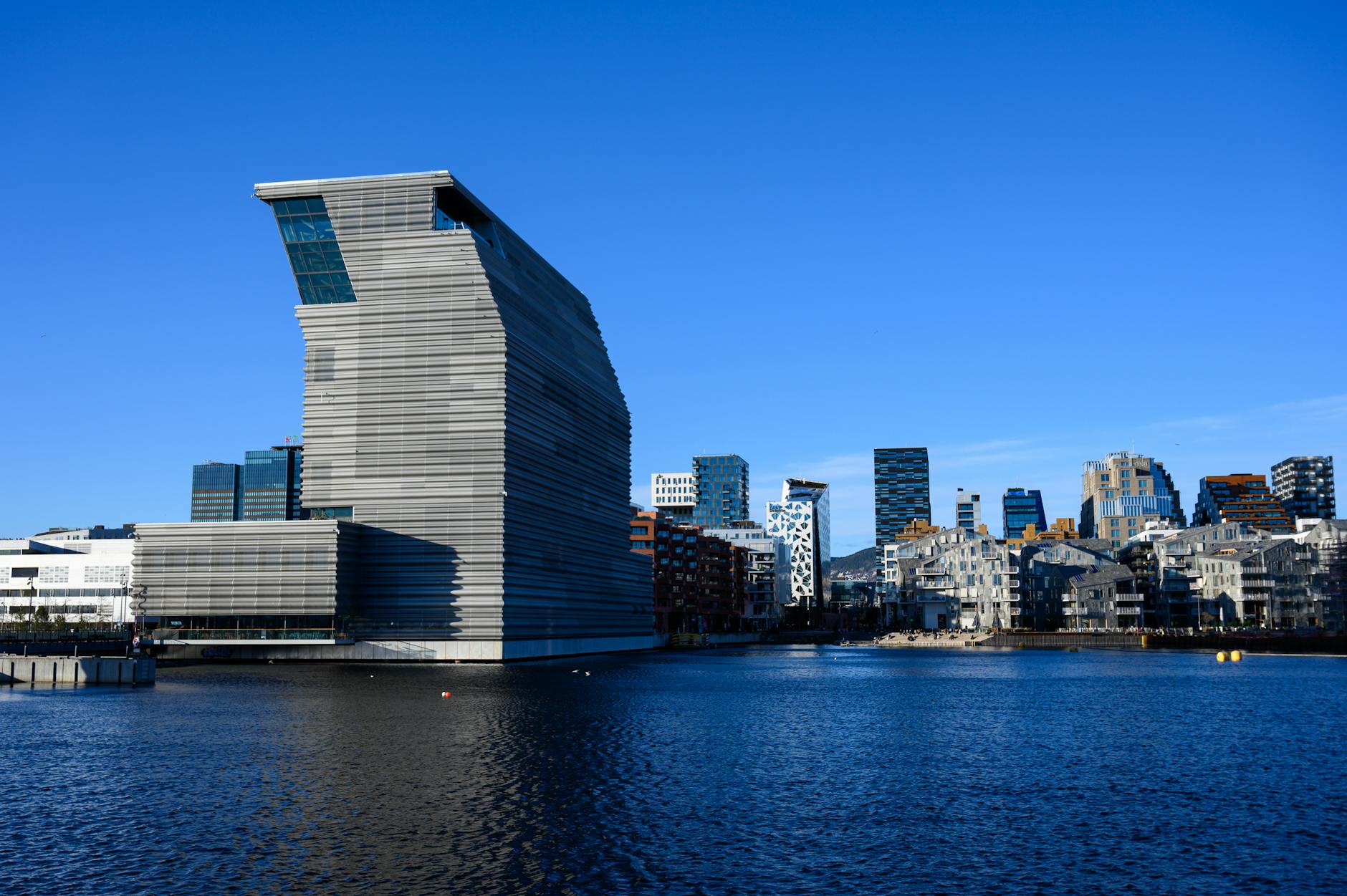


Oslo vs Brussels: Cost of Living Comparison
Choosing between the Scandinavian efficiency of Oslo and the diplomatic heart of Europe in Brussels involves navigating two very different economic landscapes. While both cities represent high standards of living within Western Europe, Oslo consistently ranks among the most expensive cities globally. This comparison breaks down the financial implications of living in or relocating to these two capital cities, with Oslo's high-wage, high-cost model contrasting against Brussels' more moderate, yet still premium, Eurozone pricing.
Is Oslo more expensive than Brussels?
Yes, Oslo is significantly more expensive than Brussels across almost every measurable metric. On average, consumer prices in Oslo are approximately 25% to 35% higher than in Brussels. When including rent, the cost of living gap remains substantial. While local purchasing power in Oslo is remarkably high due to some of the world's highest average salaries, an individual earning a fixed international salary (in USD) will find their lifestyle much more constrained in the Norwegian capital. Brussels, as an international hub for the EU and NATO, offers a cosmopolitan lifestyle that is comparatively more accessible for mid-level professionals.

Rent and Real Estate: Oslo vs Brussels
Housing costs are a primary driver of the price differential. In Oslo, a one-bedroom apartment in the city center typically costs between $1,650 and $2,100 USD per month. In Brussels, a similar apartment in a desirable neighborhood like Ixelles or Etterbeek ranges from $1,100 to $1,450 USD. For those looking to buy property, the price per square meter in Oslo's city center is roughly $9,500 USD, while Brussels offers significantly better value at approximately $4,800 to $5,500 USD per square meter. This makes Brussels a far more viable option for long-term residency and property investment.
Groceries and Dining: The Price of a Meal
The cost of food in Oslo is often a shock to newcomers. Due to high import duties and labor costs, grocery prices in Oslo are nearly 40% higher than in Brussels. A basic lunch in the business district of Oslo will cost around $22 USD, compared to $17 USD in Brussels. Dining out is where the gap widens further, particularly regarding alcohol; a pint of beer in an Oslo pub can exceed $11 USD, while in Brussels—famous for its world-class beer culture—a high-quality craft beer typically costs between $5 and $7 USD.
Public Transit and Mobility
Both cities boast excellent public transportation networks, but Oslo's is more expensive. A monthly pass for the Ruter system in Oslo costs approximately $82 USD, whereas a monthly STIB-MIVB pass in Brussels is roughly $55 USD. For car owners, Norway's fuel prices are among the highest in the world, often surpassing $2.10 per liter, though the city is a global leader in electric vehicle (EV) infrastructure. Brussels is also discouraging car use through its 'Good Move' plan, but fuel and maintenance costs remain lower than in Scandinavia.
Lifestyle Comparison: Entertainment and Utilities
Lifestyle expenses follow the same trend. A monthly gym membership in Oslo averages $50-$65 USD, while in Brussels, one can find quality gyms for $30-$45 USD. Utilities (electricity, heating, and water) for an 85sqm apartment in Oslo average around $160 USD per month—surprisingly competitive due to Norway's hydropower—while Brussels has seen more volatility in energy prices, with averages often hitting $200-$250 USD depending on the season. Cinema tickets and theater performances are roughly 20% more expensive in Oslo.
How to get from Oslo to Brussels
There are currently no direct flight routes provided between Oslo (OSL) and Brussels (BRU). Most travelers opt for a connecting flight through major European hubs like Copenhagen (CPH), Frankfurt (FRA), or Amsterdam (AMS). The total travel time, including layovers, typically ranges from 4 to 6 hours. For those looking for a more scenic but much longer route, a combination of ferries to Denmark or Germany followed by high-speed rail can take approximately 20 hours.
The Verdict: Oslo or Brussels?
The choice depends heavily on your career stage and lifestyle priorities. For digital nomads and remote workers, Brussels is the clear winner due to its significantly lower cost of living and central European location. For families, Oslo offers an arguably higher quality of life with world-class public education and nature access, provided you have the high Norwegian salary to support it. Overall, Brussels offers a better balance of 'big city' amenities and affordability, while Oslo remains a premium destination for those specifically targeting the Nordic social model.
Borderly AI