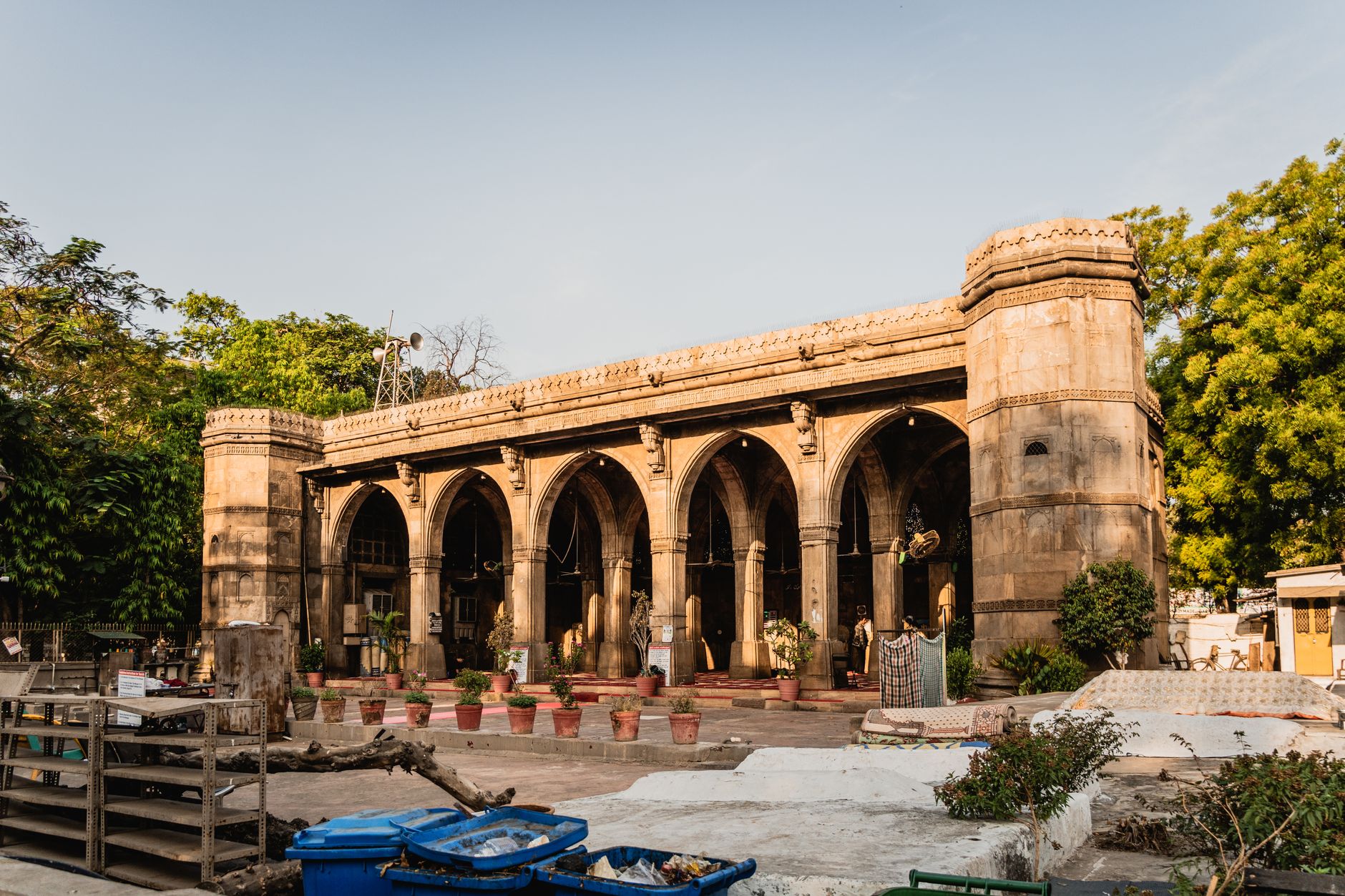

Pune vs Ahmedabad: Cost of Living Comparison
Pune and Ahmedabad are two of India's most prominent industrial and educational hubs. While both cities offer a high quality of life at a fraction of the cost of global metros, Ahmedabad consistently emerges as the more affordable option. Pune’s status as a premier IT and automobile hub drives up its real estate and lifestyle costs, whereas Ahmedabad maintains a competitive edge through lower utility, food, and housing expenses.
Is Pune more expensive than Ahmedabad?
In a direct comparison of purchasing power, Ahmedabad generally offers a 10% to 15% lower cost of living than Pune. While Pune attracts higher-paying tech roles, the cost of consumer goods, services, and local taxes makes daily life more expensive. A salary of approximately $1,500 in Ahmedabad provides a standard of living that would require nearly $1,800 in Pune. For expatriates and domestic relocators, Ahmedabad’s lower consumer price index translates into significantly higher monthly savings.

Rent and Real Estate: Pune vs Ahmedabad
Housing is the primary driver of the cost difference. In Pune, a one-bedroom apartment in the city center typically rents for $300 to $400 per month, while suburban areas like Hinjewadi or Baner range from $200 to $280. In Ahmedabad, central rents for similar units are approximately $200 to $270, and suburban outskirts offer high-quality housing for as low as $150. Property prices follow a similar trend, with Pune’s real estate market commanding a premium of 20-30% per square foot over Ahmedabad's residential sectors.
Dining and Groceries
Ahmedabad is renowned for its affordable street food and traditional dining. A meal at an inexpensive restaurant costs around $2.00 to $3.00 in Ahmedabad, compared to $3.50 to $5.00 in Pune. Grocery prices for staples like milk, rice, and fresh produce are roughly 10% lower in Ahmedabad. However, Pune offers a more diverse international culinary scene and a higher density of upscale bars and bistros, which can quickly inflate a monthly food budget for those seeking a cosmopolitan lifestyle.
Getting Around: Public Transit and Fuel
Both cities face traffic congestion, but their infrastructure differs. Ahmedabad’s Bus Rapid Transit System (BRTS) is highly efficient and affordable, with a monthly pass costing roughly $10. Pune’s public transport is catching up with the new Metro, but many residents still rely on private vehicles or ride-sharing. Fuel costs are comparable as they are subject to national pricing, but Ahmedabad’s flatter terrain and wider roads often result in lower commuting times and lower vehicle maintenance costs compared to Pune’s hilly geography.
Entertainment, Utilities, and Fitness
Basic utilities, including electricity, water, and garbage services for a standard 85m2 apartment, average $60 in Pune and approximately $50 in Ahmedabad. High-speed internet costs are nearly identical at $10-$15 per month. Lifestyle perks, however, favor Ahmedabad; a monthly gym membership in Pune costs about $30, while Ahmedabad averages $20. Cinema tickets and leisure activities are also roughly 15% cheaper in Ahmedabad.
How to get from Pune to Ahmedabad
There is currently no direct flight route between Pune (PNQ) and Ahmedabad (AMD). Travelers typically choose between a 1-hour 15-minute connecting flight via Mumbai or a direct 8-to-10-hour journey by train, such as the Duronto or Ahimsa Express. For those preferring the road, several private luxury sleeper buses operate daily, covering the 660 km distance in approximately 11 hours via the Mumbai-Ahmedabad highway.
The Verdict: Pune or Ahmedabad?
The choice between Pune and Ahmedabad depends on professional needs and lifestyle preferences. Pune is the superior choice for digital nomads and tech professionals seeking a vibrant nightlife, a cooler climate, and a cosmopolitan culture. Conversely, Ahmedabad is the ideal destination for families and budget-conscious relocators, offering better safety statistics, lower housing costs, and a more conservative yet highly efficient urban environment.
Borderly AI