
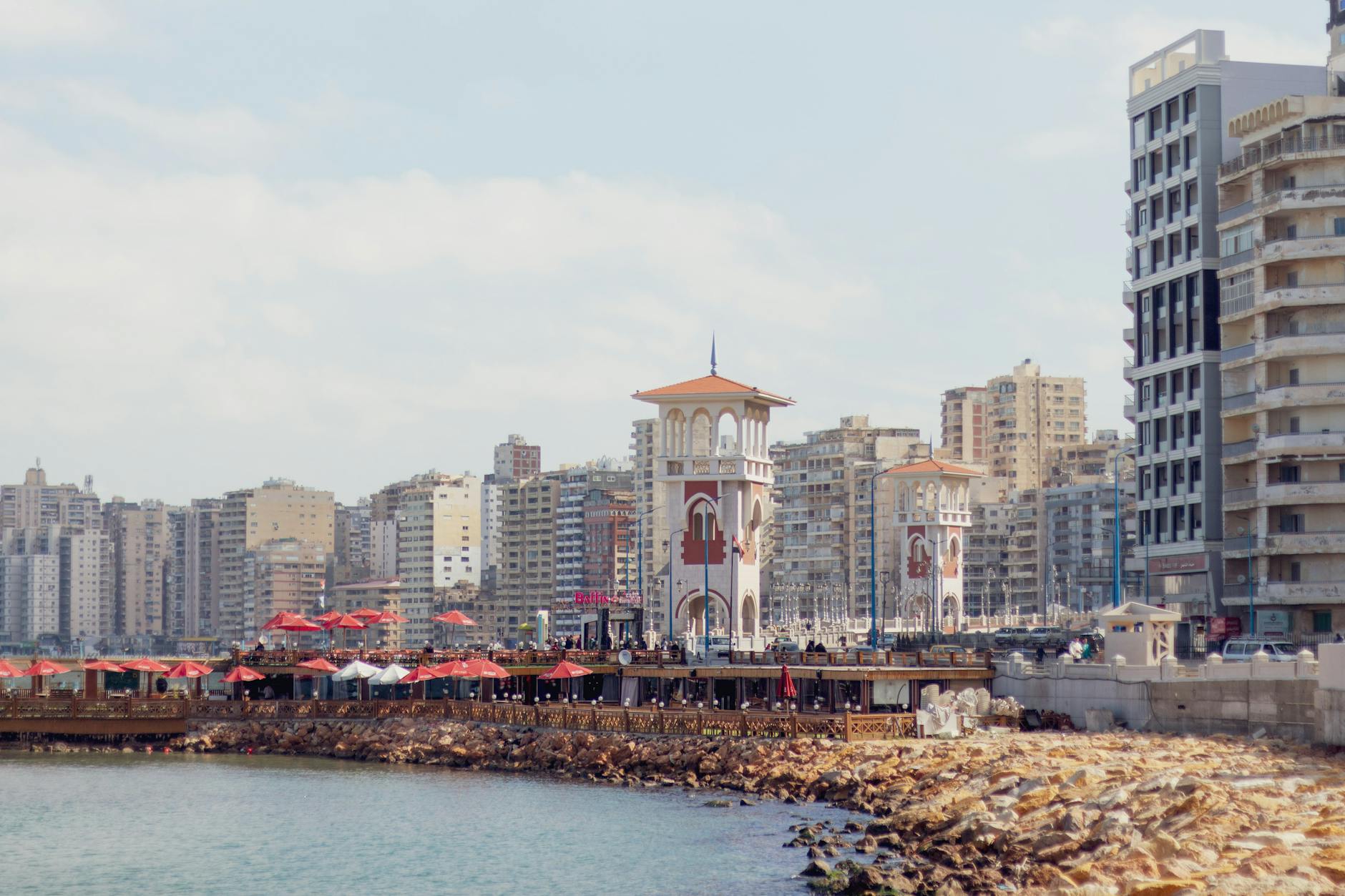

Rio de Janeiro vs Alexandria: Cost of Living Comparison
Choosing between the coastal vibrancy of Rio de Janeiro and the historic Mediterranean charm of Alexandria involves a significant shift in financial planning. Generally, Rio de Janeiro is more expensive across most categories, driven by a robust tourism economy and higher service costs. Alexandria, while being one of Egypt's most prominent cities, remains remarkably affordable for international travelers and expats due to the current exchange rate dynamics of the Egyptian Pound (EGP) against the US Dollar.
Is Rio de Janeiro more expensive than Alexandria?
Yes, Rio de Janeiro is substantially more expensive than Alexandria. When measured in USD, the cost of living in Rio is estimated to be 40% to 60% higher than in Alexandria. While Rio offers higher local purchasing power for its residents compared to Alexandria, an expat or digital nomad earning in a foreign currency will find that their money stretches significantly further in Egypt. From basic utilities to luxury dining, Alexandria consistently ranks as one of the most budget-friendly major coastal cities globally.

Housing and Real Estate: Rio de Janeiro vs Alexandria
Housing represents the largest price gap between the two cities. In Rio de Janeiro, renting a one-bedroom apartment in prime areas like Ipanema or Leblon can cost between $700 and $1,200 USD per month. In contrast, a similar high-end apartment in Alexandria's sought-after districts like Smouha or Kafr Abdou typically ranges from $250 to $500 USD. Property purchase prices follow a similar trend, with Rio’s price per square meter being nearly triple that of Alexandria's in comparable central locations.
Food and Dining: Markets and Restaurants
Dining out in Rio de Janeiro is a diverse experience, with a mid-range meal for two costing approximately $35–$50 USD. In Alexandria, a similar meal at a nice Mediterranean seafood restaurant rarely exceeds $20–$25 USD. Grocery costs also favor Alexandria, particularly for local produce, bread, and poultry. While Rio has excellent supermarkets, the cost of imported goods and dairy products is notably higher than in Egyptian markets.
Transport: Getting Around the City
Public transportation in Alexandria is centered around its historic tram system and an extensive network of microbuses, with fares costing just a few cents in USD. Rio de Janeiro’s Metro and BRT systems are more modern but more expensive, with single trips costing around $1.00 USD. Fuel prices in Brazil are significantly higher than in Egypt, making car ownership and ride-sharing services like Uber cheaper in Alexandria than in Rio.
Lifestyle, Entertainment, and Utilities
A monthly gym membership in Rio de Janeiro averages around $30–$50 USD, whereas in Alexandria, it is often under $20 USD. Entertainment, such as cinema tickets or theater entries, is roughly 50% cheaper in Alexandria. Basic utilities (electricity, heating, cooling, water) for a standard apartment are also lower in Alexandria, although Rio's climate often necessitates high air conditioning usage, which can spike monthly bills during the summer months.
How to get from Rio de Janeiro to Alexandria
There are no direct flights between Rio de Janeiro (GIG) and Alexandria (HBE). Travelers typically face a multi-leg journey with a total travel time of 18 to 24 hours. Common routes involve a connection through major European hubs like Istanbul (Turkish Airlines), Rome (ITA Airways), or Athens, or via Middle Eastern hubs like Dubai (Emirates). Because there is no 'Direct Flight Route', travelers should prepare for at least one or two layovers to complete the transcontinental trip.
The Verdict: Rio de Janeiro or Alexandria?
The choice depends on your budget and lifestyle preferences. Alexandria is the clear winner for digital nomads and retirees seeking an incredibly low cost of living without sacrificing sea views and history. It is ideal for those who can navigate a more traditional urban environment. Rio de Janeiro is better suited for those who prioritize a world-class social scene, diverse outdoor activities, and more modern infrastructure, provided they have the budget to support a significantly higher monthly spend.
Borderly AI