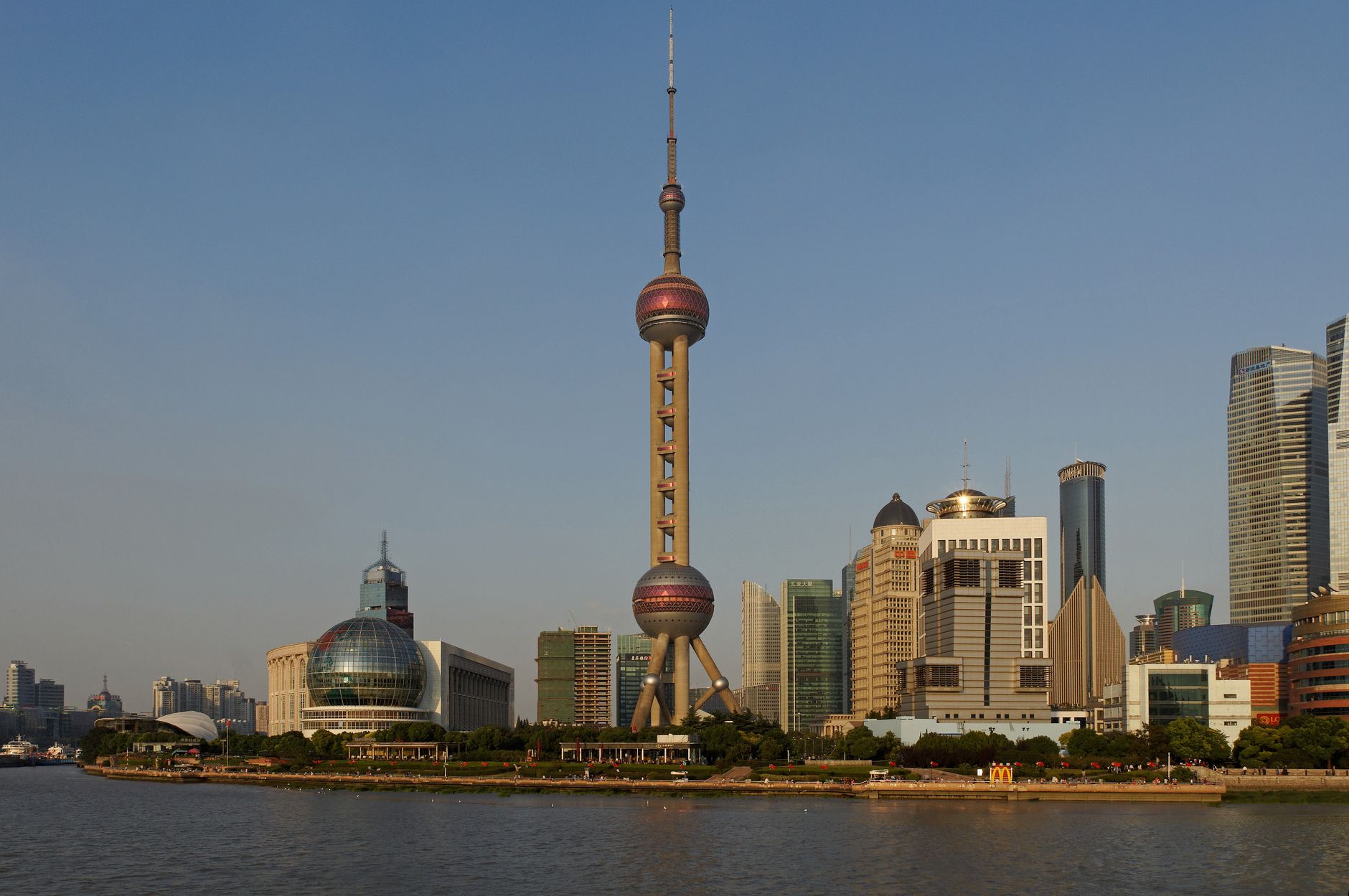
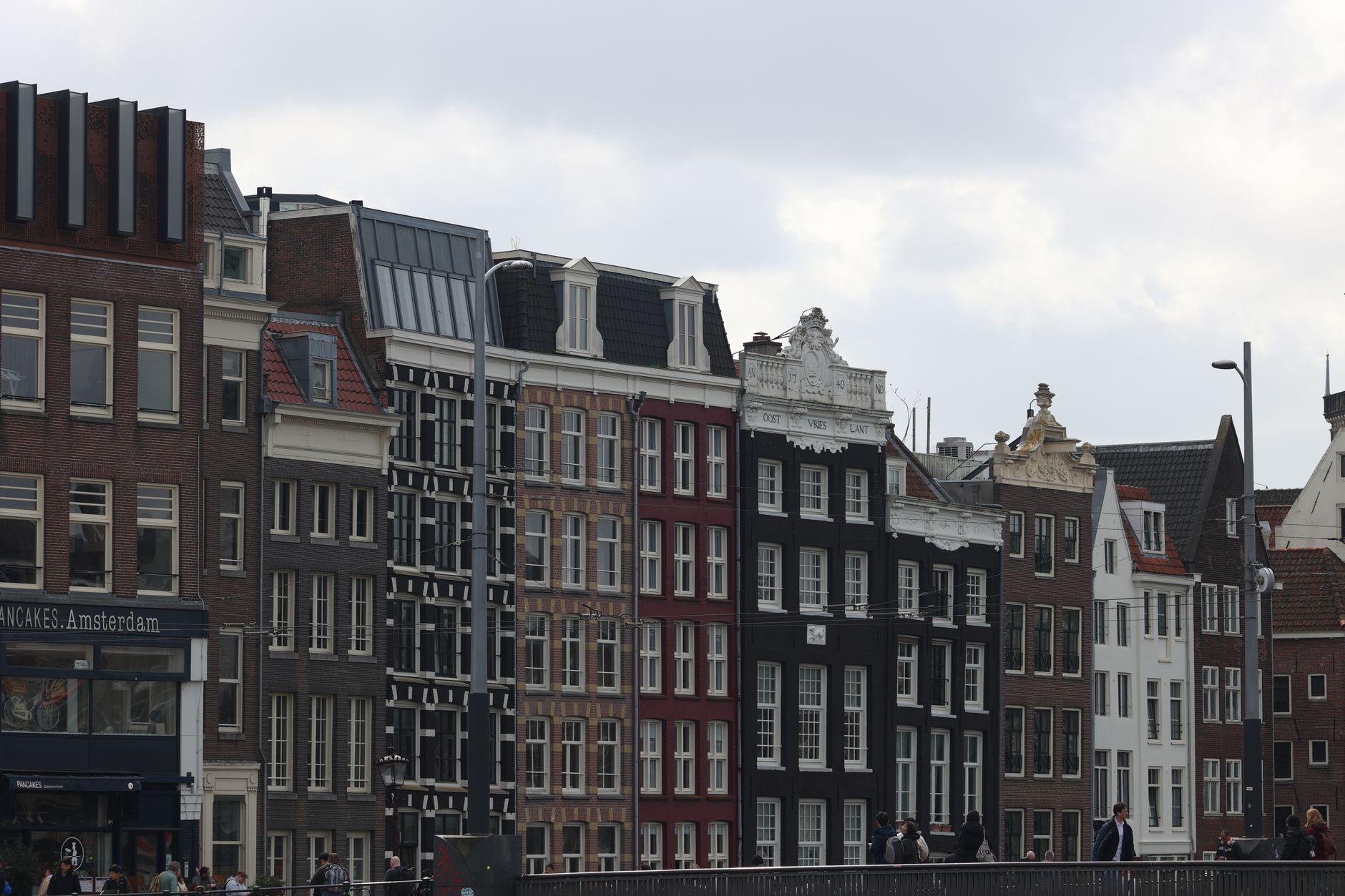

Shanghai vs Amsterdam: Cost of Living Comparison
Choosing between the 'Pearl of the Orient' and the 'Venice of the North' involves a significant shift in budgetary expectations. While Shanghai is China's most expensive metropolis, it remains substantially more affordable than Amsterdam in almost every category, particularly regarding service costs, dining, and daily transportation. Amsterdam offers high social stability but at a premium price point that requires a significantly higher salary to maintain a comparable lifestyle.
Is Shanghai more expensive than Amsterdam?
No, Amsterdam is significantly more expensive than Shanghai. Overall consumer prices in Amsterdam are approximately 45% higher than in Shanghai when excluding rent. When rent is included, the gap remains wide, as Amsterdam's housing crisis has driven prices to historic highs. While the average net salary in Amsterdam is higher (approx. $3,800 USD vs $1,700 USD in Shanghai), the purchasing power in Shanghai is surprisingly high for international professionals, as domestic services and infrastructure remain very affordable.

Rent and Real Estate: Shanghai vs Amsterdam
Housing is the primary cost driver in both cities, but the markets behave differently. In Amsterdam, a one-bedroom apartment in the city center typically costs between $1,900 and $2,500 USD per month. In Shanghai, a modern one-bedroom in a central district like Jing'an or Xuhui ranges from $1,100 to $1,600 USD. While Shanghai has some of the world's most expensive luxury real estate for purchase, the rental market offers more variety and better value for money than Amsterdam’s severely supply-constrained market.
Dining and Groceries: Eastern Flavors vs European Prices
Food costs heavily favor Shanghai. A meal at an inexpensive local restaurant in Shanghai costs around $4–$7 USD, while a similar meal in Amsterdam starts at $18–$22 USD. Groceries in Amsterdam are high-quality but expensive, with a mid-range three-course dinner for two costing roughly $85 USD. In Shanghai, the same experience costs about $45 USD. However, expats in Shanghai should note that imported Western goods (cheese, wine, cereal) often carry a premium price that can match or exceed European prices.
Getting Around: Public Transit and Fuel
Shanghai boasts one of the world's most extensive and cheapest metro systems, with most rides costing less than $1 USD. Amsterdam’s transit system is efficient but much costlier, with a monthly pass exceeding $100 USD compared to Shanghai's $30–$40 USD. Fuel prices in the Netherlands are among the highest in the world, often exceeding $8 USD per gallon. While Amsterdam is the world's cycling capital—allowing for zero-cost commuting—any motorized or public transport is significantly cheaper in the Chinese financial hub.
Lifestyle: Leisure, Utilities, and Fitness
Monthly utilities (electricity, heating, water) for a standard 85m² apartment in Amsterdam can fluctuate between $200 and $350 USD depending on energy prices, whereas they typically stay under $90 USD in Shanghai. Entertainment also follows this trend: a cinema ticket is roughly $16 USD in Amsterdam versus $10 USD in Shanghai. Fitness club memberships are one of the few areas where prices are comparable, though high-end 'expat-focused' gyms in Shanghai can be more expensive than standard Dutch chains.
How to get from Shanghai to Amsterdam
There is currently no direct flight route provided for this specific pairing. Travelers typically fly from Shanghai Pudong (PVG) to Amsterdam Schiphol (AMS) via major international hubs. Common layover points include Dubai (Emirates), Istanbul (Turkish Airlines), or Frankfurt (Lufthansa). Total travel time, including a layover, usually ranges from 14 to 17 hours. Travelers are advised to check visa requirements for both the Netherlands (Schengen Area) and China well in advance.
The Verdict: Shanghai or Amsterdam?
Shanghai is the clear winner for digital nomads and expats looking to maximize their 'lifestyle-per-dollar' ratio, offering a futuristic, high-convenience environment at a lower cost. Amsterdam is the preferred choice for those prioritizing a high standard of European social security, work-life balance, and a pedestrian-friendly urban design, provided they have the high income necessary to compete in the Dutch housing market.
Borderly AI