
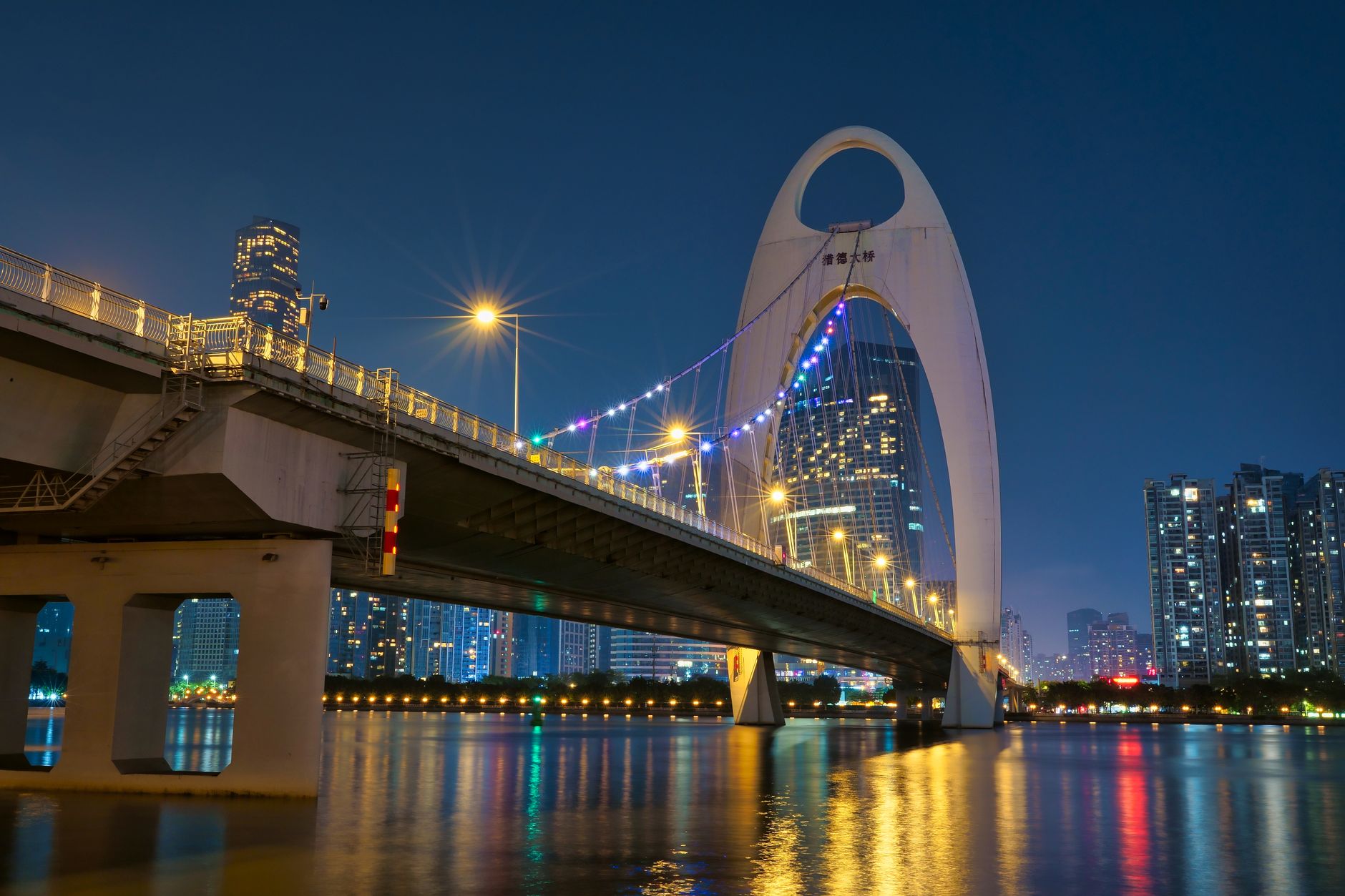

Shenyang vs Guangzhou: Cost of Living Comparison
Comparing Shenyang and Guangzhou highlights the economic divide between China's industrial Northeast and the affluent Pearl River Delta. While Shenyang offers one of the most affordable urban lifestyles in China, Guangzhou stands as a global Tier 1 powerhouse with significantly higher costs but greater economic opportunity.
Is Shenyang more expensive than Guangzhou?
No, Shenyang is substantially cheaper than Guangzhou. On average, a resident in Guangzhou requires approximately 40% to 50% more income to maintain the same standard of living as in Shenyang. While local purchasing power in Guangzhou is bolstered by higher average salaries in the tech, trade, and finance sectors, the sheer affordability of Shenyang—particularly in housing and services—makes it a much easier city for budget-conscious living.

Housing and Rent: Northern Value vs. Southern Premium
The housing market reveals the starkest difference. A modern one-bedroom apartment in Guangzhou's city center typically rents for $850 to $1,200 USD per month. In contrast, a similar apartment in Shenyang’s central districts can be found for $350 to $550 USD. For those looking to purchase property, the price per square meter in Guangzhou is often four to five times higher than that of Shenyang, making homeownership far more accessible in the north.
Dining and Groceries: From Dumplings to Dim Sum
Both cities offer incredible food cultures, but Shenyang is generally more wallet-friendly. A meal at an inexpensive local restaurant in Shenyang costs around $3.00 to $4.50 USD, whereas in Guangzhou, it ranges from $4.50 to $7.00 USD. A three-course dinner for two at a mid-range restaurant in Guangzhou averages $45 USD, compared to just $28 USD in Shenyang. Grocery prices for local produce are roughly 15-20% lower in Shenyang.
Public Transit and Commuting
Public transportation is highly subsidized and efficient in both cities. A single trip on the metro in either city typically costs between $0.30 and $1.00 USD depending on the distance. However, Guangzhou's more extensive metro network reflects its higher cost of infrastructure. Taxi and Didi (ride-sharing) start rates are lower in Shenyang ($1.40 USD) than in Guangzhou ($1.80 USD). Fuel costs are standardized nationally at approximately $1.15 to $1.25 per liter.
Utilities, Fitness, and Entertainment
Monthly utilities for an 85m² apartment (including electricity, water, and heating/cooling) average $65 USD in Shenyang, though winter heating is a major component. In Guangzhou, utilities average $80 USD due to high air conditioning usage in the humid subtropical climate. Fitness club memberships are approximately $35 USD per month in Shenyang vs. $60 USD in Guangzhou. International cinema releases are also slightly cheaper in the north, costing about $7 USD compared to $10 USD in the south.
How to get from Shenyang to Guangzhou
The distance between Shenyang and Guangzhou is roughly 2,800 kilometers (1,740 miles). As there is no direct flight route provided for this specific comparison, travelers typically take a domestic flight lasting approximately 4 hours and 30 minutes. Alternatively, China's high-speed rail network connects the two cities, though the journey takes between 10 and 13 hours, making air travel the preferred choice for most commuters.
The Verdict: Shenyang or Guangzhou?
The choice depends on your lifestyle goals. Guangzhou is the definitive choice for digital nomads, international expats, and professionals seeking the 'Tier 1' lifestyle, global networking, and a warmer climate. Shenyang, however, is a hidden gem for families and individuals prioritizing low cost of living, spacious housing, and a slower pace of life without sacrificing the amenities of a major provincial capital.
Borderly AI