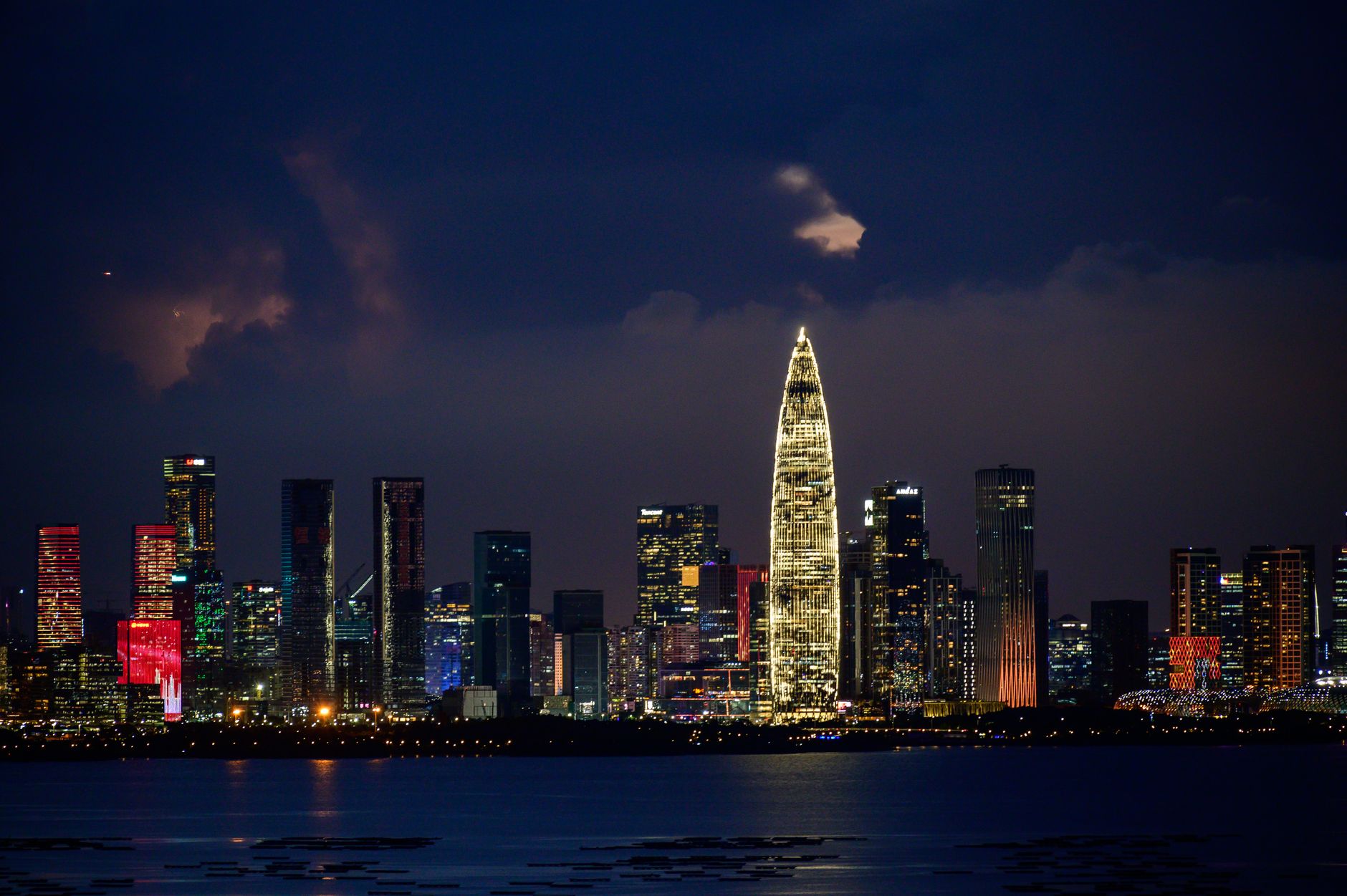


City Comparison

Shenzhen vs Barcelona: Cost of Living Comparison

Choosing between Asia's premier tech hub and Europe's Mediterranean cultural capital involves weighing two very different economic landscapes. Shenzhen offers a hyper-modern, high-efficiency lifestyle with low daily operational costs, while Barcelona provides a high quality of life with moderate European pricing. Generally, Shenzhen is more affordable for daily essentials, whereas Barcelona offers more predictable housing and lifestyle costs for the average expat.

Is Shenzhen more expensive than Barcelona?

In terms of consumer prices, Shenzhen is approximately 10-15% cheaper than Barcelona. However, when factoring in local purchasing power, Barcelona residents often find their salaries go slightly further regarding leisure and high-quality European goods. Shenzhen’s economy is bifurcated: while local street food and transit are incredibly cheap, international-standard luxury living and private education in Shenzhen can significantly outpace Barcelona’s costs.


Housing and Rent in Shenzhen vs Barcelona

Rent is a major factor in both cities. In Shenzhen, a modern one-bedroom apartment in a prime district like Nanshan or Futian typically costs between $1,100 and $1,600 USD. Barcelona’s Eixample or Gràcia districts command similar prices, often ranging from $1,200 to $1,800 USD. However, Shenzhen's property market is significantly more expensive to buy into, with price-per-square-meter rates in the city center often doubling those found in Barcelona.

Food and Dining: SZX vs BCN

Shenzhen offers a massive advantage in budget dining, with local meals available for as little as $3–$6 USD. In Barcelona, a basic lunchtime 'Menu del Día' starts around $14–$18 USD. For groceries, Barcelona excels in high-quality fresh produce, wine, and dairy at lower prices than Shenzhen's imported equivalents. A standard grocery basket in Barcelona is roughly 5% more expensive than in Shenzhen, though the quality-to-price ratio in Spain is often considered superior for Western diets.

Public Transit and Fuel Costs

Shenzhen boasts one of the world's most advanced and affordable public transport networks; a typical metro ride costs less than $1.00 USD. Barcelona’s T-Mobilitat system is efficient but more costly, with single tickets starting around $2.60 USD (though monthly passes reduce this). Fuel costs and car ownership are significantly higher in Barcelona due to European fuel taxes, making Shenzhen the clear winner for transportation affordability.

Lifestyle, Gyms, and Utilities

Basic utilities (electricity, heating, water) for a standard apartment are generally lower in Shenzhen, averaging $60–$90 USD compared to Barcelona’s $130–$180 USD, which can spike during summer due to air conditioning. Fitness enthusiasts will find gym memberships similar in both cities, ranging from $40 to $70 USD per month. Barcelona offers more 'free' lifestyle value through its beaches and public parks, while Shenzhen’s lifestyle revolves around tech-integrated shopping malls and paid entertainment.

How to get from Shenzhen to Barcelona

There is currently no direct flight route between Shenzhen (SZX) and Barcelona (BCN). Travelers usually opt for one-stop connections through major international hubs such as Dubai (DXB), Istanbul (IST), or Frankfurt (FRA). Total travel time typically ranges between 16 and 22 hours depending on layover duration.

The Verdict: Shenzhen or Barcelona?

Shenzhen is the better choice for entrepreneurs and tech professionals looking to minimize daily overhead while staying at the heart of global manufacturing and innovation. Barcelona is the preferred destination for digital nomads and families who prioritize work-life balance, cultural richness, and a more accessible European lifestyle. For a standard middle-class life, Barcelona feels more 'expensive' daily, but Shenzhen's top-end costs are higher.

Copyright © 2024 Borderly Labs
All rights reserved
Featured on Dofollow.Tools

Borderly AI