
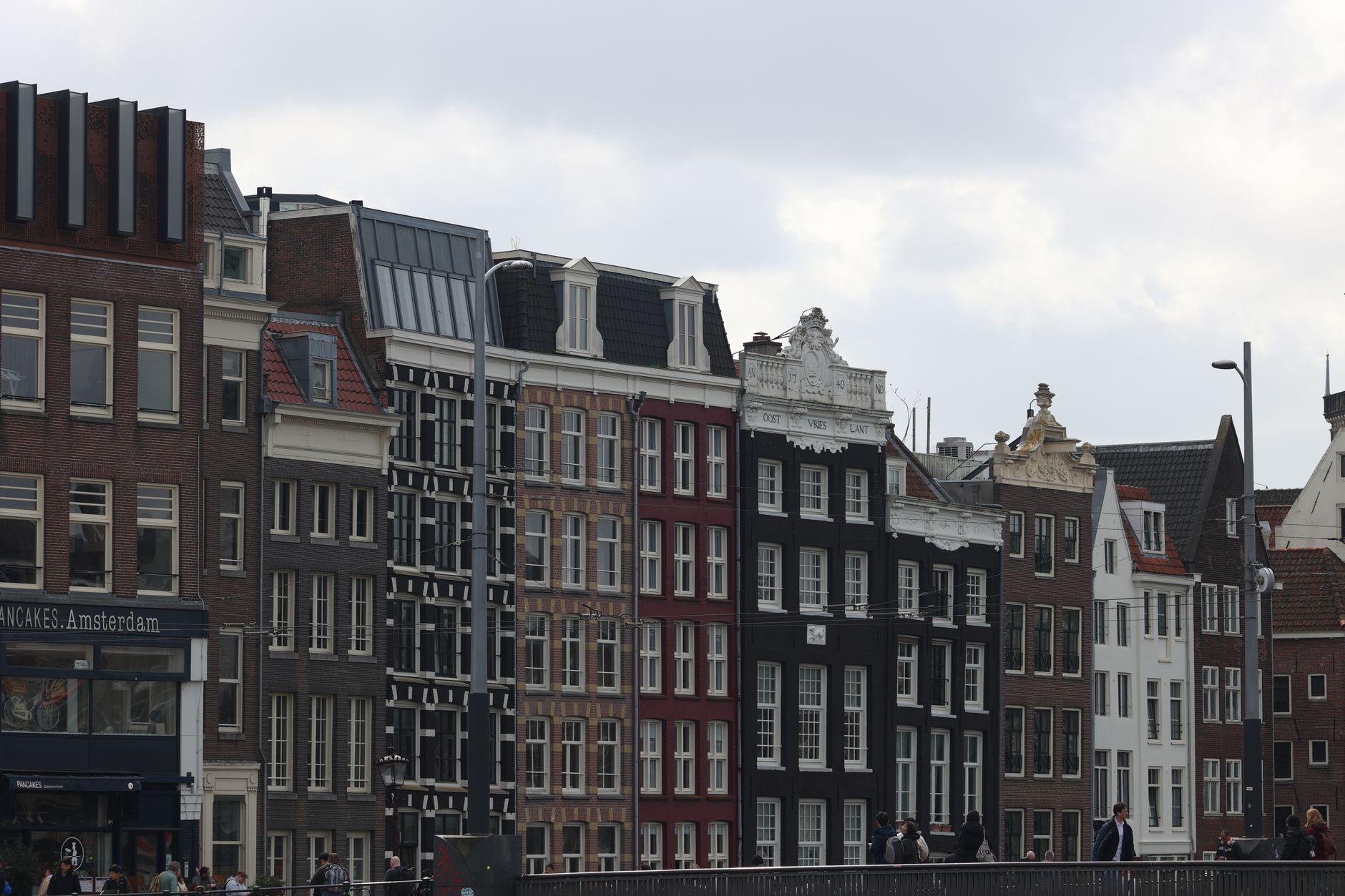

Singapore vs Amsterdam: Cost of Living Comparison
Singapore and Amsterdam are both premier global hubs, but they offer distinct economic environments. Singapore is characterized by its ultra-modern infrastructure and status as a low-tax financial capital, while Amsterdam offers a high-quality European lifestyle centered on sustainability and culture. Generally, Singapore is considered the more expensive of the two, particularly regarding private housing and vehicle ownership, though lower taxes can offset these costs for high earners.
Is Singapore more expensive than Amsterdam?
In a direct comparison of purchasing power, Singapore typically ranks higher in terms of gross costs. A mid-to-high lifestyle in Singapore, including private housing and a car, can cost 30-50% more than a comparable lifestyle in Amsterdam. However, the calculation changes when considering net income; Singapore's personal income tax rates are significantly lower (max 22%) compared to the Netherlands (up to 49.5%), meaning professionals in Singapore often have more disposable income despite the higher prices for luxury goods and services.

Housing and Rent: High-Rise vs. Canal Houses
Housing is the largest expense in both cities. In Singapore, a private 1-bedroom apartment in the Core Central Region typically rents for $3,500 - $4,500 USD per month. While Amsterdam is currently facing a major housing shortage, a similar centrally located apartment averages between $2,100 - $2,800 USD. For those looking to buy, Singapore's property market is significantly more expensive for foreigners due to a 60% Additional Buyer's Stamp Duty, making Amsterdam's property market—though pricey—relatively more accessible.
Dining Out and Groceries
Singapore offers a unique advantage with its hawker culture, where a nutritious meal can cost as little as $4 - $6 USD. In contrast, even a basic lunch in Amsterdam starts around $15 USD. However, for groceries, Amsterdam can be more affordable for dairy, bread, and local European produce. Singapore relies heavily on imports, making items like cheese, wine, and certain berries significantly more expensive than in the Netherlands. Fine dining prices are comparable, though Singapore has a higher density of Michelin-starred options.
Getting Around: Public Transit and Cars
Public transportation in Singapore is world-class and exceptionally affordable, with most cross-island trips costing under $2 USD. In Amsterdam, public transport is reliable but more expensive per trip. However, Amsterdam is the world's most bike-friendly city, allowing many residents to eliminate transport costs entirely. The biggest disparity lies in car ownership: a basic sedan in Singapore can cost over $120,000 USD due to the Certificate of Entitlement (COE), whereas the same car in Amsterdam would cost roughly $30,000 USD, though fuel and parking in Amsterdam are among the most expensive in Europe.
Lifestyle: Utilities, Fitness, and Leisure
Utilities in Amsterdam have seen volatility due to energy price fluctuations, often averaging $200 - $300 USD per month for a standard apartment. In Singapore, air-conditioning is the primary driver of utility costs, usually averaging $150 - $250 USD. Fitness enthusiasts will find Singapore more expensive, with premium gym memberships often exceeding $120 USD per month compared to roughly $50 - $80 USD in Amsterdam. Cinema tickets and evening entertainment are slightly higher in Amsterdam due to higher labor costs and VAT.
How to get from Singapore to Amsterdam
The journey between Singapore (SIN) and Amsterdam (AMS) is a major international corridor, typically taking 13 to 14 hours on a non-stop flight. Several premium carriers operate this route daily. For travelers looking for specific flight paths and return options, you can view the available <a href='/kl-ams-sin'>direct flight route (SIN-AMS-KL)</a> to plan your relocation or visit.
The Verdict: Singapore or Amsterdam?
The choice between these two cities depends on your financial priorities. For families and corporate professionals, Singapore's safety, low taxes, and efficiency often justify the high cost of living. For digital nomads and those who prioritize work-life balance and a pedestrian-centric lifestyle, Amsterdam offers a better 'vibe' and more affordable access to the rest of Europe. Ultimately, Singapore is the choice for wealth accumulation, while Amsterdam is the choice for cultural integration and sustainability.
Borderly AI