
Suzhou vs Belo Horizonte: Cost of Living Comparison
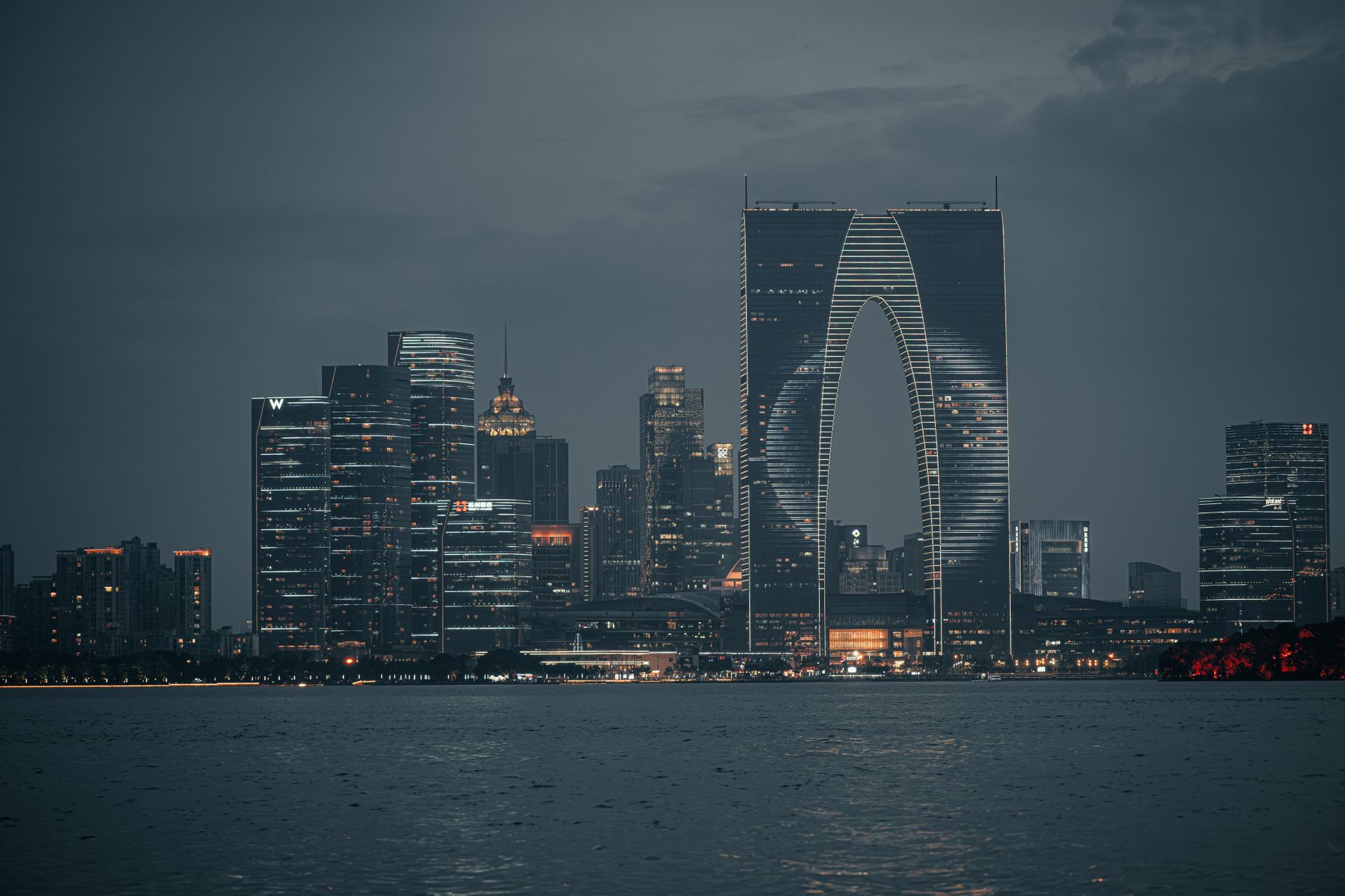
Choosing between Suzhou, China's 'Venice of the East,' and Belo Horizonte, Brazil’s 'Garden City,' involves balancing different economic landscapes. Suzhou is a high-tech manufacturing powerhouse with modern infrastructure, while Belo Horizonte serves as a vibrant service and cultural hub. Generally, Suzhou carries a higher price tag for housing and luxury goods, whereas Belo Horizonte offers a more affordable entry point for housing and local groceries, though with higher utility and fuel costs.
Is Suzhou more expensive than Belo Horizonte?
In aggregate, Suzhou is approximately 15% to 20% more expensive than Belo Horizonte when including rent. However, the local purchasing power in Suzhou is significantly higher—often double that of Belo Horizonte—due to higher average industrial and tech salaries. While a consumer in Suzhou spends more in USD terms, they typically retain more disposable income at the end of the month compared to a resident in Belo Horizonte facing Brazil's higher inflation and lower median wages.

Housing and Real Estate: Renting vs Buying
Housing represents the widest cost gap. A one-bedroom apartment in Suzhou’s Industrial Park (SIP) or city center averages between $650 and $850 USD. In contrast, a similar central apartment in Belo Horizonte (neighborhoods like Savassi or Lourdes) ranges from $450 to $600 USD. When buying property, Suzhou’s real estate market is far more capital-intensive, with price-per-square-meter rates often being 200% higher than those in Belo Horizonte.
Groceries and Dining Out
Food costs are a mixed bag. Dining at an inexpensive restaurant is roughly equal, with meals costing between $4 and $7 USD in both cities. However, Belo Horizonte has the advantage for fresh local produce, meat, and dairy due to Brazil's massive agricultural output; a standard grocery basket is about 10% cheaper there. Suzhou excels in affordable, high-efficiency food delivery and a wider variety of low-cost Asian street food options.
Public Transit and Commuting
Suzhou wins on public transportation efficiency and cost. Its modern metro system is incredibly cheap, with fares starting under $0.50 USD. Belo Horizonte relies more on buses and cars, and while public transit is affordable, it is less expansive. Gasoline prices in Brazil are typically higher than in China, making car ownership in Belo Horizonte more expensive in terms of monthly fuel and maintenance (approx. $1.15/liter vs $1.05/liter).
Entertainment, Gym, and Utilities
Utilities (electricity, water, heating) are surprisingly more expensive in Belo Horizonte, often totaling $110 USD for a standard apartment compared to $75 USD in Suzhou. Internet and mobile data are cheaper and faster in Suzhou, though social media access requires a VPN. Entertainment costs, such as cinema tickets ($8-$10) and gym memberships ($30-$50), are comparable in both cities, though Belo Horizonte offers more free outdoor social spaces and parks.
How to get from Suzhou to Belo Horizonte
There is no direct flight route between Suzhou and Belo Horizonte. Travelers typically depart from Sunan Shuofang International Airport (WUX) or the nearby Shanghai Pudong (PVG) and fly to Belo Horizonte’s Tancredo Neves International Airport (CNF). This journey usually involves two layovers—often in Europe (Frankfurt/Paris) or the Middle East—and takes between 28 to 36 hours in total travel time.
The Verdict: Suzhou or Belo Horizonte?
For digital nomads and tech professionals, Suzhou is the superior choice due to its world-class infrastructure, high safety levels, and higher local purchasing power. For families or retirees seeking a lower cost of living with a focus on a relaxed lifestyle and warmer climate, Belo Horizonte offers better value for money in terms of housing and domestic services, provided their income is sourced in a stronger currency like USD or EUR.
Borderly AI