
City Comparison

Tianjin vs Guangzhou: Cost of Living Comparison

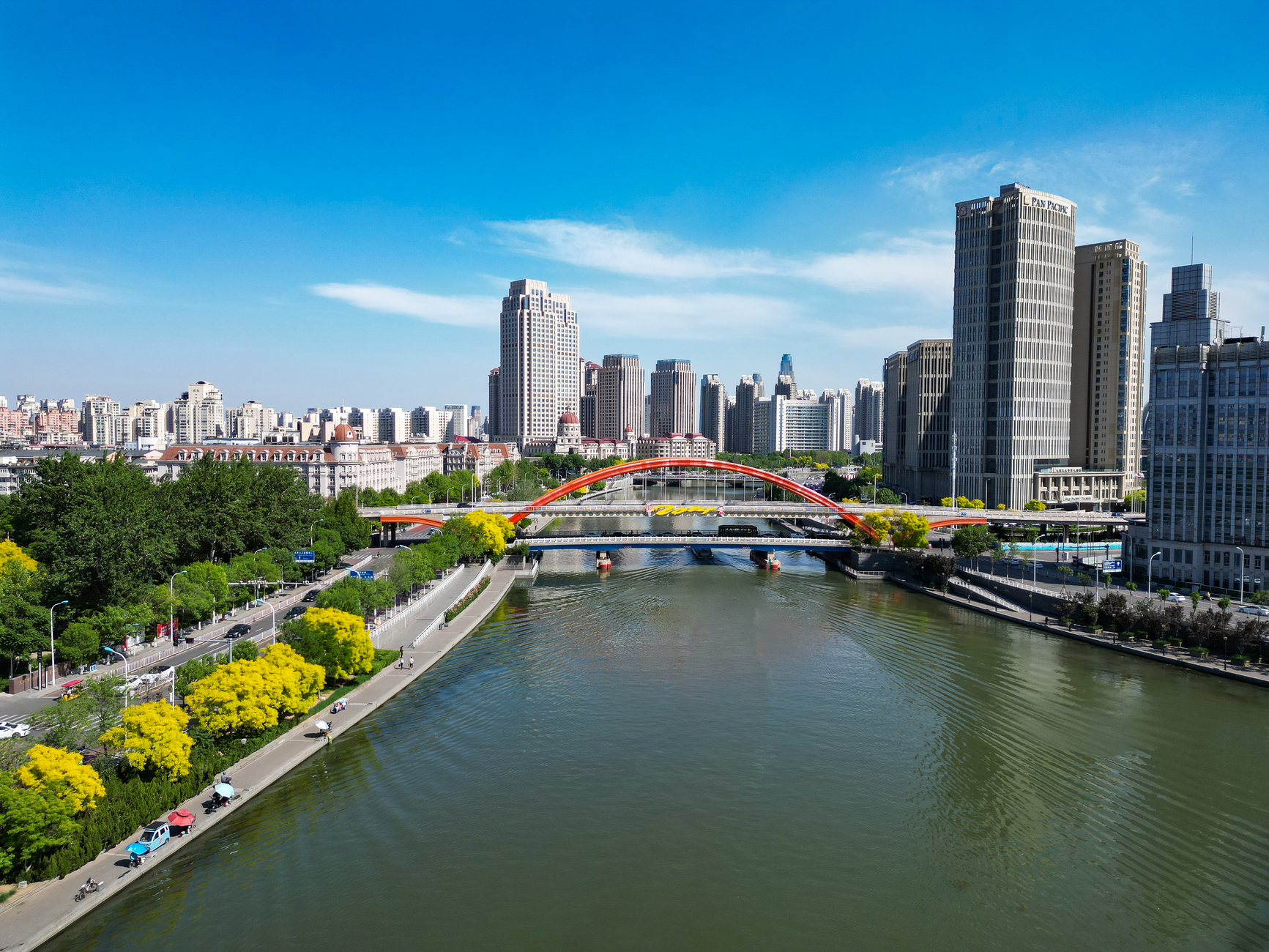
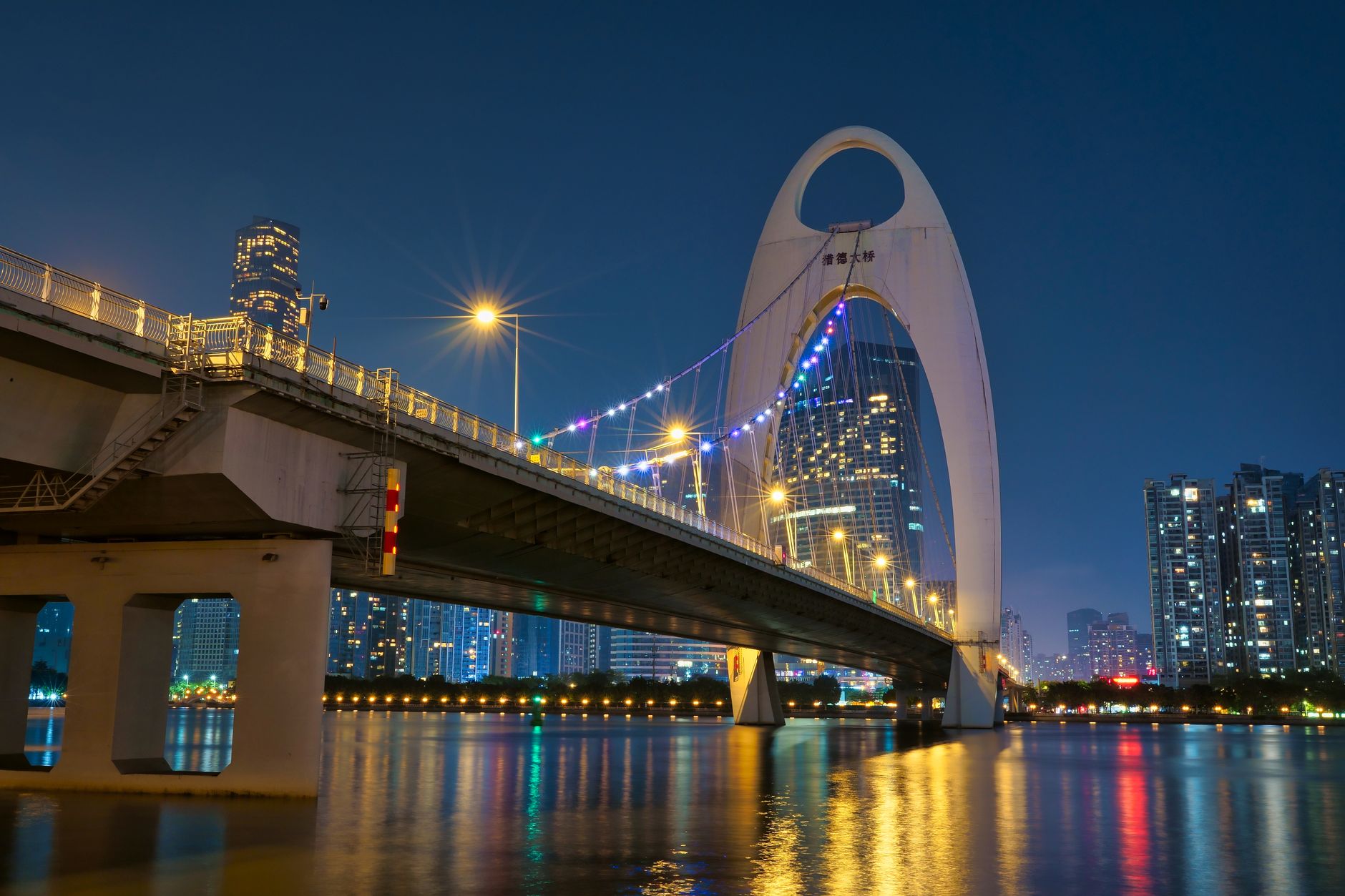
When comparing the industrial and port-centric hub of Tianjin in the north to the southern commercial powerhouse of Guangzhou, the primary takeaway is affordability versus Tier 1 status. Tianjin is generally 15% to 25% cheaper than Guangzhou across most categories, particularly in housing and local services. While Guangzhou offers a more international lifestyle and a warmer climate, Tianjin provides a significantly lower barrier to entry for residents and expatriates alike.

Is Tianjin more expensive than Guangzhou?

No, Tianjin is considerably more affordable than Guangzhou. While Guangzhou is categorized as a Tier 1 city alongside Beijing and Shanghai, Tianjin operates as a Tier 1.5 or Tier 2 city in terms of pricing. Local purchasing power is slightly higher in Guangzhou due to higher average wages in the tech and trade sectors, but the cost of maintaining a high-end lifestyle is roughly $500–$800 USD more per month in Guangzhou for a single person compared to Tianjin.


Housing and Rent in Tianjin vs Guangzhou

Housing represents the largest cost difference between the two cities. In Guangzhou, a modern one-bedroom apartment in the city center (such as Zhujiang New Town) averages between $800 and $1,150 USD. In Tianjin, a comparable central apartment costs between $450 and $650 USD. For those looking to buy, property prices per square meter in Guangzhou are nearly double those in Tianjin, reflecting Guangzhou's status as a global trade hub with higher real estate demand.

Food and Dining: Northern Staples vs. Cantonese Delicacies

Both cities are culinary capitals, but Guangzhou’s dining scene is generally more expensive at the mid-to-high end. A three-course meal for two at a mid-range restaurant in Guangzhou costs approximately $40–$55 USD, while in Tianjin, the same experience is roughly $30–$45 USD. Basic local lunch options remain very affordable in both cities, often costing under $5 USD. Groceries for a standard household are similar in price, though Guangzhou offers a wider selection of imported international goods which can inflate a grocery budget.

Transport: Public Transit and Fuel Costs

Public transportation is highly efficient and similarly priced in both cities. A monthly pass for the metro and bus systems costs between $18 and $25 USD. Taxi and ride-sharing start rates are nearly identical, beginning at approximately $1.80 USD. Fuel costs are regulated nationally and do not vary significantly. However, because Guangzhou is more sprawling and congested, commuters may find themselves spending more on transit time and longer taxi hauls than in Tianjin.

Lifestyle, Entertainment, and Utilities

Utilities for a standard apartment (85sqm) average around $65–$90 USD in both cities; however, Tianjin residents face higher heating costs in the winter, while Guangzhou residents face higher cooling costs in the summer. Gym memberships are slightly more premium in Guangzhou, averaging $45 USD monthly compared to $35 USD in Tianjin. Cinema tickets and general entertainment are priced about 15% higher in Guangzhou, reflecting the city's higher disposable income levels.

How to get from Tianjin to Guangzhou

The most efficient way to travel the approximately 2,000 kilometers between Tianjin (TSN) and Guangzhou (CAN) is by air. The flight duration is roughly 3 hours and 15 minutes. While no direct flight booking route link is provided here, numerous daily flights connect the two cities. Alternatively, China's high-speed rail network offers a comfortable 9 to 11-hour journey, which is popular for those wanting to see the landscape transition from the North China Plain to the southern subtropics.

The Verdict: Tianjin or Guangzhou?

The choice between these two cities depends on your career goals and lifestyle preferences. Tianjin is the better option for digital nomads, students, or families looking to maximize their savings, as the lower rent significantly reduces monthly overhead. Guangzhou is the preferred choice for career-driven professionals in international trade, logistics, or fashion, and for those who prefer a more international, subtropical environment and are willing to pay a Tier 1 premium for it.

Copyright © 2024 Borderly Labs
All rights reserved
Featured on Dofollow.Tools

Borderly AI