
City Comparison

Tianjin vs Hangzhou: Cost of Living Comparison

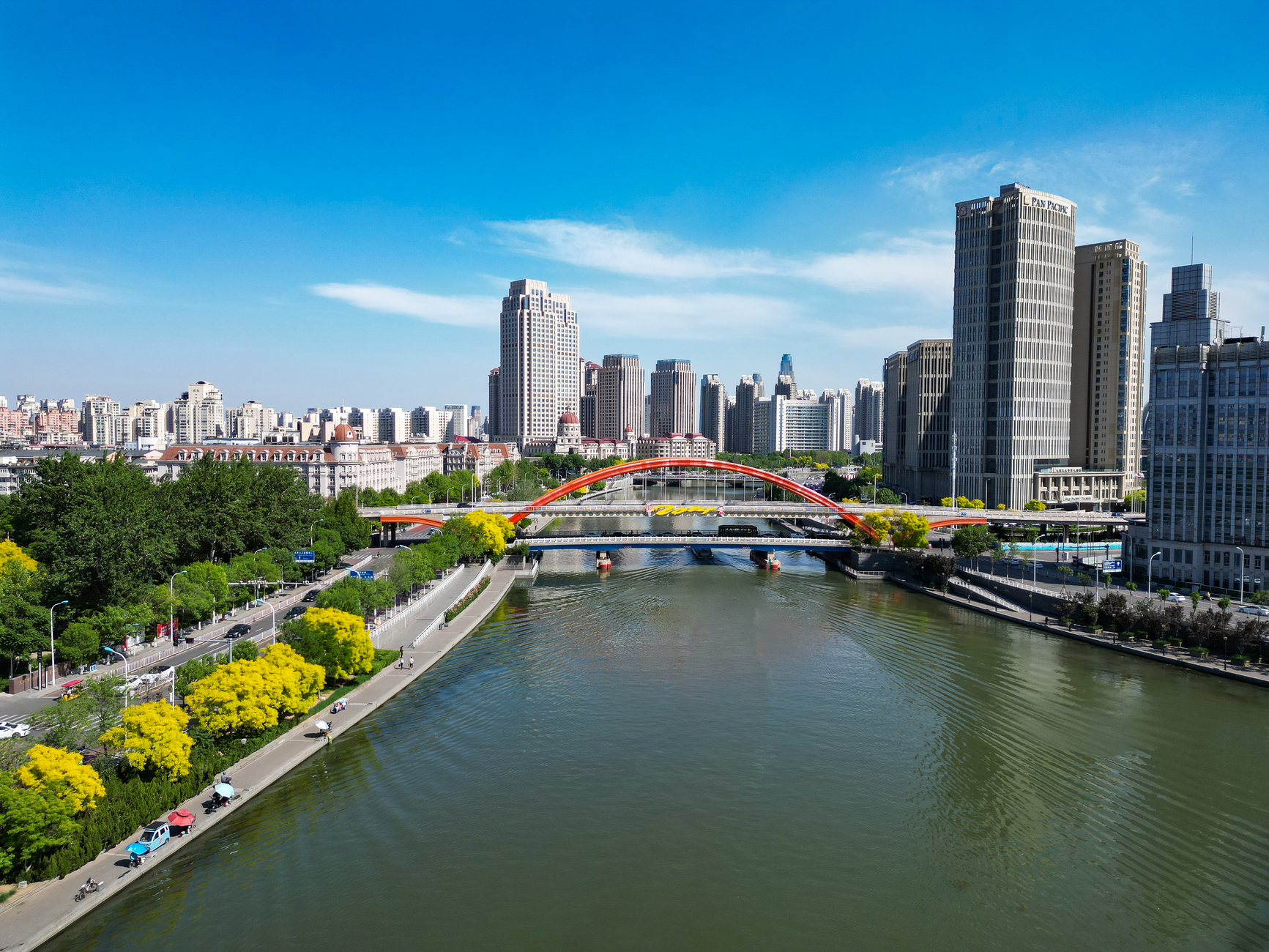
Tianjin and Hangzhou represent two distinct pillars of the Chinese economy. Tianjin, a massive port city and industrial hub near Beijing, offers a more traditional and affordable northern lifestyle. In contrast, Hangzhou, the heart of China’s tech revolution and home to West Lake, is a scenic and high-growth city where the cost of living is notably higher, particularly regarding real estate and premium services.

Is Tianjin more expensive than Hangzhou?

No, Tianjin is significantly more affordable than Hangzhou. In general, the consumer price index in Hangzhou is approximately 15% to 20% higher than in Tianjin. While Hangzhou offers higher average salaries due to its booming technology and e-commerce sectors, the local purchasing power in Tianjin is often more favorable for the average worker because essential costs like housing and dining are much lower.

Rent and Real Estate: Tianjin vs Hangzhou

Housing is the largest expense gap between the two cities. In Tianjin, a modern one-bedroom apartment in the city center typically costs between $450 and $650 USD per month. In Hangzhou, the same apartment would likely range from $700 to $950 USD, driven by high demand from tech professionals. Property prices per square meter in Hangzhou are also substantially higher, often double the rates found in Tianjin's residential districts.

Dining Out and Groceries

Food costs in both cities are manageable, but Hangzhou leans towards the more expensive side for international dining. A meal at an inexpensive restaurant in Tianjin costs around $4–$6 USD, while in Hangzhou, it is closer to $6–$9 USD. Grocery prices for staples like milk, bread, and local produce are relatively similar, though premium imported goods are more widely available and slightly more expensive in Hangzhou’s high-end supermarkets.

Public Transit and Fuel Costs

Both cities feature world-class public transportation systems, including extensive metro networks and affordable bus services. A monthly transit pass in both cities costs roughly $25–$35 USD. Taxi fares are slightly higher in Hangzhou, with higher base rates and per-kilometer charges. For car owners, fuel and insurance costs are standard across China, but parking fees in Hangzhou's central business districts are notably steeper than in Tianjin.

Lifestyle, Entertainment, and Utilities

Basic utilities for an 85m² apartment, including electricity, heating, and water, average $50–$80 USD in both cities, though Tianjin has higher heating costs in the winter. Fitness and leisure are more expensive in Hangzhou; a monthly gym membership averages $50 USD compared to $35 USD in Tianjin. Cinema tickets and evening entertainment also carry a 15% premium in Hangzhou due to the city's affluent demographic.

How to get from Tianjin to Hangzhou

Currently, there is no Direct Flight Route between Tianjin (TSN) and Hangzhou (HGH). The most convenient way to travel between these cities is via China's high-speed rail network, with journeys taking approximately 4 to 5 hours. Travelers can also opt for connecting flights through hubs like Qingdao or Shanghai, though the train remains the most efficient and popular option.

The Verdict: Tianjin or Hangzhou?

The choice depends on your career path and lifestyle preferences. For families and those seeking to maximize their savings, Tianjin is the winner due to its significantly lower rent and daily expenses. For digital nomads, entrepreneurs, and tech professionals, Hangzhou is the better fit; while it is more expensive, the networking opportunities, scenic beauty, and vibrant startup culture often justify the higher price tag.

Copyright © 2024 Borderly Labs
All rights reserved
Featured on Dofollow.Tools

Borderly AI