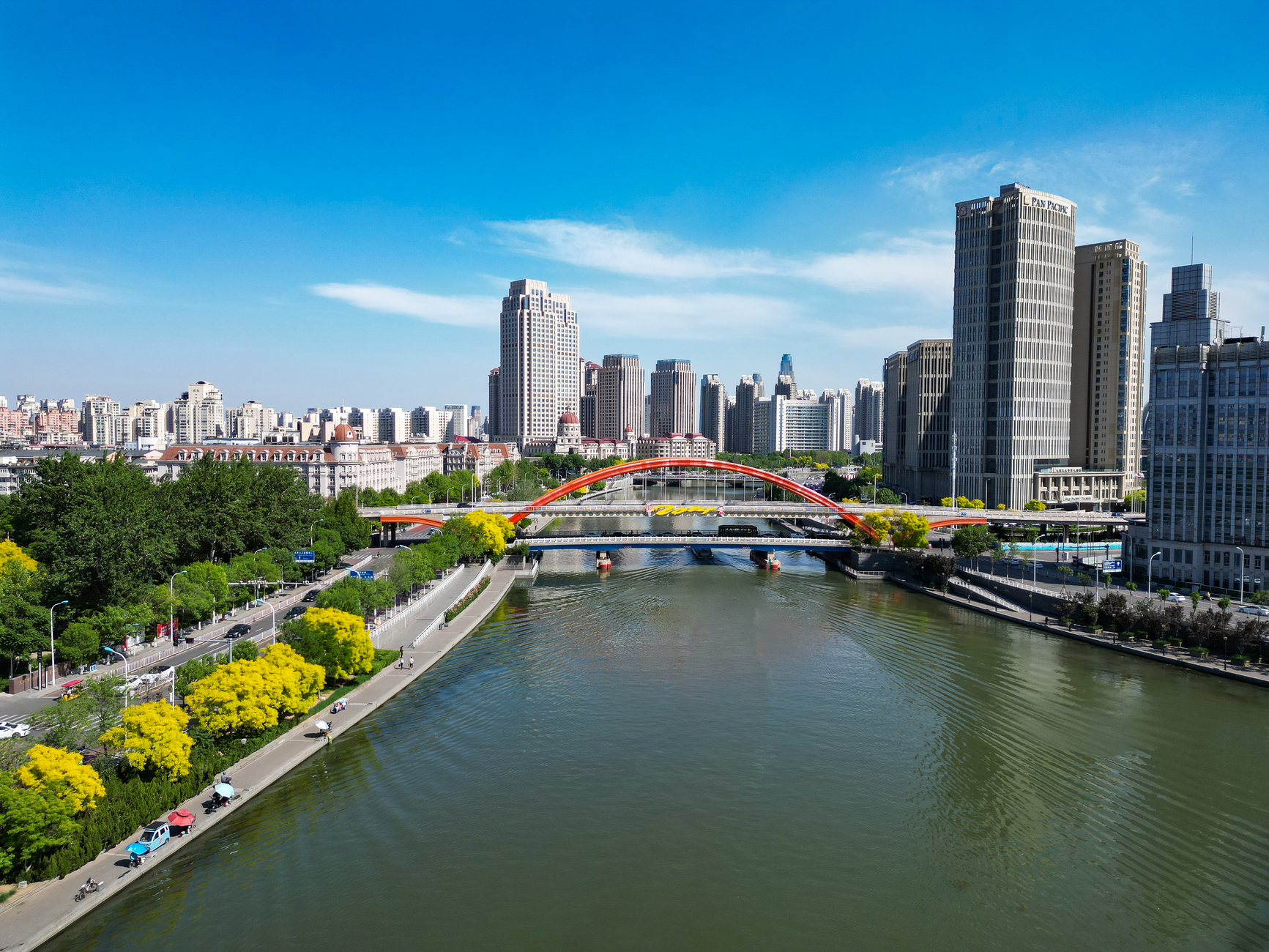

City Comparison

Tianjin vs Ho Chi Minh City: Cost of Living Comparison

Choosing between Northern China's industrial giant and Vietnam's economic powerhouse involves a trade-off between infrastructure and affordability. Tianjin offers a high-standard, structured urban lifestyle, while Ho Chi Minh City (HCMC) is widely recognized as one of the most budget-friendly hubs in Southeast Asia. Generally, Ho Chi Minh City is significantly more affordable than Tianjin across almost all categories, from street food to luxury rentals.

Is Tianjin more expensive than Ho Chi Minh City?

From an economic perspective, Tianjin is approximately 25-35% more expensive than Ho Chi Minh City. While Tianjin’s local purchasing power is bolstered by higher average industrial wages, an expat earning in USD will find their money stretches much further in Vietnam. Consumer prices, including rent, are consistently lower in HCMC, though Tianjin offers a more developed public utility and heating infrastructure that reflects its status as a major Chinese municipality.


Housing and Real Estate: Tianjin vs Ho Chi Minh City

In Tianjin, a modern one-bedroom apartment in the city center typically costs between $550 and $750 USD per month. In contrast, a similar central apartment in Ho Chi Minh City’s District 1 or District 3 ranges from $450 to $650 USD, though high-end serviced apartments can match Chinese prices. Property prices per square meter in Tianjin are notably higher, often exceeding $5,500 USD, whereas HCMC averages closer to $3,500–$4,500 USD in desirable areas.

Dining and Groceries: Comparing the Kitchens

Food costs represent the largest disparity between the two cities. A meal at an inexpensive local restaurant in Ho Chi Minh City costs roughly $2.00–$3.00 USD, whereas a similar meal in Tianjin costs $4.50–$6.50 USD. Grocery shopping for western staples is also cheaper in Vietnam; a liter of milk and a dozen eggs average 15% less in HCMC than in Tianjin. However, Tianjin offers cheaper access to temperate climate fruits and northern Chinese wheat-based staples.

Transportation: Public Transit vs. Motorbikes

Tianjin boasts an advanced, sprawling subway system with fares starting at approximately $0.30 USD. Ho Chi Minh City is still developing its metro system and relies heavily on motorbikes and ride-hailing apps like Grab. A typical short ride-hail in HCMC costs under $2.00 USD, making it incredibly convenient, though Tianjin’s public infrastructure is objectively more sophisticated and safer for commuters.

Lifestyle and Utilities: Entertainment and Monthly Bills

Basic utilities for an 85m² apartment in Tianjin average around $60–$80 USD, significantly impacted by winter heating costs. In Ho Chi Minh City, while there is no heating, high air conditioning usage often results in monthly electricity bills of $80–$110 USD. For leisure, a monthly gym membership in Tianjin costs about $45 USD, whereas in HCMC, it can be found for $25–$35 USD. Cinema tickets and domestic beer are also roughly 30% cheaper in Vietnam.

How to get from Tianjin to Ho Chi Minh City

There are currently no direct flight routes between Tianjin (TSN) and Ho Chi Minh City (SGN). Travelers typically fly via major hubs such as Guangzhou (CAN), Shanghai (PVG), or Xiamen (XMN). The total travel time, including layovers, generally ranges from 8 to 11 hours. For those seeking more direct options, many travelers take the high-speed rail to Beijing and fly direct from Beijing Capital (PEK) or Daxing (PKX).

The Verdict: Tianjin or Ho Chi Minh City?

Ho Chi Minh City is the ideal choice for digital nomads and entrepreneurs looking to minimize overhead while enjoying a high-energy, tropical lifestyle. Tianjin is better suited for families and professionals in the manufacturing or tech sectors who prioritize a more orderly environment, superior public transport, and proximity to the political capital of Beijing. If budget is the primary driver, Ho Chi Minh City is the clear winner.

Copyright © 2024 Borderly Labs
All rights reserved
Featured on Dofollow.Tools

Borderly AI