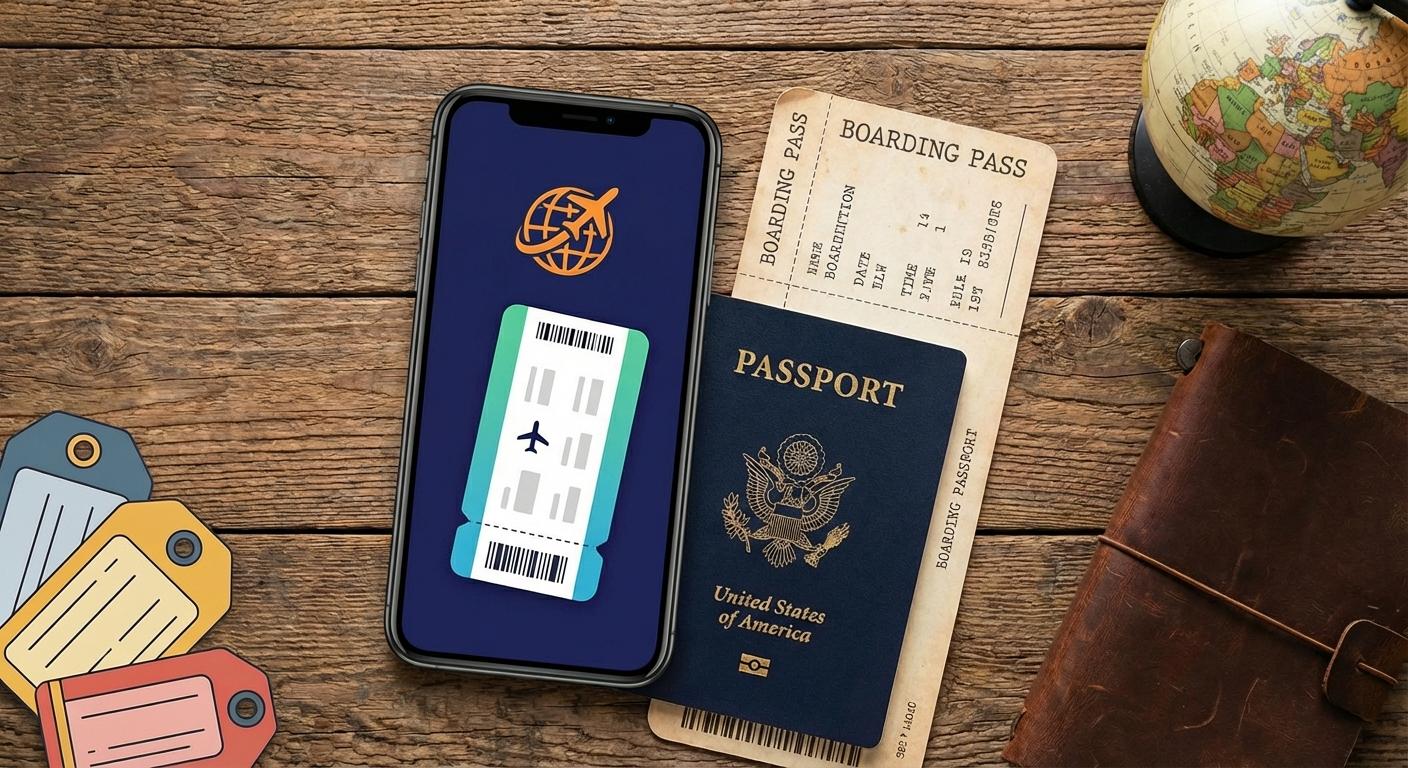
The Complete Financial Guide for Digital Nomads
Managing your finances as a digital nomad requires a strategic approach that combines smart banking choices, tax planning, currency management, and insurance coverage to ensure your location-independent lifestyle remains both profitable and protected. Whether you're working remotely from Bali, Barcelona, or Buenos Aires, understanding how to handle money across borders is essential to keeping more of what you earn and avoiding costly financial mistakes.
Understanding Your Banking Options for Nomadic Life
The foundation of your nomadic financial life starts with choosing the right banking setup. Traditional banks often charge excessive fees for international transfers and foreign transactions, which can quickly erode your income. You'll need to evaluate whether you want a multi-currency account, a digital-only bank, or a combination of both to minimize fees and maintain easy access to your money.
Many digital nomads benefit from having both a traditional bank account in their home country and a specialized travel-friendly account. This hybrid approach gives you flexibility and backup options if one account experiences issues. The key is finding accounts that don't charge foreign transaction fees and offer competitive exchange rates for currency conversions.
Choosing the Right Payment Cards
Your payment cards are arguably your most important financial tool as a nomad. The difference between a standard card and one optimized for travel can mean hundreds of dollars in savings annually. Best Credit Cards with No Foreign Transaction Fees should be your priority, as these eliminate the 2-3% markup most banks charge on overseas purchases.
Beyond avoiding foreign transaction fees, consider whether you want rewards on your spending. The Ultimate Guide to Travel Rewards Credit Cards explores how you can earn points or cash back on every transaction, which compounds significantly over time. If you're planning extended stays in specific regions, Best Travel Credit Cards for Your Trip to Asia can provide region-specific benefits and partnerships.
Debit cards offer another layer of financial management. Best Debit Cards with ATM Fee Reimbursements for Travel ensures you're not losing money every time you withdraw cash from foreign ATMs. Many nomads carry both credit and debit options for maximum flexibility and security.
Understanding Currency Exchange and Avoiding Hidden Costs
One of the biggest financial traps for digital nomads is falling victim to poor currency exchange rates and hidden conversion fees. When you're moving money between countries regularly, understanding how currency conversion works can save you thousands annually. What Is Dynamic Currency Conversion and How to Avoid It explains a common practice where merchants offer to convert your purchase into your home currency—a seemingly convenient option that actually costs you significantly more.
Instead, always opt for the local currency when given the choice at payment terminals. Your bank's exchange rate will almost always be better than a merchant's offered conversion. Additionally, compare different money transfer services and payment platforms, as their exchange rates and fees vary considerably. Some platforms specialize in nomad-friendly transfers with minimal markups.
Comparing Digital Banking Platforms for Nomads
The digital banking landscape has evolved dramatically, with platforms specifically designed for international users and frequent travelers. Wise vs Revolut: A Deep Dive for Travelers compares two of the most popular platforms among digital nomads, each offering distinct advantages depending on your specific needs and spending patterns.
Wise excels at international transfers with transparent, mid-market exchange rates, making it ideal if you're frequently moving larger sums between accounts. Revolut offers more of an all-in-one solution with spending analytics, multiple currency wallets, and budgeting tools. Your choice depends on whether you prioritize transfers or daily spending management. Many nomads use both platforms complementarily, leveraging each one's strengths.
Travel Insurance and Credit Card Protection Benefits
Financial protection extends beyond avoiding fees—it includes comprehensive insurance coverage for your travels and possessions. Many premium credit cards include valuable travel insurance benefits that most cardholders never fully utilize. Understanding Your Credit Card's Travel Insurance Benefits breaks down what coverage you likely already have, including trip cancellation, baggage loss, and emergency medical expenses.
Before purchasing separate travel insurance, review your credit card benefits carefully. You may already have significant coverage that eliminates the need for additional policies. However, if you're carrying expensive equipment or need coverage beyond what your card provides, supplemental nomad-specific insurance is worth the investment. This protection is particularly crucial if you're working with valuable gear or have limited emergency savings.
Managing Taxes as a Digital Nomad
Tax obligations don't disappear when you leave your home country, though they become more complex. Your tax situation depends on your citizenship, where you're earning income, and where you're physically located. Most countries have tax treaties that prevent double taxation, but you need to understand your specific obligations.
If you're a US citizen, you likely owe US taxes on worldwide income regardless of where you live, though the Foreign Earned Income Exclusion may reduce your taxable amount. Other countries determine tax residency based on physical presence or intent to stay. The safest approach is consulting a tax professional who specializes in expat and nomad taxation—the cost of professional advice is minimal compared to potential penalties from misunderstanding your obligations.
Keep meticulous records of your income, expenses, and location throughout the year. Digital tools make this easier than ever, and organized records will prove invaluable if you're ever audited or need to prove your tax residency status.
Building an Emergency Fund While Nomadic
Life on the road introduces unpredictability that makes an emergency fund even more critical than for stationary workers. Medical emergencies, equipment failures, visa issues, or sudden travel requirements can drain your finances quickly. Aim to maintain 3-6 months of expenses in a readily accessible account, separate from your regular spending money.
Keep this fund in a stable currency and in an account that doesn't charge fees for international transfers. Many nomads use a dedicated savings account with a digital bank or keep the funds in their home country's currency. The goal is accessibility without temptation—you want the money available for true emergencies without being so convenient that you dip into it for non-essential expenses.
Investment and Retirement Planning for Nomads
Just because you're traveling doesn't mean you should neglect long-term financial planning. In fact, the flexibility of nomadic income makes strategic investing even more important. Depending on your citizenship and tax residency, you may have access to different retirement accounts and investment vehicles.
If you're self-employed, consider opening a Solo 401(k) or SEP-IRA if you're a US citizen, or equivalent retirement accounts in your home country. The tax advantages of retirement accounts can significantly reduce your taxable income while building long-term wealth. Even small, consistent contributions compound dramatically over decades. Start investing early, automate contributions if possible, and adjust your strategy as your nomadic situation evolves.
Expense Tracking and Budgeting Systems
Digital nomads often struggle with expense tracking because spending patterns vary dramatically by location. A meal in Southeast Asia costs a fraction of what you'd pay in Western Europe. Rather than using a fixed budget, many successful nomads track their spending by category and adjust expectations based on location.
Use tools like Wise's built-in budgeting features, dedicated expense tracking apps, or simple spreadsheets—the method matters less than consistency. Review your spending monthly to identify patterns and ensure you're not overspending in categories you can control. This awareness naturally leads to better financial decisions without requiring restrictive budgeting.
Income Diversification and Financial Stability
Relying on a single income source as a nomad introduces unnecessary risk. Currency fluctuations, client loss, or market downturns can devastate your finances if you have only one revenue stream. Consider developing multiple income sources: client work, passive income from digital products, freelance platforms, or affiliate marketing.
Diversification also provides psychological benefits—you're not entirely dependent on one client or project, which reduces stress and allows you to be more selective about the work you accept. Even small secondary income streams provide meaningful financial security and flexibility.
Protecting Your Financial Identity and Security
Working internationally means your financial information travels with you, making security paramount. Use VPNs when accessing banking apps on public Wi-Fi, enable two-factor authentication on all financial accounts, and consider using a password manager to maintain strong, unique passwords.
Be cautious about which financial platforms you trust with your information and regularly monitor your accounts for unauthorized activity. Set up alerts for transactions and account changes so you're immediately notified of anything suspicious. The inconvenience of these security measures is minimal compared to the potential damage of identity theft or account compromise.
Building Wealth as a Nomad
The nomadic lifestyle offers unique wealth-building opportunities that stationary workers don't have. Lower cost of living in many countries means you can save a larger percentage of your income. The key is being intentional about that savings rather than simply spending more because you can afford to.
Calculate your monthly burn rate in each location, set a realistic savings target, and automate transfers to savings accounts. Over time, these consistent contributions build substantial wealth, especially if you're also investing strategically. The combination of lower expenses, higher income potential from global clients, and disciplined saving creates powerful wealth-building momentum.
Final Thoughts: Your Financial Nomadic Journey
Managing finances as a digital nomad isn't complicated—it requires strategic planning, the right tools, and consistent attention to your financial health. By choosing appropriate payment cards, understanding currency conversion, maintaining proper insurance, tracking expenses, and planning for taxes and retirement, you create a solid financial foundation that supports your nomadic lifestyle.
Your financial setup should evolve as your situation changes. What works for your first year nomading may need adjustment as you gain experience, your income grows, or your travel patterns shift. Stay informed, remain flexible, and don't hesitate to seek professional advice when navigating complex situations like taxes or major investments. Your financial health directly impacts your ability to sustain and enjoy the nomadic lifestyle long-term.


 Saily eSIM