Ramen in Nagoya: A Guide
 ```html
Ramen in Nagoya: A Guide
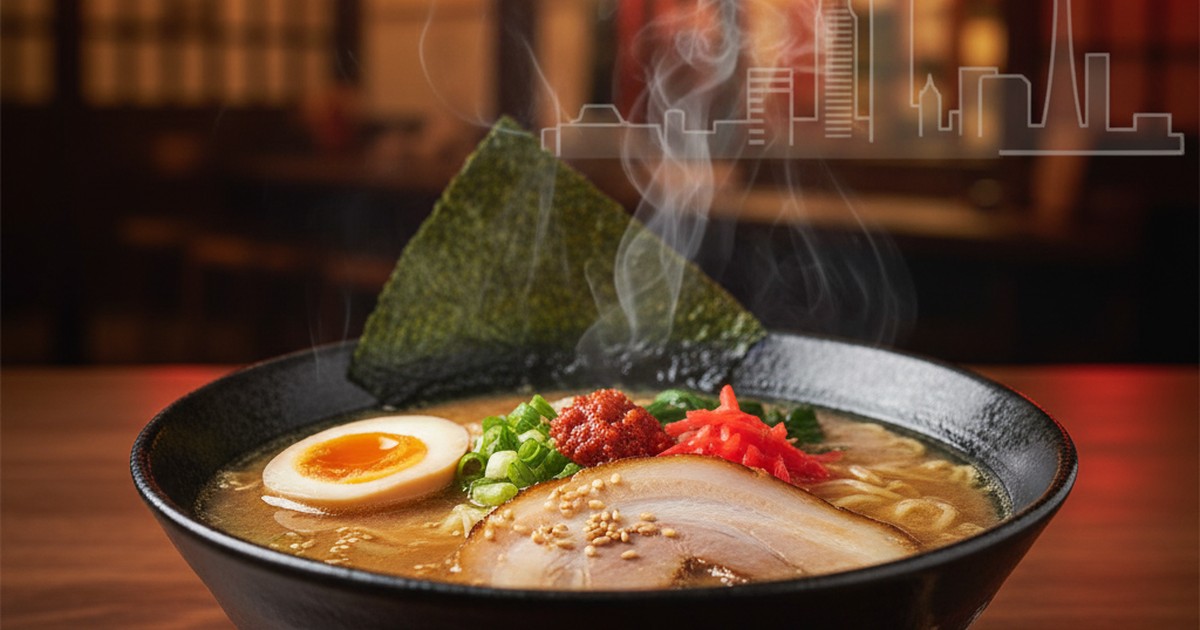
Nagoya, Japan's fourth-largest city, offers an incredible ramen scene that perfectly captures the essence of authentic Japanese noodle culture. From rich miso broths to unique regional specialties, the city's ramen landscape provides food enthusiasts with an unforgettable culinary journey through steaming bowls of comfort food that have been perfected over generations.
The ramen culture in Nagoya stands distinctly apart from other Japanese cities, much like how Fukuoka dining has its own character. What makes Nagoya's ramen scene particularly fascinating is its deep connection to the city's industrial heritage and working-class roots. The hearty, robust flavors found in local ramen shops reflect the needs of factory workers and laborers who required substantial, warming meals to fuel their demanding days.
Understanding Nagoya's Ramen Heritage
The story of ramen in Nagoya begins in the post-war era when Chinese immigrants brought their noodle-making techniques to Japan. However, Nagoya's version evolved uniquely, incorporating local ingredients and adapting to regional tastes. Unlike the delicate broths found in some other regions, Nagoya ramen tends toward heartier, more substantial preparations that satisfy both hunger and soul.
The city's ramen culture developed alongside its automotive industry, with many shops originally serving shift workers from Toyota and other manufacturing plants. This industrial connection shaped the portion sizes, flavor intensity, and even the operating hours of many establishments. Today, you'll find ramen shops open at unusual hours, catering to workers across different shifts, creating a round-the-clock ramen culture that's both practical and deeply ingrained in local life.
Signature Styles and Regional Specialties
Nagoya's ramen scene showcases several distinctive styles that you won't find replicated elsewhere in Japan. The most famous is Taiwan Ramen, despite its name having nothing to do with Taiwan. This spicy, ground pork-topped creation was invented by a Taiwanese chef in Nagoya during the 1970s and has since become synonymous with the city's ramen identity.
The Taiwan Ramen features a clear, chicken-based broth infused with garlic, chili oil, and Chinese chives, topped with spicy minced pork and bean sprouts. The heat level can be intense, but the complex layering of flavors creates an addictive combination that keeps locals coming back for more. Many shops offer variations in spiciness levels, allowing newcomers to gradually work up to the traditional intensity.
Another beloved local style is the miso ramen, which takes advantage of the region's excellent soybean production. Nagoya's miso ramen typically features a rich, red miso base that's been aged and fermented to develop deep, complex flavors. The broth often incorporates local vegetables and sometimes features unique toppings like corn, butter, or locally-sourced bamboo shoots.
Legendary Ramen Establishments
Menya Saimi stands as one of Nagoya's most revered ramen destinations, known for its meticulous attention to broth preparation and noodle texture. The shop's master has spent decades perfecting his recipe, creating a following that includes both locals and ramen pilgrims from across Japan. The wait times can be substantial, but the experience of watching the careful preparation process adds to the anticipation.
Ramen Yokocho, located in the Sakae district, represents a different approach to ramen culture. This narrow alley houses multiple small ramen stalls, each with its own specialty and personality. The intimate setting allows for direct interaction with the ramen masters, creating an educational experience alongside the meal. Many visitors compare the atmosphere to Tokyo's famous ramen districts, though Nagoya's version maintains its own distinct character.
For those seeking the authentic Taiwan Ramen experience, Misen remains the original creator and continues to serve the dish that put Nagoya on the ramen map. The shop maintains traditional preparation methods while accommodating modern dietary preferences, offering variations that cater to different spice tolerances and dietary restrictions.
The Art of Ramen Appreciation
Understanding how to properly enjoy ramen in Nagoya involves more than simply slurping noodles. The local etiquette emphasizes respect for the craft and appreciation for the ingredients. Arriving at peak meal times demonstrates commitment to the experience, as the best bowls are often served when ingredients are at their freshest and broths are at optimal temperature.
The slurping sound, often surprising to newcomers, serves multiple purposes in ramen consumption. It cools the hot noodles, enhances the aroma experience, and shows appreciation to the chef. In Nagoya's ramen culture, enthusiastic slurping is considered a compliment to the establishment and demonstrates proper understanding of ramen etiquette.
Temperature timing plays a crucial role in the ramen experience. The best ramen shops in Nagoya serve their bowls at precisely the right temperature, where the broth is hot enough to warm you thoroughly but not so hot that it masks the subtle flavor layers. Experienced ramen enthusiasts often gauge a shop's quality by how well they manage this temperature balance.
Seasonal Variations and Limited Offerings
Nagoya's ramen scene adapts beautifully to seasonal changes, with many establishments offering limited-time variations that incorporate seasonal ingredients. Spring brings fresh bamboo shoots and young vegetables, while summer might feature lighter broths and cold ramen preparations. Autumn introduces heartier ingredients like mushrooms and root vegetables, and winter calls for the richest, most warming preparations.
These seasonal adaptations reflect the Japanese concept of enjoying ingredients at their peak freshness and quality. Many ramen masters in Nagoya maintain relationships with local farmers and suppliers, ensuring access to the finest seasonal ingredients. This commitment to seasonality means that repeat visits throughout the year can offer completely different experiences at the same establishment.
Limited-time offerings also serve as a way for ramen masters to experiment with new flavors and techniques while maintaining their core menu items. These special bowls often become legendary among ramen enthusiasts, creating a culture of anticipation and discovery that keeps the scene dynamic and exciting.
Beyond Traditional Boundaries
Modern Nagoya ramen culture embraces innovation while respecting tradition. Younger ramen masters are incorporating international influences, creating fusion styles that might include elements from Italian, French, or other Asian cuisines. These experimental approaches often surprise visitors who expect only traditional preparations.
The city's international connections, strengthened by its automotive industry and diverse population, have influenced the ramen scene in subtle but meaningful ways. You might find shops that incorporate local craft beer into their broths or establishments that offer wine pairings with their ramen courses. This cosmopolitan approach distinguishes Nagoya from more traditional ramen cities while maintaining respect for fundamental techniques.
Vegetarian and vegan options have also emerged in response to changing dietary preferences and international visitors. While traditional ramen relies heavily on meat-based broths, innovative Nagoya shops have developed plant-based alternatives that maintain the depth and complexity expected from quality ramen. These options often incorporate local vegetables and innovative protein sources to create satisfying alternatives.
The Social Aspect of Ramen Culture
Ramen consumption in Nagoya often serves as a social activity that brings together people from different backgrounds and walks of life. The counter seating common in many shops creates opportunities for conversation and shared experiences, though the focus remains primarily on appreciating the food. This social dynamic differs from the nightlife found in places like Tokyo clubs, offering a more intimate and food-focused gathering experience.
Many ramen shops serve as neighborhood gathering places where regular customers develop relationships with both the staff and fellow patrons. These relationships often extend beyond the shop, creating a community centered around shared appreciation for quality ramen. The masters often remember regular customers' preferences, creating personalized experiences that strengthen these community bonds.
Business relationships also flourish in ramen shops, where the informal setting and shared meal create opportunities for networking and relationship building. Many local business deals have been discussed over steaming bowls of ramen, making these establishments important parts of Nagoya's commercial ecosystem.
Exploring Adjacent Food Culture
The ramen scene in Nagoya connects to broader food culture exploration opportunities throughout Japan. Just as Osaka shopping offers unique experiences, Nagoya's food scene extends beyond ramen to include other regional specialties that complement the noodle experience. Understanding these connections enhances appreciation for the city's overall culinary landscape.
Many ramen enthusiasts combine their noodle adventures with exploration of other local specialties like hitsumabushi (grilled eel over rice), miso katsu (pork cutlet with miso sauce), or tebasaki (chicken wings). These dishes share similar flavor profiles and preparation philosophies with local ramen styles, creating a cohesive regional cuisine experience.
The beverage culture surrounding ramen also deserves attention, with many shops offering carefully selected beer, sake, or other drinks that complement their noodle preparations. Some establishments have developed signature drink pairings that enhance the overall dining experience, much like how Sapporo beer culture creates its own unique atmosphere.
Making the Most of Your Ramen Journey
Successful ramen exploration in Nagoya requires patience, openness, and willingness to step outside comfort zones. The best experiences often come from trying unfamiliar styles, engaging with shop masters when possible, and approaching each bowl with curiosity rather than preconceived expectations. This mindset transforms simple meals into cultural learning experiences.
Documentation through photos or notes can enhance the experience and help track preferences across different establishments. Many ramen enthusiasts maintain journals recording their experiences, creating personal guides that improve future visits and help share recommendations with others.
The accommodation choices can also impact your ramen exploration, with some areas offering better access to renowned establishments or late-night options. Consider how your lodging location affects your ability to visit different neighborhoods and experience the full range of what Nagoya's ramen scene offers, similar to how Kobe accommodations can enhance overall travel experiences.
Nagoya's ramen scene represents a perfect blend of tradition, innovation, and community spirit that creates unforgettable culinary experiences. Whether you're seeking the fiery intensity of Taiwan Ramen, the comforting warmth of miso-based broths, or the discovery of new fusion creations, the city offers endless opportunities for exploration and appreciation. The combination of skilled craftsmanship, quality ingredients, and passionate dedication found in Nagoya's ramen shops creates lasting memories that extend far beyond simple meal satisfaction, establishing the city as an essential destination for anyone serious about understanding Japan's remarkable ramen culture.
```



 Saily eSIM
Borderly AI