48 Hours in Tokyo: A Non-Speaker's Survival Guide (2026)
Learn how to master Tokyo in 48 hours without speaking a word of Japanese. Our guide covers transit hacks, neighborhood deep-dives, and crowd-avoidance tactics.
Travel concierge
Join travelers planning with Borderly's AI


2-day itinerary ready to plan
Search Live Flights to 48 Hours in Tokyo: A Non-Speaker's Survival Guide (2026)
Real-time airline seat selection, transparent baggage inclusions, and direct booking across 400+ carriers.
Book with Borderly • Powered by Duffel
Fly to 48 Hours in Tokyo: A Non-Speaker's Survival Guide (2026), booked directly.
Real-time seat availability, live baggage options, and transparent fares across 400+ airlines.
Just ask the AI trip planner
Tell it your dates, budget, or vibe — it will pull straight from this guide and build a route around it.
Ask about your 48 Hours in Tokyo: A Non-Speaker's Survival Guide (2026) trip
Real answers on routes, timing, and local tips — grounded in this guide.
Get Borderly on iOS
Download the app to generate custom AI trip plans, organize group budgets, and store your boarding wallet — all offline.

Join 2,000+ travelers using Borderly
One app for the whole trip
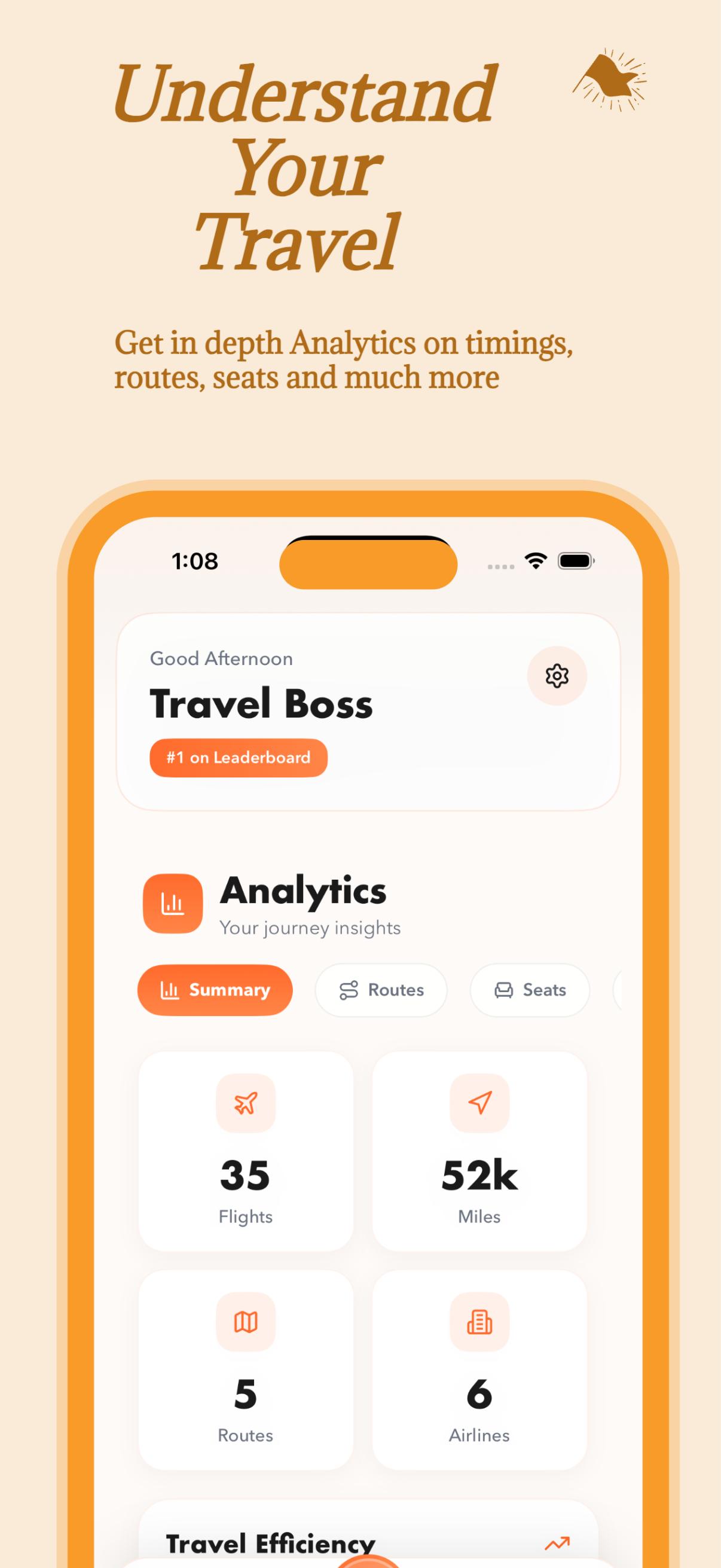
AI trip planning, group budgets, and a boarding pass wallet — everything this guide covers, in your pocket.
AI Trip Planning
Generate personalized itineraries with real-time pricing, route optimization, and local recommendations.
Group Planning & Budgeting
Invite travel companions, split costs, vote on activities, and keep everyone aligned.
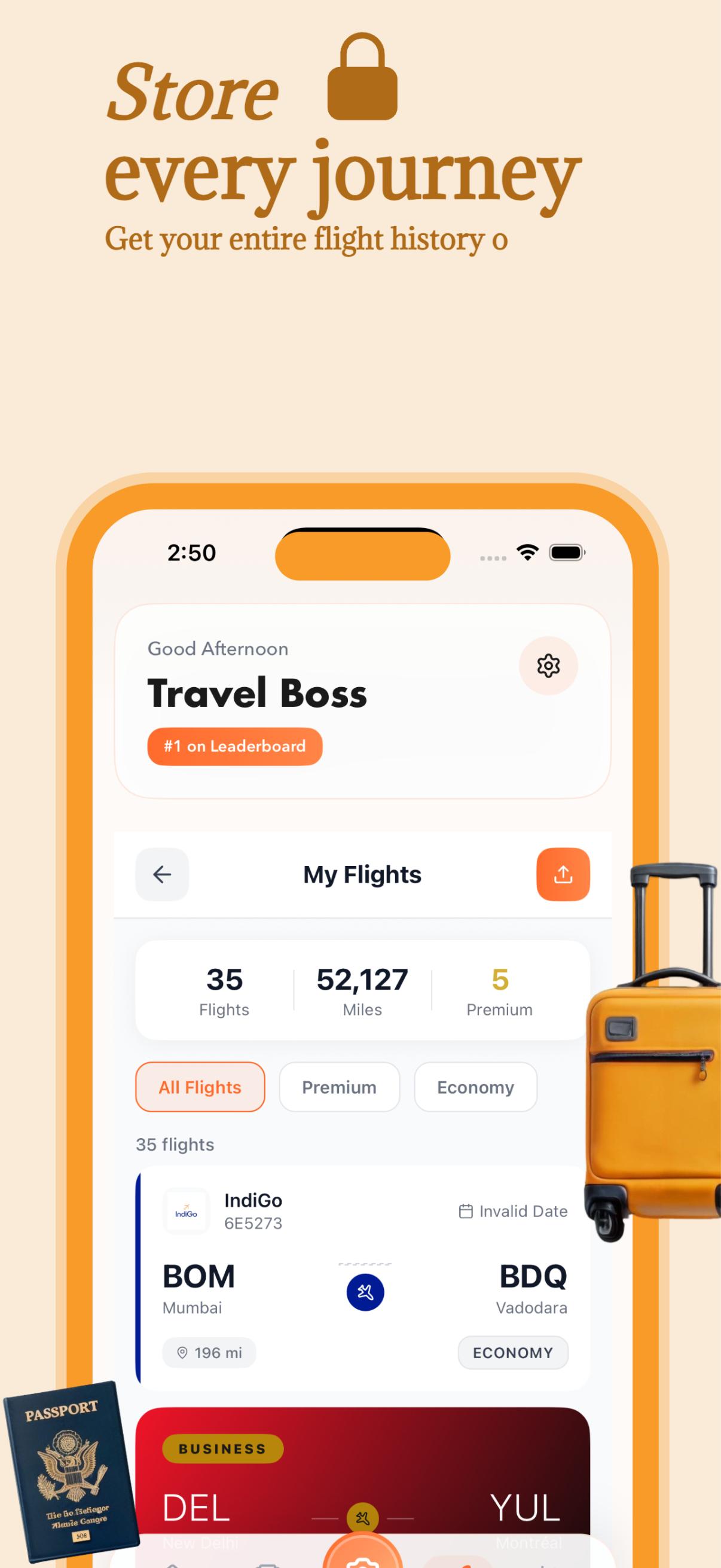
Boarding Wallet & History
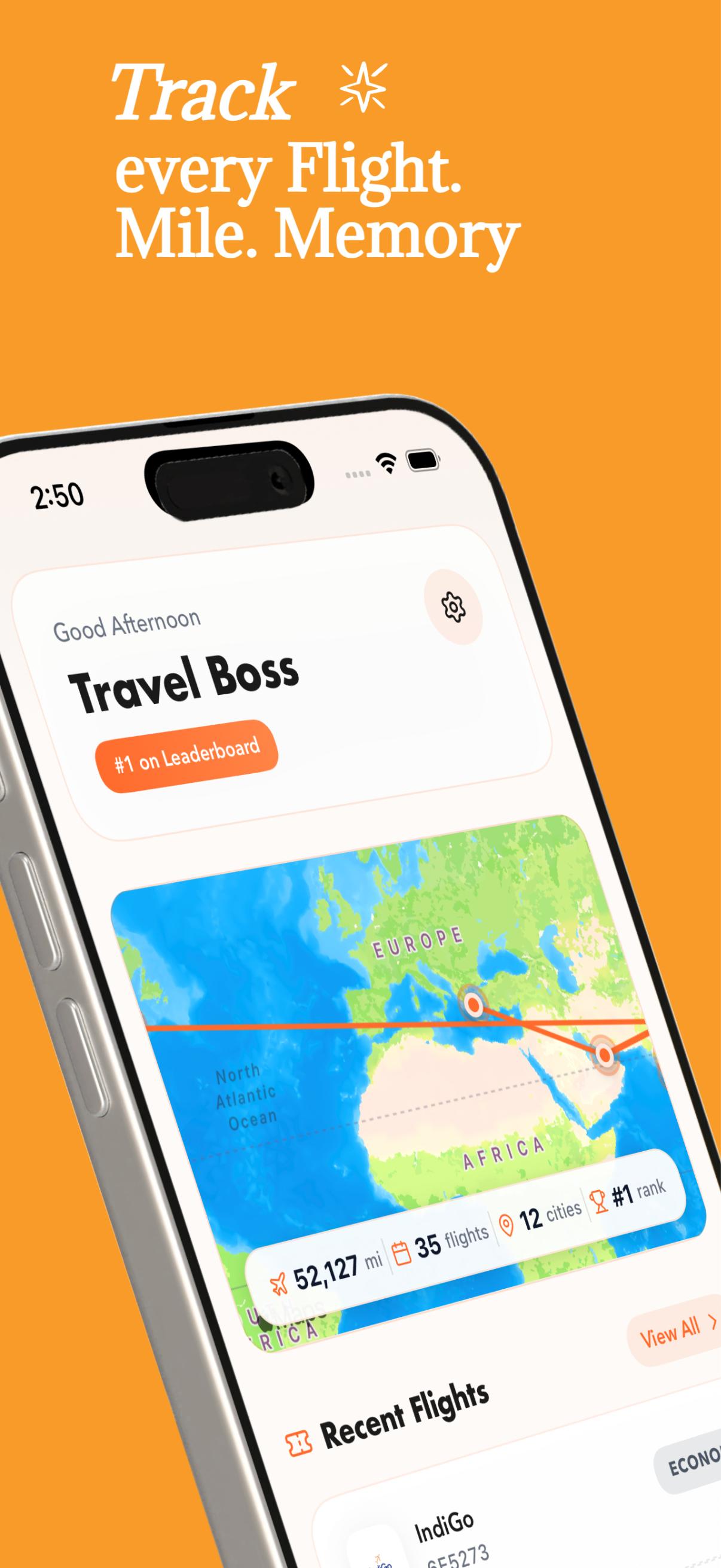
Store every boarding pass, track your travel history, and visualize your journey on a map.
Leaderboard & Achievements
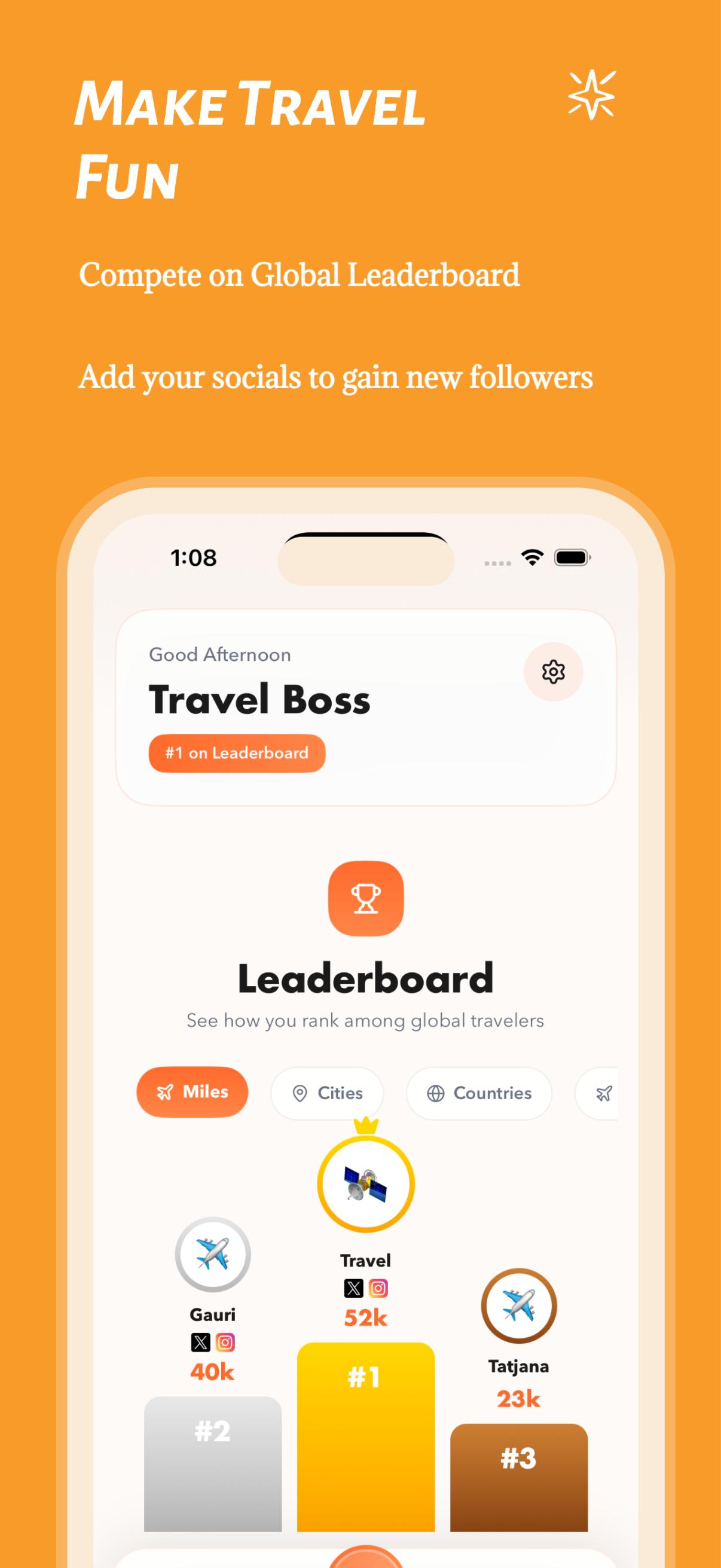
Earn badges for every destination, climb the global rankings, and compete with fellow travelers.
Travel Concierge
Get personalized booking assistance, curated recommendations, and priority support — all in-app.

Route directions & coordinate spots
The actual itinerary roadmap — coordinates, transit directions, and details for every stop.
Tsukiji Outer Market
This historic fish market district remains the culinary soul of Tokyo. Visitors can navigate the maze of stalls by following the scent of tamagoyaki. It is best visited before 8:00 AM to avoid the intense tourist crush while sampling fresh uni bowls priced around ¥3,500 ($23 USD). The chaotic energy here is the perfect initiation for non-Japanese speakers learning to use pointing and bowing as universal communication.
Meiji Jingu Forest
A massive Shinto shrine surrounded by a 170-acre man-made forest, providing a necessary acoustic escape from Tokyo's noise. The entry gate is marked by a massive torii, and the silence inside is palpable. It is a masterclass in non-verbal etiquette; simply mimic the local custom of washing hands at the temizuya before entering. Entrance is free, though votive tablets (ema) for wishes cost ¥500 ($3.30 USD).
Shinjuku Golden Gai
A dense network of 200 tiny bars squeezed into six narrow alleys, representing Tokyo's post-war architectural resilience. Many bars have a cover charge of ¥1,000 ($6.60 USD) to limit capacity to 5-8 people. Non-speakers thrive here because the intimate seating forces instant camaraderie with locals. Opt for bars displaying an 'English Menu' sign to reduce initial communication friction during your first night.
Yanaka Ginza
This district escaped the WWII firebombing, preserving the 'Shitamachi' (old town) atmosphere. It is a 10-minute walk from Nippori Station and features authentic craft shops and street food vendors. The local cats often outnumber the tourists here, providing a relaxed pace compared to Shibuya. Spend about ¥2,000 ($13 USD) on snacks like menchi-katsu to experience traditional Tokyo life without the polished veneer of modern luxury hubs.
Nakano Broadway
The definitive spot for collectors of anime, vintage toys, and obscure manga. It is far less daunting than Akihabara and offers a more localized shopping experience. Prices for rare figures range from ¥1,000 to ¥50,000 ($6.60 to $330 USD). The multi-level structure is an architectural puzzle, perfect for those who enjoy wandering without needing a map, relying instead on visual cues and store displays.
Kiyosumi Teien Garden
A traditional stroll-style garden featuring large stones brought from all over Japan. Entry is ¥150 ($1 USD), making it one of the most affordable tranquil spots in the city. The layout is self-explanatory, requiring no language skills to appreciate the koi ponds and meticulously pruned pines. It is located in the Koto ward, which feels significantly more residential and authentic than central business districts.
Shimokitazawa South Gate
The capital of indie music, vintage clothing, and underground cafes in Tokyo. This neighborhood is best explored by aimlessly walking the labyrinthine streets until you find a hole-in-the-wall record store. Budget about ¥5,000 ($33 USD) for a curated vintage haul. Because the demographic is younger and artistic, English is slightly more prevalent, but the vibe remains quintessentially Japanese and refreshingly unpretentious for non-speakers.
Omoide Yokocho
Literally translated as 'Memory Lane,' this series of smoky, narrow alleys is packed with yakitori grills. The thick clouds of smoke and the sound of sizzling skewers provide a sensory overload that transcends language barriers. A meal of five skewers and a beer typically costs ¥2,500 ($16.50 USD). It is an essential, albeit crowded, experience that captures the raw, industrial aesthetic of urban Tokyo at night.
Curated tours & experiences
Skip-the-line activity tokens, certified day guides, and unique regional activities.
Interactive suggestions load dynamically based on seasonal availability.
Browse Viator Experiences
Looking for premium curated day-trips, private shuttle transports, or multi-day hiking expeditions? View top activities instantly.
The full guide, stop by stop
Hand-curated notes and specific travel insights, built exclusively for this trip.
Trail Notes
Tsukiji Outer Market: The Sensory Gateway
Start your first day at 7:00 AM, when the market is at 90% peak activity but before the midday tourist crush forces gridlock. For ¥3,500 ($23 USD), you can secure a chirashi bowl that defines fresh; pointing at the display case is the local standard, so do not fear a lack of Japanese. The secret here is navigating the narrow 'Uogashi Yokocho' alleys where the professionals eat, rather than the primary street-facing shops.
Shinjuku Golden Gai: The Intimate Social Laboratory
Every bar in this six-alley district is a micro-economy, with many imposing a ¥1,000 ($6.60 USD) cover to keep the vibe exclusive. It is arguably the best place in the world to practice 'non-verbal bonding,' as the tiny 4-square-meter footprint forces you to share physical space with locals. Opt for a venue with fewer than 6 seats for the most authentic experience, and simply gesture to the bartender for their 'osusume' (recommendation).
Nakano Broadway: The Collector's Labyrinth
Visiting this multi-story retro-tech mecca requires zero Japanese because the inventory is categorized by aesthetic rather than conversation. Rare vintage finds here can be had for under ¥2,000 ($13 USD), provided you dig through the lower-level stalls rather than the street-level displays. This location is significantly more efficient than Akihabara, allowing you to cover 50+ specialized shops in under 3 hours without speaking a single word to a vendor.
Shimokitazawa: The Vintage Creative Hub
Spend your final afternoon here, where the average clothing item costs ¥3,000 ($20 USD) and the music scene operates on vibe. Navigate by following the distinctively artistic signage. Because this neighborhood caters to local youth, you will find that a smile and a bow are far more effective for negotiating a minor discount than a complicated English request. Always look for the 'thrift store map' posted at the station exit.
Secure curated tours & day tickets with Viator
Unlock flexible skip-the-line museum tickets, local food walkthroughs, and certified regional guides on Viator.
Take your itinerary everywhere
Sync boarding passes, earn travel badges, climb the global leaderboards, and track multi-currency expenses — all offline.
Crowd Avoidance
Tokyo crowds are predictable if you operate on a contrarian schedule. The key is to shift your entire day three hours earlier than the average domestic tourist.
- Start early: Arrive at major landmarks like Meiji Jingu or Tsukiji by 7:00 AM to beat the 9:00 AM tour bus arrival.
- Mid-week advantage: Confine your heavy sight-seeing to Tuesday, Wednesday, and Thursday to avoid the 40% crowd spike on Fridays and weekends.
- Station navigation: Avoid Shinjuku and Shibuya stations between 7:30 AM and 9:00 AM, when rush hour density reaches maximum capacity.
- Back-street rule: Always take the road parallel to the main tourist thoroughfare; you will find the same amenities with 1/5th the foot traffic.
- Digital queueing: Use mobile apps for restaurant reservations to skip the physical lines entirely.
- Avoid holiday peaks: Check the Japanese national calendar and avoid 'Golden Week' or 'Obon' at all costs to skip massive domestic migration.
Secure curated tours & day tickets with Viator
Unlock flexible skip-the-line museum tickets, local food walkthroughs, and certified regional guides on Viator.
Top Curated Travel Experiences in 48 Hours in Tokyo: A Non-Speaker's Survival Guide (2026)
Full-Day Guided Sightseeing Tour in 48 Hours in Tokyo: A Non-Speaker's Survival Guide (2026)
Explore the absolute best sights of 48 Hours in Tokyo: A Non-Speaker's Survival Guide (2026) with an expert certified local English-speaking guide.
48 Hours in Tokyo: A Non-Speaker's Survival Guide (2026) Hidden Gems & Historical Walking Tour
Step off the beaten path into quiet streets with your storyteller guide.
Suggested Route Order
To minimize friction for a non-speaker, structure your trip around the JR Yamanote Line, the circular train route that connects almost every major district. This creates a logical flow where you never have to navigate complex outside-the-system transfers.
- Morning Day 1: Start at Tsukiji for breakfast, then take the Hibiya Line to access central neighborhoods.
- Afternoon Day 1: Transition to Nakano Broadway to get your bearings in a controlled, indoor retail environment.
- Evening Day 1: End in Shinjuku, using the proximity of the Golden Gai to learn how to enter and exit venues quickly.
- Morning Day 2: Visit Meiji Jingu at dawn before heading to Shimokitazawa for a relaxed afternoon of exploration.
- Evening Day 2: Conclude in the Yanaka district for a quiet final dinner, avoiding the chaos of the city center.
By prioritizing the Yamanote Line, you reduce the risk of getting lost in subterranean transfer tunnels, which are notoriously difficult for those who cannot read signage.
Find cheap flights & multi-city stays
Secure flexible flight pathways, regional connections, and custom travel bundles on Trip.com.
Top Curated Travel Experiences in 48 Hours in Tokyo: A Non-Speaker's Survival Guide (2026)
Full-Day Guided Sightseeing Tour in 48 Hours in Tokyo: A Non-Speaker's Survival Guide (2026)
Explore the absolute best sights of 48 Hours in Tokyo: A Non-Speaker's Survival Guide (2026) with an expert certified local English-speaking guide.
48 Hours in Tokyo: A Non-Speaker's Survival Guide (2026) Hidden Gems & Historical Walking Tour
Step off the beaten path into quiet streets with your storyteller guide.
Getting Between Spots
Movement in Tokyo is handled best by the Suica or Pasmo IC card, which you can load into your Apple or Google Wallet immediately. This removes the need to use ticket machines, which are often the primary point of failure for non-speakers. Use the 'Japan Transit by Jorudan' app, which is the most accurate tool for live train timing in 2026.
| Route | Transit Method | Typical Time | Cost (USD) |
|---|---|---|---|
| Tsukiji to Nakano | Metro/Subway | 35 min | $2.50 |
| Nakano to Shinjuku | JR Chuo Line | 5 min | $1.20 |
| Shinjuku to Shimokitazawa | Odakyu Line | 10 min | $1.50 |
For short distances under 2km, walking is almost always faster than trying to coordinate a taxi or bus. Taxis are exceptionally expensive—often 10x the price of a train—and drivers rarely speak conversational English, making communication a potential stress point. Stick to the rail network, which covers 98% of the city.
Find cheap flights & multi-city stays
Secure flexible flight pathways, regional connections, and custom travel bundles on Trip.com.
Transport Cost Table
| Route | Method | Time | Cost (JPY) | Cost (USD) |
|---|---|---|---|---|
| Tsukiji -> Nakano | Subway | 35m | ¥320 | $2.10 |
| Nakano -> Shinjuku | JR Line | 5m | ¥180 | $1.20 |
| Shinjuku -> Shimokitazawa | Odakyu | 10m | ¥200 | $1.35 |
| Shimokitazawa -> Yanaka | Subway | 45m | ¥450 | $3.00 |
| Yanaka -> Meiji Jingu | JR Line | 30m | ¥350 | $2.30 |
| Meiji Jingu -> Shinjuku | JR Line | 4m | ¥160 | $1.05 |
Public transport is the absolute standard in Tokyo. Relying on rideshare apps like Uber is an amateur mistake; in Tokyo, Uber simply dispatches regular taxis at a premium price. Stick to the train network and use Google Maps for precise platform numbers. Always load your transit card with at least ¥3,000 ($20) at the start of your 48-hour trip to avoid repeated reloads.
Find cheap flights & multi-city stays
Secure flexible flight pathways, regional connections, and custom travel bundles on Trip.com.
Where To Base
The best neighborhood for a non-speaker is Shinjuku or Shibuya due to the density of infrastructure and English signage. However, for a more authentic vibe, choose Yanaka. Mixed-budget groups should book a block of rooms in the same hotel chain (like Dormy Inn or APA Hotel), where prices are standardized regardless of room size, allowing high-spenders to get a 'Deluxe' room while budget travelers opt for the 'Compact' unit.
| Neighborhood | Vibe | Price Tier | Proximity |
|---|---|---|---|
| Shinjuku | High Energy | Mid-Range | Central Hub |
| Yanaka | Old Tokyo | Budget | Quiet/Residential |
| Shimokitazawa | Artistic | Mid-Range | West Side |
If you have a group with varying budgets, choose a 'business hotel' cluster near a major station. These hotels often offer 'twin' vs 'single' room configurations that keep the group geographically unified without forcing the budget travelers into an expensive suite. This strategy also ensures you all arrive at the same meeting point within 5 minutes of each other every morning.
Book Hotels in 48 Hours in Tokyo: A Non-Speaker's Survival Guide (2026) with Agoda
Compare premium boutique hotels, resort villas, and historic stays at the guaranteed lowest rates.
Itinerary Day Plan
| Day | Morning | Afternoon | Evening | Cost (USD) |
|---|---|---|---|---|
| 1 | Tsukiji Market | Nakano Broadway | Shinjuku Golden Gai | $120 |
| 2 | Meiji Jingu | Shimokitazawa | Yanaka District | $110 |
Day 1 focuses on the high-energy urban centers to acclimate you to the pace of Tokyo. Day 2 is designed for cultural absorption, starting with the quietude of Shinto traditions and ending in the historical streets of the old city.
Find cheap flights & multi-city stays
Secure flexible flight pathways, regional connections, and custom travel bundles on Trip.com.
Local Insider Tips
- Point, don't ask: If you don't speak Japanese, avoid asking questions; instead, point at the menu or the item you want.
- The Cash Rule: Despite being a high-tech city, carry at least ¥10,000 in cash, as many small, authentic shops do not accept cards.
- Suica in Wallet: Load your IC card into your digital wallet before landing to skip all ticket kiosks.
- Eat the 'Set': Order the 'Teishoku' (set meal) at lunch; it is cheaper and eliminates the need to understand complex ingredients.
- Bowing is a language: A 15-degree bow serves as a universal 'thank you,' 'sorry,' and 'hello.'
- The contrarian tip: Avoid the 'Golden Week' travel advice; instead, travel during the hottest week of July, when domestic tourists flee the city, making it surprisingly quiet.
- Trash etiquette: Carry a small plastic bag; there are almost no public trash cans, and you must carry your waste until you reach a convenience store.
- Convenience Store Dining: Don't look down on 7-Eleven; the egg salad sandwich is world-class and costs less than $2.
Get instant mobile data with Saily eSIM
Stay connected. Skip expensive roaming fees and activate instant high-speed data in seconds with Saily.
Photography And Best Light
Tokyo offers the best light for photography during the 'Blue Hour' just after sunset. The city's neon-to-natural light ratio is perfect for high-contrast street shots. Head to the Tokyo Metropolitan Government Building at 4:30 PM for a free sunset vantage point. Use an aperture of f/2.8 to isolate subjects in the crowded Shinjuku alleys. For more professional guidance, check Japan Photo Guide.
Get instant mobile data with Saily eSIM
Stay connected. Skip expensive roaming fees and activate instant high-speed data in seconds with Saily.
Budget And Cost Context
Tokyo is surprisingly flexible. You can spend $60 or $600 a day depending on your accommodation and food preferences. The key is to separate your fixed costs (transport) from your variables (food).
| Tier | Daily Estimate (USD) | Accommodation | Food |
|---|---|---|---|
| Budget | $80 | Capsule Hotel/Hostel | Convenience Store/Street |
| Mid-range | $150 | Business Hotel | Local Ramen/Izakaya |
| Luxury | $400+ | International Hotel | Michelin-starred/Fine |
A crucial budget hack: most 'high-end' restaurants offer a lunch special that is nearly identical to their dinner menu for 50% of the price. If you want a luxury experience, always book it for 12:00 PM. Alcohol and taxi fares are the two biggest budget-killers; eliminate them by using the train and drinking in moderation at local izakayas where a drink is rarely over $6.
Find cheap flights & multi-city stays
Secure flexible flight pathways, regional connections, and custom travel bundles on Trip.com.
Top Restaurants By Budget
| Name | Location | Type | Tier | Dish |
|---|---|---|---|---|
| Gyukatsu Motomura | Shinjuku | Beef | $$ | Deep-fried Beef |
| Ichiran Ramen | Shibuya | Ramen | $ | Tonkotsu |
| Kanda Matsuya | Kanda | Soba | $$ | Cold Soba |
The food scene in Tokyo is best enjoyed at the counter. Ordering at a ticket machine in front of a ramen shop is the standard protocol and completely bypasses the need for language skills. Just look for the buttons with the most popular images.
Food streets like 'Omoide Yokocho' offer an immersive dining experience where the 'vibe' is essentially the main course. Do not overthink the menu; just point at what the person next to you is eating.
Secure curated tours & day tickets with Viator
Unlock flexible skip-the-line museum tickets, local food walkthroughs, and certified regional guides on Viator.
Food And Drink Highlights
Tokyo's culinary landscape is divided into the 'quick' and the 'deliberate.' For quick eats, focus on convenience store egg salad sandwiches and 'Onigiri' (rice balls), which cost roughly ¥150 ($1). For deliberate dining, visit specialized 'Izakaya' (Japanese pubs) which serve small plates meant for sharing. Check Eater Tokyo for the most recent openings.
Secure curated tours & day tickets with Viator
Unlock flexible skip-the-line museum tickets, local food walkthroughs, and certified regional guides on Viator.
Safety Considerations
- Emergency Numbers: Dial 110 for police and 119 for fire/ambulance.
- Scam Alert: Avoid 'tout's in Roppongi or Shinjuku who offer 'cheap drinks'—these are usually high-price traps.
- Insurance: Always carry comprehensive travel insurance; medical costs in Japan for tourists are high without coverage.
- Etiquette: Being loud in public or on trains is considered a major safety/social breach.
Get instant mobile data with Saily eSIM
Stay connected. Skip expensive roaming fees and activate instant high-speed data in seconds with Saily.
Seasonal Variations
| Month | Weather | Crowd | Notes |
|---|---|---|---|
| Jan | Cold | Low | Best for clear views of Fuji. |
| Apr | Mild | Extreme | Cherry blossom mania. |
| Jul | Hot/Humid | Moderate | Best for crowd-averse travelers. |
Visiting during the humid summer months of July and August is a contrarian play; the city clears out significantly as locals go to the mountains, leaving the streets much more accessible for the non-speaker.
Book top guided activities and tickets in 48 Hours in Tokyo: A Non-Speaker's Survival Guide (2026)
Skip the long queues, discover hidden gems, and book 100% free-cancellation activities on Viator with live local support.
Equipment And Gear Advice
- Comfortable walking shoes: You will hit 20,000 steps daily.
- Portable battery: Essential for using Google Maps constantly.
- Language card: A laminated card with 'Thank you' and 'Where is the station?' in Japanese.
- Small wallet: For storing all the coins you will inevitably accumulate.
- Lightweight rain jacket: Tokyo weather is unpredictable.
Get instant mobile data with Saily eSIM
Stay connected. Skip expensive roaming fees and activate instant high-speed data in seconds with Saily.
Local Festivals And Events
| Event | Month | Importance | Booking |
|---|---|---|---|
| Sanja Matsuri | May | Cultural peak | Book 6 months ahead. |
| Sumida Fireworks | July | Social peak | Arrive 4 hours early. |
Attending a festival as a non-speaker is the best way to experience local life. Simply follow the sound of the 'taiko' drums.
Book top guided activities and tickets in 48 Hours in Tokyo: A Non-Speaker's Survival Guide (2026)
Skip the long queues, discover hidden gems, and book 100% free-cancellation activities on Viator with live local support.
Sustainable Travel Tips
- Use public transit: Tokyo's rail system is the cleanest and most efficient in the world.
- Reusable bottle: Japan has high-quality tap water.
- Support local: Buy souvenirs from family-run craft shops in Yanaka.
Get instant mobile data with Saily eSIM
Stay connected. Skip expensive roaming fees and activate instant high-speed data in seconds with Saily.
Neighborhood Guide
Shinjuku
The beating heart of Tokyo, perfect for the first 24 hours.
Shimokitazawa
The indie neighborhood for those who want a slower, artistic pace.
Book Hotels in 48 Hours in Tokyo: A Non-Speaker's Survival Guide (2026) with Agoda
Compare premium boutique hotels, resort villas, and historic stays at the guaranteed lowest rates.
Alternative Options
Who Should Skip This
Travelers who require constant verbal guidance or who find urban environments overwhelming should skip Tokyo. It is a city that requires self-reliance and the ability to find joy in quiet observation rather than social interaction.
If Tokyo is too much, try Kanazawa. It offers a similar 'old meets new' vibe but at a 50% slower pace with significantly lower population density and easier navigation.
Book top guided activities and tickets in 48 Hours in Tokyo: A Non-Speaker's Survival Guide (2026)
Skip the long queues, discover hidden gems, and book 100% free-cancellation activities on Viator with live local support.
Frequently Asked Questions
- Is 48 hours enough to see Tokyo?
- 48 hours is perfect for getting an authentic 'snapshot' of Tokyo's vibe if you stay focused on one or two neighborhoods like Shinjuku and Shimokitazawa. You will not see everything, but you will experience the essence of the city's efficiency.
- Do I need to speak Japanese?
- You do not need to speak any Japanese to navigate Tokyo, provided you have a smartphone for translation and navigation apps. Most major signage is in English, and pointing works perfectly for ordering food.
Book top guided activities and tickets in 48 Hours in Tokyo: A Non-Speaker's Survival Guide (2026)
Skip the long queues, discover hidden gems, and book 100% free-cancellation activities on Viator with live local support.
Final CTA
Book top guided activities and tickets in 48 Hours in Tokyo: A Non-Speaker's Survival Guide (2026)
Skip the long queues, discover hidden gems, and book 100% free-cancellation activities on Viator with live local support.
Ready to track your travels?
Join thousands of travelers using Borderly to plan trips, track expenses, store boarding passes, and compete on the global leaderboard.