5 Best Places for a Ten-Day Digital Detox
Escape digital noise completely. Our guide covers 5 remote, signal-free destinations and the best launch bases to stock up before you go off-grid.
Travel concierge
Join travelers planning with Borderly's AI


10-day itinerary ready to plan
Search Live Flights to 5 Best Places for a Ten-Day Digital Detox
Real-time airline seat selection, transparent baggage inclusions, and direct booking across 400+ carriers.
Book with Borderly • Powered by Duffel
Fly to 5 Best Places for a Ten-Day Digital Detox, booked directly.
Real-time seat availability, live baggage options, and transparent fares across 400+ airlines.
Just ask the AI trip planner
Tell it your dates, budget, or vibe — it will pull straight from this guide and build a route around it.
Ask about your 5 Best Places for a Ten-Day Digital Detox trip
Real answers on routes, timing, and local tips — grounded in this guide.
Get Borderly on iOS
Download the app to generate custom AI trip plans, organize group budgets, and store your boarding wallet — all offline.

Join 2,000+ travelers using Borderly
One app for the whole trip
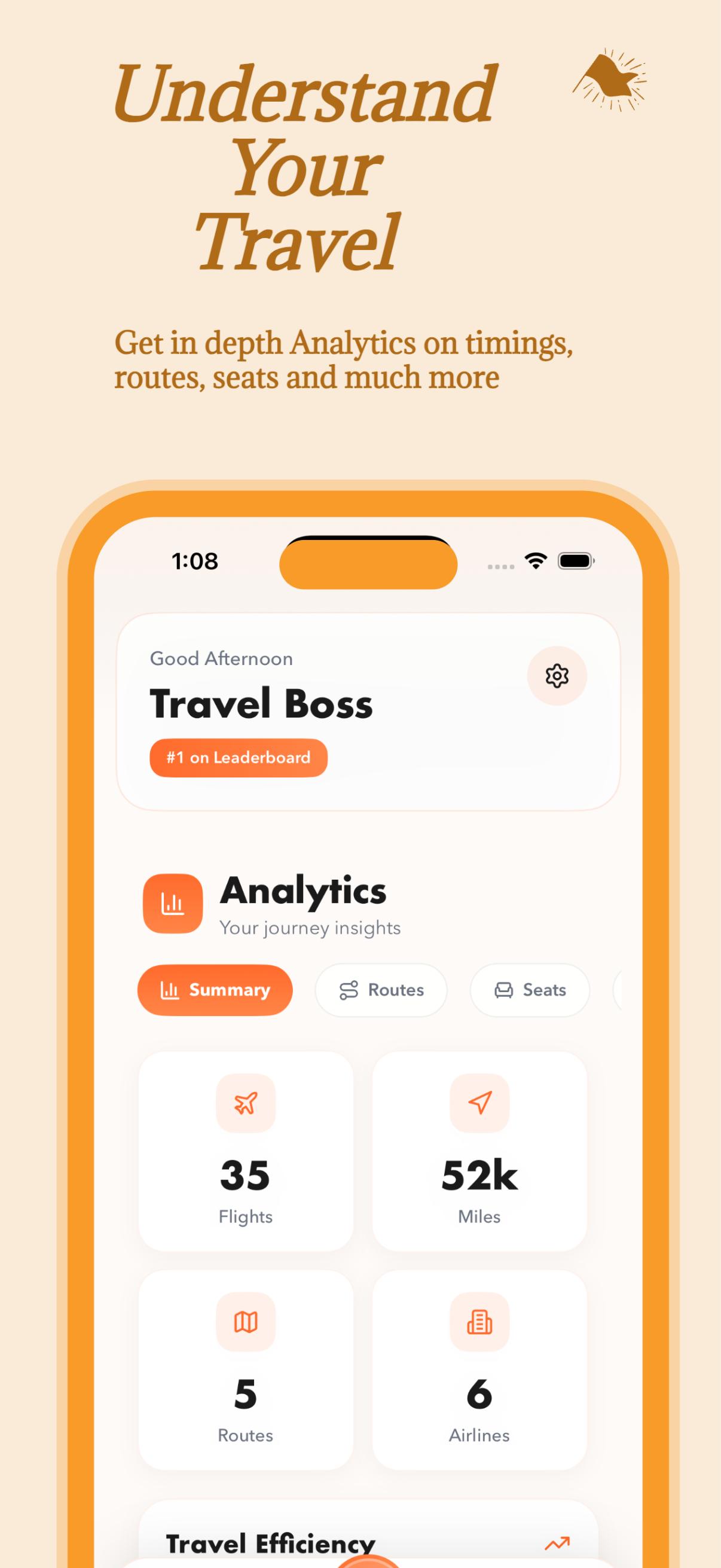
AI trip planning, group budgets, and a boarding pass wallet — everything this guide covers, in your pocket.
AI Trip Planning
Generate personalized itineraries with real-time pricing, route optimization, and local recommendations.
Group Planning & Budgeting
Invite travel companions, split costs, vote on activities, and keep everyone aligned.
Boarding Wallet & History
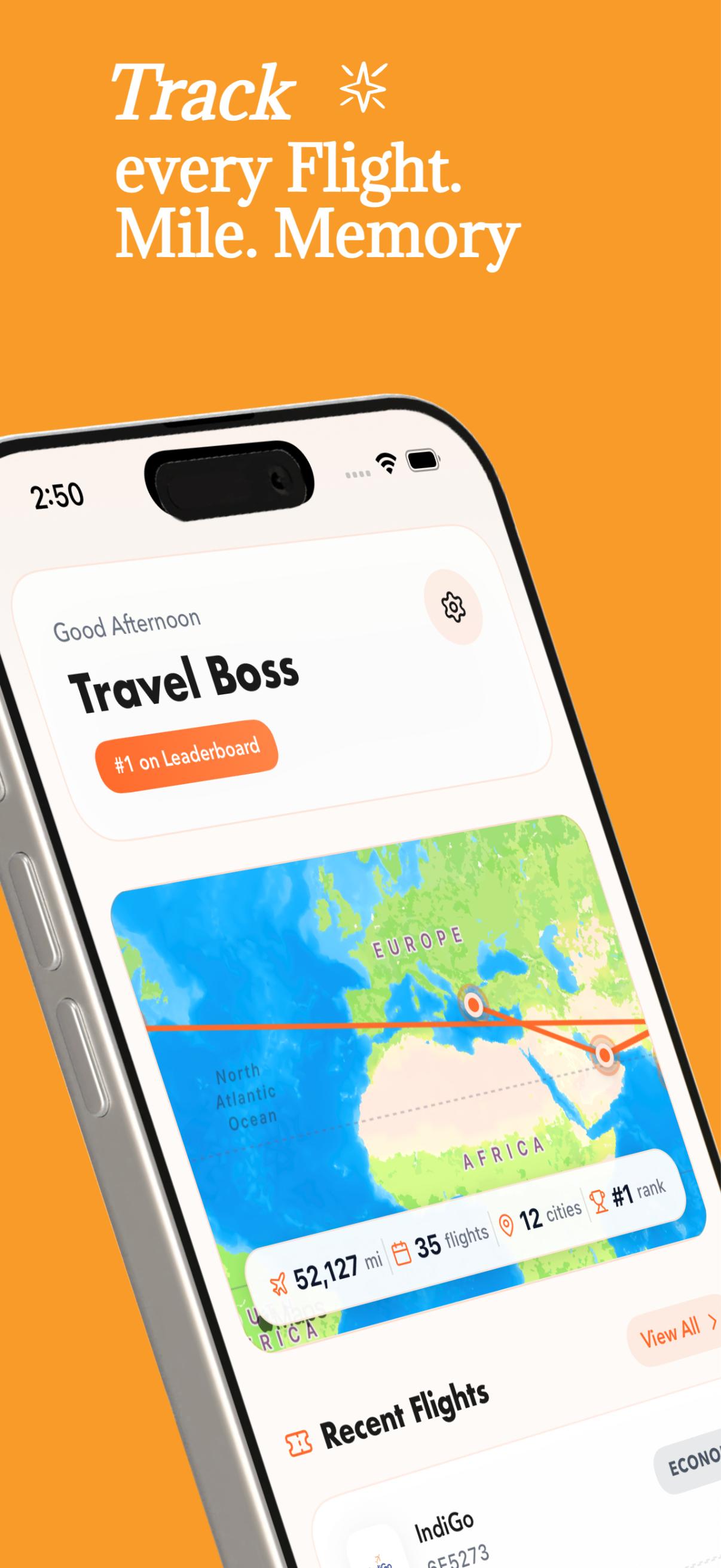
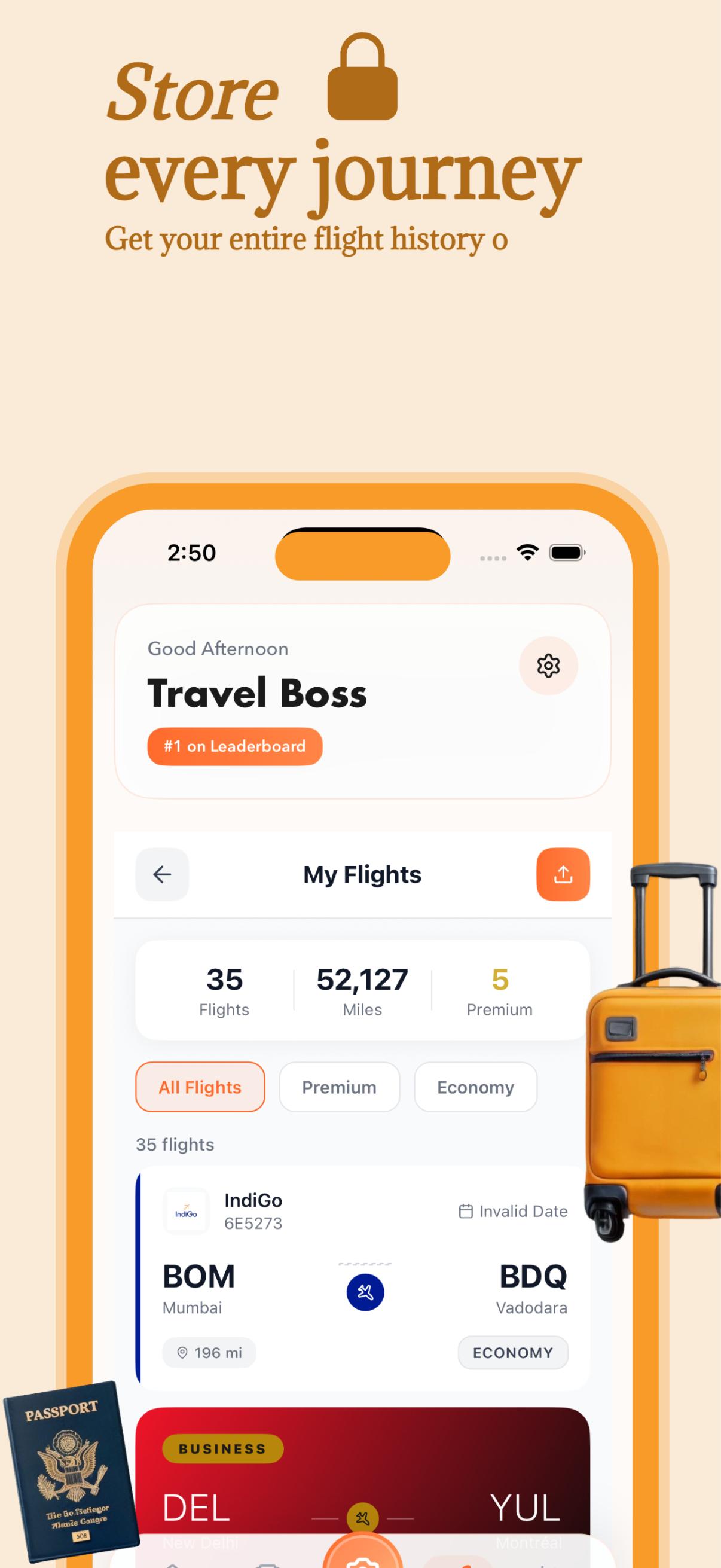
Store every boarding pass, track your travel history, and visualize your journey on a map.
Leaderboard & Achievements
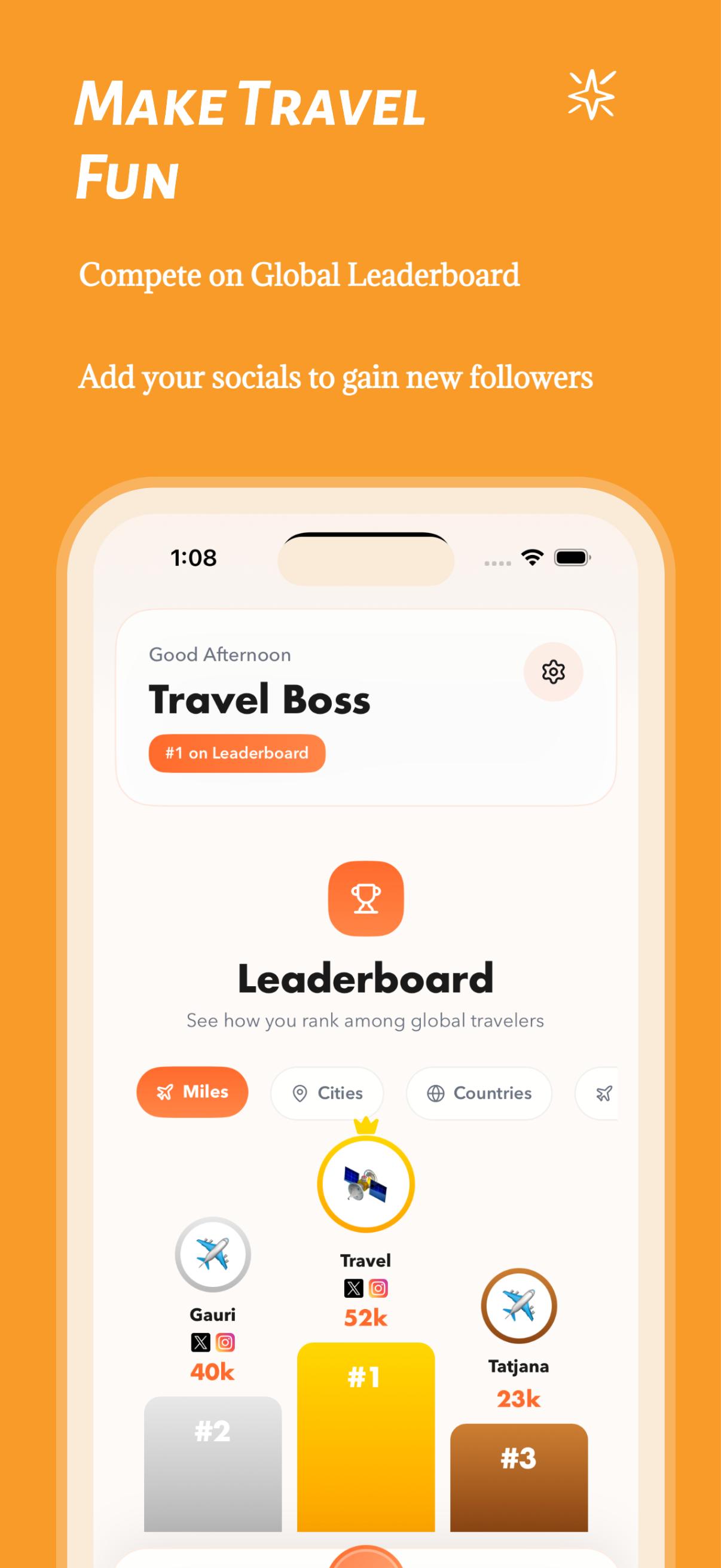
Earn badges for every destination, climb the global rankings, and compete with fellow travelers.
Travel Concierge
Get personalized booking assistance, curated recommendations, and priority support — all in-app.

Route directions & coordinate spots
The actual itinerary roadmap — coordinates, transit directions, and details for every stop.
Melaleuca, Southwest National Park (Australia)
Accessible only by foot or charter flight, Melaleuca is a raw wilderness haven with zero cellular coverage. Walk the rugged South Coast Track, sleep in rustic hikers' huts, and view the critically endangered orange-bellied parrots in their native habitat.
Doubtful Sound, Fiordland (New Zealand)
An incredibly deep, silent fjord three times larger than Milford Sound. Towering vertical granite cliffs cascade with hundreds of ephemeral waterfalls. There is no Wi-Fi, no mobile signal, and absolute stillness except for calling penguins.
Orkhon Valley Eco-Camp (Mongolia)
Set amid rolling volcanic plains and grassy hills, this traditional ger camp offers total isolation. Spend your days horseback riding, learning nomadic customs, and drinking fermented mare's milk beneath the clearest night skies on earth.
Caleta Tortel (Chile)
A remote Patagonian village built entirely on cypress-wood boardwalks. Positioned between the Northern and Southern Patagonian Ice Fields, it is the ultimate outpost to detach from modern networks and walk over cold, pristine glacier-fed waters.
Padum, Zanskar Valley (India)
A high-altitude sanctuary hidden deep within the Trans-Himalayas. Encircled by snowy peaks, ancient cliffside monasteries, and rough dirt roads, it provides an unparalleled environment for deep meditation and offline high-altitude trekking.
Isle of Eigg (Scotland)
A community-owned island in the Inner Hebrides powered entirely by local renewable energy. Hike the dramatic pitchstone ridge of An Sgùrr and enjoy complete digital peace along singing-sand beaches with views over Rum.
Sirena Station, Corcovado National Park (Costa Rica)
Located on the wild Osa Peninsula, Sirena Station is a remote research outpost deep within the world's most biologically intense rainforest. Unplugged dorms and zero-bandwidth clarify your focus on tapirs, pumas, and scarlet macaws.
Misool Marine Reserve, Raja Ampat (Indonesia)
A private island resort tucked inside a vast marine sanctuary. With no cell towers and internet limited strictly to essential operational tasks, you spend your offline days diving among pristine coral gardens and walking limestone labyrinths.
Boundary Waters Canoe Area Wilderness (USA)
Over a million acres of glacial lakes and forests. No motorized vehicles, no cell service, and no modern structures. Portaging from lake to lake forces a meditative rhythm of paddling, pitching tents, and gathering firewood.
Nuuk Wilderness Fjord (Greenland)
Accessible only by boat, this off-grid camp sits along one of the world's largest fjord systems. Drink meltwater directly from ancient glaciers, forage for crowberries, and witness the northern lights dancing in pitch-black, silent skies.
Curated tours & experiences
Skip-the-line activity tokens, certified day guides, and unique regional activities.
Interactive suggestions load dynamically based on seasonal availability.
Browse Viator Experiences
Looking for premium curated day-trips, private shuttle transports, or multi-day hiking expeditions? View top activities instantly.
The full guide, stop by stop
Hand-curated notes and specific travel insights, built exclusively for this trip.

Trail Notes
1. Melaleuca & The Southwest Wilderness (Australia)
Located in Tasmania's wild, weather-beaten southwest corner, Melaleuca is an ultimate offline frontier. There are no roads leading here; your only entry is via a twin-engine charter flight landing on a crushed-quartz runway, or by committing to the grueling 85-kilometer South Coast Track. This region is completely devoid of cell towers, offering pure, uninterrupted isolation. Sleep in the rustic walkers' huts, listen to the wind howling off the Southern Ocean, and spend your days observing the critically endangered Orange-bellied Parrot at the local conservation hide. For a truly immersive experience, kayak the tannin-stained waters of Bathurst Harbour, where the water is so dark it reflects the surrounding quartzite mountains like a black mirror.
2. The Silent Steppe of the Orkhon Valley (Mongolia)
If you want to experience vastness that quietens the mind, the Orkhon Valley is unparalleled. Located in central Mongolia, this UNESCO World Heritage site is the cradle of nomadic pastoralism. When you stay in a traditional felt ger (yurt) at a sustainable camp like Mongolia Ger Eco-Camp, your daily rhythm is dictated entirely by the sun. Cell signals disappear as you drive past the town of Kharkhorin. Spend your ten days horseback riding across volcanic plains, hiking to the high-altitude Tuvkhun Monastery, and sharing suutei tsai (salted milk tea) with local herders. The complete lack of light pollution reveals the Milky Way in high-definition, providing an analog screen worth staring at for hours.
3. Caleta Tortel & the Patagonian Fjords (Chile)
Caleta Tortel is a coastal village like no other: it has no streets. Nestled between the Northern and Southern Patagonian Ice Fields, this tiny outpost is built entirely on a labyrinth of sweet-scented Guaitecas cypress boardwalks suspended over turquoise glacial waters. To get here, you must travel down the dirt-packed Carretera Austral and wind through deep river valleys. Cell service is practically non-existent once you step onto the wooden steps. Your days will consist of hiking up to the local viewpoints, taking small wooden boats to the haunting Isla de los Muertos, and breathing in the crisp, ozone-rich air rolling off nearby glaciers. The sound of rain on the metal roofs and the gentle creak of cypress walkways replace the constant ping of notifications.
4. Zanskar Valley's Monastic Isolation (India)
The Zanskar Valley in Ladakh is a high-altitude desert locked behind massive mountain passes that remain snowbound for half the year. Since the opening of new high-altitude roads, Zanskar has become slightly more accessible, yet its remote villages like Padum and Karsha remain blissfully disconnected from global telecommunications. Staying in traditional homestays made of whitewashed mud brick, you will drink butter tea, eat hand-rolled skyu (Ladakhi pasta), and listen to the morning chants of Buddhist monks echoing from cliffside monasteries like Phugtal Gompa. The thin, dry air and towering, snow-capped peaks demand a slow, meditative physical pace that perfectly complements your internal digital reset.
Secure curated tours & day tickets with Viator
Unlock flexible skip-the-line museum tickets, local food walkthroughs, and certified regional guides on Viator.
Take your itinerary everywhere
Sync boarding passes, earn travel badges, climb the global leaderboards, and track multi-currency expenses — all offline.
Crowd Avoidance
True offline travel requires avoiding not just digital networks, but also heavy tourist crowds that disrupt the wilderness silence. To maximize your isolation, plan your daily outings during the "shoulder-hours" of early morning and late afternoon, when day-trippers have departed and local wildlife returns to active patterns. Implement these tactical crowd-avoidance rules during your ten-day detox:
- Avoid peak seasons entirely: Visit Patagonia in shoulder months (late October or April) and Ladakh in early September when the summer crowds have cleared but passes remain open.
- Secure remote wilderness permits: Always book restricted access zones, such as Tasmania's Southwest National Park, at least six months in advance to bypass busy group tours.
- Walk past the first two kilometers: On any trail (like those in Fiordland or the Orkhon Valley), 95% of tourists stop within 2 kilometers of the trailhead. Hike deeper for complete solitude.
- Utilize alternative water routes: In Caleta Tortel, hire local wooden boat captains early in the morning (before 07:00) to explore the Steffen Fjord instead of joining mid-day catamaran tours.
- Stay at research-oriented outposts: Choose field stations like Sirena in Corcovado over tourist resorts; they strictly limit overnight guest numbers.
- Time your monastery visits carefully: In Ladakh, visit Gompas during afternoon prayer sessions (typically 13:00 to 15:00) when casual tourists are dining in towns.
Secure curated tours & day tickets with Viator
Unlock flexible skip-the-line museum tickets, local food walkthroughs, and certified regional guides on Viator.
Top Curated Travel Experiences in 5 Best Places for a Ten-Day Digital Detox
Full-Day Guided Sightseeing Tour in 5 Best Places for a Ten-Day Digital Detox
Explore the absolute best sights of 5 Best Places for a Ten-Day Digital Detox with an expert certified local English-speaking guide.
5 Best Places for a Ten-Day Digital Detox Hidden Gems & Historical Walking Tour
Step off the beaten path into quiet streets with your storyteller guide.

Suggested Route Order
To extract the maximum mental benefit from a ten-day digital fast, your route should follow a logical "deceleration sequence." Rather than jumping straight from a high-stress office environment into deep, terrifying isolation, design your itinerary to progressively peel back layers of connectivity over the first three days, allowing your nervous system to acclimatize naturally. Below is the recommended sequence for a premier 10-day offline journey:
- Days 1–2: The Gateway Soft-Landing. Arrive in your regional base (e.g., Hobart, Leh, or Coyhaique). Use these 48 hours to complete gear checks, download all necessary offline maps, notify family of your impending departure, and transition your phone to airplane mode.
- Days 3–8: The Dark Zone. Enter your deepest wilderness sanctuary (e.g., Melaleuca, Zanskar, or the outer Orkhon Valley). Turn your devices completely off and seal them inside a dry bag. Dedicate these days to physical movement, wilderness navigation, reading, and campfire cooking.
- Days 9–10: The Slow Integration. Return to a low-connectivity rural settlement. Turn your phone on only for 15 minutes to confirm outbound flights, but keep social media and work emails locked. Spend your final nights reflecting on the silence before returning to the metropolitan hub.
Find cheap flights & multi-city stays
Secure flexible flight pathways, regional connections, and custom travel bundles on Trip.com.
Top Curated Travel Experiences in 5 Best Places for a Ten-Day Digital Detox
Full-Day Guided Sightseeing Tour in 5 Best Places for a Ten-Day Digital Detox
Explore the absolute best sights of 5 Best Places for a Ten-Day Digital Detox with an expert certified local English-speaking guide.
5 Best Places for a Ten-Day Digital Detox Hidden Gems & Historical Walking Tour
Step off the beaten path into quiet streets with your storyteller guide.
Getting Between Spots
When traveling through deep offline territories, modern transit conveniences like Uber, Grab, Cabify, or local ride-share apps are non-existent due to the lack of cellular data networks. You must rely on meticulous pre-planned logistics, physical maps, and local transit networks. In Tasmania's Southwest, your transit is handled by specialized bush-plane operators like Par Avion. In remote Patagonia, you will navigate via public gravel-road buses or regional ferries operated by Austral Broom. In Mongolia, you must hire a private Russian 4x4 UAZ Bukhanka van with a driver who navigates the trackless steppe by memory and geographic landmarks. Always secure these arrangements months before your departure date, as walk-up availability in these desolate corners of the globe is extremely rare.
To help you visualize the distances and transport modes required to reach these offline sanctuaries, review the travel logistics table below:
Find cheap flights & multi-city stays
Secure flexible flight pathways, regional connections, and custom travel bundles on Trip.com.

Transport Cost Table
| Route | Method of Transport | Average Transit Time | Estimated Cost (Local) | Estimated Cost (USD) |
|---|---|---|---|---|
| Hobart to Melaleuca | Charter Twin-Engine Aircraft | 50 minutes | AUD $550 | $360 |
| Ulaanbaatar to Orkhon Valley | Private UAZ Bukhanka 4x4 | 8 hours | MNT 1,020,000 | $300 |
| Coyhaique to Caleta Tortel | Regional Public Bus (Gravel Road) | 9 hours | CLP $25,000 | $28 |
| Leh to Padum (Zanskar) | Private Shared Mahindra Scorpio 4x4 | 10 hours | INR 15,000 | $180 |
| Te Anau to Doubtful Sound | Coach, Lake Ferry, & Mountain Pass Bus | 5 hours | NZD $290 | $175 |
| Oban to Isle of Eigg | Caledonian MacBrayne Ferry | 1.5 hours | GBP £18.50 | $24 |
| Drake Bay to Sirena Station | Wet-Landing Outboard Boat | 1 hour | CRC 45,000 | $85 |
Please note that local transport prices fluctuate seasonally, and private 4x4 rates in regions like Mongolia and Ladakh often include fuel and the driver's accommodation. Always carry sufficient cash in the exact local currency; ATMs do not exist in these off-grid zones, and credit card readers will fail without satellite connectivity.
Find cheap flights & multi-city stays
Secure flexible flight pathways, regional connections, and custom travel bundles on Trip.com.
Where To Base
Choosing the correct launching base is critical for stocking supplies, securing necessary wilderness permits, and getting a final night of comfort before heading off-grid. These bases should offer high-quality gear shops, reliable regional information centers, and comfortable, authentic local lodging options. For example, Hobart serves as the ultimate base for the Tasmanian Southwest, while Leh provides essential altitude acclimatization before you push deeper into the high-altitude Zanskar Valley.
The table below highlights the best regional base locations, categorized by budget, along with their characteristic local vibes:
| Base Location | Vibe & Character | Budget Option (Nightly) | Mid-Range Option (Nightly) | Splurge Option (Nightly) |
|---|---|---|---|---|
| Hobart (Tasmania) | Historic harbor town, artisanal food, rugged maritime energy | Narrara Hostel (AUD $45) | The Henry Jones Art Hotel (AUD $280) | MACq 01 Hotel (AUD $490) |
| Leh (Ladakh) | Tibetan-Buddhist mountain hub, high-altitude spice markets | Raybo Hostel (INR 800) | Hotel Singge Palace (INR 5,500) | The Ultimate Travelling Camp (INR 45,000) |
| Coyhaique (Patagonia) | Wind-swept pioneer town, fly-fishing hub, wood-stove warmth | Hostal El Reloj (CLP $35,000) | Nomads Hotel (CLP $95,000) | Loberias del Sur (CLP $210,000) |
| Ulaanbaatar (Mongolia) | Contrast of Soviet-bloc architecture and modern nomadic commerce | Danista Nomads Hostel (MNT 45,000) | Corporate Hotel (MNT 250,000) | Shangri-La Ulaanbaatar (MNT 850,000) |
Book Hotels in 5 Best Places for a Ten-Day Digital Detox with Agoda
Compare premium boutique hotels, resort villas, and historic stays at the guaranteed lowest rates.

Itinerary Day Plan
This structured five-day itinerary provides a template for successfully detaching from the digital world. It focuses on physical immersion, outdoor tasks, and reflective rest to replace screen time. Ensure you have completed all grocery shopping and gear preparation prior to Day 1 so you can remain entirely in the wilderness zone without interruption.
| Day | Morning Activity | Afternoon Activity | Evening Activity | Estimated Daily Cost |
|---|---|---|---|---|
| Day 1 | Disconnect devices at the trailhead; pack gear into waterproof dry bags. | Begin the slow wilderness trek or 4x4 journey into the offline valley. | Set up camp, gather firewood, and cook a simple, one-pot campfire meal. | USD $40 |
| Day 2 | Morning meditation, breathing exercises, and sensory identification walks. | Navigate off-trail using a topographic map and a magnetic compass. | Log reflections in a physical journal; practice stargazing and astronomical tracking. | USD $25 |
| Day 3 | Early wild swimming in glacial lakes or high-altitude rivers to stimulate circulation. | Participate in local homestead activities (milking livestock, chopping firewood). | Prepare traditional local dishes alongside your wilderness hosts. | USD $35 |
| Day 4 | Trek to a high mountain col or high-angle viewpoint to map the geography. | Spend three hours in absolute, silent solitude without reading or writing. | Gather around the fire for oral storytelling and local folklore sharing. | USD $20 |
| Day 5 | Slow packing of camp; practice thorough "Leave No Trace" clean-up. | Trek back toward the transition settlement; note the return of environmental sounds. | Check into a simple guesthouse; enjoy a hot shower and reflect on your offline experience. | USD $65 |
Focus on maintaining your offline momentum on Day 5. Resist the urge to instantly reconnect your devices the moment a bar of cell signal appears on your journey back; instead, let the silence settle in overnight.
Find cheap flights & multi-city stays
Secure flexible flight pathways, regional connections, and custom travel bundles on Trip.com.
Local Insider Tips
- Run dry runs on offline maps: Download your entire regional map area on both Google Maps and specialized topographic apps like Gaia GPS. Test them in airplane mode before you leave home.
- Invest in a high-quality satellite messenger: Carry a Garmin inReach Mini. This allows you to send basic "I am safe" texts to family without exposing you to social media, work emails, or the internet.
- Keep your camera batteries warm: In cold zones like Patagonia and Zanskar, batteries drain rapidly. Store them inside your wool socks close to your body heat during the day and inside your sleeping bag at night.
- Transition slowly: Set your work email auto-responder to activate 48 hours *before* you actually depart. This eliminates last-minute frantic emails while you are packing.
- Carry waterproof paper journals: Standard notebooks will wilt in the damp air of Fiordland or Tasmania. Use Rite in the Rain all-weather writing paper for your thoughts.
- Pack a manual analog watch: You will not have your phone screen to check the time. A rugged, mechanical watch keeps you grounded in daily rhythms.
- Bring high-calorie local fuel: Stock up on high-fat, high-energy local foods like dried yak cheese (chhurpi) in Ladakh, or dried mutton (borts) in Mongolia. They last forever and require zero refrigeration.
- Utilize dry bags for device quarantine: Place your phone, tablet, and chargers in a dry bag, roll it down tightly, and pack it at the very bottom of your backpack. Physical barriers prevent impulsive scrolling.
- Pack a lightweight magnifying glass: It sounds archaic, but studying forest moss, lichens, and volcanic stones up close is an incredible way to engage your attention spans when screens are gone.
Get instant mobile data with Saily eSIM
Stay connected. Skip expensive roaming fees and activate instant high-speed data in seconds with Saily.


Photography And Best Light
Without screens to occupy your attention, photography becomes a deeply tactile and rewarding way to capture your journey. To capture these offline sanctuaries in their best light, you must shoot during the "blue hour" (the 30 minutes before sunrise and after sunset) and the "golden hour" (the first and last hour of sunlight). In locations like the Orkhon Valley, the late afternoon light rakes across the volcanic plains, accentuating the textures of the steppe and the distant horse herds. To learn more about mastering natural light landscape photography, consult the expert resources on DPReview and Luminous Landscape.
Because you will have no electricity to recharge cameras, set your camera to "Airplane Mode," turn off the rear LCD preview screen, and use the optical viewfinder. This simple tweak can extend your single-battery life from 300 shots to over 1,500. For night skies in Mongolia or Ladakh, mount your camera on a sturdy carbon-fiber tripod, set your lens to manual focus at infinity, use an aperture of f/2.8 or wider, and expose for 15-20 seconds at ISO 3200 to capture the stars without star-trailing.
Get instant mobile data with Saily eSIM
Stay connected. Skip expensive roaming fees and activate instant high-speed data in seconds with Saily.
Budget And Cost Context
An offline expedition can fit almost any budget, depending on how comfortable you want to be. A budget tier consists of wild camping, carrying your own freeze-dried rations, and relying on public buses or hiking paths. A mid-range budget utilizes traditional family-run homestays, remote eco-lodges, and local shared transport. A luxury tier involves exclusive, all-inclusive wilderness retreats, charter flights, and private guides who manage all logistics, allowing you to focus entirely on your mental reset.
The table below provides a clear estimate of daily costs across these three tiers:
| Budget Tier | Daily Cost (USD) | Accommodation Type | Food & Beverage Style | Transport Method |
|---|---|---|---|---|
| Budget | $15 - $35 | Wild camping / Hikers' huts | Self-cooked camp meals, local dry rations | Hiking / Public local buses |
| Mid-Range | $65 - $120 | Local family homestays / Ger camps | Home-cooked regional meals, local tea houses | Shared 4x4 vehicles / Local ferries |
| Luxury | $450 - $950 | Private luxury eco-lodges / Glamping | All-inclusive organic dining, local wines | Private charter flights / Private 4x4 drivers |
Always budget an extra $200 in local cash for emergency situations, such as unexpected weather delays that might require an extra night of lodging or a change in local transport plans.
Find cheap flights & multi-city stays
Secure flexible flight pathways, regional connections, and custom travel bundles on Trip.com.
Top Restaurants By Budget
| Name | Location / Neighborhood | Type of Food | Budget Tier | Must-Order Dish | Note |
|---|---|---|---|---|---|
| Larsens Water Cafe | Hobart Waterfront, Tasmania | Fresh Seafood & Scallop Pies | $$ | Tasmanian Scallop Pie | The perfect pre-trip lunch overlooking the fishing harbor. |
| Chopsticks Restaurant | Leh Main Bazaar, Ladakh | Tibetan & Ladakhi Fusion | $ | Mutton Thukpa & Steamed Momos | Excellent carbohydrate load before heading up to high altitudes. |
| El Reloj Restaurant | Coyhaique, Patagonia | Traditional Patagonian Asado | $$$ | Slow-roasted Cordero (Lamb) | Cooked over an open indoor wood fire pit; incredible local atmosphere. |
| Modern Nomads | Ulaanbaatar, Mongolia | Traditional Nomadic Meat Dishes | $$ | Khorkhog (Mutton roasted with hot stones) | A hearty introduction to the calorie-dense Mongolian diet. |
| Redcliff Cafe | Te Anau, Fiordland | New Zealand Wild Game & Seafood | $$$ | Fiordland Venison Loin | Cozy, historic tavern packed with climbing memorabilia. |
| The Galley Bar & Restaurant | Isle of Eigg, Scotland | Hebridean Seafood & Local Beers | $$ | Freshly caught Isle of Eigg Crab claws | Located right on the pier with views over the sound. |
| Soda Ylang Ylang | Drake Bay, Costa Rica | Traditional Costa Rican Casados | $ | Pescado Entero Frito (Whole Fried Snapper) | Run by a local family; fresh ingredients sourced daily. |
| Padum Homestay Kitchen | Padum, Zanskar Valley | Traditional Himalayan Homestay Cooking | $ | Homemade Skyu (Ladakhi pasta) with fresh mint | An authentic home dining experience cooked on a traditional wood stove. |
In many of these remote locations, food is a communal, slow-paced affair. Do not expect rapid-fire restaurant service; embrace the slow food movement as a core component of your sensory slowdown. Many remote homestays do not have menus; instead, you will eat whatever fresh local crop has been harvested that day, ensuring a nutritious, organic diet during your offline journey.
Secure curated tours & day tickets with Viator
Unlock flexible skip-the-line museum tickets, local food walkthroughs, and certified regional guides on Viator.
Food And Drink Highlights
Eating offline forces you to connect deeply with regional agriculture and food-preservation traditions. In the high deserts of Ladakh, try *tsampa* (roasted barley flour), which is rolled into energy balls with butter tea and provides rich, slow-burning fuel. For high-quality insights into traditional food preparation across remote regions, read the culinary travel pieces published by Saveur Magazine and Roads & Kingdoms.
In Mongolia, explore *suutei tsai* (salted milk tea) and *aarul* (sun-dried curd), which is used by nomads to preserve summer dairy bounty through winter. In Patagonia, the *asado* (slow-spit roasting over cherrywood embers) is a multi-hour social ritual designed for long stories and shared bottles of bold Carmenere wine. Choosing these local, slow-cooked foods honors the communities hosting you and provides a richer connection to the landscapes you traverse.
Secure curated tours & day tickets with Viator
Unlock flexible skip-the-line museum tickets, local food walkthroughs, and certified regional guides on Viator.
Safety Considerations
Because you are traveling beyond the reach of cellular emergency services, safety requires proactive planning. Always share your precise route itinerary, coordinates, and emergency satellite contact details with a trusted emergency contact before departing. Carry a comprehensive first-aid kit that includes trauma dressings, broad-spectrum antibiotics, water purification tablets, and splints.
- Prepare for extreme weather shifts: Sudden blizzards in Ladakh or freezing rain in Patagonia can cause hypothermia within minutes. Pack wind-and-waterproof layers.
- Water purification is non-negotiable: Even in pristine streams, livestock runoff can introduce Giardia. Use a hollow-fiber membrane filter like a Sawyer Squeeze.
- Carry a satellite communication device: Devices like the Garmin inReach are your only lifeline to coordinate emergency search-and-rescue services.
- Understand wildlife hazards: Know how to store food securely away from bears (North America) or how to handle encounters with wild mastiffs (Ladakh/Mongolia).
- Secure specialized travel insurance: Verify that your policy covers high-altitude trekking and helicopter evacuation. We recommend checking packages on World Nomads.
In the event of an emergency in these zones, the typical response time for rescue can range from 12 to 48 hours. Self-reliance and conservative decision-making must guide every physical action you take.
Get instant mobile data with Saily eSIM
Stay connected. Skip expensive roaming fees and activate instant high-speed data in seconds with Saily.
Seasonal Variations
Weather patterns heavily dictate access, safety, and comfort in remote, off-grid locations. A route that is highly therapeutic in summer can become life-threatening in the winter months. Understanding the seasons helps you plan the perfect offline escape window.
| Month | Weather / Conditions | Crowd Level | Best / Worst For This Theme | Notes |
|---|---|---|---|---|
| January | Peak Summer in Southern Hemisphere; freezing in Mongolia/Ladakh. | High (Southern Hemisphere) | Best for Patagonia and Tasmania. | Long daylight hours allow for extended exploring. |
| February | Mild Southern Hemisphere weather; deep snow in Ladakh. | Moderate | Excellent for Tasmania and Fiordland. | Fewer tourists than January; wild berries are ripe. |
| March | Autumn transitions in Southern Hemisphere; cool nights. | Low | Good for shoulder-season Patagonia. | Incredible golden fall foliage across Patagonia. |
| April | Cold winds in Patagonia; passes starting to freeze. | Very Low | Worst for Southern Hemisphere high peaks. | Requires high-quality cold-weather gear. |
| May | Spring opening in Himalayas; green grass in Mongolia. | Low | Good for transitioning to Northern Hemisphere. | Lakes begin to thaw; some passes remain closed. |
| June | Warm and dry in Mongolia/Ladakh; winter in Patagonia. | Moderate | Best for Zanskar Valley and Mongolia. | Ideal time for mountain passes and high-altitude treks. |
| July | Peak Summer in Ladakh and Mongolia; pleasant weather. | High (Ladakh) | Best for high-altitude steppe and desert. | Coincides with Naadam festival in Mongolia. |
| August | Warm and clear skies in Northern Hemisphere wilderness. | High | Excellent for Boundary Waters & Greenland. | Mosquitoes can be intense in northern wetlands. |
| September | Crisp autumn air in Mongolia; cool mountain passes. | Moderate | Best for autumn digital detox in Ladakh. | Larch trees turn golden yellow; cold nights. |
| October | First snows in Mongolia; spring blooming in Patagonia. | Low | Good for early Patagonia opening. | High winds in Southern Hemisphere; crisp days. |
| November | Late Spring in Patagonia; pleasant hiking in Tasmania. | Moderate | Excellent for Australian off-grid trails. | Wildflowers in bloom across Tasmanian plains. |
| December | Peak Summer warmth in Patagonia and Fiordland. | Very High | Best for high-latitude Southern Hemisphere. | Must book wilderness permits months in advance. |
Book top guided activities and tickets in 5 Best Places for a Ten-Day Digital Detox
Skip the long queues, discover hidden gems, and book 100% free-cancellation activities on Viator with live local support.
Equipment And Gear Advice
When preparing for an offline trip, your gear is your survival kit. Because you will have no access to shops, your checklist must be absolute. Focus on multi-use, highly durable gear that performs reliably in wet, cold, and remote conditions. Pack these key items for your ten-day wilderness fast:
- Garmin inReach Mini 2: Essential satellite messaging, route tracking, and SOS capabilities.
- Goal Zero Nomad 10 Solar Panel: Keeps your camera batteries, headlamps, and satellite messengers charged via solar energy.
- Sawyer Squeeze Water Filter: Light, reliable, and removes 99.99% of bacteria and protozoa.
- Rite in the Rain All-Weather Notebook: Allows you to write and journal even in torrential downpours.
- Mechanical Watch: A durable watch like the Seiko Alpinist helps you track daylight hours without checking a phone.
- Ultralight Dry Bags (Sea to Summit): Keeps your sleeping bag, warm layers, and emergency electronics dry during river crossings or downpours.
- Osprey Atmos AG 65 Backpack: Excellent weight distribution for carrying ten days of food and gear.
- Merino Wool Base Layers (Icebreaker): Merino wool prevents odors and regulates body temperature across hot and cold spells.
- Do Not Bring: Laptops, tablets, portable gaming consoles, noise-canceling headphones, and multi-plug charging bricks. Leave the digital baggage behind.
Get instant mobile data with Saily eSIM
Stay connected. Skip expensive roaming fees and activate instant high-speed data in seconds with Saily.
Local Festivals And Events
Aligning your offline travel with local, community-focused events can provide a powerful, culturally immersive focal point for your journey. Experiencing a festival entirely unplugged allows you to engage with the sights, sounds, and rituals around you without the distraction of trying to capture it for a screen.
| Event Name | Month / Date | Location | Why It Matters For This Theme | Booking Tip |
|---|---|---|---|---|
| Naadam Festival | July 11–13 | Orkhon Valley, Mongolia | Features wrestling, horse racing, and archery in its traditional, rural setting. | Book your ger camp 8 months in advance; flights sell out fast. |
| Karsha Gustor | July / August | Karsha Gompa, Zanskar | Sacred black-hat dances and cham dances performed by Buddhist monks. | Coordinate with local Leh guides to confirm exact lunar calendar dates. |
| Cradle Mountain Film Festival | April | Tasmania, Australia | Celebrates wilderness, adventure films, and self-reliance in the cold wilderness. | Buy festival passes online in January; stay at local cabins. |
| Patagonian New Year | Late June | Coyhaique, Chile | Traditional gathering celebrating winter solstice with open fires and poetry. | Inquire at local cultural centers in Coyhaique for authentic ranch invitations. |
| Hebridean Celtic Festival | July | Isle of Lewis / Harris | Traditional Gaelic music, community storytelling, and ancient maritime song. | Book ferry crossings for your vehicle at least 4 months in advance. |
Attending these festivals offline means you will observe the ceremonies through your own eyes, rather than looking through an electronic screen. This fosters deep, meaningful conversations with local participants and elders.
Book top guided activities and tickets in 5 Best Places for a Ten-Day Digital Detox
Skip the long queues, discover hidden gems, and book 100% free-cancellation activities on Viator with live local support.
Sustainable Travel Tips
Remote, off-grid environments are incredibly fragile ecosystems that require visitors to adhere to strict conservation and ethical standards. When there are no waste management systems or rangers, the responsibility of preserving the landscape falls entirely on the traveler. Incorporate these sustainable travel rules into your trip:
- Leave No Trace: Pack out absolutely everything you pack in, including organic food scraps like apple cores and banana peels, which decompose slowly in cold climates.
- Support local, family-run guesthouses: Instead of booking through international booking conglomerates, spend your money directly at local homestays, securing local food and lodging.
- Avoid single-use plastics: Carry a durable, wide-mouth water bottle (like Nalgene) and a UV or pump filter to purify stream water safely without buying plastic bottles.
- Stay on marked trails: In alpine zones like Tasmania and Ladakh, off-trail walking destroys fragile tundra mosses that can take decades to recover.
- Hire local guides and pay fair wages: Utilize regional cooperatives like the Zanskar Mountain Guide Association, ensuring your tourism dollars support the local economy directly.
- Respect local water sources: Never wash dishes or use soap directly in natural streams; carry water at least 50 meters away from the source before cleaning.
Get instant mobile data with Saily eSIM
Stay connected. Skip expensive roaming fees and activate instant high-speed data in seconds with Saily.
Neighborhood Guide
Orkhon Valley Nomadic Camps (Mongolia)
This micro-zone is defined by rolling grasslands, volcanic basalt flows, and absolute stillness. Staying with a nomadic family here means sleeping in a felt ger, waking up to the smell of burning horse dung (the local fuel source), and spending your days learning to herd yaks. The best way to explore is on horseback, following the Orkhon River as it winds toward the red sandstone cliffs. To reach this area, travel by 4x4 from Kharkhorin, navigating the unpaved tracks that follow the valley floor.
Caleta Tortel Boardwalks (Patagonia, Chile)
Caleta Tortel is built on the steep slopes of a dramatic fjord. The entire town is suspended above the ground on kilometers of sweet-smelling cypress walkways, stairs, and bridges. There are no cars; the air smells of woodsmoke, cypress sap, and ocean salt. The harbor is dotted with colorful fishing boats and regional ferries. To get here, take the daily bus from Cochrane, which winds down the spectacular Baker River valley before arriving at the timber parking lot above the village.
Padum Settlement & Karsha Slopes (Zanskar, India)
This dry, high-altitude valley sits beneath towering snow-capped peaks. The neighborhood is composed of centuries-old whitewashed mud-brick houses, irrigated green barley fields, and towering Buddhist monasteries built directly into the sheer rock walls. The vibe is slow, quiet, and deeply spiritual. Walk along the ancient dusty paths between Karsha and Padum, crossing suspension bridges over the charging Zanskar River. Access is via the mountain pass from Kargil or the new road winding up from Darcha.
Book Hotels in 5 Best Places for a Ten-Day Digital Detox with Agoda
Compare premium boutique hotels, resort villas, and historic stays at the guaranteed lowest rates.
Alternative Options
If your primary off-grid targets are too difficult to access, consider these highly effective alternative options that offer equivalent levels of digital isolation. The Outer Hebrides (Scotland) provide wind-swept, white-sand beaches, prehistoric stone circles, and a complete lack of cellular service along its coastal hiking paths. For those in North America, the temperate rainforests of Olympic National Park (Washington, USA) contain deep, glaciated river valleys like the Hoh River Trail, where the dense canopy prevents cellular penetration and offers deep mossy silence. Alternatively, the wild, rain-slicked coast of the West Coast of New Zealand's South Island offers isolated eco-cabins nestled between dense beech forests and the Tasman Sea. These backup options are slightly less expensive and easier to reach than deep-desert Himalayan valleys, while still delivering a highly effective offline environment for your ten-day detox.
Book top guided activities and tickets in 5 Best Places for a Ten-Day Digital Detox
Skip the long queues, discover hidden gems, and book 100% free-cancellation activities on Viator with live local support.
Frequently Asked Questions
- Will I have access to any emergency communications while offline?
- Yes. While you will not have cellular data or phone service, carrying a satellite messenger like a Garmin inReach allows you to send basic texts and coordinate with search-and-rescue teams globally.
- How much cash should I bring to these remote areas?
- Carry at least $50 to $80 USD equivalent per day in the exact local currency. ATMs do not exist in these off-grid zones, and credit card readers will not work without satellite connections.
- How do I notify my family and job about my offline status?
- Set your work email auto-responder and social media status 48 hours before you go dark. Provide your trusted family contact with your satellite messenger number and your precise location coordinates.
- Is wild water safe to drink in these remote locations?
- No. Even pristine glacial streams can carry parasites from upstream wildlife or livestock. Always boil your water, use purification tablets, or filter it using a hollow-fiber membrane filter.
- What is the ideal season to plan a 10-day offline trip?
- This depends on your hemisphere: choose December to February for Southern Hemisphere spots (Patagonia, Tasmania) and June to September for Northern Hemisphere areas (Mongolia, Ladakh).
- Will my phone battery survive 10 days in airplane mode?
- Unlikely. Keep your phone completely turned off and sealed in a dry bag to prevent battery drain. Bring a solar charger or high-capacity power bank to recharge your essential camera equipment.
Book top guided activities and tickets in 5 Best Places for a Ten-Day Digital Detox
Skip the long queues, discover hidden gems, and book 100% free-cancellation activities on Viator with live local support.
Final CTA
Book top guided activities and tickets in 5 Best Places for a Ten-Day Digital Detox
Skip the long queues, discover hidden gems, and book 100% free-cancellation activities on Viator with live local support.
Ready to track your travels?
Join thousands of travelers using Borderly to plan trips, track expenses, store boarding passes, and compete on the global leaderboard.



 Saily eSIM