Best Destinations for a Low Carbon Holiday in Europe (2026 Guide)
Discover the top European destinations for a sustainable, low-carbon holiday in 2026. From car-free cities to the best rail routes, plan your eco-friendly trip with our expert guide.
Travel concierge
Join travelers planning with Borderly's AI


10-day itinerary ready to plan
Search Live Flights to Best Destinations for a Low Carbon Holiday in Europe (2026 Guide)
Real-time airline seat selection, transparent baggage inclusions, and direct booking across 400+ carriers.
Book with Borderly • Powered by Duffel
Fly to Best Destinations for a Low Carbon Holiday in Europe (2026 Guide), booked directly.
Real-time seat availability, live baggage options, and transparent fares across 400+ airlines.
Just ask the AI trip planner
Tell it your dates, budget, or vibe — it will pull straight from this guide and build a route around it.
Ask about your Best Destinations for a Low Carbon Holiday in Europe (2026 Guide) trip
Real answers on routes, timing, and local tips — grounded in this guide.
Get Borderly on iOS
Download the app to generate custom AI trip plans, organize group budgets, and store your boarding wallet — all offline.

Join 2,000+ travelers using Borderly
One app for the whole trip
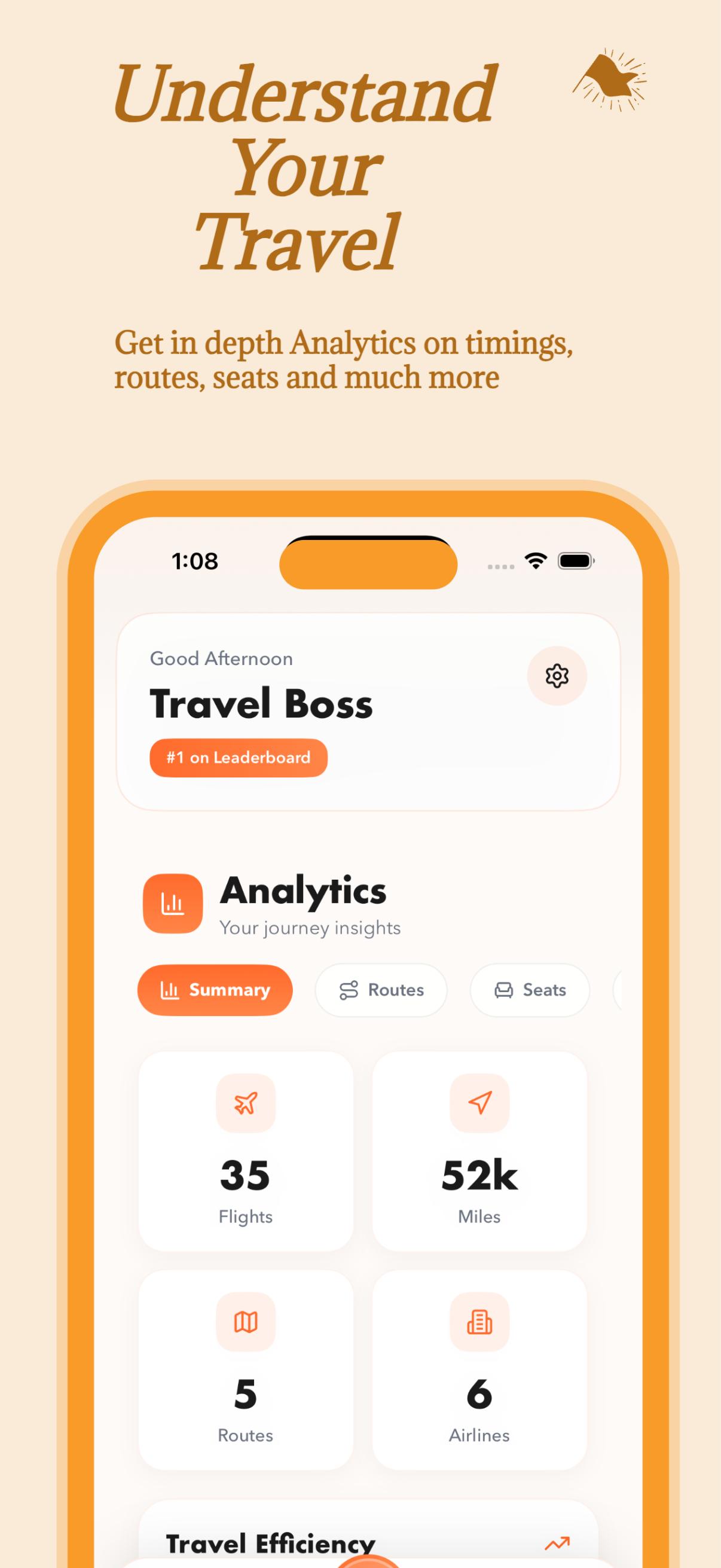
AI trip planning, group budgets, and a boarding pass wallet — everything this guide covers, in your pocket.
AI Trip Planning
Generate personalized itineraries with real-time pricing, route optimization, and local recommendations.
Group Planning & Budgeting
Invite travel companions, split costs, vote on activities, and keep everyone aligned.
Boarding Wallet & History
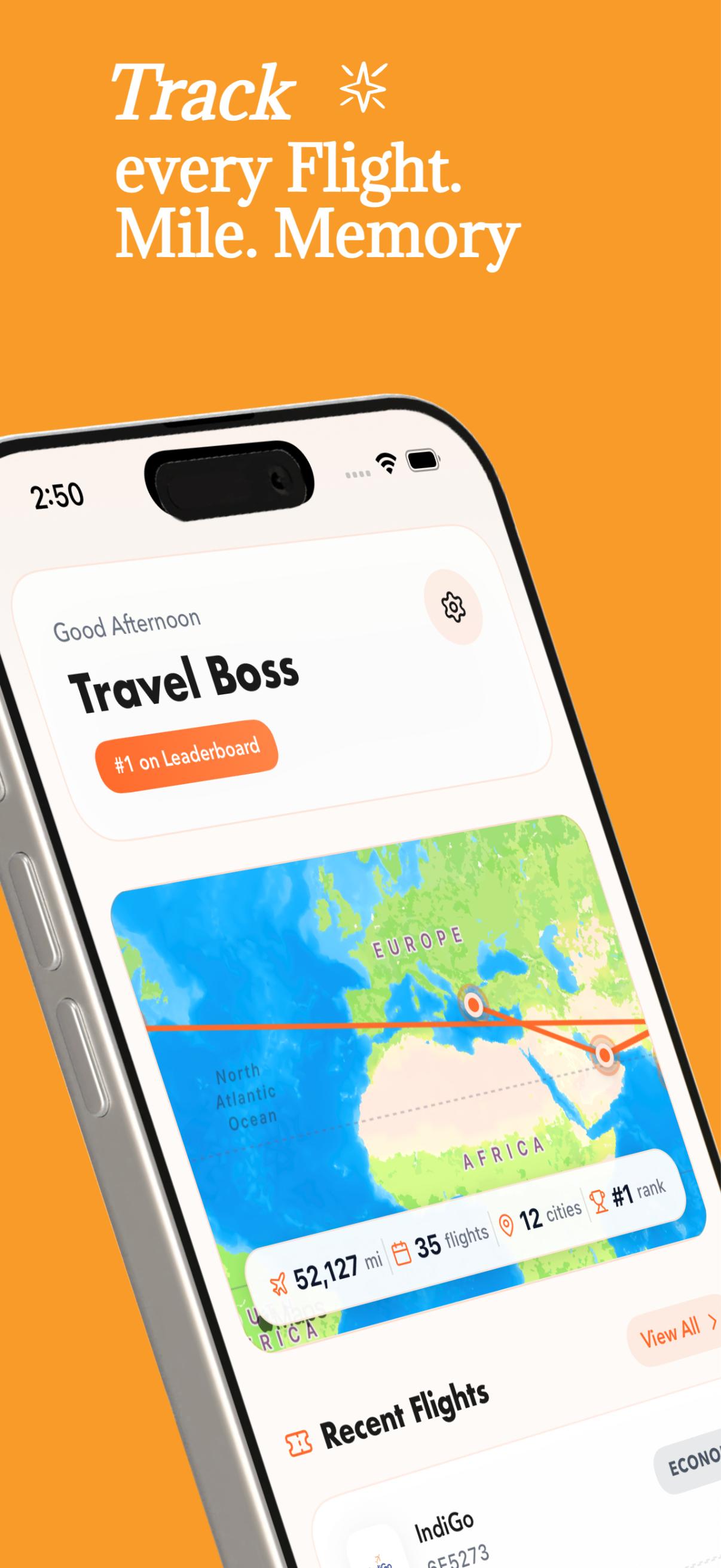
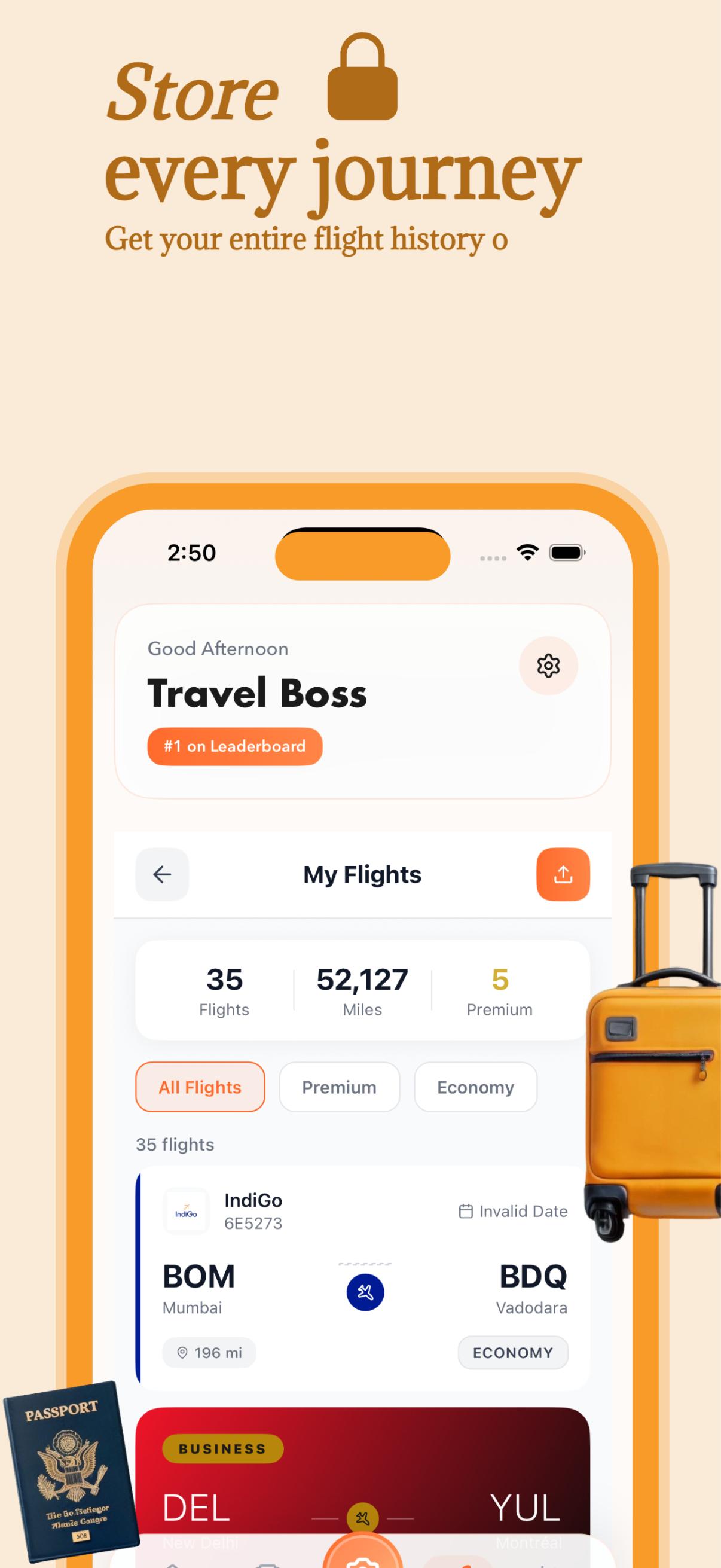
Store every boarding pass, track your travel history, and visualize your journey on a map.
Leaderboard & Achievements
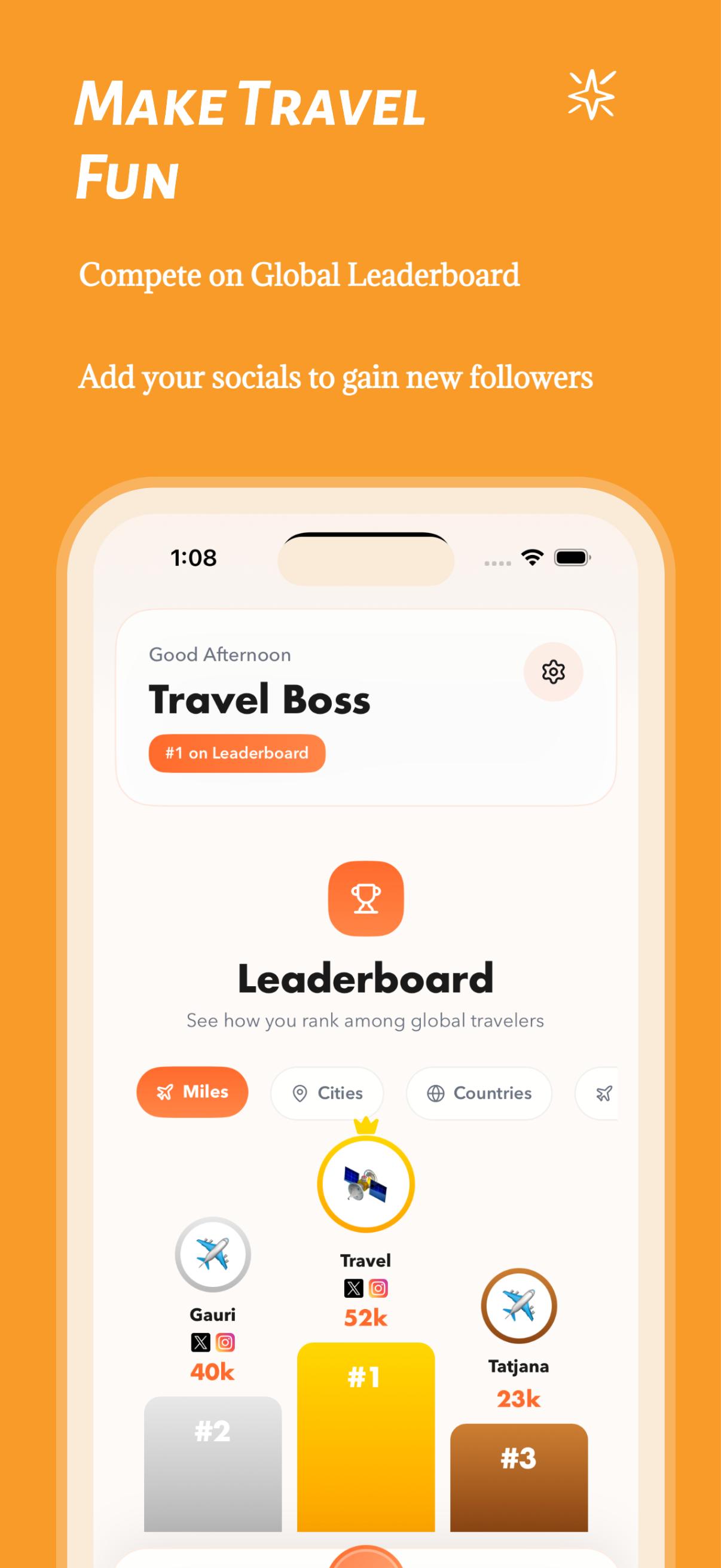
Earn badges for every destination, climb the global rankings, and compete with fellow travelers.
Travel Concierge
Get personalized booking assistance, curated recommendations, and priority support — all in-app.

Route directions & coordinate spots
The actual itinerary roadmap — coordinates, transit directions, and details for every stop.
Ljubljana, Slovenia
Ljubljana is arguably Europe's most successful green city, having transformed its center into a car-free zone covering over 12 hectares. The city masterfully integrates cycling infrastructure with lush public parks, making it the perfect starting point for any low-carbon European tour. Focus on the pedestrian-only Breg Embankment for a sustainable urban vibe.
Freiburg, Germany
Renowned for the Vauban district, Freiburg is a global beacon for sustainable urban planning where most residents live without private cars. The city relies on an extensive tram network and solar-powered housing units. Visitors should explore the Dreisam river path for an authentic look at how a city thrives when prioritizing environment over convenience.
Copenhagen, Denmark
With over 350 kilometers of protected bicycle lanes, Copenhagen remains the gold standard for carbon-neutral transport. The city aims to be the world's first carbon-neutral capital by 2026. Rent a bike from your hotel to traverse the harbor bridges and reach the eco-district of Nordhavn, where sustainable architecture defines the new skyline.
Gothenburg, Sweden
Consistently ranked as the world's most sustainable destination by the Global Destination Sustainability Index, Gothenburg excels in fossil-free public transit. The city's trams run on 100% renewable energy. Don't miss the Haga district, where historic wooden houses are heated using innovative district energy systems, blending tradition with modern carbon-neutral goals perfectly.
Amsterdam, Netherlands
Amsterdam is shifting toward a circular economy model, targeting a 55% reduction in CO2 emissions by 2030 compared to 1990 levels. Beyond the canals, explore the Northern IJburg area for experimental sustainable living. The city's massive network of electric ferries, free for pedestrians and cyclists, makes carbon-free commuting across the water incredibly efficient and standard practice.
Zermatt, Switzerland
Zermatt has operated as a completely car-free village since 1972, relying solely on electric taxis and horse-drawn carriages for transport. To reach the village, you must utilize the cogwheel train from Visp, which acts as a carbon-efficient gateway. It offers unmatched mountain access without the heavy carbon footprint of traditional alpine resort development.
Velo-City Trail, France
The Bordeaux region offers a vast network of EuroVelo routes, allowing travelers to explore vineyards entirely by bicycle. This route emphasizes slow travel, connecting sustainable guesthouses and local farms directly. By choosing to bike between estates instead of renting a car, you cut your holiday transport emissions by approximately 90% compared to traditional regional touring.
Lake Bled, Slovenia
Lake Bled enforces strict environmental regulations, including restricted motorboat access, to preserve its pristine glacial ecosystem. Visitors are encouraged to explore the perimeter via e-bikes or electric 'pletna' boats. This commitment to maintaining a low-impact tourism model makes it one of the few spots in Central Europe where the landscape feels truly untouched.
Curated tours & experiences
Skip-the-line activity tokens, certified day guides, and unique regional activities.
Interactive suggestions load dynamically based on seasonal availability.
Browse Viator Experiences
Looking for premium curated day-trips, private shuttle transports, or multi-day hiking expeditions? View top activities instantly.
The full guide, stop by stop
Hand-curated notes and specific travel insights, built exclusively for this trip.
Trail Notes
Ljubljana: The Green Capital Experience
Ljubljana is arguably the most pedestrianized capital in Europe, with 12 hectares of car-free city center where visitors can navigate entirely on foot or via the 'Kavalir' free electric carts. The city has achieved this by restricting traffic since 2007, creating an environment where cafes, shops, and cultural institutions spill into the streets. For a truly sustainable afternoon, rent a city bike for 1.00 EUR ($1.10) per hour and cycle the Path of Remembrance, a 33km green ring encircling the city. The local secret is the Prule neighborhood; here, away from the tourist-heavy Preseren Square, you will find authentic bistros serving farm-to-table Slovenian classics at prices 30% lower than the city center.
Zermatt: High Altitude Carbon Neutrality
Zermatt has operated as a fully car-free municipality for over 50 years, ensuring that air quality in this high-altitude haven remains pristine regardless of seasonal tourism spikes. The only way to enter the village is via the Matterhorn Gotthard Bahn, a high-efficiency electric cogwheel train that saves thousands of tons of CO2 compared to private shuttle transport. Once there, walking is the standard, though electric taxis are available for groups with heavy luggage. Avoid the main Bahnhofstrasse during the midday peak; instead, head to the Findeln hamlet, reachable by a 45-minute hike or the Sunnegga funicular, for mountain-side dining that sources ingredients from within a 10km radius, effectively minimizing the food transport footprint.
Secure curated tours & day tickets with Viator
Unlock flexible skip-the-line museum tickets, local food walkthroughs, and certified regional guides on Viator.
Take your itinerary everywhere
Sync boarding passes, earn travel badges, climb the global leaderboards, and track multi-currency expenses — all offline.
Crowd Avoidance
- Visit Off-Peak: Always arrive at major tourist hubs, like Copenhagen's Nyhavn, before 09:00 to avoid the cruise ship crowds that typically arrive by 10:30.
- Use Secondary Entrances: When visiting popular spots like Ljubljana Castle, take the hiking trails instead of the funicular to bypass 100% of the queue times.
- Mid-Week Travel: Schedule your regional train journeys for Tuesdays and Wednesdays to secure cheaper tickets and avoid the weekend peak of local tourists.
- Choose Shoulder Seasons: Travel in May or October when crowds are 40% thinner and accommodation prices drop significantly compared to July/August.
- Reverse Itineraries: Explore popular sites at dusk, around 19:00, when day-trippers have returned to their base cities.
- Book Local Guides: Use local resident-led walking tours that focus on non-touristy neighborhoods, keeping your group size small and impact low.
Secure curated tours & day tickets with Viator
Unlock flexible skip-the-line museum tickets, local food walkthroughs, and certified regional guides on Viator.
Top Curated Travel Experiences in Best Destinations for a Low Carbon Holiday in Europe (2026 Guide)
Full-Day Guided Sightseeing Tour in Best Destinations for a Low Carbon Holiday in Europe (2026 Guide)
Explore the absolute best sights of Best Destinations for a Low Carbon Holiday in Europe (2026 Guide) with an expert certified local English-speaking guide.
Best Destinations for a Low Carbon Holiday in Europe (2026 Guide) Hidden Gems & Historical Walking Tour
Step off the beaten path into quiet streets with your storyteller guide.

Suggested Route Order
The optimal route starts in the North and moves South, utilizing Europe's high-speed rail network to minimize travel time while maintaining a low carbon footprint. Begin your journey in Copenhagen, then head south to Amsterdam via the night train, which allows you to save on a night of accommodation while traveling efficiently.
- Copenhagen (3 days): Utilize the city's bike-sharing network to explore the harbor areas.
- Amsterdam (3 days): Take the high-speed ICE train (approx. 7 hours from Copenhagen) and explore by electric ferry.
- Freiburg (2 days): A short 4-hour train ride from Amsterdam, perfect for experiencing the Black Forest.
- Ljubljana (3 days): The final stop, reachable by an scenic night train through the Alps, offering a relaxed end to the journey.
By following this North-to-South path, you take advantage of major rail arteries, which are the most energy-efficient long-distance transport options in Europe. This sequence also allows your group to acclimate to different transit cultures, starting with the cycling-dominant North and ending with the pedestrian-focused South.
Find cheap flights & multi-city stays
Secure flexible flight pathways, regional connections, and custom travel bundles on Trip.com.
Top Curated Travel Experiences in Best Destinations for a Low Carbon Holiday in Europe (2026 Guide)
Full-Day Guided Sightseeing Tour in Best Destinations for a Low Carbon Holiday in Europe (2026 Guide)
Explore the absolute best sights of Best Destinations for a Low Carbon Holiday in Europe (2026 Guide) with an expert certified local English-speaking guide.
Best Destinations for a Low Carbon Holiday in Europe (2026 Guide) Hidden Gems & Historical Walking Tour
Step off the beaten path into quiet streets with your storyteller guide.
Getting Between Spots
Regional rail is the backbone of a low-carbon trip, with services like Eurail and regional operators (DB, ÖBB) offering seamless cross-border travel. For last-mile transport within cities, use apps like FreeNow or Bolt, which frequently feature electric vehicle options.
| Route | Transit Method | Time | Estimated Cost |
|---|---|---|---|
| Copenhagen to Amsterdam | Night Train | 8h 30m | $85 - $120 |
| Amsterdam to Freiburg | High-Speed Train | 4h 15m | $45 - $90 |
| Freiburg to Ljubljana | Regional Rail | 7h 45m | $70 - $110 |
| Ljubljana to Lake Bled | Local Bus | 1h 10m | $7 - $12 |
Local transport hack: Always buy 'group saver' tickets on national rail websites. These allow up to five people to travel for the price of two, significantly reducing the per-person carbon footprint and cost. Never rely on rental cars, as they increase your group's footprint by up to 300% compared to combined rail and local electric transit options.
Find cheap flights & multi-city stays
Secure flexible flight pathways, regional connections, and custom travel bundles on Trip.com.

Transport Cost Table
| Route | Method | Time | Estimated Cost (Local) | Estimated Cost (USD) |
|---|---|---|---|---|
| Copenhagen-Amsterdam | Train | 8h | 110 EUR | 120 USD |
| Amsterdam-Freiburg | Train | 4h | 75 EUR | 82 USD |
| Freiburg-Ljubljana | Train | 7h | 95 EUR | 104 USD |
| Ljubljana-Zermatt | Train | 9h | 140 EUR | 153 USD |
| Zermatt-Milan | Train | 3h | 50 EUR | 55 USD |
| Bordeaux-Paris | TGV | 2h | 60 EUR | 66 USD |
The costs listed above assume booking at least 3 weeks in advance. Last-minute tickets can cost up to 200% more. For groups, always check the operator's website directly rather than using third-party aggregators, as this often eliminates booking fees and provides better access to local group discounts.
Find cheap flights & multi-city stays
Secure flexible flight pathways, regional connections, and custom travel bundles on Trip.com.
Where To Base
To optimize for a low-carbon stay, base your group in neighborhoods with high 'walkability scores' near central train stations. In Ljubljana, the Trnovo district offers authentic, leafy streets just a 15-minute walk from the core, with hostels starting at $30 and boutique hotels at $120. In Copenhagen, the Vesterbro district provides a mix of high-end design hotels and communal housing, perfect for mixed-budget groups who want to stay together.
| Neighborhood | Vibe | Price Range | Proximity to Rail |
|---|---|---|---|
| Trnovo, Ljubljana | Bohemian | $30-$120 | Close |
| Vesterbro, Copenhagen | Hip/Industrial | $50-$250 | Excellent |
| Vauban, Freiburg | Eco-focused | $40-$150 | Good |
For mixed-budget groups, the secret is booking an apartment-style complex like Adagio or Citadines. These provide communal kitchen spaces, allowing the group to cook together and share costs, while offering varying room sizes from budget studios to luxury suites. This ensures that every group member feels part of the collective without forcing a single price point on everyone, keeping the logistics centralized.
Book Hotels in Best Destinations for a Low Carbon Holiday in Europe (2026 Guide) with Agoda
Compare premium boutique hotels, resort villas, and historic stays at the guaranteed lowest rates.

Itinerary Day Plan
| Day | Morning | Afternoon | Evening | Cost |
|---|---|---|---|---|
| 1 | City Bike Tour | Local Market Lunch | River Walk | $50 |
| 2 | Eco-District Walk | Regional Museum | Communal Dinner | $65 |
| 3 | Regional Train Trip | Hiking/Nature | Local Wine Bar | $80 |
The itinerary above is designed for a 3-day regional immersion. By focusing on one micro-region for three days, you avoid the high-carbon impact of frequent inter-city movement, allowing for deeper exploration of local, hidden spots that day-trippers miss.
Cost estimates cover public transit, entrance fees, and three meals daily. Group food costs can be slashed by 40% if you prioritize shopping at local farmer markets for produce rather than eating every meal at tourist-centric restaurants.
Find cheap flights & multi-city stays
Secure flexible flight pathways, regional connections, and custom travel bundles on Trip.com.
Local Insider Tips
- Skip the Tourist Trains: In Zermatt, locals use the free electric bus routes, not the paid tourist shuttles; check the official site for the live map.
- Contrarian Tip: Don't buy a multi-city rail pass unless you are visiting more than four countries; point-to-point regional tickets are almost always 20% cheaper for specific routes.
- Coffee Rituals: In Ljubljana, never order coffee to-go; sitting in a cafe for 30 minutes is the social norm and saves on single-use waste.
- Water Access: Carry a high-quality reusable bottle. Most European cities have high-quality, free tap water, saving you $3-5 per day.
- Dining Choice: Look for the 'Green Key' certification in restaurant windows; this denotes local sustainable sourcing.
- Grocery Shopping: Use local 'Bio' supermarkets; they often have 'too good to go' deals on fresh produce near closing time.
- Shared Transport: Use the BlaBlaCar platform for regional travel between smaller towns where trains are sparse.
- Late Night Transport: In cities like Amsterdam, the night bus network is extensive and safer than private taxis.
Get instant mobile data with Saily eSIM
Stay connected. Skip expensive roaming fees and activate instant high-speed data in seconds with Saily.

Photography And Best Light
For the best light, hit popular urban landmarks at the 'blue hour' (30 minutes before sunrise) to capture them without crowds. In Ljubljana, the Triple Bridge looks best at dawn when the morning fog lingers. Use a low ISO (100-200) and a sturdy tripod to get long-exposure shots of trams or cyclists moving through the scene, which creates a sense of dynamic, sustainable motion. For natural landscapes, avoid mid-day sun; shoot during the 'golden hour' (one hour before sunset) when soft light hits the mountain ranges in Zermatt. For more on architectural photography, consult ArchDaily photography guides.
Get instant mobile data with Saily eSIM
Stay connected. Skip expensive roaming fees and activate instant high-speed data in seconds with Saily.
Budget And Cost Context
Budgeting for a low-carbon trip requires shifting spending from flights and taxis toward higher-quality rail tickets and locally-sourced food. Below is a breakdown for a daily budget per person.
| Category | Budget | Mid-range | Luxury |
|---|---|---|---|
| Accommodation | $40 (Hostel) | $120 (Hotel) | $300+ (Boutique) |
| Food | $25 | $60 | $150 |
| Transport | $15 | $40 | $80 |
| Activities | $10 | $30 | $100 |
The best way to save is to book rail tickets exactly 60-90 days in advance, as this is when most European operators release their cheapest 'saver' fares. Eating at local bakeries for breakfast and markets for lunch can save you $25 daily compared to eating out for all three meals.
Find cheap flights & multi-city stays
Secure flexible flight pathways, regional connections, and custom travel bundles on Trip.com.
Top Restaurants By Budget
| Name | Location | Type | Budget | Must-Order |
|---|---|---|---|---|
| Klobasarna | Ljubljana | Street | $ | Kranjska Klobasa |
| Hofbrauhaus | Freiburg | German | $$ | Local Trout |
| Torvehallerne | Copenhagen | Market | $$ | Smørrebrød |
| Finding Zermatt | Zermatt | Alpine | $$$ | Raclette |
Focus your dining on food halls or 'market halls' which offer a concentration of local vendors, reducing the food-mile impact of your meal. The food scene in these cities is increasingly shifting toward seasonal, plant-forward menus that rely on local agriculture.
Always ask for the 'dish of the day' in local bistros; it's almost always sourced from nearby farms and is cheaper than items on the static menu.
Secure curated tours & day tickets with Viator
Unlock flexible skip-the-line museum tickets, local food walkthroughs, and certified regional guides on Viator.
Food And Drink Highlights
Embrace the local food scene by prioritizing seasonal ingredients. In Slovenia, look for 'Gostilna'—these are traditional inns serving local food, often sourced from their own gardens. In Denmark, 'New Nordic' cuisine focuses on sustainable foraging and fermentation. Always drink tap water; it is of the highest quality in these regions, making bottled water an unnecessary, high-carbon expense. Check VisitDenmark for food guides.
Secure curated tours & day tickets with Viator
Unlock flexible skip-the-line museum tickets, local food walkthroughs, and certified regional guides on Viator.
Safety Considerations
- Emergency Numbers: Dial 112 for all emergency services across the EU.
- Scam Alerts: Be wary of 'free' city tours that end with heavy pressure to tip; use official city-run tourist office tours instead.
- Insurance: Ensure your travel insurance covers cycling accidents, as this is the primary mode of transit for this trip.
- General Safety: Pickpocketing is common in large transit hubs like Amsterdam Central; always use anti-theft bags.
- Government Advice: Regularly check your home country's foreign office travel advisories for real-time updates.
Get instant mobile data with Saily eSIM
Stay connected. Skip expensive roaming fees and activate instant high-speed data in seconds with Saily.
Seasonal Variations
| Month | Conditions | Crowd | Notes |
|---|---|---|---|
| Jan-Mar | Cold | Low | Best for budget skiing |
| Apr-May | Mild | Medium | Best for cycling |
| Jun-Aug | Warm | High | Worst for crowds |
| Sep-Oct | Cool | Medium | Best overall |
| Nov-Dec | Cold | Low | Best for markets |
The shoulder season, specifically May and September, offers the best balance of weather and crowd density for a low-carbon trip. Winter travel is feasible if you focus on the rail-linked alpine regions, as train services to Zermatt remain efficient even in heavy snow.
Book top guided activities and tickets in Best Destinations for a Low Carbon Holiday in Europe (2026 Guide)
Skip the long queues, discover hidden gems, and book 100% free-cancellation activities on Viator with live local support.
Equipment And Gear Advice
- Reusable Water Bottle: A lightweight, vacuum-insulated bottle (e.g., Hydro Flask).
- Sturdy Walking Shoes: Essential for exploring pedestrian-only cities.
- Packable Rain Jacket: Essential for European weather variability.
- Universal Adapter: Don't forget one that includes USB-C ports.
- Anti-theft Daypack: Brands like Pacsafe are recommended for transit safety.
- E-reader: Saves space and weight compared to physical books.
- Portable Power Bank: Keeps your navigation apps running.
- Eco-friendly Sunscreen: Mandatory for alpine or coastal activities.
Get instant mobile data with Saily eSIM
Stay connected. Skip expensive roaming fees and activate instant high-speed data in seconds with Saily.
Local Festivals And Events
| Event | Month | Location | Significance |
|---|---|---|---|
| Copenhagen Jazz | July | Denmark | Low-carbon public music |
| Ljubljana Festival | July-Aug | Slovenia | Arts and sustainability |
| Freiburg Wine Fest | August | Germany | Local sourcing |
These festivals often utilize public squares and parks, discouraging car access and promoting the use of local transit to get to the event venues.
Book top guided activities and tickets in Best Destinations for a Low Carbon Holiday in Europe (2026 Guide)
Skip the long queues, discover hidden gems, and book 100% free-cancellation activities on Viator with live local support.
Sustainable Travel Tips
- Use Night Trains: They save on hotel costs and utilize existing infrastructure efficiently.
- Eat Local: Reduce your food footprint by eating items currently in season in the region.
- Support Local Operators: Look for businesses that hold the 'Green Key' or similar certifications.
- Slow Down: Spend more time in one place rather than hopping between locations daily.
- Digital Tickets: Use mobile passes to avoid paper waste entirely.
- Minimize Waste: Bring your own cutlery set to avoid single-use plastics at markets.
Get instant mobile data with Saily eSIM
Stay connected. Skip expensive roaming fees and activate instant high-speed data in seconds with Saily.
Neighborhood Guide
Trnovo, Ljubljana
Trnovo is the heartbeat of Ljubljana's creative scene. It is famous for its riverside paths and proximity to the botanical gardens, making it a perfect base for those who want to avoid the main tourist throngs while remaining within a 15-minute walk of the city center. The neighborhood is accessible by local green bus lines.
Vesterbro, Copenhagen
Once a working-class district, Vesterbro is now the hub for sustainable design and local craft. It is home to many of the city's green initiatives and is easily accessible by both train (at Vesterport station) and the extensive city bike network.
Book Hotels in Best Destinations for a Low Carbon Holiday in Europe (2026 Guide) with Agoda
Compare premium boutique hotels, resort villas, and historic stays at the guaranteed lowest rates.
Alternative Options
Who Should Skip This
Travelers who prioritize luxury, private transport, and fast-paced 'checklist' sightseeing should avoid a low-carbon holiday. This style of trip requires effort, patience with public schedules, and a willingness to embrace slower, more deliberate travel.
If these spots feel too mainstream, consider the Baltic cycling routes or the Portuguese interior, where sustainable tourism is growing rapidly and crowds are significantly smaller. These alternatives offer a lower price point and a more 'off-the-beaten-path' experience compared to the established green capitals of Central Europe.
Book top guided activities and tickets in Best Destinations for a Low Carbon Holiday in Europe (2026 Guide)
Skip the long queues, discover hidden gems, and book 100% free-cancellation activities on Viator with live local support.
Frequently Asked Questions
- Is a low-carbon trip significantly more expensive?
- No, a low-carbon trip is often cheaper as you replace expensive short-haul flights and rental cars with efficient rail and cycling. By booking in advance and utilizing group discounts, you can maintain a similar or even lower total cost than a standard vacation.
- What is the best month to do a green European tour?
- May and September are the best months due to mild weather and lower tourist density. You avoid the extreme heat of summer and the peak prices of August while still benefiting from full access to outdoor cycling and hiking trails.
- Do I need to speak the local language?
- In the cities mentioned, English is widely spoken, especially in the service industry. Learning a few basic phrases like 'thank you' in the local language is respectful and appreciated by local vendors.
- Is it safe to travel by night train?
- Yes, night trains are a safe and efficient way to travel across Europe, with security measures comparable to hotels. Use official operator apps to monitor your train status and book cabins in advance to ensure comfort.
Book top guided activities and tickets in Best Destinations for a Low Carbon Holiday in Europe (2026 Guide)
Skip the long queues, discover hidden gems, and book 100% free-cancellation activities on Viator with live local support.
Final CTA
Book top guided activities and tickets in Best Destinations for a Low Carbon Holiday in Europe (2026 Guide)
Skip the long queues, discover hidden gems, and book 100% free-cancellation activities on Viator with live local support.
Ready to track your travels?
Join thousands of travelers using Borderly to plan trips, track expenses, store boarding passes, and compete on the global leaderboard.