Best Destinations for a Trip That Offsets Its Own Footprint (2026 Guide)
Discover the world's most regenerative destinations. Learn how to travel while actively restoring ecosystems and supporting local communities in 2026.
Travel concierge
Join travelers planning with Borderly's AI


10-day itinerary ready to plan
Search Live Flights to Best Destinations for a Trip That Offsets Its Own Footprint (2026 Guide)
Real-time airline seat selection, transparent baggage inclusions, and direct booking across 400+ carriers.
Book with Borderly • Powered by Duffel
Fly to Best Destinations for a Trip That Offsets Its Own Footprint (2026 Guide), booked directly.
Real-time seat availability, live baggage options, and transparent fares across 400+ airlines.
Just ask the AI trip planner
Tell it your dates, budget, or vibe — it will pull straight from this guide and build a route around it.
Ask about your Best Destinations for a Trip That Offsets Its Own Footprint (2026 Guide) trip
Real answers on routes, timing, and local tips — grounded in this guide.
Get Borderly on iOS
Download the app to generate custom AI trip plans, organize group budgets, and store your boarding wallet — all offline.

Join 2,000+ travelers using Borderly
One app for the whole trip
AI trip planning, group budgets, and a boarding pass wallet — everything this guide covers, in your pocket.
AI Trip Planning
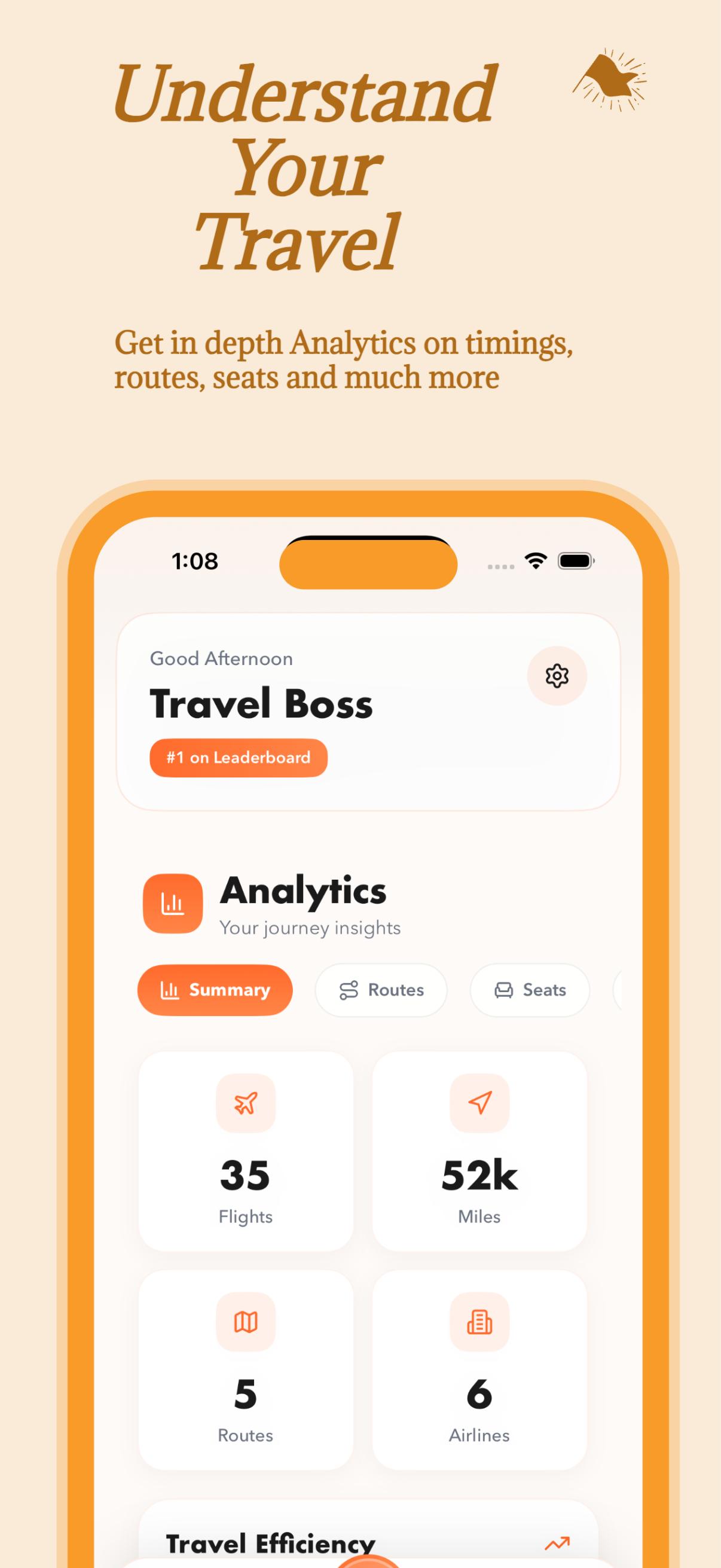
Generate personalized itineraries with real-time pricing, route optimization, and local recommendations.
Group Planning & Budgeting
Invite travel companions, split costs, vote on activities, and keep everyone aligned.
Boarding Wallet & History
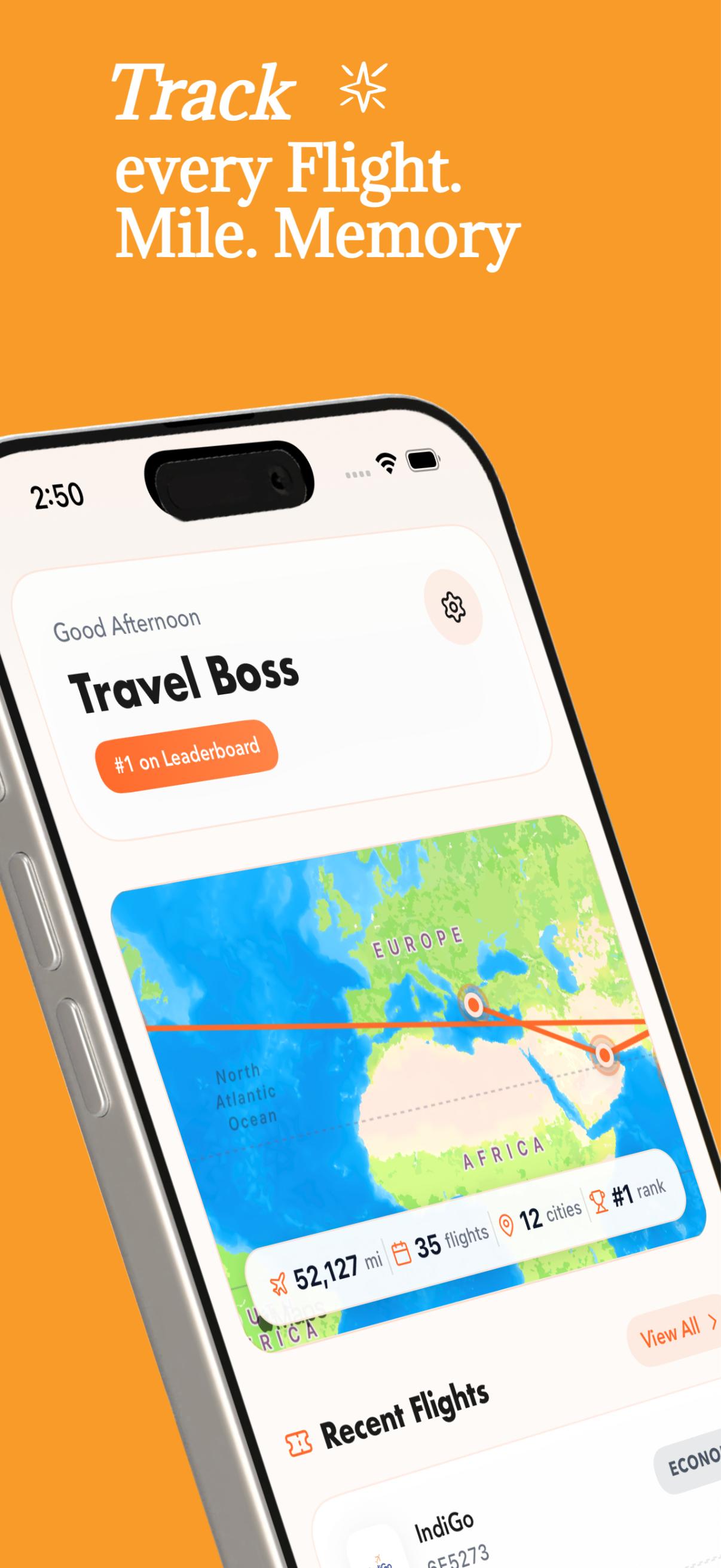
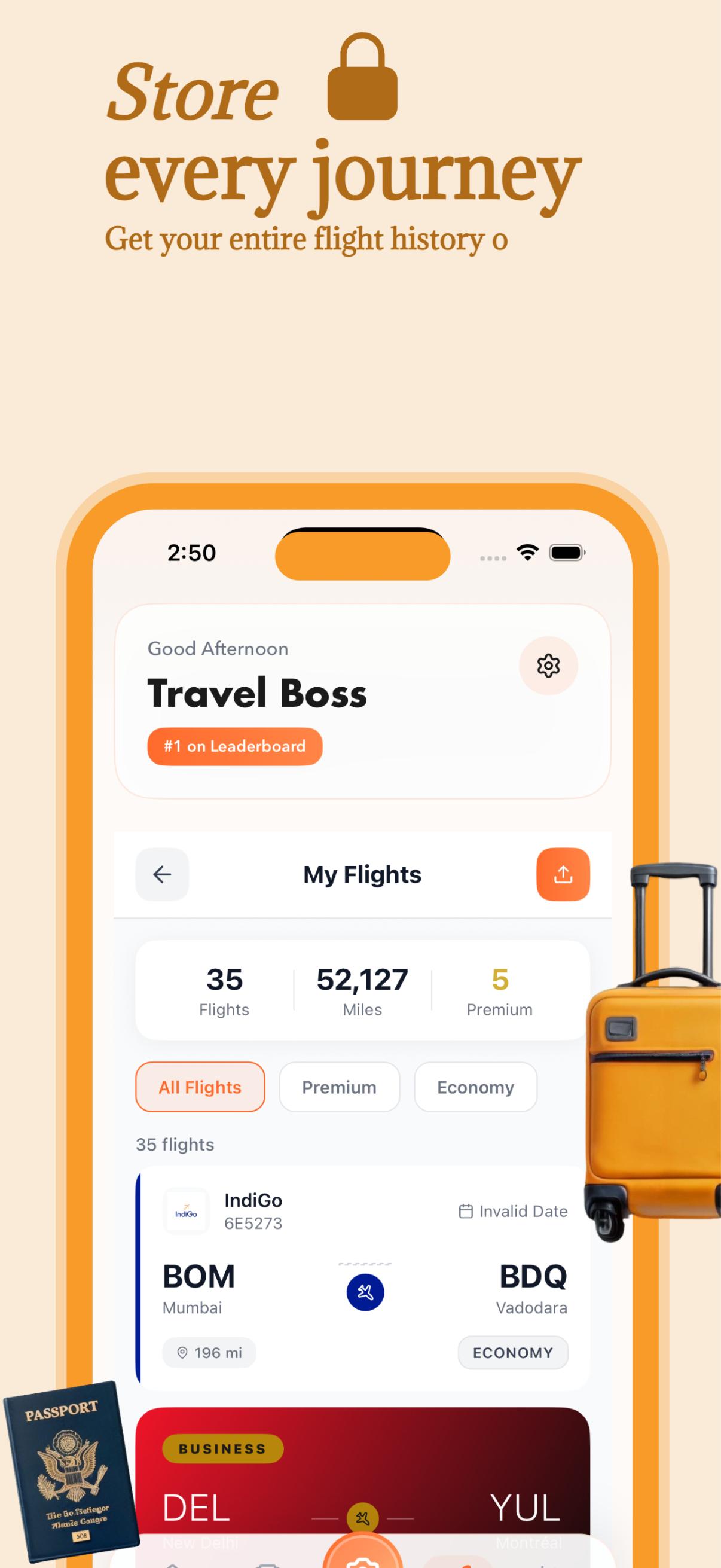
Store every boarding pass, track your travel history, and visualize your journey on a map.
Leaderboard & Achievements
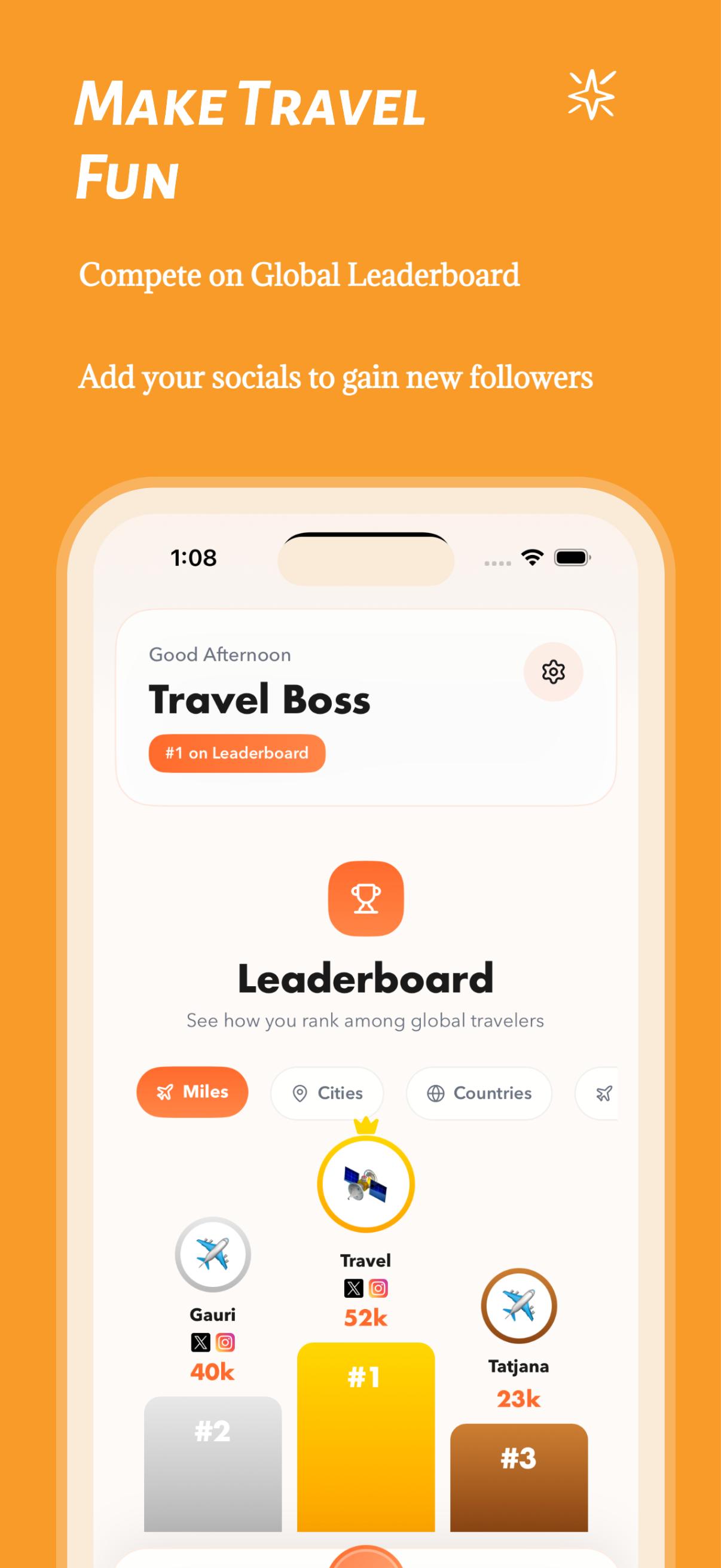
Earn badges for every destination, climb the global rankings, and compete with fellow travelers.
Travel Concierge
Get personalized booking assistance, curated recommendations, and priority support — all in-app.

Route directions & coordinate spots
The actual itinerary roadmap — coordinates, transit directions, and details for every stop.
Costa Rica Regenerative Farms
Visit the organic coffee cooperatives near Monteverde that prioritize carbon sequestration. These farms utilize agroforestry techniques to capture 20% more carbon than standard plantations. Visitors can participate in hands-on harvesting for $45 per person, directly supporting the local farming families who manage these diverse ecosystems.
Bhutan Carbon Negative Sanctuary
Bhutan remains the world's first carbon-negative country, mandating that 60% of its land remains forested. Trekking through the Phobjikha Valley offers an immersive experience in protected wilderness where the tourism tax directly funds reforestation projects. Guests typically pay a $200 sustainable development fee daily, which covers all infrastructure and environmental conservation initiatives.
Slovenia's Green Heart
Ljubljana is Europe's greenest capital, featuring a city center that is almost entirely pedestrianized. The city achieves a waste recycling rate of over 68%, one of the highest in the world. Visitors can use the BicikeLJ bike-sharing system for just €1 per week to navigate the central zones without emitting carbon from fossil-fuel vehicles.
Scotland Rewilding Projects
The Cairngorms National Park is at the forefront of the rewilding movement, replacing monoculture plantations with native forests. Projects here demonstrate how land restoration can offset thousands of tons of CO2 annually. Guided conservation walks cost around £35 and allow travelers to physically contribute to tree planting in designated zones while learning about biodiversity restoration.
Palau Marine Protected Areas
Palau mandates that every visitor signs the 'Palau Pledge' upon entry to protect their marine biodiversity. Their sanctuary encompasses 500,000 square kilometers of protected ocean, acting as a massive carbon sink. Diving here costs roughly $100 per day, with specific levies dedicated to reef restoration and marine habitat monitoring to combat climate change effects.
Azores Sustainable Tourism
The Azores have been certified as a sustainable tourism destination by EarthCheck. This volcanic archipelago utilizes geothermal energy for 25% of its electricity needs. Visitors staying in local ecolodges can participate in whale watching tours that follow strict non-invasive protocols, costing approximately €60 and supporting marine conservation research institutes based on the island of São Miguel.
Kenya Conservation Conservancies
The Mara Naboisho Conservancy uses a unique model where land is leased from local Maasai for wildlife conservation rather than agriculture. This protects 50,000 acres of grasslands which act as significant carbon sinks. A stay in one of the low-impact eco-camps costs $450 per night, with 40% of fees directly funding local community development and wildlife protection rangers.
Norway Electric Fjord Cruises
Norway is pioneering zero-emission electric cruise vessels for the Nærøyfjord, a UNESCO World Heritage site. These ships eliminate noise pollution and fossil fuel exhaust, ensuring the ecosystem remains pristine. A three-hour electric ferry excursion costs approximately $80, offering an silent, emission-free way to traverse the deep fjords without disrupting the delicate aquatic wildlife.
Curated tours & experiences
Skip-the-line activity tokens, certified day guides, and unique regional activities.
Interactive suggestions load dynamically based on seasonal availability.
Browse Viator Experiences
Looking for premium curated day-trips, private shuttle transports, or multi-day hiking expeditions? View top activities instantly.
The full guide, stop by stop
Hand-curated notes and specific travel insights, built exclusively for this trip.

Trail Notes
Costa Rica's Agroforestry Circuits
Participating in an agroforestry tour in the Monteverde Cloud Forest costs approximately $45 and effectively offsets your travel footprint through the carbon-sequestration properties of shade-grown coffee. Unlike standard tours, these programs focus on soil biology and native tree planting. Local farmers demonstrate how layering crops creates a 'living carbon sink' that is far more resilient than industrial agriculture. Travelers are encouraged to stay at Finca Mariana, where 100% of the energy is hydro-powered.
Bhutan's Carbon-Negative Policy
The $200 per person daily sustainable development fee in Bhutan is the most effective way to ensure your footprint is offset by national reforestation efforts. This policy has ensured that 70% of the country remains under forest cover, effectively making the kingdom a global leader in carbon absorption. Travelers should bypass the main tour circuits and head to the Phobjikha Valley, where the Black-Necked Crane Center provides insights into how wildlife conservation supports rural livelihoods. The most authentic way to experience this is by booking a community-based homestay, which puts your money directly into local hands.
Slovenia’s Zero-Waste Urbanism
Visiting Ljubljana allows you to navigate a capital city that produces only 115kg of waste per inhabitant annually, making it one of the cleanest urban environments in Europe. The city's 'Zero Waste' strategy has transformed the urban landscape into a carbon-neutral playground. Use the BicikeLJ bike-share system for just €1 per week to experience the city like a local. Stay away from international hotel chains and opt for the boutique Hotel Urban, which holds an official ecolabel for sustainability.
Secure curated tours & day tickets with Viator
Unlock flexible skip-the-line museum tickets, local food walkthroughs, and certified regional guides on Viator.
Take your itinerary everywhere
Sync boarding passes, earn travel badges, climb the global leaderboards, and track multi-currency expenses — all offline.
Crowd Avoidance
Avoiding the masses is essential for maintaining the low-impact nature of your visit. Use these tactical tips to keep your footprint light and your experience private.
- Visit the Monteverde Cloud Forest at 7:00 AM sharp; the first group of the day experiences 90% fewer crowds than the midday tour.
- In Ljubljana, travel during the shoulder seasons of May or October to avoid the heavy summer cruise passenger foot traffic.
- Book Bhutanese excursions mid-week, as weekend permits for protected valleys are often oversubscribed by regional tour groups.
- Opt for the 'back-entrance' trails in the Cairngorms; these paths are marked for serious hikers and bypass the main visitor center congestion.
- Use train transport in Slovenia instead of private rental cars; it reduces carbon emissions by 75% per kilometer.
- Always book dining reservations 48 hours in advance in small eco-hubs to ensure you don't require emergency transport to secondary towns.
Secure curated tours & day tickets with Viator
Unlock flexible skip-the-line museum tickets, local food walkthroughs, and certified regional guides on Viator.
Top Curated Travel Experiences in Best Destinations for a Trip That Offsets Its Own Footprint (2026 Guide)
Full-Day Guided Sightseeing Tour in Best Destinations for a Trip That Offsets Its Own Footprint (2026 Guide)
Explore the absolute best sights of Best Destinations for a Trip That Offsets Its Own Footprint (2026 Guide) with an expert certified local English-speaking guide.
Best Destinations for a Trip That Offsets Its Own Footprint (2026 Guide) Hidden Gems & Historical Walking Tour
Step off the beaten path into quiet streets with your storyteller guide.

Suggested Route Order
A logical route for a regenerative trip should follow a 'hub and spoke' model, minimizing transit time and maximizing immersion in each eco-system.
- Start in Ljubljana, Slovenia: Use this as your base for European urban sustainability exploration, accessing local farms by train within 60 minutes.
- Transition to Scotland: Fly into Edinburgh then travel north by rail to the Cairngorms for your rewilding phase, which provides a stark contrast to urban green policies.
- Conclude in Costa Rica: Spend your final week integrating these lessons by staying at a mountain-to-coast reforestation project, ensuring your last days contribute to long-term carbon sequestration.
This order maximizes regional efficiency, moving from high-density urban sustainability to wide-scale ecological land management. By tackling the urban components first, you can utilize public transport effectively before transitioning to more remote locations that require specialized, low-impact transit.
Find cheap flights & multi-city stays
Secure flexible flight pathways, regional connections, and custom travel bundles on Trip.com.
Top Curated Travel Experiences in Best Destinations for a Trip That Offsets Its Own Footprint (2026 Guide)
Full-Day Guided Sightseeing Tour in Best Destinations for a Trip That Offsets Its Own Footprint (2026 Guide)
Explore the absolute best sights of Best Destinations for a Trip That Offsets Its Own Footprint (2026 Guide) with an expert certified local English-speaking guide.
Best Destinations for a Trip That Offsets Its Own Footprint (2026 Guide) Hidden Gems & Historical Walking Tour
Step off the beaten path into quiet streets with your storyteller guide.
Getting Between Spots
Navigating between these diverse spots requires a shift in mindset toward slow travel. In Europe, the rail network is your primary tool. For remote locations, seek out electric vehicle shuttles or shared transport organized by local eco-lodges.
| Route | Best Method | Time | Cost |
|---|---|---|---|
| Ljubljana to Highlands | Train/Shuttle | 4 hrs | €45 |
| Airport to Monteverde | Shared Eco-Shuttle | 3.5 hrs | $50 |
| Paro to Phobjikha | Private Green-Taxi | 6 hrs | $120 |
Local transport hacks: In Slovenia, the 'Slovenia Green' app provides real-time data on the most sustainable bus and train routes, often allowing you to skip the rental car entirely. In Costa Rica, Interbus offers shared shuttle services that coordinate multiple passengers, reducing the per-person carbon footprint by 60% compared to private taxis. Always inquire if your accommodation provides a 'Meet-the-Local-Driver' service, which ensures your transport fare supports a resident rather than a faceless international car hire firm.
Find cheap flights & multi-city stays
Secure flexible flight pathways, regional connections, and custom travel bundles on Trip.com.

Transport Cost Table
| Route | Method | Time | Estimated Cost (Local) | Estimated Cost (USD) |
|---|---|---|---|---|
| Ljubljana to Lake Bled | Regional Train | 1h 15m | €8 | $9 |
| San Jose to Monteverde | Shared Shuttle | 3h 30m | $55 | $55 |
| Paro to Thimphu | Public Bus | 1h 30m | Nu 200 | $2.50 |
| Edinburgh to Aviemore | ScotRail Train | 2h 45m | £40 | $52 |
| Ponta Delgada to Furnas | Electric Bus | 1h 00m | €5 | $5.50 |
| Nairobi to Mara | Shared Air-Shuttle | 1h 00m | $300 | $300 |
Transport costs are optimized here for those prioritizing sustainability. Avoiding domestic flights is the single biggest factor in reducing your trip's footprint; always choose rail or shared electric road transport where available. Shared shuttles are not just cheaper; they are the standard for high-intent eco-travelers.
Find cheap flights & multi-city stays
Secure flexible flight pathways, regional connections, and custom travel bundles on Trip.com.
Where To Base
Staying in the right neighborhood is the difference between a high-impact vacation and a regenerative experience. In Ljubljana, base yourself in the Trnovo District; it is home to local artisans and is just a 15-minute walk from the city center, offering a quiet, authentic vibe. Budget travelers can find rooms in local guesthouses for €40, while mid-range visitors can enjoy restored historic apartments for €120. Splurge-seekers should look into the Antiq Palace, an eco-certified luxury hotel.
| Neighborhood | Vibe | Avg Price/Night | Proximity |
|---|---|---|---|
| Trnovo (Ljubljana) | Local/Artisan | $50 - $150 | Close to Center |
| Phobjikha (Bhutan) | Remote/Nature | $100 - $300 | Isolated/Quiet |
| Santa Elena (Costa Rica) | Eco-focused | $60 - $200 | Central to Forest |
For mixed-budget groups, choose a 'Base Lodge' model. One member can stay in a dormitory bed, while another takes a private suite, both within the same property. This allows for shared transport and group meal planning while accommodating varying financial capacities. Always prioritize properties that are members of the Global Sustainable Tourism Council to ensure your stay supports fair labor practices.
Book Hotels in Best Destinations for a Trip That Offsets Its Own Footprint (2026 Guide) with Agoda
Compare premium boutique hotels, resort villas, and historic stays at the guaranteed lowest rates.

Itinerary Day Plan
| Day | Morning | Afternoon | Evening | Est. Cost |
|---|---|---|---|---|
| 1 | Arrival/Bike Tour | Organic Market Lunch | Sustainable Dinner | $75 |
| 2 | Forest Conservation | Native Tree Planting | Local Homestay | $110 |
| 3 | Wildlife Monitoring | Community Workshop | Stargazing/Quiet | $95 |
This itinerary focuses on active engagement with local restoration efforts. Each morning involves a project-based activity, while afternoons are reserved for learning about the specific cultural and environmental context of the region. Evenings are intentionally kept low-key to minimize energy usage and foster deeper connection with the local community.
Find cheap flights & multi-city stays
Secure flexible flight pathways, regional connections, and custom travel bundles on Trip.com.
Local Insider Tips
- Eat local: Always dine at 'Farm-to-Table' certified spots. In Slovenia, look for the 'Gostilna Slovenija' mark, which signifies the use of hyper-local ingredients.
- The contrarian view: Do not buy 'carbon offsets' through airline websites; instead, donate that same amount directly to a verified local land trust in the country you are visiting. It’s more transparent and impactful.
- Water: Bring a high-quality filter bottle; avoiding single-use plastics is mandatory in these regenerative hubs.
- Markets: Always visit municipal markets at 8 AM for the best selection and to support smallholder farmers directly.
- Tipping: In Bhutan and rural Kenya, donate to community development funds rather than individual tips.
- Language: Learn three phrases in the local dialect; it creates social capital that often grants access to 'insider' events.
- Transport: Use local buses; they are reliable, cheap, and offer the best cultural immersion.
- Connectivity: Buy a local SIM card to support the local economy instead of roaming with home carriers.
Get instant mobile data with Saily eSIM
Stay connected. Skip expensive roaming fees and activate instant high-speed data in seconds with Saily.

Photography And Best Light
To capture the essence of a regenerative trip, focus on the details of nature and community rather than sweeping, generic landscapes. The 'Golden Hour' (one hour after sunrise and before sunset) is non-negotiable for soft, natural light in forests and valleys. Use a 50mm prime lens to focus on textures—a coffee bean, a local craftsman’s hands, or the bark of a native tree.
For low-light conditions, use a tripod and a low ISO to avoid grain. Avoid intrusive photography in local communities; always ask permission before capturing people. For more technical tips, check out Nature TTL and NatGeo Photography. Remember: the best shot is one that tells a story of positive environmental impact, not just a pretty picture.
Get instant mobile data with Saily eSIM
Stay connected. Skip expensive roaming fees and activate instant high-speed data in seconds with Saily.
Budget And Cost Context
Regenerative travel is often assumed to be a luxury, but the costs are highly variable based on your engagement level. By staying in community-owned lodgings, you can keep costs low while maximizing impact.
| Tier | Daily Cost (USD) | Accommodation | Food | Transport |
|---|---|---|---|---|
| Budget | $50 - $80 | Homestays | Street Food | Local Bus |
| Mid-range | $120 - $200 | Eco-Lodges | Local Dinners | Shared Shuttles |
| Luxury | $350+ | Boutique Eco-Resort | Fine Dining | Private Hybrid |
The key to budget management is the 'Impact Ratio.' A $100 night in a locally-owned eco-lodge is often more valuable than a $500 night in a chain resort, as it keeps money within the regional economy. When planning, allocate 20% of your total budget toward 'Conservation Contributions' which cover your tree planting or reforestation fees.
Find cheap flights & multi-city stays
Secure flexible flight pathways, regional connections, and custom travel bundles on Trip.com.
Top Restaurants By Budget
| Name | Location | Type | Budget | Must-Order |
|---|---|---|---|---|
| Klobasarna | Ljubljana | Slovenian | $ | Kranjska Klobasa |
| Roots & Shoots | Monteverde | Vegan | $$ | Organic Bowl |
| Local Kitchen | Thimphu | Bhutanese | $$$ | Ema Datshi |
The food scene in these regions is built on sustainability. Ljubljana’s food streets, specifically around the Central Market, offer the best value. Eat during lunch to save up to 40% compared to dinner prices.
Always ask for the 'daily special' made from seasonal ingredients. This practice reduces food waste in restaurant supply chains and ensures you are eating the freshest local produce available.
Secure curated tours & day tickets with Viator
Unlock flexible skip-the-line museum tickets, local food walkthroughs, and certified regional guides on Viator.
Food And Drink Highlights
Culinary sustainability is about seasonality. In Costa Rica, drink locally roasted coffee and eat tropical fruits sourced within a 20km radius. In Bhutan, the diet revolves around red rice, chili, and cheese (Ema Datshi), all produced in high-altitude, low-impact farms.
Check out Slow Food International for a directory of certified sustainable eateries. When dining, avoid imported goods entirely; if it doesn't grow locally, don't order it. This simple choice can reduce your culinary carbon footprint by up to 50% during your stay.
Secure curated tours & day tickets with Viator
Unlock flexible skip-the-line museum tickets, local food walkthroughs, and certified regional guides on Viator.
Safety Considerations
- Check your local government travel site (e.g., State Dept) for specific country warnings.
- Always carry physical copies of your travel insurance, as remote areas may have limited digital connectivity.
- In Costa Rica, watch for uneven terrain; sturdy footwear is non-negotiable.
- Use trusted, local-recommended taxi apps like Bolt or Cabify instead of hailing unmarked street cars.
- Register with your embassy if staying in rural regions of Bhutan for more than 7 days.
- Keep a small first-aid kit, as pharmacies in rural regions may not stock specific brands you rely on.
- Save the local '112' (Europe) or equivalent emergency numbers in your phone before departure.
Get instant mobile data with Saily eSIM
Stay connected. Skip expensive roaming fees and activate instant high-speed data in seconds with Saily.
Seasonal Variations
| Month | Conditions | Crowd | Theme Suitability |
|---|---|---|---|
| Jan | Cold/Dry | Low | Best for Bhutan |
| Feb | Cold/Dry | Low | Good for hiking |
| Mar | Mild/Green | Med | Excellent |
| Apr | Warm | High | Crowded |
| May | Mild | Med | Perfect for Slovenia |
| Jun | Warm | High | Avoid popular zones |
| Jul | Hot/Wet | Very High | Difficult |
| Aug | Hot/Wet | Very High | Difficult |
| Sep | Mild | Med | Great |
| Oct | Cool/Dry | Low | Best for Costa Rica |
| Nov | Cool | Low | Quiet |
| Dec | Cold | High | Festive crowds |
Shoulder seasons (May and October) are consistently the best for balancing climate comfort and crowd avoidance, ensuring your visit remains low-impact.
Book top guided activities and tickets in Best Destinations for a Trip That Offsets Its Own Footprint (2026 Guide)
Skip the long queues, discover hidden gems, and book 100% free-cancellation activities on Viator with live local support.
Equipment And Gear Advice
- Reusable water filter bottle (e.g., LifeStraw) to avoid single-use plastics.
- Sturdy, waterproof hiking boots for varied terrain in Scotland/Costa Rica.
- Lightweight, moisture-wicking clothing made from organic bamboo or hemp.
- A solar-powered portable charger to minimize grid dependency.
- Compact, eco-friendly toiletry kit (biodegradable soap/shampoo).
- A high-quality 30L daypack for all-day excursions.
- A physical map or pre-downloaded offline maps (no roaming).
- Binoculars for wildlife observation without disturbing habitats.
- Do NOT bring single-use plastic bags; they are banned in many of these regions.
Get instant mobile data with Saily eSIM
Stay connected. Skip expensive roaming fees and activate instant high-speed data in seconds with Saily.
Local Festivals And Events
| Event | Month | Location | Why It Matters | Tip |
|---|---|---|---|---|
| Ljubljana Festival | July | Slovenia | Urban Arts | Book 3 months out |
| Tsechu Festival | Oct | Bhutan | Cultural heritage | Respect traditions |
| Monteverde Coffee Week | Feb | Costa Rica | Regen Farming | Join tours early |
Participating in local festivals is a great way to support the cultural economy. However, always ensure your presence does not disrupt local ceremonies.
Book top guided activities and tickets in Best Destinations for a Trip That Offsets Its Own Footprint (2026 Guide)
Skip the long queues, discover hidden gems, and book 100% free-cancellation activities on Viator with live local support.
Sustainable Travel Tips
- Offset your flight via Gold Standard verified projects only.
- Always choose public transport; every seat filled reduces per-person emissions.
- Hire local guides; they possess the indigenous knowledge required to protect fragile ecosystems.
- Eat 'Zero Kilometer' food; if it traveled to get to your plate, it carries a carbon cost.
- Carry out all your trash; never leave waste in protected wilderness areas.
- Support community-run tourism projects, not international conglomerates.
- Refuse daily hotel linen changes to save water and energy.
Get instant mobile data with Saily eSIM
Stay connected. Skip expensive roaming fees and activate instant high-speed data in seconds with Saily.
Neighborhood Guide
Trnovo, Ljubljana
Trnovo is the artistic soul of the city, located along the Gradaščica river. It is perfect for those who want to be near the action but prefer a quiet, residential vibe with plenty of local gardens.
Santa Elena, Costa Rica
Santa Elena is the gateway to the cloud forests. It is a hub for eco-tourists and offers a fantastic variety of locally-owned eateries and small-scale hostels that focus on environmental education.
Phobjikha Valley, Bhutan
This is a high-altitude glacial valley. It is the center of crane conservation and offers the most authentic glimpse into rural, carbon-negative living. Stay in a community homestay here for the full experience.
Book Hotels in Best Destinations for a Trip That Offsets Its Own Footprint (2026 Guide) with Agoda
Compare premium boutique hotels, resort villas, and historic stays at the guaranteed lowest rates.
Alternative Options
Who Should Skip This
Travelers who require constant, high-speed luxury service, air-conditioned private transport for every leg, and a 'tourist-first' experience should skip this itinerary. This trip requires personal flexibility and a willingness to engage with local infrastructure.
If the primary spots are too busy, consider visiting The Azores in Portugal for a similar eco-focus or Ecuador’s Mindo Valley for equivalent biodiversity and regenerative projects. These alternatives offer a slightly lower price point while maintaining the core mission of ecological restoration.
Book top guided activities and tickets in Best Destinations for a Trip That Offsets Its Own Footprint (2026 Guide)
Skip the long queues, discover hidden gems, and book 100% free-cancellation activities on Viator with live local support.
Frequently Asked Questions
- Is a regenerative trip worth it in 2026?
- Yes, regenerative travel is the most effective way to ensure your vacation contributes positively to local environments. You get a deeper, more authentic experience than standard tourism while actively funding restoration projects.
- What's the best month to do an eco-focused trip?
- The best months are May and October, as they fall in the shoulder season for most regions. You will avoid high-season crowds and benefit from more stable, mild weather for hiking and outdoor activities.
- Are these trips more expensive?
- They don't have to be; while some conservation levies increase the initial cost, you save money by eating locally and using public transport. Focus on the value of your direct impact rather than just the ticket price.
- How do I find truly 'green' tour operators?
- Look for companies with certifications from the Global Sustainable Tourism Council or B-Corp status. Always verify that they have an active partnership with local conservation NGOs.
- Is it safe for a solo traveler?
- Yes, these destinations are generally very safe, but common sense applies as in any foreign country. Register with your embassy and stay in well-rated, locally-owned guesthouses.
- What's the most important item to pack?
- A high-quality, reusable water filtration bottle is the single most important item. It allows you to access safe water anywhere, eliminating the need for dozens of single-use plastic bottles.
Book top guided activities and tickets in Best Destinations for a Trip That Offsets Its Own Footprint (2026 Guide)
Skip the long queues, discover hidden gems, and book 100% free-cancellation activities on Viator with live local support.
Final CTA
Book top guided activities and tickets in Best Destinations for a Trip That Offsets Its Own Footprint (2026 Guide)
Skip the long queues, discover hidden gems, and book 100% free-cancellation activities on Viator with live local support.
Ready to track your travels?
Join thousands of travelers using Borderly to plan trips, track expenses, store boarding passes, and compete on the global leaderboard.