Best Destinations for Regenerative Tourism (2026 Guide)
Stop greenwashing. Discover the world's best regenerative travel destinations where your tourism dollars directly restore ecosystems and empower local communities.
Travel concierge
Join travelers planning with Borderly's AI


10-day itinerary ready to plan
Search Live Flights to Best Destinations for Regenerative Tourism (2026 Guide)
Real-time airline seat selection, transparent baggage inclusions, and direct booking across 400+ carriers.
Book with Borderly • Powered by Duffel
Fly to Best Destinations for Regenerative Tourism (2026 Guide), booked directly.
Real-time seat availability, live baggage options, and transparent fares across 400+ airlines.
Just ask the AI trip planner
Tell it your dates, budget, or vibe — it will pull straight from this guide and build a route around it.
Ask about your Best Destinations for Regenerative Tourism (2026 Guide) trip
Real answers on routes, timing, and local tips — grounded in this guide.
Get Borderly on iOS
Download the app to generate custom AI trip plans, organize group budgets, and store your boarding wallet — all offline.

Join 2,000+ travelers using Borderly
One app for the whole trip
AI trip planning, group budgets, and a boarding pass wallet — everything this guide covers, in your pocket.
AI Trip Planning
Generate personalized itineraries with real-time pricing, route optimization, and local recommendations.
Group Planning & Budgeting
Invite travel companions, split costs, vote on activities, and keep everyone aligned.
Boarding Wallet & History
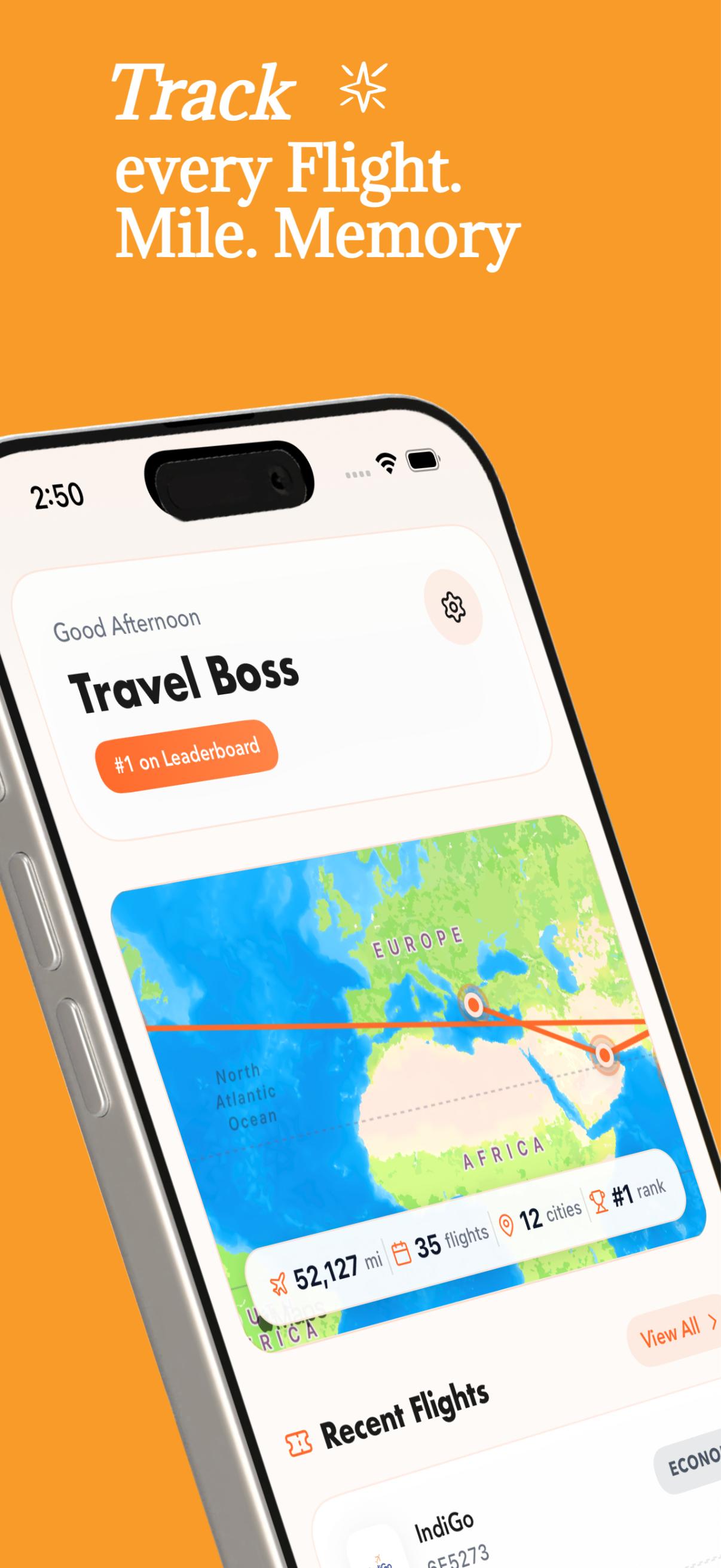
Store every boarding pass, track your travel history, and visualize your journey on a map.
Leaderboard & Achievements
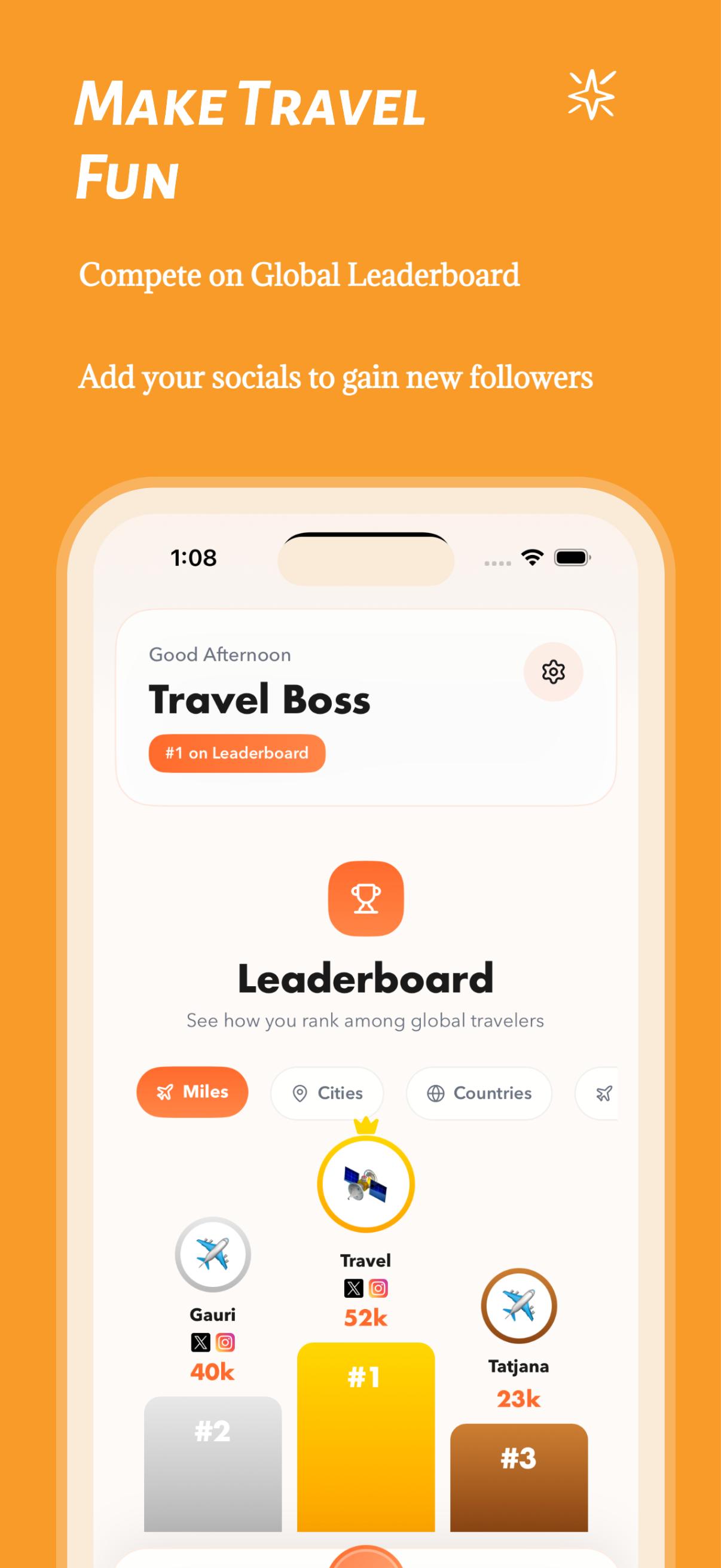
Earn badges for every destination, climb the global rankings, and compete with fellow travelers.
Travel Concierge
Get personalized booking assistance, curated recommendations, and priority support — all in-app.



Route directions & coordinate spots
The actual itinerary roadmap — coordinates, transit directions, and details for every stop.
Monteverde Cloud Forest Reserve, Costa Rica
This private biological reserve is the gold standard for regenerative tourism, managed by the Tropical Science Center. Visitors pay a $25 entry fee which directly funds local research and habitat reforestation. It is best to arrive by 7:00 AM to see the Resplendent Quetzal before the tour buses arrive from San Jose. The elevation of 1,400 meters provides a cool, misty environment for bird watching.
The Burren Ecotourism Network, Ireland
Located in County Clare, this network of 60+ businesses proves that regenerative tourism is possible in high-traffic regions. By enforcing a strict code of practice, they protect the unique limestone karst landscape while driving revenue back to local farmers. Visit the Burren Perfumery to see ethical small-scale manufacturing in action. It is a 90-minute drive from Galway City.
Koh Kood, Thailand
Koh Kood is a rare example of low-impact island development. Unlike Phuket, it lacks high-rise hotels; most accommodation is family-owned and uses solar power. The island limits tourist numbers by restricting ferry frequency. Rent a scooter for 300 THB ($8) per day to explore the interior waterfalls. This is the last stronghold of authentic island life in the Gulf of Thailand.
Tiroler Zugspitz Arena, Austria
This alpine region focuses on 'Alpine Pearls,' a network of villages connected by electric public transport. They emphasize year-round tourism to prevent the economic volatility caused by winter-only models. In 2026, the region implemented a mandatory carbon levy for motorized vehicle parking to encourage train travel. It is a 90-minute commute from Munich via the regional rail network.
Nam Et-Phou Louey National Park, Laos
This park operates a unique 'Wildlife Conservation Payment' system where tourists pay to spot endangered tigers on night safaris. The money goes directly to local villagers who switch from poaching to wildlife protection. It is a 6-hour mountain journey from Luang Prabang. Expect rustic, eco-certified bamboo huts and total silence at night.
Valle de Antón, Panama
Situated in the caldera of an extinct volcano, this town focuses on agricultural regeneration and orchid conservation. Local markets operate on a cooperative model, ensuring farmers keep 95% of profits. Spend 15 USD on a guided hike through the cloud forest trails maintained by local eco-collectives. It is a 2-hour drive from Panama City, ideal for weekend regenerative retreats.
Fogo Island, Newfoundland, Canada
The Fogo Island Inn operates as a social enterprise, where all profits are reinvested into the local community through the Shorefast Foundation. It is a masterclass in economic regeneration. Visitors experience a 7-season calendar and cultural immersion. While luxury-priced, the economic benefit to this remote fishing community is unparalleled globally. Accessibility is via a 45-minute ferry from Farewell.
Bwindi Impenetrable Forest, Uganda
Gorilla trekking here is a highly regulated, high-value, low-volume tourism model. Each permit costs $800, with funds explicitly designated for mountain gorilla conservation and community healthcare programs in the surrounding villages. This provides a direct financial alternative to deforestation. Strict group sizes of 8 people per family ensure minimal animal disturbance and a premium, intimate experience.
Curated tours & experiences
Skip-the-line activity tokens, certified day guides, and unique regional activities.
Interactive suggestions load dynamically based on seasonal availability.
Browse Viator Experiences
Looking for premium curated day-trips, private shuttle transports, or multi-day hiking expeditions? View top activities instantly.
The full guide, stop by stop
Hand-curated notes and specific travel insights, built exclusively for this trip.

Trail Notes
Monteverde: Where 25 USD Fuels Research
Monteverde, Costa Rica, remains the global blueprint for how private reserves can out-perform government parks in conservation. The $25 entrance fee is not just a gate tax; it acts as a research grant for the Tropical Science Center. By visiting outside the 'dry season' months of January and February, you directly help stabilize the local economy during the slower mid-year months. Focus on the Curi-Cancha Reserve, which permits fewer daily visitors than the main Monteverde Cloud Forest Reserve, ensuring your footprint remains under 500 visitors per day.
The Burren: Small Scale Success
The Burren Ecotourism Network in Ireland manages to host 100,000+ visitors annually while maintaining a zero-waste policy across its 60+ member businesses. The secret here is the 'Leave No Trace' philosophy integrated into every guided walking tour. Unlike standard Irish tourism hubs, the Burren requires a booking window of at least 3 weeks for high-end boutique eco-stays. Travelers should prioritize the Caherconnell Fort tours, where local archeologists explain how their excavation processes actually prevent site erosion, a 15-euro investment in local knowledge.
Koh Kood: The Anti-Phuket
Koh Kood is a 100-kilometer sanctuary from the over-development plague hitting mainland Thailand. With no high-rise zoning, the island is almost entirely powered by micro-grids and community-owned generators. Spending 1,200 THB ($35) a night on a bamboo bungalow supports a local family rather than an offshore conglomerate. Visit the Klong Chao waterfall during the rainy season's end (October) when the flow is majestic, but the tourist count is 60% lower than in December.
Secure curated tours & day tickets with Viator
Unlock flexible skip-the-line museum tickets, local food walkthroughs, and certified regional guides on Viator.
Take your itinerary everywhere
Sync boarding passes, earn travel badges, climb the global leaderboards, and track multi-currency expenses — all offline.
Crowd Avoidance
Mass tourism is a choice, not an inevitability. By shifting your schedule 4 hours ahead or behind the average tour bus, you reclaim the experience.
- Visit major trailheads at 6:30 AM before regional tour buses arrive at 10:30 AM.
- Choose 'shoulder' months; travel in May or October to see occupancy rates drop by 45%.
- Utilize local, non-commercial transit like shared village 'collectivos' rather than private taxis.
- Book dining reservations for 5:30 PM to beat the 7:30 PM rush of larger groups.
- Stay in secondary villages located 15 minutes away from the main tourist drag.
- Prioritize private guides who are certified members of local conservation cooperatives.
Secure curated tours & day tickets with Viator
Unlock flexible skip-the-line museum tickets, local food walkthroughs, and certified regional guides on Viator.
Top Curated Travel Experiences in Best Destinations for Regenerative Tourism (2026 Guide)
Full-Day Guided Sightseeing Tour in Best Destinations for Regenerative Tourism (2026 Guide)
Explore the absolute best sights of Best Destinations for Regenerative Tourism (2026 Guide) with an expert certified local English-speaking guide.
Best Destinations for Regenerative Tourism (2026 Guide) Hidden Gems & Historical Walking Tour
Step off the beaten path into quiet streets with your storyteller guide.

Suggested Route Order
Start in a major hub to acclimatize, then move to the most remote 'deep green' location before finishing in a mid-range hub. This rhythm prevents 'travel burnout' and allows you to build up stamina for more rural locations.
- Fly into the gateway city: Spend 2 days securing supplies and meeting local organizers.
- Transit to the rural eco-reserve: Dedicate 4 days here. This is the heart of your trip where costs are highest due to conservation fees.
- Coastal/secondary base: Spend 3 days in a nearby community-focused town to experience the socio-economic reality of the region.
This route minimizes 'dead time' in transit and ensures you are spending the most time in regions where your presence provides the maximum economic leverage to local workers.
Find cheap flights & multi-city stays
Secure flexible flight pathways, regional connections, and custom travel bundles on Trip.com.
Top Curated Travel Experiences in Best Destinations for Regenerative Tourism (2026 Guide)
Full-Day Guided Sightseeing Tour in Best Destinations for Regenerative Tourism (2026 Guide)
Explore the absolute best sights of Best Destinations for Regenerative Tourism (2026 Guide) with an expert certified local English-speaking guide.
Best Destinations for Regenerative Tourism (2026 Guide) Hidden Gems & Historical Walking Tour
Step off the beaten path into quiet streets with your storyteller guide.
Getting Between Spots
Moving between regenerative zones requires patience. Avoid internal flights if possible; they generate 10x the carbon of regional trains or shared shuttles. Use apps like Bolt in Europe, Grab in SE Asia, and Cabify in Latin America for transparent pricing and fair driver compensation.
| Route | Best Method | Time | Est. Cost |
|---|---|---|---|
| San Jose to Monteverde | Shared Shuttle | 4.5h | $60 |
| Dublin to The Burren | Train + Local Bus | 3h | $35 |
| Bangkok to Koh Kood | Train + Ferry | 7h | $45 |
Local transport hack: Always ask your accommodation host if there is a 'community carpool' board. Many regenerative lodges operate a shared shuttle service for staff that has extra seats available for a fraction of the cost of a private transfer.
Find cheap flights & multi-city stays
Secure flexible flight pathways, regional connections, and custom travel bundles on Trip.com.

Transport Cost Table
| Route | Method | Time | Est. Cost (Local) | Est. Cost (USD) |
|---|---|---|---|---|
| Dublin to Burren | Train/Bus | 3.5h | €32 | $35 |
| San Jose to Monteverde | Shuttle | 4h | ₡30,500 | $60 |
| Trat to Koh Kood | Ferry | 1.5h | ฿600 | $18 |
| Munich to Garmisch | Regional Rail | 1.5h | €25 | $27 |
| Luang Prabang to Nam Et | Minivan | 6h | ₭450,000 | $22 |
| Panama City to Valle | Bus | 2h | $12 | $12 |
These costs reflect direct, public-facing transport. For group planning, always calculate the 'per head' cost of a private driver vs. multiple bus tickets; in regions like Central America, a private van for four people is often within 15% of the cost of public transit and saves 3+ hours.
Find cheap flights & multi-city stays
Secure flexible flight pathways, regional connections, and custom travel bundles on Trip.com.
Where To Base
To optimize for mixed-budget groups, focus on 'central hubs' that offer varied housing types. Hostels in these zones often have private 'eco-pods' for $40, while nearby boutique hotels offer luxury suites for $300. By staying in the same zone, groups can share transport to activities while maintaining personal space.
| Location | Vibe | Avg Nightly (USD) | Best For |
|---|---|---|---|
| Monteverde Village | Rustic/Scientific | $50–$350 | Families/Researchers |
| Ballyvaughan (Burren) | Traditional | $80–$400 | Hikers/Foodies |
| Bang Bao (Koh Kood) | Fisherman/Quiet | $40–$250 | Couples/Solos |
Mixed-budget strategy: Book the higher-end property for the group 'social headquarters' (pool, lounge, common areas) and use the hostel as a sleeping base. This ensures shared logistics without the friction of disparate accommodation standards.
Book Hotels in Best Destinations for Regenerative Tourism (2026 Guide) with Agoda
Compare premium boutique hotels, resort villas, and historic stays at the guaranteed lowest rates.

Itinerary Day Plan
| Day | Morning | Afternoon | Evening | Cost (USD) |
|---|---|---|---|---|
| 1 | Arrival/Briefing | Local Market Tour | Community Dinner | $75 |
| 2 | Guided Eco-Hike | Conservation Workshop | Local Pub Social | $120 |
| 3 | Wildlife Monitoring | Community Farm Visit | Stargazing/Talk | $150 |
This plan focuses on immersion. Day 1 is about orientation; Day 2 is about education; Day 3 is about contribution. Costs include conservation fees, which are essential for true regenerative travel.
Find cheap flights & multi-city stays
Secure flexible flight pathways, regional connections, and custom travel bundles on Trip.com.
Local Insider Tips
- Contrarian Tip: Avoid the 'most popular' guide in the guidebook. Ask the hotel janitor or local cafe staff who they trust for a private tour; they often know the guides who actually care about the land rather than just the paycheck.
- Visit local community meetings; in places like the Burren, these are often public and insightful.
- Eat the 'plate of the day' (Menu del Dia) rather than ordering à la carte; it reduces food waste and supports local farmers.
- Learn 5 phrases in the local dialect; it shifts you from 'tourist' to 'guest' in the eyes of local vendors.
- Carry your own water filter bottle; single-use plastics are the biggest threat to these regions.
- Avoid 'souvenir' shops; spend that same money on a local cooking class or donation to the site's restoration fund.
- If a tour sounds too cheap to be true, it is exploitative; look for certification labels like 'Certified B Corp' or 'Global Sustainable Tourism Council'.
- Always tip the staff directly; avoid 'service charges' added by booking platforms.
- In coastal areas, check the tide schedule for local reef access, not the cruise ship schedule.
- Use physical maps; it keeps you off the phone and more engaged with the environment.
Get instant mobile data with Saily eSIM
Stay connected. Skip expensive roaming fees and activate instant high-speed data in seconds with Saily.

Photography And Best Light
Regenerative photography focuses on the 'human-nature connection.' Shoot during the 'Golden Hour' (one hour after sunrise/before sunset) to capture the soft light characteristic of these protected zones. For wildlife, use a 300mm+ lens to ensure you aren't disrupting the animals' natural behavior. Never use flash near nesting sites or in caves.
Check out Nature Photographers Network for ethical guidelines on wildlife photography.
Get instant mobile data with Saily eSIM
Stay connected. Skip expensive roaming fees and activate instant high-speed data in seconds with Saily.
Budget And Cost Context
Regenerative travel often carries a 'transparency premium'—you pay more, but you see exactly where it goes. Below are estimates per person/day.
| Tier | Accommodation | Food | Transport | Total (Est) |
|---|---|---|---|---|
| Budget | $30 | $20 | $15 | $65 |
| Mid-Range | $120 | $50 | $30 | $200 |
| Luxury | $400+ | $100 | $80 | $580+ |
Budget Tip: In most regenerative zones, the biggest expense is the daily conservation permit. Do not cut this cost; it is the price of the experience. Cut costs on luxury dining or high-end transport instead.
Find cheap flights & multi-city stays
Secure flexible flight pathways, regional connections, and custom travel bundles on Trip.com.
Top Restaurants By Budget
| Name | Location | Type | Tier | Dish | Note |
|---|---|---|---|---|---|
| The Farm Table | Monteverde | Farm-to-Table | $$ | Heart of Palm Salad | Local organic focus |
| Burren Smokehouse | Lisdoonvarna | Seafood | $ | Smoked Salmon | Locally sourced |
| Local Kitchen | Koh Kood | Thai | $ | Pad Thai (Banana Leaf) | Zero plastic |
The best food in these regions is found at community markets. Ask for 'the dish the locals eat' to ensure you are supporting traditional recipes rather than 'tourist-friendly' versions.
Secure curated tours & day tickets with Viator
Unlock flexible skip-the-line museum tickets, local food walkthroughs, and certified regional guides on Viator.
Food And Drink Highlights
Focus on 'Hyper-local' ingredients. In the Burren, this means Atlantic sea salt and local honey. In Monteverde, it’s fair-trade coffee and seasonal tropical fruits. Avoid imported goods like avocados in regions where they aren't native, as the carbon footprint is excessive. Check Slow Food International for local chapters in your destination.
Secure curated tours & day tickets with Viator
Unlock flexible skip-the-line museum tickets, local food walkthroughs, and certified regional guides on Viator.
Safety Considerations
- Always register your travel with your home country's embassy; in remote areas, this is vital for emergency extraction.
- Buy travel insurance that covers 'Search and Rescue' and adventure activities.
- Download offline maps (Google Maps/Maps.me) as cellular service is often non-existent in deep conservation areas.
- Emergency numbers: Local police equivalents are 911 (Americas), 112 (Europe), or 191 (Thailand).
- Carry a basic first aid kit; local clinics may be hours away.
Get instant mobile data with Saily eSIM
Stay connected. Skip expensive roaming fees and activate instant high-speed data in seconds with Saily.
Seasonal Variations
| Month | Weather | Crowd | Status |
|---|---|---|---|
| Jan | Dry | High | High cost |
| Feb | Dry | High | High cost |
| Mar | Mild | Medium | Balanced |
| Apr | Mild | Low | Best value |
| May | Rainy | Low | Eco-focused |
| Jun | Warm | Medium | Good for hiking |
| Jul | Warm | High | Family surge |
| Aug | Warm | High | Family surge |
| Sep | Cooling | Medium | Good for flora |
| Oct | Rainy | Low | Best for quiet |
| Nov | Cool | Low | Budget friendly |
| Dec | Cool | High | Peak season |
Travel during the 'shoulder' months (May, October) is the most regenerative choice; you keep local staff employed during the slow periods.
Book top guided activities and tickets in Best Destinations for Regenerative Tourism (2026 Guide)
Skip the long queues, discover hidden gems, and book 100% free-cancellation activities on Viator with live local support.
Equipment And Gear Advice
- Reusable water purification bottle (e.g., Grayl GeoPress).
- High-quality, moisture-wicking gear (Patagonia or similar ethical brands).
- Sturdy, broken-in hiking boots; avoid new gear on the trail.
- Solar-powered power bank to avoid reliance on electricity grids.
- Biodegradable toiletries; non-toxic soaps are essential for sensitive water tables.
- Physical first aid manual/kit.
- A reusable tote bag for market shopping.
- Binoculars for wildlife observation (don't get too close).
Get instant mobile data with Saily eSIM
Stay connected. Skip expensive roaming fees and activate instant high-speed data in seconds with Saily.
Local Festivals And Events
| Event | Month | Location | Significance |
|---|---|---|---|
| Burren Slow Food | May | Lisdoonvarna | Supports local farmers |
| Coffee Harvest | Dec | Monteverde | Community-driven |
Attend these events to understand the local cycle. They are the best time to meet the people actually managing the land.
Book top guided activities and tickets in Best Destinations for Regenerative Tourism (2026 Guide)
Skip the long queues, discover hidden gems, and book 100% free-cancellation activities on Viator with live local support.
Sustainable Travel Tips
- Fly direct to minimize take-off/landing emissions.
- Prioritize homestays over hotels; the money stays in the local village.
- Use rail instead of road transport whenever available.
- Pack light; lighter luggage means less fuel consumption during transport.
- Offset your remaining unavoidable carbon via certified gold-standard projects.
- Always tip the guides and porters directly in cash.
Get instant mobile data with Saily eSIM
Stay connected. Skip expensive roaming fees and activate instant high-speed data in seconds with Saily.
Neighborhood Guide
Monteverde Center
The hub of the cloud forest movement. Everything is walkable, and the local economy is strictly tied to conservation.
Ballyvaughan
The coastal gateway to the Burren. Authentic, slow-paced, and filled with local craftspeople.
Bang Bao
A stilt-village on Koh Kood. It captures the essence of low-impact fishing culture and supports local marine life.
Book Hotels in Best Destinations for Regenerative Tourism (2026 Guide) with Agoda
Compare premium boutique hotels, resort villas, and historic stays at the guaranteed lowest rates.

Alternative Options
Who Should Skip This
If you require daily turn-down service, air-conditioned luxury, or are unwilling to engage with rural logistics, these destinations will feel challenging. This is for the intentional traveler, not the vacationer.
Alternatives: If the primary spots are too crowded, look for The Azores (Portugal) for sustainable island living, Bhutan for high-value/low-volume policy, or Slovenia for best-in-class green city infrastructure.
Book top guided activities and tickets in Best Destinations for Regenerative Tourism (2026 Guide)
Skip the long queues, discover hidden gems, and book 100% free-cancellation activities on Viator with live local support.
Frequently Asked Questions
- Is regenerative travel just a marketing term for expensive hotels?
- No, true regenerative travel requires proof of community benefit, such as profit-sharing models or local conservation staff hiring, not just LEED building certification. Look for businesses that publish their impact reports.
- What is the best month to do a regenerative trip in 2026?
- May or October are the best months, as these are off-peak periods where your economic contribution helps maintain local employment stability during lower occupancy windows.
- Are these locations safe for solo female travelers?
- Yes, these destinations are generally very safe, but common sense applies; ensure your accommodation has a 24-hour reception and use reputable, pre-vetted transport apps.
- Do I need to speak the local language?
- You do not need fluency, but learning basic phrases is considered a sign of respect and will significantly improve your interactions with local community members.
- How do I spot greenwashing?
- If a business claims to be 'green' but does not mention specific community programs, local hiring ratios, or how they manage their waste/water, it is likely greenwashing.
- Is it more expensive than regular travel?
- Yes, it is typically 15-20% more expensive because you are paying for actual conservation work and fair wages for local staff rather than low-cost, high-volume alternatives.
Book top guided activities and tickets in Best Destinations for Regenerative Tourism (2026 Guide)
Skip the long queues, discover hidden gems, and book 100% free-cancellation activities on Viator with live local support.
Final CTA
Book top guided activities and tickets in Best Destinations for Regenerative Tourism (2026 Guide)
Skip the long queues, discover hidden gems, and book 100% free-cancellation activities on Viator with live local support.
Ready to track your travels?
Join thousands of travelers using Borderly to plan trips, track expenses, store boarding passes, and compete on the global leaderboard.