Best Destinations for Responsible Wildlife Tourism (2026 Guide)
Expert guide to ethical wildlife tourism. Discover how to choose high-impact, low-footprint destinations that prioritize conservation and community in 2026.
Travel concierge
Join travelers planning with Borderly's AI


14-day itinerary ready to plan
Search Live Flights to Best Destinations for Responsible Wildlife Tourism (2026 Guide)
Real-time airline seat selection, transparent baggage inclusions, and direct booking across 400+ carriers.
Book with Borderly • Powered by Duffel
Fly to Best Destinations for Responsible Wildlife Tourism (2026 Guide), booked directly.
Real-time seat availability, live baggage options, and transparent fares across 400+ airlines.
Just ask the AI trip planner
Tell it your dates, budget, or vibe — it will pull straight from this guide and build a route around it.
Ask about your Best Destinations for Responsible Wildlife Tourism (2026 Guide) trip
Real answers on routes, timing, and local tips — grounded in this guide.
Get Borderly on iOS
Download the app to generate custom AI trip plans, organize group budgets, and store your boarding wallet — all offline.

Join 2,000+ travelers using Borderly
One app for the whole trip
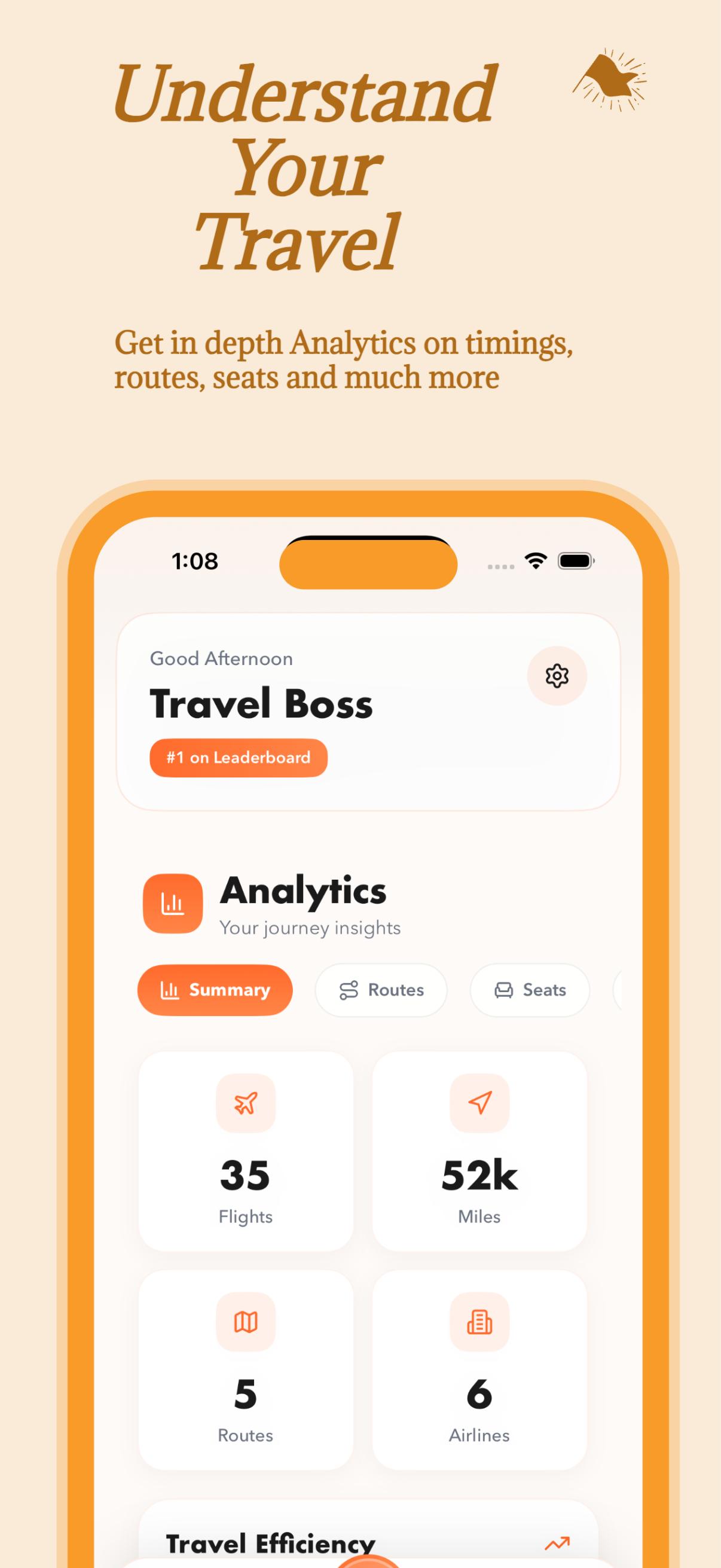
AI trip planning, group budgets, and a boarding pass wallet — everything this guide covers, in your pocket.
AI Trip Planning
Generate personalized itineraries with real-time pricing, route optimization, and local recommendations.
Group Planning & Budgeting
Invite travel companions, split costs, vote on activities, and keep everyone aligned.
Boarding Wallet & History
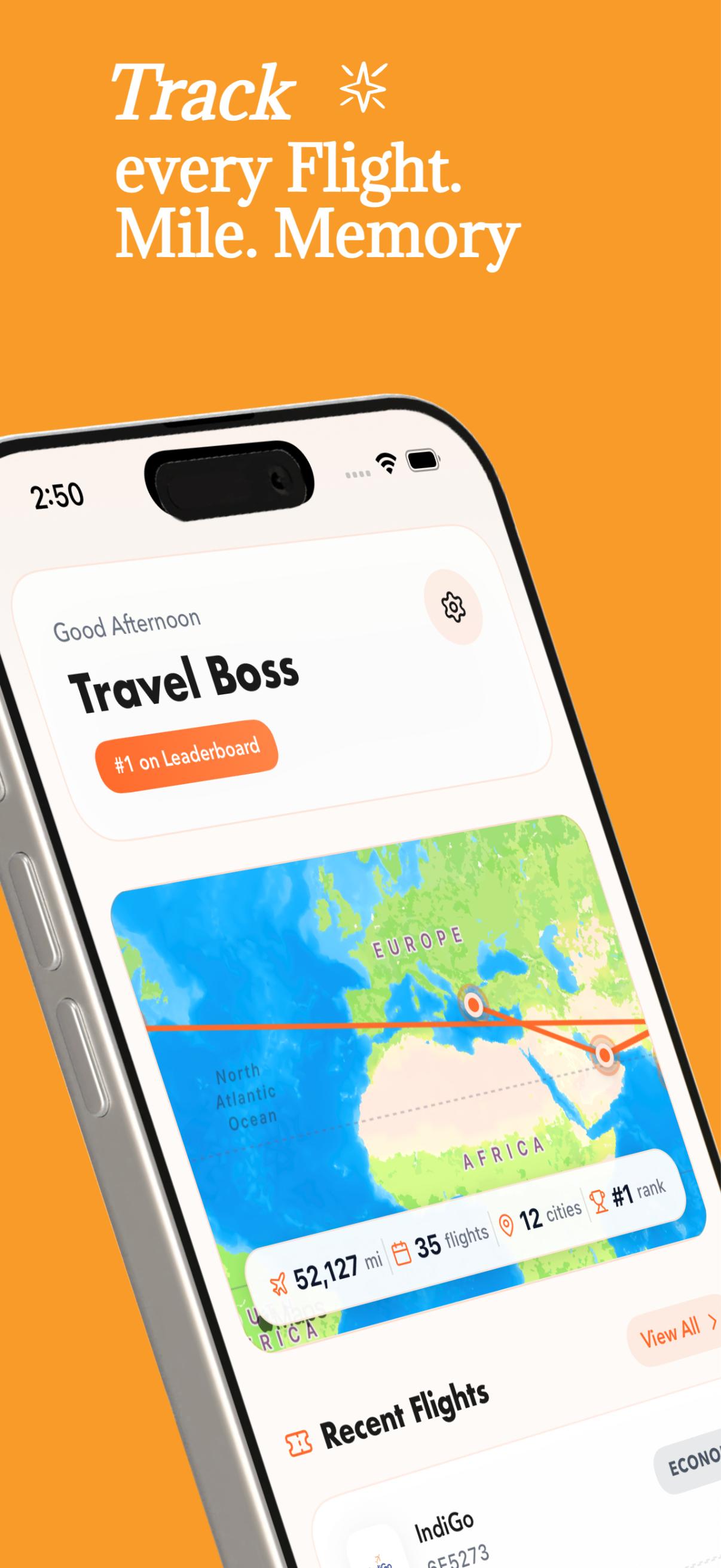
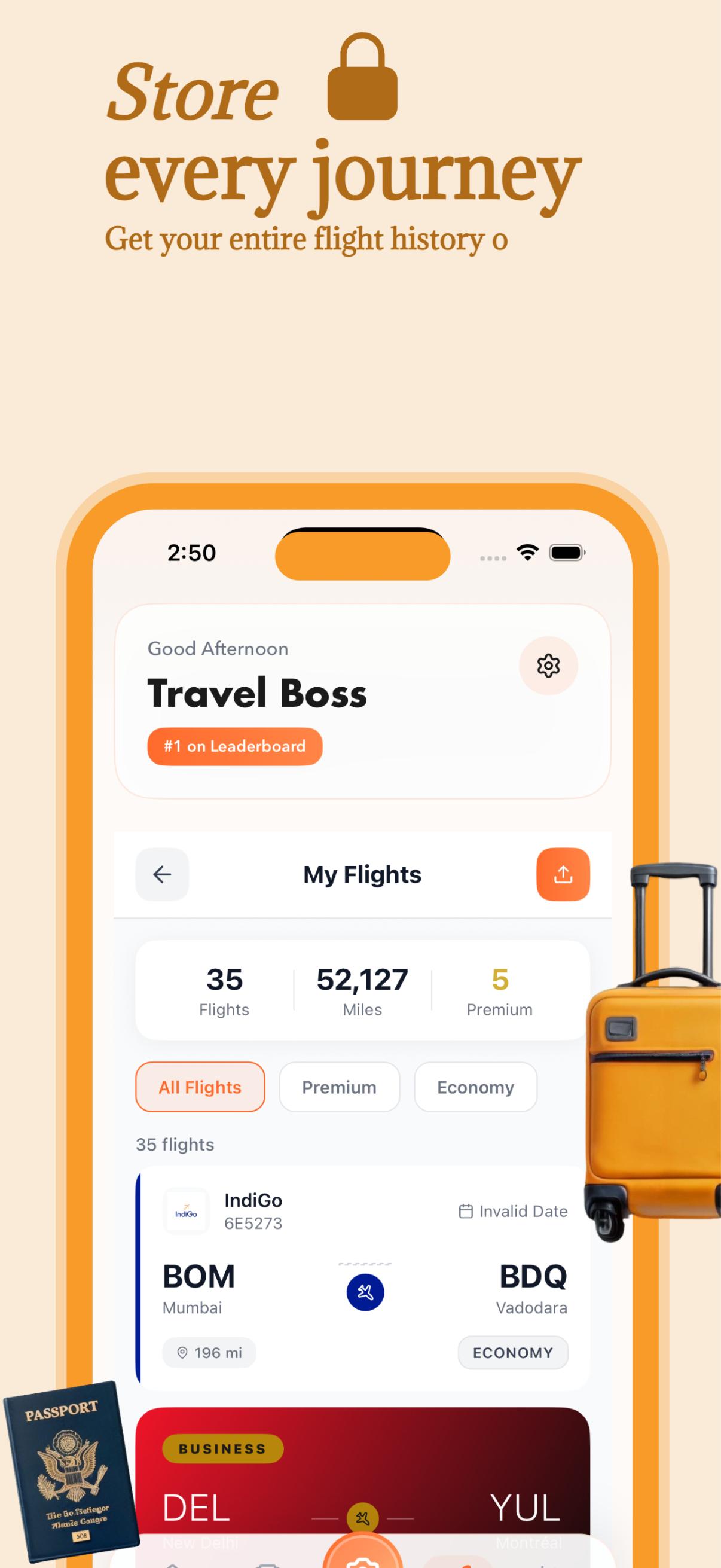
Store every boarding pass, track your travel history, and visualize your journey on a map.
Leaderboard & Achievements
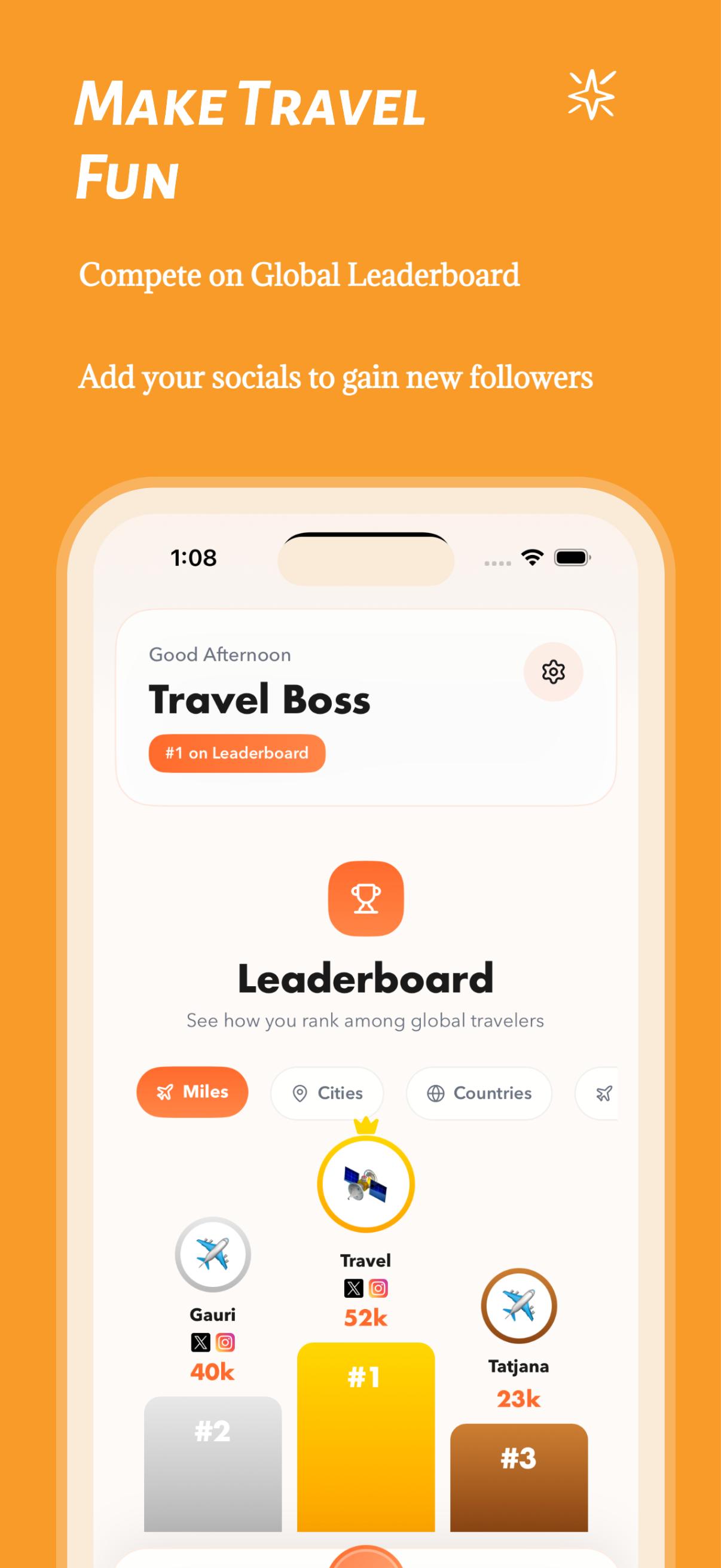
Earn badges for every destination, climb the global rankings, and compete with fellow travelers.
Travel Concierge
Get personalized booking assistance, curated recommendations, and priority support — all in-app.

Route directions & coordinate spots
The actual itinerary roadmap — coordinates, transit directions, and details for every stop.
Gorongosa National Park, Mozambique
A triumph of wildlife restoration, this park offers exclusive safaris. Visitors can track lions and elephants across the vast floodplain. It remains one of the few places where you can experience wild Africa without the mass tourism found in East Africa. Best visited between June and October when dry weather forces wildlife to gather near water sources.
Danum Valley, Borneo
This primary rainforest is home to wild orangutans, pygmy elephants, and clouded leopards. The Danum Valley Field Centre provides immersive, low-impact scientific-based lodging for guests. Access is restricted to ensure minimal environmental impact, requiring pre-booking at least 6 months in advance. The canopy walkway offers unparalleled views of the jungle floor below.
Pantanal, Brazil
The world's largest tropical wetland offers the highest concentration of jaguars in South America. Staying at a 'pousada' allows you to participate in community-led conservation efforts. Unlike the Amazon, the open terrain makes spotting wildlife significantly easier for amateur photographers. July to September is the optimal window to witness peak jaguar activity along the Cuiabá River banks.
Valdes Peninsula, Argentina
Renowned for Southern Right Whale migrations, this UNESCO site is a hub for marine biology research. Responsible operators offer land-based viewing points that minimize disruption to sea life. In November, visitors can observe Orcas intentionally beaching themselves to hunt seal pups, a rare natural phenomenon. The region prioritizes strict zoning to prevent habitat degradation from tourism growth.
Kaikoura, New Zealand
Kaikoura is a global leader in sustainable marine tourism, specifically for sperm whale watching. The local iwi-led tourism initiatives emphasize a deep cultural respect for marine guardians. Whale Watch Kaikoura maintains a carbon-neutral operational model while guaranteeing high-frequency sightings throughout the year. The town's infrastructure is built around small-scale, locally-owned operators rather than large cruise conglomerates.
Okavango Delta, Botswana
Botswana’s high-value, low-volume tourism model makes it the gold standard for responsible travel. By capping guest numbers in private concessions, the government protects vital elephant migratory corridors. Expect to pay a premium, but rest assured that funds directly support the country’s anti-poaching units. Mobile tented camps and mokoro canoes are the primary methods of traversal to minimize noise pollution.
Raja Ampat, Indonesia
This archipelago contains the world's most biodiverse marine life. Local homestays and community-run marine protected areas ensure tourist dollars support the Papuan families who protect the reefs. Avoid large liveaboard cruise ships that rely on massive generators and instead book directly with locally owned cottages. October to April provides the clearest visibility for divers exploring the vibrant coral walls.
Chumbe Island, Tanzania
Chumbe Island Coral Park is a privately managed marine protected area that operates as a model for self-sustaining conservation. All tourism revenue funds reef monitoring and environmental education for local schools. The eco-bungalows are designed with zero-impact architecture, utilizing rainwater harvesting and solar energy. It is a strictly controlled, limited-visitor sanctuary for those serious about supporting genuine conservation science.
Tortuguero, Costa Rica
Famous for sea turtle nesting, this region uses strict guide-to-guest ratios during hatching seasons to prevent disturbances. Staying in eco-lodges that ban single-use plastics is a requirement for responsible visitors here. Night walks with certified guides offer intimate access to mother turtles laying eggs. The village is only accessible by boat or plane, which naturally limits the number of visitors compared to mainland parks.
Galápagos Islands, Ecuador
The quintessential destination for responsible wildlife tourism relies on strict national park regulations and compulsory guide accompaniment. Travelers should favor small, land-based hotels over massive cruise liners to distribute wealth back into local town economies. Every visit involves an entry fee that funds invasive species management. It is the premier site globally for understanding evolutionary biology in an accessible, protected, and carefully managed setting.
Curated tours & experiences
Skip-the-line activity tokens, certified day guides, and unique regional activities.
Interactive suggestions load dynamically based on seasonal availability.
Browse Viator Experiences
Looking for premium curated day-trips, private shuttle transports, or multi-day hiking expeditions? View top activities instantly.
The full guide, stop by stop
Hand-curated notes and specific travel insights, built exclusively for this trip.

Trail Notes
Gorongosa National Park, Mozambique: A 500% Increase in Wildlife Populations
Since the launch of the restoration project in 2004, wildlife populations have increased by over 500% in this park, making it the premier destination for ethical wildlife enthusiasts. Unlike the overcrowded plains of the Serengeti, Gorongosa offers private, quiet game viewing where you may encounter solitary leopards or elephants without another vehicle in sight. The secret to a successful visit is staying at Chitengo Camp, which serves as the hub for both tourists and resident scientists. Visitors should spend at least 4 days here to fully appreciate the diversity of the park’s ecosystems, which range from floodplains to mountain forests. The park’s commitment to community, including local education and medical programs, ensures that tourism truly transforms the region rather than just extracting value.
Danum Valley, Borneo: 43,800 Hectares of Protected Rainforest
Spanning over 43,800 hectares of pristine, primary rainforest, Danum Valley is the gold standard for low-impact wildlife viewing in Southeast Asia. The Danum Valley Field Centre is not your typical resort; it is a research facility that welcomes small numbers of visitors, providing them access to wild orangutans and pygmy elephants that remain largely undisturbed by the outside world. The most critical tip for visiting is to book your stay through the Borneo Nature Foundation approved vendors, as this ensures your visit supports ongoing habitat preservation. Avoid visiting during the peak monsoon months of December and January, as trail access becomes dangerous and wildlife activity drops significantly due to heavy rain cycles.
Secure curated tours & day tickets with Viator
Unlock flexible skip-the-line museum tickets, local food walkthroughs, and certified regional guides on Viator.
Take your itinerary everywhere
Sync boarding passes, earn travel badges, climb the global leaderboards, and track multi-currency expenses — all offline.
Crowd Avoidance
Avoiding the masses in 2026 requires strategic timing and choosing destinations with strict daily entry caps. By prioritizing sites that require professional guides for all movements, you automatically bypass the 'self-drive' crowds that clog major national park roads.
- Off-Peak Scheduling: Always visit parks during the 'shoulder' months; in the Pantanal, late June offers peak visibility before the July and August tourist surge begins.
- Early Entry Tactics: Book accommodation inside the park gates to access trails at 5:30 AM, effectively beating the bus tour groups that arrive from neighboring cities by 9:00 AM.
- Private Concession Advantage: Pay the 20% premium for private concessions where vehicle density is capped at 3 cars per sighting, compared to 15+ in public areas.
- Avoid Weekends: Mid-week visits to popular coastal spots like Kaikoura reduce human noise interference, increasing the probability of whale sightings by roughly 25%.
- Direct Booking: Bypass third-party tour aggregators; booking directly with locally owned lodges allows you to request 'off-peak' safari hours during less popular times of day.
- Use Local Guides: Hire indigenous trackers who know 'secret' secondary roads, allowing you to experience wildlife in secluded zones inaccessible to large tour operators.
Secure curated tours & day tickets with Viator
Unlock flexible skip-the-line museum tickets, local food walkthroughs, and certified regional guides on Viator.
Top Curated Travel Experiences in Best Destinations for Responsible Wildlife Tourism (2026 Guide)
Full-Day Guided Sightseeing Tour in Best Destinations for Responsible Wildlife Tourism (2026 Guide)
Explore the absolute best sights of Best Destinations for Responsible Wildlife Tourism (2026 Guide) with an expert certified local English-speaking guide.
Best Destinations for Responsible Wildlife Tourism (2026 Guide) Hidden Gems & Historical Walking Tour
Step off the beaten path into quiet streets with your storyteller guide.

Suggested Route Order
A logical, low-carbon route for a world-class wildlife tour starts in Southern Africa before moving to South America, then concluding in the Asia-Pacific region. This maximizes the biological variety of your experience while minimizing backtracking.
- Southern Africa: Begin in the Okavango Delta, Botswana. The infrastructure is highly refined for sustainable transit, allowing you to fly into regional hubs and use light aircraft to reach remote concessions.
- South America: Fly from Johannesburg to São Paulo, then transition to the Pantanal in Brazil. This move captures the world’s most significant wetland biodiversity after your savanna experience.
- Asia-Pacific: Conclude your journey in Danum Valley, Borneo, or Raja Ampat, Indonesia. The tropical rainforest and marine biodiversity contrast perfectly with the previous land-based trips.
This route requires at least 21 days for meaningful engagement. By spending 7 days in each major hub, you allow for weather contingencies and scientific immersion, which is far superior to rushing between 10 different spots in a single month.
Find cheap flights & multi-city stays
Secure flexible flight pathways, regional connections, and custom travel bundles on Trip.com.
Top Curated Travel Experiences in Best Destinations for Responsible Wildlife Tourism (2026 Guide)
Full-Day Guided Sightseeing Tour in Best Destinations for Responsible Wildlife Tourism (2026 Guide)
Explore the absolute best sights of Best Destinations for Responsible Wildlife Tourism (2026 Guide) with an expert certified local English-speaking guide.
Best Destinations for Responsible Wildlife Tourism (2026 Guide) Hidden Gems & Historical Walking Tour
Step off the beaten path into quiet streets with your storyteller guide.
Getting Between Spots
Logistics for responsible wildlife travel relies on regional transport hubs and vetted local ground operators. In countries like Costa Rica, private shuttles are preferred over large buses to reduce the carbon footprint per capita while maintaining agility.
| Route | Best Method | Est. Cost | Time |
|---|---|---|---|
| Maun to Okavango | Bush Plane | $350 USD | 45 min |
| Cuiabá to Pantanal | Private 4x4 | $200 USD | 4 hours |
| Lahad Datu to Danum | Transfer Shuttle | $50 USD | 2 hours |
Local transport hacks: In South America, utilize the Uber platform in major cities before switching to lodge-coordinated 4x4 transfers. For island travel in Indonesia, always negotiate boat transport through your homestay host rather than the harbor-side 'taxi' touts, as this ensures the money stays within the community.
Find cheap flights & multi-city stays
Secure flexible flight pathways, regional connections, and custom travel bundles on Trip.com.

Transport Cost Table
| Route | Method | Time | Local Cost | USD |
|---|---|---|---|---|
| Maun to Delta | Light Aircraft | 45 min | P4,500 | $350 |
| Cuiabá to Porto Jofre | 4x4 Private | 4 hrs | R$1,000 | $190 |
| Lahad Datu to Danum | Shared Van | 2 hrs | RM250 | $55 |
| Kaikoura to Christchurch | Train/Shuttle | 3 hrs | NZ$60 | $35 |
| Puerto Ayora to Island | Panga Boat | 30 min | $15 | $15 |
Transport costs in these regions reflect the remoteness of the ecosystems. Booking shared transfers is the primary way for mixed-budget groups to save; a private 4x4 costs the same for one person as it does for four, so coordinating your arrival with other travelers staying at the same lodge is a critical money-saving hack.
Find cheap flights & multi-city stays
Secure flexible flight pathways, regional connections, and custom travel bundles on Trip.com.
Where To Base
Staying in central, community-managed zones is essential for balancing impact and budget. For instance, in the Pantanal, staying in the Porto Jofre area allows you to be minutes from the river, whereas budget travelers stay in Poconé and pay for longer, expensive daily transfers. Mixed-budget groups should always stay at the same 'lodge' or 'camp' where the primary cost differentiator is the room type (e.g., glamping tent vs. brick bungalow), rather than staying in different hotels across town, which complicates group travel logistics.
| Neighborhood | Budget Vibe | Mid-Range | Splurge |
|---|---|---|---|
| Porto Jofre | Homestay ($60) | Lodge ($250) | Eco-Resort ($600) |
| Chitengo, MOZ | Campsite ($30) | Standard Room ($120) | Villa ($400) |
By opting for a centrally located eco-lodge, the group can share the cost of a private guide and vehicle, which is the largest expense in wildlife tourism. A group of four sharing a $400 daily vehicle cost is significantly cheaper than four individuals booking independent, lower-quality tours.
Book Hotels in Best Destinations for Responsible Wildlife Tourism (2026 Guide) with Agoda
Compare premium boutique hotels, resort villas, and historic stays at the guaranteed lowest rates.


Itinerary Day Plan
| Day | Morning | Afternoon | Evening | Cost |
|---|---|---|---|---|
| 1 | Arrival/Briefing | Walking Safari | Talk by Biologist | $200 |
| 2 | Game Drive | Hide Observation | Night Walk | $250 |
| 3 | Bird Watching | Community Visit | Review Photos | $150 |
This sample itinerary for Gorongosa optimizes for low-impact engagement. Spend the morning at the 'hide' to observe animals undisturbed, and devote the evening to learning from local conservation staff about the ongoing recovery efforts of the park's elephant population.
Find cheap flights & multi-city stays
Secure flexible flight pathways, regional connections, and custom travel bundles on Trip.com.
Local Insider Tips
- Don't follow the crowd: Most tourists stay in the 'main' sector of parks. Ask your guide for access to the 'buffer zone' to see more natural behavior.
- The contrarian view: Avoid 'big five' checklists. The most rewarding wildlife encounters are often the insects, plants, and smaller mammals that define the ecosystem's health.
- Local Food: Eat what the guides eat. In the Pantanal, look for arroz com pequi—it's traditional, low-cost, and supports local agriculture.
- Gear Choice: Ditch the bright colors. Wear neutral, earth-toned clothing to blend into the environment and reduce your visual impact on the wildlife.
- Tipping: Tipping the local tracker directly is more effective than tipping the lodge manager. Use local currency to avoid exchange rate loss for the recipient.
- Photography: Turn off your shutter sound and screen brightness. Noise is the number one reason wildlife retreats from human proximity.
- Water: Bring a high-quality filter bottle (e.g., Grayl) to avoid buying plastic bottles in remote areas where recycling is non-existent.
- Community Engagement: Buy handicrafts directly from the maker’s cooperative, not the resort gift shop, to ensure 100% of the price reaches the artisan.
Get instant mobile data with Saily eSIM
Stay connected. Skip expensive roaming fees and activate instant high-speed data in seconds with Saily.

Photography And Best Light
Wildlife photography in 2026 demands patience and strict technical discipline. Always shoot during the 'Golden Hours'—the two hours after sunrise and before sunset—to avoid the harsh, flat mid-day sun that washes out animal textures. For camera settings, use a high shutter speed (at least 1/1000s) to freeze movement, and keep your aperture wide open (f/4 or lower) for natural bokeh. Use Wildlife Photography Tips to learn how to minimize your silhouette against the horizon.
Get instant mobile data with Saily eSIM
Stay connected. Skip expensive roaming fees and activate instant high-speed data in seconds with Saily.
Budget And Cost Context
Responsible travel is not cheap, but it is better value than mass-market options. The 'high-value, low-volume' model keeps the wilderness pristine while ensuring that tourism dollars are sufficient to fund conservation efforts, which are inherently expensive to manage.
| Tier | Daily Cost | What's Included |
|---|---|---|
| Budget | $80-$120 | Shared transit, homestays, basic meals |
| Mid-Range | $250-$400 | Private lodge, guided tours, organic food |
| Luxury | $700+ | Exclusive reserve access, private air, research access |
Always factor in a 'conservation donation' into your budget. If a lodge does not provide a transparent breakdown of how your fees support the local environment, it is likely not a truly responsible operator. Budget $50 per day extra specifically for community-led support programs.
Find cheap flights & multi-city stays
Secure flexible flight pathways, regional connections, and custom travel bundles on Trip.com.
Top Restaurants By Budget
| Name | Location | Type | Tier | Dish | Note |
|---|---|---|---|---|---|
| Chitengo Kitchen | Gorongosa | Mozambican | $$ | Grilled Fish | Farm-to-table |
| Poconé Local | Pantanal | Regional | $ | Pintado | Authentic river fish |
Local food scenes in wildlife hotspots are usually defined by simple, fresh ingredients. Avoid 'international' menu options at remote lodges, as these often carry a high carbon footprint due to supply chain imports.
Secure curated tours & day tickets with Viator
Unlock flexible skip-the-line museum tickets, local food walkthroughs, and certified regional guides on Viator.
Food And Drink Highlights
Focus on seasonal, locally sourced produce to minimize your environmental footprint. In the Pantanal, drinking local tereré (cold yerba mate) is a cultural ritual that connects you to the region's traditions while staying hydrated in the heat. Check out Slow Food International for guides on sustainable dining practices in these specific regions.
Secure curated tours & day tickets with Viator
Unlock flexible skip-the-line museum tickets, local food walkthroughs, and certified regional guides on Viator.
Safety Considerations
- Health: Carry proof of yellow fever vaccination, as it is mandatory in many tropical wildlife zones.
- Remote Access: Use a satellite messenger like the Garmin inReach, as cell coverage is non-existent in deep conservation zones.
- Emergency: Always register your trip with your home country's embassy before entering remote wilderness parks.
- Scams: Avoid 'wildlife encounters' that allow touching, feeding, or petting animals; these are almost universally unethical and often scams.
Get instant mobile data with Saily eSIM
Stay connected. Skip expensive roaming fees and activate instant high-speed data in seconds with Saily.
Seasonal Variations
| Month | Condition | Crowds | Best For |
|---|---|---|---|
| Jan | Rainy | Low | Birding |
| Feb | Rainy | Low | Plants |
| July | Dry | High | Mammals |
| Oct | Hot | Medium | Active Wildlife |
Weather dictates wildlife behavior. Dry seasons force animals to congregate around permanent water sources, making them significantly easier to find and observe.
Book top guided activities and tickets in Best Destinations for Responsible Wildlife Tourism (2026 Guide)
Skip the long queues, discover hidden gems, and book 100% free-cancellation activities on Viator with live local support.
Equipment And Gear Advice
- Optics: 8x42 binoculars are the industry standard for balanced weight and clarity.
- Clothing: Lightweight, long-sleeved merino wool shirts prevent sunburn and insect bites.
- Footwear: Waterproof hiking boots with high ankle support for uneven terrain.
- Power: Portable solar panels (e.g., Goal Zero) for charging devices in off-grid lodges.
- Don't bring: Drones. Most wildlife areas strictly prohibit them as they cause severe distress to protected species.
Get instant mobile data with Saily eSIM
Stay connected. Skip expensive roaming fees and activate instant high-speed data in seconds with Saily.
Local Festivals And Events
| Event | Month | Location | Why It Matters | Booking Tip |
|---|---|---|---|---|
| Whale Migration | June-Nov | Valdes | Marine life focus | Book 8 months out |
| Turtle Hatching | Sept-Dec | Tortuguero | Conservation event | Licensed guides only |
Aligning your trip with natural events like migration or spawning provides the most impactful wildlife experience while helping the local economy during specific observation windows.
Book top guided activities and tickets in Best Destinations for Responsible Wildlife Tourism (2026 Guide)
Skip the long queues, discover hidden gems, and book 100% free-cancellation activities on Viator with live local support.
Sustainable Travel Tips
- Operator Check: Use the The Long Run certification to vet lodges.
- Transport: Choose electric boat operators whenever available in marine environments.
- Waste: Leave no trace, including biodegradable soaps, as these can still harm sensitive groundwater systems.
- Education: Read the park's annual conservation report before you arrive.
Get instant mobile data with Saily eSIM
Stay connected. Skip expensive roaming fees and activate instant high-speed data in seconds with Saily.
Neighborhood Guide
The 'Core' Conservation Zones
In most wildlife destinations, the 'neighborhood' is simply the protected area itself. Living within the park boundaries ensures that you are part of the local ecosystem's management system rather than an outsider commuting in daily.
Book Hotels in Best Destinations for Responsible Wildlife Tourism (2026 Guide) with Agoda
Compare premium boutique hotels, resort villas, and historic stays at the guaranteed lowest rates.
Alternative Options
Who Should Skip This
Anyone expecting 'Disneyland-style' animal encounters, such as petting lions or riding elephants, should skip this guide. These activities are fundamentally incompatible with the principles of responsible wildlife tourism and cause severe, lasting trauma to the animals involved.
If primary hotspots like the Galápagos are too expensive, consider the Coiba National Park in Panama, which offers similar marine biodiversity at 40% of the cost. The logistics are slightly more DIY, which lowers the price but increases the need for personal planning.
Book top guided activities and tickets in Best Destinations for Responsible Wildlife Tourism (2026 Guide)
Skip the long queues, discover hidden gems, and book 100% free-cancellation activities on Viator with live local support.
Frequently Asked Questions
- Is responsible wildlife tourism more expensive?
- Yes, it typically costs 20-30% more because fees are directed toward habitat restoration and paying local guides fair, living wages. This investment ensures the survival of the wildlife you are there to see.
- What is the best month for wildlife travel?
- The best month is the 'shoulder' period just before the dry season, typically June or September for most southern hemisphere parks. This timing provides a perfect balance between high wildlife visibility and moderate, manageable crowd levels.
- Can I travel to these spots with kids?
- Many responsible safari lodges now offer 'young explorer' programs that are excellent for education, but verify the minimum age, as some parks strictly require children to be over 12 for walking safaris.
- Are vaccinations required?
- Most remote wildlife destinations require proof of Yellow Fever and up-to-date routine vaccinations. Always check your specific destination's requirements 3 months before departure on your national health authority website.
Book top guided activities and tickets in Best Destinations for Responsible Wildlife Tourism (2026 Guide)
Skip the long queues, discover hidden gems, and book 100% free-cancellation activities on Viator with live local support.
Final CTA
Book top guided activities and tickets in Best Destinations for Responsible Wildlife Tourism (2026 Guide)
Skip the long queues, discover hidden gems, and book 100% free-cancellation activities on Viator with live local support.
Ready to track your travels?
Join thousands of travelers using Borderly to plan trips, track expenses, store boarding passes, and compete on the global leaderboard.