Best Destinations for Traveling with a Chronic Illness (2026 Guide)
Discover the top, high-accessibility travel destinations for 2026 designed for those managing chronic illness, fatigue, and mobility limitations.
Travel concierge
Join travelers planning with Borderly's AI


5-day itinerary ready to plan
Search Live Flights to Best Destinations for Traveling with a Chronic Illness (2026 Guide)
Real-time airline seat selection, transparent baggage inclusions, and direct booking across 400+ carriers.
Book with Borderly • Powered by Duffel
Fly to Best Destinations for Traveling with a Chronic Illness (2026 Guide), booked directly.
Real-time seat availability, live baggage options, and transparent fares across 400+ airlines.
Just ask the AI trip planner
Tell it your dates, budget, or vibe — it will pull straight from this guide and build a route around it.
Ask about your Best Destinations for Traveling with a Chronic Illness (2026 Guide) trip
Real answers on routes, timing, and local tips — grounded in this guide.
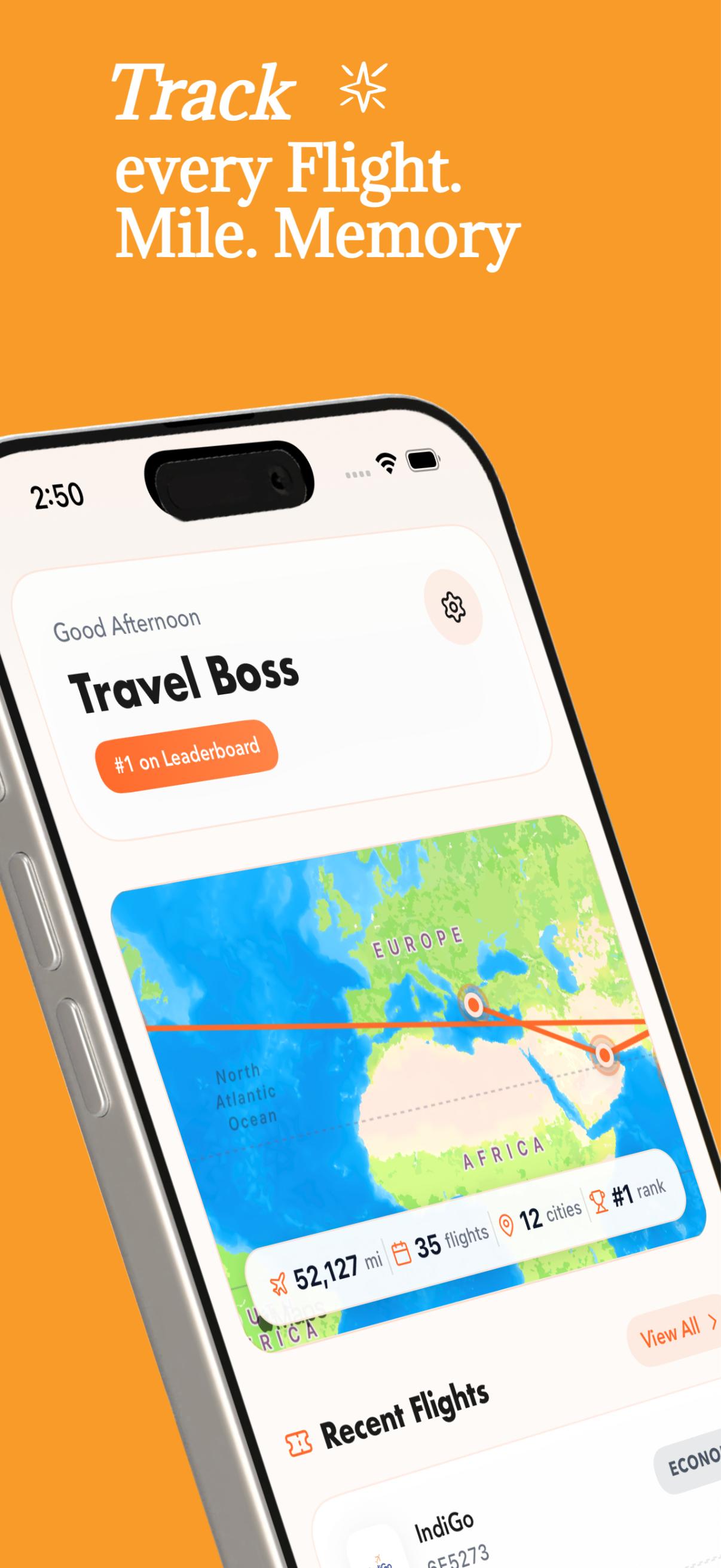
Get Borderly on iOS
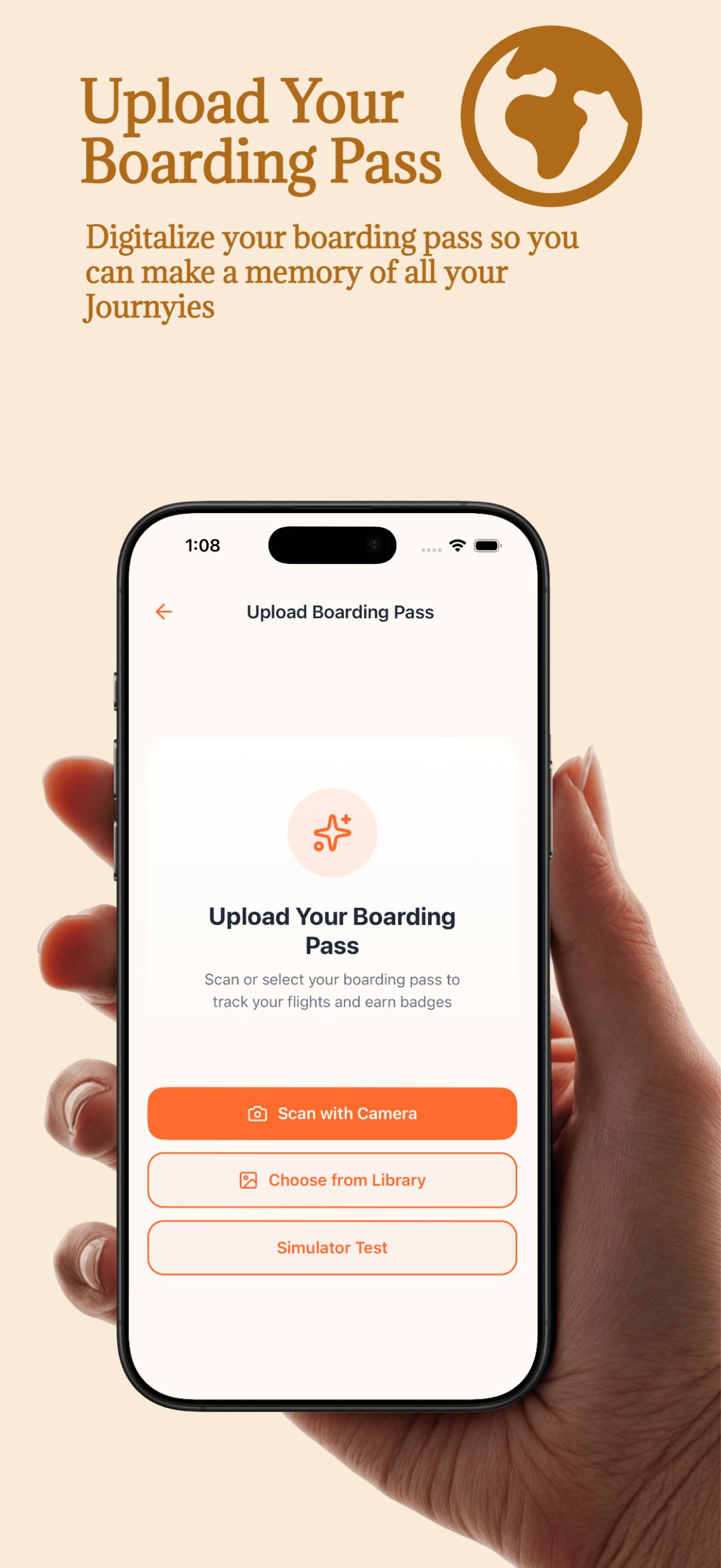
Download the app to generate custom AI trip plans, organize group budgets, and store your boarding wallet — all offline.

Join 2,000+ travelers using Borderly
One app for the whole trip
AI trip planning, group budgets, and a boarding pass wallet — everything this guide covers, in your pocket.
AI Trip Planning
Generate personalized itineraries with real-time pricing, route optimization, and local recommendations.
Group Planning & Budgeting
Invite travel companions, split costs, vote on activities, and keep everyone aligned.
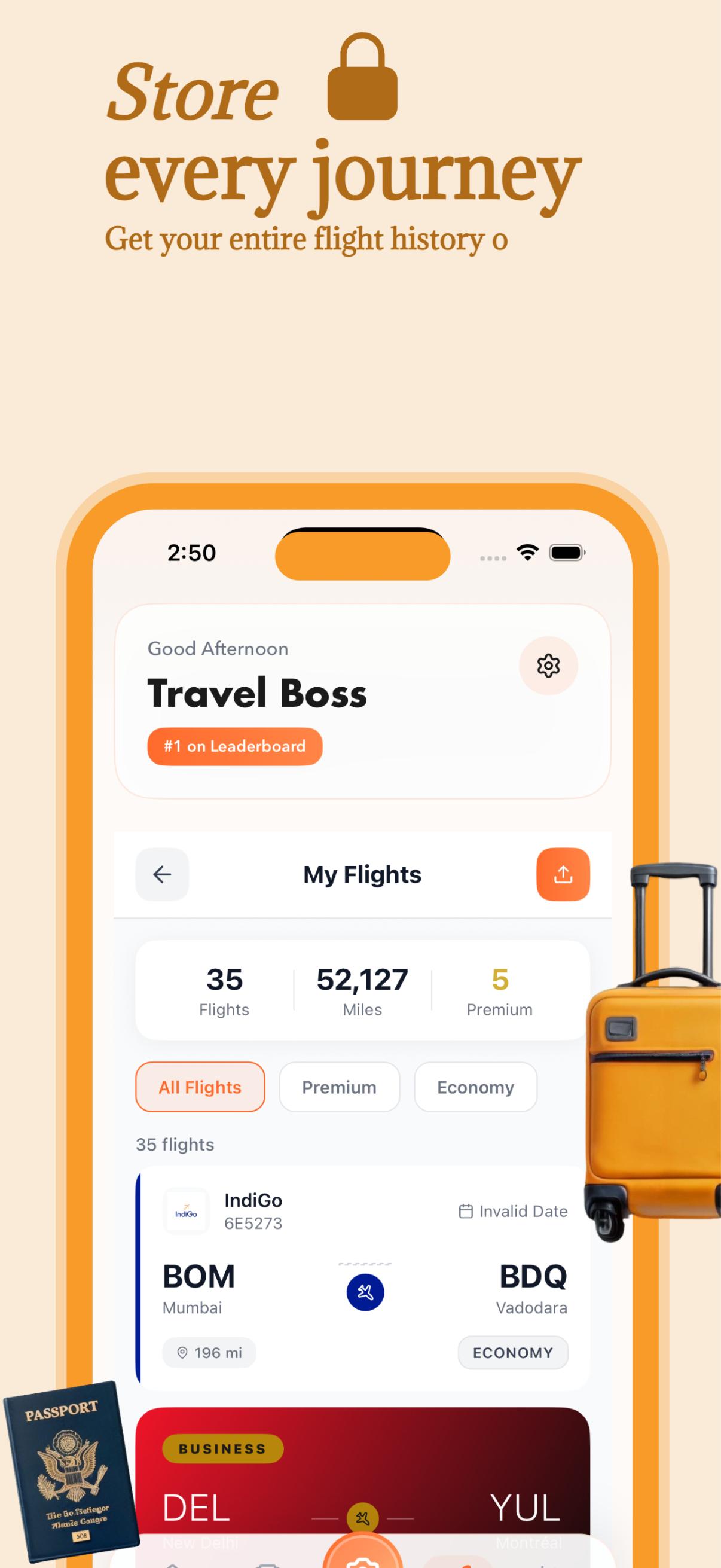
Boarding Wallet & History
Store every boarding pass, track your travel history, and visualize your journey on a map.
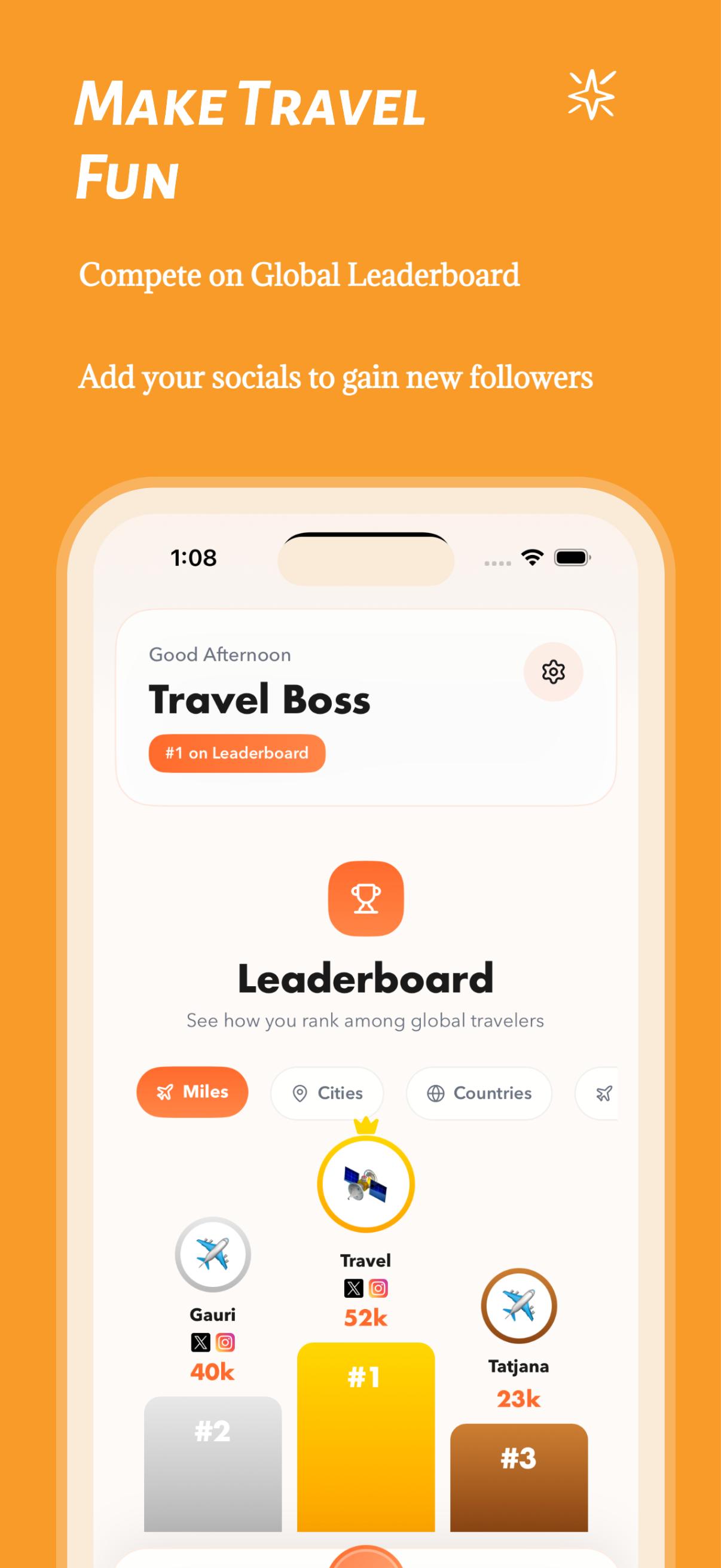
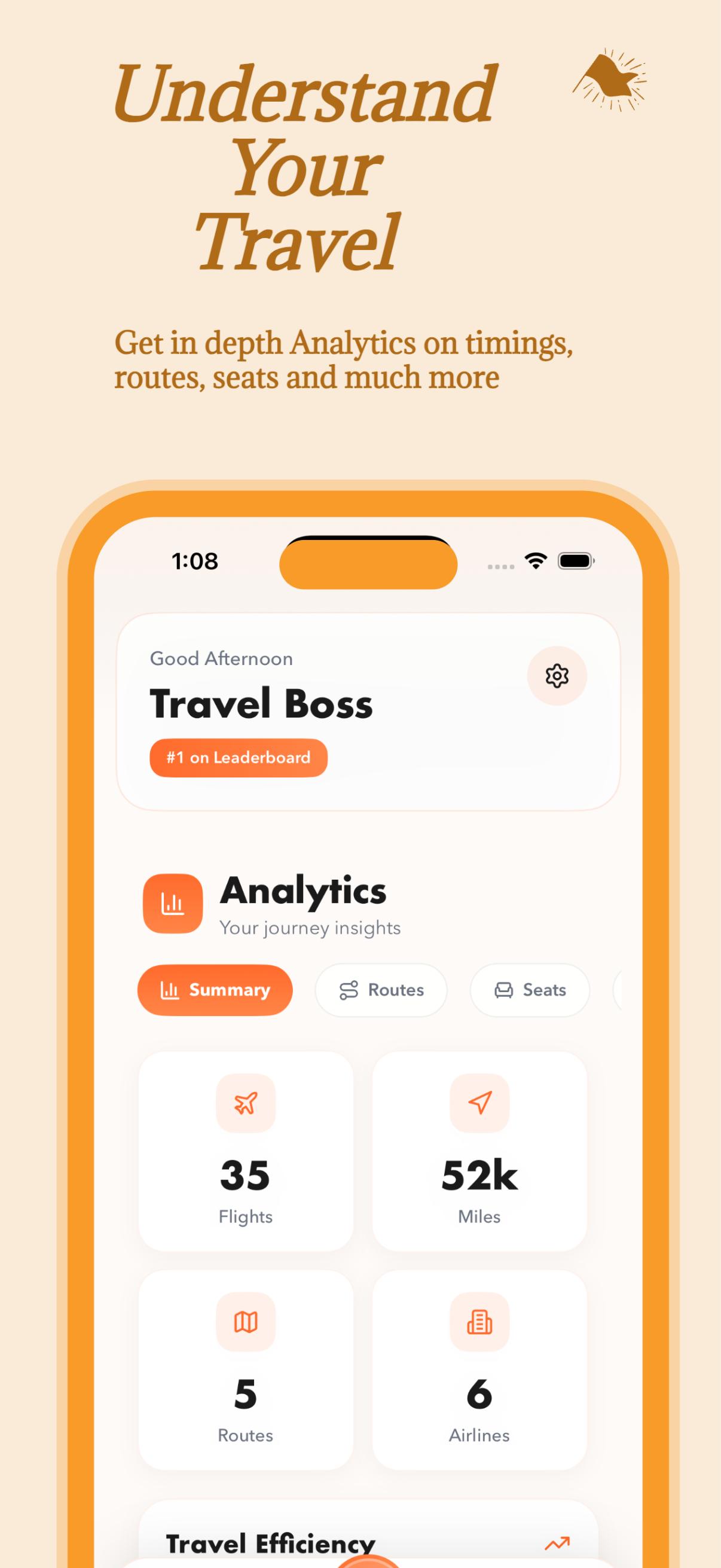
Leaderboard & Achievements
Earn badges for every destination, climb the global rankings, and compete with fellow travelers.
Travel Concierge
Get personalized booking assistance, curated recommendations, and priority support — all in-app.
Route directions & coordinate spots
The actual itinerary roadmap — coordinates, transit directions, and details for every stop.
Thermae Bath Spa, UK
This is the only natural thermal spa in the UK where you can bathe in mineral-rich waters. It offers exceptional accessibility features including lift access to the rooftop pool and specialized chairs. The restorative properties of the water provide relief for chronic joint inflammation, with sessions costing £45 for a two-hour experience. It remains a pinnacle of accessible wellness for those managing long-term physical discomfort.
Copenhagen, Denmark
Copenhagen is arguably the most accessible city in Europe, with 90% of public transport and museum entrances being step-free. The city’s flat topography and wide, smooth cycling lanes make it perfect for individuals using mobility aids. The 'Copenhagen Card' covers all transport and entries, starting at 450 DKK ($65), ensuring seamless navigation for travelers who fatigue easily or require predictable infrastructure.
Singapore
Singapore offers an unparalleled 'barrier-free' environment with the Code on Barrier-Free Accessibility ensuring almost every public space has ramp, lift, or tactile path access. The air-conditioned walkways protect those sensitive to heat exhaustion, a common trigger for many chronic conditions. Healthcare facilities are world-class, and public transit is designed for universal usability, making it an ideal choice for high-support travelers needing medical proximity.
Vienna, Austria
Vienna leads in inclusive tourism through its 'Wien für Alle' initiative, providing detailed accessibility maps for every major attraction. The city's tram system is 95% low-floor, allowing for effortless transit. With frequent benches in public squares like Rathausplatz, it caters to those who require frequent rest. It is a culturally rich environment that does not compromise on accessibility, with museum entry for disabled persons often discounted by 50%.
Lake Louise, Canada
Lake Louise offers a rare opportunity for nature immersion with a paved, accessible lakeshore trail. Despite its rugged reputation, the Fairmont Chateau Lake Louise provides specialized rooms with grab bars and roll-in showers. During the summer, visitors can enjoy the breathtaking mountain vistas without needing to navigate difficult terrain. This is a top-tier destination for travelers who need the mental health benefits of nature without the physical strain.
Kyoto, Japan
Kyoto has invested heavily in 'Universal Tourism,' retrofitting temples with wooden ramps and accessible toilets. The city's bus network is highly efficient for those who cannot walk long distances. Many traditional ryokans now offer 'barrier-free' rooms with Western-style beds. While navigating old streets is a challenge, the city's focus on hospitality ensures that staff are consistently trained to assist with mobility limitations, providing a dignified and comfortable travel experience.
Amsterdam, Netherlands
Amsterdam is highly accessible if you stick to the Canal Ring's primary pedestrian zones, which are paved and level. Most canal boats have been retrofitted with elevators for wheelchair users. The city's compact nature means you can minimize transit times, reducing physical energy expenditure significantly. Renting a mobility scooter here is affordable at approximately 20 EUR ($22) per day, opening up the entire historic center for exploration.
Barcelona, Spain
Barcelona provides an exceptional 'accessible beach' service with specialized amphibious chairs and volunteer assistance at Barceloneta Beach. The city’s metro network is 92% accessible, one of the highest rates in Europe. The Eixample district is renowned for its wide, grid-like sidewalks, ideal for those who require stable footing or use walking frames. It is a vibrant, sun-drenched destination that prioritizes inclusivity in its urban design.
Curated tours & experiences
Skip-the-line activity tokens, certified day guides, and unique regional activities.
Interactive suggestions load dynamically based on seasonal availability.
Browse Viator Experiences
Looking for premium curated day-trips, private shuttle transports, or multi-day hiking expeditions? View top activities instantly.
The full guide, stop by stop
Hand-curated notes and specific travel insights, built exclusively for this trip.
Trail Notes
Copenhagen is the global gold standard, with 90% of all public infrastructure rated as accessible for mobility aids.
Beyond the famous bike lanes, the city's bus network is fully equipped with ramps and 'kneeling' features that drop to the curb. For those with chronic fatigue, the 'Copenhagen Card' is a must, as it provides unlimited transport, allowing you to hop on and off transit without worrying about walking distances. The city is remarkably flat, meaning you can traverse entire neighborhoods like Vesterbro or Christianshavn without encountering a single incline. The secret here is to visit the public libraries—they are designed as 'living rooms' with perfect climate control and endless seating, offering the perfect sanctuary if you need to rest for an hour mid-afternoon.
Singapore offers an 'underground city' experience, allowing you to move between shopping, dining, and transit without ever stepping into the humidity.
The city's 'Barrier-Free Accessibility Code' ensures that every new building meets strict design standards. If you are heat-sensitive, the underground walkway network connecting the Marina Bay area is a lifesaver. Avoid the outdoor gardens during midday; instead, utilize the climate-controlled conservatories like the Cloud Forest, which have flat, wide paths and elevator access to every level. Singapore’s medical sector is world-class, meaning that if you have specific medication needs, local pharmacies are incredibly well-stocked with international brands.
Vienna combines imperial grandeur with 95% low-floor transit access across its tram and subway lines.
The city is unique because its 'Wien für Alle' map highlights accessible routes that avoid cobblestones, which are common in the historic center. Don't skip the museums; many, like the Kunsthistorisches Museum, provide free wheelchair rentals and have elevators hidden in plain sight. For a truly restful evening, visit the Cafe Central; while crowded, if you arrive at 10:00 AM, you can secure a table near the entrance, minimizing the need to traverse the hall. The city's reliance on 'Wiener Linien' transit apps means you can check in real-time whether your specific elevator or escalator is currently under maintenance before you even head to the station.
Secure curated tours & day tickets with Viator
Unlock flexible skip-the-line museum tickets, local food walkthroughs, and certified regional guides on Viator.
Take your itinerary everywhere
Sync boarding passes, earn travel badges, climb the global leaderboards, and track multi-currency expenses — all offline.
Crowd Avoidance
- Visit the Louvre of Accessibility: In Vienna, visit the major museums on Tuesday mornings at 9:00 AM to avoid weekend school groups and tour buses.
- The 10 AM Rule: In Copenhagen, complete all 'must-see' outdoor attractions before 10 AM to avoid the bicycle commuter surge and the lunch-time rush.
- Singapore's Midday Siesta: Plan to stay indoors in climate-controlled hubs from 12:30 PM to 3:30 PM; this avoids the heat peak and the largest influx of office-worker crowds.
- Off-Peak Transit: Always avoid public metro travel between 7:30 AM – 9:00 AM and 4:30 PM – 6:30 PM, as crowded trains are physically draining and reduce available space for mobility equipment.
- Book Direct: Use hotel concierge desks to book 'skip-the-line' tickets, as standing in queue for more than 15 minutes is a primary trigger for many chronic illness flare-ups.
- Utilize Side Entrances: Many historic sites in Kyoto have back entrances specifically for accessibility that often have zero queue time compared to the main gate.
Secure curated tours & day tickets with Viator
Unlock flexible skip-the-line museum tickets, local food walkthroughs, and certified regional guides on Viator.
Top Curated Travel Experiences in Best Destinations for Traveling with a Chronic Illness (2026 Guide)
Full-Day Guided Sightseeing Tour in Best Destinations for Traveling with a Chronic Illness (2026 Guide)
Explore the absolute best sights of Best Destinations for Traveling with a Chronic Illness (2026 Guide) with an expert certified local English-speaking guide.
Best Destinations for Traveling with a Chronic Illness (2026 Guide) Hidden Gems & Historical Walking Tour
Step off the beaten path into quiet streets with your storyteller guide.

Suggested Route Order
When planning a trip with chronic illness, prioritize a 'Hub and Spoke' model to minimize the physical energy required for moving luggage and checking in/out of hotels. Select one central 'base' city (such as Vienna) for a 5-7 day stay, and treat day trips as secondary, optional activities rather than mandatory excursions. This prevents the cumulative fatigue that comes with hotel hopping.
- Arrival & Acclimation: Spend the first 24 hours at the hotel or in a single localized area to manage 'travel shock' and calibrate to the local climate.
- Primary Sightseeing: Schedule the highest-priority activity for the second or third day, when energy levels are typically highest.
- Buffer Days: For every two days of activity, schedule one 'buffer' day with zero planned agenda to allow for full recovery.
- Departure: Coordinate transport back to the airport or train station at least four hours before your departure time to avoid the stress of rushing through terminals.
Find cheap flights & multi-city stays
Secure flexible flight pathways, regional connections, and custom travel bundles on Trip.com.
Top Curated Travel Experiences in Best Destinations for Traveling with a Chronic Illness (2026 Guide)
Full-Day Guided Sightseeing Tour in Best Destinations for Traveling with a Chronic Illness (2026 Guide)
Explore the absolute best sights of Best Destinations for Traveling with a Chronic Illness (2026 Guide) with an expert certified local English-speaking guide.
Best Destinations for Traveling with a Chronic Illness (2026 Guide) Hidden Gems & Historical Walking Tour
Step off the beaten path into quiet streets with your storyteller guide.
Getting Between Spots
The key to frictionless movement is identifying which cities support 'point-to-point' accessible ride-sharing. In Singapore, use the Grab app, which offers a 'GrabAssist' feature specifically for elderly or mobility-impaired passengers. In Europe, Uber and Bolt are widely available, but always check if your city requires specific 'handicap' taxis, which can be pre-booked 24 hours in advance through local municipal apps.
| Route | Transport Mode | Approx. Time | Est. Cost (USD) |
|---|---|---|---|
| Vienna Airport to City Center | CAT Train (Level Access) | 16 mins | $14 |
| Singapore Airport to Marina Bay | Grab/Taxi | 25 mins | $20 |
| Copenhagen Center to Tivoli | Bus (Low Floor) | 10 mins | $4 |
| Kyoto Station to Gion | Accessible Bus | 20 mins | $3 |
Local transport hacks: In cities like Vienna, never look for a taxi on the street. Use the 'Taxi 40100' app, which allows you to specify that you need a vehicle with trunk space for a foldable wheelchair. In Singapore, always use the MRT stations; even the deepest stations have multiple lifts, making them more reliable and faster than any surface traffic.
Find cheap flights & multi-city stays
Secure flexible flight pathways, regional connections, and custom travel bundles on Trip.com.

Transport Cost Table
| Route | Method | Time | Est. Cost (Local) | Est. Cost (USD) |
|---|---|---|---|---|
| Vienna Station to Belvedere | Tram 71 | 12 min | €2.40 | $2.60 |
| Copenhagen Airport to City | Metro | 15 min | 30 DKK | $4.30 |
| Singapore CBD to Gardens | GrabAssist | 10 min | S$12 | $9.00 |
| Kyoto Station to Kiyomizu | Accessible Bus | 25 min | ¥230 | $1.50 |
| Barcelona Airport to Center | Aerobús | 35 min | €6.75 | $7.30 |
| Amsterdam Central to Museum | Tram 2 | 15 min | €3.20 | $3.50 |
The total transport budget should be calculated with a 20% buffer. While public transport is cheap, the 'energy cost' of navigating large stations can be high, making private taxi transit a necessary splurge for chronic illness travel.
Find cheap flights & multi-city stays
Secure flexible flight pathways, regional connections, and custom travel bundles on Trip.com.
Where To Base
Staying central is the single most effective way to manage chronic illness. By choosing a hotel within 500 meters of a major transport hub, you eliminate the 'first-mile' problem of getting to your daily activities. In Vienna, stay in the Innere Stadt for total convenience, but look for boutique hotels like 'Hotel Sacher' for premium accessibility, or 'Motel One' for a reliable, mid-range, and elevator-abundant experience.
| Zone | Vibe | Budget | Accessibility Level |
|---|---|---|---|
| Vienna Innere Stadt | Historic/Luxury | $$$ | High |
| Copenhagen Vesterbro | Hip/Mid-range | $$ | Very High |
| Singapore Marina Bay | Modern/Splurge | $$$$ | Excellent |
Mixed-budget groups can easily co-exist in these areas. While one member might splurge on a luxury room in a central hotel for its proximity and roll-in showers, another member of the group can book a 'compact' room in the same hotel or a nearby hostel. Because the infrastructure in these cities is so consistent, the person in the budget accommodation won't be sacrificing accessibility—they will simply be sacrificing room size, while both benefit from the same prime, centrally located neighborhood.
Book Hotels in Best Destinations for Traveling with a Chronic Illness (2026 Guide) with Agoda
Compare premium boutique hotels, resort villas, and historic stays at the guaranteed lowest rates.

Itinerary Day Plan
| Day | Morning | Afternoon | Evening | Est. Cost |
|---|---|---|---|---|
| 1 | Arrival/Hotel Rest | Low-impact city stroll | Light local cafe dinner | $80 |
| 2 | Museum visit (pre-booked) | Park/Garden relaxation | In-room relaxation | $110 |
| 3 | Short city tour | Museum/Library visit | Early dinner in hotel area | $120 |
| 4 | Buffer Day (Rest) | Spa/Treatment | Light evening stroll | $150 |
This itinerary focuses on 'low-density' days. By placing a rest day in the middle of your trip, you prevent the 'post-travel crash' that often hits travelers with chronic conditions by day four or five.
Find cheap flights & multi-city stays
Secure flexible flight pathways, regional connections, and custom travel bundles on Trip.com.
Local Insider Tips
- The 'Coffee Break' Rule: In Vienna, never just have coffee; treat every cafe stop as a mandatory 60-minute rest block.
- Pharmacy Translation: Download the 'Google Lens' app; it can translate foreign medicine labels instantly to ensure you know exactly what is in your medication.
- The Contrarian View: Ignore the advice to 'wake up at dawn to beat the crowds.' If you have a chronic illness, your energy levels are more important than an empty photo. Sleep in and enjoy the city at 11 AM when the peak morning rush has subsided.
- Pre-Booked Accessibility: In many cities, call the attraction 48 hours in advance. They will often have a 'back door' entrance that skips the line entirely for people with limited mobility.
- Water Bottle Hack: In Singapore, don't carry heavy water; utilize the ubiquitous 'water coolers' found in every MRT station and shopping mall.
- Local Apps: Use 'Wheelmap.org' to check the accessibility status of specific restaurants before you travel to that neighborhood.
- Concierge Power: Always ask the hotel concierge to print a card with your hotel's address in the local language—this is a life-saver for taxi drivers.
- Dress in Layers: Even in tropical cities like Singapore, the AC is aggressive. Always carry a light shawl to avoid cold-induced joint stiffness.
Get instant mobile data with Saily eSIM
Stay connected. Skip expensive roaming fees and activate instant high-speed data in seconds with Saily.

Photography And Best Light
The best light for photography is during the 'Golden Hour' (one hour after sunrise or before sunset). However, because these times are peak commuting hours in some cities, prioritize mid-morning light (10:00 AM – 11:30 AM) to maintain a stable, accessible position for your camera. Use a tripod—it doubles as a stabilizing monopod, which is helpful if you need support while standing. Digital Photography School offers excellent guides on travel stability for photographers with physical limitations.
Get instant mobile data with Saily eSIM
Stay connected. Skip expensive roaming fees and activate instant high-speed data in seconds with Saily.
Budget And Cost Context
Managing chronic illness often increases travel costs due to the need for private transport and higher-end accommodation. Expect to spend 25% more than the average traveler.
| Tier | Daily Cost (Accommodation, Food, Transport) |
|---|---|
| Budget | $120 - $180 |
| Mid-range | $250 - $400 |
| Luxury | $600+ |
Always budget for a 'contingency fund' of $500 per week to cover last-minute changes, such as opting for a taxi instead of the train if you feel a flare-up coming on.
Find cheap flights & multi-city stays
Secure flexible flight pathways, regional connections, and custom travel bundles on Trip.com.
Top Restaurants By Budget
| Name | Location | Type | Budget | Must-Order |
|---|---|---|---|---|
| Café Central | Vienna | Austrian | $$$ | Apfelstrudel |
| Torvehallerne | Copenhagen | Food Hall | $$ | Smørrebrød |
| Lau Pa Sat | Singapore | Hawker | $ | Satay |
Food halls are excellent for travelers with chronic illnesses because they offer a variety of seating, accessible toilets, and the ability to choose your own pace without the pressure of full table service.
Secure curated tours & day tickets with Viator
Unlock flexible skip-the-line museum tickets, local food walkthroughs, and certified regional guides on Viator.
Food And Drink Highlights
Stick to food halls or 'market-style' dining. In Copenhagen, Torvehallerne is a dream—accessible, varied, and plenty of places to sit. In Singapore, 'Hawker Centers' are the backbone of local dining; while they look busy, they have dedicated accessible areas. Always check Eater for specific accessibility notes in restaurant reviews.
Secure curated tours & day tickets with Viator
Unlock flexible skip-the-line museum tickets, local food walkthroughs, and certified regional guides on Viator.
Safety Considerations
- Medical ID: Always wear a medical ID bracelet in the local language.
- Emergency Numbers: In Europe, dial 112; in Singapore, dial 999.
- Insurance: Only use providers like 'World Nomads' that offer explicit coverage for 'pre-existing conditions'—many standard policies will deny claims if they discover a history of your illness.
- Medication: Always carry a copy of your doctor's prescription in English, regardless of the country.
Get instant mobile data with Saily eSIM
Stay connected. Skip expensive roaming fees and activate instant high-speed data in seconds with Saily.
Seasonal Variations
| Month | Weather | Crowd | Notes |
|---|---|---|---|
| Jan | Cold | Low | Best for museums |
| Feb | Cold | Low | Avoid if joint pain triggered by cold |
| March | Mild | Medium | Good balance |
| April | Mild | Medium | Excellent for bloom |
| May | Warm | High | Crowded |
| June | Warm | High | Very crowded |
| July | Hot | High | Avoid heat sensitivity |
| Aug | Hot | High | Peak travel |
| Sept | Mild | Medium | Best overall |
| Oct | Cool | Medium | Great foliage |
| Nov | Cold | Low | Quiet |
| Dec | Cold | High | Festive crowds |
For those with chronic illness, September and May are generally the best months as the moderate temperatures reduce the physical strain of regulating body temperature.
Book top guided activities and tickets in Best Destinations for Traveling with a Chronic Illness (2026 Guide)
Skip the long queues, discover hidden gems, and book 100% free-cancellation activities on Viator with live local support.
Equipment And Gear Advice
- Collapsible Seat: A lightweight cane-chair hybrid is essential for waiting in lines.
- Noise Cancelling Headphones: Essential for reducing sensory overload in busy transport hubs.
- Portable Power Bank: Crucial for keeping your medical/mapping apps running all day.
- Compression Socks: A must for any travel involving flights or long train rides.
- Water Filtration Bottle: Ensures access to clean water anywhere.
- Small Pill Organizer: Avoid carrying bulky original bottles.
- Hard-sided Rolling Luggage: Easier to navigate than backpacks.
- Comfortable Walking Shoes: Ensure they are broken in 2 weeks before travel.
Get instant mobile data with Saily eSIM
Stay connected. Skip expensive roaming fees and activate instant high-speed data in seconds with Saily.
Local Festivals And Events
| Event | Month | Location | Why | Tip |
|---|---|---|---|---|
| Vienna Ball | Jan | Vienna | Cultural immersion | Book months ahead |
| Copenhagen Jazz | July | Copenhagen | Great acoustics | Reserve indoor seating |
Always research 'Accessible Viewing Areas' for events. Most major cities designate specific zones for people with disabilities, which also happen to be less crowded.
Book top guided activities and tickets in Best Destinations for Traveling with a Chronic Illness (2026 Guide)
Skip the long queues, discover hidden gems, and book 100% free-cancellation activities on Viator with live local support.
Sustainable Travel Tips
- Local Spending: Choose locally owned cafes over international chains to support the community.
- Public Transit: Stick to the rail systems; they are significantly lower-carbon than ride-sharing.
- Water: Use a refillable bottle to reduce plastic waste in popular tourist spots.
- Ethical Tours: Use operators that hire local guides.
Get instant mobile data with Saily eSIM
Stay connected. Skip expensive roaming fees and activate instant high-speed data in seconds with Saily.
Neighborhood Guide
Innere Stadt, Vienna
This is the historic heart. While it can be busy, the density of museums and cafes means you never have to walk far to find a seat or an accessible toilet. Best streets: Kärntner Straße.
Vesterbro, Copenhagen
A trendy, accessible zone with wide sidewalks and a high concentration of cafes. Perfect for a slow-paced trip. Best streets: Vesterbrogade.
Marina Bay, Singapore
A masterclass in accessibility. Elevated walkways and air-conditioned shopping malls make this the easiest place to explore on earth. Best streets: Bayfront Avenue.
Book Hotels in Best Destinations for Traveling with a Chronic Illness (2026 Guide) with Agoda
Compare premium boutique hotels, resort villas, and historic stays at the guaranteed lowest rates.
Alternative Options
Who Should Skip This
Travelers who require intense wilderness immersion or off-the-beaten-path adventure should skip these major urban centers. These spots are built for convenience and accessibility, not for rugged, unsupported exploration.
Alternatives: Consider 'Accessible Eco-Retreats' in regions like Costa Rica, which offer specialized nature tours for limited-mobility travelers, or look into cruise lines that specialize in 'inclusive' routes with guided, accessible shore excursions.
Book top guided activities and tickets in Best Destinations for Traveling with a Chronic Illness (2026 Guide)
Skip the long queues, discover hidden gems, and book 100% free-cancellation activities on Viator with live local support.
Frequently Asked Questions
- Is Vienna worth it in 2026 for someone with limited mobility?
- Vienna is exceptionally worth visiting due to its 'Wien für Alle' accessibility initiative that ensures almost every major landmark is retrofitted for ease of access. The city's low-floor tram system provides the most efficient, energy-saving way to move through a major European capital.
- What is the best month to visit Copenhagen with chronic fatigue?
- September is the optimal month to visit Copenhagen because the weather is mild and the summer peak crowds have diminished, significantly reducing the energy required for navigation. The cooler, crisp air is generally better for chronic illness management than the high humidity of summer.
- Are public restrooms accessible in Singapore?
- Public restrooms in Singapore are consistently clean and accessible, adhering to a strict national code for universal design found in every shopping mall, MRT station, and park. You will find them to be more reliable than in almost any other global destination.
- How do I handle medical emergencies abroad?
- Always have a copy of your medical history, current prescriptions, and travel insurance details translated into the local language before departure. Keep the phone number of your home country's embassy in your contacts list as an immediate reference.
Book top guided activities and tickets in Best Destinations for Traveling with a Chronic Illness (2026 Guide)
Skip the long queues, discover hidden gems, and book 100% free-cancellation activities on Viator with live local support.
Final CTA
Book top guided activities and tickets in Best Destinations for Traveling with a Chronic Illness (2026 Guide)
Skip the long queues, discover hidden gems, and book 100% free-cancellation activities on Viator with live local support.
Ready to track your travels?
Join thousands of travelers using Borderly to plan trips, track expenses, store boarding passes, and compete on the global leaderboard.