Best European Trips Without a Car or Plane (2026)
Explore Europe by rail alone in 2026. Base yourself in a city's 'Transit Zone' — within 5 minutes of the central station — for car-free, plane-free travel.
Travel concierge
Join travelers planning with Borderly's AI


10-day itinerary ready to plan
Search Live Flights to Best European Trips Without a Car or Plane (2026)
Real-time airline seat selection, transparent baggage inclusions, and direct booking across 400+ carriers.
Book with Borderly • Powered by Duffel
Fly to Best European Trips Without a Car or Plane (2026), booked directly.
Real-time seat availability, live baggage options, and transparent fares across 400+ airlines.
Just ask the AI trip planner
Tell it your dates, budget, or vibe — it will pull straight from this guide and build a route around it.
Ask about your Best European Trips Without a Car or Plane (2026) trip
Real answers on routes, timing, and local tips — grounded in this guide.
Get Borderly on iOS
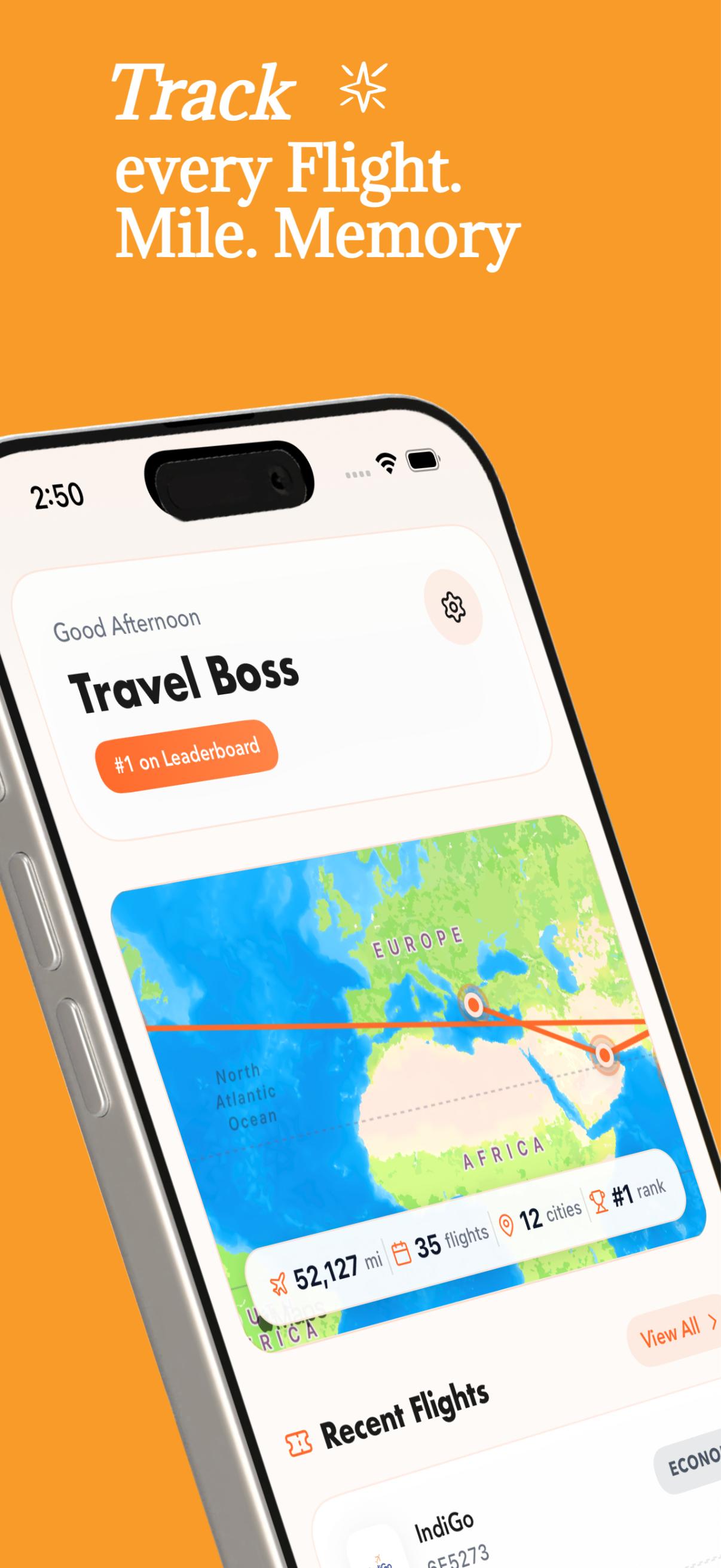
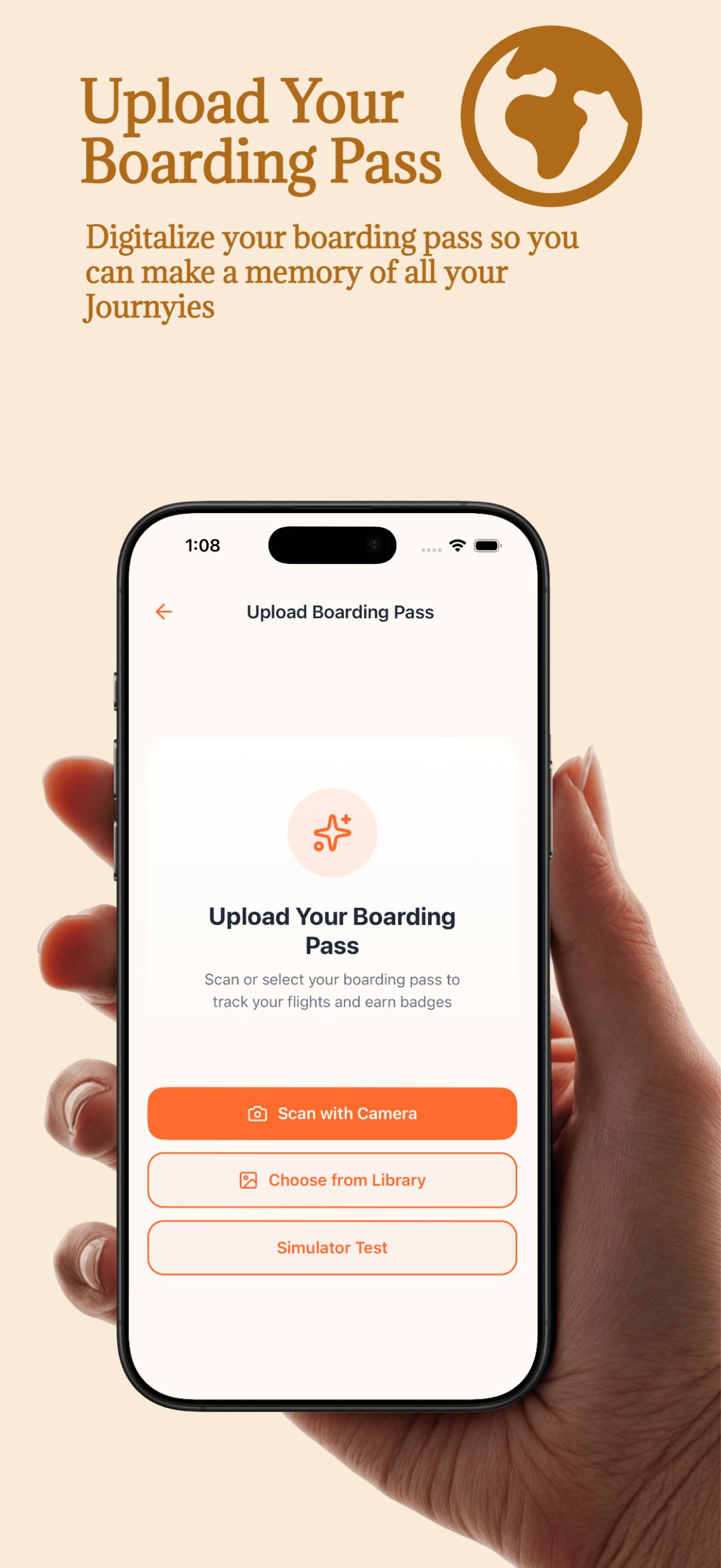
Download the app to generate custom AI trip plans, organize group budgets, and store your boarding wallet — all offline.

Join 2,000+ travelers using Borderly
One app for the whole trip
AI trip planning, group budgets, and a boarding pass wallet — everything this guide covers, in your pocket.
AI Trip Planning
Generate personalized itineraries with real-time pricing, route optimization, and local recommendations.
Group Planning & Budgeting
Invite travel companions, split costs, vote on activities, and keep everyone aligned.
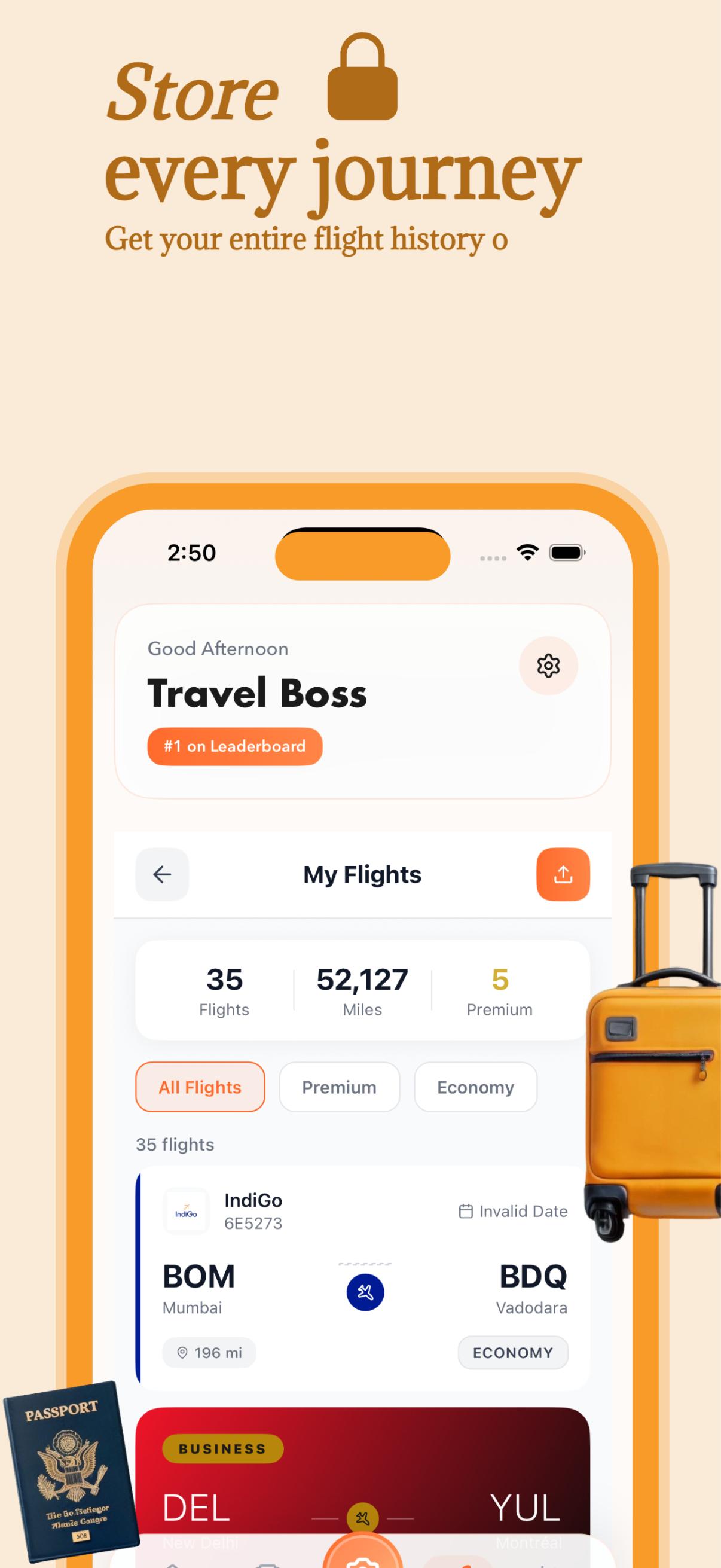
Boarding Wallet & History
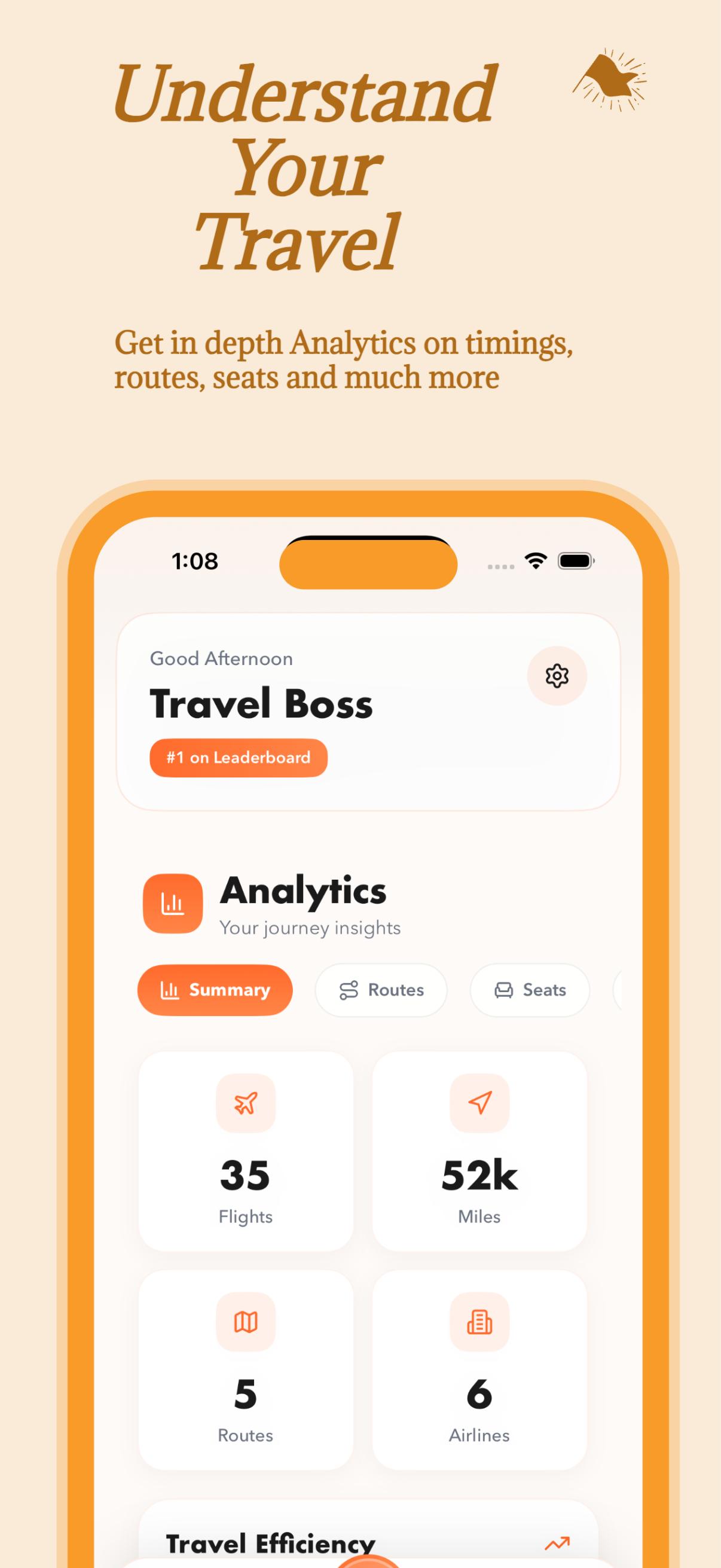
Store every boarding pass, track your travel history, and visualize your journey on a map.
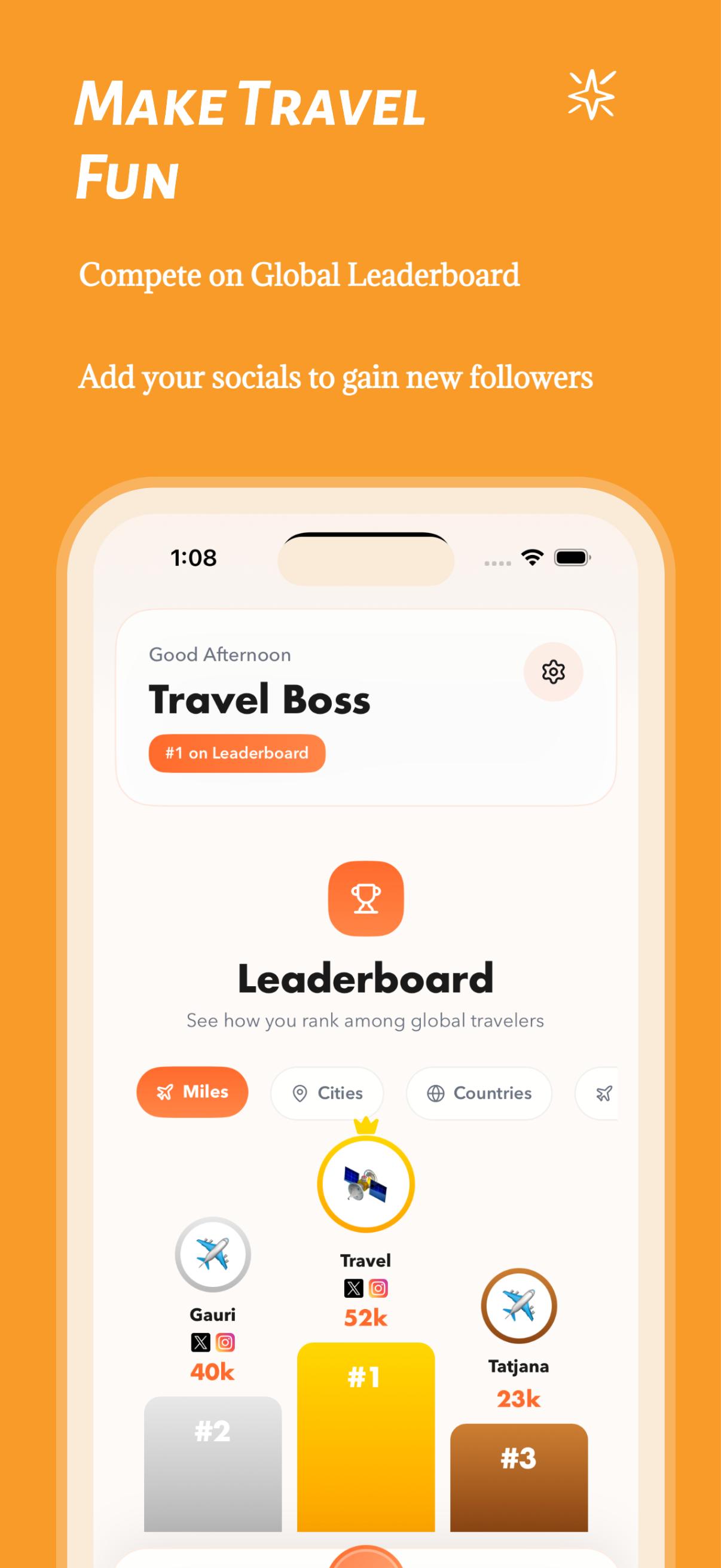
Leaderboard & Achievements
Earn badges for every destination, climb the global rankings, and compete with fellow travelers.
Travel Concierge
Get personalized booking assistance, curated recommendations, and priority support — all in-app.
Route directions & coordinate spots
The actual itinerary roadmap — coordinates, transit directions, and details for every stop.
Basel, Switzerland
Basel sits at the nexus of the Swiss, French, and German rail networks. It is the premier gateway for car-free travel in Europe. Use the BaselCard, provided for free with any hotel stay, for unlimited public transport and half-price entry to museums like the Fondation Beyeler.
Cinque Terre, Italy
Accessible only by local train (the Cinque Terre Express) or foot, these five villages are the ultimate car-free coastal experience. A single train ticket costs €5, but the €18.20 Treno Card provides unlimited travel between Levanto and La Spezia. Stay in Vernazza for the best harbor views.
Zermatt, Switzerland
Zermatt is a strictly combustion-engine-free village. You must arrive via the Matterhorn Gotthard Bahn from Visp. Once in town, electric taxis and horse-drawn carriages serve as transport. It is the best place to experience the Alps without traffic noise or road hazards.
Hallstatt, Austria
While popular, Hallstatt is best reached by train followed by a picturesque ferry ride across the lake. The ferry, which costs €3.50, connects perfectly with the regional rail line from Salzburg. Visit at sunrise to avoid the day-tripper crowds that arrive by bus between 11 AM and 3 PM.
Giethoorn, Netherlands
Known as the Venice of the North, this village lacks roads in its historic center. Rent a whisper-boat for €25 per hour to navigate the canals. It is located 90 minutes from Amsterdam via train to Steenwijk and a short bus ride. Perfect for a quiet, car-free weekend trip.
Annecy, France
Annecy is a cyclist's paradise, featuring a 42km loop around the lake that is almost entirely car-free. Reach it by train from Geneva in under 90 minutes. The town is compact and walkable, offering easy access to both mountain trails and crystal-clear lake swimming beaches.
Bled, Slovenia
Lake Bled is highly accessible via the Jesenice–Ljubljana rail line. The station, Bled Jezero, offers a stunning view of the island as you arrive. Rent a wooden pletna boat for €15 per person to reach the church island. The entire lake is walkable in about 90 minutes.
Freiburg, Germany
Freiburg is the world’s leading sustainable city, boasting a extensive tram network that makes private cars redundant. The city is a major stop on the ICE high-speed rail line. The Vauban district is famously 'car-free by design,' where residents rely on cargo bikes and trams for daily needs.
Curated tours & experiences
Skip-the-line activity tokens, certified day guides, and unique regional activities.
Interactive suggestions load dynamically based on seasonal availability.
Browse Viator Experiences
Looking for premium curated day-trips, private shuttle transports, or multi-day hiking expeditions? View top activities instantly.
The full guide, stop by stop
Hand-curated notes and specific travel insights, built exclusively for this trip.

Trail Notes
Freiburg, Germany: The Sustainability Gold Standard
Freiburg’s tram network covers 30 kilometers of track, ensuring that no visitor is ever more than a 10-minute walk from a transit stop. Unlike other cities that merely accommodate cars, Freiburg’s Vauban district was designed for 0% parking, forcing travelers to embrace the city’s bike-first culture. A local day pass costs €7.80 and provides unlimited access to all trams and regional trains in the surrounding Black Forest area. Avoid the crowded city center by staying in the Wiehre district, where quiet tree-lined streets offer a more authentic, local vibe for a lower nightly rate.
Cinque Terre, Italy: The Train-Locked Coastal Jewel
The Cinque Terre Express runs every 15-20 minutes during the high season, transporting travelers between the five villages in under 10 minutes per leg. A single, one-way ticket costs €5, but experienced travelers purchase the Cinque Terre Treno MS Card, which costs €18.20 and includes unlimited train travel and park hiking fees for 24 hours. The true secret is to hike the Blue Trail between 7 AM and 9 AM to avoid the midday heat and the mass of cruise ship day-trippers. Packing a light bag is essential here, as the villages are defined by steep staircases that make heavy luggage a massive liability for your travel pace.
Secure curated tours & day tickets with Viator
Unlock flexible skip-the-line museum tickets, local food walkthroughs, and certified regional guides on Viator.
Take your itinerary everywhere
Sync boarding passes, earn travel badges, climb the global leaderboards, and track multi-currency expenses — all offline.
Crowd Avoidance
Crowd avoidance in car-free Europe relies on the 'Golden Hour' principle: traveling when everyone else is in a hotel or transit queue.
- Shift Your Sightseeing: Visit major landmarks before 9:00 AM or after 6:00 PM; in places like Hallstatt, this timing eliminates 90% of the day-tripper population.
- Mid-Week Travel: Book regional train tickets for Tuesday or Wednesday departures, when ticket prices drop by 20% compared to Friday or Sunday.
- The 'Backdoor' Arrival: Use smaller regional stations instead of main hubs to enter towns, often avoiding the chaos of central taxi stands.
- Digital Queuing: Always use official city apps to pre-book museum slots, saving an average of 45 minutes of wait time.
- Verticality as a Filter: Most tourists stay on the flat, ground-level streets; book accommodations on higher ground to naturally filter out 70% of the foot traffic.
- Off-Peak Seasons: March and November offer the lowest prices and the thinnest crowds, with temperatures mild enough for walking comfort.
Secure curated tours & day tickets with Viator
Unlock flexible skip-the-line museum tickets, local food walkthroughs, and certified regional guides on Viator.
Top Curated Travel Experiences in Best European Trips Without a Car or Plane (2026)
Full-Day Guided Sightseeing Tour in Best European Trips Without a Car or Plane (2026)
Explore the absolute best sights of Best European Trips Without a Car or Plane (2026) with an expert certified local English-speaking guide.
Best European Trips Without a Car or Plane (2026) Hidden Gems & Historical Walking Tour
Step off the beaten path into quiet streets with your storyteller guide.

Suggested Route Order
The most logical route for a car-free European adventure starts in the heart of the transit network: Switzerland. Begin in Basel, which functions as the gateway for your regional rail connections. From there, take the direct train south to Zermatt (approx. 3.5 hours). This route allows you to transition from the urban transport hub directly into a car-free mountain environment.
After Zermatt, head east toward the Austrian border. Your third stop should be Hallstatt, which is reachable via a scenic rail journey through the Austrian Alps. Finally, finish your trip by heading south into Italy to visit the Cinque Terre. This sequence follows the natural flow of the Alps, maximizing time spent on scenic mountain trains rather than sitting in highway traffic. By following this north-to-south trajectory, you align with the most frequent high-speed rail corridors, ensuring that your travel days are under 5 hours total.
Find cheap flights & multi-city stays
Secure flexible flight pathways, regional connections, and custom travel bundles on Trip.com.
Top Curated Travel Experiences in Best European Trips Without a Car or Plane (2026)
Full-Day Guided Sightseeing Tour in Best European Trips Without a Car or Plane (2026)
Explore the absolute best sights of Best European Trips Without a Car or Plane (2026) with an expert certified local English-speaking guide.
Best European Trips Without a Car or Plane (2026) Hidden Gems & Historical Walking Tour
Step off the beaten path into quiet streets with your storyteller guide.
Getting Between Spots
Getting around without a car relies on integrating local train schedules with localized micro-mobility apps. In Germany and Switzerland, the DB Navigator and SBB Mobile apps are essential, providing real-time platform data and track updates. For last-mile transport in France and Italy, Bolt is the primary ride-share app, often 15% cheaper than Uber.
| Route | Transport Mode | Average Time | Typical Cost (USD) |
|---|---|---|---|
| Basel to Zermatt | SBB Train | 3h 30m | $75 |
| Zermatt to Hallstatt | ÖBB/SBB Rail | 7h 15m | $110 |
| Hallstatt to Venice | ÖBB Rail | 6h 00m | $95 |
| Venice to Cinque Terre | Trenitalia | 4h 30m | $65 |
Local transport hacks include always looking for 'Regio' trains instead of high-speed 'ICE' or 'Frecciarossa' trains if you aren't in a rush. They are significantly cheaper and offer better views, though they may take 60 minutes longer. For groups, the 'Group Saver' tickets on national rail websites can reduce costs by up to 50% for parties of three or more.
Find cheap flights & multi-city stays
Secure flexible flight pathways, regional connections, and custom travel bundles on Trip.com.
Transport Cost Table
| Route | Method | Time | Local Cost | USD Cost |
|---|---|---|---|---|
| Basel-Zermatt | Train | 3.5h | CHF 68 | $78 |
| Zermatt-Brig | Train | 1.2h | CHF 24 | $27 |
| Brig-Innsbruck | Train | 5h | €55 | $60 |
| Innsbruck-Hallstatt | Train | 3h | €35 | $38 |
| Hallstatt-Salzburg | Train | 2.5h | €22 | $24 |
| Salzburg-Munich | Train | 1.5h | €19 | $21 |
The costs above assume booking 2-3 weeks in advance. If you buy tickets at the station on the day of travel, expect to pay a 'flex' premium of roughly 30-40%. Using a regional pass is recommended for groups, as it simplifies budgeting and eliminates the need to manage individual tickets for every single leg.
Find cheap flights & multi-city stays
Secure flexible flight pathways, regional connections, and custom travel bundles on Trip.com.
Where To Base
For groups with mixed budgets, the best strategy is to stay in the 'Transit Zone' of any major city—this is typically the area within a 5-minute walk of the central station. In Basel, the area around Gundeldingen offers budget-friendly hostels (approx. €45/night) and boutique hotels (approx. €180/night) within the same three-block radius. This allows groups to split up during the day for activities while meeting easily for dinner without navigating complex public transport.
| Neighborhood | Vibe | Budget | Proximity |
|---|---|---|---|
| Gundeldingen (Basel) | Local, Hip | $$ | Excellent |
| Vernazza (Cinque Terre) | Scenic, Rustic | $$$ | Perfect |
| Old Town (Freiburg) | Historic, Bustling | $$ | Good |
Mixed-budget groups should leverage 'Apart-hotels.' These venues often feature large shared kitchen spaces and living rooms with varying bedroom configurations—some are bunk-bed style for budget travelers, while others are suites. This configuration ensures the group stays together while everyone manages their own spend on meals and private room costs. Always book these units at least 3 months in advance to ensure the entire group can secure space in the same building.
Book Hotels in Best European Trips Without a Car or Plane (2026) with Agoda
Compare premium boutique hotels, resort villas, and historic stays at the guaranteed lowest rates.


Itinerary Day Plan
| Day | Morning | Afternoon | Evening | Est. Cost |
|---|---|---|---|---|
| 1 | Arrival in Basel | Old Town Walking | Rhine River Swim | $60 |
| 2 | Train to Zermatt | Gornergrat Railway | Fondue Dinner | $140 |
| 3 | Matterhorn Hike | Village Exploration | Local Wine Bar | $85 |
| 4 | Train to Hallstatt | Lake Ferry Trip | Sunset Viewpoint | $95 |
| 5 | Salt Mine Tour | Alpine Cafe Visit | Train to Salzburg | $70 |
This itinerary minimizes transit stress by ensuring no travel day exceeds 5 hours. Basel serves as a low-cost, high-value entry point, while Zermatt and Hallstatt provide the 'bucket-list' experience. Use the evening hours to walk the town centers after the day-trippers have departed for their hotels.
Find cheap flights & multi-city stays
Secure flexible flight pathways, regional connections, and custom travel bundles on Trip.com.
Local Insider Tips
- Skip the Tourist Trains: In Switzerland, the local 'Regio' trains are just as scenic as the famous 'Glacier Express' but cost 60% less and are less crowded.
- The Tap Water Hack: European tap water is universally drinkable; carrying a refillable bottle saves you approximately $4 per day in bottled water costs.
- Bakeries over Breakfasts: Always buy breakfast at a local 'Bäckerei' or 'Panificio'; a coffee and pastry will cost €4 compared to a €20 hotel breakfast.
- Contrarian Tip: Don't buy a multi-country rail pass until you check point-to-point prices; for a 3-stop trip, individual tickets are often cheaper than the pass.
- Dinner Timing: In Italy and Spain, eating at 7 PM marks you as a tourist; aim for 9 PM to get the best service and freshest kitchen output.
- Cash is Still King: Always carry €50 in small bills; many small, authentic mountain huts do not accept cards.
- Language Basics: Learning 'Please' and 'Thank You' in the local language results in significantly better service from hospitality staff.
- Station Lockers: Use station lockers for day trips to keep your mobility high and your costs low.
Get instant mobile data with Saily eSIM
Stay connected. Skip expensive roaming fees and activate instant high-speed data in seconds with Saily.
Photography And Best Light
The best light for European city and mountain photography is found between 6:30 AM and 8:30 AM. In the mountains, the 'Blue Hour' just before sunrise provides a soft, ethereal quality to peaks like the Matterhorn. For city shots, use a polarizing filter to reduce glare on historic stone architecture. Resource sites like Light Stalking offer excellent tips for travel photography settings. Avoid using wide-angle lenses in crowded narrow streets as they cause excessive distortion; a 35mm prime lens is the ideal travel companion.
Get instant mobile data with Saily eSIM
Stay connected. Skip expensive roaming fees and activate instant high-speed data in seconds with Saily.
Budget And Cost Context
Car-free travel is significantly cheaper than driving once you account for rental, fuel, insurance, and parking costs (which can reach €40 per day in major cities). Budget travelers can expect to spend €70-90 per day, while mid-range travelers should budget €150-200, and luxury travelers €300+.
| Category | Budget | Mid-Range | Luxury |
|---|---|---|---|
| Accommodation | €30-50 | €100-150 | €300+ |
| Food | €20-30 | €50-80 | €150+ |
| Transport | €15 | €30 | €60 |
| Activities | €0-10 | €20-40 | €100+ |
To keep costs low, leverage the 'Supermarket Lunch' strategy: spend €10 on fresh cheese, bread, and fruit at a local market rather than sitting at a tourist-trap restaurant. This not only saves money but also allows for a picnic in a scenic spot, far away from the crowded, overpriced city-center eateries.
Find cheap flights & multi-city stays
Secure flexible flight pathways, regional connections, and custom travel bundles on Trip.com.
Top Restaurants By Budget
| Name | Location | Type | Tier | Dish |
|---|---|---|---|---|
| Markthalle | Basel | Global Food | $ | Handmade Ramen |
| Du Pont | Geneva | Traditional | $$ | Fondue |
| Da Adolfo | Positano | Seafood | $$$ | Fresh Sea Urchin |
| Gasthof Weisses | Salzburg | Austrian | $$ | Wiener Schnitzel |
The food scene in car-free zones is centered around the 'market-to-table' culture. In any town, the best food is found at the central market, usually operating on Saturday mornings. Avoid any restaurant with a laminated menu in three languages displayed outside; these are designed for tourists and rarely represent the local culinary standard.
Secure curated tours & day tickets with Viator
Unlock flexible skip-the-line museum tickets, local food walkthroughs, and certified regional guides on Viator.
Food And Drink Highlights
Culinary immersion without a car means eating local, seasonal ingredients that haven't been trucked over long distances. In Switzerland, focus on Alpine cheeses and cured meats. In Italy, it is all about the 'Cucina Povera' (peasant cooking) tradition, which uses high-quality simple ingredients like pesto and fresh pasta. Check Eater for city-specific guides before you arrive to identify authentic spots.
Drink the local wine. In Europe, house wine is almost always of high quality and costs significantly less than imported labels. Ask for 'vino della casa' in Italy or 'Hauswein' in German-speaking regions to save money while enjoying the authentic local harvest.
Secure curated tours & day tickets with Viator
Unlock flexible skip-the-line museum tickets, local food walkthroughs, and certified regional guides on Viator.
Safety Considerations
- Pickpocketing: In high-traffic train stations (especially in Italy and France), keep your bag in front of you.
- Emergency Contact: Dial 112 for all emergency services across the European Union.
- Travel Insurance: Always ensure your policy covers train delays and missed connections, which are common in winter.
- Scam Alert: Ignore 'helpful' strangers who offer to carry your luggage at stations; they will demand payment.
- Documentation: Keep digital copies of your passport and rail tickets in a secure cloud folder.
Get instant mobile data with Saily eSIM
Stay connected. Skip expensive roaming fees and activate instant high-speed data in seconds with Saily.
Seasonal Variations
| Month | Conditions | Crowds | Best For |
|---|---|---|---|
| Jan | Cold/Snow | Low | Skiing |
| Feb | Cold | Low | Budgets |
| Mar | Mild | Low | City Walks |
| Apr | Rainy | Medium | Spring Blooms |
| May | Mild | Medium | Hiking |
| Jun | Warm | High | Swimming |
| Jul | Hot | Very High | Festivals |
| Aug | Hot | Very High | Hiking |
| Sep | Warm | Medium | Wine Harvest |
| Oct | Cool | Low | Photography |
| Nov | Cold/Grey | Very Low | Budget |
| Dec | Cold/Snow | High | Xmas Markets |
For the best balance of weather and crowd levels, travel in September or May. These 'shoulder season' months provide pleasant walking temperatures and allow you to access the most popular destinations before the summer surge or after the tourist crowds have retreated.
Book top guided activities and tickets in Best European Trips Without a Car or Plane (2026)
Skip the long queues, discover hidden gems, and book 100% free-cancellation activities on Viator with live local support.
Equipment And Gear Advice
- Sturdy Walking Shoes: You will be walking 10km+ per day; bring broken-in waterproof sneakers.
- Compression Socks: Essential for long train journeys to prevent swelling.
- Lightweight Daypack: A 20-liter pack is perfect for carrying your daily essentials.
- Portable Power Bank: Critical for navigation apps; aim for 20,000mAh.
- Universal Adapter: Don't forget one for Type C/F plugs.
- Packing Cubes: Helps organize your luggage, especially when switching hotels frequently.
- Rain Shell: A high-quality shell is better than a bulky coat.
- What NOT to bring: Do not bring large hard-shell suitcases; they are a nightmare on trains and stairs.
Get instant mobile data with Saily eSIM
Stay connected. Skip expensive roaming fees and activate instant high-speed data in seconds with Saily.
Local Festivals And Events
| Event | Month | Location | Why It Matters | Booking Tip |
|---|---|---|---|---|
| Basel Fasnacht | Feb | Basel | Unique carnival | Book 6 months ahead |
| Art Basel | Jun | Basel | Global art event | High hotel prices |
| Cinque Terre Hike | May | Italy | Perfect weather | Book trains early |
| Salzburg Festival | Aug | Salzburg | Opera/Music | Book year in advance |
Festivals bring culture and energy but spike prices and crowds. If you are not specifically attending these events, avoid these dates to save money and ensure a peaceful experience. Always check the official city tourism board website for a 'festivals' calendar 3 months prior to your trip.
Book top guided activities and tickets in Best European Trips Without a Car or Plane (2026)
Skip the long queues, discover hidden gems, and book 100% free-cancellation activities on Viator with live local support.
Sustainable Travel Tips
- Choose Local: Eat at family-owned cafes rather than international chains.
- Stay Local: Support 'B&Bs' that are locally owned and operated.
- Avoid Plastic: Bring a reusable water bottle and shopping bag.
- Use Official Transit: Always prioritize national rail over private bus tours.
- Leave No Trace: This is mandatory in all national parks.
- Offset Your Transit: Many rail lines now offer carbon-offset options during checkout.
Get instant mobile data with Saily eSIM
Stay connected. Skip expensive roaming fees and activate instant high-speed data in seconds with Saily.
Neighborhood Guide
Gundel-Gundeldingen (Basel)
This is the quintessential local neighborhood, located just south of the Basel SBB station. It is known for its diverse international food scene and authentic residential feel. Visit the 'Gundeli' market for local crafts and food.
Vernazza (Cinque Terre)
Vernazza is the only village with a true harbor, making it the best place for a sunset dip. Its narrow 'caruggi' streets feel like a time capsule. It is best accessed by the local train from La Spezia.
Altstadt (Freiburg)
The Old Town is a maze of cobblestone streets and 'Bächle' (small water-filled gutters). It is the heart of the city's car-free design and home to the famous Freiburg Minster. Walking here is the ultimate car-free experience.
Book Hotels in Best European Trips Without a Car or Plane (2026) with Agoda
Compare premium boutique hotels, resort villas, and historic stays at the guaranteed lowest rates.

Alternative Options
Who Should Skip This
Travelers with limited mobility who struggle with hills, stairs, or long walks between train platforms should avoid this itinerary, as many of these car-free European gems are built on steep terrain and rely on significant walking for access.
If the main route is too crowded, consider The Netherlands for a flat, accessible alternative, or Denmark, where the public rail is exceptionally reliable and the terrain is entirely level. Another option is The Baltic States, which are significantly cheaper and offer well-developed bus networks between cities like Tallinn, Riga, and Vilnius, perfect for a non-train alternative.
Book top guided activities and tickets in Best European Trips Without a Car or Plane (2026)
Skip the long queues, discover hidden gems, and book 100% free-cancellation activities on Viator with live local support.
Frequently Asked Questions
- Is it really possible to travel Europe without a car in 2026?
- Yes, Europe has the world's densest rail network, and many historic centers are now strictly pedestrianized or car-free. With high-speed trains connecting major cities and efficient regional rail for smaller towns, a car is not only unnecessary but often a burden due to parking restrictions.
- What is the most reliable way to book train tickets?
- The most reliable way to book is through the national rail operator of the country you are visiting (e.g., SBB for Switzerland, DB for Germany). These sites offer the most up-to-date schedule information and the best protection in case of cancellations or delays.
- How much should I budget for a 7-day car-free trip?
- A budget-conscious traveler should expect to spend between €500 and €700 for a week, excluding international arrival costs. This covers modest accommodation, local public transport, and market-based food, allowing for a comfortable experience without overspending.
- Are there hidden fees when traveling without a car?
- The main 'hidden' costs are luggage storage fees at train stations and the occasional 'flex' price for last-minute tickets. Always book your long-distance train legs at least two weeks in advance to secure the base rate and avoid these premium charges.
- What is the biggest mistake people make on car-free trips?
- The biggest mistake is overpacking, as you will likely need to navigate train stations and cobblestone streets with your luggage. Sticking to a single carry-on-sized backpack will increase your mobility and reduce the cost of transit by allowing you to take local buses instead of taxis.
- What is the best month to visit Europe car-free?
- May and September are the best months, as they offer moderate temperatures for walking and fewer crowds than the summer peak. These months also see full operational capacity for hiking trails and local boat services in places like the Cinque Terre or Lake Bled.
Book top guided activities and tickets in Best European Trips Without a Car or Plane (2026)
Skip the long queues, discover hidden gems, and book 100% free-cancellation activities on Viator with live local support.
Final CTA
Book top guided activities and tickets in Best European Trips Without a Car or Plane (2026)
Skip the long queues, discover hidden gems, and book 100% free-cancellation activities on Viator with live local support.
Ready to track your travels?
Join thousands of travelers using Borderly to plan trips, track expenses, store boarding passes, and compete on the global leaderboard.



 Saily eSIM