Best Ferry Journeys Worth Doing for the Crossing Alone (2026 Guide)
Discover the most scenic, culturally immersive, and unique ferry crossings worth traveling for in 2026. Expert tips on routes, costs, and crowd avoidance.
Travel concierge
Join travelers planning with Borderly's AI


10-day itinerary ready to plan
Search Live Flights to Best Ferry Journeys Worth Doing for the Crossing Alone (2026 Guide)
Real-time airline seat selection, transparent baggage inclusions, and direct booking across 400+ carriers.
Book with Borderly • Powered by Duffel
Fly to Best Ferry Journeys Worth Doing for the Crossing Alone (2026 Guide), booked directly.
Real-time seat availability, live baggage options, and transparent fares across 400+ airlines.
Just ask the AI trip planner
Tell it your dates, budget, or vibe — it will pull straight from this guide and build a route around it.
Ask about your Best Ferry Journeys Worth Doing for the Crossing Alone (2026 Guide) trip
Real answers on routes, timing, and local tips — grounded in this guide.
Get Borderly on iOS
Download the app to generate custom AI trip plans, organize group budgets, and store your boarding wallet — all offline.

Join 2,000+ travelers using Borderly
One app for the whole trip
AI trip planning, group budgets, and a boarding pass wallet — everything this guide covers, in your pocket.
AI Trip Planning
Generate personalized itineraries with real-time pricing, route optimization, and local recommendations.
Group Planning & Budgeting
Invite travel companions, split costs, vote on activities, and keep everyone aligned.
Boarding Wallet & History
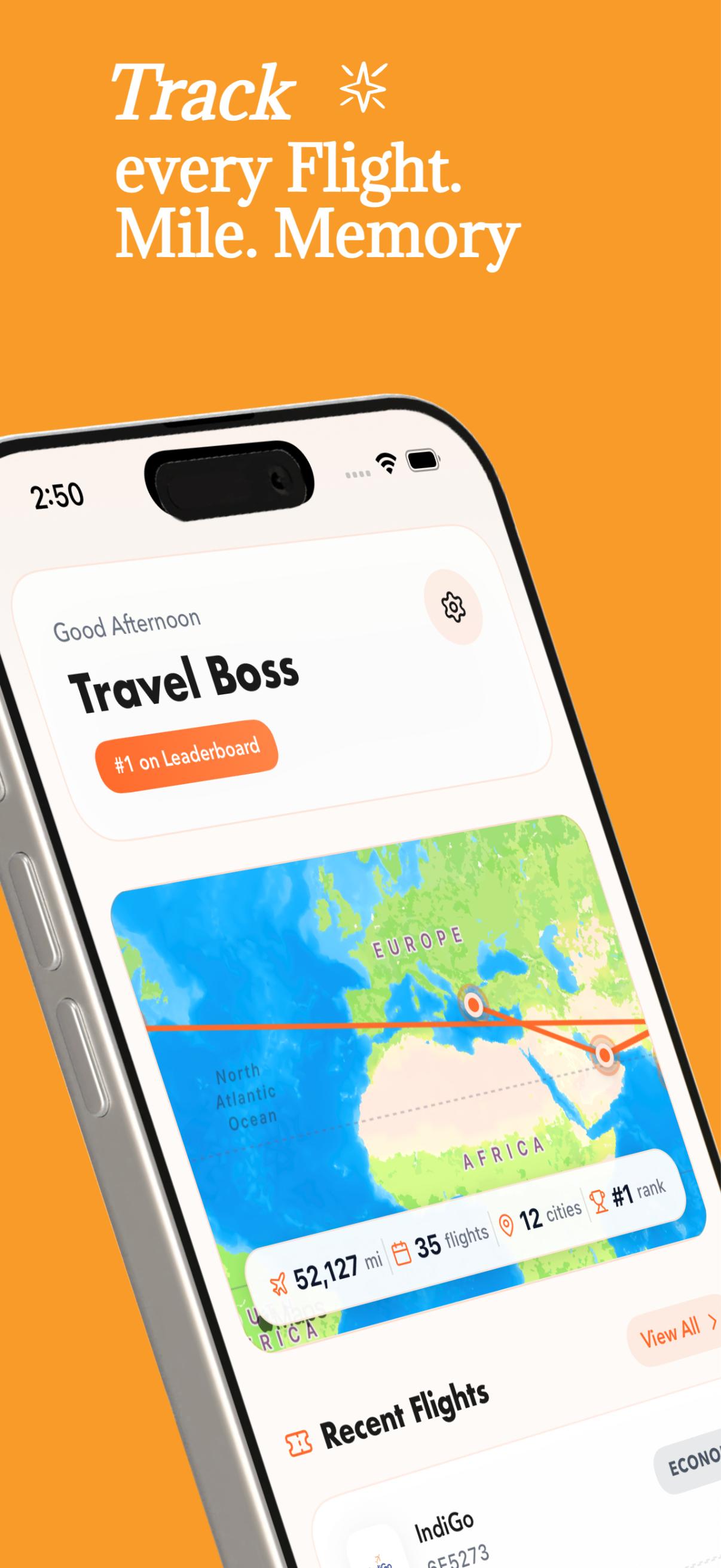
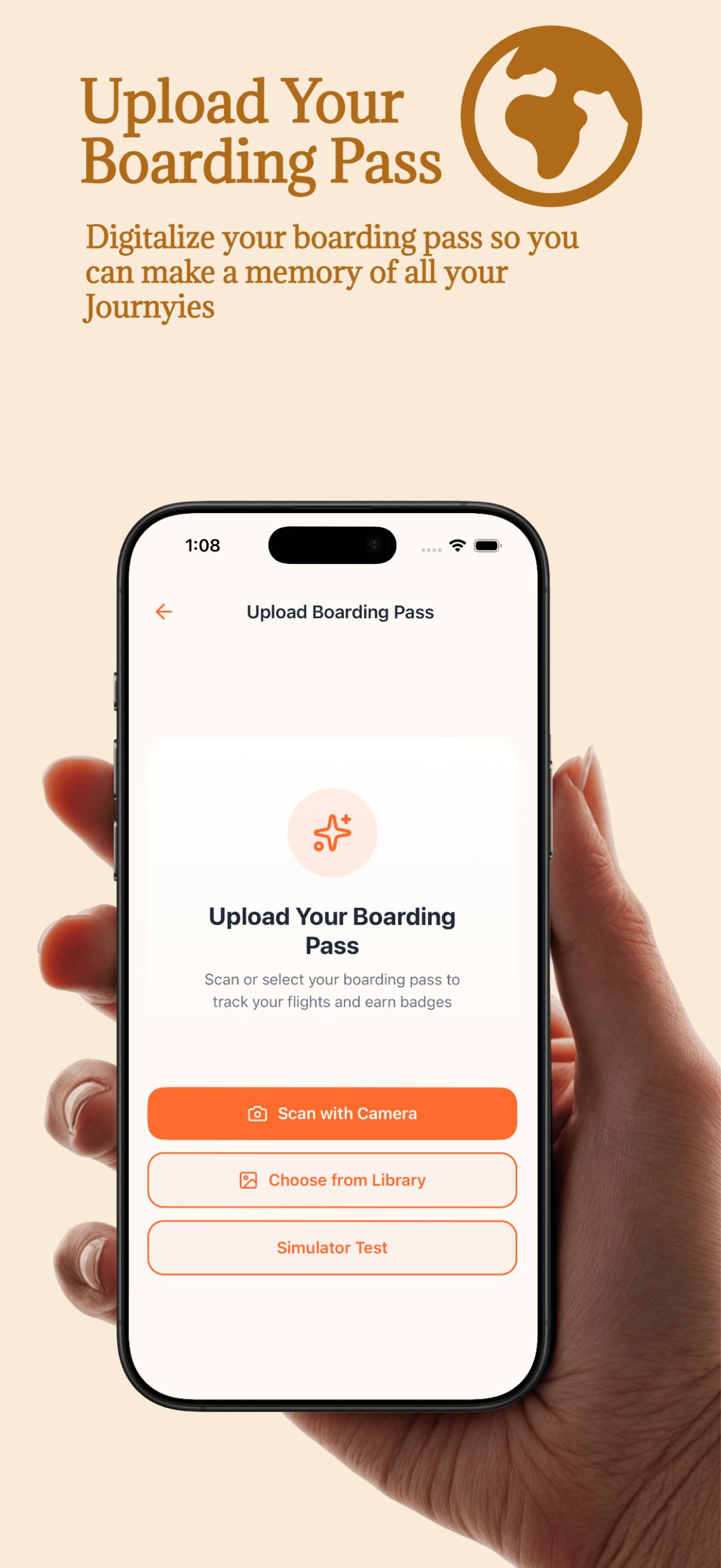
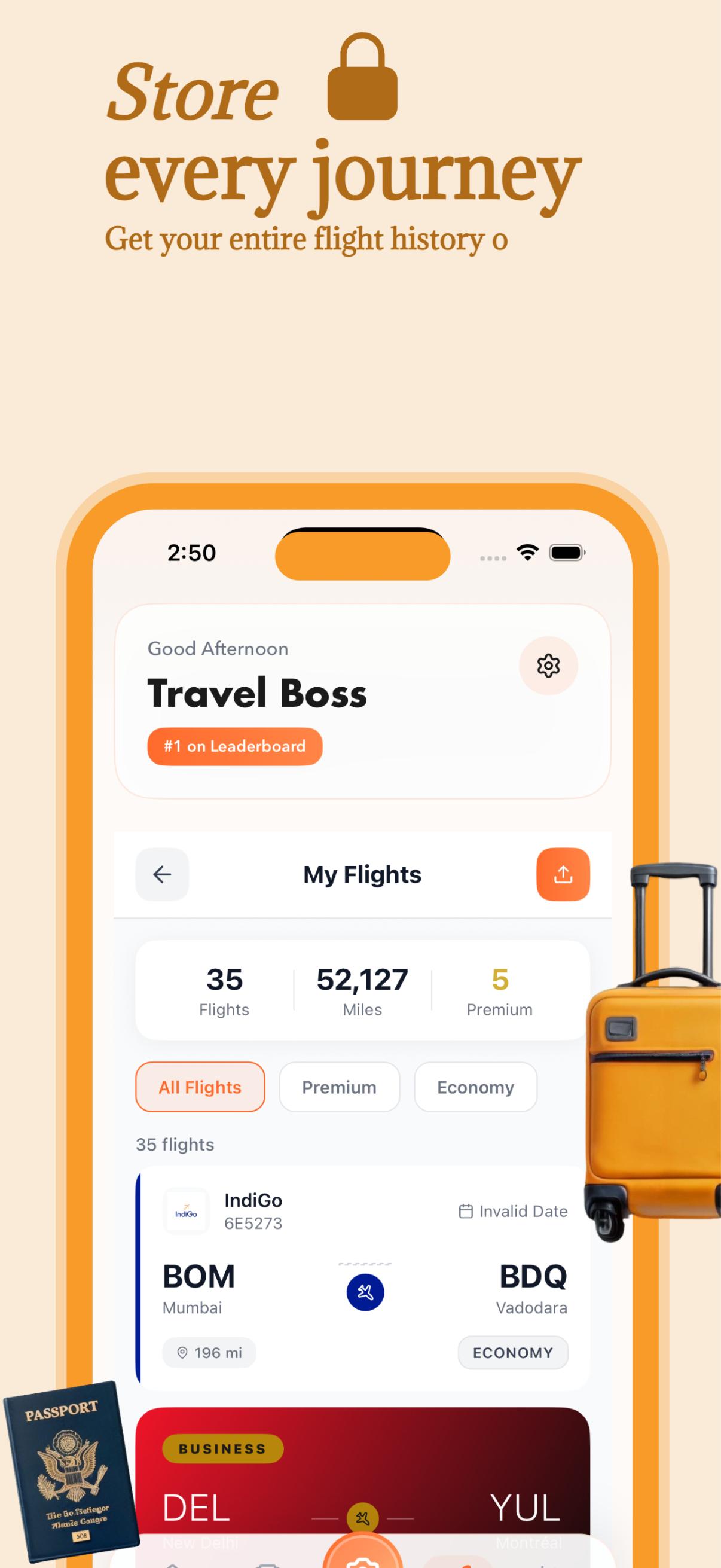
Store every boarding pass, track your travel history, and visualize your journey on a map.
Leaderboard & Achievements
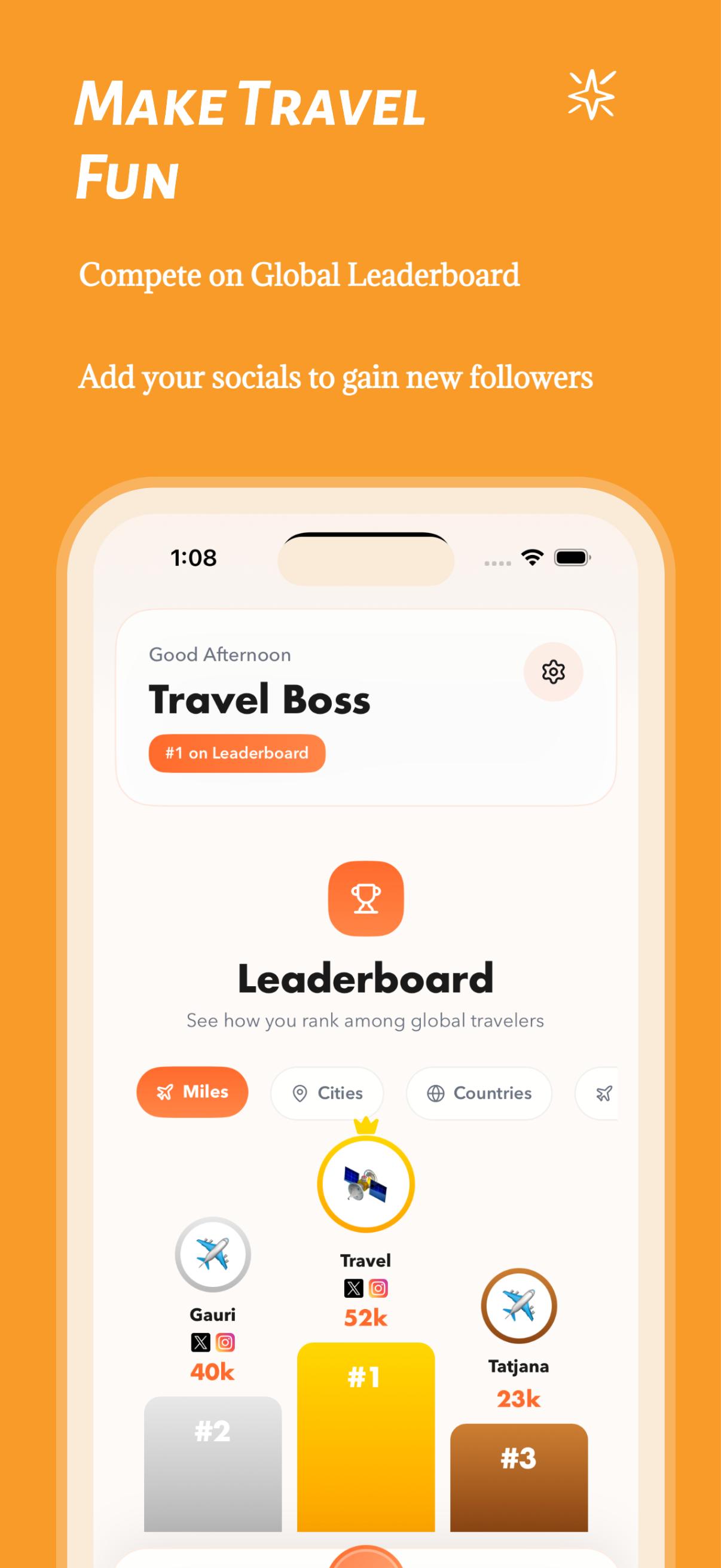
Earn badges for every destination, climb the global rankings, and compete with fellow travelers.
Travel Concierge
Get personalized booking assistance, curated recommendations, and priority support — all in-app.
Route directions & coordinate spots
The actual itinerary roadmap — coordinates, transit directions, and details for every stop.
Hurtigruten Coastal Express
The Hurtigruten route from Bergen to Kirkenes spans over 2,400 kilometers of rugged Norwegian coastline. Sailing through the Vesterålen islands at night provides a unique look at the midnight sun or northern lights. It operates year-round with 34 ports of call. The experience is best for those seeking slow travel through fjords that are otherwise inaccessible by road or rail. Prepare for high winds and shifting arctic weather patterns regardless of the season.
Strait of Magellan Ferry
Crossing the Strait of Magellan from Punta Arenas to Porvenir takes approximately 2.5 hours and offers a gateway to Tierra del Fuego. This route is essential for travelers chasing the end of the world. You will likely spot pods of Commerson's dolphins playing in the wake. The ferry, Tabsa, is the primary operator. It is a vital, utilitarian transit route that remains one of the world's most atmospheric maritime passages.
Miyajima Ferry
The short 10-minute crossing from Miyajimaguchi to the island of Miyajima in Japan is a spiritual transition toward the Itsukushima Shrine. JR-operated ferries offer a panoramic view of the iconic floating torii gate. It costs 200 JPY ($1.35 USD) one way. Visiting during high tide creates the illusion that the ferry is floating directly toward the shrine. It is a brief but high-impact maritime journey that rewards early morning visitors with absolute serenity.
Isle of Harris Ferry
The CalMac ferry crossing from Uig on the Isle of Skye to Tarbert on Harris takes about 1 hour and 40 minutes. It navigates the turbulent Minch, offering stark, dramatic views of the Outer Hebrides. It is essential to book weeks in advance during summer months. The route serves as a portal to some of the most pristine beaches in the Northern Hemisphere. Pack waterproof gear, as the top deck is often exposed to heavy sea spray.
Aegean Sea Route (Rafina to Tinos)
Crossing from Rafina to Tinos takes roughly 2 hours and 30 minutes via high-speed ferry, slicing through the Cyclades. Unlike the crowded Piraeus hub, Rafina offers a more local, streamlined experience. Watching the white-washed villages rise out of the Aegean blue is a quintessential Mediterranean moment. The ferry culture here is intense, with fast, synchronized disembarkation processes. Aim for a deck seat early; the interior cabins become crowded and stiflingly warm by mid-day during peak season.
Vancouver to Nanaimo (BC Ferries)
The 1 hour and 40 minute journey from Horseshoe Bay to Departure Bay reveals the hidden coves of the Salish Sea. Keep an eye out for orcas and seals frequently spotted in the channel. BC Ferries runs a reliable schedule with ample vehicle capacity. The best vantage point is the front observation deck, though it remains quite breezy. It serves as the primary artery connecting the mainland to Vancouver Island, balancing industrial utility with breathtaking Pacific Northwest scenery.
Lake Lucerne Steamship Route
Traversing Lake Lucerne via historic paddle steamer takes approximately 2 hours to reach Flüelen from the city center. This route dates back to the 19th century and remains an architectural masterpiece of naval engineering. The Alps surround the vessel, providing a 360-degree spectacle of peaks. It is arguably the most scenic inland water crossing in Europe. Purchase a first-class ticket to access the upper deck for the best uncrowded views and mahogany seating.
Cook Strait Ferry
The 3 hour and 30 minute crossing between Wellington and Picton links New Zealand's North and South Islands. The passage through the Marlborough Sounds is visually stunning, featuring intricate waterways and cliffside greenery. The Interislander and Bluebridge operators provide stable vessels capable of handling the notoriously choppy strait. Passengers are often treated to sightings of Hector’s dolphins. It is a mandatory rite of passage for any comprehensive New Zealand road trip, offering the best views of the capital from the sea.
Curated tours & experiences
Skip-the-line activity tokens, certified day guides, and unique regional activities.
Interactive suggestions load dynamically based on seasonal availability.
Browse Viator Experiences
Looking for premium curated day-trips, private shuttle transports, or multi-day hiking expeditions? View top activities instantly.
The full guide, stop by stop
Hand-curated notes and specific travel insights, built exclusively for this trip.

Trail Notes
The Hurtigruten Coastal Express is a 12-day maritime odyssey that costs roughly $3,000 USD for a full round trip depending on the cabin class.
Unlike standard cruise lines, this is a working ship that carries locals, cargo, and mail to 34 small ports. You aren't just a passenger; you are part of the daily life of the Norwegian coast. The secret is to book a cabin on the port side during the northbound leg to watch the fjords roll by while you sip local aquavit. Don't waste your time in the main lounge; the real magic happens on the forward-facing observation deck at 2:00 AM during the summer, when the light never fully fades.
The Cook Strait crossing takes 3 hours and 30 minutes, with tickets priced at approximately $65 USD for a foot passenger.
The transition from the windy city of Wellington to the green heart of the Marlborough Sounds is a geological masterclass. The trick here is to avoid the standard buffet seating. Instead, head immediately to the external upper deck as the ship exits Wellington Harbour. Most tourists hide in the interior cinema or snack bar, leaving the prime wind-swept photography spots entirely open for those willing to brave the southern ocean breeze. Watch for the ferry crossing the narrow Tory Channel; it is a display of precision navigation.
The Lake Lucerne paddle steamer route costs $55 USD and takes 2 hours for the complete scenic loop through the Alps.
These are historic vessels, some dating back to the early 1900s, preserved with polished brass and mahogany. While tourists flock to the lower decks, the true local secret is to head to the engine room viewing glass to watch the massive iron pistons drive the side wheels. It is a visceral, mechanical experience that modern travel simply lacks. Pair this with a local Swiss wine served in a glass flute to fully embrace the Alpine elegance of the passage.
Secure curated tours & day tickets with Viator
Unlock flexible skip-the-line museum tickets, local food walkthroughs, and certified regional guides on Viator.
Take your itinerary everywhere
Sync boarding passes, earn travel badges, climb the global leaderboards, and track multi-currency expenses — all offline.
Crowd Avoidance
- Travel Mid-Week: Ferry passenger density on routes like the Isle of Harris or Cook Strait drops by up to 40% on Tuesdays and Wednesdays compared to weekends.
- The First/Last Departure Rule: Always take the first ferry of the day (usually 6:00 AM) or the final one (8:00 PM+) to experience the water in near-total silence.
- Book Forward-Deck Seating: Avoid the main interior lounges entirely; these are magnets for large groups and noisy commuters.
- Utilize Shoulder Seasons: May and September are the optimal months for ferry travel, offering mild weather without the crush of peak July/August summer crowds.
- Digital Check-in Hacks: Use operator-specific mobile apps to secure your boarding pass 24 hours in advance, allowing you to bypass the ticket queue entirely.
- Avoid Holiday Peak Periods: National holidays like Golden Week in Japan or Bank Holidays in the UK result in capacity-filled ferries; check the local national calendar before booking.
Secure curated tours & day tickets with Viator
Unlock flexible skip-the-line museum tickets, local food walkthroughs, and certified regional guides on Viator.
Top Curated Travel Experiences in Best Ferry Journeys Worth Doing for the Crossing Alone (2026 Guide)
Full-Day Guided Sightseeing Tour in Best Ferry Journeys Worth Doing for the Crossing Alone (2026 Guide)
Explore the absolute best sights of Best Ferry Journeys Worth Doing for the Crossing Alone (2026 Guide) with an expert certified local English-speaking guide.
Best Ferry Journeys Worth Doing for the Crossing Alone (2026 Guide) Hidden Gems & Historical Walking Tour
Step off the beaten path into quiet streets with your storyteller guide.

Suggested Route Order
A logical route for a global maritime enthusiast starts in the North Sea and moves south. Begin by tackling the Norwegian coast, which offers the most intensive long-form ferry experience. From there, transition to the Scottish Highlands to catch the CalMac ferries through the Hebrides, allowing for a deep dive into island-hopping culture.
After the UK, head to the Mediterranean to utilize the rapid, high-frequency Greek ferry network to move between the Cyclades. This sequence moves from cold-water, long-form travel to warm-water, rapid transit. Finish in Asia, using the Miyajima ferry as a quiet, meditative conclusion to your trip. This route ensures you start with the most demanding, time-consuming crossings and end with shorter, more accessible transit experiences that build in intensity and frequency as you travel.
- Bergen, Norway (Hurtigruten)
- Uig, Scotland (Isle of Harris)
- Rafina, Greece (Aegean Routes)
- Miyajimaguchi, Japan (Miyajima)
Find cheap flights & multi-city stays
Secure flexible flight pathways, regional connections, and custom travel bundles on Trip.com.
Top Curated Travel Experiences in Best Ferry Journeys Worth Doing for the Crossing Alone (2026 Guide)
Full-Day Guided Sightseeing Tour in Best Ferry Journeys Worth Doing for the Crossing Alone (2026 Guide)
Explore the absolute best sights of Best Ferry Journeys Worth Doing for the Crossing Alone (2026 Guide) with an expert certified local English-speaking guide.
Best Ferry Journeys Worth Doing for the Crossing Alone (2026 Guide) Hidden Gems & Historical Walking Tour
Step off the beaten path into quiet streets with your storyteller guide.
Getting Between Spots
Inter-continental travel between these ports is best handled by legacy carriers, while localized movement relies heavily on mobile apps. For the Greek islands, use the 'Ferryhopper' app to manage multiple bookings in one interface. In Japan, the 'Jorudan' app provides exact train-to-ferry connection times to the second.
| Route | Transit Method | Avg Cost | Avg Time |
|---|---|---|---|
| Oslo to Bergen | Bergensbanen Rail | $80 USD | 7h |
| Athens to Rafina | KTEL Bus | $5 USD | 1h |
| Tokyo to Hiroshima | Shinkansen | $140 USD | 4h |
Local transport hacks: In Norway, buy a 'Norway in a Nutshell' multi-pass to bundle rail and ferry costs, saving approximately 15% on individual tickets. In Greece, always aim to arrive at the port 60 minutes before departure; local traffic around Rafina can be unpredictable. When using ride-shares, always select 'Economy' or 'Green' options in the Uber or Bolt apps to minimize costs; these apps work globally in the cities listed and typically provide a lower fare than local taxi stands which often charge a flat 'port arrival' fee to tourists.
Find cheap flights & multi-city stays
Secure flexible flight pathways, regional connections, and custom travel bundles on Trip.com.
Transport Cost Table
| Route | Method | Time | Est Cost (Local) | Est Cost (USD) |
|---|---|---|---|---|
| Bergen-Kirkenes | Ferry | 6 Days | 12,000 NOK | 1,150 USD |
| Wellington-Picton | Ferry | 3.5 hrs | 110 NZD | 65 USD |
| Miyajimaguchi-Miyajima | Ferry | 10 min | 200 JPY | 1.35 USD |
| Lucerne-Flüelen | Steamship | 2 hrs | 48 CHF | 55 USD |
| Horseshoe Bay-Nanaimo | Ferry | 1.5 hrs | 60 CAD | 45 USD |
| Rafina-Tinos | High-Speed | 2.5 hrs | 45 EUR | 50 USD |
These costs reflect standard passenger pricing. For group travelers, booking a multi-vehicle space or group fare can reduce per-person costs by 10-15%. Always check operator websites 3 months out for early-bird discounts.
Find cheap flights & multi-city stays
Secure flexible flight pathways, regional connections, and custom travel bundles on Trip.com.
Where To Base
Staying near the ferry port is critical for early morning departures. In Bergen, base yourself in the Bryggen district; it is walkable to the Hurtigruten terminal and offers boutique guesthouses starting at $150 USD/night. In Wellington, the Te Aro neighborhood provides the best mix of hostels (from $35 USD) and luxury boutique hotels (from $250 USD) within 15 minutes of the Interislander terminal.
| Neighborhood | Vibe | Price | Proximity |
|---|---|---|---|
| Bryggen (Bergen) | Historic/Tourist | High | Excellent |
| Te Aro (Wellington) | Urban/Cool | Mid | Great |
| Miyajimaguchi | Quiet/Local | Low | Excellent |
For mixed-budget groups, opt for a 'serviced apartment' setup in central hubs. One group member can take a private room while others share a common living area, maintaining a shared base without equal spending. This allows the group to remain together for morning departures while catering to individual financial comfort zones. Always book accommodations that offer a '24-hour reception' if your ferry schedule involves late-night arrivals or dawn departures to avoid locked-door scenarios common in smaller guesthouses.
Book Hotels in Best Ferry Journeys Worth Doing for the Crossing Alone (2026 Guide) with Agoda
Compare premium boutique hotels, resort villas, and historic stays at the guaranteed lowest rates.

Itinerary Day Plan
| Day | Morning | Afternoon | Evening | Cost |
|---|---|---|---|---|
| 1 | Bergen Fish Market | Fjord Ferry Prep | Harbour Dinner | $180 |
| 2 | Departure North | Deck Reading | Stargazing Deck | $300 |
| 3 | Arrive Kirkenes | Arctic Hike | King Crab Feast | $250 |
The above plan covers a high-end Norwegian experience. Adjust daily spend by opting for self-catered meals during the crossing to save up to 40% on food costs.
Find cheap flights & multi-city stays
Secure flexible flight pathways, regional connections, and custom travel bundles on Trip.com.
Local Insider Tips
- Don't book the cabin on the Hurtigruten: Sleep in the reclining chairs in the forward observation deck for a fraction of the cost; it’s a pro move that many travelers overlook.
- Bring your own tea/coffee thermos: Ferry-bought coffee is often overpriced and underwhelming; a high-quality travel mug saves you $5-10 per day.
- Always check the wind speed: If the forecast for the Cook Strait exceeds 40 knots, ferries may be delayed; follow the official operator Twitter/X feeds for real-time updates.
- Avoid the 'Best' Restaurant: In ferry port towns, the best seafood is usually found at the small, unnamed stalls near the dock entrance, not the restaurants with English menus.
- Wear layers, not one big coat: Maritime weather changes in minutes; a base layer, fleece, and windbreaker are superior to a single heavy parka.
- Avoid the middle of the boat: If you are prone to motion sickness, sit in the middle, but if you want the best views, the bow is non-negotiable.
- Bring a portable battery bank: Ferry outlets are often broken or non-existent in common areas.
- Learn the local 'Boarding Language': Even knowing 'ticket' and 'boarding time' in the local tongue speeds up interactions with port staff.
Get instant mobile data with Saily eSIM
Stay connected. Skip expensive roaming fees and activate instant high-speed data in seconds with Saily.

Photography And Best Light
The best light for ferry photography is during the 'Blue Hour' just before sunrise or after sunset, especially in Norway where the light stretches for hours. Use a tripod, but ensure it has rubber feet to prevent sliding on deck surfaces. If you are shooting handheld, use a wide aperture (f/2.8) to compensate for the movement of the ship. For coastal shots, a circular polarizer is essential to cut the glare off the water and make the greens of the hills pop. For technique, utilize a fast shutter speed (1/1000s or faster) if you are capturing the spray or wildlife. Reference National Geographic photography tips for more on capturing motion on water.
Get instant mobile data with Saily eSIM
Stay connected. Skip expensive roaming fees and activate instant high-speed data in seconds with Saily.
Budget And Cost Context
Maritime travel is highly scalable. A budget traveler can navigate the world's best ferry routes by choosing foot-passenger tickets, carrying their own meals, and staying in dormitory-style hostels near the terminals. Luxury travelers can upgrade to panoramic suites and VIP lounge access.
| Tier | Accommodation | Food | Transport | Daily Total |
|---|---|---|---|---|
| Budget | $30-$50 | $20 | $20 | $80 |
| Mid-Range | $100-$150 | $50 | $40 | $250 |
| Luxury | $300+ | $150+ | $100+ | $600+ |
The biggest cost-saver is booking inter-island or coastal routes as part of a transit pass rather than individual tickets. For example, a multi-day ferry pass in Greece can save a traveler 30% on total crossing costs versus buying day-of tickets at the port. Always factor in port-to-city center transit costs, which can add $20-$50 per trip if you aren't staying within walking distance.
Find cheap flights & multi-city stays
Secure flexible flight pathways, regional connections, and custom travel bundles on Trip.com.
Top Restaurants By Budget
| Name | Location | Type | Budget | Must-Order |
|---|---|---|---|---|
| Pingvinen | Bergen | Traditional | $$ | Fish Soup |
| The Boat Shed | Wellington | Seafood | $$$ | Fresh Snapper |
| Kakiya | Miyajima | Oysters | $$ | Grilled Oysters |
Port cities are defined by their access to fresh, daily catches. In any ferry town, look for the 'fisherman's catch' of the day; it is invariably the freshest option and the best value for money.
Avoid tourist traps lining the immediate port pier. Walk three blocks inland, and you will typically find restaurants where the local crews eat, offering better prices and authentic preparations of local seafood.
Secure curated tours & day tickets with Viator
Unlock flexible skip-the-line museum tickets, local food walkthroughs, and certified regional guides on Viator.
Food And Drink Highlights
Ferry travel is the best opportunity to try regional delicacies. In Norway, order 'Bergensk fiskesuppe' (fish soup) which is creamy, rich, and perfect for the cold sea air. In Japan, while on the ferry to Miyajima, grab a 'momiji manju' (maple leaf-shaped cake) from the stalls near the dock. These are the quintessential regional snacks. For drink, look for local craft beers or regional spirits like Aquavit, which is a staple on Nordic ferry routes. Check Eater for regional dining guides. Always ask the ferry staff what they are drinking; they know the best hidden spots for a quick pre-boarding drink.
Secure curated tours & day tickets with Viator
Unlock flexible skip-the-line museum tickets, local food walkthroughs, and certified regional guides on Viator.
Safety Considerations
- Motion Sickness: Always carry dimenhydrinate (Dramamine) if crossing open waters like the Cook Strait or the Minch; once you are on the water, it is too late to find a pharmacy.
- Emergency Contacts: Keep the local coast guard number saved. In Norway, it is 120; in the EU, 112; in NZ, 111.
- Insurance: Ensure your travel insurance covers 'trip interruption' for maritime transit; ferry delays due to weather are common and can derail connecting flights.
- Scam Alerts: Beware of 'fixers' at ports offering to book your ticket for a 'convenience fee'; always book directly through the official operator website or official ticket booth.
- Sun Exposure: The reflection of the sun off the water significantly increases UV exposure, even on cloudy days; use SPF 50+.
- Storage: Keep your passport and critical documents in a waterproof pouch on your person, not in checked luggage or a vehicle.
Get instant mobile data with Saily eSIM
Stay connected. Skip expensive roaming fees and activate instant high-speed data in seconds with Saily.
Seasonal Variations
| Month | Weather | Crowd | Notes |
|---|---|---|---|
| Jan | Cold | Low | Best for Northern Lights in Norway |
| Feb | Cold | Low | Peak rough seas in the South |
| Mar | Chilly | Low | Good for budget travelers |
| Apr | Mild | Medium | Spring blossoms in Japan |
| May | Mild | Medium | Excellent for Mediterranean |
| Jun | Warm | High | Start of peak season |
| Jul | Hot | Extreme | Avoid if possible |
| Aug | Hot | Extreme | Book far in advance |
| Sep | Mild | Medium | Best for UK/Europe |
| Oct | Cool | Low | Beautiful autumn colors |
| Nov | Cold | Low | Limited schedules |
| Dec | Cold | Low | Holiday travel only |
Traveling during the shoulder months of May and September provides the best balance of manageable weather and lower crowd densities, especially for the high-demand routes like the Aegean and the Scottish Highlands.
Book top guided activities and tickets in Best Ferry Journeys Worth Doing for the Crossing Alone (2026 Guide)
Skip the long queues, discover hidden gems, and book 100% free-cancellation activities on Viator with live local support.

Equipment And Gear Advice
- High-quality Binoculars: Essential for spotting whales or distant coastline details.
- Waterproof Shell: Even in summer, sea spray is constant on observation decks.
- External Battery: 20,000mAh capacity to ensure your phone lasts through long days on the water.
- Sturdy Walking Shoes: Ferry docks can be slippery and require significant walking to reach transport links.
- Noise-canceling Earbuds: Essential for escaping the engine noise or crowded lounges.
- Lightweight Travel Tripod: Necessary for capturing stable long-exposure shots from a moving deck.
- Reusable Water Bottle: Essential as ferry prices for bottled water are consistently high.
- Compact Dry Bag: Keeps your electronics safe if you are standing on a wet outer deck.
Get instant mobile data with Saily eSIM
Stay connected. Skip expensive roaming fees and activate instant high-speed data in seconds with Saily.
Local Festivals And Events
| Event | Month | Location | Significance | Booking |
|---|---|---|---|---|
| Miyajima Kangensai | July | Miyajima | Floating music festival | Book 6 months ahead |
| Up Helly Aa | January | Shetland | Viking fire festival | Book 1 year ahead |
Events on islands often necessitate booking your ferry transport the moment event dates are confirmed, as capacity is strictly limited.
Book top guided activities and tickets in Best Ferry Journeys Worth Doing for the Crossing Alone (2026 Guide)
Skip the long queues, discover hidden gems, and book 100% free-cancellation activities on Viator with live local support.
Sustainable Travel Tips
- Prioritize Foot Passenger Travel: Bringing a car on a ferry consumes significant fuel and space; travel as a foot passenger and use public transit on the islands.
- Support Local Operators: Choose regional ferry lines over international cruise giants to ensure your money stays in the local maritime economy.
- Minimize Plastic: Carry a reusable bottle and refuse single-use plastic cups on board.
- Respect Marine Wildlife: Do not feed birds or animals around the ferry docks; follow local guidelines for whale watching distances.
- Off-Peak Travel: Using mid-week ferries reduces the pressure on local port infrastructure.
- Clean Travel: If you have a vehicle, ensure it is free of invasive species or weeds when traveling between islands.
Get instant mobile data with Saily eSIM
Stay connected. Skip expensive roaming fees and activate instant high-speed data in seconds with Saily.
Neighborhood Guide
Bryggen, Bergen
The historic wharf of Bergen is the perfect jumping-off point. Characterized by colorful wooden buildings, it feels like stepping back into the Hanseatic period. The proximity to the Hurtigruten terminal makes it the most convenient spot to base yourself for an arctic expedition.
Te Aro, Wellington
Te Aro is the beating heart of Wellington. It is packed with third-wave coffee shops, craft breweries, and independent bookstores. It is a 15-minute walk from the ferry terminal, making it ideal for those who want a vibrant city atmosphere before a peaceful sailing.
Miyajimaguchi
This is the gateway to Miyajima. It is a quiet, residential zone that wakes up early to the sound of the morning ferry horn. It is special for its lack of massive hotels, offering a more authentic, low-key start to any island exploration.
Book Hotels in Best Ferry Journeys Worth Doing for the Crossing Alone (2026 Guide) with Agoda
Compare premium boutique hotels, resort villas, and historic stays at the guaranteed lowest rates.
Alternative Options
Who Should Skip This
Travelers who suffer from severe motion sickness, those on an extremely tight time schedule, or anyone who finds lack of constant high-speed connectivity stressful should avoid long-distance ferry travel.
If the primary routes are too crowded, consider river cruises in Europe, such as the Rhine or the Danube. These offer the same 'scenery-on-demand' appeal but with significantly more stability and frequent docking options. Another alternative is the regional rail network in Switzerland or Japan, which often runs parallel to the most scenic water routes, offering a dry-land experience that is just as visually stunning. These alternatives are generally cheaper and easier to book last-minute, though they lack the unique maritime romance of a ship crossing.
Book top guided activities and tickets in Best Ferry Journeys Worth Doing for the Crossing Alone (2026 Guide)
Skip the long queues, discover hidden gems, and book 100% free-cancellation activities on Viator with live local support.
Frequently Asked Questions
- Is a long-haul ferry crossing worth it in 2026?
- Yes, a long-haul ferry crossing is worth it if you prioritize slow-paced travel and immersive landscapes over the speed of air travel. It provides a level of connection to the geography of a region that flying simply cannot replicate.
- What is the best month to do a scenic ferry crossing?
- The best month is September, as the weather remains mild and the peak summer crowds have dissipated. This ensures better availability on observation decks and more reasonable accommodation prices at port towns.
- Are ferry crossings safe for families?
- Ferry crossings are generally very safe and family-friendly, provided you observe safety protocols and stay in designated passenger areas. Always ensure you have life jacket locations identified for all group members upon boarding.
- Can I save money on ferry tickets by booking last minute?
- No, last-minute bookings rarely save money and often result in lack of availability for popular routes. You should aim to book at least 3 months in advance to secure the best rates and cabin options.
- How do I manage motion sickness on a ferry?
- You should take preventative medication such as dimenhydrinate 30 minutes before boarding and choose a seat in the middle of the boat. Looking at the horizon helps your brain sync with the movement of the vessel, reducing nausea.
- Is it better to travel as a foot passenger or with a vehicle?
- Traveling as a foot passenger is significantly cheaper and more flexible, especially in regions with robust public transit. Only bring a vehicle if your itinerary specifically requires driving through remote, non-connected areas.
Book top guided activities and tickets in Best Ferry Journeys Worth Doing for the Crossing Alone (2026 Guide)
Skip the long queues, discover hidden gems, and book 100% free-cancellation activities on Viator with live local support.
Final CTA
Book top guided activities and tickets in Best Ferry Journeys Worth Doing for the Crossing Alone (2026 Guide)
Skip the long queues, discover hidden gems, and book 100% free-cancellation activities on Viator with live local support.
Ready to track your travels?
Join thousands of travelers using Borderly to plan trips, track expenses, store boarding passes, and compete on the global leaderboard.