Best Places for a Trip Built Around the Spice Trade (2026 Guide)
An expert-led travel guide for visiting the historic hubs of the global spice trade, covering Kochi, Zanzibar, and Muscat for an immersive, budget-conscious experience.
Travel concierge
Join travelers planning with Borderly's AI


10-day itinerary ready to plan
Search Live Flights to Best Places for a Trip Built Around the Spice Trade (2026 Guide)
Real-time airline seat selection, transparent baggage inclusions, and direct booking across 400+ carriers.
Book with Borderly • Powered by Duffel
Fly to Best Places for a Trip Built Around the Spice Trade (2026 Guide), booked directly.
Real-time seat availability, live baggage options, and transparent fares across 400+ airlines.
Just ask the AI trip planner
Tell it your dates, budget, or vibe — it will pull straight from this guide and build a route around it.
Ask about your Best Places for a Trip Built Around the Spice Trade (2026 Guide) trip
Real answers on routes, timing, and local tips — grounded in this guide.
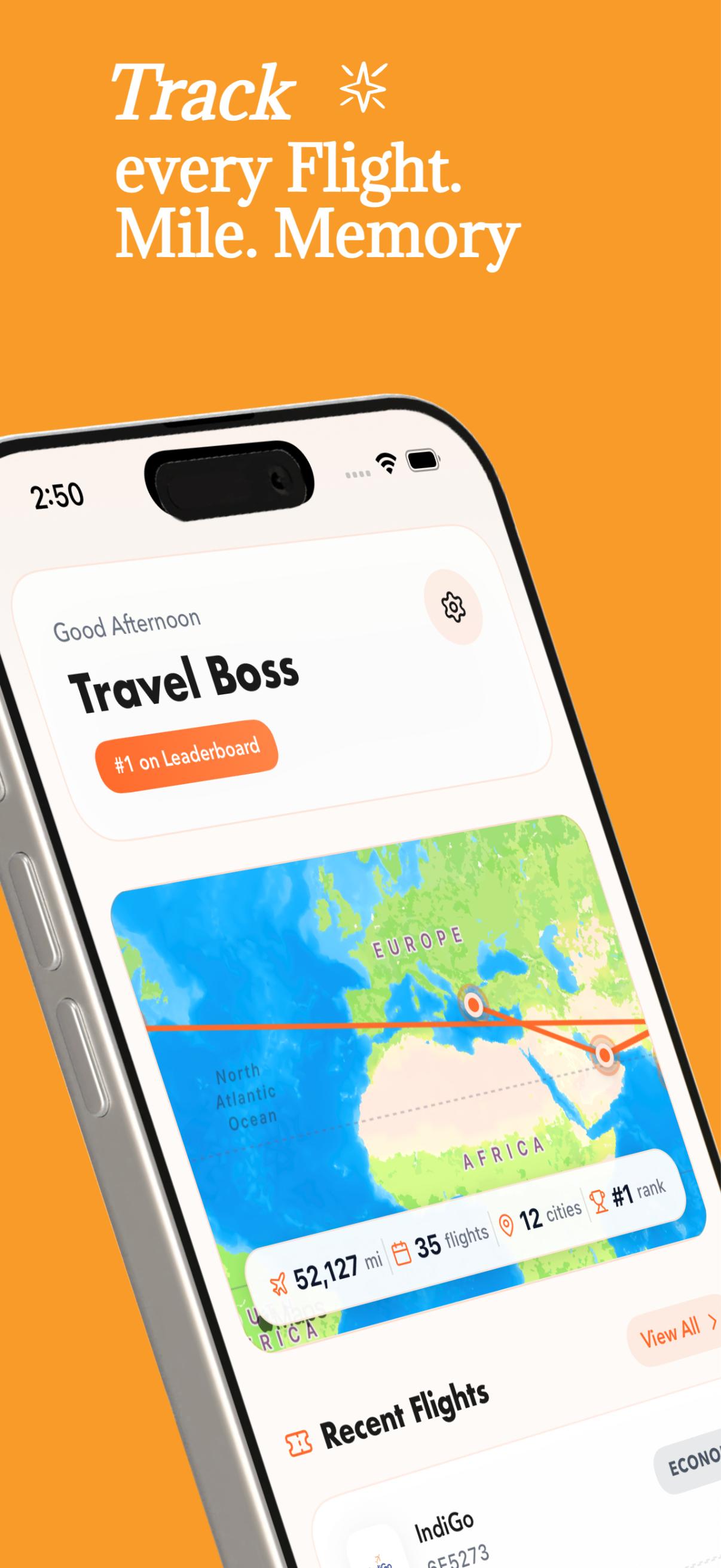
Get Borderly on iOS
Download the app to generate custom AI trip plans, organize group budgets, and store your boarding wallet — all offline.

Join 2,000+ travelers using Borderly
One app for the whole trip
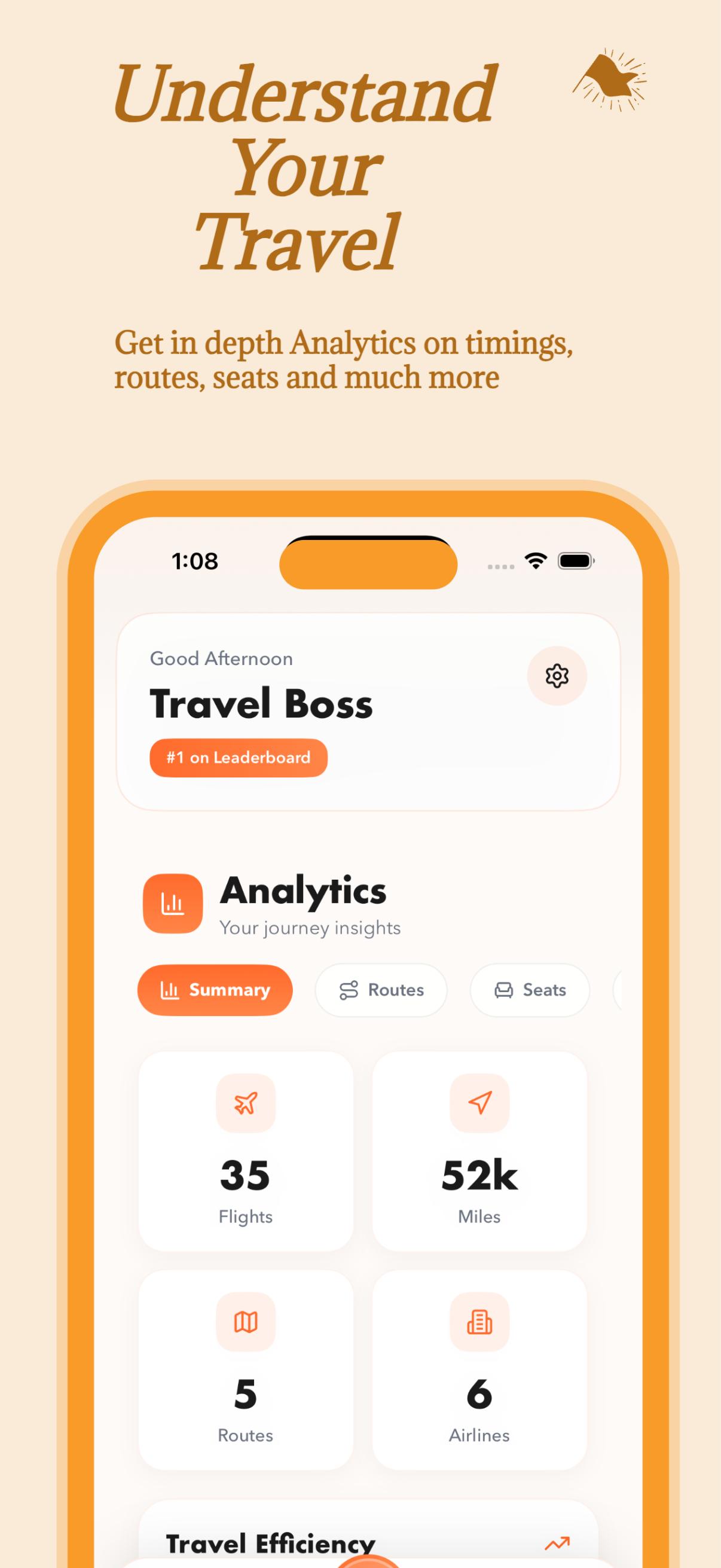
AI trip planning, group budgets, and a boarding pass wallet — everything this guide covers, in your pocket.
AI Trip Planning
Generate personalized itineraries with real-time pricing, route optimization, and local recommendations.
Group Planning & Budgeting
Invite travel companions, split costs, vote on activities, and keep everyone aligned.
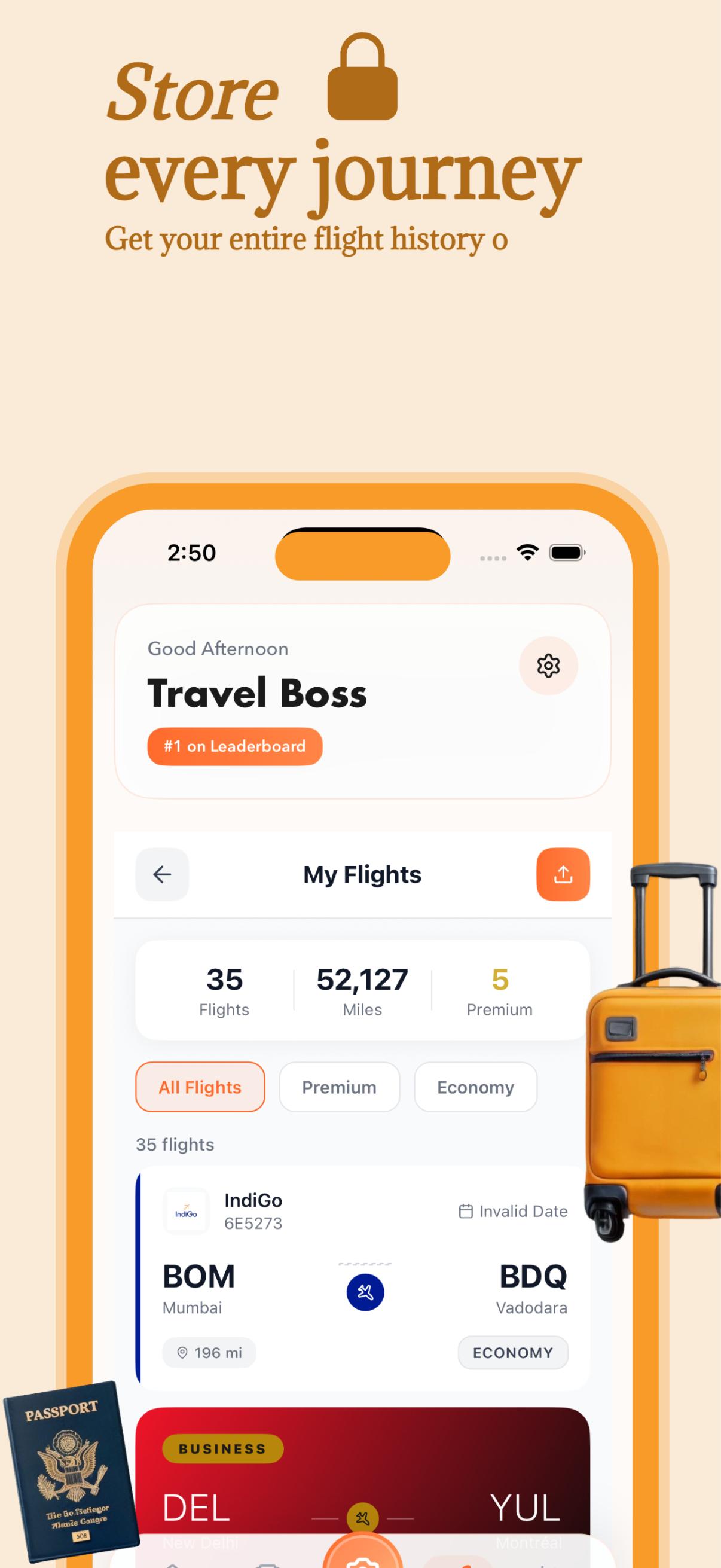
Boarding Wallet & History
Store every boarding pass, track your travel history, and visualize your journey on a map.
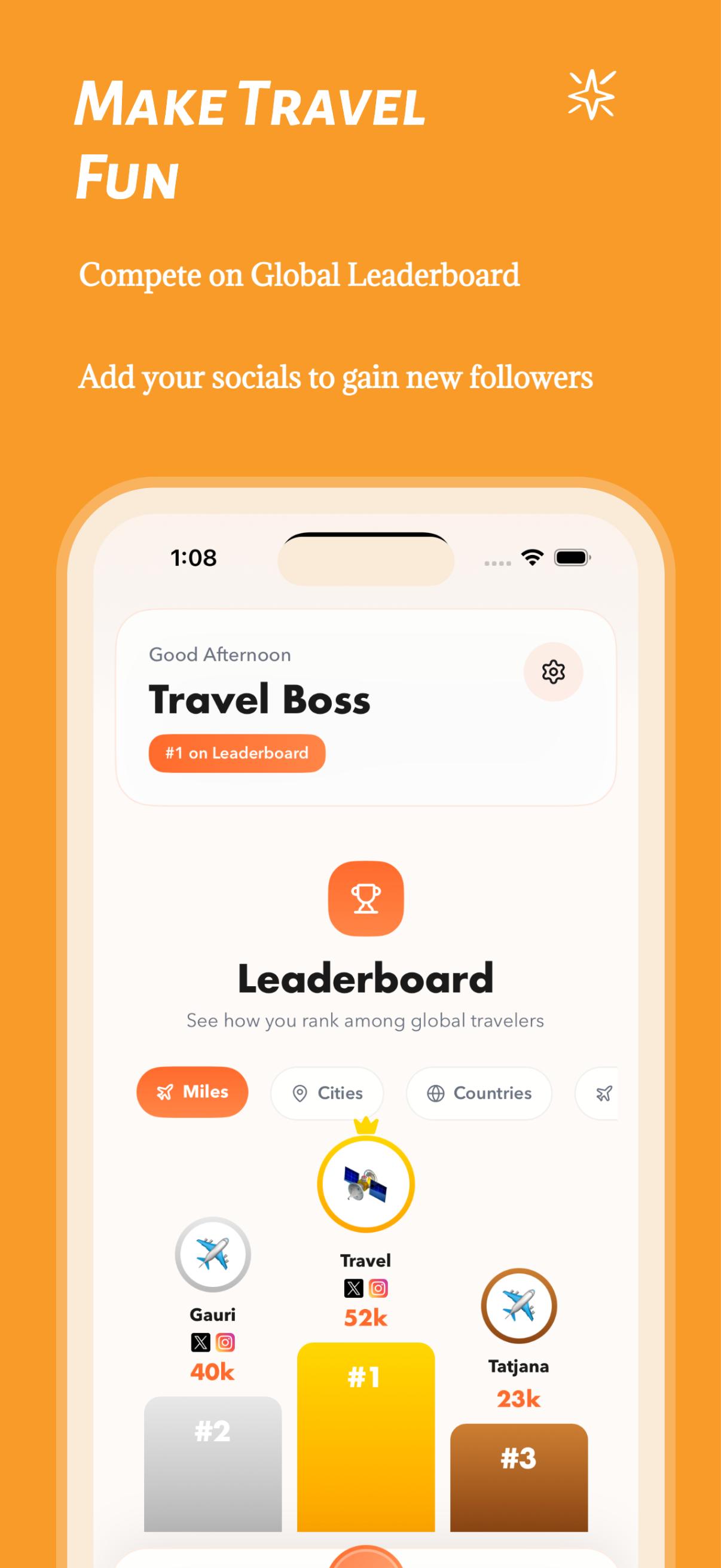
Leaderboard & Achievements
Earn badges for every destination, climb the global rankings, and compete with fellow travelers.
Travel Concierge
Get personalized booking assistance, curated recommendations, and priority support — all in-app.

Route directions & coordinate spots
The actual itinerary roadmap — coordinates, transit directions, and details for every stop.
Fort Jesus, Mombasa
Constructed in 1593, this UNESCO World Heritage site remains the most crucial fortification guarding the spice trade routes into the Indian Ocean. Its coral stone walls tell the story of Portuguese and Omani dominance over the clove and pepper supply chains. Visitors should spend at least two hours exploring the internal barracks and the museum which houses a preserved collection of Omani ceramics and period trade artifacts.
Stone Town, Zanzibar
This labyrinthine city was the epicenter of the global clove trade in the 19th century. Walking through the narrow alleys reveals former sultanate palaces and the lingering aroma of cinnamon, nutmeg, and vanilla drying in the sun. It is a vital stop for understanding how the spice trade shaped modern East African culture. Plan your visit for the early morning to catch the aromatic spice market in full operation.
Mattancherry Palace, Kochi
Also known as the Dutch Palace, this site highlights the colonial rivalry for control over Kerala's black pepper exports. The interior murals detail the local spice trade history, while the proximity to Jew Town offers a direct look at the historic spice warehouses. It is an essential site for travelers wanting to grasp the scale of the 17th-century spice monopoly held by the Dutch East India Company.
Spice Bazaar, Istanbul
The Egyptian Bazaar serves as the historic gateway between the Silk Road and the Mediterranean, where traders exchanged eastern spices for western bullion. Today, it remains a bustling hub for saffron, sumac, and Turkish delight. Spend at least 60 minutes here to navigate the stalls effectively; it is the best place to source high-grade, authentic saffron at local, non-tourist prices if you look past the first three rows of vendors.
The Spice Souks, Muscat
Muttrah Souk is one of the oldest markets in the Arab world and remains a primary transit point for Frankincense, a resin that rivaled gold in the ancient spice routes. The atmosphere is thick with incense and cardamom. It is a fantastic place to witness the contemporary reality of the trade, as merchants continue to source high-quality resins from the nearby Dhofar region daily.
Melaka, Malaysia
As a primary port of the Maritime Silk Road, Melaka was the gateway for nutmeg and mace reaching the Chinese markets. The Stadthuys and the Portuguese fortress ruins remain symbols of the city's strategic importance. Spend your afternoon at the Baba Nyonya Heritage Museum to understand how spices fundamentally altered local culinary traditions, creating the distinct Peranakan fusion cuisine that thrives here today.
Quilon (Kollam), India
Kollam was the legendary port of call for Chinese, Arab, and European spice merchants for over a millennium. As the hub for cashew and pepper production, it remains a working agricultural center rather than just a tourist site. Visiting the Ashtamudi Lake area allows you to see traditional transport methods that still move bulk spices from plantations to the coastal processing centers.
Old Port, Aden
Historically known as the 'Gateway to the Incense Lands,' Aden was the most important transit harbor for the Roman spice trade. While currently restricted due to regional instability, its architectural remnants reflect centuries of wealth derived from the Indian Ocean trade. It remains a historical benchmark for any serious spice route expedition, highlighting the absolute necessity of safe harbor access.
Curated tours & experiences
Skip-the-line activity tokens, certified day guides, and unique regional activities.
Interactive suggestions load dynamically based on seasonal availability.
Browse Viator Experiences
Looking for premium curated day-trips, private shuttle transports, or multi-day hiking expeditions? View top activities instantly.
The full guide, stop by stop
Hand-curated notes and specific travel insights, built exclusively for this trip.

Trail Notes
1. Stone Town, Zanzibar (The Clove Empire)
Tracing the evolution of the spice trade requires spending at least 3 full days in Stone Town, where the cost of a private plantation tour typically starts at $45 USD. The hidden secret here is to avoid the crowded 'Spice Farms' closest to the city; instead, hire a local guide to take you 45 minutes inland to the smaller, family-run plots in the Bububu area. These locations yield a more authentic look at the harvesting process for cloves and cinnamon. While everyone focuses on the ornate carved doors, the real historical value lies in the old slave chambers and trade warehouses near the port, which reveal the brutal foundation of the 19th-century spice boom. Ensure you eat at the night market in Forodhani Gardens, but stick to the grilled seafood skewers seasoned with local cardamom; it is the most honest representation of the island's trade history.
2. Fort Kochi & Mattancherry (The Pepper Gateway)
A visit to Kerala is incomplete without spending at least 4 hours navigating the warehouses of Jew Town, where wholesale pepper prices are set daily in transactions that haven't changed in concept for centuries. The Dutch Palace is the anchor point, but the true experience is walking the spice-laden streets of Bazaar Road. You will find that the highest quality black pepper—the 'Tellicherry' grade—is almost entirely exported, so ask merchants for the 'local household grade' for a more pungent, authentic flavor profile. For the best photography, visit the area at 7:00 AM when the trucks offload sacks of cardamom and ginger, creating a sensory overload of scent and sound that the mid-day tourist crowds miss entirely.
Secure curated tours & day tickets with Viator
Unlock flexible skip-the-line museum tickets, local food walkthroughs, and certified regional guides on Viator.
Take your itinerary everywhere
Sync boarding passes, earn travel badges, climb the global leaderboards, and track multi-currency expenses — all offline.
Crowd Avoidance
To experience the spice trade routes without the influence of mass tourism, you must prioritize early starts and secondary market locations. Follow these tactics to maintain a scholarly pace:
- Start your days at 06:30 AM: Most spice markets in Kochi and Zanzibar see the bulk of commercial trade before 09:00 AM.
- Avoid the central 'Visitor Centers': Opt for local cooperatives located 5-10km outside the main city centers to find authentic, uncommercialized trading floors.
- Navigate by foot early: Use the pre-dawn hours to photograph the architecture when alleyways are empty of tour groups.
- Book off-peak months: Visit in May or October when humidity is high, as the lack of cruise ships drastically reduces crowds.
- Utilize local fixers: Hire a student guide from a local history university rather than using hotel-booked tour agencies to reach smaller, less accessible spice warehouses.
- Dine at the edges: Eat at small, neighborhood-specific canteens where locals buy their daily rations; these are almost never included on commercial 'food tours'.
Secure curated tours & day tickets with Viator
Unlock flexible skip-the-line museum tickets, local food walkthroughs, and certified regional guides on Viator.
Top Curated Travel Experiences in Best Places for a Trip Built Around the Spice Trade (2026 Guide)
Full-Day Guided Sightseeing Tour in Best Places for a Trip Built Around the Spice Trade (2026 Guide)
Explore the absolute best sights of Best Places for a Trip Built Around the Spice Trade (2026 Guide) with an expert certified local English-speaking guide.
Best Places for a Trip Built Around the Spice Trade (2026 Guide) Hidden Gems & Historical Walking Tour
Step off the beaten path into quiet streets with your storyteller guide.

Suggested Route Order
The optimal sequence for this trip follows the historical direction of trade, moving from the source (India) to the distribution hubs (Middle East) and finally to the historical African outposts. Starting in Kochi, India, provides the necessary context for the production of spices like pepper and cardamom that drove the entire global economic system.
- Kochi, India: Spend 3 days observing the harvest and initial shipping logistics in the Malabar region.
- Muscat, Oman: Fly from Kochi to Muscat to see how Arab dhows historically managed the distribution of frankincense and spices into the Gulf.
- Stone Town, Zanzibar: Finally, travel to Tanzania to witness the end-point of the Indian Ocean trade routes.
This route minimizes back-tracking and aligns with major international flight corridors. By moving from production to distribution, you gain a deeper appreciation for the value-add that occurred at each historical stop. This trajectory mirrors the ancient monsoon winds that dictated trade schedules, giving you a functional understanding of why these locations became wealthy centers of power.
Find cheap flights & multi-city stays
Secure flexible flight pathways, regional connections, and custom travel bundles on Trip.com.
Top Curated Travel Experiences in Best Places for a Trip Built Around the Spice Trade (2026 Guide)
Full-Day Guided Sightseeing Tour in Best Places for a Trip Built Around the Spice Trade (2026 Guide)
Explore the absolute best sights of Best Places for a Trip Built Around the Spice Trade (2026 Guide) with an expert certified local English-speaking guide.
Best Places for a Trip Built Around the Spice Trade (2026 Guide) Hidden Gems & Historical Walking Tour
Step off the beaten path into quiet streets with your storyteller guide.
Getting Between Spots
Movement between these hubs is best handled by a mix of regional budget airlines and verified taxi apps. In Kochi, use Uber for intra-city transit to spice warehouses, which typically costs about $2-4 USD for a 30-minute ride. In Zanzibar, hire a private taxi via your accommodation for specific plantation visits; expect to pay roughly $30-40 USD for a half-day hire. In Muscat, Otaxi is the most reliable app for navigating between the Muttrah Souk and the harbor.
| Route | Typical Time | Est. Cost (USD) |
|---|---|---|
| Kochi to Muscat | 4.5 hrs (Flight) | $180 - $250 |
| Muscat to Zanzibar | 6 hrs (Flight) | $300 - $450 |
| Airport to City (General) | 45 mins | $15 - $25 |
Local transport hacks: In India, avoid the auto-rickshaws lined up directly in front of the palace; walk two blocks away to call an Uber, which will save you at least 30% in 'tourist tax' pricing. In Zanzibar, ask your hotel to organize a shared taxi if you are traveling with a group; it can cut individual costs by half if you coordinate with other guests staying in your zone.
Find cheap flights & multi-city stays
Secure flexible flight pathways, regional connections, and custom travel bundles on Trip.com.

Transport Cost Table
| Route | Method | Time | Local Cost | USD Cost |
|---|---|---|---|---|
| Kochi Airport to Fort Kochi | Taxi/Uber | 1 hr | ₹900 | $11 |
| Stone Town to Nungwi | Shared Shuttle | 1.5 hrs | TZS 25,000 | $10 |
| Muscat Airport to Souk | App Taxi | 30 mins | OMR 7 | $18 |
| Kochi to Alleppey | Train | 2 hrs | ₹150 | $2 |
| Zanzibar City to Port | Rickshaw | 15 mins | TZS 5,000 | $2 |
| Muscat to Nizwa | Bus | 2 hrs | OMR 3 | $8 |
For groups, the most cost-effective strategy is to pre-book a private van for your entire stay in Zanzibar or Kerala. This removes the variable pricing of daily taxi negotiations and ensures that the entire party remains on the same schedule, which is critical for maximizing time in the spice markets.
Find cheap flights & multi-city stays
Secure flexible flight pathways, regional connections, and custom travel bundles on Trip.com.
Where To Base
Choosing where to base yourself is essential for maintaining the 'local' feel of this trip. In Stone Town, base yourself in the Shangani neighborhood; it is centrally located and offers a range of options from $20 USD guesthouses to $300 USD luxury heritage properties. In Kochi, stay in Fort Kochi to be within walking distance of the spice warehouses and historic docks.
| Neighborhood | Vibe | Price Tier | Proximity |
|---|---|---|---|
| Shangani (Zanzibar) | Historic/Busy | Mid-Range | Center |
| Mattancherry (Kochi) | Raw/Authentic | Budget | High |
| Muttrah (Muscat) | Traditional/Souk | Mid/High | Walking |
For mixed-budget groups, the 'base' should be a central heritage boutique hotel with a range of room types. By staying at a single property that offers both a shared dormitory (budget) and private suites (luxury), the group remains together while individual members can manage their own expenses. This prevents the friction of coordinating meeting times across different parts of the city. Always ensure the chosen base is near a transit artery to avoid expensive, private transfers every morning.
Book Hotels in Best Places for a Trip Built Around the Spice Trade (2026 Guide) with Agoda
Compare premium boutique hotels, resort villas, and historic stays at the guaranteed lowest rates.

Itinerary Day Plan
| Day | Morning | Afternoon | Evening | Cost (USD) |
|---|---|---|---|---|
| 1 | Spice Market Visit | History Museum | Street Food Tour | $60 |
| 2 | Plantation Hike | Warehouse Tour | Local Dining | $85 |
| 3 | Cooking Class | Harbor Watch | Coastal Dinner | $95 |
This itinerary focuses on the 'production-to-plate' journey. The morning is reserved for the active labor side of the industry (markets and plantations), the afternoon for historical context (museums and colonial architecture), and the evening for culinary integration (cooking classes and local dining).
You will need to adjust these costs based on your flight bookings, but daily expenditures on the ground remain relatively stable. If you are part of a larger group, ensure your cooking class is private, as it usually costs only $10-15 more per person and allows for a significantly more personalized educational experience than joining a large, generic group tour.
Find cheap flights & multi-city stays
Secure flexible flight pathways, regional connections, and custom travel bundles on Trip.com.
Local Insider Tips
- Ignore the 'Export Quality' labels: Most spice shops in major tourist areas use these labels to hike prices; the best spices are found in the back of unmarked wholesale warehouses.
- The contrarian view: Don't buy your spices in gift-ready sealed bags; ask the vendor to scoop them from the bulk sacks in front of you to ensure freshness and prevent buying old, pre-packaged stock.
- Drink the local masala chai: In Kochi, drink at least three cups of street-side tea per day; the blend of spices in the tea is a direct indicator of the region's current harvest quality.
- Use the public ferry: In Kochi, the public ferry is faster than a taxi for crossing to the mainland and costs pennies.
- Haggle with a smile: In Middle Eastern souks, if you don't haggle, you aren't just paying more—you're insulting the social ritual of the trade.
- Follow the local women: If you see local women shopping at a specific stall, that is where the best quality is found.
- Check the humidity: Always carry your spices in a sealed plastic bag inside your luggage to avoid moisture damage during transit.
- Try the 'Grade B' items: Often, the slightly broken or irregularly sized spices are more aromatic and significantly cheaper than the 'perfect' ones.
Get instant mobile data with Saily eSIM
Stay connected. Skip expensive roaming fees and activate instant high-speed data in seconds with Saily.

Photography And Best Light
The golden hours (sunrise and sunset) are essential for capturing the textures of the spice markets, as the dust and aromatics catch the low-angle light perfectly. In Stone Town, position yourself near the Old Fort around 5:30 PM to capture the interplay of light on the coral stone structures. In Kochi, use a 35mm or 50mm prime lens for street photography; the narrow alleys make wide-angle shots feel too distant. Use a fast shutter speed (at least 1/500) to capture the kinetic motion of traders moving heavy sacks. For further technical guidance, see National Geographic Photography tips on street reportage.
Get instant mobile data with Saily eSIM
Stay connected. Skip expensive roaming fees and activate instant high-speed data in seconds with Saily.
Budget And Cost Context
Managing your budget requires identifying where your money provides the most historical value versus where it is simply 'convenience tax.' Accommodation and private guiding are the areas where spending slightly more yields exponentially better access to restricted sites.
| Tier | Accommodation | Food | Daily Total |
|---|---|---|---|
| Budget | $25 | $15 | $50 |
| Mid-Range | $80 | $30 | $130 |
| Luxury | $250+ | $80+ | $380+ |
Low-cost strategies: Stick to regional street food which is universally high-quality in spice-producing nations. Avoid hotel restaurants for breakfast, opting instead for local 'chai wallahs' or bakeries. If traveling in a group of 3+, a private apartment rental is almost always cheaper than separate hotel rooms and allows for shared food costs, which can reduce your overall daily expenses by 20%.
Find cheap flights & multi-city stays
Secure flexible flight pathways, regional connections, and custom travel bundles on Trip.com.
Top Restaurants By Budget
| Name | Location | Type | Tier | Dish |
|---|---|---|---|---|
| Dal Roti | Kochi | North Indian | $ | Kathi Roll |
| The Emerson | Zanzibar | Swahili | $$$ | Spiced Octopus |
| Al-Khuwair | Muscat | Omani | $$ | Shuwa |
The local food scene in these hubs is defined by street-side stalls where the turnover is high and the spices are fresh. Look for restaurants that don't have printed, multi-language menus; these places generally rely on fresh, local ingredients rather than bulk-frozen imports. Food streets in Mattancherry streets are often the pulse of the city—spend your evening walking the lanes rather than sitting in a tourist-heavy dining hall.
Secure curated tours & day tickets with Viator
Unlock flexible skip-the-line museum tickets, local food walkthroughs, and certified regional guides on Viator.
Food And Drink Highlights
Culinary immersion is the primary reason to build a trip around the spice trade. In Kerala, you must sample Karimeen Pollichathu (pearl spot fish wrapped in banana leaf with masala), which showcases the indigenous pepper usage. In Zanzibar, look for the spiced coffees infused with cloves, a direct link to the island's production history. These ingredients are the 'language' of the local economy. For more on the intersection of trade and food, check Eater or Saveur for regional deep dives.
Secure curated tours & day tickets with Viator
Unlock flexible skip-the-line museum tickets, local food walkthroughs, and certified regional guides on Viator.
Safety Considerations
- Scam Alert: In Kochi, ignore 'government-approved' spice emporiums; these are almost exclusively high-commission tourist traps.
- Hydration: Always drink bottled or filtered water, especially in humid market areas.
- Health: Ensure you are up to date on Hepatitis A and Typhoid vaccinations, as street food exploration involves high exposure.
- Emergency: Keep the local consulate numbers saved in your phone; in Oman, the emergency line is 9999.
- Documentation: Always keep a digital copy of your passport and visa, as you will need it for transit between regional districts.
Get instant mobile data with Saily eSIM
Stay connected. Skip expensive roaming fees and activate instant high-speed data in seconds with Saily.
Seasonal Variations
| Month | Weather | Crowd | Notes |
|---|---|---|---|
| Jan | Dry/Cool | High | Best for trade history |
| Feb | Dry/Cool | High | Ideal conditions |
| Mar | Warm | Medium | Good shoulder |
| Apr | Humid | Low | Rainy season starts |
| May | Very Humid | Low | Low-cost potential |
| Jun | Wet | Low | Hard to travel |
| Jul | Wet | Low | Avoid travel |
| Aug | Wet | Low | Avoid travel |
| Sep | Warm | Low | Post-rain surge |
| Oct | Warm | Medium | Excellent value |
| Nov | Cool | Medium | Start of season |
| Dec | Cool | Very High | Expensive/Crowded |
Planning around the monsoon is non-negotiable in Kerala; travel during July or August can turn a historic trek into a logistical nightmare due to flooding. January and February are the golden months, but you will pay for the comfort with higher prices and increased crowds at major heritage sites.
Book top guided activities and tickets in Best Places for a Trip Built Around the Spice Trade (2026 Guide)
Skip the long queues, discover hidden gems, and book 100% free-cancellation activities on Viator with live local support.
Equipment And Gear Advice
- Sturdy, breathable walking shoes: You will be on your feet for 8+ hours on uneven stone surfaces.
- Lightweight moisture-wicking clothing: Natural fibers are essential for high-humidity climates.
- Travel-sized spice containers: Bring empty, food-safe containers to transport your purchases without them crushing or leaking.
- Portable power bank: Essential for long days navigating using mobile map apps.
- Small notebook: Log your spice purchases by location and vendor to compare quality later.
- Water filter bottle: Brands like LifeStraw reduce reliance on single-use plastics.
- What NOT to bring: Heavy denim or thick jackets; you will be too hot and it takes too long to dry.
Get instant mobile data with Saily eSIM
Stay connected. Skip expensive roaming fees and activate instant high-speed data in seconds with Saily.
Local Festivals And Events
| Event | Month | Location | Significance |
|---|---|---|---|
| Kochi-Muziris Biennale | Dec-Mar | Kochi | Art & History focus |
| Sauti za Busara | February | Zanzibar | Cultural music/heritage |
These events offer a unique overlay of contemporary culture onto the historical spice trade landscape. Booking for these dates must happen at least 6 months in advance as accommodation capacity in these historic centers is extremely limited.
Book top guided activities and tickets in Best Places for a Trip Built Around the Spice Trade (2026 Guide)
Skip the long queues, discover hidden gems, and book 100% free-cancellation activities on Viator with live local support.
Sustainable Travel Tips
- Support local cooperatives: Buy spices directly from the farmers' collectives whenever possible.
- Use public transit: Trains and ferries are far more carbon-efficient than private taxis for long distances.
- Bring your own bags: Do not use new plastic bags at the market; bring your own cloth reusable sacks.
- Research operator ethics: Ensure your guide is part of an officially recognized local association that supports the heritage of the site.
- Eat local: Spend your food budget at small neighborhood cafes to keep the economic impact within the community.
- Offset your flights: Use verified carbon-offset programs for your long-haul segments.
Get instant mobile data with Saily eSIM
Stay connected. Skip expensive roaming fees and activate instant high-speed data in seconds with Saily.
Neighborhood Guide
Shangani (Stone Town, Zanzibar)
This is the heart of the historic district, characterized by its labyrinthine alleys and high concentration of Arab-influenced architecture. It is the best place to be based to understand the scale of the 19th-century trade. Walk the alleyways behind the Africa House Hotel to see the original warehouse structures.
Fort Kochi (Kerala, India)
A mix of Portuguese, Dutch, and British colonial influences, this neighborhood is the entry point for understanding the spice trade's colonial era. The character is distinctively multicultural and remains a working port, making it much more authentic than the nearby city center of Ernakulam.
Muttrah (Muscat, Oman)
Muttrah offers the most traditional experience of the Gulf's spice trade. The neighborhood is anchored by the souk, where the scent of frankincense and spices is constant. It is essential to explore the narrow streets immediately adjacent to the main souk for a view of the older, traditional residential architecture.
Book Hotels in Best Places for a Trip Built Around the Spice Trade (2026 Guide) with Agoda
Compare premium boutique hotels, resort villas, and historic stays at the guaranteed lowest rates.
Alternative Options
Who Should Skip This
This trip is not for those who dislike heat, humidity, or aggressive market bargaining. If you prefer air-conditioned comfort and structured, scheduled tours, the organic, chaotic nature of the historic spice ports will likely be a source of frustration rather than fascination.
If the main hubs are too crowded, consider Lammu, Kenya, which offers a much quieter, slower-paced alternative for viewing Indian Ocean trading port architecture. Alternatively, Penang, Malaysia serves as a high-quality substitute for learning about the spice trade's impact on fusion cuisine without the intensity of Kochi's commercial warehouses. These options are often 20-30% cheaper than the primary route but offer a slightly less intense historical immersion.
Book top guided activities and tickets in Best Places for a Trip Built Around the Spice Trade (2026 Guide)
Skip the long queues, discover hidden gems, and book 100% free-cancellation activities on Viator with live local support.
Frequently Asked Questions
- Is a spice trade-themed trip worth it in 2026?
- Yes, it is highly worth it if you appreciate the intersection of culinary history and geopolitical commerce. It provides a deeper context for global food trends that you cannot get through standard tourism.
- What is the best month to do a spice route trip?
- November through February is the best window because you avoid the monsoon rains and oppressive summer heat. This allows for comfortable exploration of outdoor markets and spice farms.
- How much money do I need per day?
- You should budget at least $80-$130 USD per day for a comfortable, mid-range experience. This covers high-quality local accommodation, meals, and private, efficient transport.
- Are these areas safe for travelers?
- Yes, these areas are generally safe, provided you follow standard urban precautions like using local transport apps instead of flagging taxis. Keep your belongings secure in crowded market areas and avoid displaying large amounts of cash.
- Can I travel with a group of varying budgets?
- Yes, choose a central heritage property that offers both dormitory and suite options to ensure everyone stays in the same location. This allows the group to coordinate logistics efficiently while respecting individual financial constraints.
- What is the biggest misconception about the spice trade?
- The biggest misconception is that the trade ended with the colonial era; it remains a massive, modern industry, and visiting today lets you see the transition from historical ports to modern logistics hubs.
Book top guided activities and tickets in Best Places for a Trip Built Around the Spice Trade (2026 Guide)
Skip the long queues, discover hidden gems, and book 100% free-cancellation activities on Viator with live local support.
Final CTA
Book top guided activities and tickets in Best Places for a Trip Built Around the Spice Trade (2026 Guide)
Skip the long queues, discover hidden gems, and book 100% free-cancellation activities on Viator with live local support.
Ready to track your travels?
Join thousands of travelers using Borderly to plan trips, track expenses, store boarding passes, and compete on the global leaderboard.