Best Places for a Trip With Genuinely Zero Tourist Infrastructure (2026 Guide)
Discover the world's most remote locations for 2026. A guide to zero-infrastructure travel including Zanskar, Socotra, and Kamchatka for the self-sufficient explorer.
Travel concierge
Join travelers planning with Borderly's AI


10-day itinerary ready to plan
Search Live Flights to Best Places for a Trip With Genuinely Zero Tourist Infrastructure (2026 Guide)
Real-time airline seat selection, transparent baggage inclusions, and direct booking across 400+ carriers.
Book with Borderly • Powered by Duffel
Fly to Best Places for a Trip With Genuinely Zero Tourist Infrastructure (2026 Guide), booked directly.
Real-time seat availability, live baggage options, and transparent fares across 400+ airlines.
Just ask the AI trip planner
Tell it your dates, budget, or vibe — it will pull straight from this guide and build a route around it.
Ask about your Best Places for a Trip With Genuinely Zero Tourist Infrastructure (2026 Guide) trip
Real answers on routes, timing, and local tips — grounded in this guide.
Get Borderly on iOS
Download the app to generate custom AI trip plans, organize group budgets, and store your boarding wallet — all offline.

Join 2,000+ travelers using Borderly
One app for the whole trip
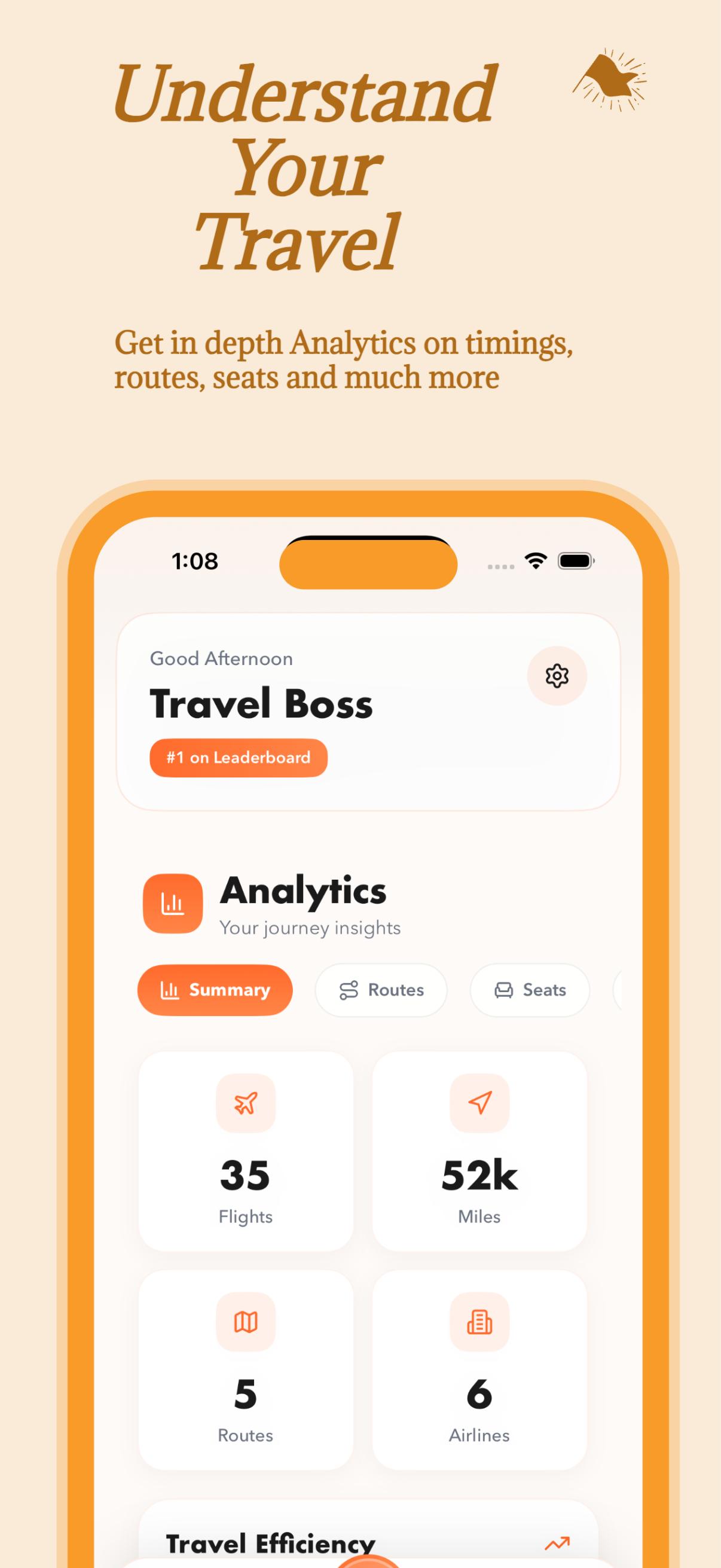
AI trip planning, group budgets, and a boarding pass wallet — everything this guide covers, in your pocket.
AI Trip Planning
Generate personalized itineraries with real-time pricing, route optimization, and local recommendations.
Group Planning & Budgeting
Invite travel companions, split costs, vote on activities, and keep everyone aligned.
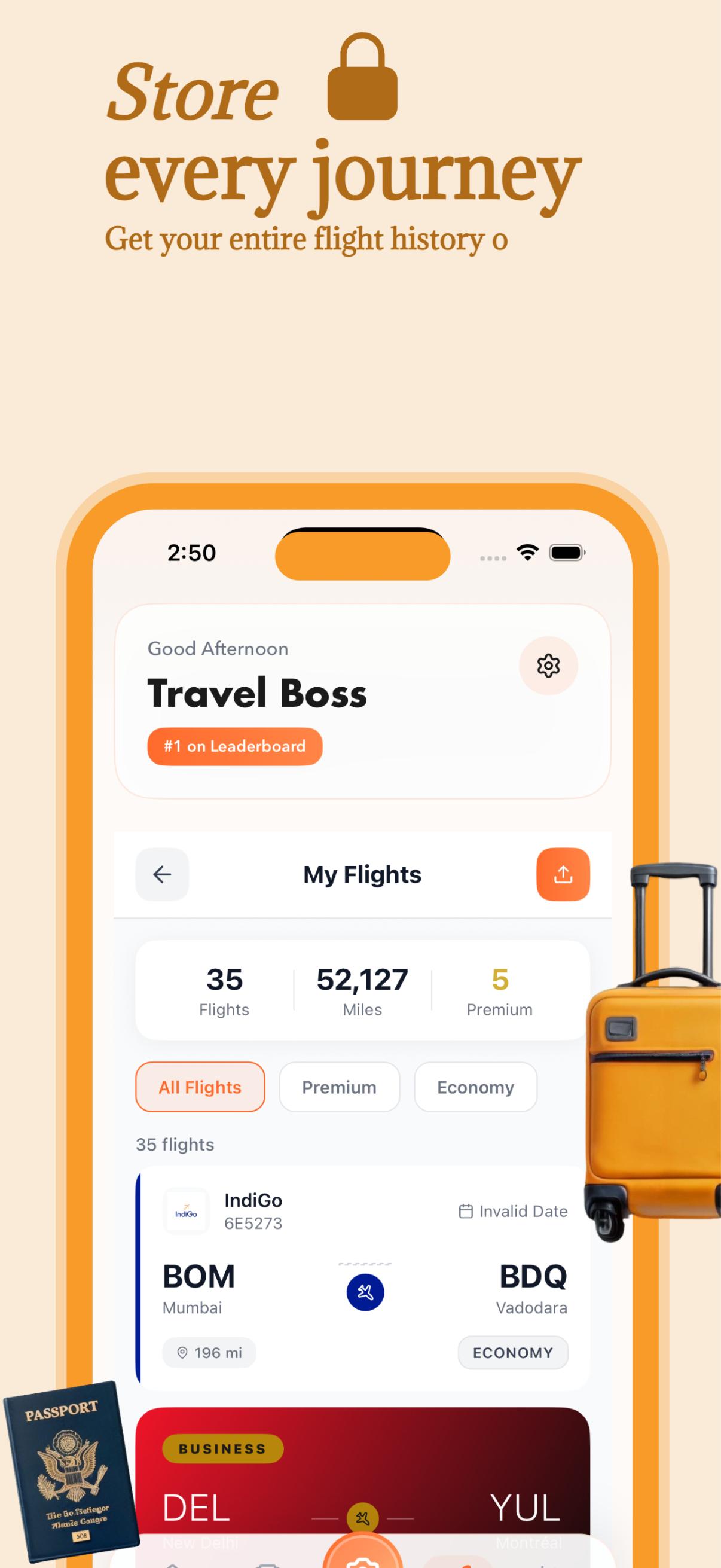
Boarding Wallet & History
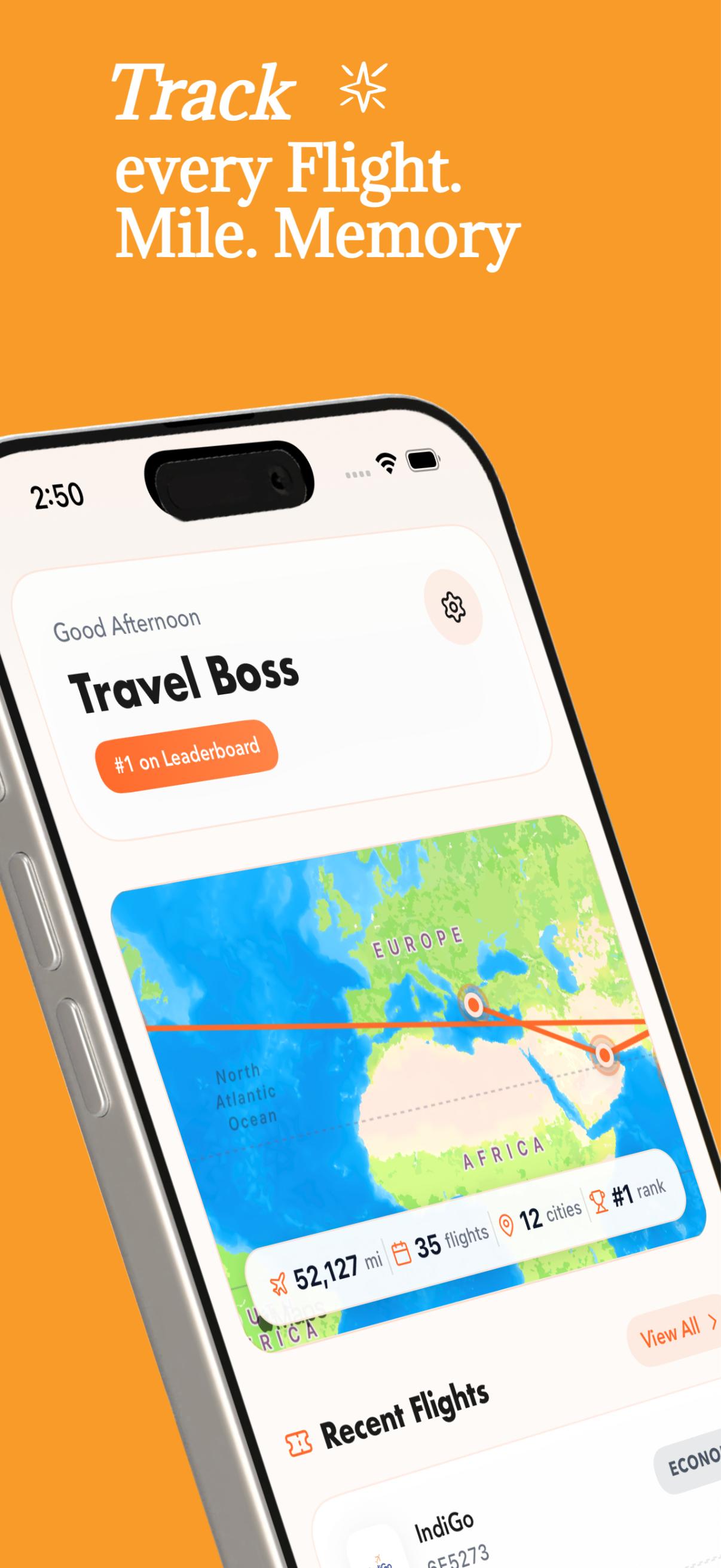
Store every boarding pass, track your travel history, and visualize your journey on a map.
Leaderboard & Achievements
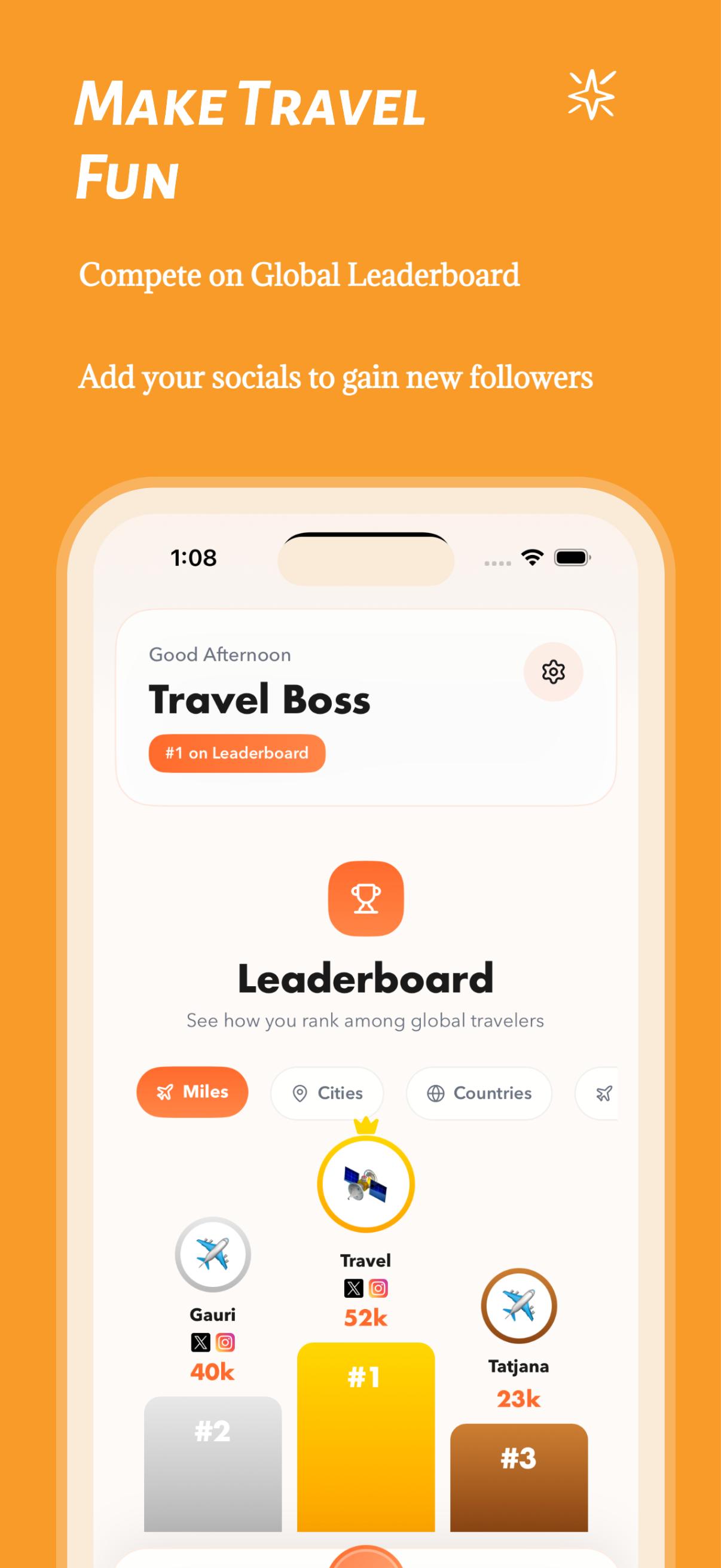
Earn badges for every destination, climb the global rankings, and compete with fellow travelers.
Travel Concierge
Get personalized booking assistance, curated recommendations, and priority support — all in-app.

Route directions & coordinate spots
The actual itinerary roadmap — coordinates, transit directions, and details for every stop.
Zanskar Valley, India
Accessible only via high mountain passes, this high-altitude desert remains largely disconnected from global tourism. Expect a 12-hour drive from Leh. The lack of reliable cellular data means you must rely on local homestays which cost roughly 1,200 INR ($14 USD) per night. It offers authentic Buddhist culture undisturbed by commercial tour operators.
Socotra, Yemen
This isolated archipelago contains 300+ endemic plant species like the Dragon's Blood Tree. Flights from Abu Dhabi are sporadic, usually departing once a week. Because infrastructure is non-existent, all travel requires a local fixer and private 4x4, costing upwards of $1,800 for a 7-day expedition. Electricity is limited to generator hours.
Danakil Depression, Ethiopia
One of the hottest places on Earth, reaching 50°C (122°F), it remains a true frontier. There are no hotels, only military-escorted camping under the stars. Access requires an organized convoy from Mekelle. It is the ultimate test for travelers who demand zero tourist amenities and high-stakes adventure in an otherworldly volcanic landscape.
Kamchatka Peninsula, Russia
Covering 270,000 square kilometers, this wilderness is accessible only by helicopter or rugged 6-wheel drive trucks. With zero paved roads between volcanic zones, you are entirely reliant on wilderness camping. It is a haven for grizzly bear tracking and thermal geyser viewing, completely free of luxury resorts or paved tourist trails.
Wakhan Corridor, Afghanistan/Tajikistan
A narrow strip of land offering absolute isolation. Getting here requires a specialized permit from the Ministry of Foreign Affairs and a 15-hour drive from Dushanbe. There is no tourist infrastructure, electricity, or internet. You will sleep in nomadic yurts or village guest houses, paying locals roughly $15-$20 per night in trade or cash.
Tsingy de Bemaraha, Madagascar
This labyrinth of limestone needles is reachable only during the dry season (May-November) via a 2-day, 4x4 journey from Morondava. River crossings rely on hand-cranked ferries. Once you reach the park, tourism infrastructure consists of basic bush camps. You must carry all your own supplies, as no shops exist within the park boundaries.
Svalbard Hinterlands, Norway
Outside of Longyearbyen, the wilderness is strictly permit-only and requires a high-caliber rifle for polar bear protection. There is zero tourist infrastructure once you leave the town limits. Exploration is done by snowmobile or dog sled, costing around $400 daily. It is the world's most accessible, yet infrastructure-free, Arctic frontier.
Darién Gap, Panama/Colombia
A dense, roadless jungle forming the only break in the Pan-American Highway. This area is effectively managed by local indigenous tribes. There is absolutely no tourist infrastructure; any entry requires deep local knowledge and extreme logistical planning. Costs are variable, typically involving private boat charters from Yaviza or Capurganá.
Curated tours & experiences
Skip-the-line activity tokens, certified day guides, and unique regional activities.
Interactive suggestions load dynamically based on seasonal availability.
Browse Viator Experiences
Looking for premium curated day-trips, private shuttle transports, or multi-day hiking expeditions? View top activities instantly.
The full guide, stop by stop
Hand-curated notes and specific travel insights, built exclusively for this trip.

Trail Notes
Socotra, Yemen costs $2,000 for a 7-day all-inclusive expedition.
Socotra is effectively a floating botanical laboratory disconnected from the modern world. You will spend your nights sleeping in tents on white-sand beaches or near the Dragon's Blood trees in the Diksam Plateau. There are no mobile networks outside of the main port city. You must hire a local guide, as entry is restricted by government checkpoints. Bring all your own solar power banks, as diesel generators are scarce. The cuisine consists entirely of freshly caught fish and flatbread prepared over wood fires by your desert camp cook.
The Zanskar Valley remains the most isolated Tibetan-Buddhist region globally.
Reaching Zanskar requires a harrowing drive over the Shinku La pass, which sits at 5,090 meters (16,700 feet). This is not for the faint of heart, as the road is often blocked by landslides. Once there, you stay in village homestays where electricity is limited to a few hours of solar light per evening. The local diet of barley porridge and butter tea is essential for surviving the high-altitude cold. There is no commercial Wi-Fi here, allowing for a total digital detox.
Kamchatka’s volcanic peaks are accessible only via MI-8 military helicopters.
Kamchatka is a vast, unpopulated wilderness where the primary threat is the local brown bear population. You will need to budget for specialized guides who carry firearms for defense. Trips typically last 10 days and involve moving between volcanic geyser fields by boat or ATV. Weather is the final arbiter of your schedule; fog frequently grounds all transport for 48-hour periods, so build a significant buffer into your flights.
Secure curated tours & day tickets with Viator
Unlock flexible skip-the-line museum tickets, local food walkthroughs, and certified regional guides on Viator.
Take your itinerary everywhere
Sync boarding passes, earn travel badges, climb the global leaderboards, and track multi-currency expenses — all offline.
Crowd Avoidance
- Travel in the 'shoulder-shoulder' seasons: 14 days before the official start or end of the operating window to avoid all secondary tour groups.
- Hire local fixers who have existing relationships with village elders to access private lands forbidden to general tourists.
- Use satellite messaging devices like Garmin InReach to coordinate your own transit routes rather than relying on common, crowded public transport nodes.
- Avoid the 'Main Camps' entirely; negotiate with local drivers to drop you 10km away from marked park trails to ensure zero human encounters.
- Plan your daily movement for 04:00 AM departures to ensure you occupy a location before the limited 4x4 traffic of regional expeditions arrives.
- Never follow 'recommended' routes on travel forums; take the secondary, poorly maintained mountain passes that require 4x4 technical skills to bypass the crowds on the main roads.
Secure curated tours & day tickets with Viator
Unlock flexible skip-the-line museum tickets, local food walkthroughs, and certified regional guides on Viator.
Top Curated Travel Experiences in Best Places for a Trip With Genuinely Zero Tourist Infrastructure (2026 Guide)
Full-Day Guided Sightseeing Tour in Best Places for a Trip With Genuinely Zero Tourist Infrastructure (2026 Guide)
Explore the absolute best sights of Best Places for a Trip With Genuinely Zero Tourist Infrastructure (2026 Guide) with an expert certified local English-speaking guide.
Best Places for a Trip With Genuinely Zero Tourist Infrastructure (2026 Guide) Hidden Gems & Historical Walking Tour
Step off the beaten path into quiet streets with your storyteller guide.

Suggested Route Order
To optimize a trip through a zero-infrastructure region, structure your movement to follow the logic of supply chains, not attractions. Start by flying into the primary regional hub—usually a capital city with an international airport—and spend two days securing permits, local currency, and a reliable fixer. This ensures your group has a safety net before entering the wilderness.
- Secure a regional permit and local fixer (Day 1-2).
- Travel to the nearest 'last settlement' where fuel and medical supplies are still available (Day 3).
- Move into the 'zero-zone' (wilderness) using independent 4x4 or river transport (Day 4-8).
- Return to the last settlement to re-supply or exit (Day 9).
The sequence is designed to maximize time in the wilderness while minimizing the risks associated with running out of supplies in areas without cellular reception or emergency services. By moving linearly away from the hub, you ensure that any logistical failure happens closer to professional assistance.
Find cheap flights & multi-city stays
Secure flexible flight pathways, regional connections, and custom travel bundles on Trip.com.
Top Curated Travel Experiences in Best Places for a Trip With Genuinely Zero Tourist Infrastructure (2026 Guide)
Full-Day Guided Sightseeing Tour in Best Places for a Trip With Genuinely Zero Tourist Infrastructure (2026 Guide)
Explore the absolute best sights of Best Places for a Trip With Genuinely Zero Tourist Infrastructure (2026 Guide) with an expert certified local English-speaking guide.
Best Places for a Trip With Genuinely Zero Tourist Infrastructure (2026 Guide) Hidden Gems & Historical Walking Tour
Step off the beaten path into quiet streets with your storyteller guide.
Getting Between Spots
In zones with no tourist infrastructure, public transport is non-existent. You must utilize 'shared logistics' where you hire a vehicle or boat for the duration of your stay. Apps like Grab or Uber do not exist here; you will be negotiating rates directly with local 4x4 drivers at regional markets. When traveling as a group, renting a full vehicle is cheaper than paying individual seat prices for private transit.
| Route | Typical Transport | Approx. Time | Est. Cost |
|---|---|---|---|
| Leh to Zanskar | Shared 4x4 | 12-14 hrs | $80 |
| Socotra Port to Interior | Private 4x4 | 4-6 hrs | $150 |
| Mekelle to Danakil | Convoy 4x4 | 8-10 hrs | $200 |
Always verify that your driver has a 'wilderness permit' if traveling between borders or protected zones. For mixed-budget groups, designate one person to manage the 'pot' for transport; this avoids the time-consuming process of splitting bills in remote areas where change is impossible to find.
Find cheap flights & multi-city stays
Secure flexible flight pathways, regional connections, and custom travel bundles on Trip.com.

Transport Cost Table
| Route | Method | Time | Local Cost | USD Cost |
|---|---|---|---|---|
| Leh - Zanskar | Shared 4x4 | 14 hrs | 6,500 INR | $78 |
| Mekelle - Erta Ale | Convoy 4x4 | 10 hrs | 14,000 ETB | $220 |
| Dushanbe - Murghab | Private Van | 15 hrs | 1,200 TJS | $110 |
| Morondava - Tsingy | Bush 4x4 | 8 hrs | 400,000 MGA | $90 |
| Longyearbyen - Hinterland | Snowmobile | 5 hrs | 4,500 NOK | $420 |
| Yaviza - Jungle Base | River Boat | 6 hrs | 250 PAB | $250 |
Costs reflect high-season rates for private or shared charter. Always carry cash in local denominations, as credit card terminals are absent in these regions.
Find cheap flights & multi-city stays
Secure flexible flight pathways, regional connections, and custom travel bundles on Trip.com.
Where To Base
When staying in zero-infrastructure zones, you are usually based in 'base villages'—the last point of permanent human habitation before the wilderness begins. These areas consist of community-run guesthouses. For groups with mixed budgets, the 'fixed-cost' approach is best: everyone pays the same for the essential vehicle/fixer, while accommodation can be split by choosing a private room for some and a tent/floor space for others.
| Neighborhood | Vibe | Avg Nightly | Group Suitability |
|---|---|---|---|
| Base Village (Zanskar) | Authentic | $15 | High |
| Port Town (Socotra) | Basic | $40 | Medium |
| Mekelle Outskirts | Industrial | $30 | High |
In Zanskar, for example, a splurge is non-existent. Everyone stays in the same village homestay, but 'splurging' means buying the host family extra fresh goat milk or fuel for the communal heater. This creates a shared experience despite budget variations, keeping the group dynamic cohesive.
Book Hotels in Best Places for a Trip With Genuinely Zero Tourist Infrastructure (2026 Guide) with Agoda
Compare premium boutique hotels, resort villas, and historic stays at the guaranteed lowest rates.

Itinerary Day Plan
| Day | Morning | Afternoon | Evening | Est. Cost |
|---|---|---|---|---|
| 1 | Permit pickup | Gear check | Local dinner | $50 |
| 2 | Transit to base | Trail prep | Homestay stay | $120 |
| 3 | Deep wilderness | Photo session | Bush camp | $200 |
| 4 | Return transit | Local market | Departure | $150 |
This plan prioritizes safety and local integration. By spending the first day on permits and gear, you prevent costly mid-expedition failures.
Find cheap flights & multi-city stays
Secure flexible flight pathways, regional connections, and custom travel bundles on Trip.com.
Local Insider Tips
- Always bring 200% of the cash you think you need; there are no ATMs once you leave the capital.
- Bring small gifts like quality tea or seeds; these are more valuable than money in remote, trade-based economies.
- Contrarian Tip: Do not hire the 'official' tour guides found in government offices; pay a local farmer to drive you; they know the secret mountain routes that commercial guides avoid.
- Always accept the first offer of tea; refusing is seen as an insult to the host's hospitality.
- Pack a portable water filtration system (like Sawyer Squeeze); do not rely on buying bottled water as plastic waste is a major issue.
- Wear local dress if possible; it gains you instant respect and access to village festivities.
- Learn 10 words in the local dialect; it will change the price of services by 20% in your favor.
- Bring your own satellite internet device; assume 0% connectivity for your entire stay.
- Carry a printed copy of your passport and permit; digital files are useless if your device dies.
- Always carry a basic medical kit, specifically antibiotics for digestive issues.
Get instant mobile data with Saily eSIM
Stay connected. Skip expensive roaming fees and activate instant high-speed data in seconds with Saily.

Photography And Best Light
In remote, high-altitude or volcanic regions, light is harsh and contrast is extreme. Use a polarising filter to manage glare on rock faces and snow. The best 'Golden Hour' in these regions often occurs twice: once at 05:30 AM before the wind picks up, and again at 18:30 PM. For wildlife or cultural photography, use a 70-200mm lens to stay at a respectful distance. Reference National Geographic Photography for landscape composition tips.
Get instant mobile data with Saily eSIM
Stay connected. Skip expensive roaming fees and activate instant high-speed data in seconds with Saily.
Budget And Cost Context
Budgeting for zero-infrastructure travel requires factoring in the 'cost of failure'—paying for redundant transport, emergency caches, and private fixers. While food is cheap, the logistical overhead is high.
| Tier | Daily Cost | Includes |
|---|---|---|
| Budget | $80 | Shared transit, homestays |
| Mid-range | $150 | Private fixer, basic lodges |
| Luxury | $300+ | Helicopter/Private plane, security |
Local prices for food are often negligible ($2-$5/meal), but the cost of getting to the remote site can average $500-$1000 per person in transit fees.
Find cheap flights & multi-city stays
Secure flexible flight pathways, regional connections, and custom travel bundles on Trip.com.
Top Restaurants By Budget
| Name | Location | Type | Tier | Dish |
|---|---|---|---|---|
| Village Cookhouse | Zanskar | Local | $ | Thukpa |
| Market Stalls | Mekelle | Street | $ | Injera |
| Coastal Grill | Socotra | Seafood | $$ | Fresh Tuna |
Food in these regions is seasonal and communal. There are no 'restaurants' in the Western sense; you are usually eating the catch or harvest of the day at a communal table.
Secure curated tours & day tickets with Viator
Unlock flexible skip-the-line museum tickets, local food walkthroughs, and certified regional guides on Viator.
Food And Drink Highlights
In zero-infrastructure zones, your diet is limited to what is available locally. In Zanskar, eat butter tea for energy. In Socotra, goat meat is the staple. Always ensure water is boiled for at least 3 minutes. For more on safe travel eating, check the CDC travel guidelines.
Secure curated tours & day tickets with Viator
Unlock flexible skip-the-line museum tickets, local food walkthroughs, and certified regional guides on Viator.
Safety Considerations
- Register with your embassy before entering remote zones.
- Carry a satellite phone with an SOS feature like the Garmin inReach.
- Scam Alert: Do not trust 'travel agents' offering all-inclusive tours at suspiciously low prices in regional hubs.
- Always carry a copy of your travel insurance policy that specifically covers medical evacuation.
- Check local government travel advisories for conflict-related risks.
Get instant mobile data with Saily eSIM
Stay connected. Skip expensive roaming fees and activate instant high-speed data in seconds with Saily.
Seasonal Variations
| Month | Weather | Crowds | Notes |
|---|---|---|---|
| Jan-Mar | Extreme Cold | Zero | Passes closed |
| Apr-May | Mild | Low | Best for desert |
| Jun-Aug | Hot/Wet | Medium | Monsoon risks |
| Sep-Oct | Perfect | Low | Best for mountains |
| Nov-Dec | Cold | Zero | Winter lockdown |
Book top guided activities and tickets in Best Places for a Trip With Genuinely Zero Tourist Infrastructure (2026 Guide)
Skip the long queues, discover hidden gems, and book 100% free-cancellation activities on Viator with live local support.
Equipment And Gear Advice
- Heavy-duty 4-season tent with high wind resistance.
- Sawyer Squeeze water filtration kit.
- Solar-powered power bank (minimum 20,000 mAh).
- Thermal layers (Merino wool is essential).
- A high-quality multi-tool (Leatherman).
- Physical maps; GPS is not always reliable.
- Duct tape for field repairs of tents/gear.
- Anti-malarial medication if traveling in tropical zones.
- A headlamp with 3 spare sets of lithium batteries.
Get instant mobile data with Saily eSIM
Stay connected. Skip expensive roaming fees and activate instant high-speed data in seconds with Saily.
Local Festivals And Events
| Event | Month | Location | Why It Matters |
|---|---|---|---|
| Monlam Chenmo | Feb | Zanskar | Buddhist chanting |
| Socotra Festival | Nov | Socotra | Local heritage |
Events are the best time to see regional dress and rituals. Always ask for permission before photographing ceremonies.
Book top guided activities and tickets in Best Places for a Trip With Genuinely Zero Tourist Infrastructure (2026 Guide)
Skip the long queues, discover hidden gems, and book 100% free-cancellation activities on Viator with live local support.
Sustainable Travel Tips
- Pack out all plastic waste; these regions lack disposal systems.
- Hire local, not international, guides to ensure money stays in the village.
- Avoid 'voluntourism' which disrupts local education/work.
- Respect burial sites and sacred mountains.
- Use public transport where possible, even if it is slow.
- Support local cooperatives rather than purchasing imported goods.
Get instant mobile data with Saily eSIM
Stay connected. Skip expensive roaming fees and activate instant high-speed data in seconds with Saily.
Neighborhood Guide
Zanskar High-Plateau
This is a region of traditional Tibetan villages. Stay in Padum to access the main monastery. It is accessible by shared Jeep from Leh. The vibe is silent and spiritual.
Socotra Central Interior
Dominated by the Hajhir Mountains, this area is best for hiking. Stay in local camps in the Firmihin Forest. The vibe is prehistoric and otherworldly.
Book Hotels in Best Places for a Trip With Genuinely Zero Tourist Infrastructure (2026 Guide) with Agoda
Compare premium boutique hotels, resort villas, and historic stays at the guaranteed lowest rates.

Alternative Options
Who Should Skip This
If you require reliable high-speed internet, private en-suite bathrooms, or dietary variety, do not choose these destinations. They are designed for self-sufficiency, not relaxation.
Alternatives: If you want remote feel with better logistics, try Northern Mongolia (accessible via private tours) or the Canadian Arctic (high-cost but professional infrastructure). These offer the feeling of isolation without the risk of absolute zero-resource failure.
Book top guided activities and tickets in Best Places for a Trip With Genuinely Zero Tourist Infrastructure (2026 Guide)
Skip the long queues, discover hidden gems, and book 100% free-cancellation activities on Viator with live local support.
Frequently Asked Questions
- Is it safe to travel to places with zero infrastructure?
- It is safe if you are self-sufficient, but it carries higher physical risks than standard tourism. You must be prepared for the absence of emergency medical services and have your own evacuation plan in place.
- What is the best month to visit the Zanskar Valley?
- September is the best month because the mountain passes are clear of snow and the temperatures remain stable. Always check for road closures in early August due to monsoon-related landslides.
- Do I need a visa for Socotra?
- Yes, you require a specialized Yemeni visa coordinated through a local tour operator. This is not a standard visa-on-arrival situation and must be processed weeks in advance.
- Can I use a credit card in the Danakil Depression?
- No, credit cards are useless in remote areas like the Danakil Depression. Carry all necessary funds in local currency for the duration of your trip.
- How do I stay clean in zero-infrastructure spots?
- Use biodegradable wipes and a portable solar shower system. Most local homestays will provide water, but you should not expect hot running water or private facilities.
- What happens if I get sick in a remote region?
- You must have medical evacuation insurance like Global Rescue. You will need to coordinate with your fixer to move you to the nearest regional clinic, which may be a 10-hour drive away.
Book top guided activities and tickets in Best Places for a Trip With Genuinely Zero Tourist Infrastructure (2026 Guide)
Skip the long queues, discover hidden gems, and book 100% free-cancellation activities on Viator with live local support.
Final CTA
Book top guided activities and tickets in Best Places for a Trip With Genuinely Zero Tourist Infrastructure (2026 Guide)
Skip the long queues, discover hidden gems, and book 100% free-cancellation activities on Viator with live local support.
Ready to track your travels?
Join thousands of travelers using Borderly to plan trips, track expenses, store boarding passes, and compete on the global leaderboard.