Best Places to Do a Farmstay: A 2026 Guide to Genuine Rural Immersion
Discover the most authentic, working farmstays around the world for 2026. Learn how to choose a real rural experience that prioritizes agriculture over tourism.
Travel concierge
Join travelers planning with Borderly's AI


5-day itinerary ready to plan
Search Live Flights to Best Places to Do a Farmstay: A 2026 Guide to Genuine Rural Immersion
Real-time airline seat selection, transparent baggage inclusions, and direct booking across 400+ carriers.
Book with Borderly • Powered by Duffel
Fly to Best Places to Do a Farmstay: A 2026 Guide to Genuine Rural Immersion, booked directly.
Real-time seat availability, live baggage options, and transparent fares across 400+ airlines.
Just ask the AI trip planner
Tell it your dates, budget, or vibe — it will pull straight from this guide and build a route around it.
Ask about your Best Places to Do a Farmstay: A 2026 Guide to Genuine Rural Immersion trip
Real answers on routes, timing, and local tips — grounded in this guide.
Get Borderly on iOS
Download the app to generate custom AI trip plans, organize group budgets, and store your boarding wallet — all offline.

Join 2,000+ travelers using Borderly
One app for the whole trip
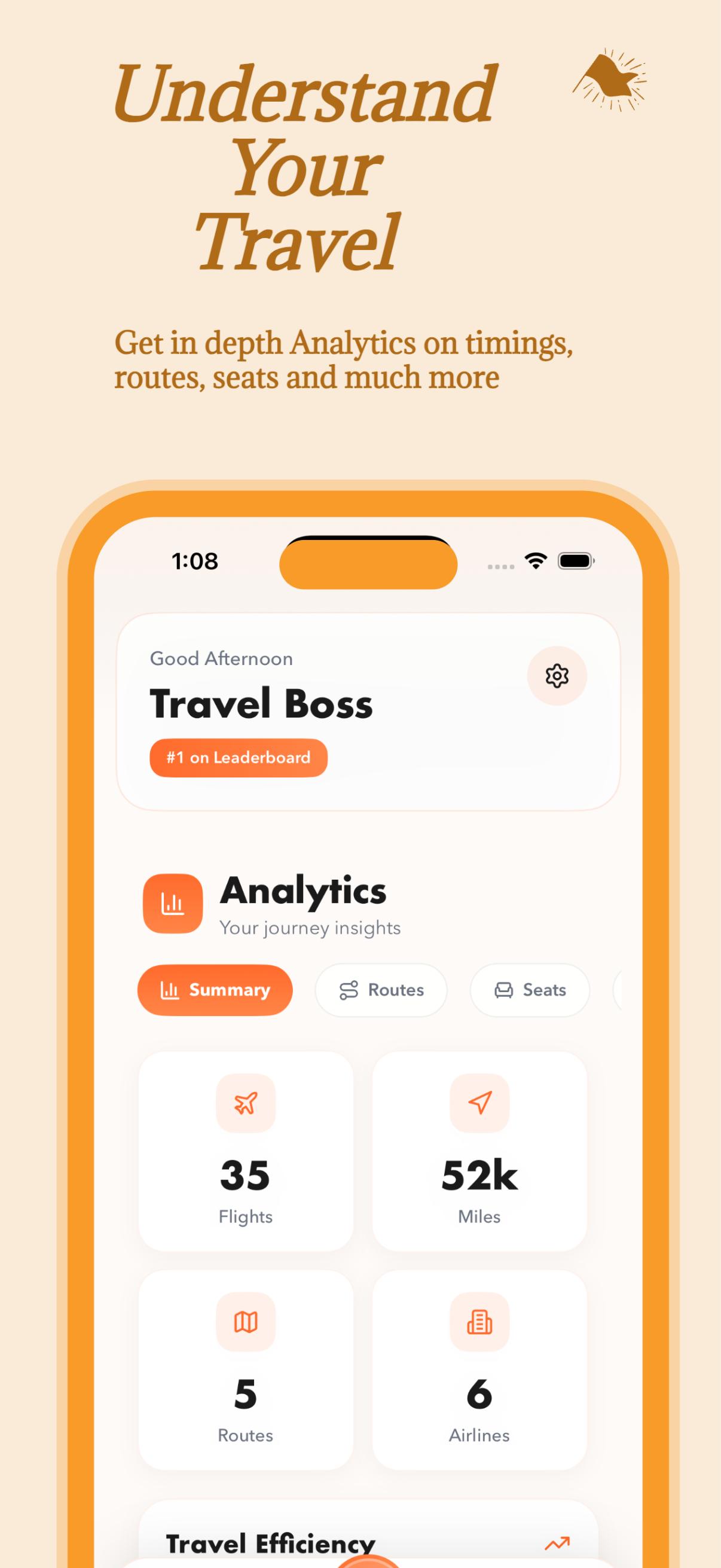
AI trip planning, group budgets, and a boarding pass wallet — everything this guide covers, in your pocket.
AI Trip Planning
Generate personalized itineraries with real-time pricing, route optimization, and local recommendations.
Group Planning & Budgeting
Invite travel companions, split costs, vote on activities, and keep everyone aligned.
Boarding Wallet & History
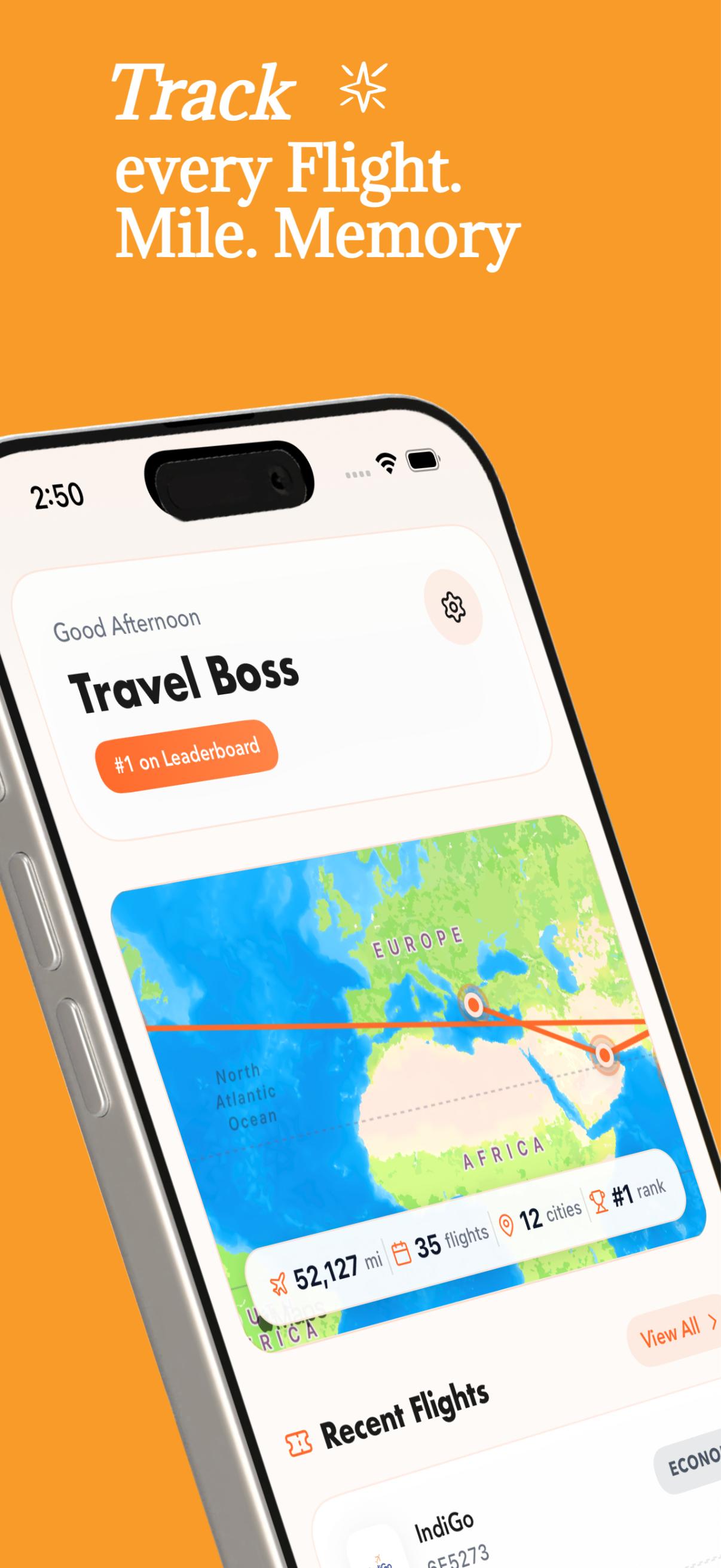
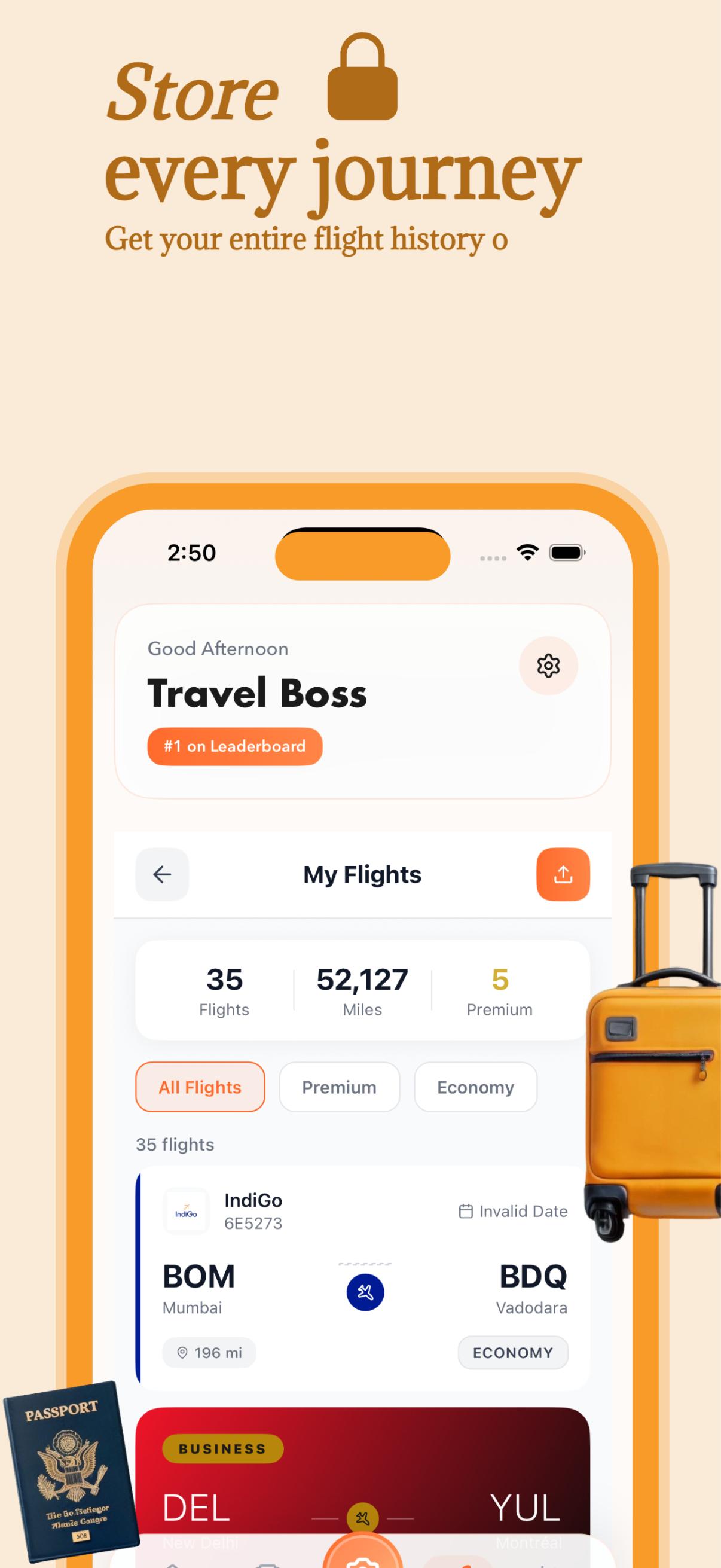
Store every boarding pass, track your travel history, and visualize your journey on a map.
Leaderboard & Achievements
Earn badges for every destination, climb the global rankings, and compete with fellow travelers.
Travel Concierge
Get personalized booking assistance, curated recommendations, and priority support — all in-app.


Route directions & coordinate spots
The actual itinerary roadmap — coordinates, transit directions, and details for every stop.
Tenuta di Spannocchia, Italy
Located in the heart of Tuscany, this 1,100-acre organic estate offers an authentic glimpse into traditional mezzadria farming. Guests participate in seasonal harvests, from olive picking in November to vineyard maintenance. The property focuses on biodiversity, raising heritage-breed pigs and maintaining ancient chestnut groves. It is a working educational center, not a luxury resort, providing a raw look at sustainable agrarian life in a stunning landscape.
Hoshino Resorts RISONARE, Japan
Nestled in the Yatsugatake mountains, this farm-centric retreat integrates local agriculture into every aspect of the guest experience. The 'Agri-garden' provides fresh vegetables for their farm-to-table dining, and guests can engage in seasonal fruit picking or soil cultivation. The design highlights the surrounding rural beauty, offering a sophisticated but deeply grounded connection to the Japanese countryside's rhythmic, seasonal demands and heritage crafts.
Finca Luna Nueva, Costa Rica
This regenerative farm and lodge near La Fortuna operates on the principles of biodynamic agriculture. It is a living classroom where guests learn about cacao production, soil health, and tropical permaculture. Unlike standard eco-resorts, the farm activity is central to the stay. You will walk through lush rainforest corridors and sample produce harvested just hours before arriving on your dinner plate, emphasizing deep environmental connection.
Alladale Wilderness Reserve, Scotland
This massive 23,000-acre estate in the Scottish Highlands represents a bold attempt at landscape-scale rewilding. Instead of traditional crops, the 'farming' here involves peatland restoration, tree planting, and managing red deer populations. Visitors engage with the ecology of the glens, participating in conservation efforts that redefine what it means to work the land in modern, ecologically conscious, and rugged northern climates.
Babylonstoren, South Africa
Situated in the Drakenstein Valley, this historic Cape Dutch farm remains one of the best-preserved examples of an 18th-century working garden. With over 300 plant species, the farm functions as a complete food ecosystem. Guests are encouraged to pick their own produce, feed donkeys, and wander through the immense fruit orchards. The experience is highly aesthetic, blending historical preservation with active, modern-day farming practices.
Ballymaloe House, Ireland
The pioneer of the Irish farm-to-table movement, this estate features an award-winning cookery school and a 300-acre farm. Guests can explore the glasshouses, herb gardens, and pasturelands where their food is sourced. It is a masterclass in culinary self-sufficiency, where the relationship between the garden and the kitchen is transparent, physical, and deeply tied to the seasonal cycles of County Cork’s lush, temperate landscape.
Stoney Creek Farm, USA
Located in Tennessee, this family-operated farm specializes in homesteading education and sustainable gardening practices. It is a quintessential American rural experience where guests learn to can vegetables, preserve herbs, and manage small livestock. The focus is on practical, small-scale farming techniques suitable for those wanting to learn self-reliance. It offers a modest, honest, and educational immersion into the rhythms of rural life.
Herdade da Malhadinha Nova, Portugal
Deep in the Alentejo region, this family-owned estate focuses on traditional dry-land farming combined with winemaking. Visitors witness the seasonal cycles of olive and grape harvests in one of the most remote and arid parts of Europe. The integration of livestock—specifically the Alentejano black pig—into the vineyards creates a circular farming model that is both functional and culturally rich, emphasizing timeless rural values.
Curated tours & experiences
Skip-the-line activity tokens, certified day guides, and unique regional activities.
Interactive suggestions load dynamically based on seasonal availability.
Browse Viator Experiences
Looking for premium curated day-trips, private shuttle transports, or multi-day hiking expeditions? View top activities instantly.
The full guide, stop by stop
Hand-curated notes and specific travel insights, built exclusively for this trip.

Trail Notes
When selecting a farmstay, look for properties that prioritize biodiversity over picturesque uniformity. These selections are curated for their operational transparency and genuine commitment to land stewardship.
1. Tenuta di Spannocchia, Italy: 1,100 Acres of History
At 300 euros per week for community-style stays, this is arguably the most authentic agriturismo in Tuscany. Unlike commercial villas, Spannocchia operates as a nonprofit foundation focusing on the restoration of traditional agricultural heritage. Guests stay in historic buildings that once housed the sharecroppers (mezzadri) of the estate. The secret here is to arrive during the 'festa dell'olio' in late autumn; the entire estate works in unison to harvest olives, and guests are treated as part of the agricultural community rather than hotel clients. Bring sturdy boots, as you will be traversing steep, unpaved terrain to reach the most productive groves.
2. Finca Luna Nueva, Costa Rica: The Permaculture Lab
Costs start at $220 per night, which includes an educational 'Farm to Table' tour that is significantly more rigorous than your average resort activity. This farm is a laboratory for regenerative agriculture. The non-obvious insight is that you should skip the standard tours and ask to join the farm manager during the early morning soil-sampling rounds. You will learn more about tropical carbon sequestration in one hour here than in a week of typical ecotourism. It is a muddy, humid, and deeply rewarding experience.
3. Ballymaloe House, Ireland: Culinary Precision
Expect to pay approximately €350 per night for a high-end experience that centers entirely on the 300-acre farm's output. The most important detail is that the house kitchen is supplied by their own garden, dairy, and livestock, creating a closed-loop food system. Visitors often overlook the glasshouses; ask for a tour of the herb garden where over 50 varieties are harvested daily. It is a refined, yet unapologetically rural experience that demands an appreciation for the labor required to put high-quality ingredients on a plate.
Secure curated tours & day tickets with Viator
Unlock flexible skip-the-line museum tickets, local food walkthroughs, and certified regional guides on Viator.
Take your itinerary everywhere
Sync boarding passes, earn travel badges, climb the global leaderboards, and track multi-currency expenses — all offline.
Crowd Avoidance
To experience true rural silence, you must reject the 'weekend getaway' cycle that dominates rural tourism. Most travelers arrive on Friday evening and depart Sunday morning; by arriving on a Tuesday, you gain access to the farmers when they are not distracted by a full house of guests.
- Schedule your arrivals for mid-week to ensure private attention from the farm staff.
- Avoid the 'harvest festivals' at popular estates unless you specifically enjoy large crowds and booked-out tours.
- Always request the most remote cabin or room available, even if it lacks the premium view, as privacy increases exponentially with distance from the main house.
- Ask your host for the 'off-map' hiking trails on the property; these are usually maintained for utility, not tourists.
- Plan your daily activities for 6:00 AM; while other guests sleep, you will witness the farm's most critical operations.
- Use physical maps provided by the farm rather than GPS, as satellite data often over-directs visitors to the most crowded access roads.
Secure curated tours & day tickets with Viator
Unlock flexible skip-the-line museum tickets, local food walkthroughs, and certified regional guides on Viator.
Top Curated Travel Experiences in Best Places to Do a Farmstay: A 2026 Guide to Genuine Rural Immersion
Full-Day Guided Sightseeing Tour in Best Places to Do a Farmstay: A 2026 Guide to Genuine Rural Immersion
Explore the absolute best sights of Best Places to Do a Farmstay: A 2026 Guide to Genuine Rural Immersion with an expert certified local English-speaking guide.
Best Places to Do a Farmstay: A 2026 Guide to Genuine Rural Immersion Hidden Gems & Historical Walking Tour
Step off the beaten path into quiet streets with your storyteller guide.

Suggested Route Order
For a multi-farm trip in Europe, the optimal route follows the harvest timeline, starting in the north and moving south. Begin in Ireland at Ballymaloe to understand the foundational principles of soil-to-table gardening in a temperate climate, then transition to Italy's Tenuta di Spannocchia for the Mediterranean harvest experience.
- Start in Cork, Ireland: Spend 3 nights at Ballymaloe to understand seasonal, small-scale food production.
- Transit: Fly directly from Cork (ORK) or Dublin (DUB) to Florence (FLR) to minimize travel fatigue.
- Conclude in Tuscany, Italy: Spend 4 nights at Spannocchia. By moving from the lush, cool north to the sun-drenched central Italian hills, you observe how geography dictates agricultural timing and crop selection.
This route is intentionally spaced to allow for rest between periods of physical engagement. By limiting yourself to two major regions, you avoid the 'collector's fallacy'—trying to see too many farms—and instead build a genuine relationship with the land at each stop. This sequence also balances the Irish penchant for dairy and root vegetable focus with the Italian focus on olives and grains, providing a comprehensive education in European agrarian life.
Find cheap flights & multi-city stays
Secure flexible flight pathways, regional connections, and custom travel bundles on Trip.com.
Top Curated Travel Experiences in Best Places to Do a Farmstay: A 2026 Guide to Genuine Rural Immersion
Full-Day Guided Sightseeing Tour in Best Places to Do a Farmstay: A 2026 Guide to Genuine Rural Immersion
Explore the absolute best sights of Best Places to Do a Farmstay: A 2026 Guide to Genuine Rural Immersion with an expert certified local English-speaking guide.
Best Places to Do a Farmstay: A 2026 Guide to Genuine Rural Immersion Hidden Gems & Historical Walking Tour
Step off the beaten path into quiet streets with your storyteller guide.
Getting Between Spots
Rural transit requires a departure from standard ride-share reliance. In most genuine farm areas, public transport is non-existent, and you will be relying on private transfers or regional car rentals.
| Route | Best Method | Time | Est. Cost |
|---|---|---|---|
| Cork Airport to Ballymaloe | Private Taxi | 45 min | €60 |
| Florence Airport to Spannocchia | Car Rental | 90 min | €80/day |
Relying on Uber or Lyft in the rural countryside is a common mistake; in areas like Tuscany or rural Ireland, these apps will show zero availability. Always coordinate your arrival with the farm hosts at least 72 hours in advance. They often have local 'preferred' taxi contacts who know exactly how to navigate unpaved driveways that GPS frequently fails to recognize. If traveling as a group, renting a single vehicle is the most cost-effective approach. Split the rental cost and fuel, but ensure your vehicle is an automatic if you are not accustomed to driving manual cars on narrow, rural lanes. For groups of 4+, a van rental is essential as rural taxi services rarely accommodate large parties with luggage.
Find cheap flights & multi-city stays
Secure flexible flight pathways, regional connections, and custom travel bundles on Trip.com.
Transport Cost Table
| Route | Method | Time | Est. Local Cost | Est. USD |
|---|---|---|---|---|
| Train Station to Farm (Local) | Private Car | 30 min | €40 | $43 |
| Regional Airport to Remote Area | Rental Car | 2 hours | €120 | $130 |
| Group Farm Transfer (Max 4) | Private Van | 60 min | €90 | $97 |
| Village Shuttle Service | Shared Minibus | 20 min | €15 | $16 |
The costs above assume high-demand seasonal travel. Always book your transport at least two weeks before arrival to avoid 'last-minute' pricing, which can be 50% higher in rural areas due to the scarcity of independent service providers. Group travel hack: If you are arriving with a group of friends, skip individual shuttles. Coordinate a single 'meetup' point at the nearest regional train station and hire a private van; this usually saves 30% compared to booking four individual taxi transfers and ensures your group arrives simultaneously, allowing for a shared orientation session with the farm hosts.
Find cheap flights & multi-city stays
Secure flexible flight pathways, regional connections, and custom travel bundles on Trip.com.
Where To Base
When choosing a base, prioritize proximity to the estate entrance to avoid unnecessary travel time. For mixed-budget groups, the 'base' strategy is essential: opt for a local village guesthouse for the budget-conscious while the splurge-seekers stay in the premium renovated suites at the farm itself.
| Zone | Vibe | Price | Proximity |
|---|---|---|---|
| Estate Guest Suite | Immersive | High | 0 km |
| Village Guesthouse | Local | Low | 5 km |
| Holiday Rental (Agriturismo) | Independent | Mid | 2 km |
The key to mixed-budget success is staying in a village within a 5-10 minute drive of the farm. This allows the group to participate in all scheduled farm activities during the day while maintaining separate accommodation budgets at night. In Tuscany, for instance, staying in the town of Sovicille allows group members to choose between a $50/night village apartment or a $300/night historic estate suite, all while meeting up for the same morning coffee at the local cafe before heading to the farm. Never force your group to stay on-site if the price point excludes your budget-conscious travelers; the proximity is usually close enough that meeting at the farm gate takes less than ten minutes by bicycle or car.
Book Hotels in Best Places to Do a Farmstay: A 2026 Guide to Genuine Rural Immersion with Agoda
Compare premium boutique hotels, resort villas, and historic stays at the guaranteed lowest rates.

Itinerary Day Plan
| Day | Morning | Afternoon | Evening | Est. Cost |
|---|---|---|---|---|
| 1 | Farm Welcome/Orientation | Orchard Tour/Harvest | Farm-to-Table Dinner | $150 |
| 2 | Livestock Care (Goats) | Cheesemaking Workshop | Village Pub/Local Cider | $120 |
| 3 | Permaculture Seminar | Wilderness Hike/Trail | Communal Harvest Meal | $130 |
This itinerary is designed for 2026. The morning sessions focus on the physical labor of the farm when the temperature is coolest and the staff is most active. Afternoon sessions are reserved for hands-on learning, while evenings are intended for communal dining—an essential aspect of the farmstay experience. Costs fluctuate based on whether workshops are included in your accommodation package or booked as 'a la carte' activities.
Remember: the farm's schedule is supreme. If there is an unexpected rainstorm, your harvest workshop will likely be replaced by a canning or drying lesson. Embrace the flexibility. The true value here is the spontaneous adjustment to weather and agricultural need, which provides a deeper understanding of farm life than a static, pre-planned itinerary ever could.
Find cheap flights & multi-city stays
Secure flexible flight pathways, regional connections, and custom travel bundles on Trip.com.
Local Insider Tips
- Skip the 'Organic' Labels: In many rural areas, small-scale farmers don't pay for the official organic certification because they use traditional methods that predate the labels. Ask about their fertilizer use instead.
- The Morning Coffee Rule: Always arrive at the local village cafe by 7:30 AM. This is when the real gossip and local news happens, not at the tourist-oriented lunch spots.
- Trade Skills: If you have a trade (carpentry, web design, nursing), offer to help for an hour. Many hosts will trade this for a free meal or private tour that money can't buy.
- Contrarian Tip: Avoid the 'most beautiful village' recommendations found on Instagram. They are inevitably crowded. Instead, go to the village with the most tractors parked outside the cafe; that's where the actual local economy is thriving.
- Carry Cash: In truly rural areas, credit card machines are often 'broken' to avoid fees. Carry 20% more cash than you think you need.
- Learn the Seasonal Language: Every farm has a 'rhythm' word (e.g., 'vendemmia' for grape harvest). Learning these terms will instantly improve your relationship with the staff.
- Water Wisdom: Always carry your own reusable bottle. Rural farms often have natural spring water, but it's not always piped to every room.
- Footwear: Don't bring 'country' fashion. Bring work boots that you don't mind getting stained by mud or animal waste.
- Be a Participant: Do not just walk around taking photos. Ask 'what is the most tedious job today?' and offer to help with it.
Get instant mobile data with Saily eSIM
Stay connected. Skip expensive roaming fees and activate instant high-speed data in seconds with Saily.

Photography And Best Light
For farm photography, the 'Golden Hour' is not just a suggestion; it is a necessity for capturing the texture of the soil and the silhouettes of livestock. Use your camera in the 30 minutes before sunrise and the 30 minutes after sunset. To avoid the 'tourist' look, focus on the tools and the process rather than the landscape. A close-up shot of weathered hands sorting beans is infinitely more powerful than a wide-angle shot of a field.
Technical settings: Keep your aperture high (f/8 or above) for landscape shots to capture depth, but switch to f/2.8 for portraits of the farmers at work to create separation from the busy background. Use a polarizing filter to cut the glare from damp foliage and livestock coats. For more on capturing agricultural life, refer to the Magnum Photos archive of rural life documentation for composition inspiration. Avoid drones; they are often prohibited by farm hosts to prevent stressing livestock, and they break the peaceful atmosphere that defines these locations.
Get instant mobile data with Saily eSIM
Stay connected. Skip expensive roaming fees and activate instant high-speed data in seconds with Saily.
Budget And Cost Context
True rural farmstays are often more affordable than urban hotels, but they require careful navigation of hidden 'activity' costs. A stay is not just a room; it is an entry fee to a working ecosystem.
| Tier | Accommodation | Food | Total/Day |
|---|---|---|---|
| Budget | $80 | $30 | $110 |
| Mid-Range | $180 | $60 | $240 |
| Luxury | $350 | $100 | $450 |
Budgeting for a farmstay should include a 15% 'contingency fund' for spontaneous workshops or local farm-gate purchases like honey, olive oil, or wool. Do not assume food is included; always confirm if 'half-board' (breakfast and dinner) is part of your rate, as this is the industry standard for genuine rural stays. By opting for half-board, you typically save 20-30% on food costs compared to eating at nearby village restaurants, which often hike prices for tourists. Always verify if the listed price includes cleaning fees; rural properties often add a 'final cleaning' charge of $50-$100 that is not immediately visible in the initial booking screen.
Find cheap flights & multi-city stays
Secure flexible flight pathways, regional connections, and custom travel bundles on Trip.com.
Top Restaurants By Budget
| Name | Location | Type | Tier | Must-Order | Note |
|---|---|---|---|---|---|
| Osteria del Campo | Village Center | Farm-to-Plate | $$ | Handmade Pasta | Local ingredients only |
| The Old Barn | On-Site | Rustic | $ | Seasonal Stew | Communal seating |
| Chef’s Table | Nearby Town | Gourmet | $$$ | Tasting Menu | Requires reservation |
The local food scene is defined by what is currently in season. Do not expect to find tomatoes in the dead of winter; the best restaurants will adapt their menus weekly. If you see a menu that doesn't change for three months, you are likely in a tourist trap, not a local culinary gem.
Food streets are rare in rural areas. Instead, look for 'agriturismo' restaurants that have their own gardens. These spots operate as the heartbeat of the local food community. If the farmer who grew the onions is eating at the next table, you are in the right place. Always ask for the 'special of the day'—it is almost always the ingredient that the farm had an abundance of that morning.
Secure curated tours & day tickets with Viator
Unlock flexible skip-the-line museum tickets, local food walkthroughs, and certified regional guides on Viator.
Food And Drink Highlights
Culinary immersion in a farmstay is about understanding the origin of your ingredients. Look for products with the 'Protected Designation of Origin' (PDO) label, which guarantees the product was grown and processed in the specific rural region you are visiting.
Must-try items include fresh, unpasteurized cheeses, forest-foraged berries, and any meat sourced directly from the estate's heritage breeds. For a guide on seasonal eating, check the Slow Food International resources, which track regional heritage ingredients. Do not ignore the house wine; even if it's served in a plain carafe, it often represents the specific terroir of the land you are walking on. Pair your meals with local cider or perry if you are in the northern regions, or estate-produced olive oil if you are in the south. The goal is to eat only what has been grown within a 10-mile radius.
Secure curated tours & day tickets with Viator
Unlock flexible skip-the-line museum tickets, local food walkthroughs, and certified regional guides on Viator.
Safety Considerations
- Livestock Awareness: Never approach animals, especially mothers with young, without the owner's explicit permission and presence.
- Terrain Hazards: Rural paths can be slippery and uneven; ankle support in footwear is mandatory.
- Emergency Services: Save the local equivalent of 911 (e.g., 112 in Europe) in your phone before you arrive.
- Connectivity: Download offline maps; rural signal strength is notoriously unreliable.
- Insurance: Ensure your travel insurance covers 'farm-related activities,' as some policies exclude work on agricultural property.
- Allergies: Always disclose severe allergies to your host 72 hours before arrival, as rural kitchens may not have immediate access to specialized ingredients.
Get instant mobile data with Saily eSIM
Stay connected. Skip expensive roaming fees and activate instant high-speed data in seconds with Saily.
Seasonal Variations
| Month | Weather | Crowd | Notes |
|---|---|---|---|
| Jan | Cold | Low | Best for cooking courses |
| Feb | Cold | Low | Lambing season |
| Mar | Cool | Low | Early planting |
| Apr | Mild | Med | Spring blooms |
| May | Warm | Med | Sheep shearing |
| Jun | Hot | High | Hay making |
| Jul | Hot | High | Peak season |
| Aug | Hot | High | Avoid peak heat |
| Sep | Mild | Med | Grape harvest |
| Oct | Cool | Med | Olive harvest |
| Nov | Cold | Low | Winter prep |
| Dec | Cold | Low | Holiday feasts |
Seasonal planning is critical. If you visit during the harvest (September-October), expect a high-energy, loud, and physically demanding environment. If you visit in January, expect silence, indoor projects, and a focus on preservation and planning. Choose your month based on the type of labor you want to observe.
Book top guided activities and tickets in Best Places to Do a Farmstay: A 2026 Guide to Genuine Rural Immersion
Skip the long queues, discover hidden gems, and book 100% free-cancellation activities on Viator with live local support.
Equipment And Gear Advice
- Headlamp: Essential for moving around the farm after dark when path lighting is non-existent.
- Waterproofs: Even in the summer, rural weather is unpredictable.
- Field Boots: Waterproof, broken-in, and easy to clean.
- Work Gloves: Necessary for helping with farm chores.
- Portable Power Bank: Do not rely on finding outlets in rustic converted barns.
- First Aid Kit: Specifically with anti-septic wipes for minor scrapes.
- Camera: Something durable that handles dust well.
- What NOT to bring: Expensive heels, white clothing, or heavy rolling luggage that cannot navigate gravel paths.
Get instant mobile data with Saily eSIM
Stay connected. Skip expensive roaming fees and activate instant high-speed data in seconds with Saily.
Local Festivals And Events
| Event | Month | Why It Matters | Booking |
|---|---|---|---|
| Harvest Festival | Sept | Peak agricultural energy | Book 8 mo out |
| Sheep Shearing | May | Rare manual craft demo | Book 4 mo out |
| Winter Solstice | Dec | Community tradition | Book 3 mo out |
These events offer the best insight into the local social fabric. Attending a local harvest festival at an estate allows you to see the farmers 'off the clock,' providing a more relaxed and open dialogue than during the standard work week.
Book top guided activities and tickets in Best Places to Do a Farmstay: A 2026 Guide to Genuine Rural Immersion
Skip the long queues, discover hidden gems, and book 100% free-cancellation activities on Viator with live local support.
Sustainable Travel Tips
- Stay Local: Support small family estates rather than large, corporate-owned 'agritourism' chains.
- Zero-Waste: Bring your own reusable toiletries and avoid single-use plastics entirely.
- Buy Directly: Purchase produce directly from the farm gate to ensure the profit goes to the grower.
- Offset Transit: Use rail for as much of your travel as possible to the regional hub before taking a shuttle.
- Respect Biodiversity: Do not pick wild plants or disturb wildlife outside of designated farm areas.
- Water Usage: Be mindful of water consumption, especially in regions facing drought, as farms often rely on limited wells.
Get instant mobile data with Saily eSIM
Stay connected. Skip expensive roaming fees and activate instant high-speed data in seconds with Saily.
Neighborhood Guide
The Pastoral Core
The best neighborhoods are actually 'rural micro-zones'—small clusters of farms that share infrastructure. These are characterized by shared pasturelands and collective irrigation systems. You won't find street names here, only 'local access roads.' The vibe is silent, intentional, and deeply focused on the land. Access is typically via a gravel track 3-5 km from the nearest paved regional road.
The Artisan Cluster
Many farmstays are located in 'artisan clusters,' where several small-scale producers (cheesemakers, winemakers, bakers) work within the same five-mile radius. This makes it easy to visit multiple producers in a single day. The vibe is collaborative rather than competitive. These areas are best accessed by a pre-arranged local shuttle or a rental car suitable for rough terrain.
Book Hotels in Best Places to Do a Farmstay: A 2026 Guide to Genuine Rural Immersion with Agoda
Compare premium boutique hotels, resort villas, and historic stays at the guaranteed lowest rates.
Alternative Options
Who Should Skip This: If you require consistent high-speed Wi-Fi, constant climate control, and a predictable schedule, a genuine rural farmstay is not for you. You will find the lack of connectivity and the unpredictability of rural work frustrating rather than charming.
Alternatives: Consider a 'Boutique Garden Hotel' in a semi-rural setting; these provide the aesthetic of a farm without the labor. Alternatively, look at 'Teaching Farms' that offer day-visit workshops without the obligation of an overnight stay, or choose a 'Working Ranch' in the American West, which offers a structured, activity-heavy approach to rural life with higher levels of guest services.
Book top guided activities and tickets in Best Places to Do a Farmstay: A 2026 Guide to Genuine Rural Immersion
Skip the long queues, discover hidden gems, and book 100% free-cancellation activities on Viator with live local support.
Frequently Asked Questions
- Is a farmstay worth it in 2026?
- Yes, a farmstay is worth it if you prioritize experiential learning over passive luxury. It provides a unique opportunity to reconnect with the source of your food in an increasingly digitized world.
- What is the best month to do a farmstay?
- The best month is September or October, as these are the peak harvest periods in the Northern Hemisphere. During this time, you will witness the most intense and rewarding work on the farm.
- Are farmstays suitable for young children?
- Farmstays are excellent for children if you choose properties specifically labeled as 'family-friendly' to ensure safety around livestock and machinery. Always confirm age-appropriate activities with the host beforehand.
- How do I know if a farmstay is authentic?
- A farmstay is authentic if the primary focus of the property is agricultural production rather than hospitality. If the farm has a daily, public-facing harvest schedule, it is likely a true working farm.
- Do I need to be in good physical shape?
- You do not need to be an athlete, but you should be prepared for uneven terrain and long periods of walking. If you have mobility issues, look for farms with accessible garden tours.
- What is the biggest mistake people make at farmstays?
- The biggest mistake is treating the hosts like hotel staff rather than agricultural professionals. Engage with the work rather than just observing it, and your experience will be significantly deeper.
Book top guided activities and tickets in Best Places to Do a Farmstay: A 2026 Guide to Genuine Rural Immersion
Skip the long queues, discover hidden gems, and book 100% free-cancellation activities on Viator with live local support.
Final CTA
Book top guided activities and tickets in Best Places to Do a Farmstay: A 2026 Guide to Genuine Rural Immersion
Skip the long queues, discover hidden gems, and book 100% free-cancellation activities on Viator with live local support.
Ready to track your travels?
Join thousands of travelers using Borderly to plan trips, track expenses, store boarding passes, and compete on the global leaderboard.