Best Places to Do a Road Trip Without Needing Your Own Car in 2026
Discover the ultimate car-free travel guide for Japan's Kansai region. Master the rail network, avoid tourist crowds, and navigate Osaka, Kyoto, and Nara like a local.
Travel concierge
Join travelers planning with Borderly's AI


5-day itinerary ready to plan
Search Live Flights to Best Places to Do a Road Trip Without Needing Your Own Car in 2026
Real-time airline seat selection, transparent baggage inclusions, and direct booking across 400+ carriers.
Book with Borderly • Powered by Duffel
Fly to Best Places to Do a Road Trip Without Needing Your Own Car in 2026, booked directly.
Real-time seat availability, live baggage options, and transparent fares across 400+ airlines.
Just ask the AI trip planner
Tell it your dates, budget, or vibe — it will pull straight from this guide and build a route around it.
Ask about your Best Places to Do a Road Trip Without Needing Your Own Car in 2026 trip
Real answers on routes, timing, and local tips — grounded in this guide.
Get Borderly on iOS
Download the app to generate custom AI trip plans, organize group budgets, and store your boarding wallet — all offline.

Join 2,000+ travelers using Borderly
One app for the whole trip
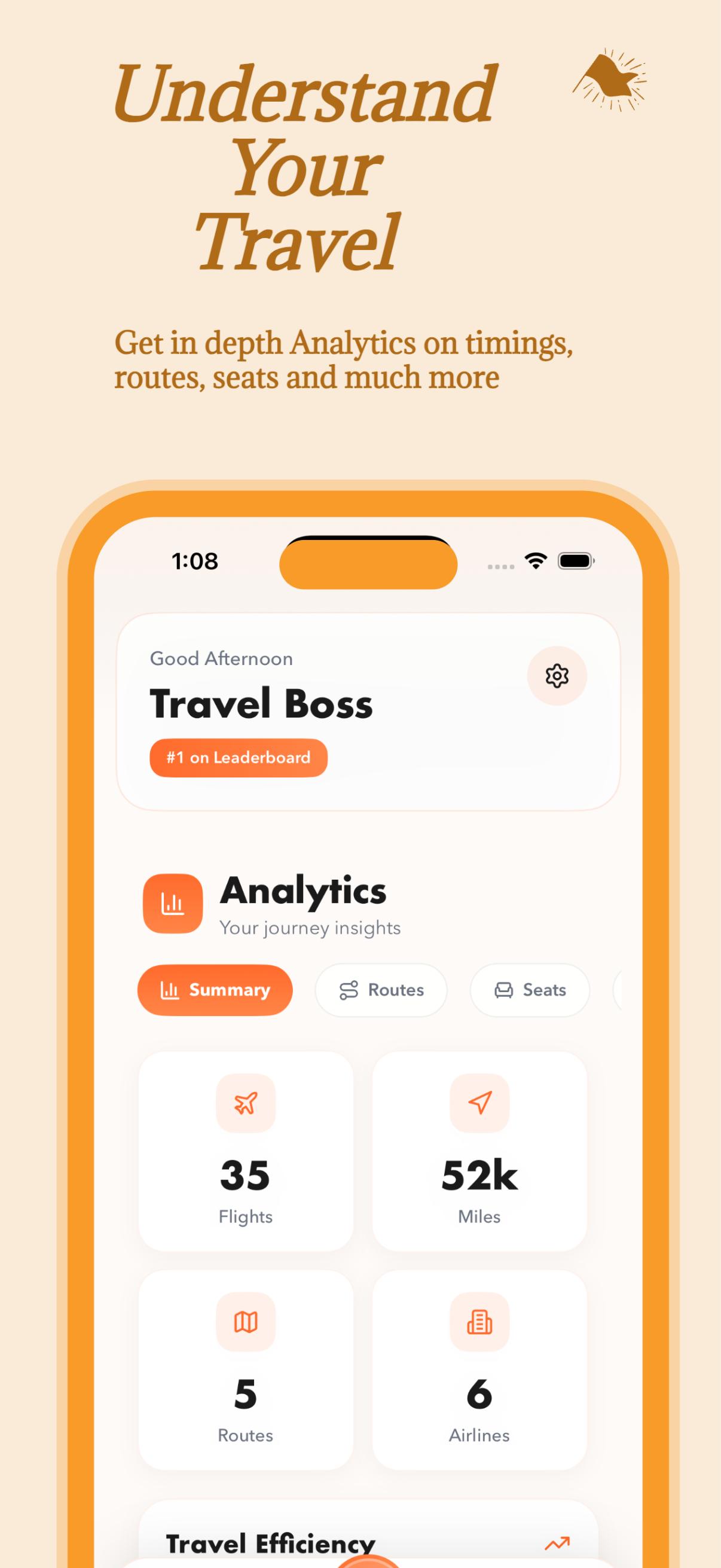
AI trip planning, group budgets, and a boarding pass wallet — everything this guide covers, in your pocket.
AI Trip Planning
Generate personalized itineraries with real-time pricing, route optimization, and local recommendations.
Group Planning & Budgeting
Invite travel companions, split costs, vote on activities, and keep everyone aligned.
Boarding Wallet & History
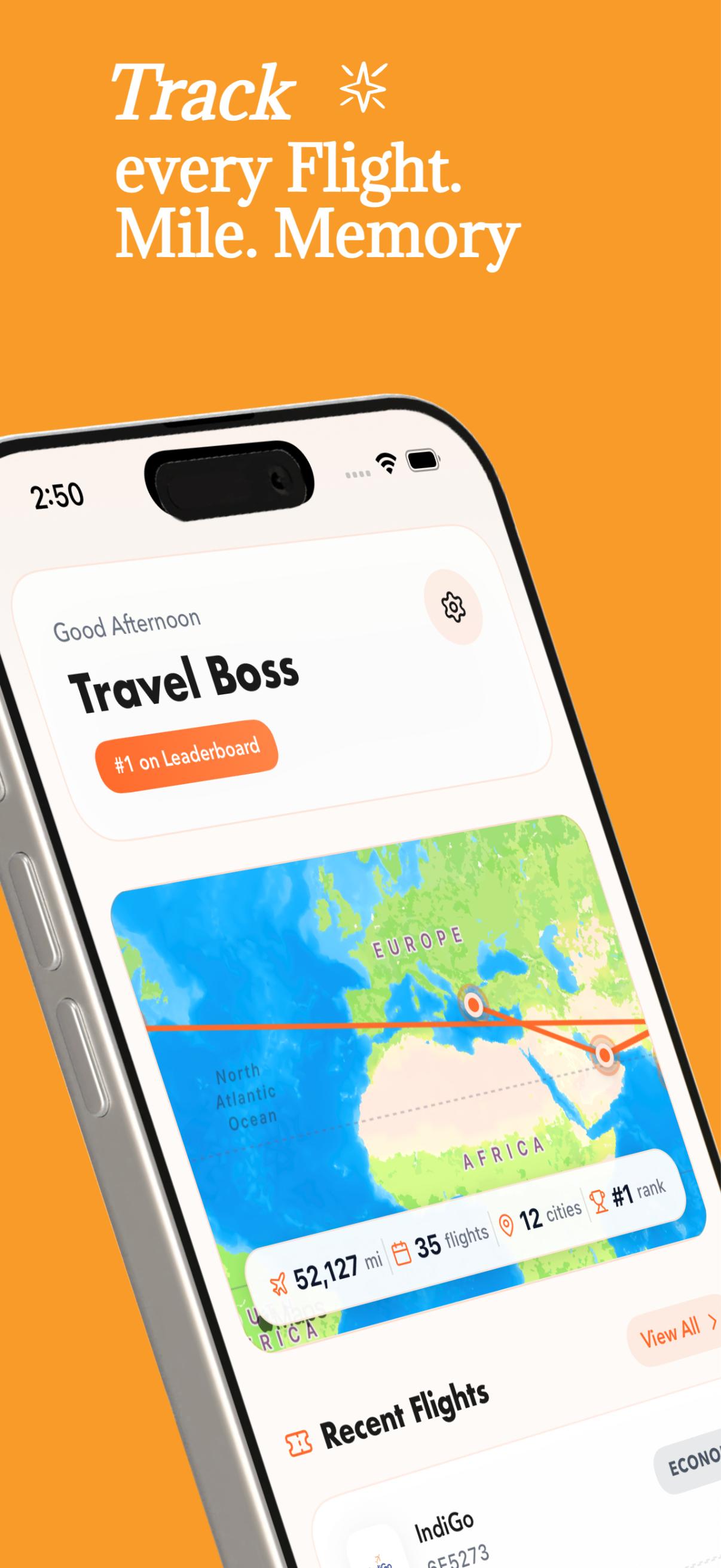
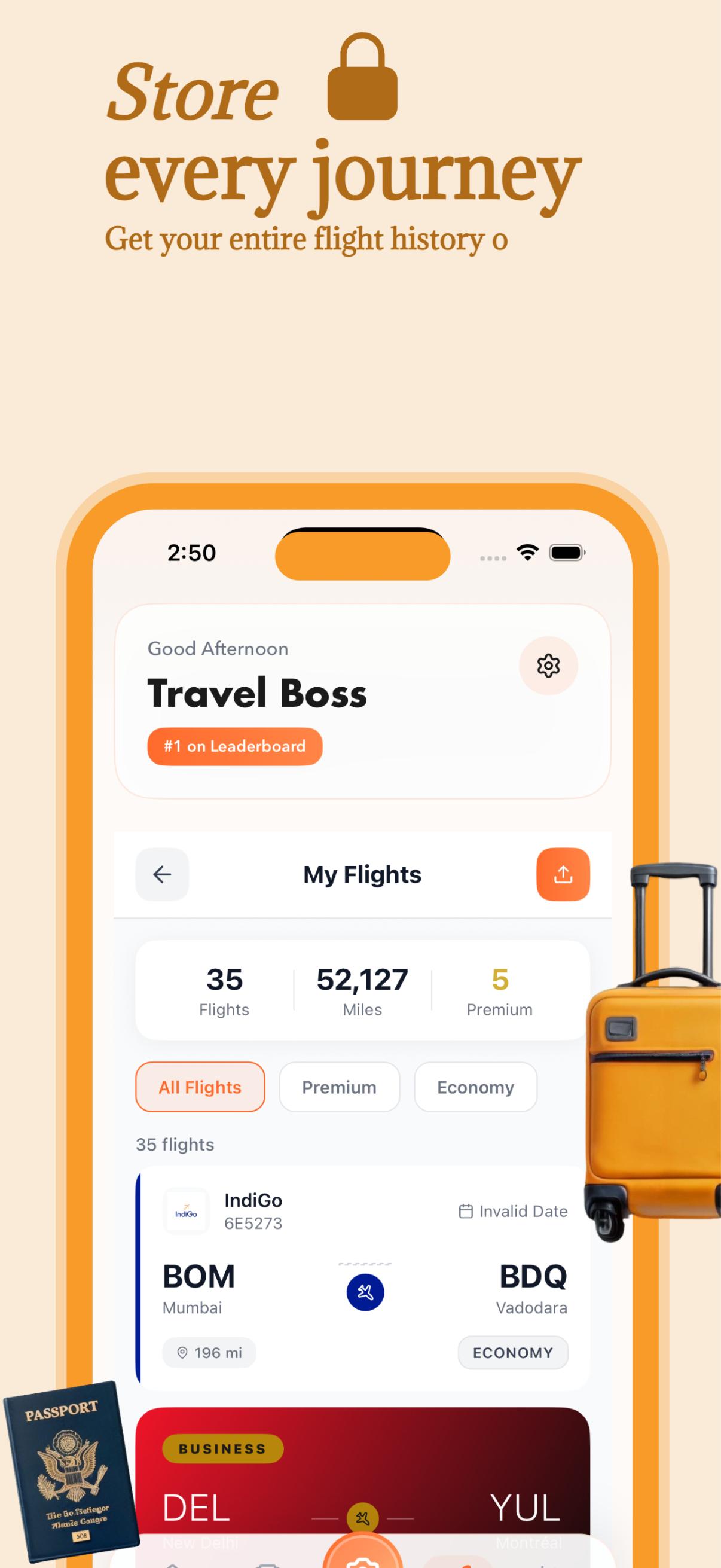
Store every boarding pass, track your travel history, and visualize your journey on a map.
Leaderboard & Achievements
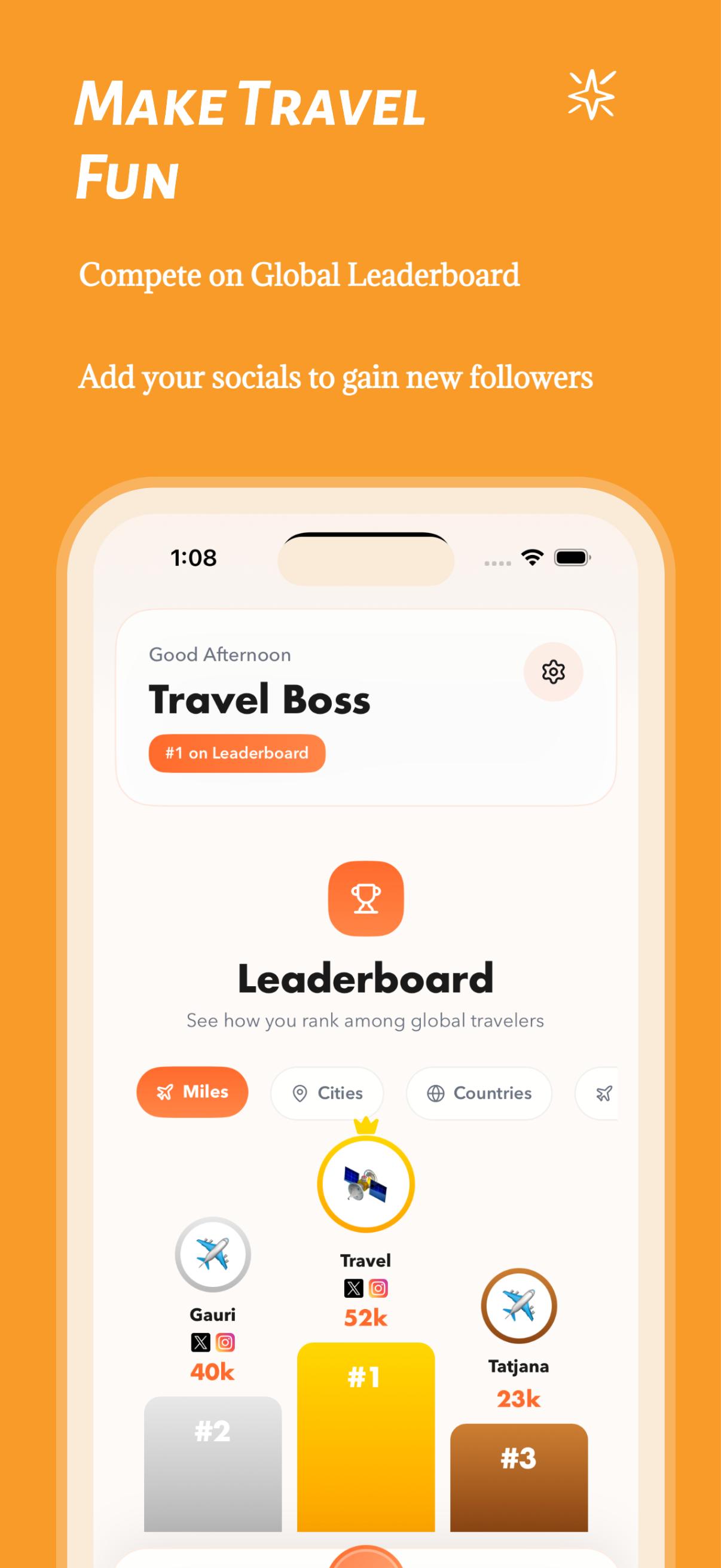
Earn badges for every destination, climb the global rankings, and compete with fellow travelers.
Travel Concierge
Get personalized booking assistance, curated recommendations, and priority support — all in-app.

Route directions & coordinate spots
The actual itinerary roadmap — coordinates, transit directions, and details for every stop.
Kyoto Station
The central transit hub for all Kansai exploration. It connects the Shinkansen, local JR lines, and the city subway network with precision. Utilize the tourist information desk on the 2nd floor for up-to-the-minute bus schedule changes. Pro-tip: the rooftop garden offers free panoramic views of the city grid without the crowds of the major temples.
Arashiyama Bamboo Grove
An iconic natural corridor that requires a 5:30 AM arrival to experience without thousands of tourists. Accessible via the JR San-in line from Kyoto station in 15 minutes. While popular, the nearby Otagi Nenbutsu-ji temple provides a quiet contrast for those who hike further north. Avoid the main street cafes and head toward the mountain trails for authentic local tea houses.
Fushimi Inari Shrine
Home to thousands of vermilion torii gates stretching 4 kilometers up the mountainside. The base is chaotic, but 90% of visitors stop at the first clearing. Continue climbing the full loop to reach the quieter upper shrines where the atmosphere remains serene even during peak season. Accessible directly via the JR Nara Line from Kyoto station.
Kiyomizu-dera Temple
This wooden temple sits on a hillside offering unrivaled views of Kyoto. The surrounding Sannenzaka slope is perfect for experiencing traditional Edo-period architecture. To dodge the midday heat and school groups, visit during the evening illumination events. Public bus 206 from the main terminal stops within a short walking distance of the entrance gate.
Nara Park
Home to over 1,000 free-roaming deer and the massive Todai-ji Temple. The Kintetsu-Nara line connects to Kyoto in 35 minutes, making it an easy day-trip without a car. Buy deer crackers from local vendors, but store them securely until you reach the open park areas to avoid being swarmed by hungry deer near the train exit.
Osaka Castle Park
A sprawling urban park centered around the majestic reconstructed castle tower. It serves as a transit bridge between Osaka's modern districts and the historical outskirts. Use the JR Osaka Loop Line to access the park easily. The surrounding moats are best explored by the water taxi service, which offers a unique perspective on the stone walls compared to traditional walking paths.
Dotonbori District
The neon-lit heart of Osaka's culinary scene. Famous for Glico Man signs and Takoyaki stands, this area is best accessed via the Namba station hub. It is dense, loud, and essential for food lovers. Navigate the narrow alleys branching off the main canal to find secret izakayas that cater to locals rather than tourists. Best visited after 9:00 PM for maximum energy.
Koyasan (Mount Koya)
The center of Shingon Buddhism, reached via the Nankai Koya line followed by a scenic cable car. It offers a spiritual retreat from the urban sprawl. Staying in a temple lodging (shukubo) is a mandatory experience here. The Okunoin cemetery, with its 200,000 tombstones, is atmospheric and peaceful, especially in the early morning fog. Essential for those seeking a quiet mountain escape.
Curated tours & experiences
Skip-the-line activity tokens, certified day guides, and unique regional activities.
Interactive suggestions load dynamically based on seasonal availability.
Browse Viator Experiences
Looking for premium curated day-trips, private shuttle transports, or multi-day hiking expeditions? View top activities instantly.
The full guide, stop by stop
Hand-curated notes and specific travel insights, built exclusively for this trip.

Trail Notes
Kyoto: The Cultural Epicenter (45 Minutes by Local Train)
Kyoto remains the heart of traditional Japan, where over 1,600 temples offer a masterclass in Zen garden design and architecture. You can travel from Osaka to central Kyoto for approximately ¥580 ($4 USD) in under 30 minutes. While many travelers stick to the Golden Pavilion, the real magic lies in the northern Daitoku-ji temple complex. This site contains smaller sub-temples that are rarely crowded, allowing you to experience the meditative quiet that made the city famous. Tip: Purchase the city bus day pass for ¥700 ($5 USD) to bypass the steep single-ride costs during your temple hopping.
Nara: Ancient Capital Accessibility (35 Minutes by Kintetsu Line)
Nara is arguably more navigable on foot than Kyoto, featuring a massive central park that houses the world's largest bronze Buddha statue. The Kintetsu Nara Station is the closest major transit point, dropping you within a 10-minute walk of the main deer-filled park. A local secret is visiting the Yoshikien Garden; it offers free entry to foreign tourists upon presentation of a passport, making it a hidden gem for budget-conscious travelers. While most tourists huddle at Todai-ji, trekking to the Kasuga-taisha forest path reveals thousands of stone lanterns that are best viewed in the soft light of dusk.
Osaka: The Culinary Powerhouse (0 Minutes Transit Stress)
Osaka serves as the perfect base for your trip because it is the hub for all regional transit lines. You can reach any major city in the Kansai region within 60 minutes from Umeda or Namba stations. Beyond the neon of Dotonbori, head to the Shinsekai district to try 'Kushikatsu' (deep-fried skewers). This area retains a gritty, nostalgic 'Showa' vibe that provides a sharp contrast to the polished tourist zones. The best way to move around is the local subway loop, which runs with such frequency that you never need to consult a schedule before heading to the platform.
Secure curated tours & day tickets with Viator
Unlock flexible skip-the-line museum tickets, local food walkthroughs, and certified regional guides on Viator.
Take your itinerary everywhere
Sync boarding passes, earn travel badges, climb the global leaderboards, and track multi-currency expenses — all offline.
Crowd Avoidance
Crowd avoidance in Japan requires a radical shift in your daily schedule to outpace the massive bus tours.
- The 6:00 AM Rule: Arrive at Fushimi Inari or the Arashiyama Bamboo Grove before 6:30 AM to capture the stillness and avoid the selfie-stick crowds entirely.
- Avoid Weekends in Kyoto: Visit Kyoto’s major temples on Tuesday or Wednesday; Friday and Saturday are universally overcrowded.
- Lunch Timing: Eat your main meal at 11:00 AM or 2:00 PM to avoid the 12:30 PM crunch at popular ramen shops.
- The Back-Gate Hack: Most temples have secondary entrances or less-publicized walking paths; always check the peripheral paths on Google Maps before following the main signage.
- Evening Exploration: Shift your temple visits to late afternoon; many sites remain open until 5:00 PM and are significantly quieter than the morning rush.
- Use Local Apps: Utilize the 'Japan Transit by Jorudan' app to find train times that avoid school commute hours between 8:00 AM and 9:00 AM.
Secure curated tours & day tickets with Viator
Unlock flexible skip-the-line museum tickets, local food walkthroughs, and certified regional guides on Viator.
Top Curated Travel Experiences in Best Places to Do a Road Trip Without Needing Your Own Car in 2026
Full-Day Guided Sightseeing Tour in Best Places to Do a Road Trip Without Needing Your Own Car in 2026
Explore the absolute best sights of Best Places to Do a Road Trip Without Needing Your Own Car in 2026 with an expert certified local English-speaking guide.
Best Places to Do a Road Trip Without Needing Your Own Car in 2026 Hidden Gems & Historical Walking Tour
Step off the beaten path into quiet streets with your storyteller guide.

Suggested Route Order
Start your journey in Osaka to take advantage of its central location as a transit hub. Spend the first two nights here, using it as a base for day trips to Nara and Kobe via the high-frequency regional train lines. The Osaka loop line is intuitive and requires zero prior experience with complex rail networks.
On day three, relocate to Kyoto. Since your luggage can be forwarded by a 'Takkyubin' service for approximately ¥2,500 ($17 USD), you can travel light between cities without dragging suitcases onto crowded trains. Spend three nights in Kyoto to properly explore the mountain shrines and the northern districts, utilizing the bus and subway systems that prioritize these cultural zones.
- Osaka (Base 1): Explore the city, food markets, and take a quick day trip to Nara.
- Kyoto (Base 2): Deep dive into temples, gardens, and traditional tea houses.
- Koyasan (Optional Add-on): Take the Nankai line from Osaka for a meditative mountain retreat before your final departure.
Find cheap flights & multi-city stays
Secure flexible flight pathways, regional connections, and custom travel bundles on Trip.com.
Top Curated Travel Experiences in Best Places to Do a Road Trip Without Needing Your Own Car in 2026
Full-Day Guided Sightseeing Tour in Best Places to Do a Road Trip Without Needing Your Own Car in 2026
Explore the absolute best sights of Best Places to Do a Road Trip Without Needing Your Own Car in 2026 with an expert certified local English-speaking guide.
Best Places to Do a Road Trip Without Needing Your Own Car in 2026 Hidden Gems & Historical Walking Tour
Step off the beaten path into quiet streets with your storyteller guide.
Getting Between Spots
Getting around the Kansai region is seamless thanks to the integrated IC card system (ICOCA or Suica). These reloadable cards cover almost every train, bus, and even convenience store purchase in the region. You do not need expensive ride-share apps like Uber; in Japan, Uber simply calls a local taxi at standard metered rates.
| Route | Transit Method | Typical Time | Approx. Cost |
|---|---|---|---|
| Osaka to Kyoto | JR Special Rapid | 29 min | ¥580 ($4) |
| Kyoto to Nara | JR Nara Line | 45 min | ¥720 ($5) |
| Osaka to Koyasan | Nankai Railway | 90 min | ¥1,300 ($9) |
Local transport hack: Always board the train at least 10 minutes early to secure a seat, especially during peak commute times. If you have a large group, use the 'Navitime' app to coordinate meeting points, as Japanese train stations can be massive and confusing to navigate for those meeting at different times.
Find cheap flights & multi-city stays
Secure flexible flight pathways, regional connections, and custom travel bundles on Trip.com.

Transport Cost Table
| Route | Method | Time | Local Cost (JPY) | USD Cost |
|---|---|---|---|---|
| Osaka - Kyoto | JR Special Rapid | 30m | ¥580 | $4.00 |
| Kyoto - Nara | JR Nara Local | 45m | ¥720 | $5.00 |
| Osaka - Koyasan | Nankai + Cable Car | 90m | ¥1,300 | $9.00 |
| Osaka - Kansai Airport | Nankai Rap:t | 40m | ¥1,450 | $10.00 |
| Kyoto - Arashiyama | JR San-in Line | 15m | ¥240 | $1.60 |
| Osaka - Shinsekai | Subway Midosuji | 10m | ¥230 | $1.50 |
These costs reflect standard adult fares. For a group of four or more, look into group day-pass discounts available at major station ticket offices, which can drop these prices by an additional 15% per person.
Find cheap flights & multi-city stays
Secure flexible flight pathways, regional connections, and custom travel bundles on Trip.com.
Where To Base
Choosing where to stay defines your trip experience. In Osaka, the Namba district is the best base for social groups who want food, nightlife, and direct transit access. You can find capsule hotels for ¥4,000 ($27 USD) or luxury hotels at ¥30,000+ ($200+ USD) within the same three-block radius. In Kyoto, look for accommodation near the Karasuma-Oike intersection, as it is the only place where the two primary subway lines intersect, making it the most convenient spot for transit.
| Neighborhood | Vibe | Avg Price/Night | Transit Ease |
|---|---|---|---|
| Namba (Osaka) | High energy | $60 - $250 | Excellent |
| Karasuma (Kyoto) | Refined | $80 - $300 | Superior |
| Gion (Kyoto) | Traditional | $150 - $500 | Moderate |
Mixed-budget groups can thrive here. A single group can book a large Airbnb or a serviced apartment block where some members choose the premium penthouse units while others opt for standard studio units in the same building. This allows for shared morning coffee and evening planning sessions without forcing everyone to spend at the same luxury tier.
Book Hotels in Best Places to Do a Road Trip Without Needing Your Own Car in 2026 with Agoda
Compare premium boutique hotels, resort villas, and historic stays at the guaranteed lowest rates.
Itinerary Day Plan
| Day | Morning | Afternoon | Evening | Est. Cost |
|---|---|---|---|---|
| 1 | Osaka Castle | Kuromon Market | Dotonbori | $50 |
| 2 | Nara Park/Deer | Todai-ji Temple | Namba Izakayas | $65 |
| 3 | Arashiyama (6am) | Kinkaku-ji | Pontocho Alley | $70 |
| 4 | Fushimi Inari | Kiyomizu-dera | Gion Tea Ceremony | $85 |
| 5 | Koyasan Temples | Okunoin Hike | Temple Stay | $120 |
This itinerary balances iconic sights with transit efficiency. Start early to maximize your time, as most attractions close their gates by 5:00 PM regardless of the season.
Daily costs include transit, entrance fees, and three meals. Always keep a few thousand yen in cash, as some smaller rural shrines and food stalls do not accept credit cards.
Find cheap flights & multi-city stays
Secure flexible flight pathways, regional connections, and custom travel bundles on Trip.com.
Local Insider Tips
- The Contrarian View: Ignore the 'Golden Pavilion' (Kinkaku-ji) entirely. It is a tourist trap with no depth; spend that extra 90 minutes at Ryoan-ji or a nearby smaller garden instead.
- Train Exit Strategy: Memorize the specific 'Exit Number' (e.g., Exit 14) of your destination station, as major hubs have dozens of exits and walking the wrong way can add 20 minutes to your trip.
- Convenience Store Breakfast: Eat breakfast (onigiri, fresh yogurt) from a 7-Eleven or Lawson; it is significantly cheaper and better than hotel breakfasts.
- Cash is King: Always carry ¥10,000 in coins and small bills. Japan is still surprisingly cash-reliant.
- Shrine Etiquette: Bow once before entering the gate, and keep to the side of the path, as the center is reserved for the deities.
- Language Barriers: Use the Google Translate camera feature for menus; it is 95% accurate for food.
- Luggage Forwarding: Use 'Takkyubin' services to move your bags between cities for cheap, rather than struggling on trains.
- Public Silence: Do not speak on your phone while on public transport; it is considered extremely rude.
Get instant mobile data with Saily eSIM
Stay connected. Skip expensive roaming fees and activate instant high-speed data in seconds with Saily.

Photography And Best Light
Japan is a masterclass in soft light and structured composition. The 'Golden Hour' in Kyoto occurs around 5:30 AM in summer and 4:00 PM in winter. For temple photography, use a wide-angle lens (16-35mm) to capture the sweeping roofs, and keep your ISO low to highlight the textures of the aged wood. Avoid using flash; it is strictly prohibited in most temple interiors.
For the best shots of the Fushimi Inari gates, aim for the mid-level sections where the light filters through the trees, creating a dramatic 'dappled' effect. Use a polarizer filter to remove glare from the koi ponds and polished temple floors. Check Japan Photo for specific gear guides tailored to the Japanese climate.
Get instant mobile data with Saily eSIM
Stay connected. Skip expensive roaming fees and activate instant high-speed data in seconds with Saily.
Budget And Cost Context
Japan is often incorrectly labeled as 'expensive'. With careful planning, you can manage a high-quality trip on a variety of budgets. A budget-conscious traveler can live well on ¥10,000 ($67) per day, while luxury travelers can spend upwards of ¥50,000 ($335) per day.
| Category | Budget | Mid-Range | Luxury |
|---|---|---|---|
| Stay | $30 (Capsule) | $120 (Hotel) | $400+ (Ryokan) |
| Food | $25 | $60 | $150+ |
| Transport | $15 | $25 | $40 (Private Taxi) |
Transportation in the Kansai region is your greatest variable. By using local train lines rather than Shinkansen for short hops, you save roughly 40% on travel costs. Always prioritize 'business hotels' (e.g., APA, Dormy Inn) for the best balance of price and proximity to major transit hubs.
Find cheap flights & multi-city stays
Secure flexible flight pathways, regional connections, and custom travel bundles on Trip.com.

Top Restaurants By Budget
| Name | Location | Type | Budget | Must-Order |
|---|---|---|---|---|
| Kurasushi | Osaka | Conveyor Sushi | $ | Maguro |
| Honke Otako | Osaka | Takoyaki | $ | Takoyaki |
| Omen | Kyoto | Udon | $$ | Udon Noodles |
| Kikunoi | Kyoto | Kaiseki | $$$ | Seasonal Set |
Food in Kansai is centered around 'Kuidaore' (eat until you drop). The street food scene in Dotonbori is unparalleled globally for its density and quality. Always look for restaurants with long queues of locals; these are invariably better than those with English menus plastered on the windows.
Explore the 'Depachika' (basement food halls) in major department stores like Takashimaya for gourmet snacks and bento boxes. These are the gold standard for high-end, affordable eating.
Secure curated tours & day tickets with Viator
Unlock flexible skip-the-line museum tickets, local food walkthroughs, and certified regional guides on Viator.
Food And Drink Highlights
The culinary landscape of Kansai is defined by 'Dashi' (broth) and fresh, seasonal ingredients. Osaka is famous for 'Takoyaki' (octopus balls) and 'Okonomiyaki' (savory pancakes). You must try these from a street vendor for the authentic, molten-hot experience. In Kyoto, the focus shifts to 'Shojin Ryori' (Zen vegetarian cuisine), which is a delicate, healthy, and deeply flavorful culinary art form.
For the best local food guides and reviews, check out Tabelog, the definitive Japanese restaurant review site. If a place has a score over 3.5 on Tabelog, it is virtually guaranteed to be world-class. Don't skip the local sake breweries in the Fushimi district; they have been brewing for centuries and offer affordable tasting flights that rival the best wine regions in the world.
Secure curated tours & day tickets with Viator
Unlock flexible skip-the-line museum tickets, local food walkthroughs, and certified regional guides on Viator.
Safety Considerations
Japan is one of the safest countries in the world for travelers, but basic precautions remain necessary. Risks are largely limited to petty theft in crowded tourist hubs and accidental falls on steep mountain paths.
- Emergency Contact: Dial 110 for Police and 119 for Ambulance.
- Scam Alert: Be wary of anyone in Gion trying to drag you into a 'private' bar; these are often overpriced tourist traps.
- Insurance: Travel insurance is essential for medical coverage, as non-residents are billed at full cost for medical services.
- Earthquake Preparedness: Download the 'Yurekuru Call' app for real-time earthquake alerts.
- Footwear: Many temples require you to remove shoes; ensure you have clean socks at all times.
Get instant mobile data with Saily eSIM
Stay connected. Skip expensive roaming fees and activate instant high-speed data in seconds with Saily.
Seasonal Variations
| Month | Weather | Crowds | Notes |
|---|---|---|---|
| April | Mild | Highest | Cherry Blossoms |
| August | Hot/Humid | High | Obon Festival |
| November | Cool | Highest | Fall Foliage |
| January | Cold | Low | New Year Rituals |
Spring and Autumn are the most popular, but they also bring extreme crowds. Winter offers the best value and the most authentic, quiet experience of the shrines, provided you pack thermal layers for the cold.
Book top guided activities and tickets in Best Places to Do a Road Trip Without Needing Your Own Car in 2026
Skip the long queues, discover hidden gems, and book 100% free-cancellation activities on Viator with live local support.
Equipment And Gear Advice
- Lightweight Daypack: Osprey or Patagonia 20L packs are ideal for daily transit.
- Slip-on Shoes: You will remove your shoes 10+ times a day; ensure they are easy to remove and professional-looking.
- Portable Power Bank: Anker 20,000mAh chargers are vital for navigating with GPS all day.
- Pocket Wi-Fi: Rent this at the airport; it is more reliable than local SIMs.
- Refillable Water Bottle: Tap water is safe and delicious.
- Thermal Underlayers: Uniqlo Heattech is mandatory for any travel between November and March.
- Compact Umbrella: Essential for frequent, light rain.
- What to NOT bring: Large suitcases; they are a nightmare on Japanese trains. Use a carry-on and forward your large bags.
Get instant mobile data with Saily eSIM
Stay connected. Skip expensive roaming fees and activate instant high-speed data in seconds with Saily.
Local Festivals And Events
| Event | Month | Location | Why It Matters |
|---|---|---|---|
| Gion Matsuri | July | Kyoto | Largest festival in Japan |
| Tenjin Matsuri | July | Osaka | Spectacular river fireworks |
| Setsubun | February | Various | Bean throwing tradition |
Festivals offer a rare glimpse into local traditions but cause massive transit surges. Book your accommodation at least 4 months in advance if your trip coincides with these dates.
Book top guided activities and tickets in Best Places to Do a Road Trip Without Needing Your Own Car in 2026
Skip the long queues, discover hidden gems, and book 100% free-cancellation activities on Viator with live local support.
Sustainable Travel Tips
- Support Small: Eat at locally owned 'kissaten' (old school coffee shops) instead of global chains.
- Use Rail: Every train trip taken is a massive carbon reduction compared to driving.
- Waste Policy: Carry a small trash bag; public trash cans are rare.
- Temple Integrity: Never touch the moss in Zen gardens.
- Buy Local: Purchase crafts directly from artisans rather than souvenir shops.
- Noise Etiquette: Keep your volume low to respect the residential areas near temples.
Get instant mobile data with Saily eSIM
Stay connected. Skip expensive roaming fees and activate instant high-speed data in seconds with Saily.
Neighborhood Guide
Namba (Osaka)
Namba is the pulsating nightlife and dining core. It is the place to stay if you want to be surrounded by the neon energy of Dotonbori. The streets are a labyrinth of food stalls and hidden bars. It's the most convenient transport hub for regional travel.
Karasuma (Kyoto)
The business and traditional intersection of Kyoto. It offers the best access to both east-west and north-south subway lines, making it the supreme base for temple hopping. It features high-end department stores and tucked-away boutique guesthouses.
Higashiyama (Kyoto)
The historical heart. Staying here means you can walk to Kiyomizu-dera and Gion before the buses even start running. It is the most atmospheric, albeit expensive, zone for travelers who prioritize the 'old Japan' aesthetic over convenience.
Book Hotels in Best Places to Do a Road Trip Without Needing Your Own Car in 2026 with Agoda
Compare premium boutique hotels, resort villas, and historic stays at the guaranteed lowest rates.
Alternative Options
Who Should Skip This
Travelers who require private transport for mobility reasons, those who refuse to walk more than 3km per day, or those who find complex train maps anxiety-inducing should avoid this itinerary and opt for a private tour service.
If Kyoto is too crowded, head to Kanazawa. It offers a similar 'old world' feel with a fraction of the tourists. For a beach alternative, the Izu Peninsula is accessible by train and offers rugged coastlines without the urban sprawl. Alternatively, focus your trip solely on Osaka and treat it as a metropolitan base, which removes the need to change hotels, significantly lowering the complexity of your logistics.
Book top guided activities and tickets in Best Places to Do a Road Trip Without Needing Your Own Car in 2026
Skip the long queues, discover hidden gems, and book 100% free-cancellation activities on Viator with live local support.
Frequently Asked Questions
- Is a car really unnecessary in Kansai?
- Yes, the public rail network is so dense and efficient that a car becomes a liability due to expensive parking and traffic congestion. You can reach virtually every major temple and food street using trains and buses.
- What's the best month to visit Kyoto?
- November is the best month for the stunning fall foliage, though you must book your accommodation six months in advance to secure reasonable prices. If you prefer avoiding crowds, visit in late January when the air is crisp and the temples are significantly quieter.
- How do I pay for transport?
- Purchase an IC card (ICOCA or Suica) at any train station and load it with cash; it functions for all trains, buses, and even vending machines. You tap in and tap out at gates, making it the most seamless way to travel.
- Is a group trip to Japan difficult without a car?
- It is actually easier to travel in a group using trains, as you can communicate and plan in real-time without the distraction of driving. Use the 'Navitime' app to share routes and arrival times with your group members.
- Are temples worth the entry fees?
- Most temple entry fees range from ¥400 to ¥600 ($3–$4 USD), and they are absolutely worth it for the preservation of the gardens. View these fees as a contribution to the maintenance of historical heritage sites.
- What is the most common mistake for first-timers?
- The most common mistake is attempting to see too much in one day, leading to burnout. Pick one major area, such as Arashiyama or Fushimi Inari, and spend half the day there rather than rushing between five different sites.
Book top guided activities and tickets in Best Places to Do a Road Trip Without Needing Your Own Car in 2026
Skip the long queues, discover hidden gems, and book 100% free-cancellation activities on Viator with live local support.
Final CTA
Book top guided activities and tickets in Best Places to Do a Road Trip Without Needing Your Own Car in 2026
Skip the long queues, discover hidden gems, and book 100% free-cancellation activities on Viator with live local support.
Ready to track your travels?
Join thousands of travelers using Borderly to plan trips, track expenses, store boarding passes, and compete on the global leaderboard.