Best Places to Experience a Traditional Sake Brewery Tour 2026
The definitive 2026 guide to Japan's most authentic sake brewery tours, from the historic Nada district to rural mountain producers.
Travel concierge
Join travelers planning with Borderly's AI


4-day itinerary ready to plan
Search Live Flights to Best Places to Experience a Traditional Sake Brewery Tour 2026
Real-time airline seat selection, transparent baggage inclusions, and direct booking across 400+ carriers.
Book with Borderly • Powered by Duffel
Fly to Best Places to Experience a Traditional Sake Brewery Tour 2026, booked directly.
Real-time seat availability, live baggage options, and transparent fares across 400+ airlines.
Just ask the AI trip planner
Tell it your dates, budget, or vibe — it will pull straight from this guide and build a route around it.
Ask about your Best Places to Experience a Traditional Sake Brewery Tour 2026 trip
Real answers on routes, timing, and local tips — grounded in this guide.
Get Borderly on iOS
Download the app to generate custom AI trip plans, organize group budgets, and store your boarding wallet — all offline.

Join 2,000+ travelers using Borderly
One app for the whole trip
AI trip planning, group budgets, and a boarding pass wallet — everything this guide covers, in your pocket.
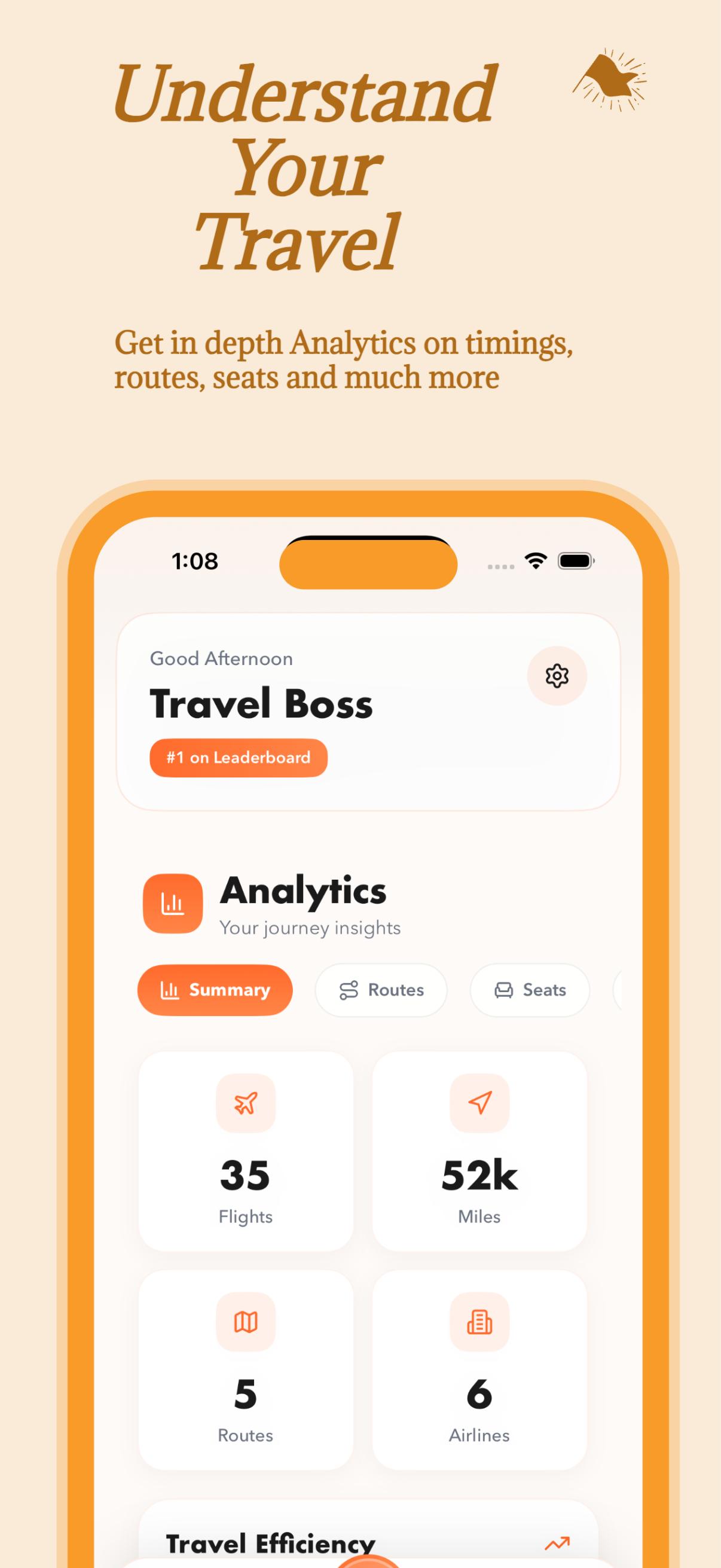
AI Trip Planning
Generate personalized itineraries with real-time pricing, route optimization, and local recommendations.
Group Planning & Budgeting
Invite travel companions, split costs, vote on activities, and keep everyone aligned.
Boarding Wallet & History
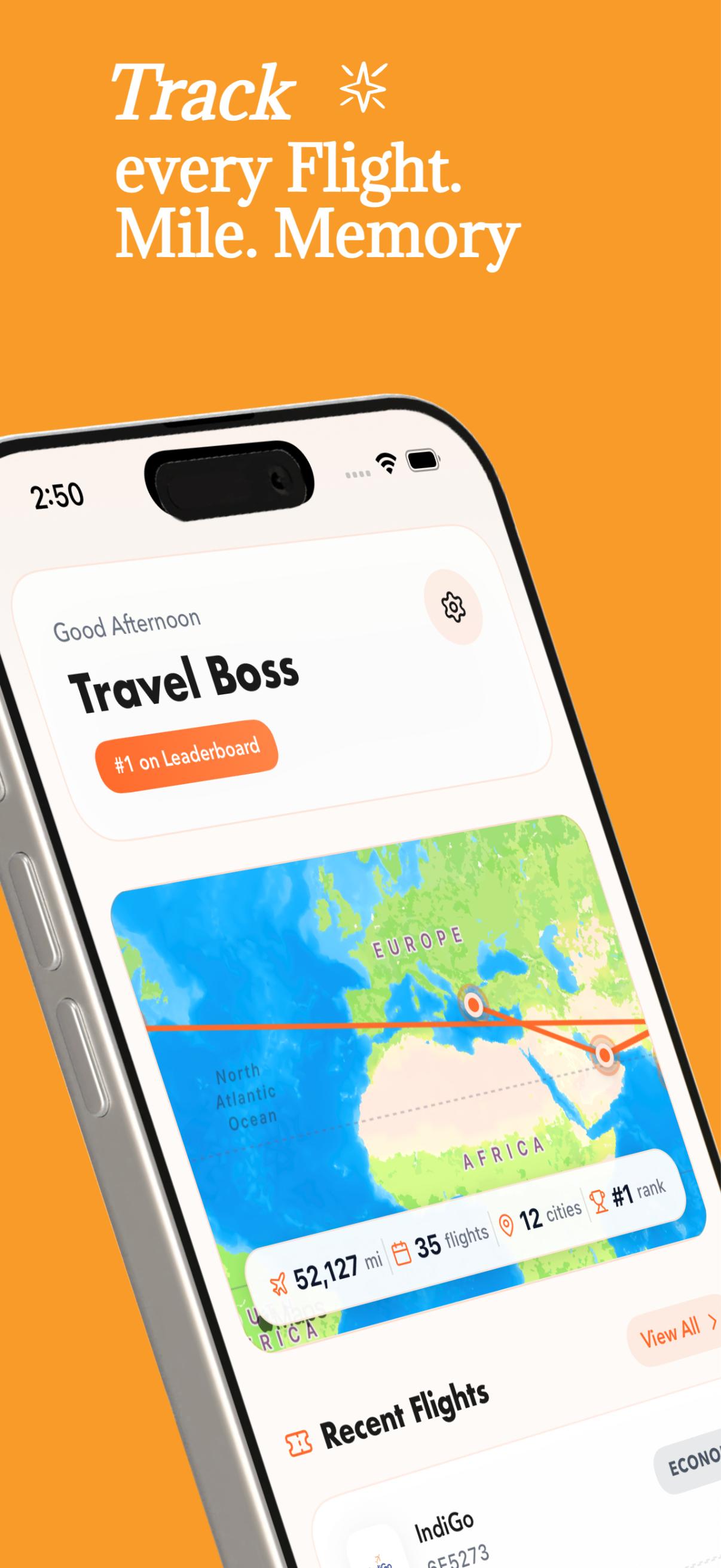
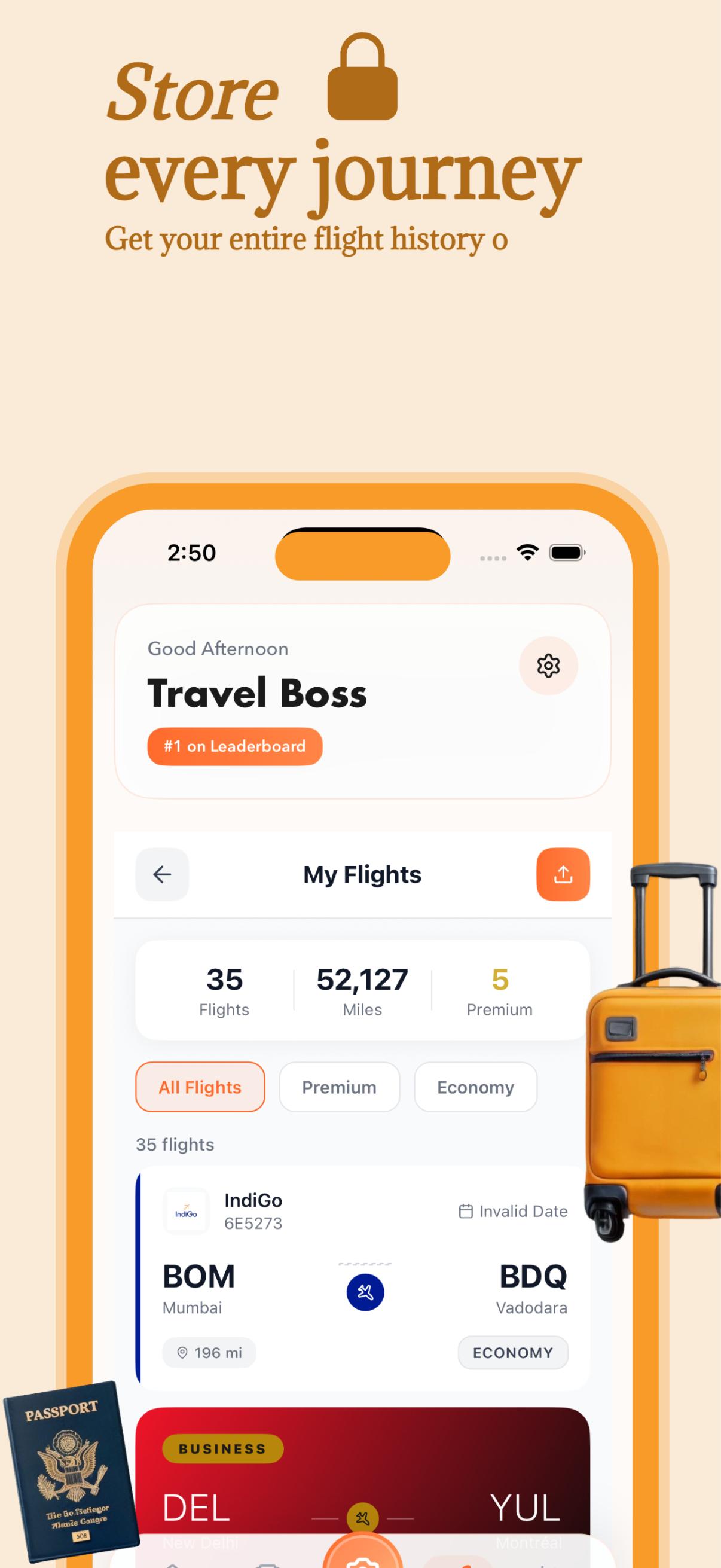
Store every boarding pass, track your travel history, and visualize your journey on a map.
Leaderboard & Achievements
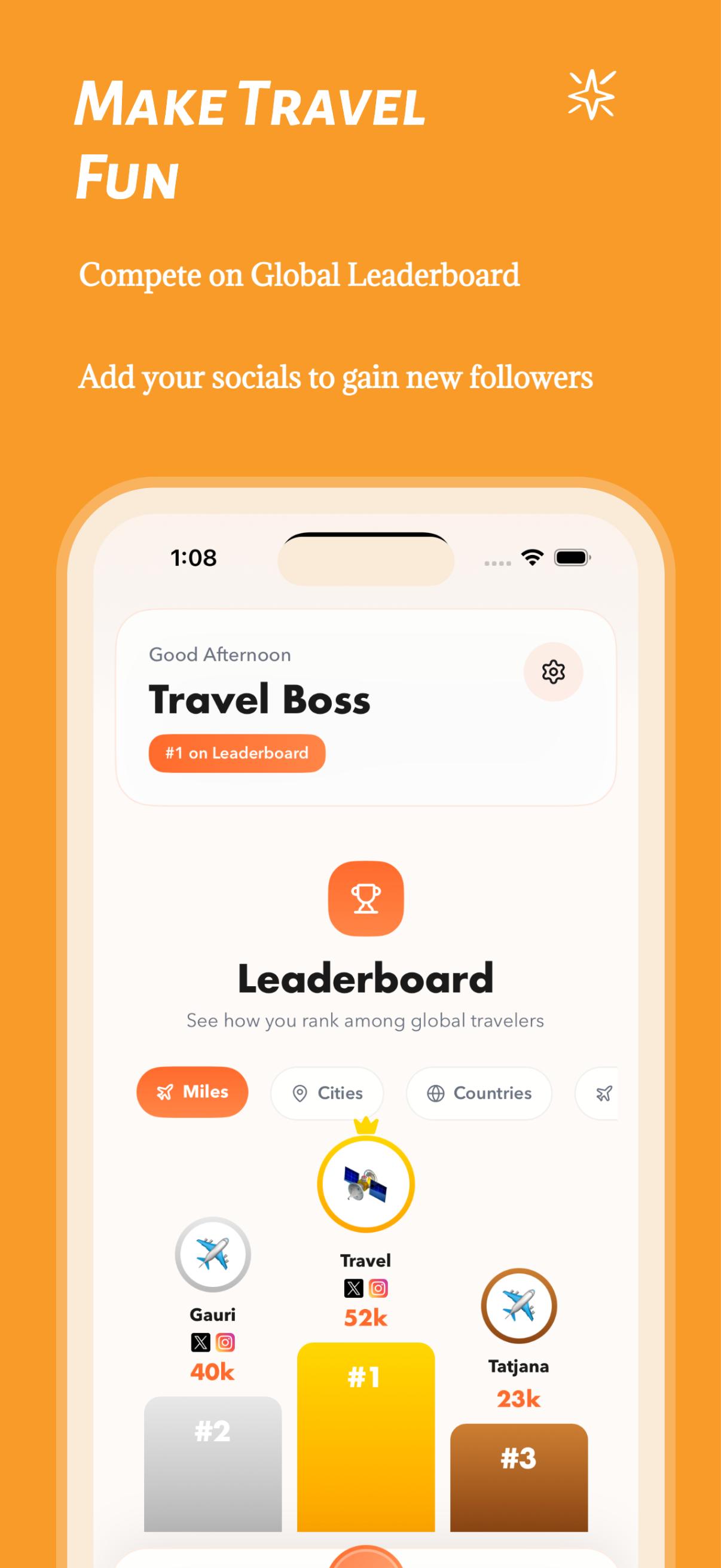
Earn badges for every destination, climb the global rankings, and compete with fellow travelers.
Travel Concierge
Get personalized booking assistance, curated recommendations, and priority support — all in-app.

Route directions & coordinate spots
The actual itinerary roadmap — coordinates, transit directions, and details for every stop.
Hakutsuru Sake Brewery Museum
Located in the historic Nada district of Kobe, this museum provides a deep dive into traditional brewing methods. Admission is free, and the facility showcases historical tools used in the Edo period. Visitors can sample freshly pressed sake that is not usually available for retail sale elsewhere, making it a mandatory stop for enthusiasts looking for authentic Koji-making insights.
Kiku-Masamune Sake Brewery Museum
This museum features the 'Kimoto' brewing style, a labor-intensive, ancient technique that defines traditional flavor profiles. The site is a converted brewery that survived the Great Hanshin Earthquake. It is arguably the best place in Japan to see giant wooden vats in person. Entrance is complimentary, and the on-site shop offers exclusive seasonal labels for purchase.
Sawanoi Sake Brewery
Tucked away in the mountains of Ome, Tokyo, this brewery offers a scenic escape along the Tama River. The tour requires an advance reservation and takes about 60 minutes. Visitors can walk through the facility and enjoy tasting sessions in their lush garden. It is the perfect blend of natural beauty and historical craftsmanship, accessible via a short train ride from Shinjuku.
Masuizumi Sake Brewery
Situated in the Iwase district of Toyama, this brewery is renowned for its experimental spirit and high-quality rice milling processes. The historic streets surrounding the brewery are exceptionally well-preserved. Tours here provide a contrast between old-world traditions and modern, luxury-focused production. The tasting room offers premium daiginjo variants that are difficult to find in standard metropolitan liquor stores.
Kamotsuru Sake Brewery
Located in Saijo, one of Japan's top three sake brewing regions, this brewery is famous for its gold-flake sake. The Saijo area is unique because the local water, known as 'Water of the Well,' is perfectly suited for brewing. Visitors can walk the historical brewery street and sample various grades. The staff offers excellent English-language explanations of the fermentation process.
Fushimi Inari District Breweries
Fushimi in Kyoto is home to over 30 active breweries, many dating back hundreds of years. The water here is world-famous for its mineral composition. Walking through the canal-side paths provides an atmospheric look at how industrialization has integrated with heritage. Most breweries here provide small-scale tours without needing a reservation, provided you arrive during their standard 10:00 AM to 4:00 PM operating window.
Echigo Tsurukame Brewery
Based in Niigata, a prefecture famous for the cleanest water and best rice in Japan, this brewery focuses on the 'Tanrei Karakuchi' style. The facility is smaller, allowing for an intimate look at the production cycle. It is an excellent choice for those who want to avoid the massive crowds of Kyoto or Kobe while tasting award-winning premium sake.
Shirakawago Traditional Breweries
While primarily known for its architecture, this region produces unique mountain-style sake. Small, family-run breweries here focus on organic rice cultivation. The visit is as much about the surrounding UNESCO landscape as the sake itself. The tasting sessions are informal and intimate, often involving conversations with the brewmaster about the impact of snowy winters on the brewing cycle.
Curated tours & experiences
Skip-the-line activity tokens, certified day guides, and unique regional activities.
Interactive suggestions load dynamically based on seasonal availability.
Browse Viator Experiences
Looking for premium curated day-trips, private shuttle transports, or multi-day hiking expeditions? View top activities instantly.
The full guide, stop by stop
Hand-curated notes and specific travel insights, built exclusively for this trip.

Trail Notes
Hakutsuru Sake Brewery Museum: The benchmark for industrial heritage
Hakutsuru offers the most comprehensive visual documentation of sake production, with a guided path that takes approximately 45 minutes to navigate fully. Unlike modern facilities, this museum utilizes life-sized dioramas to explain the labor-intensive steaming, koji-making, and fermentation stages. Visitors should spend extra time in the historical brewing hall, which is largely unchanged since its construction in the early 20th century. Admission is free, but the shop prices range from 1,000 JPY ($7 USD) to 5,000 JPY ($33 USD) for premium bottles you won't find in grocery stores.
Kiku-Masamune: Mastering the Kimoto technique
Kiku-Masamune provides the single best opportunity to observe the Kimoto style, which accounts for less than 5% of modern sake production. The museum tour focuses on the use of wooden poles to manually mash rice, a stark contrast to the automated machinery found in massive, global-scale breweries. Guests receive a free cup upon entry, but the real value lies in the 'tasting corner' where you can compare different sake grades. Arrive by 10:30 AM to catch the brewing demonstration. Costs for exclusive seasonal tasting sets average 800 JPY ($5 USD).
Saijo Brewery District: The Mecca of water quality
The Saijo district in Hiroshima is home to seven major breweries clustered within a 1-kilometer radius, making it the most efficient area for a multi-brewery crawl. Each facility uses local well water, which has a distinct, soft flavor profile. We recommend visiting Kamoizumi for their focus on unpasteurized, non-charcoal-filtered sake. Tours are generally self-guided here, allowing you to move at your own pace between the red-brick smokestacks. Expect to pay roughly 500 JPY ($3 USD) per tasting flight at individual venues.
Secure curated tours & day tickets with Viator
Unlock flexible skip-the-line museum tickets, local food walkthroughs, and certified regional guides on Viator.
Take your itinerary everywhere
Sync boarding passes, earn travel badges, climb the global leaderboards, and track multi-currency expenses — all offline.
Crowd Avoidance
To experience breweries without the crush of tour buses, you must treat your schedule like a local's work day. Avoid weekends entirely if you are visiting famous districts like Fushimi.
- Mid-Week Priority: Schedule all visits between Tuesday and Thursday to dodge the heavy domestic tourism surge.
- Morning Arrival: Arrive 15 minutes before the first opening bell at 10:00 AM to ensure you are the first through the gate.
- Secondary Districts: Bypass the crowded Kyoto Fushimi district in favor of the Nada district in Kobe for fewer crowds.
- Advance Reservation: Always book tours online 14 days in advance to secure 'private' or early-morning time slots.
- Lunch Gap: Visit during the 1:00 PM lunch rush when most large tour groups are occupied at nearby restaurants.
- Off-Season Travel: Plan your visit in January or February; while cold, it is the peak production season, and crowds are at their lowest point of the year.
Secure curated tours & day tickets with Viator
Unlock flexible skip-the-line museum tickets, local food walkthroughs, and certified regional guides on Viator.
Top Curated Travel Experiences in Best Places to Experience a Traditional Sake Brewery Tour 2026
Full-Day Guided Sightseeing Tour in Best Places to Experience a Traditional Sake Brewery Tour 2026
Explore the absolute best sights of Best Places to Experience a Traditional Sake Brewery Tour 2026 with an expert certified local English-speaking guide.
Best Places to Experience a Traditional Sake Brewery Tour 2026 Hidden Gems & Historical Walking Tour
Step off the beaten path into quiet streets with your storyteller guide.

Suggested Route Order
Start your journey in the Kansai region, as it contains the highest concentration of historic breweries. Begin in Kobe at the Nada district to understand the industrial history of large-scale, high-quality production, then move via local train to Kyoto's Fushimi district to compare water sources and architectural styles.
- Day 1-2: Nada, Kobe (Focus on Hakutsuru and Kiku-Masamune).
- Day 3: Transit to Kyoto (Fushimi district) to explore canal-side breweries.
- Day 4: Optional side trip to Saijo, Hiroshima, if you have time for a high-speed rail connection.
The logic here is purely geographical efficiency. The Nada district is a compact neighborhood where you can walk from one brewery to the next in under 10 minutes. By moving to Kyoto afterward, you transition from the history of industrial scale to the history of traditional, site-specific craftsmanship. Hiroshima should be saved for last, as it requires a Shinkansen trip from the Kansai area.
Find cheap flights & multi-city stays
Secure flexible flight pathways, regional connections, and custom travel bundles on Trip.com.
Top Curated Travel Experiences in Best Places to Experience a Traditional Sake Brewery Tour 2026
Full-Day Guided Sightseeing Tour in Best Places to Experience a Traditional Sake Brewery Tour 2026
Explore the absolute best sights of Best Places to Experience a Traditional Sake Brewery Tour 2026 with an expert certified local English-speaking guide.
Best Places to Experience a Traditional Sake Brewery Tour 2026 Hidden Gems & Historical Walking Tour
Step off the beaten path into quiet streets with your storyteller guide.
Getting Between Spots
Navigating between breweries is best achieved via the robust local train network, which is significantly cheaper and more reliable than ride-sharing in rural areas. Uber operates in major cities but is often just a front for local taxis; the Uber app works, but using Navitime for train schedules is the local standard for accuracy.
| Route | Transport | Time | Est. Cost |
|---|---|---|---|
| Kobe Station to Nada | Local Train | 15 min | 200 JPY ($1.30) |
| Kobe to Kyoto (Fushimi) | JR/Private Rail | 75 min | 1,200 JPY ($8.00) |
| Kyoto to Hiroshima | Shinkansen | 120 min | 10,500 JPY ($70.00) |
For groups of 3 or more, taxis are cost-effective for short distances between breweries in a single district. Always carry a small amount of cash; while many machines accept cards, ticket counters in rural areas may remain cash-only. If you have mobility issues, look for the 'Barrier-Free' markers on train station maps, as historical districts can have uneven cobblestone paths.
Find cheap flights & multi-city stays
Secure flexible flight pathways, regional connections, and custom travel bundles on Trip.com.
Transport Cost Table
| Route | Method | Time | Cost (JPY) | Cost (USD) |
|---|---|---|---|---|
| Kobe Loop | Local Bus | 20m | 230 JPY | $1.50 |
| Osaka to Kobe | Hankyu Line | 30m | 350 JPY | $2.30 |
| Kyoto Station to Fushimi | Keihan Line | 15m | 250 JPY | $1.65 |
| Saijo Station to Brewery | Walking | 10m | 0 JPY | $0 |
| Toyama City Center | Streetcar | 20m | 210 JPY | $1.40 |
| Tokyo to Ome | JR Chuo Line | 70m | 800 JPY | $5.30 |
Transportation in Japan is highly efficient, but costs add up during long-distance Shinkansen travel. For a multi-day trip, purchase the JR Pass or regional equivalents if you plan to cover more than three prefectures. Local trains (local, rapid, express) are usually sufficient for brewery hopping.
Find cheap flights & multi-city stays
Secure flexible flight pathways, regional connections, and custom travel bundles on Trip.com.
Where To Base
Staying in central hubs like Sannomiya in Kobe or Gion in Kyoto allows you to access breweries via a 20-minute train ride while maintaining proximity to nightlife and dining. This setup is ideal for groups; those on a budget can book business hotels or hostels near the main train station, while luxury travelers can select high-end ryokans in the quieter, surrounding districts.
| Neighborhood | Vibe | Price | Proximity |
|---|---|---|---|
| Sannomiya, Kobe | Urban/Convenient | Mid | High |
| Gion, Kyoto | Historic/Tourist | High | High |
| Saijo, Hiroshima | Rural/Authentic | Low | Low |
For mixed-budget groups, focus on finding a central hotel with both 'Business Single' rooms (cheaper, smaller) and 'Suite' options. This allows the group to share the same lobby, breakfast buffet, and transit start point, keeping the social core of the group intact even if room rates differ by 300%. Always look for proximity to major train lines rather than specific tourist sites, as brewery tours start early and end near transit hubs.
Book Hotels in Best Places to Experience a Traditional Sake Brewery Tour 2026 with Agoda
Compare premium boutique hotels, resort villas, and historic stays at the guaranteed lowest rates.

Itinerary Day Plan
| Day | Morning | Afternoon | Evening | Est. Cost |
|---|---|---|---|---|
| 1 | Hakutsuru Museum | Kiku-Masamune Tour | Kobe Beef Dinner | $120 |
| 2 | Transit to Kyoto | Fushimi Brewery Walk | Gion Bar Hopping | $150 |
| 3 | Rural Brewery Visit | Local Temple Visit | Kaiseki Dinner | $200 |
The plan focuses on the Kansai region to maximize time. Day 1 is concentrated in the Nada district, where you can easily walk between multiple world-class breweries. Day 2 shifts to Kyoto, allowing for a mix of historical sightseeing and deep-dive brewing exploration. Day 3 is kept flexible for rural adventures in the surrounding mountains.
Costs include local transit, entrance fees, tasting flights, and a mix of casual and high-end dining. Note that premium tasting sessions often charge a small fee per pour, which adds up quickly for enthusiasts.
Find cheap flights & multi-city stays
Secure flexible flight pathways, regional connections, and custom travel bundles on Trip.com.
Local Insider Tips
- Avoid the tourist shops: Buy your sake at the brewery's own facility shop; it is often 20% cheaper than in city souvenir stores.
- Check for 'Nama': Ask for 'Nama-zake' (unpasteurized sake), which is usually only available at the brewery itself due to shelf-life constraints.
- Rice Polishing: Learn the percentage of rice milling (Seimai-buai) before you go; it is the single biggest indicator of quality and flavor profiles.
- The contrarian tip: Do not just drink the most expensive Daiginjo; ask the staff for their 'honjozo' or 'junmai' to taste the brewery's true baseline character.
- Hydration: Always ask for 'Yawaragi-mizu' (water for alternating with sake) between tastings to avoid early intoxication.
- Lunch timing: Eat a heavy lunch before your afternoon tour; high-alcohol tasting on an empty stomach is discouraged by staff.
- Seasonal labels: Look for 'Hiyaoroshi' labels if visiting in autumn, as these are uniquely matured over the summer.
- Footwear: Wear easy-on, easy-off shoes; you will frequently take them off to enter traditional tatami-floored tasting rooms.
- Etiquette: Never pour your own sake if you are with a group; follow the Japanese custom of pouring for others, and they will pour for you.
Get instant mobile data with Saily eSIM
Stay connected. Skip expensive roaming fees and activate instant high-speed data in seconds with Saily.
Photography And Best Light
Capture brewery architecture during the 'Golden Hour' (one hour after sunrise or before sunset) to highlight the dark wood and red-brick textures. Avoid using flash inside, as it ruins the moody, atmospheric lighting of the brewing vats and can disturb the delicate fermentation process in active areas.
Key vantage points include the massive wooden beams at the entrance of historic breweries and the reflection of traditional signage in local canals (especially in Fushimi). If using a DSLR, use a wide-angle lens (16-35mm) for the interiors and a fixed 50mm lens for intimate shots of sake cups and food pairings. Refer to Japan Photo Guide for seasonal lighting tips. Always ask for permission before photographing staff, as some brewers consider their work process a private intellectual trade secret.
Get instant mobile data with Saily eSIM
Stay connected. Skip expensive roaming fees and activate instant high-speed data in seconds with Saily.
Budget And Cost Context
Your budget will be heavily influenced by how many premium 'Limited Edition' bottles you choose to purchase. Daily costs are moderate, but the 'luxury' tier quickly escalates if you include high-end Kaiseki dinners paired with vintage sake.
| Tier | Accommodation | Food | Transport | Total Daily |
|---|---|---|---|---|
| Budget | $50 | $30 | $15 | $95 |
| Mid-Range | $150 | $70 | $30 | $250 |
| Luxury | $400+ | $150+ | $60 | $610+ |
Most breweries offer tastings for free, but expect to pay 500-1,500 JPY ($3-10 USD) for premium samples. Budget travelers should stick to business hotels and convenience store breakfasts, while luxury travelers will find 5-star ryokans in Kyoto with dedicated sake menus. Always set aside a 15% 'shipping' budget if you plan to send bottles home, as international shipping rates from Japan are premium.
Find cheap flights & multi-city stays
Secure flexible flight pathways, regional connections, and custom travel bundles on Trip.com.

Top Restaurants By Budget
| Name | Location | Type | Tier | Dish | Note |
|---|---|---|---|---|---|
| Kobe Beef Steak Misono | Kobe | Teppanyaki | $$$ | Sirloin | Perfect pairing with Nada sake |
| Omen | Kyoto | Udon | $$ | Udon Set | Local favorite |
| Ippudo | Various | Ramen | $ | Tonkotsu | Fast and reliable |
| Kikunoi | Kyoto | Kaiseki | $$$ | Seasonal | Booking required months ahead |
The food scene in brewery regions is heavily influenced by the availability of pristine water and seasonal ingredients. In Kobe, prioritize beef dishes that complement the robust, high-mineral content sake of the Nada region. In Kyoto, look for refined seasonal vegetable dishes (*Kyoyasai*) that match the delicate, floral profiles of Fushimi-brewed sake.
If you are exploring Saijo, look for stalls serving *Bishinabe* (a specialized sake-based hot pot) which is a local delicacy. Always prioritize restaurants that list 'Local Brewery' on their menu, as this ensures your drink is as fresh as possible.
Secure curated tours & day tickets with Viator
Unlock flexible skip-the-line museum tickets, local food walkthroughs, and certified regional guides on Viator.
Food And Drink Highlights
Sake is the star, but pairing it with the correct local dish transforms the experience. In brewery districts, seek out 'Sake-kasu' (sake lees) snacks, which are byproducts of the brewing process and pack an intense, umami-rich punch. Cheap eats include 'Oden' seasoned with sake broth, found at street stalls in both Kyoto and Kobe.
Mid-range dining often features sashimi platters specifically chosen to highlight the crispness of a 'Junmai Ginjo'. For fine dining, look for 'Kaiseki' multi-course meals where each course is designed to transition through different stages of brewing profiles. For more culinary context, visit Gurunavi or Tabelog for local ratings. Focus on restaurants that specifically mention 'Sake pairing' as part of their service to maximize the depth of your culinary trip.
Secure curated tours & day tickets with Viator
Unlock flexible skip-the-line museum tickets, local food walkthroughs, and certified regional guides on Viator.
Safety Considerations
- Alcohol limit: Japan has strict zero-tolerance DUI laws; never drive after visiting a brewery.
- Taxis: Use official taxi stands at train stations, as ride-sharing apps can be scarce in rural areas.
- Scams: Avoid 'touts' in busy tourist areas like Gion; only book tours through official brewery websites.
- Insurance: Ensure your travel insurance covers 'adventure' or 'tasting' activities if you plan on attending festivals.
- Emergency: Dial 110 for police or 119 for fire/ambulance.
- Advisories: Check the Ministry of Foreign Affairs site for the latest travel safety updates.
- Hydration: Sake has higher ABV than wine; drink double the water to remain safe.
- Storage: Avoid leaving sake bottles in direct sun or hot cars, as the heat ruins the delicate flavors.
Get instant mobile data with Saily eSIM
Stay connected. Skip expensive roaming fees and activate instant high-speed data in seconds with Saily.
Seasonal Variations
| Month | Weather | Crowd | Status | Notes |
|---|---|---|---|---|
| Jan-Feb | Cold | Low | Best | Peak brewing season. |
| Mar-May | Mild | High | Good | Cherry blossom season. |
| Jun-Aug | Hot/Humid | Medium | Worst | Off-season, less brewing. |
| Sep-Nov | Cool | Medium | Good | Harvest festival time. |
| Dec | Cold | Low | Good | Quiet for reflection. |
Winter is objectively the best time to visit if you want to see the actual brewing process in action, as fermentation traditionally takes place in the colder months to keep temperatures stable. Autumn is the best time for scenery and festivals, particularly the Sake Festivals in Saijo.
Book top guided activities and tickets in Best Places to Experience a Traditional Sake Brewery Tour 2026
Skip the long queues, discover hidden gems, and book 100% free-cancellation activities on Viator with live local support.
Equipment And Gear Advice
- Comfortable walking shoes: Historical streets are often uneven or stone-paved.
- Notebook: Keep a record of the sake brands you enjoy, as you won't remember later.
- Portable Charger: Essential for navigating with train maps (Anker 10k mAh recommended).
- Lightweight Daypack: To carry purchases safely without bulk.
- Coin Purse: Crucial for the many vending machines and small ticket counters.
- Water Bottle: Stay hydrated between tasting sessions.
- Slip-on shoes: Essential for brewery etiquette.
- Do NOT bring: Large suitcases; use the luggage forwarding service ('Takkyubin') to send them between hotels.
Get instant mobile data with Saily eSIM
Stay connected. Skip expensive roaming fees and activate instant high-speed data in seconds with Saily.
Local Festivals And Events
| Event | Month | Location | Significance | Booking |
|---|---|---|---|---|
| Saijo Sake Festival | October | Hiroshima | Massive tasting event | Book 4 months out |
| Fushimi Sake Fest | March | Kyoto | Local variety showcase | Early online |
| Nada Sake Festival | October | Kobe | Industrial heritage focus | Walk-in |
| Niigata Sake Festival | March | Niigata | Premium region focus | Ticketed |
Sake festivals are the ultimate way to sample dozens of breweries in one location. October is the most significant month for the sake industry, celebrating the start of the new brewing year after the rice harvest. Always book your accommodation months in advance if traveling during festival dates, as prices in these towns surge.
Book top guided activities and tickets in Best Places to Experience a Traditional Sake Brewery Tour 2026
Skip the long queues, discover hidden gems, and book 100% free-cancellation activities on Viator with live local support.
Sustainable Travel Tips
- Use Rail: Take advantage of Japan’s electrified train network instead of domestic flights.
- Spend Locally: Buy your bottles directly from the brewery shop rather than large duty-free chains.
- Carry Your Waste: Japan has few public trash cans; be prepared to carry your litter until you find a bin or return to your hotel.
- Respect the Land: Avoid walking in non-designated areas of rural brewery farms.
- Stay Smaller: Support local guesthouses over international hotel chains to keep money in the community.
- Water Usage: Be mindful of water usage; it is the most precious resource for the local breweries.
- Digital Tickets: Use mobile Suica/Pasmo cards to reduce paper ticket waste.
Get instant mobile data with Saily eSIM
Stay connected. Skip expensive roaming fees and activate instant high-speed data in seconds with Saily.
Neighborhood Guide
Nada District (Kobe)
The industrial heart of sake. It is home to the 'Big Five' breweries and offers a distinct, gritty, and historic atmosphere. Visit for the museums, not the nightlife. Get here via the Hanshin Line.
Fushimi (Kyoto)
Atmospheric and canal-centric. It feels like a living museum with willow trees and ancient wooden structures. Best for walking and photography. Get here via the Keihan Line.
Saijo (Hiroshima)
The rural mountain retreat. It has a slower pace, incredible water-focused food, and a very tight-knit brewery community. Get here via the JR Sanyo Line.
Book Hotels in Best Places to Experience a Traditional Sake Brewery Tour 2026 with Agoda
Compare premium boutique hotels, resort villas, and historic stays at the guaranteed lowest rates.
Alternative Options
Who Should Skip This
Travelers who do not drink alcohol or those seeking a fast-paced, high-intensity nightlife experience will find this itinerary slow and potentially repetitive.
If the main brewing districts are too crowded, consider visiting the Niigata prefecture. It is less tourist-heavy and produces the cleanest, crispest sake in the country. Alternatively, explore the Akita region for a rugged, mountain-focused brewery experience that feels significantly more authentic than Kyoto. For a non-brewery alternative, focus on 'Rice Terrace' tourism in rural Japan, which provides the same appreciation for the agricultural cycle without the focus on alcohol.
Book top guided activities and tickets in Best Places to Experience a Traditional Sake Brewery Tour 2026
Skip the long queues, discover hidden gems, and book 100% free-cancellation activities on Viator with live local support.
Frequently Asked Questions
- Is a sake brewery tour worth it in 2026?
- Yes, sake brewery tours are absolutely worth it because they provide a direct look at the ancient, labor-intensive processes that make Japanese brewing unique. You get to sample exclusive 'Nama' (unpasteurized) versions that are not sold in any retail market.
- What is the best month to do a sake brewery tour?
- The best month is February, as it is the height of the brewing season and you can observe the active fermentation and pressing processes. Visiting during the colder months ensures the highest activity levels at the breweries.
- Are sake tours expensive?
- Sake tours are surprisingly affordable, with many museum-style tours being completely free and tasting flights starting as low as 500 JPY ($3 USD). You will spend more on purchasing bottles to take home than you will on the actual tour experience.
- Do I need to book brewery tours in advance?
- Yes, you should book at least 14 days in advance for popular spots in Kyoto and Kobe to secure a spot. Smaller rural breweries may accept walk-ins, but a booking ensures you get an English-speaking guide or translation materials.
- How do I avoid crowds at sake breweries?
- The best way to avoid crowds is to visit on a Tuesday or Wednesday morning, arriving right at 10:00 AM. Avoid the famous Fushimi district on weekends, opting for the Nada district in Kobe instead.
- Is it safe for a solo traveler to tour breweries?
- Yes, it is perfectly safe, but you must arrange for public transport back to your accommodation, as drinking and driving is strictly prohibited in Japan. Many breweries are located very close to major train stations for exactly this reason.
Book top guided activities and tickets in Best Places to Experience a Traditional Sake Brewery Tour 2026
Skip the long queues, discover hidden gems, and book 100% free-cancellation activities on Viator with live local support.
Final CTA
Book top guided activities and tickets in Best Places to Experience a Traditional Sake Brewery Tour 2026
Skip the long queues, discover hidden gems, and book 100% free-cancellation activities on Viator with live local support.
Ready to track your travels?
Join thousands of travelers using Borderly to plan trips, track expenses, store boarding passes, and compete on the global leaderboard.