Best Places to Go Foraging with a Local: A 2026 Guide
Unlock the secrets of nature with our guide to the world's best foraging spots. Learn where to find local experts, how to forage sustainably, and what to pack.
Travel concierge
Join travelers planning with Borderly's AI


5-day itinerary ready to plan
Search Live Flights to Best Places to Go Foraging with a Local: A 2026 Guide
Real-time airline seat selection, transparent baggage inclusions, and direct booking across 400+ carriers.
Book with Borderly • Powered by Duffel
Fly to Best Places to Go Foraging with a Local: A 2026 Guide, booked directly.
Real-time seat availability, live baggage options, and transparent fares across 400+ airlines.
Just ask the AI trip planner
Tell it your dates, budget, or vibe — it will pull straight from this guide and build a route around it.
Ask about your Best Places to Go Foraging with a Local: A 2026 Guide trip
Real answers on routes, timing, and local tips — grounded in this guide.
Get Borderly on iOS
Download the app to generate custom AI trip plans, organize group budgets, and store your boarding wallet — all offline.

Join 2,000+ travelers using Borderly
One app for the whole trip
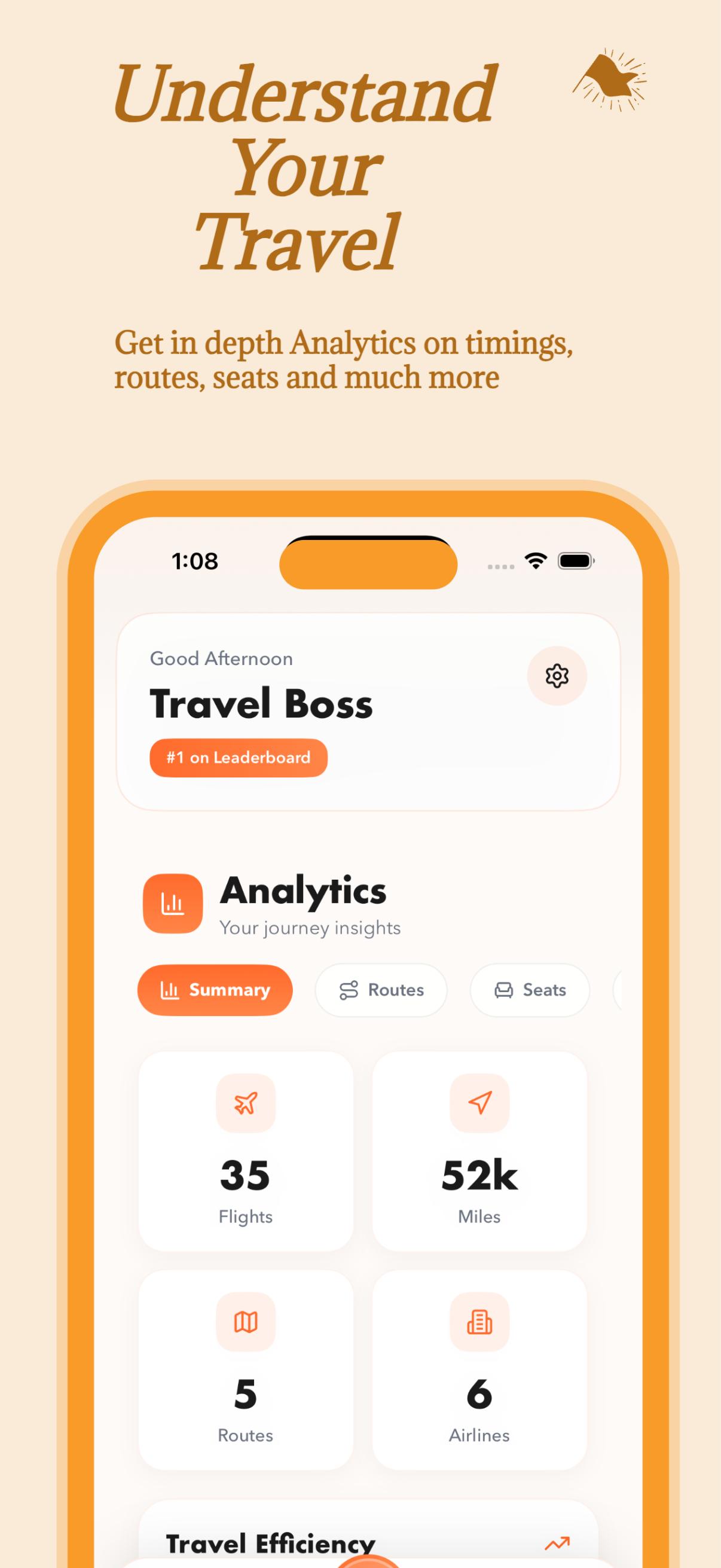
AI trip planning, group budgets, and a boarding pass wallet — everything this guide covers, in your pocket.
AI Trip Planning
Generate personalized itineraries with real-time pricing, route optimization, and local recommendations.
Group Planning & Budgeting
Invite travel companions, split costs, vote on activities, and keep everyone aligned.
Boarding Wallet & History
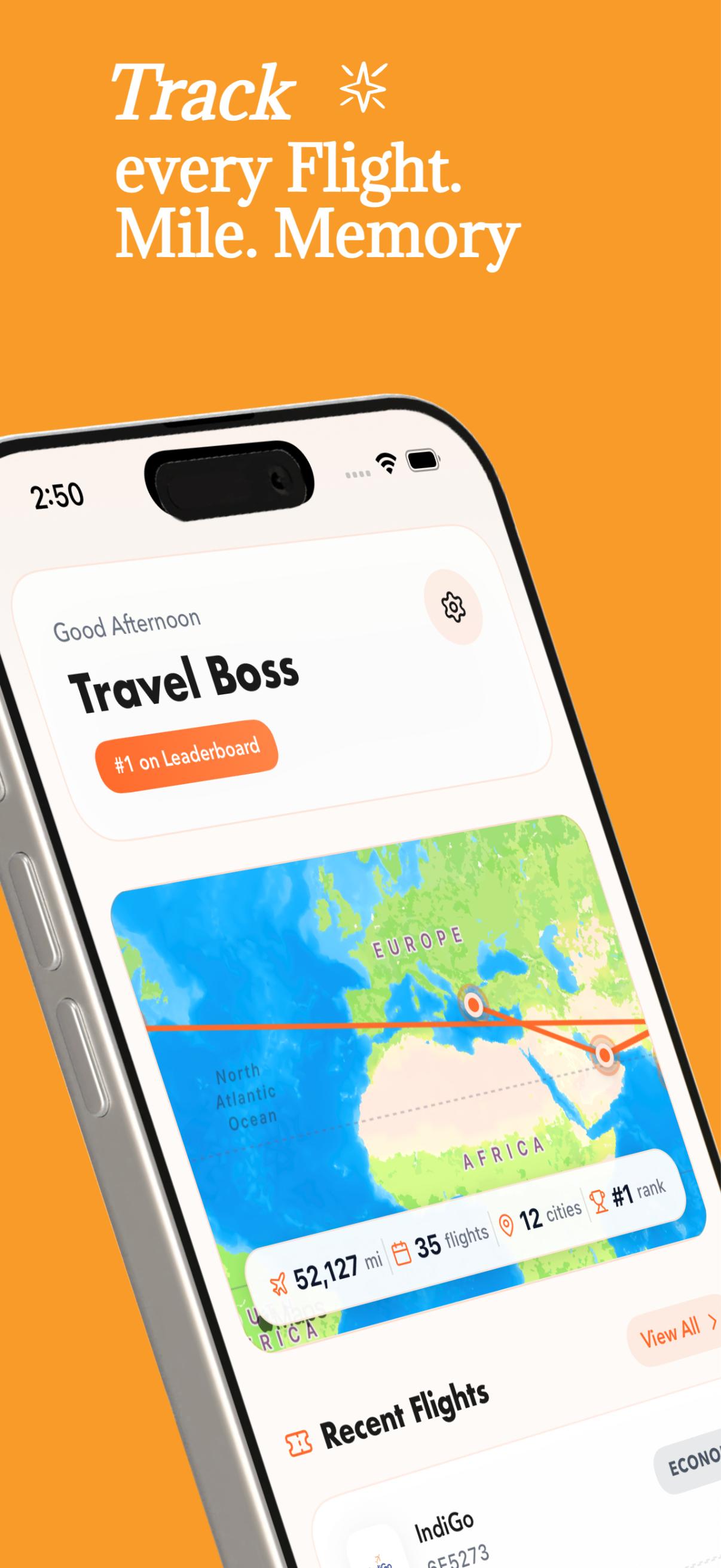
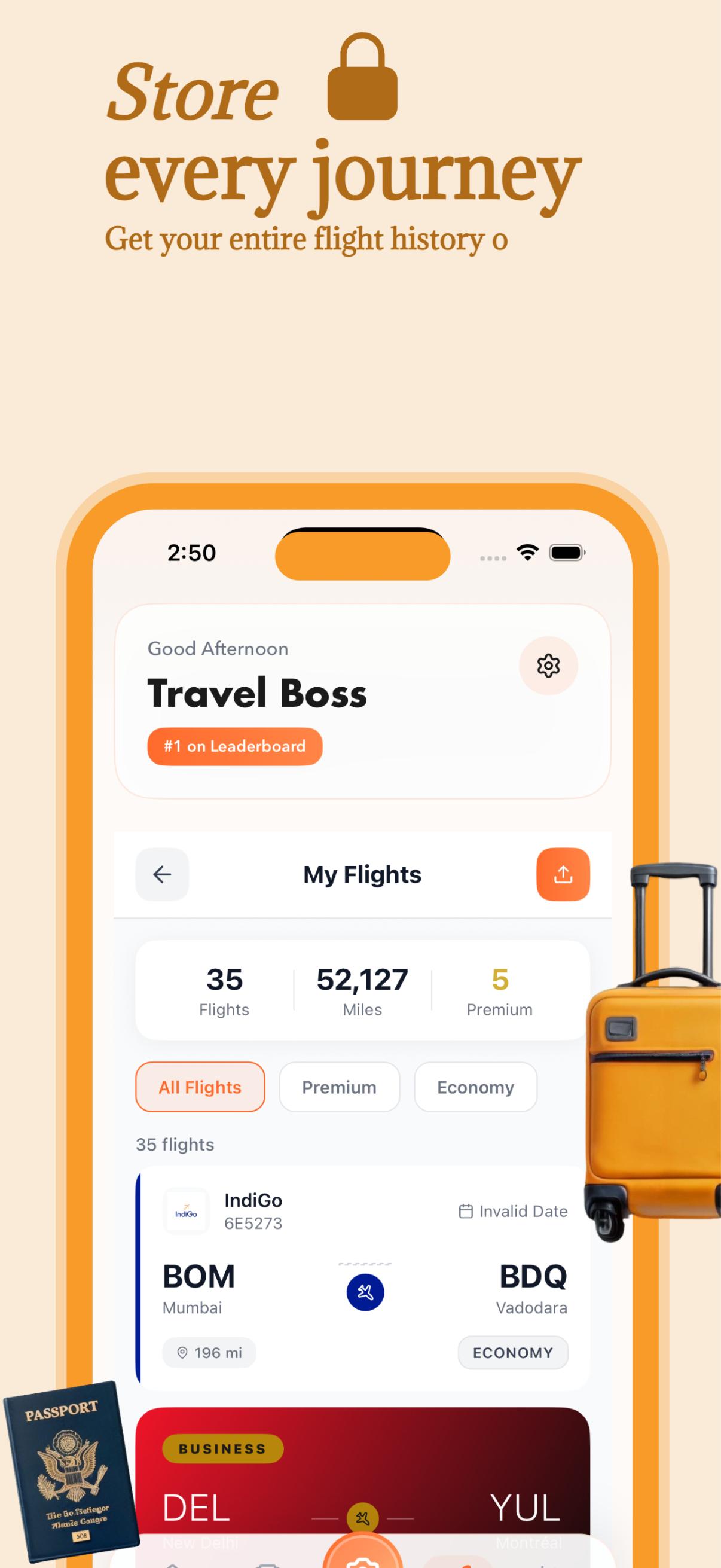
Store every boarding pass, track your travel history, and visualize your journey on a map.
Leaderboard & Achievements
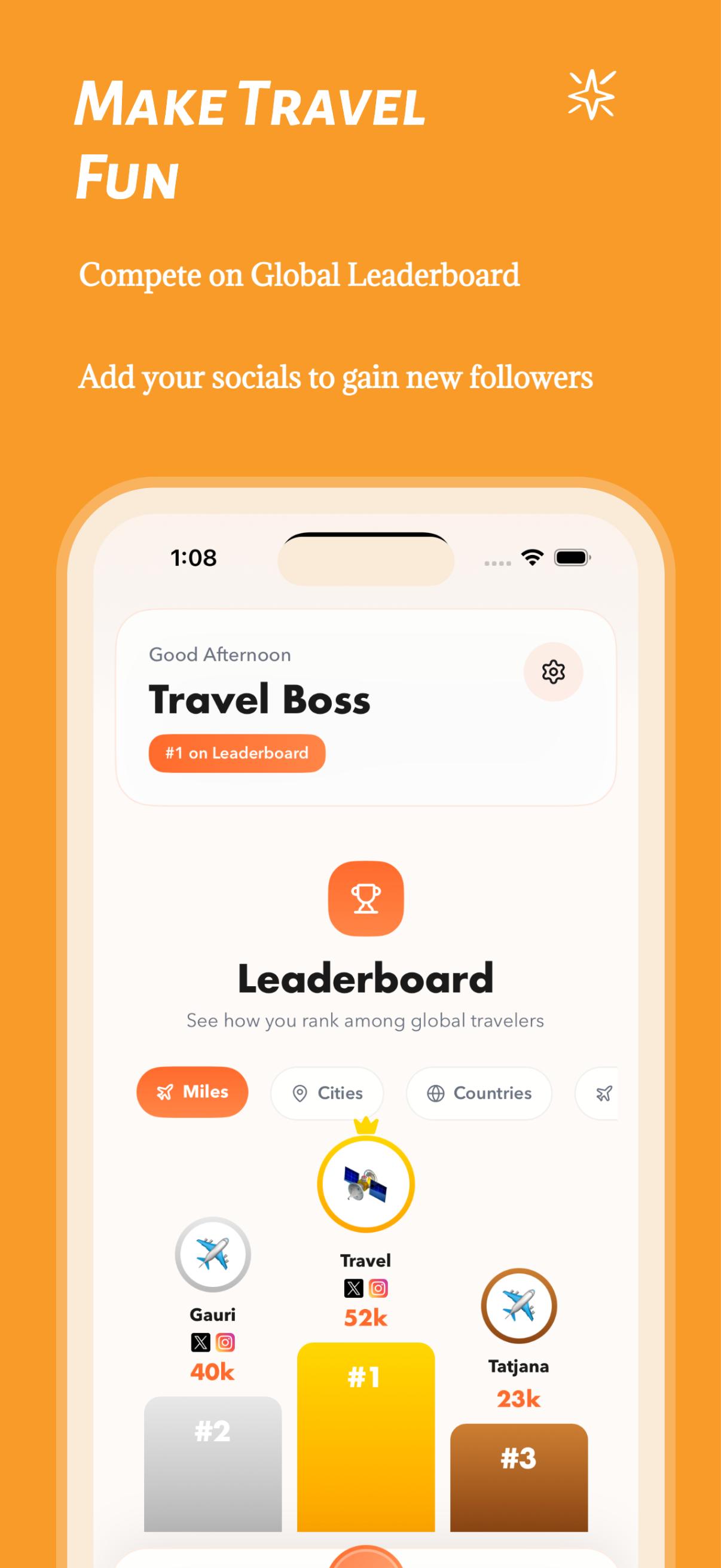
Earn badges for every destination, climb the global rankings, and compete with fellow travelers.
Travel Concierge
Get personalized booking assistance, curated recommendations, and priority support — all in-app.

Route directions & coordinate spots
The actual itinerary roadmap — coordinates, transit directions, and details for every stop.
The New Forest, UK
The New Forest offers one of the most protected environments in Europe for mushroom hunting. With over 2,000 species of fungi, it remains a bucket-list destination for foragers. Access is strictly managed to preserve biodiversity, so always hire a local guide like those at Wild Mushroom School. Spend at least 4 hours walking the ancient woodland trails to find seasonal chanterelles and porcini mushrooms hidden beneath the dense oak canopy.
Galway Bay, Ireland
Foraging for sea vegetables and shellfish along the Galway coastline is a cultural ritual dating back centuries. During low tide, you can harvest dulse, carrageen moss, and razor clams with local experts. The Atlantic nutrient profile here is unmatched, producing seaweed with intense salinity and mineral richness. Always consult tide charts; the Atlantic rise can exceed 4 meters, making precise timing essential for a safe and successful session.
Istria Peninsula, Croatia
Istria is the world capital of truffle hunting, particularly during the autumn season when white truffles are at peak value. Local families use specially trained dogs to scent out the elusive fungi within the Motovun Forest. This is a high-stakes foraging environment; professional hunters keep their specific hot spots secret, and guided tours are the only legitimate way to access these private hunting grounds and learn the trade safely.
San Juan Islands, USA
The Pacific Northwest offers an abundant ecosystem of wild berries, stinging nettle, and chanterelles. Foraging here requires a permit and knowledge of local invasive species versus protected native flora. Local guides help navigate the dense temperate rainforests, turning a simple hike into a culinary exploration. Focus your efforts on the cooler, moisture-rich ravines where the forest floor stays damp enough to sustain edible mushroom colonies even during dry spells.
Kyoto Northern Mountains, Japan
Mountain foraging in Japan, or 'sansai' hunting, is a deeply meditative practice involving wild shoots, ferns, and bamboo. Spring is the primary season, typically peaking between April and May. You will learn to identify 'warabi' and 'kogomi'—wild mountain vegetables that are essential to Japanese 'kaiseki' cuisine. This is a highly technical form of foraging; local experts emphasize the 'sustainability first' rule, ensuring you never harvest more than 20% of a plant cluster.
Languedoc-Roussillon, France
This region offers a unique blend of Mediterranean wild herbs, pine nuts, and asparagus. Foraging in the scrubland known as 'garrigue' provides an intense olfactory experience that defines local gastronomy. The practice is communal, often ending in a home-cooked meal using the day's finds. The best time to visit is mid-spring, when the wild garlic is abundant and the summer heat hasn't yet withered the fragile mountain herbs found in the high plateaus.
Hokkaido Highlands, Japan
Hokkaido's expansive wilderness offers an entirely different foraging experience compared to Honshu, featuring massive patches of wild berry and mushroom colonies. The vast geography makes hiring a local guide mandatory for safety. Avoid the common 'forager-tourist' traps by venturing into the lesser-known Daisetsuzan National Park fringes. Always carry a bear bell; the local brown bear population is active, and foraging zones often overlap with their primary berry-picking feeding routes during the late summer months.
Tasman Peninsula, Australia
Foraging for sea urchin and native coastal succulents provides a fascinating window into Australian bush tucker. The water is pristine but cold, requiring proper wetsuits if you intend to snorkel for your harvest. Local guides focus on the balance between native ecosystem preservation and the culinary application of invasive species. It is a highly regulated activity, so ensure your operator has current state permits before booking any coastal harvesting excursion.
Curated tours & experiences
Skip-the-line activity tokens, certified day guides, and unique regional activities.
Interactive suggestions load dynamically based on seasonal availability.
Browse Viator Experiences
Looking for premium curated day-trips, private shuttle transports, or multi-day hiking expeditions? View top activities instantly.
The full guide, stop by stop
Hand-curated notes and specific travel insights, built exclusively for this trip.

Trail Notes
The New Forest, UK: 4-Hour Intensive Foraging
The New Forest is arguably the most regulated yet rewarding foraging destination in the UK, where guided sessions typically last 4 hours and cost around £75 ($95 USD). Unlike random bushwalking, guides here possess 'forage-to-table' licenses that allow for the gathering of specific fungi species. The secret is to head to the northern sections near Ashurst; most amateurs stick to the tourist-heavy southern trails, leaving the abundant oyster mushrooms and chanterelles in the deeper, damper woods untouched. Always wear waterproof boots with deep tread, as the marshy soil is deceptively soft.
Istria, Croatia: Truffle Hunting Success
Istria offers a 95% success rate for finding black or white truffles when you hire a local family with hunting dogs, with costs hovering around €120 ($130 USD) for a 3-hour expedition. The contrarian truth here is that you should ignore the highly advertised 'truffle festivals' in the main squares and instead book private outings in the Motovun forest interior. You are not just looking for fungi; you are participating in a multi-generational industry. Expect to sample fresh truffle-infused dishes at the hunter's home immediately following the tour, which is included in the premium price point.
Galway, Ireland: Atlantic Coast Tides
Foraging the Galway coastline is entirely dependent on the 4-meter tide shift, making it a high-effort, high-reward activity that requires at least a 3-hour commitment. Expert harvesters know that the best dulse grows on the outer rock faces, which are only accessible for 90 minutes during the lowest tide point of the day. Do not attempt this alone; the shelf-rock can be slicker than ice, and the cold Atlantic water makes injury a significant risk. Book a local sea-veg specialist who provides sturdy gloves and harvesting shears.
Secure curated tours & day tickets with Viator
Unlock flexible skip-the-line museum tickets, local food walkthroughs, and certified regional guides on Viator.
Take your itinerary everywhere
Sync boarding passes, earn travel badges, climb the global leaderboards, and track multi-currency expenses — all offline.
Crowd Avoidance
Strategic Foraging Tactics
Foraging relies on solitude; avoid the crowds by strictly following these professional protocols:
- Mid-week Departures: Book tours on Tuesdays or Wednesdays to ensure your guide isn't stretched by weekend group quotas.
- Early Bird Advantage: Start your forage at 7:00 AM; you will beat the recreational hikers and ensure first pick of the daily growth.
- Deep Woods Routing: Request that your guide takes the 'Level 3' paths, which are marked as 'challenging' on local maps but contain 90% less human traffic.
- Avoid Holiday Peak: Skip bank holidays entirely; the pressure on the landscape makes even professional guides prioritize quantity over the educational experience.
- Off-Season Exploration: Visit in the 'shoulder' months of late September or early May, when the weather is unpredictable but the flora is unpicked.
- Private Exclusivity: Pay the 20% premium for a private group booking to control the start time and the specific trail route taken.
Secure curated tours & day tickets with Viator
Unlock flexible skip-the-line museum tickets, local food walkthroughs, and certified regional guides on Viator.
Top Curated Travel Experiences in Best Places to Go Foraging with a Local: A 2026 Guide
Full-Day Guided Sightseeing Tour in Best Places to Go Foraging with a Local: A 2026 Guide
Explore the absolute best sights of Best Places to Go Foraging with a Local: A 2026 Guide with an expert certified local English-speaking guide.
Best Places to Go Foraging with a Local: A 2026 Guide Hidden Gems & Historical Walking Tour
Step off the beaten path into quiet streets with your storyteller guide.

Suggested Route Order
For an optimal foraging trip in Europe, start in the north and work your way south to track the seasonal bloom. Begin your journey in the New Forest, UK in early September, where the autumn mushroom flush is most reliable. Spend 3 days here, utilizing the proximity to major transit hubs in Southampton.
- New Forest, UK: Focus on fungi and forest-floor vegetation.
- Istria, Croatia: Travel via flight/train to the Mediterranean to catch the late-stage truffle season.
- Galway, Ireland: Fly to the west coast for coastal seaweed and shellfish harvesting as a final, high-contrast experience.
This order maximizes your exposure to diverse ecological zones—forest, sub-Mediterranean woodland, and rugged Atlantic coastline—without doubling back on travel routes. By tracking the seasonal progression from the cooler north to the southern regions, you effectively guarantee that you are arriving exactly when the local ecosystem is at its most productive for foraging activities.
Find cheap flights & multi-city stays
Secure flexible flight pathways, regional connections, and custom travel bundles on Trip.com.
Top Curated Travel Experiences in Best Places to Go Foraging with a Local: A 2026 Guide
Full-Day Guided Sightseeing Tour in Best Places to Go Foraging with a Local: A 2026 Guide
Explore the absolute best sights of Best Places to Go Foraging with a Local: A 2026 Guide with an expert certified local English-speaking guide.
Best Places to Go Foraging with a Local: A 2026 Guide Hidden Gems & Historical Walking Tour
Step off the beaten path into quiet streets with your storyteller guide.
Getting Between Spots
Transit Logistics and Local Hacks
Moving between foraging hubs requires a mix of regional trains and reliable ride-share services. In the UK, use Trainline for inter-city travel; in Croatia, rent a car, as rural truffle forests are inaccessible by public transit. For Ireland, local buses are slow; hire a private transfer for the final leg to the coastal zones. Always check Bolt availability in rural areas before assuming a car is available.
| Route | Best Method | Time | Typical Cost |
|---|---|---|---|
| Southampton to New Forest | Taxi/Bolt | 25 mins | £30 ($38) |
| Pula to Motovun Forest | Rental Car | 50 mins | €50 ($55) |
| Galway City to Coast | Private Transfer | 40 mins | €45 ($50) |
Pro-tip: For groups of 3+, renting a vehicle for the entire duration of your stay in each region is 40% cheaper than using taxis for every foraging excursion. Keep a stash of local currency, as many rural foragers still prefer cash for small purchases like extra harvests or local honey.
Find cheap flights & multi-city stays
Secure flexible flight pathways, regional connections, and custom travel bundles on Trip.com.

Transport Cost Table
| Route | Method | Time | Estimated Cost (Local) | Estimated Cost (USD) |
|---|---|---|---|---|
| London to New Forest | Train | 90m | £45 | $57 |
| Zagreb to Istria | Bus | 4h | €25 | $27 |
| Dublin to Galway | Train | 2.5h | €30 | $33 |
| Southampton Local | Taxi | 20m | £25 | $32 |
| Istria Rural Access | Private Car | 1h | €60 | $65 |
| Galway Coastal Drop | Taxi | 30m | €40 | $44 |
Transport costs represent estimates for a single traveler. For mixed-budget groups, opt for a 'hub-and-spoke' accommodation model. Stay in a central city like Southampton or Galway and use a single pre-booked car service to transport the group to and from the foraging sites. This eliminates the need for individual transit costs and allows the group to split the flat rate of a driver for the day, which usually costs around €150-200 total.
Find cheap flights & multi-city stays
Secure flexible flight pathways, regional connections, and custom travel bundles on Trip.com.
Where To Base
Choosing a base requires balancing the need for wilderness access with the comfort of town amenities. In the New Forest, base yourself in Lyndhurst; it is the administrative heart of the forest and has the most transport links. For luxury, choose a manor hotel (approx. £300/night); for budget, look for B&Bs in the village outskirts (£110/night). In Istria, stay in Buzet for immediate access to truffle forests. Mid-range apartments here are roughly €90/night.
| Neighborhood | Vibe | Budget | Proximity |
|---|---|---|---|
| Lyndhurst, UK | Traditional | Mid | High |
| Buzet, Croatia | Rustic | Low/Mid | Highest |
| Galway City | Urban/Vibrant | Variable | Medium |
Mixed-budget groups can stay together by choosing large rental homes on the outskirts of these towns. A high-end luxury property often has enough space to house 6-8 people; by splitting a $600/night house, members who would normally pay $150 for a hotel room spend only $80, allowing the budget-conscious members to afford a higher quality of accommodation while the luxury-seekers get the proximity they desire.
Book Hotels in Best Places to Go Foraging with a Local: A 2026 Guide with Agoda
Compare premium boutique hotels, resort villas, and historic stays at the guaranteed lowest rates.

Itinerary Day Plan
| Day | Morning | Afternoon | Evening | Cost (Approx) |
|---|---|---|---|---|
| 1 | Forest Forage | Cooking Class | Local Pub Meal | $180 |
| 2 | Coastal Walk | Seaweed Harvest | Fresh Catch Dinner | $150 |
| 3 | Local Market | Food Pairing Tour | Fine Dining Finish | $220 |
This 3-day sample assumes you are in a primary foraging hub. On Day 1, focus on the land; the morning session covers identification and gathering. By afternoon, you will apply these ingredients in a workshop. Day 2 shifts to the coast for water-based foraging, ensuring a diverse range of knowledge. Day 3 is for exploration of local markets, where you will see the commercial result of the foraging industry.
Daily costs are estimates based on shared transport and group-rate activities. If traveling solo, add 30% to account for the lack of split-fare transport and private tour fees. Always prioritize booking the 'Chef’s Table' experience on the final evening—it’s the best way to see the raw ingredients you gathered transformed into high-end cuisine.
Find cheap flights & multi-city stays
Secure flexible flight pathways, regional connections, and custom travel bundles on Trip.com.
Local Insider Tips
- Contrarian Tip: Avoid the 'most popular' foraging guides listed on major travel platforms; the best local experts often don't have websites and are found via the local tourist board or university agricultural departments.
- Market Secret: Always visit the town market before your foraging tour to see what the locals are currently buying—it tells you exactly what is in season.
- The 'No-Pick' Rule: Don't try to identify species via phone apps; they have a 20% error rate that can be fatal in fungi.
- Ask for 'B-Grade' Produce: When buying at local stalls, ask for 'B-grade' fruits or veg; they are cosmetically imperfect but taste identical for 50% of the cost.
- Check the Soil: After a rain, the scent of the earth in the forest will tell you where the fungi are hiding; follow the scent of damp moss.
- Carry Cash: Many rural, high-quality foragers operate on a cash-only basis to avoid card fees.
- Learn the Flora: Research the 'indicator plants' (like specific oak or birch species) that precede the growth of high-value mushrooms.
- Respect the Land: If you are unsure about an edible, leave it; the local ecosystem is fragile.
- Cultural Exchange: Always bring a small gift—like a bottle of wine or local specialty—for your host if the foraging ends in a home-cooked meal.
Get instant mobile data with Saily eSIM
Stay connected. Skip expensive roaming fees and activate instant high-speed data in seconds with Saily.

Photography And Best Light
Foraging photography requires a balance of landscape and macro work. The best light for forest floors is during 'golden hour'—the hour after sunrise or before sunset—when the sun filters through the canopy to highlight textures. Use a macro lens (100mm) for fungi close-ups with a wide aperture (f/2.8) to create a soft, blurred background. Avoid midday sun; it creates harsh, unappealing shadows on leaves and forest floor debris. Check Photography Life for specific macro lighting tutorials. When shooting, use a tripod to keep the camera steady in low-light woods, and consider a polarizing filter to reduce glare on wet leaves.
Get instant mobile data with Saily eSIM
Stay connected. Skip expensive roaming fees and activate instant high-speed data in seconds with Saily.
Budget And Cost Context
Foraging travel can be surprisingly budget-friendly if you are willing to do the heavy lifting yourself. A budget-tier trip relies on public transit and community-run workshops, while luxury trips include private expert guides and fine-dining tastings of your harvest.
| Item | Budget | Mid-range | Luxury |
|---|---|---|---|
| Accommodation | $60/night | $150/night | $400+/night |
| Foraging Guide | $50/pp | $120/pp | $300+/pp |
| Transport | $20/day | $60/day | $200/day |
| Food | $40/day | $80/day | $200+/day |
For the best value, look for 'forage-to-table' weekends that bundle accommodation and activity. These packages typically cost 15% less than booking components separately. Always account for a 'hidden' cost: the gear. Even if you rent, you may need to purchase specific footwear or waterproof clothing upon arrival if your own gear isn't suitable for the local terrain.
Find cheap flights & multi-city stays
Secure flexible flight pathways, regional connections, and custom travel bundles on Trip.com.
Top Restaurants By Budget
| Name | Location | Type | Budget | Must-Order | Note |
|---|---|---|---|---|---|
| The Pig | New Forest | Field-to-Fork | $$$ | Wild mushroom toast | Seasonal focus |
| Konoba Stari Podrum | Istria | Truffle Pasta | $$ | Truffle tagliatelle | Local favorite |
| Kai | Galway | Organic | $$$ | Atlantic seafood | Ever-changing |
The local food scene revolves around the concept of 'terroir'—food that expresses its specific environment. In areas like the New Forest and Istria, the most prestigious restaurants are those that source 90% of their produce from within a 10-mile radius. Don't look for menus; look for 'daily specials' that reflect what was pulled from the ground or caught that morning.
Food streets in these regions are rare; instead, look for the 'village market day' schedule. The best food is often served in small, family-owned inns (konobas in Croatia, gastro-pubs in the UK) that don't have a massive online presence but are packed with locals on Saturday afternoons. Stick to these spots for the most authentic experience.
Secure curated tours & day tickets with Viator
Unlock flexible skip-the-line museum tickets, local food walkthroughs, and certified regional guides on Viator.
Food And Drink Highlights
Foraging creates a unique diet rich in seasonal, hyper-local ingredients. You will primarily encounter wild garlic, chanterelles, sea buckthorn, and truffles. In the UK, pair your finds with local ales; in Croatia, it’s all about the Malvazija wine, which has the acidity needed to cut through the richness of truffle oil. For more information on local gastronomy, visit Eater or The Guardian Food section for regional reports.
The key to these ingredients is simplicity. Chefs in these regions rarely mask the natural flavors of foraged goods with heavy spices or creams. If you find yourself in a restaurant serving 'truffle essence' or 'truffle oil,' leave; true foraging culture uses fresh shavings of the actual mushroom. Always ask the waiter if the mushrooms on the menu are 'locally foraged'—if they can't name the forest they came from, they are likely mass-market imports.
Secure curated tours & day tickets with Viator
Unlock flexible skip-the-line museum tickets, local food walkthroughs, and certified regional guides on Viator.
Safety Considerations
- Poisoning Risk: Never consume any forage without 100% confirmation from your guide; 'lookalikes' are responsible for hundreds of hospitalizations annually.
- Tidal Safety: In coastal zones, always inform your hotel of your route and check the local coast guard tide alerts.
- Wildlife Encounters: Research local dangers; in the US or Japan, bear spray or bells are essential in dense foraging woods.
- Emergency Contacts: Save the local emergency number (e.g., 999 in UK, 112 in EU) in your phone before entering the field.
- Insurance: Ensure your travel insurance covers 'adventure activities' or 'hiking', as some standard policies exclude these.
- Government Alerts: Check your home country's foreign travel office (e.g., State.gov) for local political or environmental warnings before travel.
Get instant mobile data with Saily eSIM
Stay connected. Skip expensive roaming fees and activate instant high-speed data in seconds with Saily.
Seasonal Variations
| Month | Conditions | Crowd | Verdict |
|---|---|---|---|
| Jan-Mar | Dormant | Low | Bad for foraging |
| April | Growth begins | Low | Good for herbs |
| May | Spring bloom | Med | Excellent |
| June | Warm | Med | Moderate |
| July | Dry | High | Difficult |
| Aug | Hot/Dry | High | Poor |
| Sept | Cooling | Med | Best for fungi |
| Oct | Peak harvest | High | Best for truffles |
| Nov | Cold/Rainy | Low | Moderate |
| Dec | Dormant | Low | Bad |
Foraging is entirely seasonal. The best months for most temperate regions are May for vegetation and September/October for mushrooms and truffles. Avoid mid-summer, as the lack of moisture causes many fungi to go dormant, and the heat makes long walks in the woods uncomfortable for even the most seasoned foragers. September provides the perfect intersection of cool, damp weather and high biodiversity.
Book top guided activities and tickets in Best Places to Go Foraging with a Local: A 2026 Guide
Skip the long queues, discover hidden gems, and book 100% free-cancellation activities on Viator with live local support.
Equipment And Gear Advice
- Footwear: Waterproof hiking boots with high-ankle support (brands like Salomon or Lowa are industry standards).
- Knife: A dedicated mushroom knife with a soft brush on the handle (Opinel No. 8 Mushroom Knife).
- Bag: A woven wicker basket or breathable mesh bag; plastic bags cause mushrooms to decompose rapidly.
- Gloves: Sturdy garden gloves for thorny areas or coastal harvesting.
- Clothing: Moisture-wicking base layers and a lightweight, waterproof shell (Patagonia or Arc'teryx).
- Identification Guide: A localized field guide specific to the region's flora.
- First Aid: Basic kit with tweezers for ticks and antiseptic for scrapes.
- Navigation: A physical map and a compass; phone signals are non-existent in deep forest foraging zones.
- Do Not Bring: Heavy backpacks—they tire you out and make it harder to maneuver through dense brush.
Get instant mobile data with Saily eSIM
Stay connected. Skip expensive roaming fees and activate instant high-speed data in seconds with Saily.
Local Festivals And Events
| Event | Month | Location | Why It Matters | Booking Tip |
|---|---|---|---|---|
| Truffle Days | October | Motovun, Croatia | Truffle peak season | Book 6 months ahead |
| Wild Food Festival | May | West Cork, Ireland | Celebrate early harvest | Early bird tickets |
| New Forest Fair | July | Lyndhurst, UK | Local produce | Walk-in friendly |
Local food festivals are the best way to meet the growers and gatherers who supply the region's top restaurants. These events often feature workshops that are much cheaper than private tours. For the Truffle Days in Istria, the village of Motovun becomes entirely booked; ensure you have transport secured if you are staying in a nearby town.
Always verify the 'sustainable' credentials of the festival. The best festivals focus on education and conservation, while the worst are merely markets for processed food. Check the official tourism website for the region to see if the festival is supported by the local agricultural ministry, which is a strong indicator of quality and authenticity.
Book top guided activities and tickets in Best Places to Go Foraging with a Local: A 2026 Guide
Skip the long queues, discover hidden gems, and book 100% free-cancellation activities on Viator with live local support.
Sustainable Travel Tips
- Leave No Trace: Follow the strict 'pack-in, pack-out' rule; do not leave even organic waste in the woods.
- Stay on Trails: Use marked paths to avoid crushing the delicate underground mycelial networks.
- Harvest Sparingly: Take only what you need and never take more than 20% of any plant population.
- Support Locals: Buy your supplies and your guide services from locals, not large national chains.
- Check Permits: Ensure all foraging is legal; unauthorized harvesting can lead to massive fines and ecological damage.
- Use Public Transit: Whenever possible, use local buses or group shuttles to reduce your carbon footprint while traveling between sites.
Get instant mobile data with Saily eSIM
Stay connected. Skip expensive roaming fees and activate instant high-speed data in seconds with Saily.
Neighborhood Guide
Lyndhurst, UK
Lyndhurst is the historic capital of the New Forest. It serves as a perfect base for forest foraging due to its central location and access to the 'crown lands.' Spend time in the high street where local artisans sell handmade goods; it is the best place to find artisanal honey and forest-foraged preserves.
Motovun, Croatia
This hilltop town is the heart of truffle country. It is famous for its steep streets and views of the surrounding forests. The neighborhood is specialized; almost every shop, restaurant, and home is in some way connected to the truffle industry. It is the most authentic place to base yourself for an autumn foraging trip.
Galway City, Ireland
Galway is a vibrant urban base that provides easy access to the rugged Atlantic coast. The city's 'West End' is a hub for independent foodies, with plenty of markets and restaurants that prioritize local, foraged ingredients. It’s the best neighborhood for those who want to balance wilderness foraging with a lively nightlife and cultural scene.
Book Hotels in Best Places to Go Foraging with a Local: A 2026 Guide with Agoda
Compare premium boutique hotels, resort villas, and historic stays at the guaranteed lowest rates.

Alternative Options
Who Should Skip This
If you have limited mobility, severe allergies to wild flora/pollen, or find the idea of eating 'found' items inherently stressful, avoid foraging tours. These trips are physically demanding and require a degree of trust in your guide that is not for everyone.
Alternative 1: Visit a local 'Farmers Market Tour' instead. You get the same connection to local food producers without the physical rigors of deep-woods hiking.
Alternative 2: Book a 'Cooking Class' with a local chef. You still learn about the ingredients and local cuisine from an expert without needing to search for them yourself.
Alternative 3: Visit a high-end botanical garden with an expert tour guide; you learn all the plant names and history in a controlled, accessible environment.
These alternatives are roughly 30-50% cheaper than guided foraging and offer a more predictable experience for those who prefer comfort over exploration.
Book top guided activities and tickets in Best Places to Go Foraging with a Local: A 2026 Guide
Skip the long queues, discover hidden gems, and book 100% free-cancellation activities on Viator with live local support.
Frequently Asked Questions
- Is foraging with a local worth it in 2026?
- Yes, it is highly recommended because professional guidance is the only way to ensure both your physical safety and the legal sustainability of your harvest. Trying to forage without an expert increases the risk of consuming toxic species and often leads to unintentional ecological harm.
- What is the best month to do a foraging tour?
- The best month is September for forest fungi or May for spring vegetables. These periods offer the highest biodiversity and favorable weather conditions for walking in rural landscapes.
- Do I need special insurance?
- Yes, standard travel insurance often excludes 'adventure' or 'outdoor' activities, so ensure your policy explicitly covers hiking and foraging. Check the policy details for any 'extreme' activity clauses that might apply to coastal or mountainous terrain.
- Are these tours safe for beginners?
- Yes, professional foraging tours are designed for all levels, and guides are trained to teach identification protocols that prioritize absolute certainty. They will never ask you to eat anything you have not independently identified to their satisfaction.
- Can I fly home with foraged food?
- Generally, no; most international borders have strict regulations prohibiting the transport of raw fungi, produce, or soil. Always consume your harvest locally; it’s part of the experience.
- How much should I tip my guide?
- In the UK and Ireland, a 10-15% tip is standard for excellent service; in Croatia, a small cash gift or a thank-you note is often more appreciated. Tips are not mandatory but are a great way to show appreciation for the specialized knowledge provided.
Book top guided activities and tickets in Best Places to Go Foraging with a Local: A 2026 Guide
Skip the long queues, discover hidden gems, and book 100% free-cancellation activities on Viator with live local support.
Final CTA
Book top guided activities and tickets in Best Places to Go Foraging with a Local: A 2026 Guide
Skip the long queues, discover hidden gems, and book 100% free-cancellation activities on Viator with live local support.
Ready to track your travels?
Join thousands of travelers using Borderly to plan trips, track expenses, store boarding passes, and compete on the global leaderboard.