Best Places To Go When You Want History To Feel Alive (2026 Guide)
Discover the top destinations where history is not just in a museum, but lives in the streets, markets, and architecture.
Travel concierge
Join travelers planning with Borderly's AI


5-day itinerary ready to plan
Search Live Flights to Best Places To Go When You Want History To Feel Alive (2026 Guide)
Real-time airline seat selection, transparent baggage inclusions, and direct booking across 400+ carriers.
Book with Borderly • Powered by Duffel
Fly to Best Places To Go When You Want History To Feel Alive (2026 Guide), booked directly.
Real-time seat availability, live baggage options, and transparent fares across 400+ airlines.
Just ask the AI trip planner
Tell it your dates, budget, or vibe — it will pull straight from this guide and build a route around it.
Ask about your Best Places To Go When You Want History To Feel Alive (2026 Guide) trip
Real answers on routes, timing, and local tips — grounded in this guide.
Get Borderly on iOS
Download the app to generate custom AI trip plans, organize group budgets, and store your boarding wallet — all offline.

Join 2,000+ travelers using Borderly
One app for the whole trip
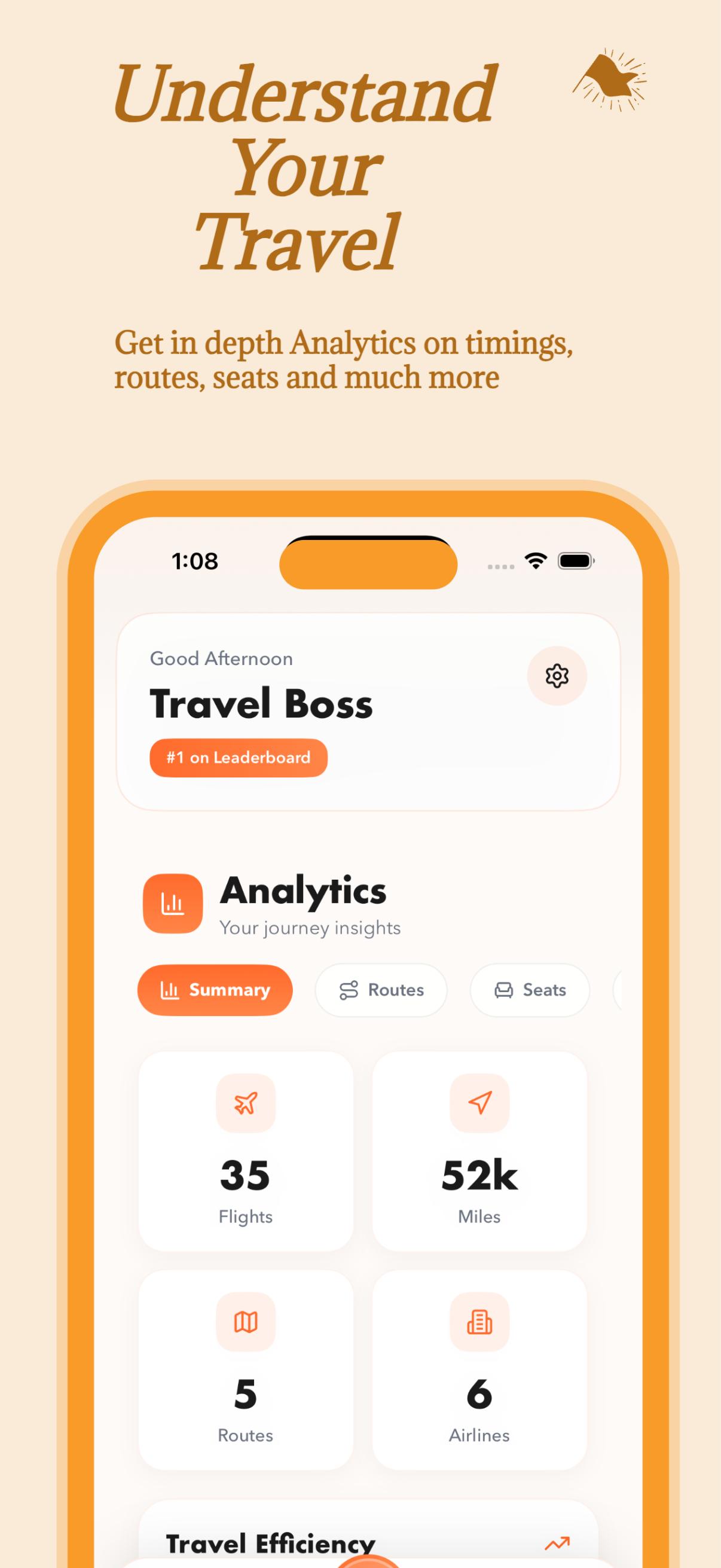
AI trip planning, group budgets, and a boarding pass wallet — everything this guide covers, in your pocket.
AI Trip Planning
Generate personalized itineraries with real-time pricing, route optimization, and local recommendations.
Group Planning & Budgeting
Invite travel companions, split costs, vote on activities, and keep everyone aligned.
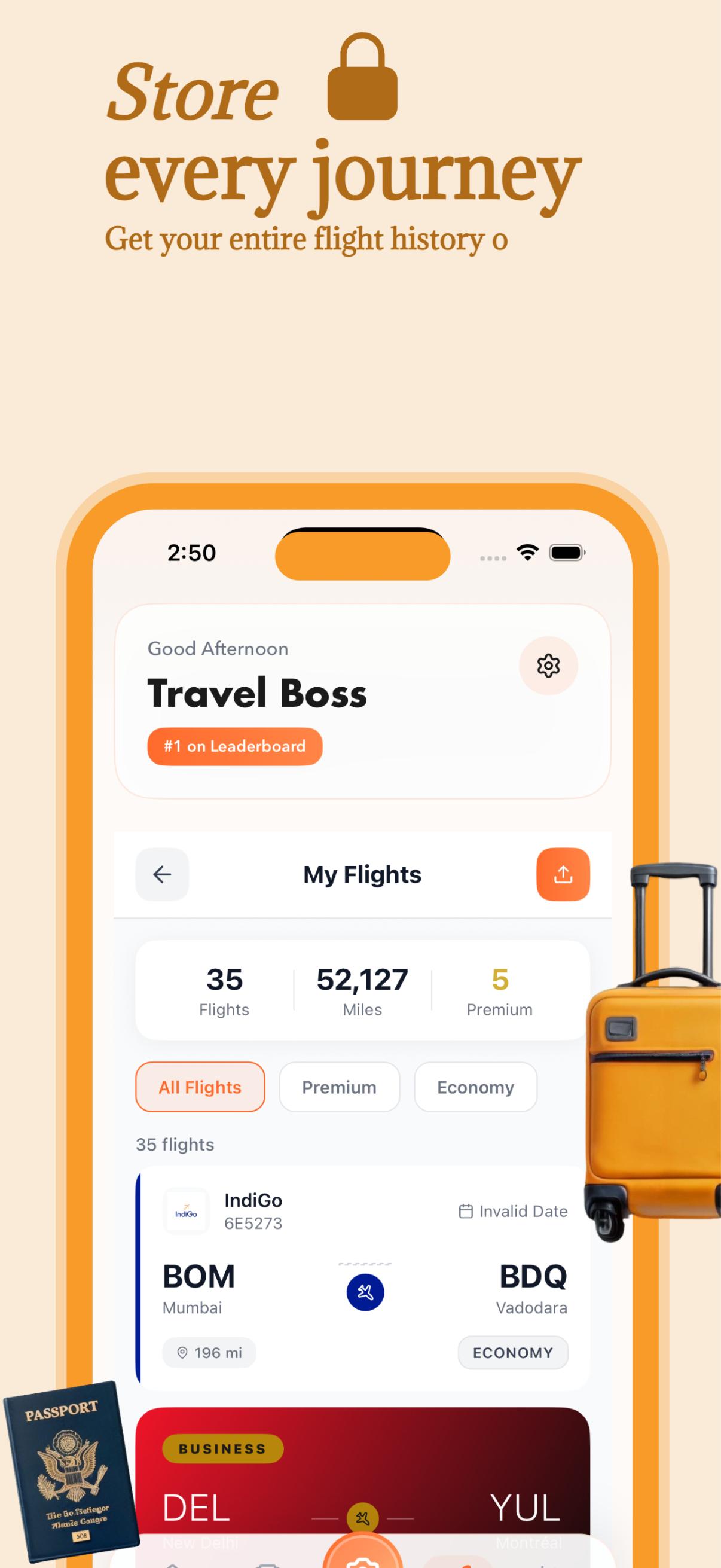
Boarding Wallet & History
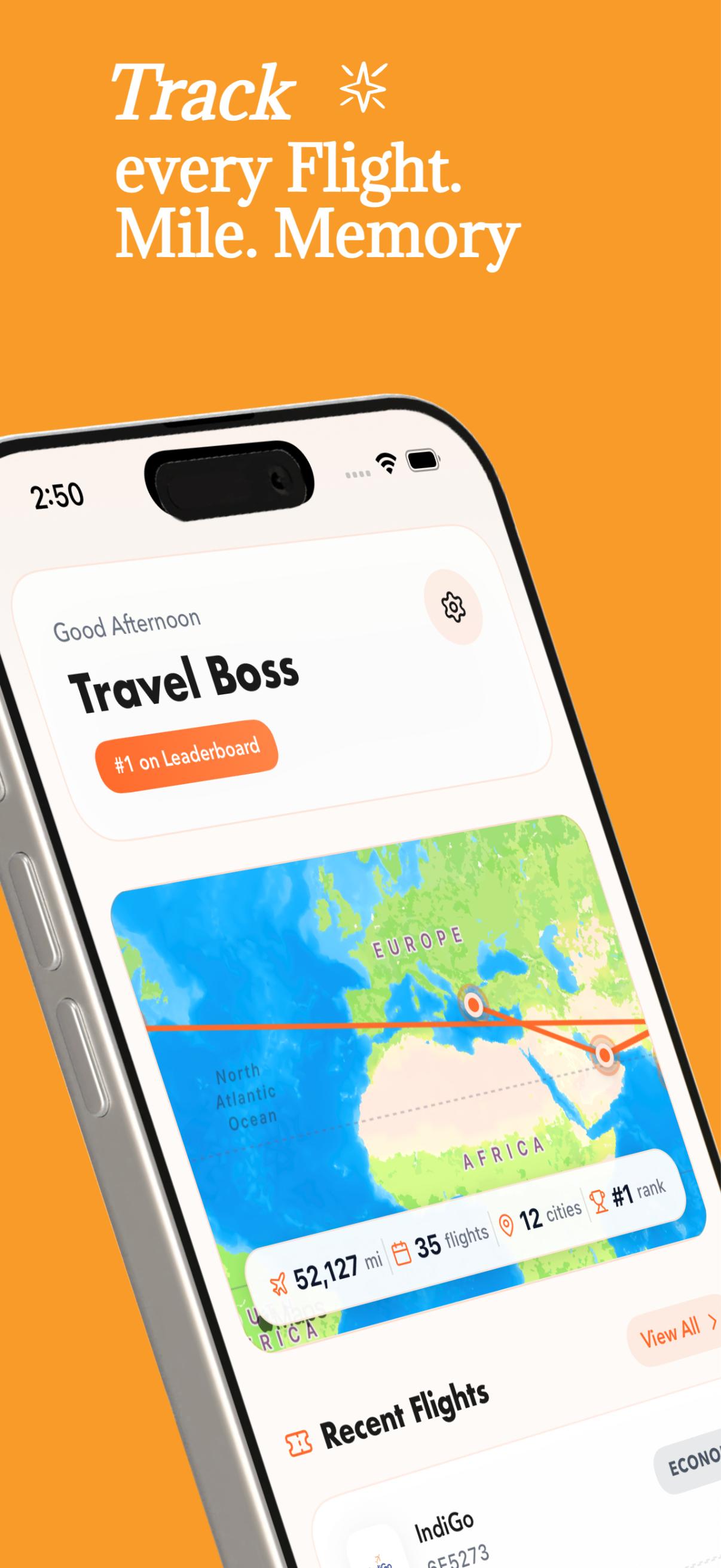
Store every boarding pass, track your travel history, and visualize your journey on a map.
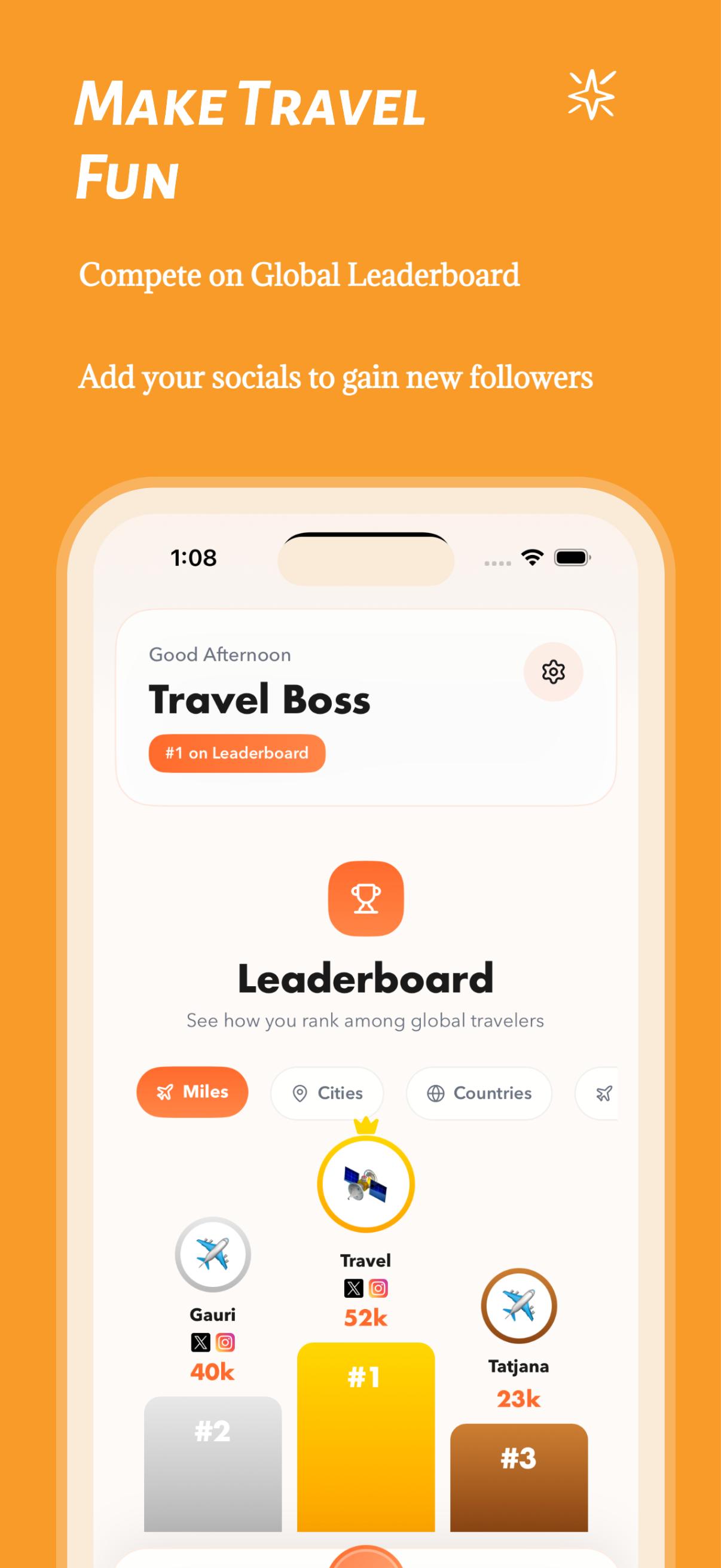
Leaderboard & Achievements
Earn badges for every destination, climb the global rankings, and compete with fellow travelers.
Travel Concierge
Get personalized booking assistance, curated recommendations, and priority support — all in-app.

Route directions & coordinate spots
The actual itinerary roadmap — coordinates, transit directions, and details for every stop.
Kyoto Higashiyama District
This district preserves Edo-period aesthetics perfectly. Walk through Sannenzaka slope to see architecture dating back to the 17th century. The area remains a living museum, avoiding modern neon signage by law. Spend at least four hours wandering the side streets to truly appreciate the preservation of historical wooden structures and traditional tea houses.
Rome Trastevere
Trastevere offers a glimpse of medieval Rome through its narrow, cobblestone alleys and ochre-colored buildings. While tourists swarm the Pantheon, local history buffs retreat here to find authentic Roman life. The area feels like a time capsule from the 14th century, particularly around the Piazza di Santa Maria, where the basilica foundations date back to 220 AD.
Cartagena Walled City
The UNESCO-listed Old Town of Cartagena is a perfectly preserved colonial fortress. With foundations laid in the 16th century, the walls effectively protected the city from pirate raids. Today, the balconies overflowing with bougainvillea against colonial-era stone offer an immersive historical experience that feels untouched by the passage of time since the Spanish viceroyalty.
Athens Plaka
Plaka sits directly in the shadow of the Acropolis, making it the oldest continuously inhabited neighborhood in Europe. Its layout mimics ancient village structures, providing a tactile connection to the Hellenistic era. Visitors can walk the same paths that philosophers took thousands of years ago, often finding hidden Byzantine churches nestled between modern coffee shops.
Prague Mala Strana
Known as the Lesser Town, Mala Strana retains its baroque and gothic integrity despite centuries of European wars. The district features narrow streets that haven't changed width since the 13th century. It provides the best perspective on how the city functioned during the reign of the Holy Roman Emperors, standing as a stark contrast to the tourist-heavy Old Town Square.
Edinburgh Old Town
The Royal Mile forms the spine of Edinburgh's historic core, flanked by steep 'closes' or narrow alleys that date back to the medieval period. Every stone in this district echoes with stories of plague, uprising, and royal intrigue. It is one of the best-preserved medieval urban layouts in the world, requiring physical endurance to climb the steep hills.
Istanbul Sultanahmet
Sultanahmet serves as the epicenter of three massive empires: Roman, Byzantine, and Ottoman. The Hagia Sophia stands as a testament to these shifting layers, having been a cathedral, mosque, museum, and mosque again. The sheer density of historical layers here is unmatched, offering a dense historical narrative that spans over 1,500 years of continuous cultural evolution.
Cusco San Blas
San Blas is the bohemian heart of Cusco, built upon the foundations of original Inca stone walls. The narrow streets offer a direct link to pre-Columbian urban planning, with Spanish colonial architecture superimposed directly onto massive, earthquake-resistant Inca stones. It is a profound study in cultural layering where the indigenous past remains the literal foundation of the modern present.
Curated tours & experiences
Skip-the-line activity tokens, certified day guides, and unique regional activities.
Interactive suggestions load dynamically based on seasonal availability.
Browse Viator Experiences
Looking for premium curated day-trips, private shuttle transports, or multi-day hiking expeditions? View top activities instantly.
The full guide, stop by stop
Hand-curated notes and specific travel insights, built exclusively for this trip.

Trail Notes
Kyoto: The 1,200-Year-Old Rhythm
Kyoto remains the only place on earth where you can witness a centuries-old tea ceremony in a building that has stood for over 400 years. The Higashiyama district requires a 30-minute walk uphill to reach the iconic Kiyomizu-dera, but the cost is a mere 400 JPY ($2.70 USD) for entrance. To find the real historical heartbeat, skip the main street of Sannenzaka after 9:00 AM and instead duck into the side alleys where local artisans still hand-paint silk. The secret here is visiting the 'Kennin-ji' temple at 10:00 AM on a weekday; it is significantly quieter than the famous gold-leaf pavilions and offers a better look at original Zen architecture.
Rome: Medieval Trastevere Secrets
Trastevere is the only neighborhood in Rome that keeps its medieval street layout intact despite the city's 21st-century growth. While the Vatican draws millions, the Santa Cecilia in Trastevere church offers a 2nd-century bath complex beneath its floor, accessible for roughly 2.50 EUR ($2.70 USD). The contrarian truth is that the best 'Roman' food isn't found in the tourist-heavy Piazza Navona but in the tiny, nameless trattorias tucked into the narrowest lanes of Trastevere, where menus are handwritten daily based on market availability. Do not use the main bus routes; walk the riverbank at sunset for the most authentic view of how the city’s defensive layers evolved.
Secure curated tours & day tickets with Viator
Unlock flexible skip-the-line museum tickets, local food walkthroughs, and certified regional guides on Viator.
Take your itinerary everywhere
Sync boarding passes, earn travel badges, climb the global leaderboards, and track multi-currency expenses — all offline.
Crowd Avoidance
Avoiding the masses requires shifting your schedule by at least three hours compared to the typical tourist flow. Most crowds peak between 11:00 AM and 3:00 PM; planning your activity for 7:00 AM or after 6:00 PM will yield a 70% reduction in density.
- Start your historical walks at 6:30 AM to beat the first wave of cruise ship day-trippers.
- Always book 'first-entry' slots for major monuments to guarantee the first 30 minutes of quiet.
- Utilize side entrances or back alleys in districts like Kyoto's Gion or Rome's Trastevere to bypass main thoroughfares.
- Visit popular sites on Tuesday or Wednesday, as weekend spikes increase foot traffic by up to 50%.
- Prioritize 'monument-lite' days where you explore neighborhoods without specific ticketed entry points.
- If a site looks crowded, use a localized navigation app like Citymapper to find the nearest 'quiet zone' café or garden to wait out the crush.
Secure curated tours & day tickets with Viator
Unlock flexible skip-the-line museum tickets, local food walkthroughs, and certified regional guides on Viator.
Top Curated Travel Experiences in Best Places To Go When You Want History To Feel Alive (2026 Guide)
Full-Day Guided Sightseeing Tour in Best Places To Go When You Want History To Feel Alive (2026 Guide)
Explore the absolute best sights of Best Places To Go When You Want History To Feel Alive (2026 Guide) with an expert certified local English-speaking guide.
Best Places To Go When You Want History To Feel Alive (2026 Guide) Hidden Gems & Historical Walking Tour
Step off the beaten path into quiet streets with your storyteller guide.


Suggested Route Order
To experience history as a living timeline, start in a city with heavy ancient influence like Rome or Athens to anchor your perspective on the oldest layers of civilization. Begin with early morning site visits before the heat or the tour groups arrive, moving toward residential districts for the afternoon. This ensures you spend the peak noise hours away from the primary monuments.
- Morning (07:00 - 10:00): Primary monument or archaeological site.
- Midday (10:00 - 15:00): Local artisan market, historic residential district walk, or lunch in a non-tourist zone.
- Afternoon (15:00 - 18:00): Lesser-known museum or regional historic site that requires travel away from the center.
- Evening (18:00+): Sunset vantage point followed by dinner in a neighborhood square that locals frequent.
This flow prioritizes high-energy early hours for the most significant sites, then transitions to cultural absorption in the neighborhood, ensuring you avoid the midday burnout associated with major attractions.
Find cheap flights & multi-city stays
Secure flexible flight pathways, regional connections, and custom travel bundles on Trip.com.
Top Curated Travel Experiences in Best Places To Go When You Want History To Feel Alive (2026 Guide)
Full-Day Guided Sightseeing Tour in Best Places To Go When You Want History To Feel Alive (2026 Guide)
Explore the absolute best sights of Best Places To Go When You Want History To Feel Alive (2026 Guide) with an expert certified local English-speaking guide.
Best Places To Go When You Want History To Feel Alive (2026 Guide) Hidden Gems & Historical Walking Tour
Step off the beaten path into quiet streets with your storyteller guide.
Getting Between Spots
Navigating between historical zones requires a mix of walking for short distances and reliable ride-share services for longer hops. In Europe, use FreeNow or Uber; in Asia, Grab is the gold standard; in South America, Cabify is often safer and more reliable than street-hailed taxis.
| Route | Time | Method | Cost |
|---|---|---|---|
| Center to Historic District | 15 mins | Ride-share | $8-$12 |
| Inter-district hop | 20 mins | Local Metro | $2 |
A critical transport hack: never rely on hotel-arranged taxis for short local trips, as these are often pre-negotiated at a 30% premium. Instead, use local transit apps to see the real-time pricing and availability. If you are traveling as a group, always book the 'Van' or 'XL' category on these apps; it usually costs only 15% more than a standard sedan but provides significantly more room for gear and comfort.
Find cheap flights & multi-city stays
Secure flexible flight pathways, regional connections, and custom travel bundles on Trip.com.

Transport Cost Table
| Route | Method | Time | Est. Local Cost | Est. USD |
|---|---|---|---|---|
| Rome Termini to Trastevere | Tram 8 | 25m | 1.50 EUR | $1.60 |
| Kyoto Station to Higashiyama | Bus 206 | 30m | 230 JPY | $1.55 |
| Cusco Airport to San Blas | Taxi/Cabify | 20m | 15 PEN | $4.00 |
| Athens Metro to Plaka | Line 2 | 10m | 1.20 EUR | $1.30 |
| Prague Center to Mala Strana | Walk | 15m | 0 | $0 |
| Edinburgh Airport to Old Town | Tram | 35m | 7.50 GBP | $9.50 |
These estimates assume off-peak travel times. Costs may rise during national holidays or major local events. Always carry a small amount of local currency for small transport fees, even in digital-friendly cities.
Find cheap flights & multi-city stays
Secure flexible flight pathways, regional connections, and custom travel bundles on Trip.com.
Where To Base
Staying in the heart of the historic district is essential for the 'living' feeling, but price points vary wildly. In Rome, you can choose a luxury hotel in Trastevere for 400 EUR per night, or a family-run guesthouse for 120 EUR. The key is choosing a location within walking distance of the central square.
| Neighborhood | Vibe | Budget | Proximity |
|---|---|---|---|
| Trastevere (Rome) | Bohemian | Mid-Range | High |
| Higashiyama (Kyoto) | Traditional | High | High |
| San Blas (Cusco) | Artistic | Low | High |
For mixed-budget groups, look for 'apart-hotels' in historic zones. These allow some travelers to book a suite while others share a more economical apartment in the same building. This keeps the group together without forcing a uniform budget. In 2026, many historic centers offer a 'tourist tax' reduction if you stay for 4+ nights in certified heritage guesthouses, which can save a group 10-15% on total accommodation costs.
Book Hotels in Best Places To Go When You Want History To Feel Alive (2026 Guide) with Agoda
Compare premium boutique hotels, resort villas, and historic stays at the guaranteed lowest rates.

Itinerary Day Plan
| Day | Morning | Afternoon | Evening | Est. Cost |
|---|---|---|---|---|
| 1 | Sunrise Monument Walk | Local Heritage Tour | Traditional Dinner | $80 |
| 2 | Artisan Market Visit | Hidden Cloister/Gardens | Sunset Viewpoint | $65 |
| 3 | Regional Museum | Off-Path Neighborhood Hike | Night Food Tour | $90 |
This plan prioritizes movement at dawn to ensure empty frames for photography and lower stress levels before the midday heat. By focusing on one micro-zone per day, you minimize transit costs and maximize local absorption.
Find cheap flights & multi-city stays
Secure flexible flight pathways, regional connections, and custom travel bundles on Trip.com.
Local Insider Tips
- Contrarian Tip: Ignore the 'Top 10' list entirely; look for the local pharmacy or corner store where the staff has been for 20+ years; their recommendations for coffee are always superior.
- Buy a museum pass only if you plan to hit three or more sites; otherwise, pay-as-you-go saves 20% on unnecessary access.
- In Kyoto, look for temples that don't allow photography; they are usually the most authentic and least crowded.
- Eat at 7:00 PM sharp to secure a table in the most popular 'non-tourist' restaurants.
- Carry a physical map; GPS is fine, but it doesn't show the 'short-cut' alleyways that connect neighborhoods.
- Tipping is often unnecessary in historic European centers; check local etiquette before leaving a percentage.
- Water fountains in cities like Rome are historical treasures; refill your bottle there instead of buying plastic.
- Learn three phrases in the local language; it changes the service level from 'tourist' to 'guest'.
- If a restaurant has a waiter standing outside, it is a 100% indicator of a tourist trap.
Get instant mobile data with Saily eSIM
Stay connected. Skip expensive roaming fees and activate instant high-speed data in seconds with Saily.

Photography And Best Light
The 'golden hour' is non-negotiable for capturing history in its best light. In historic districts, the narrow streets mean the sun is often blocked by buildings, so you have a narrow window (usually 30 minutes after sunrise) to get shots without harsh shadows.
- Use a wide-angle lens (16-35mm) to capture the scale of tall historic stone buildings.
- Shoot in Aperture Priority mode (f/8 or f/11) to maintain depth of field across old stonework.
- Bring a lightweight travel tripod; many historic squares prohibit heavy gear without a permit.
- Check Light Pollution Map for night photography planning.
Get instant mobile data with Saily eSIM
Stay connected. Skip expensive roaming fees and activate instant high-speed data in seconds with Saily.
Budget And Cost Context
Budgeting for historical travel requires accounting for premium pricing in protected zones. Luxury stays in old centers often command a 40% premium over modern peripheries.
| Tier | Daily Estimate | Typical Spend Breakdown |
|---|---|---|
| Budget | $50-$80 | Dorms, Street Food, Public Transit |
| Mid-range | $150-$250 | Boutique Hotels, Local Dining, Ride-shares |
| Luxury | $500+ | Heritage Suites, Fine Dining, Private Guides |
Always keep a 15% buffer for 'spontaneous discoveries'—the best historical tours are often the ones you book on the ground after hearing a local recommendation.
Find cheap flights & multi-city stays
Secure flexible flight pathways, regional connections, and custom travel bundles on Trip.com.
Top Restaurants By Budget
| Name | Location | Type | Budget | Must-Order |
|---|---|---|---|---|
| Da Enzo | Trastevere | Roman | $$ | Cacio e Pepe |
| Gion Karyo | Kyoto | Kaiseki | $$$ | Seasonal Set |
| Cicciolina | Cusco | Fusion | $$ | Alpaca Steak |
The food scene in historic hubs is often bifurcated between 'tourist traps' and 'legendary local spots.' The best food is always hidden on the second floor or in a basement.
Secure curated tours & day tickets with Viator
Unlock flexible skip-the-line museum tickets, local food walkthroughs, and certified regional guides on Viator.
Food And Drink Highlights
Every historical hub has a culinary staple tied to its past. In Kyoto, it is yuba (tofu skin), a remnant of Buddhist dietary restrictions. In Rome, it is supplì, the original street food for the working class. Exploring these via local food markets is more authentic than dining in tourist restaurants. Check Eater for verified local lists.
Secure curated tours & day tickets with Viator
Unlock flexible skip-the-line museum tickets, local food walkthroughs, and certified regional guides on Viator.
Safety Considerations
- Be aware of 'pigeon droppings' scams near tourist sites; don't let strangers 'clean' you.
- Keep your bag in front of you in crowded markets; pickpocketing is a high-density issue.
- Emergency numbers: 112 (Europe), 911 (US/Peru), 119 (Japan).
- Use reputable travel insurance like World Nomads.
Get instant mobile data with Saily eSIM
Stay connected. Skip expensive roaming fees and activate instant high-speed data in seconds with Saily.
Seasonal Variations
| Month | Weather | Crowd | Notes |
|---|---|---|---|
| Jan | Cold | Low | Best for museums |
| May | Mild | High | Avoid peak weekends |
| Oct | Cool | Medium | Perfect walking weather |
Off-season (Nov-Feb) offers the best historical immersion because the lack of crowds allows for reflection.
Book top guided activities and tickets in Best Places To Go When You Want History To Feel Alive (2026 Guide)
Skip the long queues, discover hidden gems, and book 100% free-cancellation activities on Viator with live local support.
Equipment And Gear Advice
- Sturdy walking shoes with high grip (e.g., Salomon or Merrell).
- Portable power bank (10,000mAh+) for long photography days.
- Lightweight rain jacket (Patagonia Torrentshell).
- A physical notebook for recording historical observations.
Get instant mobile data with Saily eSIM
Stay connected. Skip expensive roaming fees and activate instant high-speed data in seconds with Saily.
Local Festivals And Events
| Event | Month | Location | Why It Matters |
|---|---|---|---|
| Gion Matsuri | July | Kyoto | Living history parade |
| Settimana dei Beni Culturali | May | Rome | Free museum access |
Festivals are the peak of 'living history,' but book accommodation 6 months in advance.
Book top guided activities and tickets in Best Places To Go When You Want History To Feel Alive (2026 Guide)
Skip the long queues, discover hidden gems, and book 100% free-cancellation activities on Viator with live local support.
Sustainable Travel Tips
- Use public transit instead of private cars.
- Support locally owned heritage boutiques.
- Bring a reusable water bottle.
- Hire local guides directly rather than through massive travel agencies.
Get instant mobile data with Saily eSIM
Stay connected. Skip expensive roaming fees and activate instant high-speed data in seconds with Saily.
Neighborhood Guide
Trastevere, Rome
A tangle of medieval streets that feels isolated from the modern city. Perfect for evening wanders.
Book Hotels in Best Places To Go When You Want History To Feel Alive (2026 Guide) with Agoda
Compare premium boutique hotels, resort villas, and historic stays at the guaranteed lowest rates.

Alternative Options
Who Should Skip This
If you prefer modern comforts, large hotel chains, and flat, paved surfaces, the historic districts of Kyoto, Rome, or Cusco will be frustrating and physically taxing.
Consider cities like Singapore or Dubai for a 'future-forward' experience instead. These are significantly easier to navigate but lack the deep, lived-in history of the primary options.
Book top guided activities and tickets in Best Places To Go When You Want History To Feel Alive (2026 Guide)
Skip the long queues, discover hidden gems, and book 100% free-cancellation activities on Viator with live local support.
Frequently Asked Questions
- Is it better to stay in the city center in 2026?
- Staying in the center is essential if you want history to feel alive, as it allows for early morning exploration before the crowds arrive. It saves 1-2 hours of transit time daily.
- What is the best month to visit these historical hubs?
- October and November are the best months for avoiding crowds while enjoying mild walking weather in both Europe and Asia. You avoid the extreme heat of summer and the holiday peak of December.
Book top guided activities and tickets in Best Places To Go When You Want History To Feel Alive (2026 Guide)
Skip the long queues, discover hidden gems, and book 100% free-cancellation activities on Viator with live local support.
Final CTA
Book top guided activities and tickets in Best Places To Go When You Want History To Feel Alive (2026 Guide)
Skip the long queues, discover hidden gems, and book 100% free-cancellation activities on Viator with live local support.
Ready to track your travels?
Join thousands of travelers using Borderly to plan trips, track expenses, store boarding passes, and compete on the global leaderboard.