Best Places to Learn to Freedive as a Beginner: The Complete 2026 Guide
Discover the top global destinations to learn freediving as an absolute beginner. From Dahab to Bali, explore elite schools, travel costs, and expert gear tips.
Travel concierge
Join travelers planning with Borderly's AI


7-day itinerary ready to plan
Search Live Flights to Best Places to Learn to Freedive as a Beginner: The Complete 2026 Guide
Real-time airline seat selection, transparent baggage inclusions, and direct booking across 400+ carriers.
Book with Borderly • Powered by Duffel
Fly to Best Places to Learn to Freedive as a Beginner: The Complete 2026 Guide, booked directly.
Real-time seat availability, live baggage options, and transparent fares across 400+ airlines.
Just ask the AI trip planner
Tell it your dates, budget, or vibe — it will pull straight from this guide and build a route around it.
Ask about your Best Places to Learn to Freedive as a Beginner: The Complete 2026 Guide trip
Real answers on routes, timing, and local tips — grounded in this guide.
Get Borderly on iOS
Download the app to generate custom AI trip plans, organize group budgets, and store your boarding wallet — all offline.

Join 2,000+ travelers using Borderly
One app for the whole trip
AI trip planning, group budgets, and a boarding pass wallet — everything this guide covers, in your pocket.
AI Trip Planning
Generate personalized itineraries with real-time pricing, route optimization, and local recommendations.
Group Planning & Budgeting
Invite travel companions, split costs, vote on activities, and keep everyone aligned.
Boarding Wallet & History
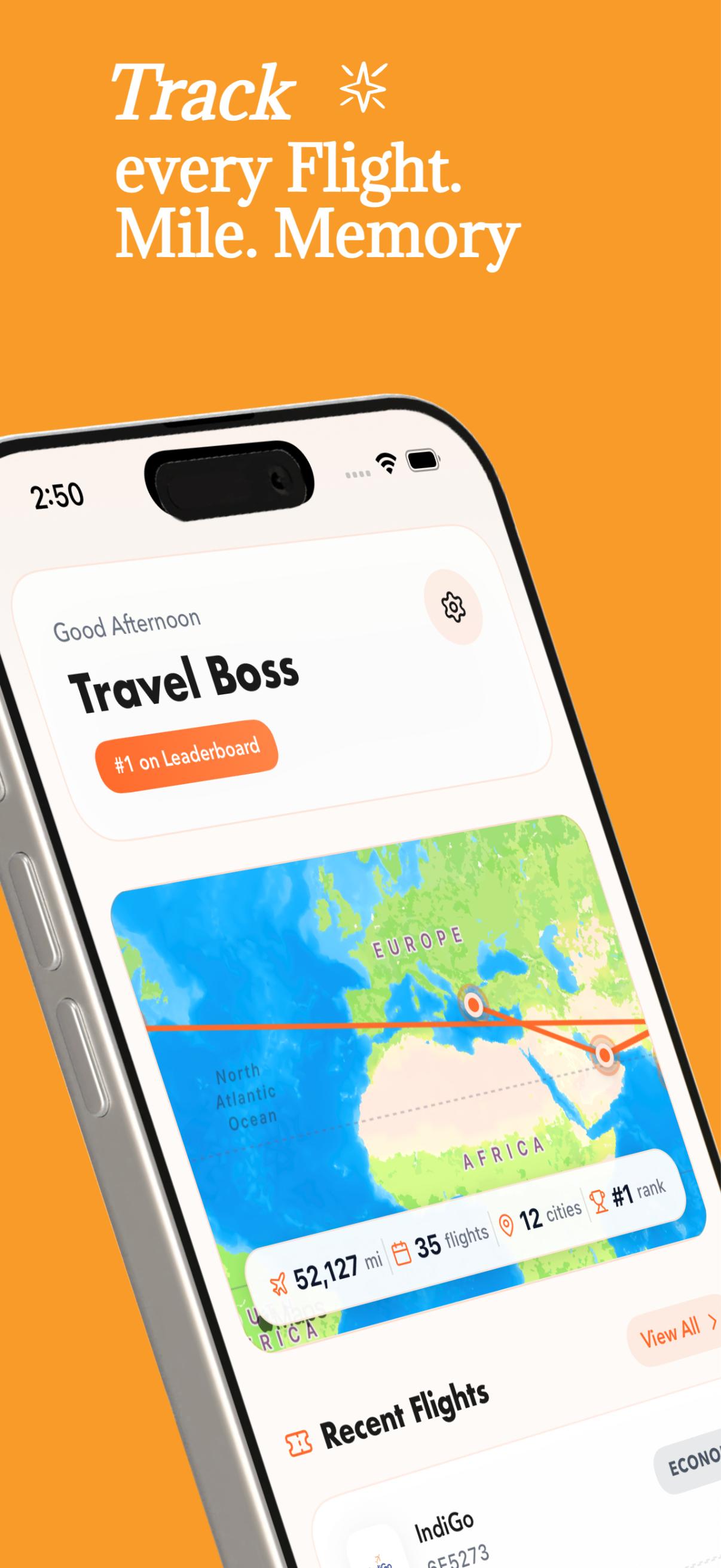
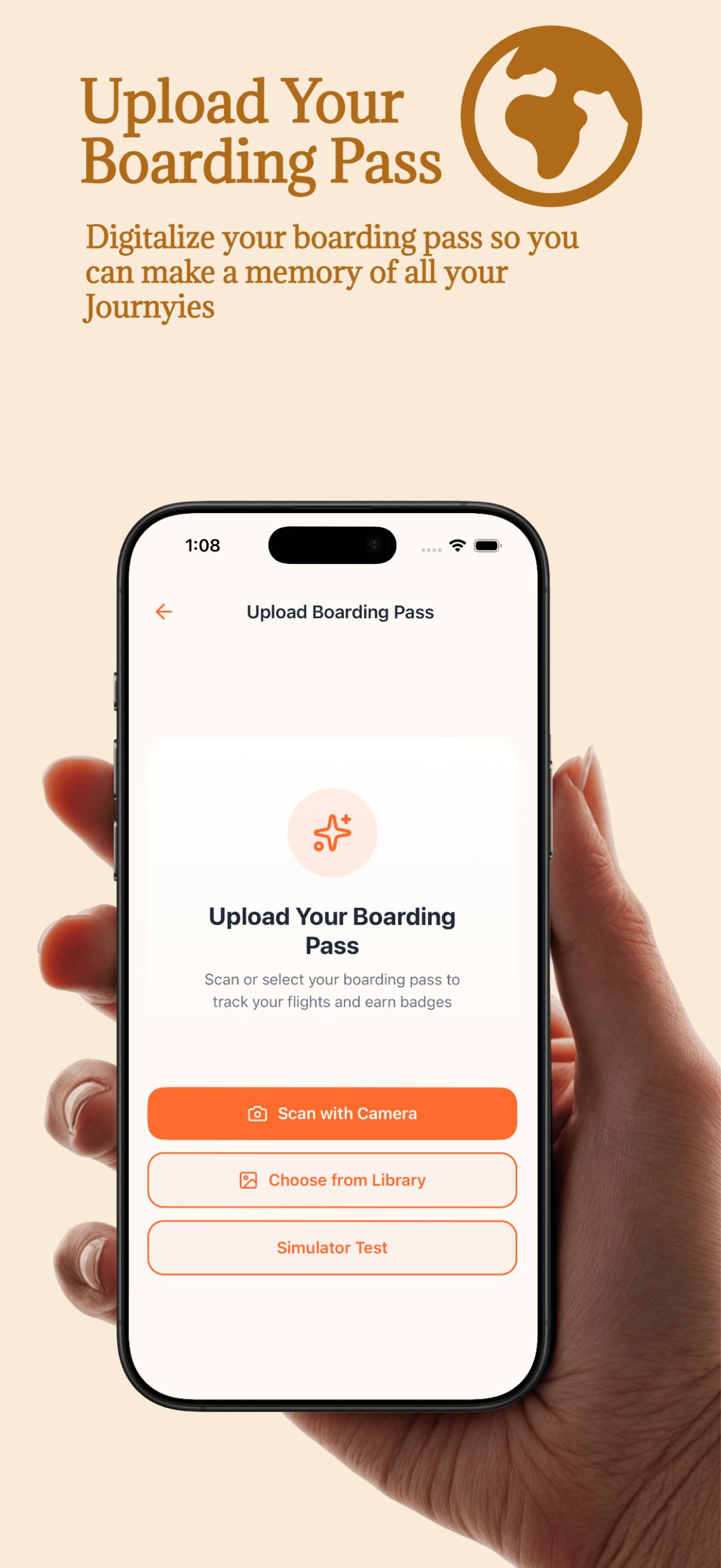
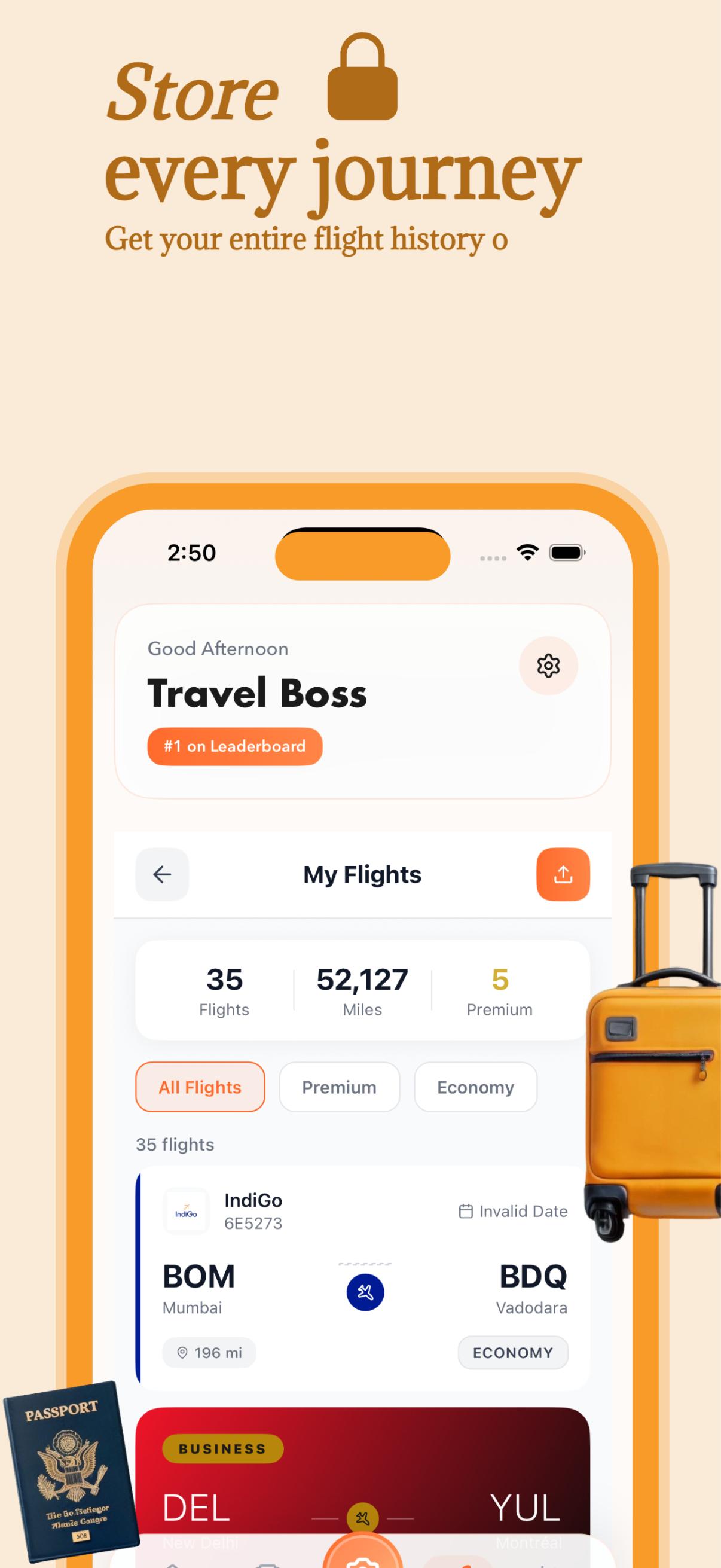
Store every boarding pass, track your travel history, and visualize your journey on a map.
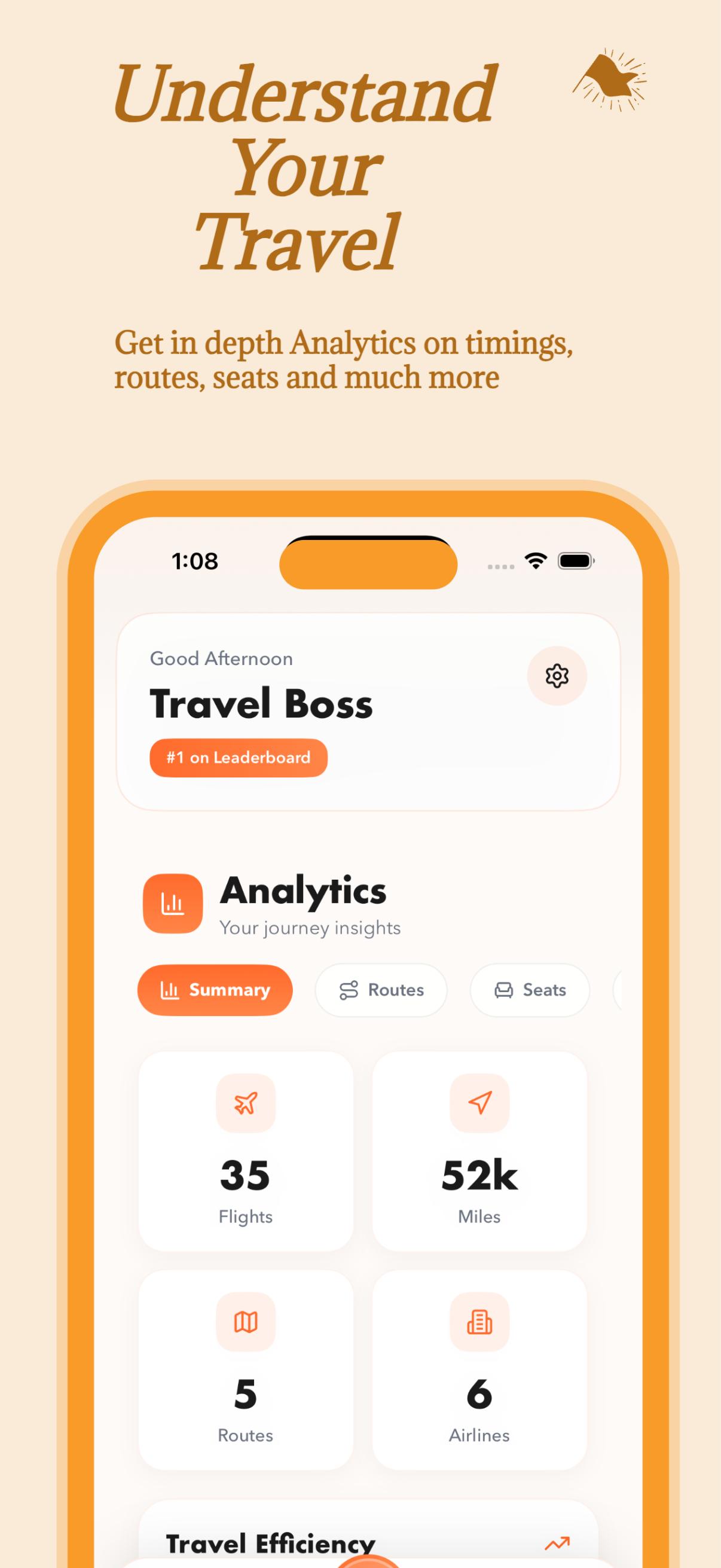
Leaderboard & Achievements
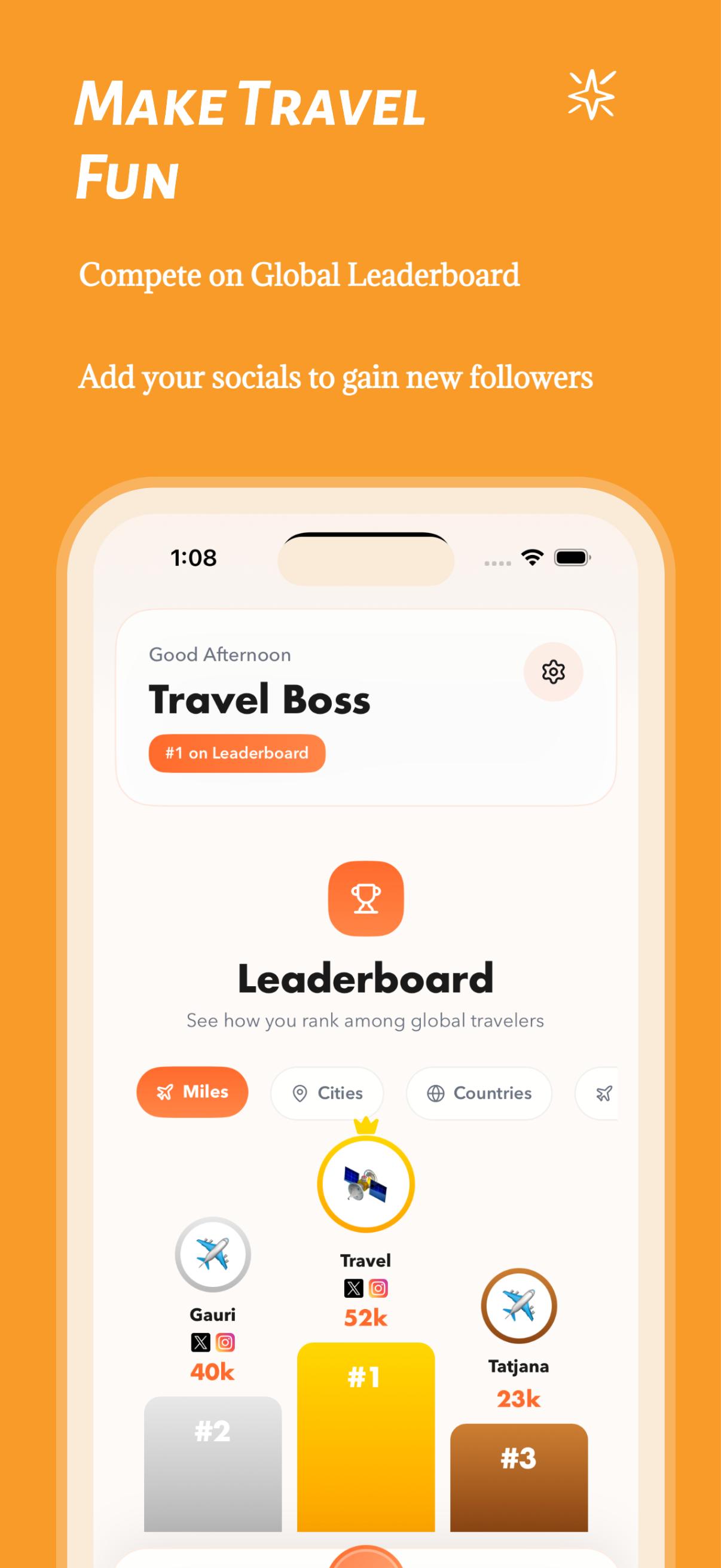
Earn badges for every destination, climb the global rankings, and compete with fellow travelers.
Travel Concierge
Get personalized booking assistance, curated recommendations, and priority support — all in-app.
Route directions & coordinate spots
The actual itinerary roadmap — coordinates, transit directions, and details for every stop.
The Blue Hole, Dahab
Widely regarded as the ultimate freediving mecca. This 94-meter deep marine sinkhole offers immediate, wind-sheltered depth right from the shoreline, eliminating the need for boat transits. Calm, crystal-clear water and a lack of strong currents make it an ideal classroom for beginners learning Frenzel equalization and breath-holding techniques.
Lighthouse Reef, Dahab
Located right in the heart of Dahab, Lighthouse Reef is the perfect training ground for your first pool sessions and shallow open-water dives. The sandy bottom gently slopes from 2 to 30 meters, providing a safe, controlled environment where you can practice duck dives and body alignment without dealing with deep-water anxiety.
Tanote Bay, Koh Tao
A protected bay on the east coast of Koh Tao featuring excellent visibility and minimal current. The bay features an abundance of shallow coral reefs alongside deep sandy patches down to 20 meters, making it a stellar location for SSI or PADI basic freediver courses. It is highly accessible from the beach.
Japanese Gardens, Koh Tao
Situated off the coast of Koh Nang Yuan, this site offers exceptionally sheltered conditions shielded from regional winds. With depths ranging from 2 to 15 meters, the crystalline waters and stunning shallow granite boulders create a visually stimulating backdrop that helps ease beginner tension during recovery breaths and dynamic breath-holds.
Jemeluk Bay, Amed
Amed's premier freediving site, offering a dramatic black-sand drop-off that plunges directly to 40+ meters just 50 meters from the shore. Protected from heavy swells by the surrounding headlands, its calm waters are home to several elite freediving schools where beginners can train in highly professional facilities with minimal daily logistics.
Coral Garden, Tulamben
A short drive from Amed, this shallow reef runs from 3 to 15 meters deep. It is famous for its underwater temple structures and rich marine life. It serves as a fantastic relaxed 'fun dive' location for beginners to practice their newly acquired snorkeling and streamlined finning techniques without the pressure of a training line.
Gili Trawangan East Reef, Lombok
Offering clear, warm waters year-round, the Gili Islands are a classic Indonesian teaching hub. The East Reef features a gentle slope with spectacular turtle encounters at shallow depths of 10 to 18 meters, allowing beginners to build confidence alongside marine life under the supervision of highly experienced local safety divers.
Coral View, Utila
Utila is the Caribbean's premier budget dive destination. The Coral View area offers incredibly easy shore access into a deep, sandy lagoon that drops off to 30 meters. Free from thermoclines and featuring consistent 28°C (82°F) water, it provides a warm, comfortable environment perfect for nail-biting first-time breath-holds.
The Blue Hole, Gozo
For those in Europe, Gozo offers a dramatic, cavernous entry point into a deep blue pool that connects directly to the open Mediterranean Sea via an underwater arch at 7 meters. The underwater visibility frequently exceeds 30 meters, providing unmatched visual feedback for instructors analyzing your diving posture and technique.
Kalamata Beach, Greece
The Messinian Gulf in Kalamata is a legendary deep-water training ground, hosting multiple world championship events. The water is virtually current-free, flat as a lake during summer, and drops directly into deep water close to shore, making it an exceptionally safe and elite training location for European-based beginners.
Curated tours & experiences
Skip-the-line activity tokens, certified day guides, and unique regional activities.
Interactive suggestions load dynamically based on seasonal availability.
Browse Viator Experiences
Looking for premium curated day-trips, private shuttle transports, or multi-day hiking expeditions? View top activities instantly.
The full guide, stop by stop
Hand-curated notes and specific travel insights, built exclusively for this trip.
Trail Notes
1. Dahab, Egypt (The Blue Hole & Lighthouse Reef)
Dahab is widely recognized as the spiritual home of global freediving, drawing beginners and world-record holders alike. The crown jewel is the Blue Hole, a sheer marine sinkhole dropping to 94 meters right at the shoreline. For a beginner, this means you can walk off the rocky shore and immediately attach your training line to a buoy without dealing with boat exhaust, sea sickness, or long transits. The water is exceptionally clear, with visibility regularly exceeding 30 meters, allowing you to easily see your instructor and the ascent rope. For your initial confined-water sessions, Lighthouse Reef in town provides a protected, sandy-bottomed bay sloping from 2 to 30 meters, shielded from the afternoon winds. Local Secret: Beginners should avoid training at the Blue Hole in the late afternoon when strong thermal winds roll off the Sinai mountains, creating choppy surface conditions that make relaxing for a 'breathe-up' highly difficult. Plan your deep sessions between 7:30 AM and 10:30 AM. Expect to pay around €230 to €270 ($250 to $295 USD) for a comprehensive 2-day AIDA 2 or SSI Level 1 beginner certification course.
2. Amed, Bali, Indonesia (Jemeluk Bay)
Nestled under the gaze of Mount Agung, Amed is a serene, black-sand coastal strip that has evolved into Southeast Asia's premier deep-water training center. Jemeluk Bay offers a rapid drop-off where depths of 40 meters can be reached just 50 meters from the beach, completely sheltered from the powerful currents that sweep through the Lombok Strait. The water is warm, typically hovering around 28°C to 29°C (82°F to 84°F), which minimizes body shivering—a major cause of muscle tension and early oxygen depletion for beginners. Amed’s schools are highly sophisticated, featuring dedicated stretch areas and yoga shalas designed specifically for pranayama (breath control) practice. Local Secret: When practicing your equalization, take a fun dive to the Jemeluk Underwater Post Office, where you can mail a waterproof postcard at a depth of 4 meters, providing a pressure-free environment to practice neutral buoyancy. A beginner level-one certification here runs roughly 3,500,000 IDR to 4,200,000 IDR ($225 to $270 USD).
3. Koh Tao, Thailand (Tanote Bay & Japanese Gardens)
Koh Tao is globally famous for its highly competitive dive pricing, making it the most budget-friendly place in the world to start your freediving journey. While Koh Tao is historically known for scuba, its freediving scene has exploded, utilizing calm, shallow bays like Tanote Bay and Japanese Gardens. These locations are virtually free of thermoclines (sudden drops in water temperature) and have gentle sandy bottoms that prevent beginners from worrying about damaging fragile corals during their first vertical descents. Local Secret: While Sairee Beach is the main accommodation strip, the best beginner training conditions are found on the east side of the island at Tanote Bay or in the sheltered channel of Japanese Gardens. Request that your school utilizes a longtail boat to access the west side of Koh Nang Yuan early in the morning, where you will find flat, glass-like water and stunning light rays slicing through the depths. A standard 2-day beginner course costs about 7,000 THB to 8,000 THB ($195 to $225 USD).
4. Gozo, Malta (The Blue Hole & Inland Sea)
If you prefer a European base, the island of Gozo in the Maltese archipelago offers some of the clearest water in the northern hemisphere. Gozo's Blue Hole is a spectacular geological rock formation that allows divers to enter a sheltered pool from the rocky shore, drop down, and swim through a massive underwater archway at 7 meters into the open Mediterranean. The visibility is breathtaking, often reaching 40 meters, which provides unparalleled visual feedback for your instructor to correct your arm positioning and finning technique. Local Secret: Gozo's water can have distinct thermoclines starting around 15 meters down, even in summer. Beginners should wear a high-quality two-piece 3mm or 5mm open-cell neoprene wetsuit rather than a thin surf rash guard to prevent sudden shivering from disrupting their breath-holds. A standard beginner course in Gozo costs around €290 to €340 ($315 to $370 USD).
Secure curated tours & day tickets with Viator
Unlock flexible skip-the-line museum tickets, local food walkthroughs, and certified regional guides on Viator.
Take your itinerary everywhere
Sync boarding passes, earn travel badges, climb the global leaderboards, and track multi-currency expenses — all offline.
Crowd Avoidance
To maximize your relaxation and focus during your breath-holds, avoiding crowds is absolutely essential. Freediving requires immense concentration, and the sound of revving boat engines, splashing snorkelers, or bubbles from scuba divers below can easily break your focus. To avoid the masses, implement these highly tactical field strategies:
- Dine on the early shift: Arrive at the dive sites by 7:00 AM. Scuba dive boats and mass snorkel tours rarely arrive before 9:00 AM, giving you a golden two-hour window of absolute silence and glassy water.
- Avoid midday boat traffic: Between 11:30 AM and 2:00 PM, harbor traffic peaks. Avoid training near deep channels during these hours; instead, focus on dry-land breath-hold practice or equalization workshops in the classroom.
- Utilize shore-access alternatives: In places like Amed, swim out directly from the beach rather than hiring a traditional Jukung boat if you want to set your own timeline and avoid congested boat mooring lines.
- Ditch the weekends: In European spots like Gozo, local recreational divers crowd the Blue Hole on Saturdays and Sundays. Schedule your open-water deep days for Tuesday through Thursday.
- Pick the shoulder seasons: Train in Dahab during October/November or April/May. You will avoid both the scorching summer heat and the winter winds, while enjoying uncrowded platforms.
- Monitor the tide charts: In Southeast Asian spots like Koh Tao, dive during high tide transitions when water movement is minimal, visibility is peak, and boat operations are forced to keep their distance from shallow reefs.
Secure curated tours & day tickets with Viator
Unlock flexible skip-the-line museum tickets, local food walkthroughs, and certified regional guides on Viator.
Top Curated Travel Experiences in Best Places to Learn to Freedive as a Beginner: The Complete 2026 Guide
Full-Day Guided Sightseeing Tour in Best Places to Learn to Freedive as a Beginner: The Complete 2026 Guide
Explore the absolute best sights of Best Places to Learn to Freedive as a Beginner: The Complete 2026 Guide with an expert certified local English-speaking guide.
Best Places to Learn to Freedive as a Beginner: The Complete 2026 Guide Hidden Gems & Historical Walking Tour
Step off the beaten path into quiet streets with your storyteller guide.

Suggested Route Order
To build your skills progressively from a novice to a certified, self-sufficient buddy, you should plan a route that moves from ultra-calm, shallow, confined waters to deeper, open-water configurations. If you are targeting Southeast Asia, the ultimate progression is the Indonesian & Thai Hub Route:
- Start in Koh Tao, Thailand: Begin here for your classroom theory and pool/confined water sessions. The exceptionally cheap course rates and flat, sandy bays like Japanese Gardens allow you to master the basics of the mammalian dive reflex and dynamic apnea (horizontal pool swimming) without any deep-water stress.
- Transition to Amed, Bali: After securing your basic certification, take a short flight to Bali and head straight to Amed. Here, you will tackle vertical depth progression. Jemeluk Bay’s immediate 40-meter shore drop-off allows you to practice constant weight descents along a vertical line in highly professional deep-water facilities, perfecting your Frenzel equalization.
- Finish at Gili Trawangan: Conclude your trip here with fun diving and marine animal interaction. With your newly developed breath-hold capacity, you can safely explore the shallow reefs and swim alongside sea turtles at depths of 10 to 15 meters without the restriction of a training line.
Find cheap flights & multi-city stays
Secure flexible flight pathways, regional connections, and custom travel bundles on Trip.com.
Top Curated Travel Experiences in Best Places to Learn to Freedive as a Beginner: The Complete 2026 Guide
Full-Day Guided Sightseeing Tour in Best Places to Learn to Freedive as a Beginner: The Complete 2026 Guide
Explore the absolute best sights of Best Places to Learn to Freedive as a Beginner: The Complete 2026 Guide with an expert certified local English-speaking guide.
Best Places to Learn to Freedive as a Beginner: The Complete 2026 Guide Hidden Gems & Historical Walking Tour
Step off the beaten path into quiet streets with your storyteller guide.
Getting Between Spots
Moving between regional freediving hubs requires a mix of regional budget flights, private drivers, and fast ferries. In Southeast Asia, your primary tools for short-distance transport are ride-hailing apps like Grab (highly reliable across Bali and Thailand) and Gojek (in Indonesia). These apps offer transparent, pre-negotiated pricing, saving you from the aggressive bargaining common at ferry ports.
When traveling between Bali (Amed) and the Gili Islands, utilize premium fast-boat operators like Ekajaya Fast Ferry or Bluewater Express. They run daily schedules directly from the Amed shoreline or nearby Padangbai harbor. In Egypt, your best option for getting from Sharm El Sheikh Airport to Dahab is booking a private, air-conditioned transfer ahead of time through your dive center or using local apps like InDrive or Careem (mostly active in Cairo, but available for regional intercity bookings if planned ahead).
To help you budget your transit, reference this typical transit cost and time matrix:
Find cheap flights & multi-city stays
Secure flexible flight pathways, regional connections, and custom travel bundles on Trip.com.

Transport Cost Table
| Route | Method | Typical Travel Time | Estimated Cost (Local) | Estimated Cost (USD) |
|---|---|---|---|---|
| Sharm El Sheikh Airport to Dahab | Private AC Taxi / Transfer | 1 hour 15 mins | 1,200 EGP | $39.00 |
| Dahab Town to Dahab Blue Hole | Local 4x4 Bedouin Taxi (One Way) | 20 mins | 200 EGP | $6.50 |
| Bangkok to Koh Tao | Lomprayah High-Speed Ferry & Bus | 8 hours | 1,450 THB | $41.00 |
| Koh Tao to Koh Samui Airport | Speedboat Ferry | 2 hours | 850 THB | $24.00 |
| Ngurah Rai Airport (Bali) to Amed | Private Driver / Grab Car | 3 hours | 650,000 IDR | $42.00 |
| Amed (Bali) to Gili Trawangan | Ekajaya Fast Boat (One Way) | 1 hour 15 mins | 450,000 IDR | $29.00 |
| Malta Airport to Gozo Island | Taxi + Gozo Channel Ferry | 1 hour 30 mins | €45.00 | |
| Athens to Kalamata | Intercity KTEL Bus (Express) | 2 hours 45 mins | €24.00 | $26.00 |
Note: Prices listed above are based on 2026 averages. It is highly recommended to book fast boats and private airport transfers at least 48 hours in advance during peak seasons to secure the standard rates and avoid last-minute price gouging at the terminals.
Find cheap flights & multi-city stays
Secure flexible flight pathways, regional connections, and custom travel bundles on Trip.com.
Where To Base
Choosing where to base yourself can make or break your freediving training. You want to stay within walking or short scooter distance of your chosen dive school so you don't have to haul wet, heavy gear across town while physically exhausted after deep diving. Look for neighborhoods that have a relaxed, wellness-focused vibe, clean food options for recovery, and quiet nights to ensure quality sleep.
In Dahab, base yourself in the Lighthouse or Masbat areas for instant shore access, or Assalah for a quieter local feel. In Koh Tao, choose Chalok Baan Kao Bay over Sairee Beach to escape the noisy party hostels. In Amed, look for guesthouses right on the shores of Jemeluk Bay or Lipah Beach.
Here is a comparison of the best beginner bases by neighborhood vibe and price range:
| Destination & Area | Vibe & Atmosphere | Average Nightly Budget Range | Proximity to Training Sites |
|---|---|---|---|
| Dahab (Lighthouse/Masbat) | Bohemian, seaside cafes, Bedouin hospitality, walking-friendly | $25 - $90 USD (€23 - €83) | Immediate shore walk to Lighthouse; 15 min taxi to Blue Hole |
| Koh Tao (Chalok Baan Kao) | Laid-back, wellness-oriented, quiet sandy bays, scenic viewpoint access | $20 - $110 USD (700 - 3,850 THB) | 5-10 mins by scooter to major south-coast freedive centers |
| Amed, Bali (Jemeluk Bay) | Volcanic black sand, spiritual, serene, stunning sunset views of Agung | $15 - $130 USD (230,000 - 2,000,000 IDR) | Immediate beachfront access; swim directly to training buoys |
| Gozo, Malta (Marsalforn/Xlendi) | Classic Mediterranean fishing village, quiet rocky coves, authentic | $45 - $160 USD (€42 - €148) | 10-15 min drive to the Blue Hole and Inland Sea sites |
Book Hotels in Best Places to Learn to Freedive as a Beginner: The Complete 2026 Guide with Agoda
Compare premium boutique hotels, resort villas, and historic stays at the guaranteed lowest rates.

Itinerary Day Plan
Learning to freedive is physically demanding and requires a balanced schedule of classroom study, physical stretching, and deep-water practice. This sample 4-day itinerary reflects a standard, highly professional beginner certification schedule (AIDA 2 or SSI Level 1 equivalence), integrating essential rest periods and light, local meals to facilitate optimal equalization and breath-holding.
| Day | Morning Session (7:00 AM - 12:00 PM) | Afternoon Session (1:30 PM - 5:00 PM) | Evening Recovery (6:00 PM - 9:30 PM) | Est. Daily Cost |
|---|---|---|---|---|
| Day 1 | Theory & Breathing: Classroom session on physics, physiology of breath-holding, and diaphragmatic breathing exercises. | Confined Water Session: Static apnea (breath-holding face down in pool) and dynamic horizontal swim technique. | Rest & Carb-Up: Enjoy a light, easily digestible local fish curry or vegetable soup. Early bedtime. | $85 USD |
| Day 2 | Open Water Dive 1: First deep-water session. Focus on vertical relaxation, duck dives, and line-following down to 10 meters. | Equalization Clinic: Dry land practice utilizing Otovent balloons to master the Frenzel technique. | Sunset Stretch: Restorative yin yoga focusing on chest opening and ribcage flexibility. | $95 USD |
| Day 3 | Open Water Dive 2: Depth progression to 15-20 meters. Practice constant weight diving and safety buddy rescue scenarios. | Theory Exam & Debrief: Complete your written exam and analyze video footage of your dive posture with your instructor. | Celebration Dinner: Hearty local dinner and herbal teas. Socialize at a low-key beachside gathering. | $90 USD |
| Day 4 | Fun Dive Exploration: Put your skills to use! No lines or buoys. Shallow reef exploration, focusing on silent aquatic movement. | Rest & Integration: Pamper your muscles with a traditional local massage (e.g., Balinese massage or Bedouin oil treatment). | Farewell Sunsets: Watch the sunset from a panoramic viewpoint, reflecting on your newfound lung capacity. | $65 USD |
Keep in mind that you must never fly within 12 to 24 hours of deep freediving. While the risk of decompression sickness is significantly lower than in scuba diving, giving your body a full day of rest on dry land before your flight is a highly recommended safety margin.
Find cheap flights & multi-city stays
Secure flexible flight pathways, regional connections, and custom travel bundles on Trip.com.
Local Insider Tips
To dive like an absolute local and accelerate your beginner progression, adopt these highly specific insider rituals and hacks:
- Master the Otovent: Buy an Otovent equalization pack before your trip. Practicing inflating the balloon with your nose on dry land trains the soft palate muscles necessary for the Frenzel equalization technique.
- Hydrate with local minerals: Dehydration is a massive side effect of the mammalian dive reflex (which triggers frequent urination). In Thailand, buy 'Royal-D' electrolyte packets at local pharmacies; in Bali, drink fresh young coconuts daily to replenish vital potassium and magnesium.
- Ditch the sunscreen before diving: Mineral and chemical sunscreens grease up the silicone seal of your low-volume mask, causing constant water leakage. Wear a UPF 50+ rash guard or a hood instead.
- Keep a dry ginger stash: Ginger naturally settles the stomach. Chew on local candied ginger or drink hot ginger tea 1 hour before diving to prevent motion sickness without using drowsy over-the-counter pills.
- Get a customized noseclip: Standard noseclips can slip on oily skin. Rub a tiny bit of pool chalk or dry sand on your nose bridge before clipping on your noseclip for a rock-solid seal during constant weight no-fins practice.
- Breathe through a snorkel with no valve: Simple, flexible J-bend snorkels are favored by elite freedivers over dry-valve scuba snorkels. They have less drag and do not trap residual water during your pre-dive breathe-up.
- Wash your gear in baby shampoo: Wash your open-cell neoprene wetsuit with a few drops of Johnsons baby shampoo. It acts as an excellent skin lubricant to slide into the tight suit without tearing the delicate internal rubber.
- Eat at El Bab in Dahab: Locals head to El Bab cafe right after deep Blue Hole sessions for their recovery meal—order the lemon-mint juice and fresh shakshuka for the perfect blend of sodium, carbs, and hydration.
Get instant mobile data with Saily eSIM
Stay connected. Skip expensive roaming fees and activate instant high-speed data in seconds with Saily.
Photography And Best Light
Capturing stunning underwater images while freediving requires a completely different approach than land or scuba photography. Because you are on a single breath, speed, light utilization, and streamlined gear are paramount. The golden hours for underwater light are between 9:30 AM and 11:30 AM, when the sun is high enough to penetrate deep into the water column without creating harsh, dramatic shadows, resulting in spectacular 'god rays' slicing through the deep blue.
To capture the true sense of depth, have your photographer buddy dive 3 to 5 meters below you and shoot upward toward the surface. This technique captures your silhouette framed against 'Snell's Window'—the circular optical phenomenon where the sky is visible through a cone of light. Use a wide-angle action camera like a GoPro Hero 12 Black or a DJI Osmos Action 5 equipped with a red filter if diving below 10 meters, or shoot in RAW format to easily color-correct the blue cast in post-processing. For inspiration on composition and color grading, study the expert guides on DivePhotoGuide and the camera setting recommendations on Underwater Photography Guide.
Get instant mobile data with Saily eSIM
Stay connected. Skip expensive roaming fees and activate instant high-speed data in seconds with Saily.
Budget And Cost Context
Learning to freedive is remarkably cost-effective compared to scuba diving because it requires virtually no heavy tank rentals, boat fuel surcharges, or complex regulators. Your primary expenses will be the certification courses, accommodation, and high-quality local food to fuel your physically demanding days. In hubs like Koh Tao and Dahab, you can comfortably live, eat, and train on a highly modest budget.
To help you map out your financial expectations, review this breakdown of typical daily expenses across three budget tiers:
| Budget Tier | Daily Est. Cost (USD) | Accommodation Style | Typical Meals & Dining | Included Activities |
|---|---|---|---|---|
| Budget / Backpacker | $35 - $55 | Hostel dorm or basic local fan guesthouse ($10 - $18/night) | Street food markets, local fruit stands, cheap local diners ($8 - $12/day) | Shore-based training sessions, self-guided snorkeling, walking tours |
| Mid-Range | $75 - $130 | Private AC bungalow or boutique hotel room ($35 - $65/night) | Beachfront cafes, healthy organic salad bars, seafood dinners ($20 - $35/day) | AIDA/SSI certification courses, private coaching sessions, yoga classes |
| Luxury / Splurge | $220 - $450 | Premium eco-resort or private pool villa ($120 - $300/night) | Upscale farm-to-table dining, fine seafood restaurants, import wines ($50 - $100/day) | One-on-one masterclasses, private boat charters, premium gear rentals, spa treatments |
Find cheap flights & multi-city stays
Secure flexible flight pathways, regional connections, and custom travel bundles on Trip.com.
Top Restaurants By Budget
| Restaurant Name | Location / Neighborhood | Type of Food | Budget Tier | Must-Order Dish | Local Note / Insider Tip |
|---|---|---|---|---|---|
| Ali Baba Restaurant | Dahab (Lighthouse Boardwalk) | Middle Eastern / Fresh Seafood | $$ | Grilled Red Snapper with Bedouin rice | Sit on the second-floor carpeted cushions for the best sea breeze in Dahab. |
| Yin Yang Restaurant | Koh Tao (Chalok) | Southern Thai / Healthy Fusion | $ | Massaman Curry with brown rice | Extremely popular with freedivers looking for high-protein recovery meals. |
| Rimba Cafe | Amed, Bali (Jemeluk) | Organic / Western Health Food | $$ | Dragonfruit Smoothie Bowl & Poached Eggs | Has blazing fast Wi-Fi and beautiful jungle-garden seating. Great post-dive work spot. |
| Blue House Cafe | Dahab (Masbat) | Healthy Breakfast & Smoothies | $ | Avocado toast on sourdough | They use organic, locally sourced Sinai herbs in their recovery teas. |
| Warung Enak | Amed, Bali (Lipah) | Traditional Balinese / Indonesian | $ | Nasi Campur (Mixed rice platter) | The most authentic local flavors in Amed. Extremely clean and cheap. Book ahead. |
| The Place Luxury Outlet | Gozo, Malta (Marsalforn) | Mediterranean / Italian | $$$ | Fresh local octopus carpaccio | Overlooks the harbor; perfect for a high-quality carb-load dinner. |
| Nasa Beach Bar | Kalamata, Greece | Greek / Fresh Seafood & Mezze | $$ | Grilled calamari with lemon-olive oil | Right on the beach, you can literally watch the training buoys from your table. |
| Vegetabowl | Koh Tao (Mae Haad) | Vegan / Vegetarian Bowls | $ | The Buddha Bowl with peanut dressing | Perfect light lunch that won't make you feel bloated or heavy before an afternoon dive. |
Dahab, Koh Tao, and Amed all feature highly developed health food scenes tailored directly to the athletic needs of freedivers and yogis. You will find an abundance of vegetarian-friendly, high-carb, and gluten-free options designed to promote easy digestion and muscle recovery. In Southeast Asia, stick to local night markets for the freshest, cheapest fruit, and always drink filtered or bottled water to avoid the dreaded 'Bali Belly' or 'Thai Tummy' which can instantly ruin your training schedule.
Secure curated tours & day tickets with Viator
Unlock flexible skip-the-line museum tickets, local food walkthroughs, and certified regional guides on Viator.
Food And Drink Highlights
When training to hold your breath for minutes at a time, your diet plays a crucial role. Freedivers focus heavily on 'alkalizing' foods that are easy to digest, promote clear sinuses, and reduce the risk of acid reflux while diving inverted. Avoid dairy, heavy red meats, and excess caffeine, which spikes your heart rate and shortens your breath-hold times. Instead, load up on light, nutrient-dense local specialties.
For cheap street food, nothing beats Thailand's fresh fruit shakes—specifically papaya and banana shakes, which are rich in digestive enzymes and potassium to prevent leg cramps during heavy finning. In Bali, seek out traditional Loloh Cemcem, a local herbal green juice made from native leaves, coconut water, and honey, which serves as an incredible anti-inflammatory. If you're looking for premium food blogs to guide your culinary journey in these regions, check out the curated recommendations on Eater and the healthy eating guides on Lonely Planet Food.
Secure curated tours & day tickets with Viator
Unlock flexible skip-the-line museum tickets, local food walkthroughs, and certified regional guides on Viator.
Safety Considerations
Freediving is an incredibly safe sport when practiced under professional guidelines, but it carries inherent physical risks that must never be ignored. The most critical rule of freediving is: NEVER, UNDER ANY CIRCUMSTANCES, DIVE ALONE. Even in 2 meters of water, a shallow water blackout (loss of consciousness due to hypoxia) can occur without warning. Always dive with a certified, attentive buddy who is watching you from the surface and ready to initiate rescue protocols.
- Never hyperventilate before a dive: Taking rapid, deep breaths flush carbon dioxide from your body. CO2 is your body's natural trigger to breathe; flushing it artificially tricks your brain into thinking you have more oxygen than you do, leading to sudden blackouts.
- Respect your ears: Never force an equalization. If you feel pressure or pain in your ears or sinuses, abort the descent immediately. Forcing it can cause eardrum perforation or middle ear barotrauma.
- Stay clear of boat channels: Always use a highly visible diving buoy with an 'Alpha' or 'Diver Down' flag to alert local boat operators of your presence.
- Insure your trip: Standard travel insurance often excludes freediving. Get a specialized policy from Divers Alert Network (DAN) or DiveAssure, which explicitly covers freediving training and hyperbaric chamber treatments.
- Know the local emergency numbers: In Egypt, dial 123 for ambulance service; in Thailand, dial 191; in Bali, dial 118; in Gozo/Malta, dial 112. Keep the contact number of the nearest hyperbaric chamber saved in your phone.
Get instant mobile data with Saily eSIM
Stay connected. Skip expensive roaming fees and activate instant high-speed data in seconds with Saily.
Seasonal Variations
Water conditions, wind, and visibility change drastically throughout the year, heavily impacting your ability to train safely and comfortably. For a beginner, flat seas and warm water are paramount. Training in cold, choppy water will trigger your body's shivering response, elevating your heart rate and destroying your breath-hold times.
| Month | Water Temp | Visibility Range | Crowd Level | Best / Worst For Freediving | Notes & Local Weather Patterns |
|---|---|---|---|---|---|
| January | 22°C - 24°C | 15m - 20m | Very High | Worst for Gozo; Average for Dahab | Winter winds can cause choppy surface conditions in Dahab. Gozo is too cold. |
| February | 21°C - 23°C | 15m - 25m | Moderate | Excellent for Thailand (Koh Tao) | Koh Tao offers calm, flat seas and fantastic visibility in February. |
| March | 23°C - 25°C | 20m - 30m | Moderate | Best for Thailand & Bali | Great shoulder season window. Warm water and low wind across SE Asia. |
| April | 24°C - 26°C | 25m - 35m | High | Excellent for Dahab (Spring transition) | Winds die down in Egypt. Water begins warming rapidly. Highly recommended. |
| May | 25°C - 27°C | 25m - 30m | Low | Best overall shoulder month | Low crowds worldwide. Ideal balance of warm water and flat seas. |
| June | 26°C - 28°C | 20m - 30m | High | Best for Gozo & Greece | Mediterranean season opens. Kalamata and Gozo offer glass-flat, warm water. |
| July | 27°C - 29°C | 20m - 30m | Very High | Excellent for Europe; Hot in Egypt | Gozo is perfect but crowded. Dahab is extremely hot on land (40°C+). |
| August | 28°C - 30°C | 20m - 25m | Very High | Great for Bali (Dry season wind) | Bali is dry and cool on land, but southeast trade winds can cause swells. |
| September | 27°C - 29°C | 25m - 35m | Moderate | Excellent Worldwide | The golden month. Mediterranean is warm, Dahab is flat, Bali is clear. |
| October | 26°C - 28°C | 30m - 40m | Moderate | Best for Dahab (Autumn peak) | Water is warm, wind is minimal, visibility is at its absolute peak in Egypt. |
| November | 24°C - 26°C | 20m - 30m | Low | Good for Bali; Rainy in Thailand | Thailand starts its northeast monsoon; avoid Koh Tao due to heavy rain and runoff. |
| December | 22°C - 24°C | 15m - 20m | Very High | Good for Caribbean (Utila) | Utila is warm and sheltered. Holiday crowds peak mid-month. |
As a general rule for 2026 travel planning: aim for the transitional shoulder seasons of April to May or September to October to secure the ultimate combination of warm water, pristine underwater visibility, and affordable off-peak rates.
Book top guided activities and tickets in Best Places to Learn to Freedive as a Beginner: The Complete 2026 Guide
Skip the long queues, discover hidden gems, and book 100% free-cancellation activities on Viator with live local support.
Equipment And Gear Advice
Unlike scuba diving, where you rely on heavy, mechanical equipment, freediving gear is designed to be incredibly lightweight, hydrodynamic, and flexible. As a beginner, you do not need to purchase expensive carbon-fiber fins on day one. High-quality plastic or fiberglass bi-fins are perfect for building leg strength and proper finning technique. Focus your budget on a high-quality, personal mask and snorkel.
- Low-Volume Mask: Choose a mask with minimal air space inside (e.g., the Aqualung Sphera X or Omer Alien). A low-volume mask requires far less precious air to equalize as you descend.
- Flexible Snorkel: A simple, flexible matte silicone J-valve snorkel is ideal. Do not buy bulky dry-top snorkel models used for scuba.
- Long Fins (Plastic/Fiberglass): Start with durable polymer long fins like the Leaderfins Basic or Cressi Gara Professional. Ensure the foot pocket fits snugly without pinching your toes.
- Neoprene Socks: 1.5mm to 2mm neoprene socks prevent painful blisters on your heels from long-fin pockets and keep your feet warm.
- Rubber Weight Belt: Use a flexible quick-release silicone or rubber weight belt rather than a nylon scuba belt. Rubber grips your hips and won't slip up to your chest as your lungs compress at depth.
- Open-Cell Wetsuit: For warm water, a 2mm or 3mm two-piece open-cell neoprene suit provides unmatched flexibility and warmth. Note: open-cell suits require soapy water to put on!
- Dive Computer: A basic freediving watch (like the Suunto D4i Novo or Garmin Descent G1) tracks your dive time, depth, surface recovery intervals, and ascent rates.
- What NOT to bring: Leave bulky scuba fins, rigid plastic masks, heavy metal weight belts, and dry-suits at home. They create excessive drag and restrict your chest expansion.
Get instant mobile data with Saily eSIM
Stay connected. Skip expensive roaming fees and activate instant high-speed data in seconds with Saily.
Local Festivals And Events
Attending a freediving competition or community gathering is an incredible way to immerse yourself in the sport, meet elite athletes, and learn about the latest scientific advances in breathing and equalization. The global freediving community is warm and highly collaborative, and beginners are always welcome to spectate and attend workshops during these events.
| Event Name | Month / Date | Location | Why It Matters for Beginners | Booking / Spectator Tip |
|---|---|---|---|---|
| Triple Crown Dahab | May (Annual) | Dahab, Egypt | Watch world-class depth athletes compete in Constant Weight and Free Immersion. | Book accommodation in the Lighthouse area 3 months early; cafes get packed. |
| Sabang International Freediving | November | Weh Island, Indonesia | An elite competition set in a highly protected, pristine marine park. | Great opportunity to attend educational dry-land workshops by visiting masters. |
| AIDA World Championship | Varies (Summer) | Kalamata, Greece / Roatan | The peak competitive event of the year, bringing together hundreds of elite divers. | Spectator boats are available, but must be booked directly through AIDA organizers. |
| Deep Week Bali | October (Annual) | Amed, Bali | The largest community freediving festival in the world, founded by Freediving Club. | Register 6-8 months in advance; this massive event sells out incredibly fast. |
| Caribbean Cup | June (Annual) | Roatan, Honduras | An incredible, high-energy event set in the crystal-clear waters of the Caribbean. | Stay at West End for easy water taxi access to the deep platform dive site. |
Planning your beginner trip to coincide with these festivals allows you to attend guest lectures, test out high-end gear brands, and get personalized advice from legendary figures in the global freediving community. Just be sure to lock in your lodging and course bookings early, as local accommodations fill up fast during event weeks.
Book top guided activities and tickets in Best Places to Learn to Freedive as a Beginner: The Complete 2026 Guide
Skip the long queues, discover hidden gems, and book 100% free-cancellation activities on Viator with live local support.
Sustainable Travel Tips
As a freediver, you are a silent observer of the underwater world, making you a natural ambassador for ocean conservation. However, the physical environment of beginner hubs can easily be degraded by irresponsible tourism. To minimize your footprint and protect fragile marine ecosystems, strictly follow these practices:
- Use 100% reef-safe sunscreen: Standard sunscreens contain oxybenzone and octinoxate, which cause rapid coral bleaching. Choose certified biodegradable zinc oxide brands, or better yet, wear a full-body UPF rash guard.
- Do not touch the reef: When practicing your vertical descents or duck dives, ensure your training line is secured to a properly anchored buoy, never tied directly to living coral. Maintain excellent buoyancy control to avoid kicking the reef with your long fins.
- Support local boatmen: When training in places like Koh Tao or Amed, hire traditional local longtails or Jukung outriggers. This ensures your tourism dollars directly support the local coastal economy rather than large multinational dive resorts.
- Minimize plastic waste: Bring a insulated stainless-steel water bottle and utilize water refill stations at your dive school. Plastic bottles are a major source of marine pollution in Indonesia and Egypt.
- Choose eco-certified schools: Train with schools that actively organize regular beach and reef cleanups, and are affiliated with ocean conservation NGOs like Project AWARE.
- Respect marine wildlife: When fun diving with turtles or dolphins, maintain a respectful distance. Never chase, touch, or block the ascent path of air-breathing marine animals.
Get instant mobile data with Saily eSIM
Stay connected. Skip expensive roaming fees and activate instant high-speed data in seconds with Saily.
Neighborhood Guide
Dahab: Lighthouse & Masbat
The Lighthouse and Masbat neighborhoods form the vibrant, bohemian heart of Dahab. This is the ultimate hub for beginner freedivers due to its immediate access to a sheltered sandy bay that gently slopes to deep water. The boardwalk is lined with cozy Bedouin-style cafes, healthy juice bars, and world-class freediving schools. It is incredibly walking-friendly; you can comfortably stroll from your guesthouse to your pool session in your wetsuit. The vibe is laid-back and communal, with divers gathering at seaside carpets in the evening to share stories over herbal tea.
Amed: Jemeluk Bay
Jemeluk Bay is the crown jewel of Bali’s freediving scene. Characterized by dramatic black volcanic sand, the bay is naturally shielded from strong regional currents and swells, creating flat, lake-like surface conditions. The main road running along the bay is packed with yoga studios, organic cafes, and highly professional dive centers. Accommodations range from cheap, family-run beachfront homestays to luxury cliffside villas. It is a deeply spiritual area where the scent of Balinese incense fills the air, providing the perfect tranquil environment for dry-land breath-work and meditation.
Koh Tao: Chalok Baan Kao
Located on the southern tip of Koh Tao, Chalok Baan Kao is a peaceful sanctuary far removed from the noisy party bars of Sairee Beach. It features a shallow, protected bay with crystal-clear water, making it a highly safe and non-intimidating training ground for absolute beginners. The area has evolved into a dedicated wellness zone, hosting specialized freediving centers, organic vegetarian restaurants, and quiet hillside bungalows. Getting here is easy via a 10-minute taxi or scooter ride from the main Mae Haad pier.
Book Hotels in Best Places to Learn to Freedive as a Beginner: The Complete 2026 Guide with Agoda
Compare premium boutique hotels, resort villas, and historic stays at the guaranteed lowest rates.
Alternative Options
If the primary hubs are too crowded or airfares are prohibitive, consider these highly viable alternative 'Plan B' locations that offer excellent training conditions for beginners:
- Kas, Turkey: A spectacular Mediterranean alternative to Dahab. Kas offers exceptionally deep, current-free water right off the rocky shore, with high water clarity and a highly professional Turkish freediving community. The season runs from June to October.
- Gili Air, Indonesia: If Amed feels too quiet, Gili Air offers a wonderful blend of relaxed island life, turtle-rich shallow reefs, and outstanding freediving schools with custom-built training pools, just a short boat ride from Bali.
- Dean's Blue Hole, Bahamas: While famous for elite deep-diving records, the shallow sandy bay surrounding this 202-meter sinkhole offers absolute beginners a warm, current-free wading pool to practice basic static and dynamic apnea before moving to the line. It is, however, significantly more expensive than European or Asian hubs.
Book top guided activities and tickets in Best Places to Learn to Freedive as a Beginner: The Complete 2026 Guide
Skip the long queues, discover hidden gems, and book 100% free-cancellation activities on Viator with live local support.
Frequently Asked Questions
- Do I need to be an elite swimmer to learn to freedive?
- No, you do not need to be an Olympic swimmer, but you must be comfortable and relaxed in deep water. Most beginner certification courses (like AIDA 2) require you to swim 200 meters continuously without fins and tread water comfortably for 10 minutes.
- What is the difference between AIDA, SSI, and PADI certifications?
- All three are highly respected, internationally recognized agencies with safe, robust curriculums. AIDA is a pure freediving federation and is highly academic, while SSI and PADI are larger diving organizations with streamlined digital learning. A certification from any of the three allows you to train at buoys worldwide.
- How deep will I dive in a beginner freediving course?
- A standard beginner course (such as SSI Level 1 or AIDA 2) focuses on relaxation and safety protocols. The target depth range for open-water sessions is between 10 to 20 meters (33 to 66 feet), always performed at your own comfortable pace.
- Can I freedive if I have trouble equalizing my ears?
- Yes! Many beginners struggle with equalization initially because they use the Valsalva method (blowing against a pinched nose using the stomach). Professional freediving schools will teach you the Frenzel method, which uses the tongue as a piston and is far gentler and more effective at depth.
- Is freediving safe? What is a shallow water blackout?
- Freediving is incredibly safe when you follow the golden rule: never dive alone. A shallow water blackout is a sudden loss of consciousness near the surface caused by low oxygen levels. Having a trained buddy on the surface ensures that if a blackout occurs, you are rescued and breathing again within seconds.
- What should I eat before a morning training session?
- Eat a light, easily digestible meal high in complex carbohydrates (like oatmeal, a banana, or dry toast) 1.5 to 2 hours before your session. Avoid dairy, greasy foods, and coffee, as they cause mucus buildup and elevate your heart rate, shortening your breath-hold.
Book top guided activities and tickets in Best Places to Learn to Freedive as a Beginner: The Complete 2026 Guide
Skip the long queues, discover hidden gems, and book 100% free-cancellation activities on Viator with live local support.
Final CTA
Book top guided activities and tickets in Best Places to Learn to Freedive as a Beginner: The Complete 2026 Guide
Skip the long queues, discover hidden gems, and book 100% free-cancellation activities on Viator with live local support.
Ready to track your travels?
Join thousands of travelers using Borderly to plan trips, track expenses, store boarding passes, and compete on the global leaderboard.