Best Places to See Bioluminescent Bays at Night (2026 Guide)
Discover the absolute best places to see bioluminescent bays globally. Our expert 2026 travel writer guide covers Vieques, Jamaica, Japan, and Costa Rica with local tips, cost tables, and moon phase tactics.
Travel concierge
Join travelers planning with Borderly's AI


5-day itinerary ready to plan
Search Live Flights to Best Places to See Bioluminescent Bays at Night (2026 Guide)
Real-time airline seat selection, transparent baggage inclusions, and direct booking across 400+ carriers.
Book with Borderly • Powered by Duffel
Fly to Best Places to See Bioluminescent Bays at Night (2026 Guide), booked directly.
Real-time seat availability, live baggage options, and transparent fares across 400+ airlines.
Just ask the AI trip planner
Tell it your dates, budget, or vibe — it will pull straight from this guide and build a route around it.
Ask about your Best Places to See Bioluminescent Bays at Night (2026 Guide) trip
Real answers on routes, timing, and local tips — grounded in this guide.
Get Borderly on iOS
Download the app to generate custom AI trip plans, organize group budgets, and store your boarding wallet — all offline.

Join 2,000+ travelers using Borderly
One app for the whole trip
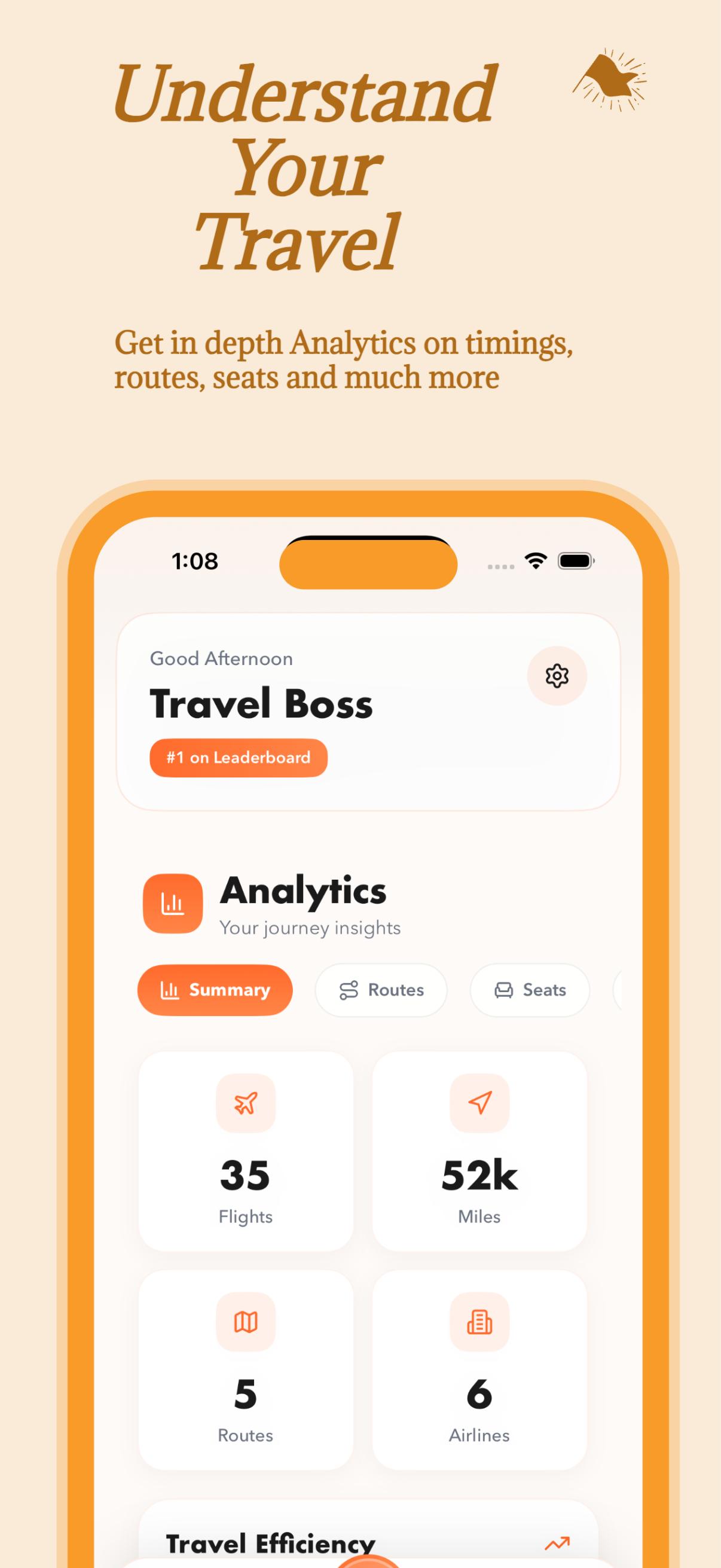
AI trip planning, group budgets, and a boarding pass wallet — everything this guide covers, in your pocket.
AI Trip Planning
Generate personalized itineraries with real-time pricing, route optimization, and local recommendations.
Group Planning & Budgeting
Invite travel companions, split costs, vote on activities, and keep everyone aligned.
Boarding Wallet & History
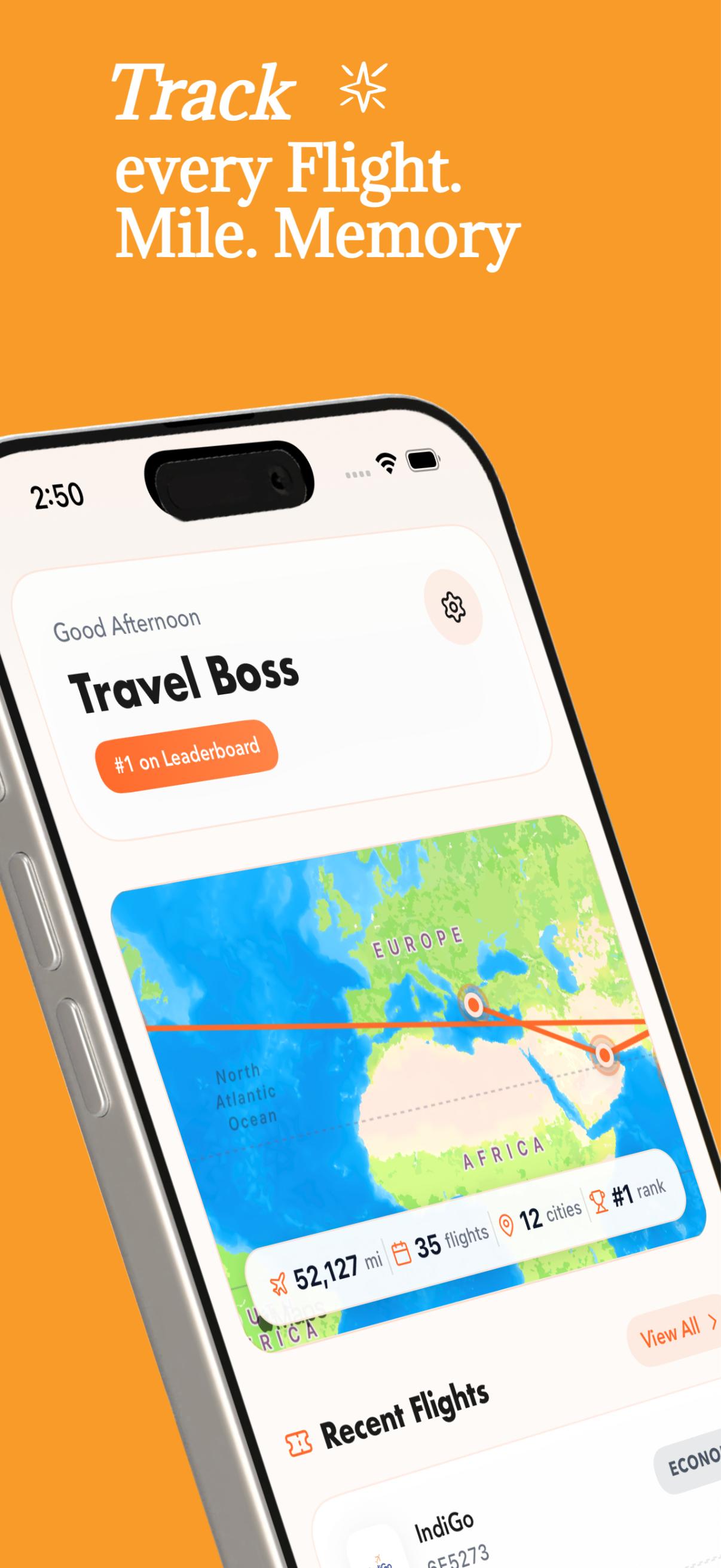
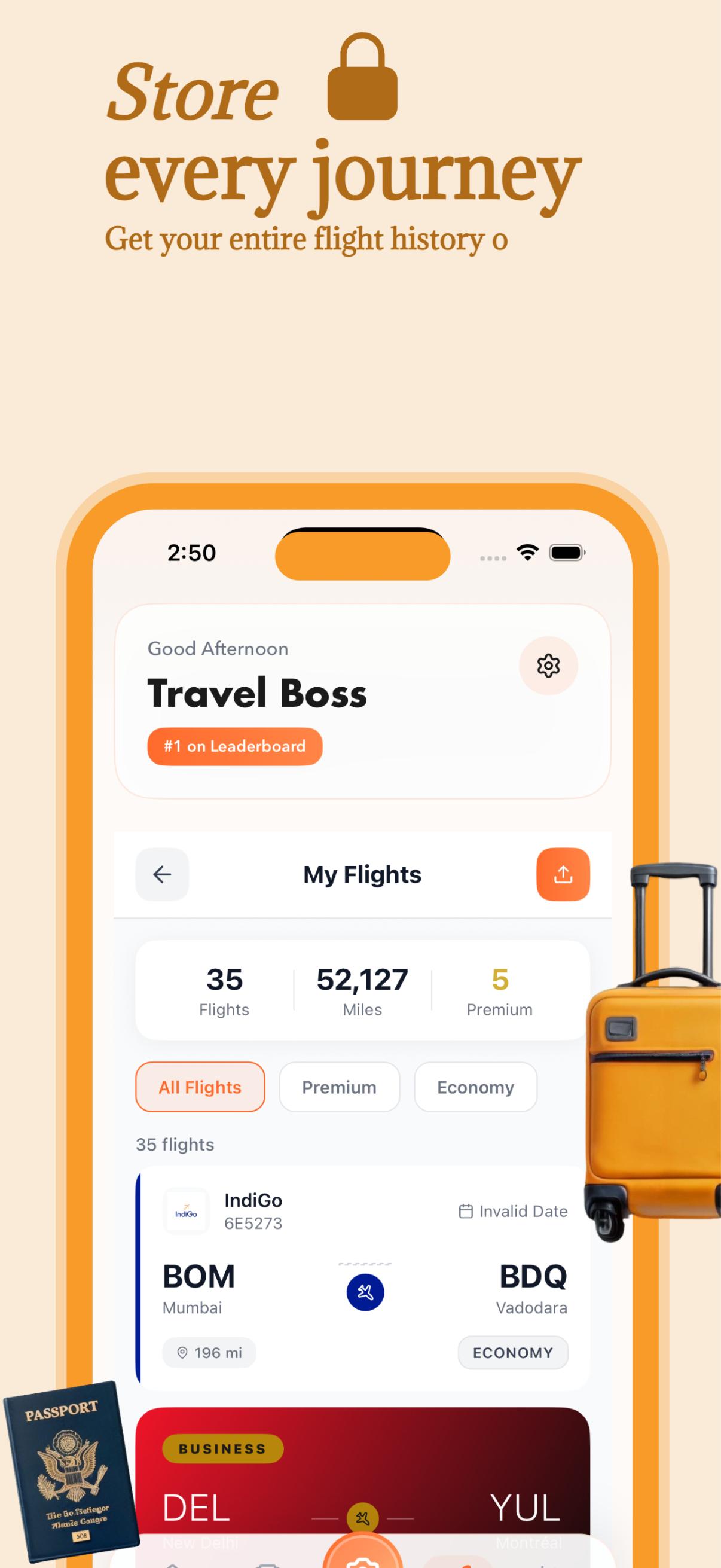
Store every boarding pass, track your travel history, and visualize your journey on a map.
Leaderboard & Achievements
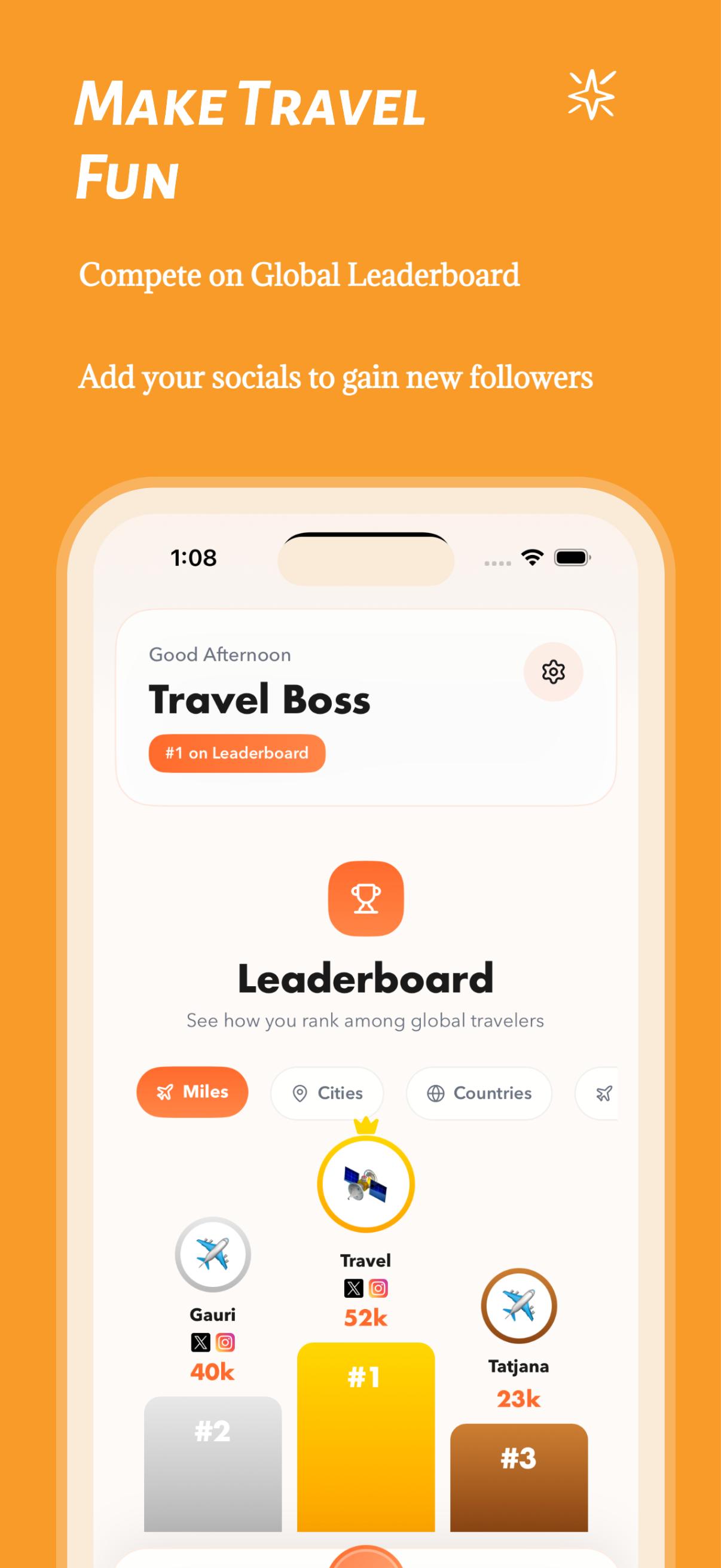
Earn badges for every destination, climb the global rankings, and compete with fellow travelers.
Travel Concierge
Get personalized booking assistance, curated recommendations, and priority support — all in-app.

Route directions & coordinate spots
The actual itinerary roadmap — coordinates, transit directions, and details for every stop.
Puerto Mosquito, Vieques
Widely recognized by scientists as the brightest bioluminescent bay in the world. Located on the southern shore of Vieques Island, Puerto Rico, its high concentration of Pyrodinium bahamense dinoflagellates creates an otherworldly neon blue glow. Strictly regulated eco-kayaking tours operate here, ensuring maximum protection of this delicate ecosystem under clear, dark Caribbean skies.
Laguna Grande, Fajardo
Puerto Rico's second-brightest bioluminescent lagoon, accessible via a narrow mangrove channel in Las Cabezas de San Juan Nature Reserve. Kayaking through the dark, canopy-covered channel to reach the glowing open waters of the lagoon is a surreal experience, though it requires precise coordination with local eco-guards.
Luminous Lagoon, Falmouth
Where the Martha Brae River meets the Caribbean Sea, this Jamaican marvel boasts highly active dinoflagellates. Unlike many protected bays, visitors here can actually swim directly in the glowing waters, making the water around your body ignite in a dramatic, dazzling bright blue aura as you move.
Toyama Bay, Japan
A completely unique biological event where millions of sparkling blue firefly squid (Watasenia scintillans) illuminate the shoreline. This deep-sea upwelling phenomenon occurs primarily between March and June, drawing spectators to the beaches of Namerikawa and Toyama to witness brilliant azure waves washing ashore.
Jervis Bay, Australia
Known for having some of the whitest sand beaches in the world, Jervis Bay transforms on selective nights when Noctiluca scintillans (sea sparkle) blooms. The breaking waves, wet footprints, and swirling tides glow with a vivid, ghostly neon blue that contrasts beautifully against the rugged Australian coastline.
Isla Chiquita, Golfo de Nicoya
Costa Rica's best-kept night secret. The protected waters around Isla Chiquita and the Paquera region are rich in light-emitting microorganisms. Paddling a kayak under the starry Pacific canopy reveals a trail of liquid starlight beneath your paddle, far away from the commercial noise of the mainland resorts.
Tomales Bay, California
A seasonal, cold-water bioluminescence wonder located just north of San Francisco. During late summer and autumn, massive blooms of dinoflagellates charge the dark waters. Kayaking in the pitch-black bays of Point Reyes National Seashore reveals shimmering wakes and glowing seals darting beneath the water's surface.
Indian River Lagoon, Florida
A highly accessible bio-bay in Titusville, Florida. During hot summer months, the water comes alive with glowing dinoflagellates, while winter brings bioluminescent comb jellies. Paddling past glowing manatees and fish darting like underwater shooting stars makes this a thrilling wilderness encounter close to Orlando.
Grand Cayman Bio Bay
Located at Rum Point, this shallow, narrow-mouthed bay traps millions of microscopic dinoflagellates. The calm, warm waters are perfect for custom electric boat excursions or guided snorkeling trips where swimmers can immerse themselves fully in a glowing underwater matrix of light.
Koh Rong, Cambodia
An off-the-beaten-path gem in Southeast Asia. When night falls on the quieter beaches like Long Set Beach, wading out into the warm, waist-deep waters stirs up a massive cloud of sparkling blue light. It is an affordable, wildly romantic, and highly raw natural spectacle free of heavy commercial boundaries.
Curated tours & experiences
Skip-the-line activity tokens, certified day guides, and unique regional activities.
Interactive suggestions load dynamically based on seasonal availability.
Browse Viator Experiences
Looking for premium curated day-trips, private shuttle transports, or multi-day hiking expeditions? View top activities instantly.
The full guide, stop by stop
Hand-curated notes and specific travel insights, built exclusively for this trip.

Trail Notes
Puerto Mosquito (Vieques, Puerto Rico)
Puerto Mosquito is indisputably the crown jewel of bioluminescent bays. Located on the southern coast of Vieques Island, it holds the official Guinness World Record for the brightest bioluminescence on Earth. The secret behind its intensity lies in its geography: a narrow, shallow entrance traps the dinoflagellates inside, while the surrounding mangrove forests provide rich nutrients that feed the organisms. To experience this natural wonder, you must book an eco-friendly kayak tour. Motorized boats are strictly banned to prevent fuel pollution. Local tip: Book the latest tour of the night (typically starting around 10:00 PM) on a night with a New Moon. The darker the sky, the more dramatic the neon blue trails will appear beneath your paddle. Rates average $60 USD to $90 USD per person.
Luminous Lagoon (Falmouth, Jamaica)
If you want to physically swim in liquid light, Luminous Lagoon in Falmouth is your best destination. This shallow lagoon is where the fresh waters of the Martha Brae River meet the salty Caribbean Sea, creating a warm, brackish environment where dinoflagellates thrive. Unlike the highly restricted bays of Puerto Rico, Jamaica allows visitors to jump off boat tours and swim directly in the glow. As you tread water, your body is instantly outlined in a brilliant, glowing blue aura. Tours depart nightly from the Glistening Waters Marina, costing approximately 3,800 JMD to 7,700 JMD ($25 USD to $50 USD). Be sure to wear a dark rash guard to maximize the contrast of the light glowing against your skin.
Toyama Bay (Toyama, Japan)
Toyama Bay offers a completely different, yet equally spectacular, bioluminescent event. Instead of microscopic dinoflagellates, the glow here is generated by millions of 3-inch Firefly Squid (Watasenia scintillans). Each spring, from March to June, these deep-sea creatures rise to the ocean surface to spawn, lighting up the entire shoreline of Toyama Bay in a breathtaking electric blue. The best way to witness this is by taking a specialized sightseeing boat from Namerikawa Fishing Port (approx. 5,000 JPY to 8,000 JPY / $33 USD to $53 USD), which departs in the early morning hours around 3:00 AM. For more travel planning in Japan, visit the Japan National Tourism Organization.
Jervis Bay (New South Wales, Australia)
Located just a 2.5-hour drive south of Sydney, Jervis Bay is famous for its powder-white beaches, which turn into glowing spectacles during large blooms of Noctiluca scintillans. This phenomenon, colloquially known as "sea sparkle," is highly unpredictable but creates unmatched visual drama when it occurs. Gentle waves crashing onto the shore ignite in a bright, neon-blue rim, and footsteps on the damp sand leave glowing blue footprints. Locals suggest monitoring regional social media groups and marine biology forums for real-time alerts. Head to Callala Beach, Barflieur Beach, or Collingwood Beach around midnight during the warm summer months of December to February for the highest likelihood of a sighting.
Golfo de Nicoya (Paquera, Costa Rica)
Costa Rica’s Gulf of Nicoya is a pristine, low-light sanctuary where bioluminescence glows year-round. Kayaking from Paquera or the eco-luxury resort of Isla Chiquita, you will paddle into pitch-black waters that shimmer with every stroke of your paddle. Mullet fish darting through the bay look like glowing, underwater comets. Because this area remains mostly undeveloped and lacks major resorts, light pollution is virtually nonexistent. Guides here often lead you under overhanging mangrove branches where the darkness is absolute, revealing a starry sky above and a glowing ocean below. Guided night kayak tours cost roughly 26,000 CRC to 39,000 CRC ($50 to $75 USD).
Secure curated tours & day tickets with Viator
Unlock flexible skip-the-line museum tickets, local food walkthroughs, and certified regional guides on Viator.
Take your itinerary everywhere
Sync boarding passes, earn travel badges, climb the global leaderboards, and track multi-currency expenses — all offline.
Crowd Avoidance
Beating the crowds at bioluminescent bays requires careful planning and a keen understanding of natural cycles. The single most important tactic is to align your visit with the lunar calendar. Bioluminescence is highly sensitive to light pollution; a bright full moon will completely wash out the glow, making the experience underwhelming. To avoid both crowded tour groups and poor visibility, always book your tour within three days before, during, or after a New Moon. Check the moon phases on Time and Date before booking your flights.
Additionally, practice these crowd-evasion tactics:
- Book the Last Tour of the Night: Most tourists opt for the sunset or 7:00 PM slots. Book the 10:00 PM or midnight departures for emptier waters and darker skies.
- Avoid Weekends: Friday and Saturday nights draw massive crowds of weekend warriors and locals. Aim for Tuesday or Wednesday nights.
- Choose Non-Motorized Tours: Opt for operators that offer kayak tours rather than large pontoon boats, which carry fewer people and provide a quieter, more intimate setting.
- Visit During the Shoulder Season: For Caribbean bays, visit in late May or November when tourist numbers drop significantly, but temperatures remain warm.
- Seek Out Hidden Bays: Swap major spots like Fajardo for lesser-known alternatives like Paquera in Costa Rica or Koh Rong in Cambodia.
- Avoid Rainy Nights: Rain disrupts the water surface, making it difficult to see the bioluminescence, and often causes tour cancellations.
Secure curated tours & day tickets with Viator
Unlock flexible skip-the-line museum tickets, local food walkthroughs, and certified regional guides on Viator.
Top Curated Travel Experiences in Best Places to See Bioluminescent Bays at Night (2026 Guide)
Full-Day Guided Sightseeing Tour in Best Places to See Bioluminescent Bays at Night (2026 Guide)
Explore the absolute best sights of Best Places to See Bioluminescent Bays at Night (2026 Guide) with an expert certified local English-speaking guide.
Best Places to See Bioluminescent Bays at Night (2026 Guide) Hidden Gems & Historical Walking Tour
Step off the beaten path into quiet streets with your storyteller guide.

Suggested Route Order
To experience the absolute best bioluminescent bays on the planet in a logical, geographic sequence, we recommend embarking on a Circum-Caribbean and Central American Luminous Tour. This route minimizes overall flight distances while hitting the three highest-concentration bio-bays in the Western Hemisphere, culminating in a pristine Pacific island experience.
Follow this curated route sequence for the ultimate night-glowing itinerary:
- San Juan & Fajardo, Puerto Rico: Fly into Luis Muñoz Marín International Airport (SJU). Spend your first two nights exploring San Juan, then drive east to Fajardo to experience the mangrove channels of Laguna Grande. This serves as an excellent introduction to kayaking in bioluminescence.
- Vieques Island, Puerto Rico: Take the local passenger ferry from Ceiba or a short 10-minute hop flight to Vieques Island. Spend three nights here to guarantee a spot on the world-famous Puerto Mosquito tour, ensuring you have backup nights in case of bad weather.
- Falmouth, Jamaica: Fly from San Juan to Montego Bay, Jamaica (MBJ). Take a 35-minute private shuttle to Falmouth. Spend two nights here, allowing yourself to swim freely in the warm waters of the Luminous Lagoon.
- Golfo de Nicoya, Costa Rica: Fly from Montego Bay to San José, Costa Rica (SJO). Take a scenic drive or shuttle to Puntarenas, then catch the ferry to Paquera. Conclude your trip paddling under the stars around Isla Chiquita, surrounded by pristine Costa Rican rainforest.
Find cheap flights & multi-city stays
Secure flexible flight pathways, regional connections, and custom travel bundles on Trip.com.
Top Curated Travel Experiences in Best Places to See Bioluminescent Bays at Night (2026 Guide)
Full-Day Guided Sightseeing Tour in Best Places to See Bioluminescent Bays at Night (2026 Guide)
Explore the absolute best sights of Best Places to See Bioluminescent Bays at Night (2026 Guide) with an expert certified local English-speaking guide.
Best Places to See Bioluminescent Bays at Night (2026 Guide) Hidden Gems & Historical Walking Tour
Step off the beaten path into quiet streets with your storyteller guide.
Getting Between Spots
Navigating between these celestial night spots requires a mix of regional flights, local ferries, and strategic ride-sharing services. In Puerto Rico, ride-share apps like Uber are highly reliable within the San Juan metro area and down to the Ceiba Ferry Terminal. However, once you cross over to Vieques Island, Uber does not exist; you must rely on local shared vans called públicos or rent a 4x4 Jeep, which is highly recommended for traversing the unpaved dirt roads leading to the secret beaches. Ensure you book your ferry tickets weeks in advance via Puerto Rico Ferry.
In Jamaica, ride-share apps are limited, so it is best to arrange private transfers or use licensed JUTA (Jamaica Union of Travelers Association) taxis. For travelers in Japan visiting Toyama Bay, the country's legendary rail network is your best friend. Utilize the Hokuriku Shinkansen bullet train from Tokyo directly to Toyama Station, taking under two hours. From there, local trains on the Ainokaze Toyama Railway will get you to Namerikawa Port. In Costa Rica, ride-share app Uber works wonderfully in San José, but you will need to utilize the Coonatramar ferry to cross from Puntarenas to Paquera, where local taxi transfers are easily arranged by eco-lodges.
Find cheap flights & multi-city stays
Secure flexible flight pathways, regional connections, and custom travel bundles on Trip.com.

Transport Cost Table
| Route | Method of Transport | Travel Time | Estimated Cost (Local) | Estimated Cost (USD) |
|---|---|---|---|---|
| San Juan to Fajardo | Rental Car / Uber | 1 hour 15 mins | $75.00 USD | $75.00 |
| Fajardo to Vieques | Ceiba Passenger Ferry | 30 mins | $2.00 USD | $2.00 |
| Vieques Airport to Esperanza | Local Público (Shared Van) | 15 mins | $5.00 USD | $5.00 |
| Montego Bay to Falmouth | JUTA Private Airport Taxi | 35 mins | 5,400 JMD | $35.00 |
| San José to Puntarenas | Private Shuttle / Interbus | 2 hours | $55.00 USD | $55.00 |
| Puntarenas to Paquera | Coonatramar Car Ferry | 1 hour 10 mins | 1,500 CRC | $3.00 |
| Tokyo to Toyama Station | Hokuriku Shinkansen Train | 2 hours 10 mins | 12,900 JPY | $86.00 |
Please note that transit costs can fluctuate seasonally. Ferry routes in Puerto Rico and Costa Rica should always be booked online at least two weeks in advance to secure your preferred departure slots, especially if you are traveling with a rental vehicle.
Find cheap flights & multi-city stays
Secure flexible flight pathways, regional connections, and custom travel bundles on Trip.com.
Where To Base
Choosing the right base camp is critical because bioluminescent excursions happen late at night, and you do not want to be driving long distances on dark, unfamiliar rural roads after midnight. In Vieques, the absolute best place to stay is the southern coastal village of Esperanza. This laid-back boardwalk strip is lined with guesthouses, restaurants, and tour offices, allowing you to walk directly to your kayak meetup spot. In Jamaica, basing yourself directly in Falmouth or at one of the beach resorts in nearby Rose Hall ensures a quick 15-minute transfer back to your bed after a late-night swim.
| Neighborhood / Area | Vibe & Character | Price Range | Proximity to Bio Bay | |
|---|---|---|---|---|
| Esperanza (Vieques, PR) | Laid-back, bohemian, seaside boardwalk | Mid-Range to Splurge ($120 - $350 USD) | Immediate (5-10 min drive to bay) | |
| Las Croabas (Fajardo, PR) | Local fishing village, family-friendly | Budget to Mid-Range ($80 - $180 USD) | Walking distance to launch site | |
| Falmouth Town (Jamaica) | Historic Georgian town, vibrant, local | Budget to Mid-Range ($70 - $150 USD) | Immediate (5 mins to Marina) | |
| Paquera / Isla Chiquita (Costa Rica) | Eco-luxury, pristine, secluded nature | Splurge ($250 - $600 USD) | Direct beachfront launch access | |
| Namerikawa (Toyama, Japan) | Industrial fishing port, traditional, quiet | Budget to Mid-Range ($60 - $130 USD) | Direct access to squid tour boats |
For budget travelers, local guesthouses in Las Croabas (Fajardo) offer great value and allow you to sample incredible local seafood. If you are looking to splurge, the glamping tents at Isla Chiquita Glamping Resort in Costa Rica offer a spectacular eco-luxe experience where night bio-tours depart directly from the resort's private pier.
Book Hotels in Best Places to See Bioluminescent Bays at Night (2026 Guide) with Agoda
Compare premium boutique hotels, resort villas, and historic stays at the guaranteed lowest rates.

Itinerary Day Plan
To make the most of your bioluminescent adventure, we have designed a 4-day tropical itinerary centered around Puerto Rico’s dual glowing bays. This plan balances daytime rainforest exploration with high-energy nocturnal ocean adventures, ensuring you have ample time to rest between night trips.
| Day | Morning Activity | Afternoon Activity | Evening Nocturnal Plan | Estimated Daily Cost |
|---|---|---|---|---|
| Day 1 | Arrive in San Juan, check-in to hotel. Explore Old San Juan's historic fortresses. | Savor traditional Mofongo lunch; drive east to Fajardo. | Guided night kayak tour through Fajardo's Laguna Grande mangrove channel ($60 USD). | $180 USD |
| Day 2 | Hike to waterfalls in El Yunque National Forest. | Relax at Luquillo Beach; eat street food at the Luquillo Kiosks. | Sunset ferry ride from Ceiba to Vieques Island. Check-in at Esperanza. | $110 USD |
| Day 3 | Snorkel with green sea turtles at Rompeolas Beach (Mosquito Pier). | Siesta time; enjoy a beachfront cocktail on the Esperanza Malecon. | Midnight Kayak Tour of Puerto Mosquito (New Moon Phase) ($85 USD). | $150 USD |
| Day 4 | Horseback riding along the black sands of Playa Negra. | Explore historic Fortín de Mirasol in Isabel Segunda. | Late-night seafood dinner at El Quenepo; star-gazing on the beach. | $200 USD |
This itinerary is highly optimized for the dry season (December to April). Make sure to book your El Yunque national park entry tickets and Vieques ferry tickets online well before your arrival day, as walk-up tickets are rarely available in 2026.
Find cheap flights & multi-city stays
Secure flexible flight pathways, regional connections, and custom travel bundles on Trip.com.
Local Insider Tips
- Ditch the Chemical Insect Repellents: Traditional bug sprays containing DEET are highly toxic to dinoflagellates and cause immediate decline in bioluminescence brightness. Wear long-sleeve rash guards or use organic, 100% biodegradable lemon eucalyptus sprays instead.
- Wear Water Shoes: Many launch sites have rocky shores, sharp coral, or hidden sea urchins. Protect your feet with thick-soled water shoes.
- Never Touch the Mangroves: In protected bays like Fajardo, touching the mangrove roots disrupts the delicate nutrient balance that supports the glowing organisms.
- Timing is Everything: Double-check moonrise times. Even during a half-moon phase, you can see brilliant bioluminescence if you book a slot *before* the moon rises or *after* it sets.
- Pack a Red-Light Headlamp: White light ruins your night vision and that of those around you. Use a headlamp with a red-light setting to preserve your natural night adjustment.
- Ask for a Clear-Bottom Kayak: Many top-tier operators in Vieques offer clear-bottom kayaks. It is worth the extra $10-$15 fee, as it feels like you are gliding through space with stars shooting beneath your feet.
- Don't Waste Time on Phone Photos: Standard smartphone cameras cannot capture bioluminescence and the screen light ruins the night vision for other kayakers. Keep your phone in a dry bag and enjoy the moment.
- Support the Vieques Conservation Trust: Visit the Vieques Conservation and Historical Trust museum in Esperanza to learn about the micro-biology and support their preservation efforts.
Get instant mobile data with Saily eSIM
Stay connected. Skip expensive roaming fees and activate instant high-speed data in seconds with Saily.

Photography And Best Light
Photographing bioluminescence is incredibly challenging and requires specialized manual camera equipment. Standard smartphones will output completely black frames. To capture the neon glow, you will need a mirrorless or DSLR camera with a fast, wide-angle lens (minimum aperture of f/1.4 to f/2.8) and a sturdy tripod. Set your ISO to a high range between 3200 and 6400, and use a manual shutter speed of 2 to 8 seconds. Since you will likely be on a moving kayak or boat, standard long exposures are tough; try to shoot from a stable shoreline, dock, or use specialized fast-shutter low-light cameras like the Sony Alpha series. For detailed astrophotography and low-light tutorials, refer to DPReview.
The best light occurs during astronomical twilight, roughly 1.5 to 2 hours after sunset when the sky is completely pitch-black. Ensure all camera screens are dimmed to the lowest setting, and tape over any blinking status LEDs on your camera body to prevent light pollution in your frame.
Get instant mobile data with Saily eSIM
Stay connected. Skip expensive roaming fees and activate instant high-speed data in seconds with Saily.
Budget And Cost Context
Planning a trip around bioluminescent bays can range from an affordable backpacking trip to a luxury eco-resort vacation. The primary variable is location and transportation. Puerto Rico offers highly competitive pricing with budget-friendly flights from the US, while secluded options like Costa Rica's Isla Chiquita cater to a higher-end luxury demographic. In 2026, typical costs are structured as follows:
| Budget Tier | Daily Estimated Cost | Accommodation Style | Typical Meal Cost | Activity Costs |
|---|---|---|---|---|
| Budget | $60 - $90 USD | Local Hostels / Shared Rooms | $10 - $15 USD (Street food, bakeries) | Group kayak tour ($60 USD) |
| Mid-Range | $150 - $280 USD | Boutique Guesthouses / Airbnbs | $25 - $45 USD (Sit-down local dining) | Clear-bottom kayak tours, private transfers |
| Luxury | $500+ USD | Eco-Luxury Glamping / Five-Star Resorts | $80 - $150 USD (Fine dining, fresh seafood) | Private chartered boats, custom night-photo tours |
To keep costs low, travel in the shoulder season (May or November) and utilize local public transport like públicos in Puerto Rico or route taxis in Jamaica. Cooking your own meals using local market ingredients is another fantastic way to save cash for premium tour bookings.
Find cheap flights & multi-city stays
Secure flexible flight pathways, regional connections, and custom travel bundles on Trip.com.
Top Restaurants By Budget
| Restaurant Name | Location / Neighborhood | Type of Food | Budget Tier | Must-Order Dish | Note |
|---|---|---|---|---|---|
| El Quenepo | Esperanza, Vieques | Fine Dining / Caribbean Fusion | $$$ | Whole Pan-Seared Snapper | Breathtaking ocean views, reservations required weeks in advance. |
| Bili Restaurant | Esperanza, Vieques | Puerto Rican Criollo | $$ | Mofongo stuffed with Garlic Shrimp | Right on the malecon, incredible local rum cocktails. |
| Cozy's On The Hill | Falmouth, Jamaica | Traditional Jamaican | $ | Brown Stew Chicken with Rice & Peas | Authentic flavors, highly popular with locals and tour guides. |
| Glistening Waters Restaurant | Falmouth, Jamaica | Seafood & International | $$ | Curried Goat and Pepper Shrimp | Located directly at the bio-bay marina, great pre-tour spot. |
| La Estación | Fajardo, Puerto Rico | Nuyorican BBQ / Seafood | $$$ | BBQ Beef Brisket with Guava Sauce | Set in a stylishly converted former gas station surrounded by tropical plants. |
| Pescadería Don Claudio | Las Croabas, Fajardo | Fresh Local Seafood | $ | Fried Chillo (Red Snapper) with Tostones | No-frills, incredibly fresh fish caught daily by local fishermen. |
| Sushidokoro Kenji | Toyama City, Japan | Sushi / Toyama Bay Seafood | $$$ | Firefly Squid (Hotaru-ika) Sashimi | Ultra-fresh deep-water seafood, world-renowned quality. |
| The Bayview Jervis Bay | Huskisson, Australia | Modern Australian Bistro | $$ | Local Sydney Rock Oysters | Overlooks the bay waters, perfect sunset dinner spot before night viewing. |
The culinary scenes around these bio bays are heavily centered on fresh, daily catches. In Puerto Rico, make sure to visit local bakery spots (panaderías) in the morning for cheap, delicious pastries and coffee. In Jamaica, roadside jerk stands offer incredible value and authentic smoky flavors that cannot be replicated in resort restaurants.
Secure curated tours & day tickets with Viator
Unlock flexible skip-the-line museum tickets, local food walkthroughs, and certified regional guides on Viator.
Food And Drink Highlights
Experiencing the local culinary highlights is an essential part of any bioluminescent bay expedition. In the Caribbean, the star of the show is Mofongo—a rich, savory dome of mashed green plantains seasoned heavily with garlic, olive oil, and pork cracklings, typically filled with fresh lobster, conch, or shrimp. Pair this hearty dish with a cold Medalla beer or a classic Piña Colada made with local Puerto Rican rum. For premium culinary reviews and travel food guides, check out Eater.
In Japan, the seasonal delicacy of Toyama Bay is the Hotaru-ika (Firefly Squid) itself. Served fresh during the spring spawning season, it is enjoyed in various forms: raw as sashimi, lightly boiled and served with sweet miso paste, or fried crispy as tempura. Wash it down with premium local Toyama sake, which benefits from the region's pure, cold alpine runoff water. In Costa Rica, don't miss out on a traditional Casado plate featuring fresh fish, black beans, rice, and fried sweet plantains, washed down with freshly squeezed passionfruit juice.
Secure curated tours & day tickets with Viator
Unlock flexible skip-the-line museum tickets, local food walkthroughs, and certified regional guides on Viator.
Safety Considerations
While bioluminescent bay tours are generally very safe, navigating dark waters at night presents unique natural risks. The primary safety concern is low visibility. Always stay close to your tour guide and ensure your kayak or boat has a functional night locator light (usually a small glowing chemical stick or low-lumen LED attached to the bow). Never paddle off on your own into open ocean waters, as strong currents can easily sweep you out to sea.
- Wear Your Life Jacket (PFD): This is non-negotiable. Even strong swimmers can panic in pitch-black, deep waters.
- Beware of Jellyfish: Some warm-water bays host seasonal jellyfish. Check with your tour operator and consider wearing a full-body rash guard for swimming.
- Do Not Step on Sea Urchins: When wading in shallow water to launch your kayak, step carefully. Dark-spined sea urchins love to hide near mangrove roots.
- Keep Emergency Numbers Handy: In Puerto Rico, the emergency number is 911. In Japan, call 119 for medical emergencies.
- Check Travel Advisories: Always review the US Department of State Travel Advisories for regional safety updates before departure.
- Secure Comprehensive Travel Insurance: Ensure your policy covers night-time water sports and kayaking activities.
Get instant mobile data with Saily eSIM
Stay connected. Skip expensive roaming fees and activate instant high-speed data in seconds with Saily.
Seasonal Variations
| Month | Weather / Conditions | Crowd Level | Best / Worst For This Theme | Notes |
|---|---|---|---|---|
| January | Dry, warm, gentle breezes | High | Best for Caribbean Bays | Excellent water clarity; book far in advance. |
| February | Dry, comfortable temperatures | High | Best for Caribbean & Australia | Peak season; minimal rainfall ensures great visibility. |
| March | Transitioning to spring, clear skies | Medium | Best for Toyama Bay, Japan | Firefly Squid season begins in Toyama Bay. |
| April | Warm, occasionally humid | Medium | Great for Toyama & Caribbean | Excellent month for both squid and warm-water bays. |
| May | Increasing rain showers | Low | Good for shoulder-season deals | Squid season peaks; rain can occasionally disrupt tours. |
| June | Hot, humid, start of wet season | Medium | Worst for Caribbean (Rain risk) | Rainstorms can wash out dinoflagellate concentration. |
| July | Hot, tropical storms possible | High | Best for Florida Bio-Bays | Summer heat drives peak bioluminescence in Florida. |
| August | Peak hurricane season in Caribbean | Low | Best for California & Florida | High storm risk in PR; spectacular in Tomales Bay. |
| September | High humidity, active storm season | Low | Worst for Caribbean (Storms) | Many tour operators close for annual maintenance. |
| October | Wet, tropical weather clearing | Low | Great for California (Tomales) | Tomales Bay peak season; quiet in the Caribbean. |
| November | Dry weather returning, pleasant | Medium | Good transitional month | Bioluminescence begins rising in clarity and brightness. |
| December | Perfect dry winter weather | Peak | Best for Caribbean & Australia | Very busy; holiday crowds require booking months ahead. |
As shown, the dry winter months of December through April are ideal for Caribbean locations like Puerto Rico and Jamaica, offering calm waters and minimal rainfall. Conversely, if your goal is the spectacular Firefly Squid of Japan, focus your planning exclusively on the spring window of March to June.
Book top guided activities and tickets in Best Places to See Bioluminescent Bays at Night (2026 Guide)
Skip the long queues, discover hidden gems, and book 100% free-cancellation activities on Viator with live local support.
Equipment And Gear Advice
To maximize your enjoyment and safety on a nocturnal water adventure, bringing the right gear is essential. Because you will be in wet, completely dark environments, traditional daytime beach gear will not suffice. Focus on quick-drying clothing and water-resistant utility gear.
- Long-Sleeve UPF/Rash Guard: Keeps you warm in breezy night conditions and protects against nocturnal jellyfish without using toxic bug sprays.
- Tough Water Shoes: Crucial for launching kayaks on jagged gravel beaches or near mangrove roots. Brands like Astral or Keen offer excellent grip and protection.
- Dry Bag (10L - 20L): Absolutely essential to keep your dry clothes, car keys, and camera equipment safe from splashes.
- Red-Light LED Headlamp: Crucial for hands-free navigation on dark beaches without ruining your night-adjusted vision.
- Waterproof Phone Case with Lanyard: If you must bring your phone, keep it secured around your neck so it doesn't sink to the bottom of the bay.
- Polarized Sunglasses: Keep these in your dry bag for the daytime scouting of launch zones.
- Microfiber Travel Towel: Essential for drying off quickly after swimming in Falmouth or after a wet kayak ride in Vieques.
- What NOT to Bring: Avoid wearing expensive jewelry (it easily slips off in cold water), white clothing (it catches light and ruins photo exposures), or non-waterproof cameras.
Get instant mobile data with Saily eSIM
Stay connected. Skip expensive roaming fees and activate instant high-speed data in seconds with Saily.
Local Festivals And Events
| Event Name | Month / Date | Location | Why It Matters For This Theme | Booking Tip |
|---|---|---|---|---|
| Toyama Firefly Squid Festival | Mid-April | Namerikawa, Japan | Celebrates the annual bioluminescent squid harvest and spawning. | Book accommodation in Toyama City 6 months in advance. |
| Vieques Patron Saint Festival | July | Isabel Segunda, Vieques | Lively local cultural festival featuring music, food, and parades. | Ferry tickets sell out instantly; travel during weekdays to avoid crowds. |
| Point Reyes Bioluminescence Season | September - October | Tomales Bay, California | Peak natural gathering of night kayakers during autumn dark moon phases. | Book kayak rentals with local outfitters at least 2 months ahead. |
| Fajardo Festival de la Reserva | November | Fajardo, Puerto Rico | Focuses on eco-preservation of Las Cabezas de San Juan and its bio-lagoon. | Great time to attend free educational night walks led by scientists. |
| Sydney to Jervis Bay Yacht Race | Late November | Jervis Bay, Australia | Brings hundreds of spectator boats; glowing wakes are highly visible. | Book beachfront holiday rentals in Huskisson early. |
Aligning your trip with these local festivals can elevate your journey, offering deep insight into how local cultures celebrate and protect these delicate, glowing ecosystems. Always balance festival attendance with your bioluminescent viewing calendar, keeping the New Moon phase as your primary priority.
Book top guided activities and tickets in Best Places to See Bioluminescent Bays at Night (2026 Guide)
Skip the long queues, discover hidden gems, and book 100% free-cancellation activities on Viator with live local support.
Sustainable Travel Tips
Bioluminescent bays are highly fragile marine ecosystems that are incredibly sensitive to human impact. Even minor chemical alterations in the water can cause the delicate dinoflagellate populations to crash. As responsible travelers, we must prioritize conservation and minimize our footprint during every night excursion.
- Choose Certified Eco-Tour Operators: Only book with companies licensed by local environmental authorities (e.g., Department of Natural and Environmental Resources in Puerto Rico) who use non-motorized, clean kayaks.
- Strict No-Chemical Policy: Never wear perfumes, deodorants, sunscreens, or chemical bug sprays into the water. These wash off and poison the microscopic marine life.
- Do Not Litter: Pack out everything you pack in. Plastic waste in mangroves is a major threat to bio-bays globally.
- Support Local Conservation Trusts: Donate to organizations like the Vieques Conservation Trust which fund ongoing water quality monitoring.
- Keep Your Hands in the Kayak: Resist the urge to constantly splash the water. Excessive disturbance can stress the dinoflagellates and reduce their lifespan.
- Reduce Light Pollution: Keep your camera screens off, turn off phone flashlights, and avoid using white headlamps near the water.
Get instant mobile data with Saily eSIM
Stay connected. Skip expensive roaming fees and activate instant high-speed data in seconds with Saily.
Neighborhood Guide
Esperanza (Vieques, Puerto Rico)
Esperanza is the vibrant heartbeat of Vieques' tourism scene. This charming seaside neighborhood is set along the southern coast, right on the Caribbean Sea. It is characterized by its colorful malecon (boardwalk), lined with open-air bars, local seafood spots, and boutique dive shops. For bioluminescence chasers, Esperanza is the ultimate base camp—nearly all Puerto Mosquito tours meet on this strip, saving you from navigating the island's dark, winding interior roads late at night. Getting here is easy via a 15-minute taxi or público ride from the Vieques Airport or Isabel Segunda ferry dock.
Las Croabas (Fajardo, Puerto Rico)
Las Croabas is a traditional, close-knit fishing community located on the northeastern tip of Puerto Rico's main island. It serves as the primary gateway to the Laguna Grande bioluminescent bay. The area features a scenic oceanfront park, local seafood kiosks, and a bustling boat launch where eco-kayakers gather every evening. Staying in Las Croabas allows you to walk straight to your kayak tour meeting point. During the day, you can explore the pristine Seven Seas Beach or hike the nature trails leading to the historic Fajardo Lighthouse. It is located roughly 1 hour and 15 minutes by car from San Juan.
Huskisson (New South Wales, Australia)
Huskisson is the lively hub of the stunning Jervis Bay region. Brimming with boutique coffee shops, local craft breweries, and trendy seafood bistros, it retains a classic Australian coastal charm. For those hoping to catch the elusive "sea sparkle" bioluminescence, Huskisson is highly strategic. It sits directly on the shores of the bay, providing immediate access to local beaches like Collingwood and Callala. Rent a beach cruiser bike to scout prime viewing locations during the day, and easily walk or drive down to the shore when midnight alerts indicate a glowing bloom is active.
Book Hotels in Best Places to See Bioluminescent Bays at Night (2026 Guide) with Agoda
Compare premium boutique hotels, resort villas, and historic stays at the guaranteed lowest rates.
Alternative Options
If your primary travel plans fall through or weather disruptions cause tour cancellations, having solid backup options is crucial. For instance, if Puerto Mosquito in Vieques is fully booked, a great alternative is the Grand Cayman Bio Bay at Rum Point, which offers a similarly warm, high-density environment in a shallower setting. If you are in the continental United States and cannot fly to the Caribbean, the Indian River Lagoon in Titusville, Florida, provides an exceptional alternative during the summer months with glowing comb jellies that are highly active even on slightly brighter nights.
For travelers in Southeast Asia, if Cambodia's Koh Rong is too remote, consider visiting Halong Bay in Vietnam. While the bioluminescence here is less concentrated and requires swimming far away from cruise ship light pollution, it offers a dramatic back-up setting amidst towering limestone karsts. These alternative spots generally cost about the same as the primary options, though logistics can vary.
Book top guided activities and tickets in Best Places to See Bioluminescent Bays at Night (2026 Guide)
Skip the long queues, discover hidden gems, and book 100% free-cancellation activities on Viator with live local support.
Frequently Asked Questions
- Can you swim in a bioluminescent bay?
- It depends on the location. In Jamaica's Luminous Lagoon and select areas in Cambodia, swimming is permitted and highly encouraged. However, in strictly protected reserves like Puerto Mosquito in Vieques and Laguna Grande in Fajardo, swimming is strictly banned to protect the ecosystem from chemical contamination.
- What is the best month to see bioluminescence?
- For Caribbean bays, the dry season months of December through April offer the calmest waters, clearest skies, and best viewing conditions. For Toyama Bay in Japan, the window is strictly limited to the spring spawning season between March and June.
- Can I take photos of the glowing water with my iPhone?
- Generally, no. Standard smartphone cameras do not have sensors large enough or shutter controls long enough to capture the faint light emitted by dinoflagellates. You will need a professional mirrorless camera, a fast lens (f/1.4 - f/2.8), a high ISO setting, and a very stable platform or tripod.
- Are bioluminescent bays safe to travel to at night?
- Yes, provided you go with a licensed, experienced local guide. Navigating dark waters requires proper safety gear, including life jackets (PFDs) and night location lights. Avoid paddling alone in unguided groups into open ocean currents.
- Does the moon affect bioluminescence visibility?
- Absolutely. A bright, full moon will wash out the glowing effect entirely. The absolute best time to visit is during the New Moon phase, or when the moon has already set or not yet risen during your tour time.
- What causes the ocean water to glow blue at night?
- The glowing light is a chemical reaction called bioluminescence, produced primarily by microscopic marine organisms called dinoflagellates. When physically disturbed by a paddle, wave, or swimming motion, they emit light as a natural defense mechanism to startle predators.
Book top guided activities and tickets in Best Places to See Bioluminescent Bays at Night (2026 Guide)
Skip the long queues, discover hidden gems, and book 100% free-cancellation activities on Viator with live local support.
Final CTA
Book top guided activities and tickets in Best Places to See Bioluminescent Bays at Night (2026 Guide)
Skip the long queues, discover hidden gems, and book 100% free-cancellation activities on Viator with live local support.
Ready to track your travels?
Join thousands of travelers using Borderly to plan trips, track expenses, store boarding passes, and compete on the global leaderboard.