Best Places to See the Aurora Australis Southern Lights (2026 Guide)
Discover the absolute best places to see the Aurora Australis in 2026. Includes expert local tips, detailed transport costs, photography settings, and hidden vantage points.
Travel concierge
Join travelers planning with Borderly's AI


10-day itinerary ready to plan
Search Live Flights to Best Places to See the Aurora Australis Southern Lights (2026 Guide)
Real-time airline seat selection, transparent baggage inclusions, and direct booking across 400+ carriers.
Book with Borderly • Powered by Duffel
Fly to Best Places to See the Aurora Australis Southern Lights (2026 Guide), booked directly.
Real-time seat availability, live baggage options, and transparent fares across 400+ airlines.
Just ask the AI trip planner
Tell it your dates, budget, or vibe — it will pull straight from this guide and build a route around it.
Ask about your Best Places to See the Aurora Australis Southern Lights (2026 Guide) trip
Real answers on routes, timing, and local tips — grounded in this guide.
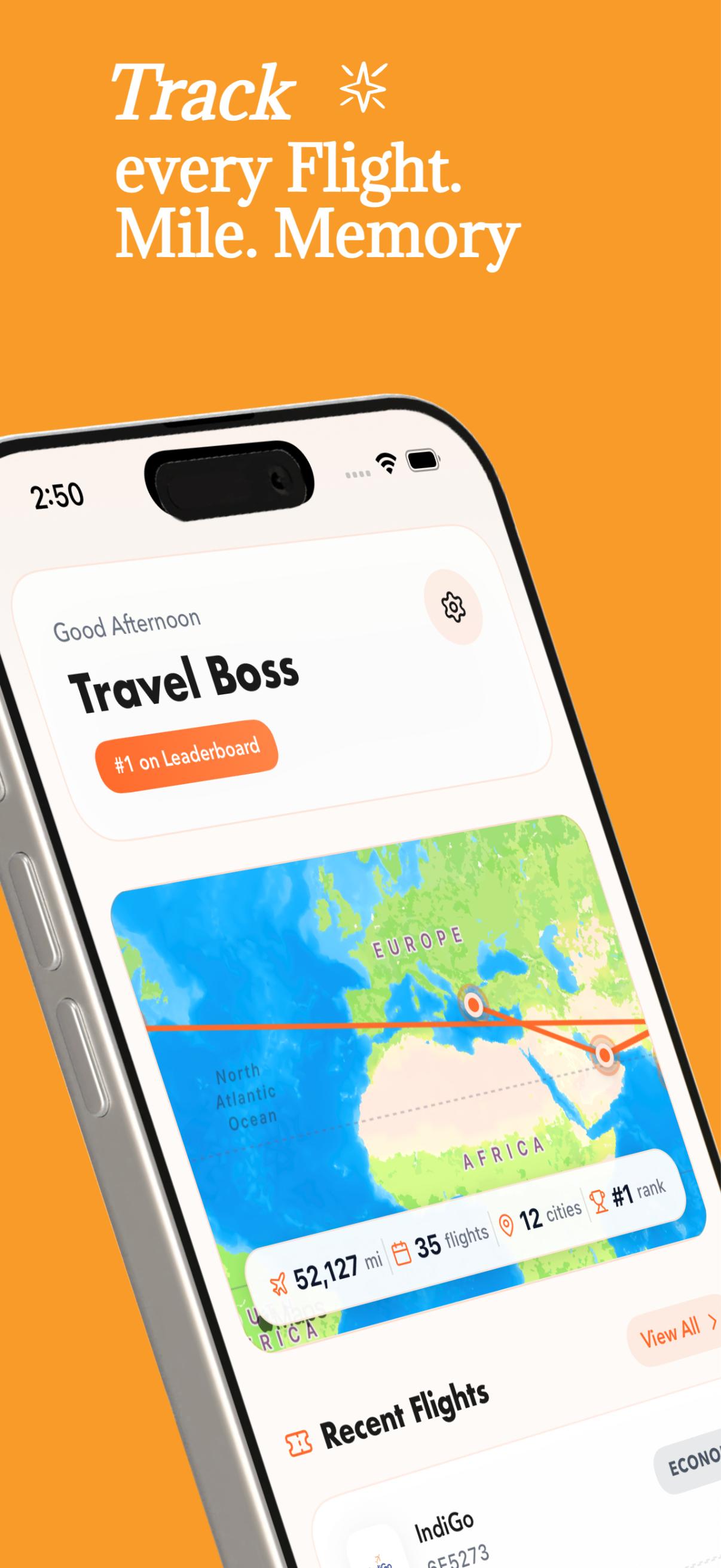
Get Borderly on iOS
Download the app to generate custom AI trip plans, organize group budgets, and store your boarding wallet — all offline.

Join 2,000+ travelers using Borderly
One app for the whole trip
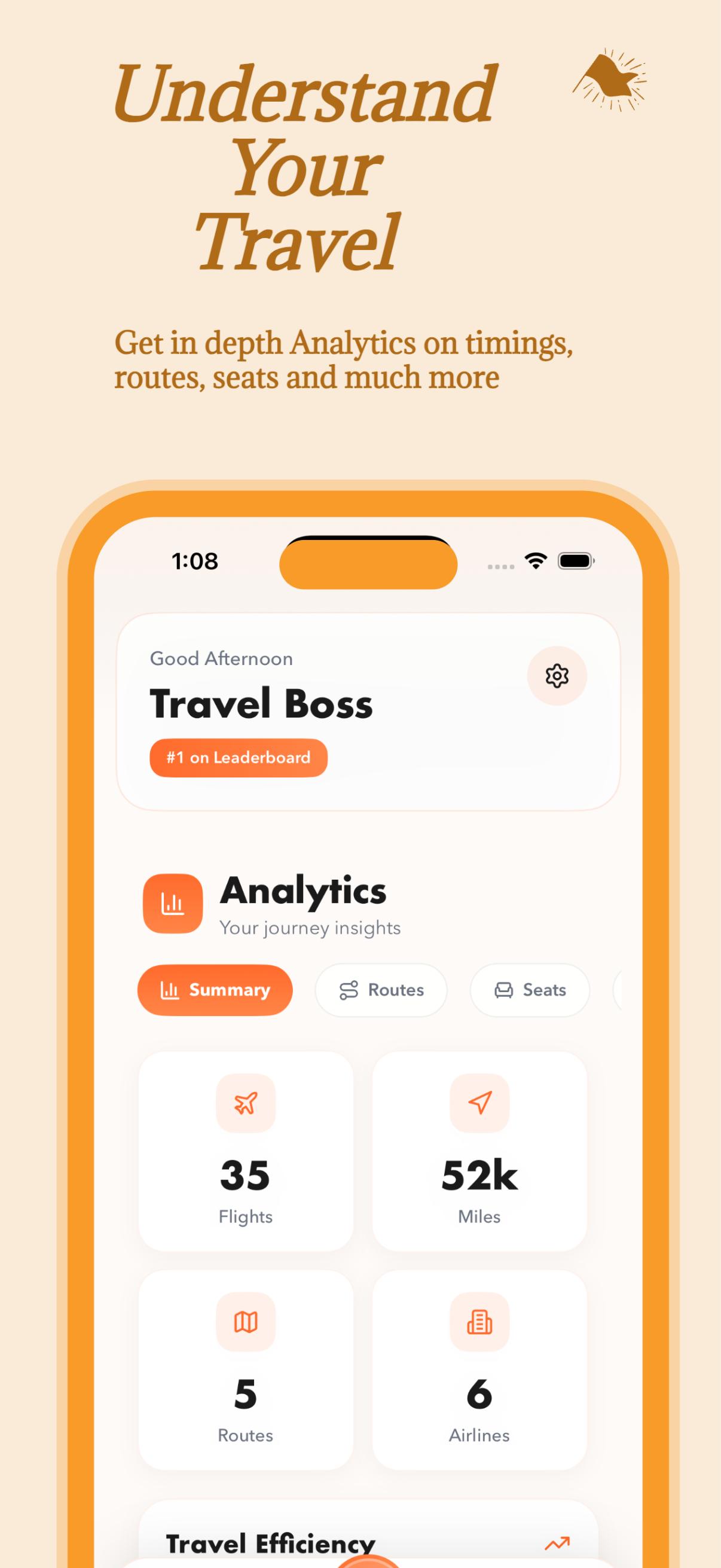
AI trip planning, group budgets, and a boarding pass wallet — everything this guide covers, in your pocket.
AI Trip Planning
Generate personalized itineraries with real-time pricing, route optimization, and local recommendations.
Group Planning & Budgeting
Invite travel companions, split costs, vote on activities, and keep everyone aligned.
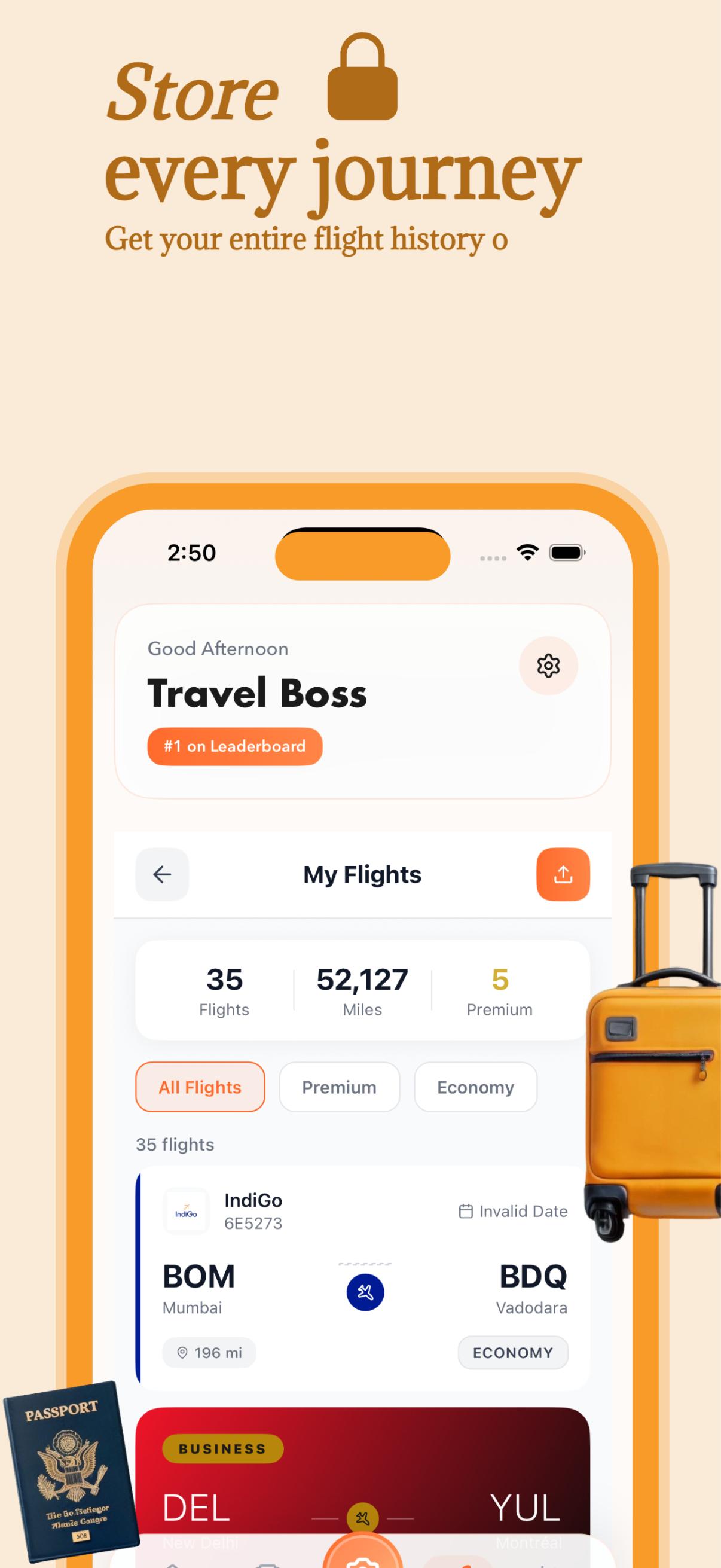
Boarding Wallet & History
Store every boarding pass, track your travel history, and visualize your journey on a map.
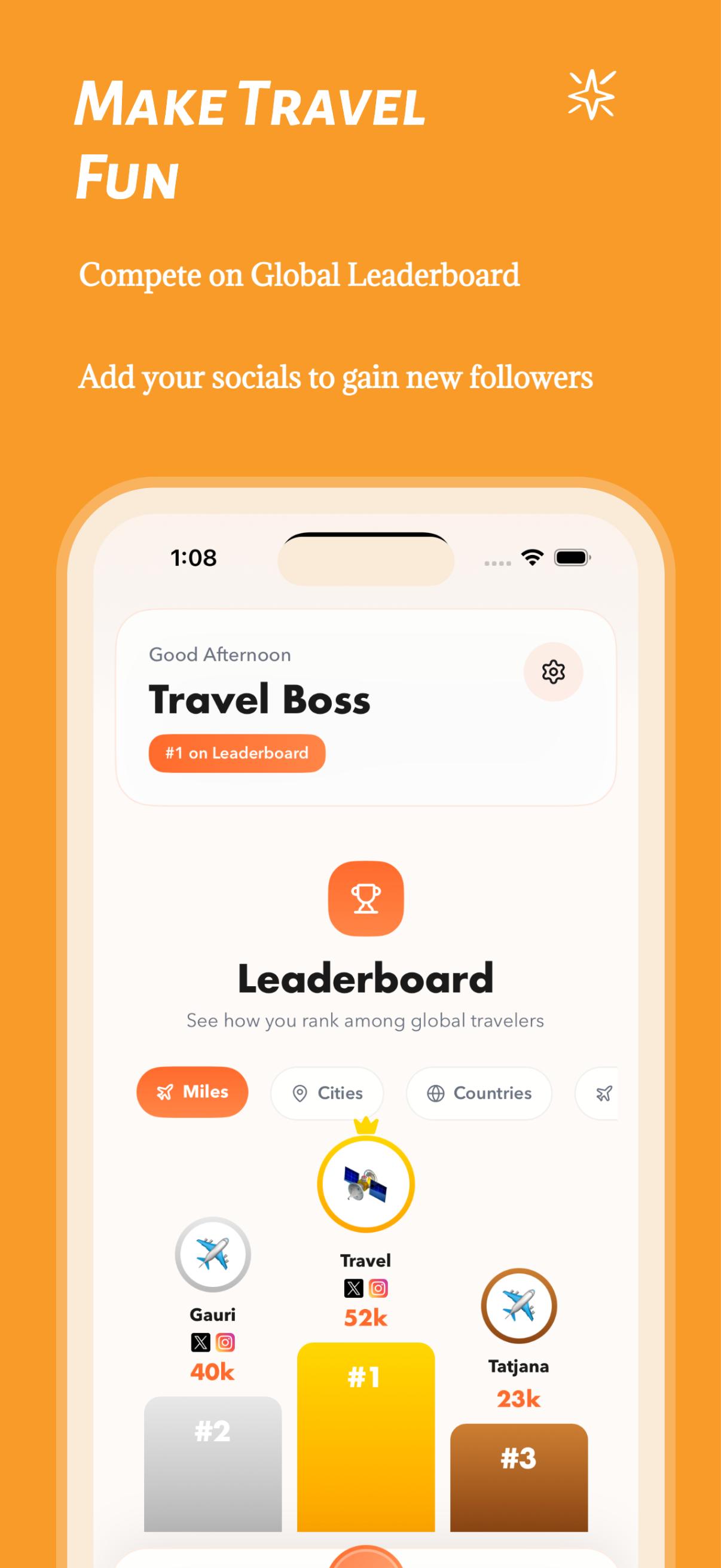
Leaderboard & Achievements
Earn badges for every destination, climb the global rankings, and compete with fellow travelers.
Travel Concierge
Get personalized booking assistance, curated recommendations, and priority support — all in-app.

Route directions & coordinate spots
The actual itinerary roadmap — coordinates, transit directions, and details for every stop.
Mount John Observatory, Lake Tekapo (New Zealand)
Perched within the Aoraki Mackenzie International Dark Sky Reserve, this world-renowned observatory offers virtually zero light pollution. It is the premier spot in New Zealand to catch the Southern Lights arching over the Southern Alps, backed by state-of-the-art astronomical research facilities.
Stewart Island / Rakiura (New Zealand)
Literally translating to 'Glowing Skies' in Māori, Rakiura is a pristine Dark Sky Sanctuary. Located at the southernmost point of New Zealand's main island chain, its southern beaches offer uninterrupted ocean views perfect for framing low-horizon auroral glows.
Mount Wellington / Kunanyi Summit (Tasmania, Australia)
Rising 1,271 meters directly above Hobart, the summit of Kunanyi provides a stunning panoramic vantage point. It is highly accessible via paved roads, though visitors should prepare for extreme alpine winds and sub-zero temperatures when shooting the lights.
Bruny Island / The Neck (Tasmania, Australia)
Connected by a narrow sandy isthmus, Bruny Island offers 360-degree dark skies and an elevated wooden boardwalk. Facing directly south over the vast, empty Southern Ocean, it is free of city light pollution, making it a favorite for local astrophotographers.
Ushuaia (Tierra del Fuego, Argentina)
As the world's southernmost city, Ushuaia provides a direct gateway to the sub-Antarctic skies. Surrounded by the rugged Andes and the Beagle Channel, it offers dramatic peaks as a backdrop for deep-south auroral displays during the long winter nights.
Cradle Mountain-Lake St Clair National Park (Tasmania, Australia)
Framed by the jagged silhouette of Cradle Mountain, the glass-like waters of Dove Lake reflect the vibrant greens and magentas of the Aurora Australis. This alpine sanctuary offers dramatic foregrounds for high-end landscape photography.
South Arm Peninsula (Tasmania, Australia)
A local secret just 40 minutes south of Hobart. The calm, shallow waters of Half Moon Bay and Clifton Beach frequently capture both the dancing Southern Lights and bright blue bioluminescent plankton, creating an otherworldly dual-phenomenon light show.
Otago Peninsula / Hoopers Inlet (New Zealand)
Just outside the city of Dunedin, this tranquil inlet is surrounded by low hills that block city light pollution. Its shallow, reflective tidal waters and nesting wildlife create a serene, wild atmosphere for capturing the green auroral arc.
Falkland Islands / Stanley (United Kingdom Territory)
A remote archipelago in the South Atlantic with virtually zero light pollution. The expansive, flat horizons and dramatic coastline near Stanley offer pristine views of intense auroral activity, often accompanied by the sound of nesting penguins on the shoreline.
South Georgia Island (Sub-Antarctic)
Accessible only via expedition vessels, this glacier-carved island in the southern oceans sits squarely within the auroral oval. It offers the most intense, overhead displays of the Aurora Australis possible, surrounded by millions of breeding king penguins.
Curated tours & experiences
Skip-the-line activity tokens, certified day guides, and unique regional activities.
Interactive suggestions load dynamically based on seasonal availability.
Browse Viator Experiences
Looking for premium curated day-trips, private shuttle transports, or multi-day hiking expeditions? View top activities instantly.
The full guide, stop by stop
Hand-curated notes and specific travel insights, built exclusively for this trip.

Trail Notes
Mount John Observatory & Lake Tekapo (New Zealand)
Located in the heart of the South Island, Lake Tekapo is the crown jewel of the Aoraki Mackenzie International Dark Sky Reserve. The summit of Mount John, home to the University of Canterbury's research observatory, sits 1,029 meters above sea level and provides completely unobstructed, 360-degree views of the southern horizon. The local secret here is to avoid the crowded shoreline directly in front of the Church of the Good Shepherd. Instead, drive 10 minutes out to the western shore of Lake Tekapo along Godley Peaks Road, where you can frame your shots with the reflective lake waters and the snow-dusted Southern Alps. For an elevated experience, book a night tour with Dark Sky Project to gain access to the research-grade telescopes. Be aware that winter temperatures regularly plunge to -10°C (14°F), so heavy thermal gear is mandatory.
Stewart Island / Rakiura (New Zealand)
For those willing to travel to the edge of the world, Stewart Island (Rakiura) offers arguably the most pristine auroral viewing conditions in the Southern Hemisphere. As a designated International Dark Sky Sanctuary, the island has strict municipal lighting controls, ensuring pitch-black conditions. My favorite hidden vantage point is Observation Rock, a short but steep 15-minute walk from the main village of Oban. From this wooden platform, you get a sensational view looking south over Paterson Inlet, where the auroral glow reflects off the sheltered waters. Alternatively, hire a local water taxi to drop you at ocean-facing Ringaringa Beach. The cost of the ferry from Bluff across the Foveaux Strait is roughly NZD $180 ($110 USD) round-trip, but the sheer lack of light pollution and the presence of native kiwi birds calling in the dark make it worth every cent.
Mount Wellington / Kunanyi (Tasmania, Australia)
Rising dramatically behind Hobart, Kunanyi / Mount Wellington offers the easiest alpine auroral viewing in Australia. Within a 30-minute drive from the city center, you can stand at 1,271 meters elevation, looking directly south. The observation shelter at the pinnacle features large glass windows, but for clean, glare-free photography, you must step out onto the exposed boardwalks. The wind up here can be brutal, frequently exceeding 80 km/h, so windproof layers are essential. A well-kept local secret is to monitor the road status before heading up; the Hobart City Council often closes the pinnacle road during winter snowfalls. If closed, your best backup is the chalet parking lot halfway up, or the Tinderbox Hills Reserve south of the city, which offers sea-level views across the D'Entrecasteaux Channel without the freezing alpine winds.
The Neck, Bruny Island (Tasmania, Australia)
Bruny Island, accessible via a 35-minute vehicle ferry from Kettering (approx. AUD $50 / $33 USD return), is a dark-sky paradise. The Neck—the narrow sandy isthmus connecting North and South Bruny—features an elevated timber lookout that rises above the dunes. Facing due south over the Southern Ocean, there is literally nothing between you and Antarctica but open water, guaranteeing zero artificial light on the horizon. Walk up the timber stairs to the Truganini Memorial, where you can set up your tripod. In addition to the lights, you will likely hear the scuttling and calls of Little Penguins returning to their burrows in the surrounding sand dunes. It is a profoundly moving, sensory-rich experience that perfectly encapsulates the wild beauty of Tasmania.
Ushuaia & Tierra del Fuego (Argentina)
Ushuaia holds the title of the southernmost city on the planet, making it geomagnetically closer to the auroral oval than almost any other easily accessible city. To escape the streetlights of the city, rent a car and drive 20 minutes west into Tierra del Fuego National Park. Head to Bahia Lapataia, the literal end of the Pan-American Highway. Here, the southern sky opens up over the glassy, dark waters of the Beagle Channel, framed by the dramatic, jagged silhouettes of the Darwin Range. Peak viewing occurs during the Southern Hemisphere winter (June to August), when the region experiences up to 17 hours of darkness per day. Visiting during this shoulder season requires winter tires or snow chains, but the reward is a uniquely wild, Patagonian backdrop that no other continent can match.
Secure curated tours & day tickets with Viator
Unlock flexible skip-the-line museum tickets, local food walkthroughs, and certified regional guides on Viator.
Take your itinerary everywhere
Sync boarding passes, earn travel badges, climb the global leaderboards, and track multi-currency expenses — all offline.
Crowd Avoidance
Unlike the high-traffic aurora spots in the Northern Hemisphere, the Southern Lights remain a relatively uncrowded phenomenon. However, specific locations can still experience localized congestion during high-Kp-index forecasts. To truly escape the crowds and secure pristine viewing spots, implement these tactical measures:
- Avoid the Church of the Good Shepherd: In Lake Tekapo, this iconic church is a magnet for tour buses and amateur photographers who often ruin long exposures with headlamps and flashlights. Instead, drive further north toward the Godley Valley or use the remote bays along the east side of the lake.
- Timing is Everything: The absolute peak crowd times are between 8:00 PM and 11:00 PM. Local lookouts usually clear out by midnight. The most vibrant, clean auroral displays often occur between 1:00 AM and 4:00 AM, when you will likely have the entire landscape to yourself.
- Hike the Off-Beaten Paths: On Stewart Island, skip the popular Observation Rock on nights with strong forecasts. Walk 30 minutes out to Lee Bay or the track starting at Horseshoe Bay for absolute solitude.
- Avoid Holiday Weekends: Tasmanian viewing spots like Mount Wellington and Bruny Island swell with domestic travelers during Australian long weekends and school holidays. Plan your field trips mid-week (Tuesday through Thursday).
- Choose Alternative Bays: In South Arm, Tasmania, skip the main beach car parks and walk down the public access tracks to Goat Bluff or direct coastal lookouts along the Cape Deslacs Nature Reserve.
- Utilize Back Roads in Ushuaia: Instead of the main park entrances, take Route 3 north towards Paso Garibaldi, where elevated mountain passes offer remote, uncrowded shoulders to view the sky.
Secure curated tours & day tickets with Viator
Unlock flexible skip-the-line museum tickets, local food walkthroughs, and certified regional guides on Viator.
Top Curated Travel Experiences in Best Places to See the Aurora Australis Southern Lights (2026 Guide)
Full-Day Guided Sightseeing Tour in Best Places to See the Aurora Australis Southern Lights (2026 Guide)
Explore the absolute best sights of Best Places to See the Aurora Australis Southern Lights (2026 Guide) with an expert certified local English-speaking guide.
Best Places to See the Aurora Australis Southern Lights (2026 Guide) Hidden Gems & Historical Walking Tour
Step off the beaten path into quiet streets with your storyteller guide.

Suggested Route Order
To experience the very best of the Southern Hemisphere's night skies, we recommend an ultimate Trans-Tasman Aurora Route. This itinerary maximizes your chances by spanning both Tasmania and New Zealand's South Island, utilizing high-frequency regional flights and ferry connections to move between prime dark-sky zones.
- Start in Hobart, Tasmania (3 Nights): Land in Hobart, using the city as a base to access Mount Wellington (Kunanyi), the South Arm Peninsula, and the Tinderbox lookouts on nights with active solar winds.
- Ferry to Bruny Island (2 Nights): Drive south to Kettering, take the vehicle ferry to Bruny Island, and camp or stay in a remote cottage near Adventure Bay to shoot from The Neck Lookout.
- Fly Hobart to Queenstown, New Zealand (via Melbourne/Sydney): Transition to New Zealand's premier alpine hub. Hire a 4WD vehicle at Queenstown Airport.
- Drive to Lake Tekapo & Mount John (3 Nights): Drive three hours north through the spectacular Lindis Pass to the Aoraki Mackenzie Dark Sky Reserve, dedicating three nights to high-altitude stargazing.
- Drive to Bluff & Ferry to Stewart Island (3 Nights): Head south through Central Otago to Bluff, catch the passenger ferry to Oban, and spend your final nights completely immersed in the Rakiura International Dark Sky Sanctuary.
This sequence works perfectly because it gradually increases your latitude and decreases ambient light pollution, starting with easily accessible mountain lookouts and ending in a remote island sanctuary. It also allows you to easily adjust your schedule based on short-term space weather predictions.
Find cheap flights & multi-city stays
Secure flexible flight pathways, regional connections, and custom travel bundles on Trip.com.
Top Curated Travel Experiences in Best Places to See the Aurora Australis Southern Lights (2026 Guide)
Full-Day Guided Sightseeing Tour in Best Places to See the Aurora Australis Southern Lights (2026 Guide)
Explore the absolute best sights of Best Places to See the Aurora Australis Southern Lights (2026 Guide) with an expert certified local English-speaking guide.
Best Places to See the Aurora Australis Southern Lights (2026 Guide) Hidden Gems & Historical Walking Tour
Step off the beaten path into quiet streets with your storyteller guide.
Getting Between Spots
Navigating between these remote southern dark-sky locations requires a mix of self-drive rental vehicles, passenger ferries, and domestic flights. In Tasmania, ride-share services like Uber operate reliably within the Hobart urban area, but they will not take you to the remote beaches of South Arm or up Mount Wellington late at night. For independent aurora chasing, a rental car is non-negotiable. We highly recommend renting a vehicle with 4WD or AWD capabilities, especially during the icy winter months from June to September. In New Zealand, major rental companies like Apex, Jucy, and Go Rentals allow one-way hires between Christchurch and Queenstown, which fits perfectly with our suggested route.
To cross from New Zealand's South Island to Stewart Island, you must take the RealNZ Ferry from Bluff to Oban. This passenger ferry operates daily, but crossings can be rough; keep an eye on weather forecasts. On Stewart Island itself, there are no ride-share apps; you must rely on local operators like Aurora Cabs or rent an electric bike to get around. Below is a detailed cost and transit time breakdown for planning your transitions between key viewing nodes.
Find cheap flights & multi-city stays
Secure flexible flight pathways, regional connections, and custom travel bundles on Trip.com.

Transport Cost Table
| Route | Method | Typical Travel Time | Estimated Cost (Local) | Estimated Cost (USD Equivalent) |
|---|---|---|---|---|
| Hobart to Mount Wellington Summit | Rental Car | 35 mins | AUD $25 (Fuel only) | $16.50 USD |
| Hobart to Bruny Island (The Neck) | Car + Vehicle Ferry | 1.5 hours | AUD $65 (Ferry + Fuel) | $43.00 USD |
| Hobart to Cradle Mountain | Rental Car | 4.5 hours | AUD $75 (Fuel) | $49.50 USD |
| Queenstown to Lake Tekapo | Rental Car | 3 hours | NZD $60 (Fuel) | $37.00 USD |
| Invercargill to Bluff Ferry Terminal | Local Shuttle | 30 mins | NZD $35 | $21.50 USD |
| Bluff to Stewart Island (Oban) | Passenger Ferry | 1 hour | NZD $180 (Return) | $110.00 USD |
| Ushuaia to Bahia Lapataia | Taxi / Private Transfer | 35 mins | ARS $25,000 | $29.00 USD |
Keep in mind that transport costs in sub-Antarctic regions can fluctuate wildly depending on seasonal fuel prices and winter road surcharges. Booking your vehicle rentals and ferry slots well in advance is highly recommended to secure the best rates and ensure availability during high-activity solar storm alerts.
Find cheap flights & multi-city stays
Secure flexible flight pathways, regional connections, and custom travel bundles on Trip.com.
Where To Base
When planning your Southern Lights expedition, choosing the right base is a balancing act between urban comfort and rapid access to pitch-black, south-facing horizons. You want to stay somewhere that allows you to easily monitor space weather forecasts indoors, then jump in your car and reach a dark viewpoint within 20 minutes when the Kp-index spikes.
In Hobart, stay south of the city center in neighborhoods like Sandy Bay or Taroona. This positions you past the worst of the city’s light dome, making late-night dashes to Bruny Island or the South Arm highly efficient. In New Zealand, the village of Lake Tekapo offers stunning dark-sky chalets, while Oban on Stewart Island offers rustic coastal lodges where you can literally see the green glow from your balcony. In Ushuaia, base yourself on the western edge of the town near the entrance of the National Park to bypass city light pollution entirely.
| Destination | Neighborhood / Area | Vibe | Avg. Nightly Cost (USD) | Proximity to Dark Sky |
|---|---|---|---|---|
| Hobart, TAS | Sandy Bay | Upscale, coastal, safe | $120 - $220 USD | 15 mins drive to South Arm |
| Bruny Island, TAS | Adventure Bay | Wild, coastal, serene | $150 - $300 USD | 10 mins to The Neck |
| Lake Tekapo, NZ | Tekapo Village | Alpine, scientific, cozy | $140 - $280 USD | On-site (Dark Sky Reserve) |
| Stewart Island, NZ | Halfmoon Bay (Oban) | Remote, friendly, raw | $90 - $220 USD | On-site (Sanctuary) |
| Ushuaia, ARG | Camino Glaciar Martial | Alpine, dramatic, quiet | $80 - $200 USD | 10 mins to dark valley views |
Book Hotels in Best Places to See the Aurora Australis Southern Lights (2026 Guide) with Agoda
Compare premium boutique hotels, resort villas, and historic stays at the guaranteed lowest rates.

Itinerary Day Plan
Chasing the Southern Lights requires a highly flexible daily schedule. Your days will be spent exploring stunning wilderness landscapes, resting, and preparing your gear, while your nights are dedicated to active outdoor sky sweeps. The sample 4-day itinerary below is optimized for a trip based around Hobart and the Huon Valley in southern Tasmania.
| Day | Morning Activities | Afternoon Activities | Evening Auroral Strategy | Est. Daily Cost (USD) |
|---|---|---|---|---|
| Day 1 | Arrive in Hobart; check-in at Sandy Bay. Grab locally roasted coffee at Battery Point. | Drive to the summit of Mount Wellington to scope out camera angles and check wind levels. | Mount Wellington Summit chase (10 PM - 2 AM). Pack thermos with hot soup. | $130 USD |
| Day 2 | Sleep in. Visit the historic Cascade Brewery for a hearty lunch. | Drive to South Arm Peninsula. Explore the rock formations at Tasman Arch. | Set up at Clifton Beach or Half Moon Bay. Watch for bioluminescent plankton. | $95 USD |
| Day 3 | Drive south to Kettering; catch the vehicle ferry to Bruny Island. | Hike the Fluted Cape Track. Spot rare white wallabies in the wild. | Climb the Truganini Lookout at The Neck for a 360-degree southern sea sweep. | $160 USD |
| Day 4 | Enjoy a slow breakfast at Adventure Bay. Buy local oysters and cheese. | Drive back to Hobart. Visit the Museum of Old and New Art (MONA). | Final dark sky sweep at Tinderbox Hills. Enjoy local single malt whisky in the field. | $140 USD |
Always remember that the weather and solar conditions dictate your nightly actions. If the Kp-index is low (Kp 1 or 2), prioritize deep sleep or astrophotography of the Milky Way. When the Kp-index jumps to 4 or higher, scrap all morning plans for the next day and stay out until dawn.
Find cheap flights & multi-city stays
Secure flexible flight pathways, regional connections, and custom travel bundles on Trip.com.
Local Insider Tips
- Join the Facebook Groups: The absolute best real-time data source is not an app, but the local community. Join the Aurora Australis Tasmania and Aurora Service Australis Facebook groups. Members post live updates, camera settings, and direct location warnings the second the lights appear.
- Watch for Bioluminescence: In Tasmania, look for a double-whammy phenomena. Places like South Arm and Preservation Bay often experience blooms of nocturnal dinoflagellates (glowing blue algae) at the same time the sky turns pink with the aurora.
- Warm Your Batteries: Sub-zero southern winds will drain camera batteries in minutes. Keep spare batteries in your inner jacket pocket next to your body heat until the moment you swap them.
- Red Light Etiquette: Always switch your headlamp to red-light mode. White light ruins your night vision (which takes 20 minutes to recover) and will deeply anger nearby astrophotographers.
- Mind the Black Ice: Winter roads in Tasmania's Central Highlands and New Zealand's Lindis Pass freeze solid. Avoid driving late at night unless you have snow chains or are highly experienced with black ice.
- The "Camera Eye" Secret: The human eye cannot see colors in the dark as well as digital sensors. If you see a faint, gray, glowing pillar or arch in the southern sky, point your camera and take a 5-second exposure—it will likely reveal bright green and magenta tones on your screen.
- Grab a "Hotty": Buy a classic rubber hot water bottle from a local pharmacy. Slip it inside your jacket while waiting at lookouts; it works far better and lasts longer than chemical hand warmers.
- Single Malt Ritual: Pack a flask of local Tasmanian whisky (like Sullivans Cove or Lark Distillery) or New Zealand's Cardrona whisky to keep your spirits high during long, freezing waits.
Get instant mobile data with Saily eSIM
Stay connected. Skip expensive roaming fees and activate instant high-speed data in seconds with Saily.

Photography And Best Light
To capture the Aurora Australis in its full glory, you must throw out standard daytime photography settings. The best light always occurs during astronomical darkness, which begins roughly two hours after sunset. For precise planning, monitor the solar wind speed and density forecasts on SpaceWeatherLive; speeds above 500 km/s combined with a southward-pointing Interplanetary Magnetic Field (Bz) are your indicators for a spectacular show.
Your gear setup must be incredibly stable to combat fierce sub-Antarctic winds. Use a heavy, sturdy tripod and hang your camera bag from the center column hook for extra ballast. Switch your camera to manual mode, open your lens to its widest aperture (ideally f/1.4, f/1.8, or f/2.8), and manually set your focus to infinity using a bright star or a distant light on the horizon. Start with an ISO of 1600 to 3200 and an exposure time of 5 to 12 seconds. If the aurora is moving fast and dancing, shorten your exposure to 2-4 seconds to preserve the distinct structural pillars of light; if it is a slow, faint arc, stretch the exposure to 15-20 seconds to pull in maximum color and details from the dark sky.
Get instant mobile data with Saily eSIM
Stay connected. Skip expensive roaming fees and activate instant high-speed data in seconds with Saily.
Budget And Cost Context
Chasing the Southern Lights can range from a highly affordable road-trip style adventure to a premium, luxury expedition. The major expenses are centered on vehicle rentals, cold-weather gear, and accommodation in highly sought-after dark sky zones. Tasmania generally offers a slightly lower cost of entry than New Zealand's South Island, while remote territories like the Falkland Islands or South Georgia require high-end expedition budgets.
To save money, travel during the shoulder seasons (May or September) when vehicle rental rates drop significantly. Cooking your own meals using local supermarket chains (Woolworths/Coles in Australia, New World/Countdown in New Zealand) is a great way to offset the higher cost of dining out in remote resort towns like Queenstown or Lake Tekapo.
| Budget Tier | Daily Cost (USD) | Accommodation Style | Typical Meals | Key Activities Included |
|---|---|---|---|---|
| Budget | $65 - $95 USD | Hostel dorms or holiday park unpowered campervan sites. | Self-catering, local bakeries, street food. | Free coastal lookouts, self-drive tracking, public boardwalks. |
| Mid-Range | $150 - $280 USD | Private boutique Airbnbs, dark-sky cabins, or 3-star hotels. | Local gastropubs, craft breweries, casual dining. | Mt John Observatory daytime tours, Bruny Island ferry, guided stargazing. |
| Luxury | $450 - $1,200+ USD | 5-star eco-retreats, luxury alpine lodges, private heli-tours. | Fine-dining degustations, award-winning vineyards. | Exclusive night observatory access, private helicopter mountain landings. |
Find cheap flights & multi-city stays
Secure flexible flight pathways, regional connections, and custom travel bundles on Trip.com.
Top Restaurants By Budget
| Name | Location | Type of Food | Budget Tier | Must-Order Dish | Note |
|---|---|---|---|---|---|
| The Shipwrights Arms | Battery Point, Hobart | Historic Pub / Seafood | $$ | Tasmanian Scallop Pie | Cozy, maritime-themed pub perfect for filling up before a freezing night hike up the mountain. |
| Aura Hobart | Hobart Waterfront | Modern Australian | $$$ | Pan-seared local wild ocean trout | Rooftop dining with expansive views, perfect for watching the sky over the harbor. |
| Bruny Island Cheese Co. | Great Bay, Bruny Island | Artisanal Cheese & Beer | $$ | 'O.D.O' fresh cheese with woodfired bread | A rustic outdoor stop to grab high-fat, high-energy snacks for your late-night field wait. |
| Mackenzie Slow Dough | Lake Tekapo Village | Artisanal Bakery | $ | Slow-fermented sourdough and venison pies | Incredible cheap eats to pack in your vehicle for the long, cold night watch. |
| The Dark Sky Diner | Lake Tekapo Lakefront | South American / Kiwi fusion | $$ | Pulled Pork Tacos & Hot Mulled Wine | Located right inside the Dark Sky Project building, making it the perfect pre-tour dining hub. |
| The Cardrona Hotel | Cardrona Valley, Otago | Rustic Pub Food | $$ | Slow-cooked Cardrona Merino Lamb Shank | Historic 1863 gold-rush pub with an open fireplace to warm up after a cold night of shooting. |
| Church Hill Restaurant | Oban, Stewart Island | Fine Dining / Seafood | $$$ | Pan-fried Bluff Oysters (seasonal) | Perched high above the harbor with exceptional sunset views before the dark sky rolls in. |
| Kaikai | Dunedin | Modern Asian Street Food | $$ | Pork Belly Bao and Spiced Dumplings | Great, high-energy comfort food close to the Otago Peninsula viewing locations. |
The culinary landscape of the southern edge of the world is defined by cold-water seafood, high-quality pasture-raised meats, and exceptional cool-climate wines. In Tasmania, search out local bakery chains for traditional scallop pies—a rich, curry-spiced pastry that is the ultimate local comfort food. In New Zealand, do not miss the chance to try fresh Bluff oysters (available March to August) and alpine salmon raised in the pristine hydro-canals around Tekapo.
For those preparing for a long night of aurora chasing, we recommend stocking up on energy-dense, warm street foods. Stop by local farmers markets, such as the Salamanca Market in Hobart or the Otago Farmers Market in Dunedin, to buy local honey, cured meats, and dense sourdough breads that hold up well in freezing car trunks.
Secure curated tours & day tickets with Viator
Unlock flexible skip-the-line museum tickets, local food walkthroughs, and certified regional guides on Viator.
Food And Drink Highlights
Dining in these southern wilderness areas is a highlight in itself, deeply influenced by the icy southern oceans. For cheap eats and street food, nothing beats the classic Kiwi and Aussie meat pies from local bakeries like Fairlie Bakehouse near Tekapo, where the legendary pork belly pie with crackling will fuel you for a whole night of shooting. In Hobart, grab hot fish and chips directly from the floating punts at Constitution Dock.
For mid-range dining, the craft beer and cider scene is spectacular. Try local Tasmanian single-hop IPAs or warm up with a glass of Central Otago Pinot Noir, widely regarded as some of the best cool-climate red wine in the world. If you want to dive deeper into local culinary heritage, check out guides from Tourism Australia or New Zealand's local culinary blogs to find seasonal food events happening along your travel route.
Secure curated tours & day tickets with Viator
Unlock flexible skip-the-line museum tickets, local food walkthroughs, and certified regional guides on Viator.
Safety Considerations
Chasing the Southern Lights is generally a very safe endeavor, but the physical environment presents serious, active risks that must not be ignored. The most prominent hazard is driving on dark, winding, and icy rural roads at night. Black ice is common in both inland Tasmania (near Cradle Mountain) and the South Island of New Zealand during winter. Always carry snow chains, drive significantly below the speed limit, and watch for active native wildlife like wallabies, possums, and wombats darting onto the roads.
- Hypothermia: Wind chill off the Southern Ocean can drop temperatures rapidly. Dress in layers: merino wool base, insulating fleece, and a windproof/waterproof outer shell.
- Cliffs and Coastlines: Many prime spots like Bruny Island and South Arm feature sheer cliffs. Stay strictly on designated boardwalks; never step over safety railings in the dark.
- Emergency Numbers: In Australia, dial 000; in New Zealand, dial 111; in Argentina, dial 101 or 911.
- Wildlife Hazards: In New Zealand, watch for aggressive male fur seals nesting on dark rocky beaches. Keep at least 20 meters away.
- No Mobile Coverage: Remote areas of Stewart Island and Cradle Mountain have no cell signal. Always download offline Google Maps and let someone know your exact destination before heading out.
Get instant mobile data with Saily eSIM
Stay connected. Skip expensive roaming fees and activate instant high-speed data in seconds with Saily.
Seasonal Variations
| Month | Weather / Conditions | Crowd Level | Best / Worst For This Theme | Notes |
|---|---|---|---|---|
| January | Warm, clear summer skies. Very short nights. | High | Worst (Too daylight heavy) | Auroras rare due to late sunset (after 9:30 PM). |
| February | Mild weather, starry nights. | High | Poor | Good for Milky Way, bad for deep night sky depth. |
| March | Cooling down. Autumn equinox brings high solar activity. | Moderate | Excellent (Equinox effect) | Russell-McPherron effect increases auroral chances. |
| April | Crisp autumn nights, colorful foliage. | Low | Great | Excellent balance of dark skies and stable weather. |
| May | Cold, frosty nights. Winter setting in. | Low | Excellent | Long nights start. Winter rates apply for rentals. |
| June | Freezing, frequent snow in highlands. | Low | Outstanding (Longest nights) | Up to 16 hours of darkness. Winter gear essential. |
| July | Extreme cold, snow, clear alpine skies. | Moderate | Outstanding | Mid-winter peak. Roads require high caution. |
| August | Sub-zero temperatures, crisp air. | Moderate | Outstanding | Excellent crisp, dark atmosphere with minimal haze. |
| September | Transitioning to spring. Equinox peak. | Low | Excellent (Equinox effect) | Highly active geomagnetic period. Great snow backdrops. |
| October | Cool, windy spring conditions. | Low | Good | Nights begin shortening but aurora is still frequent. |
| November | Mild, windy, unpredictable weather. | Moderate | Moderate | Shortening window of deep astronomical darkness. |
| December | Warm, peak summer. Long daylight hours. | High | Worst | Sunset at 10 PM makes auroral hunting very difficult. |
To summarize, the absolute best times to visit are during the autumn and spring equinoxes (March and September). This is due to the Russell-McPherron effect, a physical phenomenon where Earth's magnetic poles align favorably with the solar wind, statistically doubling the frequency and intensity of geomagnetic storms.
Book top guided activities and tickets in Best Places to See the Aurora Australis Southern Lights (2026 Guide)
Skip the long queues, discover hidden gems, and book 100% free-cancellation activities on Viator with live local support.
Equipment And Gear Advice
To successfully capture and comfortably survive a night of Southern Lights chasing, you must pack specialized gear. Standard holiday wear will not suffice against the biting polar winds. Here is our checklist of highly recommended items to bring, along with what you should leave behind:
- Sturdy, Heavy Tripod: Light travel tripods will shake violently in the 50+ km/h winds common on southern cliffs. We recommend carbon-fiber tripods from Manfrotto or Gitzo.
- Wide-Angle Fast Lens: A lens with an aperture of f/1.4 to f/2.8 is essential for capturing maximum starlight.
- Red-Light Headlamp: A headlamp with a dedicated red LED mode (like the Petzl Actik Core) protects night vision.
- Merino Wool Base Layers: Icebreaker or Mons Royale 200+ GSM thermal underwear is the gold standard.
- Windproof Outer Shell: A high-quality Gore-Tex jacket to block freezing ocean drafts.
- Intervalometer / Remote Shutter: Prevents camera shake when clicking the shutter button.
- Lens Heater / Warmers: USB-powered heating strips wrap around your lens to prevent dew or frost from forming on the glass during long exposures.
- What NOT to Bring: Leave behind cheap plastic flashlights, light-up shoes, and cheap, flimsy umbrella strollers that will blow away in the wind. Do not bring drone setups for night flights, as they are highly restricted in dark sky sanctuaries and national parks.
Get instant mobile data with Saily eSIM
Stay connected. Skip expensive roaming fees and activate instant high-speed data in seconds with Saily.
Local Festivals And Events
Coordinating your trip with local southern festivals adds an incredible cultural and artistic layer to your stargazing journey. The communities in Tasmania and New Zealand have a deep reverence for the dark, celebrating the winter solstice with massive art, music, and light festivals that naturally complement the auroral experience.
| Event Name | Month / Date | Location | Why It Matters for This Theme | Booking Tip |
|---|---|---|---|---|
| Dark Mofo | June (Solstice) | Hobart, Tasmania | A massive winter festival celebrating darkness, food, art, and fire. | Book accommodation and tickets at least 6 months in advance; the city sells out completely. |
| Matariki Festival | June / July | Across New Zealand | Māori New Year celebration centered on stargazing, fires, and family. | Participate in free community star-watching events in Dunedin and Tekapo. |
| Starlight Festival | October (Biennial) | Lake Tekapo, NZ | A celebration of dark skies, science, and astrophotography with global experts. | Check the Mackenzie District Council website for exact dates and speaker panels. |
| Winter Stellar Festival | July | Dunedin, NZ | Interactive light installations, stargazing workshops, and night-sky culture. | Great family-friendly event with minimal entry fees. |
| Festival of Voice | August | Ushuaia, Argentina | Sub-Antarctic musical performances celebrating winter culture at the end of the world. | Combine with a day trip to the Tierra del Fuego National Park lookouts. |
Attending these festivals allows you to mingle with local scientists, photographers, and indigenous storytellers who can share traditional star maps and historic lore regarding the cosmic green glows of the southern skies.
Book top guided activities and tickets in Best Places to See the Aurora Australis Southern Lights (2026 Guide)
Skip the long queues, discover hidden gems, and book 100% free-cancellation activities on Viator with live local support.
Sustainable Travel Tips
Preserving the pristine quality of our southern dark skies and fragile ecosystems is the responsibility of every traveler. Light pollution is a growing global threat, and even small actions can disrupt local nocturnal wildlife, including nesting penguins in Tasmania and native kiwi birds on Stewart Island. To minimize your footprint, practice these sustainable travel tips:
- Respect the "Dark Sky" Rules: Minimize outdoor lighting at your accommodation. Pull curtains closed at night to prevent interior light spill from polluting the local sky dome.
- Support Ethical Operators: Book your stargazing with certified carbon-neutral eco-tours like Beagle Channel Navigation in Ushuaia or the Dark Sky Project in Tekapo.
- Keep to Marked Tracks: Off-trail hiking at night can destroy nesting burrows of Little Penguins on coastal Tasmanian beaches and trample fragile sub-alpine flora.
- Pack Out Your Trash: Wind-swept coastal lookouts have no trash collection. Ensure all plastic wrap, battery packaging, and hand warmers are packed back into your vehicle.
- Offset Your Flight Carbon: Traveling to the southern edges of the globe requires long-haul flights. Choose airlines with verifiable carbon scrubbing and offset programs.
- Dine Locally: Choose small, family-owned coastal diners and buy produce from local weekend farmers markets to ensure your tourism spend goes directly to local rural communities.
Get instant mobile data with Saily eSIM
Stay connected. Skip expensive roaming fees and activate instant high-speed data in seconds with Saily.
Neighborhood Guide
South Arm Peninsula (Tasmania)
The South Arm Peninsula is a quiet, coastal stretch of land characterized by dramatic cliffs, shallow bays, and sleepy surf-town vibes. For aurora chasers, it is highly prized because of its southward facing beaches and lack of city streetlights. The key streets to navigate are Fort Direction Road and Cape Deslacs Road, which lead directly to elevated ocean-facing lookouts. Getting here is easy: it's a scenic 40-minute drive from Hobart CBD crossing the Tasman Bridge. Stop at the local South Arm Store for a hot coffee and some local gossip on recent auroral sightings before heading down to the pitch-black beaches.
Lake Tekapo Village (New Zealand)
This high-altitude alpine village is purpose-built around some of the world's most critical astronomical research. The vibe here is cozy, scientific, and hushed. The town itself has strictly regulated, low-pressure sodium streetlights designed to point downwards, creating a remarkably dark environment even within the hotel grounds. The main thoroughfare is Pioneer Drive, which runs along the lakefront. To get here, you will drive the spectacular State Highway 8, which connects Christchurch to Queenstown. The town is highly walkable, and you can easily access the dark lake edge on foot from almost any central hotel.
Oban, Stewart Island (New Zealand)
Oban is the only settlement on Stewart Island, home to a tight-knit community of around 400 residents. The character of the neighborhood is delightfully rustic, raw, and wild. There are no traffic lights, very few cars, and kiwi birds regularly wander through the backyards. The main street, Elgin Terrace, traces the waterfront of Halfmoon Bay. Getting to Oban requires taking the ferry from Bluff or a small charter flight from Invercargill. Once there, you can easily walk to prime dark-sky lookouts, making it a spectacular place to experience true, silent isolation under the stars.
Book Hotels in Best Places to See the Aurora Australis Southern Lights (2026 Guide) with Agoda
Compare premium boutique hotels, resort villas, and historic stays at the guaranteed lowest rates.

Alternative Options
If weather patterns change or your primary locations are socked in by thick winter clouds, do not despair. The Southern Hemisphere offers highly viable, dark-sky backup locations that boast excellent south-facing horizons. If Mount Wellington is covered in cloud, drive 1.5 hours east to the Tasman Peninsula. Lookouts near the Tessellated Pavement or Cape Pillar offer completely clear southern views with dramatic coastal rock formations to frame your shots.
If Lake Tekapo is cloudy, check the local satellite imagery and head 1 hour south to Twizel or the shores of Lake Pukaki, which often sit in a different micro-climate and escape the cloud cover. In Australia, if Tasmania is entirely out of reach, the southern coast of Victoria along the Great Ocean Road—particularly the lookouts near Apollo Bay or Cape Otway—offers solid, low-horizon auroral views during highly intense Kp-7+ solar storms. These alternative mainland options are far cheaper to access but require a much larger solar storm to be visible to the naked eye.
Book top guided activities and tickets in Best Places to See the Aurora Australis Southern Lights (2026 Guide)
Skip the long queues, discover hidden gems, and book 100% free-cancellation activities on Viator with live local support.
Frequently Asked Questions
- What is the best month to see the Aurora Australis?
- The best months are March and September. These periods align with the spring and autumn equinoxes, which statistically trigger double the amount of geomagnetic storms compared to summer or winter due to the favorable orientation of the Earth's magnetic field.
- Can you see the Southern Lights with the naked eye?
- Yes, absolutely. During a moderate-to-strong solar storm (Kp 4 or higher), you can clearly see green and pink pillars pulsing across the southern horizon. During weaker storms, the aurora may look like a faint, silver-gray fog to the naked eye, but your camera sensor will easily capture the vivid colors.
- Is Tasmania or New Zealand better for seeing the aurora?
- Both are world-class, but they offer different advantages. Tasmania sits slightly further south magnetically, meaning weaker auroras are more easily seen from sea level. New Zealand offers higher altitude reserves, like Tekapo, which provide drier, crisper alpine air and less atmospheric haze.
- How much does it cost to go on a Southern Lights trip?
- A self-drive mid-range trip to Tasmania or New Zealand typically costs between $150 and $250 USD per day, covering car rental, local accommodation, food, and fuel. Coastal lookouts are entirely free to access, making the actual skywatching cost-free once you are on location.
- Do I need a special camera to photograph the Southern Lights?
- You do not need high-end professional gear, but you do need a camera that allows manual exposure controls (ISO, Aperture, and Shutter Speed) and a lens with a wide aperture (ideally f/2.8 or wider). Many modern smartphones also feature 'Night Modes' that can capture strong auroral displays on a tripod.
- Is it safe to drive to lookouts late at night?
- It is safe if you prepare properly. The primary risks are black ice and native wildlife on the roads. Drive slowly, carry snow chains in alpine areas during winter, and keep an active watch for animals like wallabies or sheep along the shoulders.
Book top guided activities and tickets in Best Places to See the Aurora Australis Southern Lights (2026 Guide)
Skip the long queues, discover hidden gems, and book 100% free-cancellation activities on Viator with live local support.
Final CTA
Book top guided activities and tickets in Best Places to See the Aurora Australis Southern Lights (2026 Guide)
Skip the long queues, discover hidden gems, and book 100% free-cancellation activities on Viator with live local support.
Ready to track your travels?
Join thousands of travelers using Borderly to plan trips, track expenses, store boarding passes, and compete on the global leaderboard.