Best Places to Stay in a Traditional Ryokan in Japan: 2026 Guide
Discover the most authentic, high-end, and hidden-gem traditional ryokans in Japan. Our expert 2026 guide covers booking tips, cost breakdowns, and local etiquette.
Travel concierge
Join travelers planning with Borderly's AI

7-day itinerary ready to plan
Search Live Flights to Best Places to Stay in a Traditional Ryokan in Japan: 2026 Guide
Real-time airline seat selection, transparent baggage inclusions, and direct booking across 400+ carriers.
Book with Borderly • Powered by Duffel
Fly to Best Places to Stay in a Traditional Ryokan in Japan: 2026 Guide, booked directly.
Real-time seat availability, live baggage options, and transparent fares across 400+ airlines.
Just ask the AI trip planner
Tell it your dates, budget, or vibe — it will pull straight from this guide and build a route around it.
Ask about your Best Places to Stay in a Traditional Ryokan in Japan: 2026 Guide trip
Real answers on routes, timing, and local tips — grounded in this guide.
Get Borderly on iOS
Download the app to generate custom AI trip plans, organize group budgets, and store your boarding wallet — all offline.

Join 2,000+ travelers using Borderly
One app for the whole trip
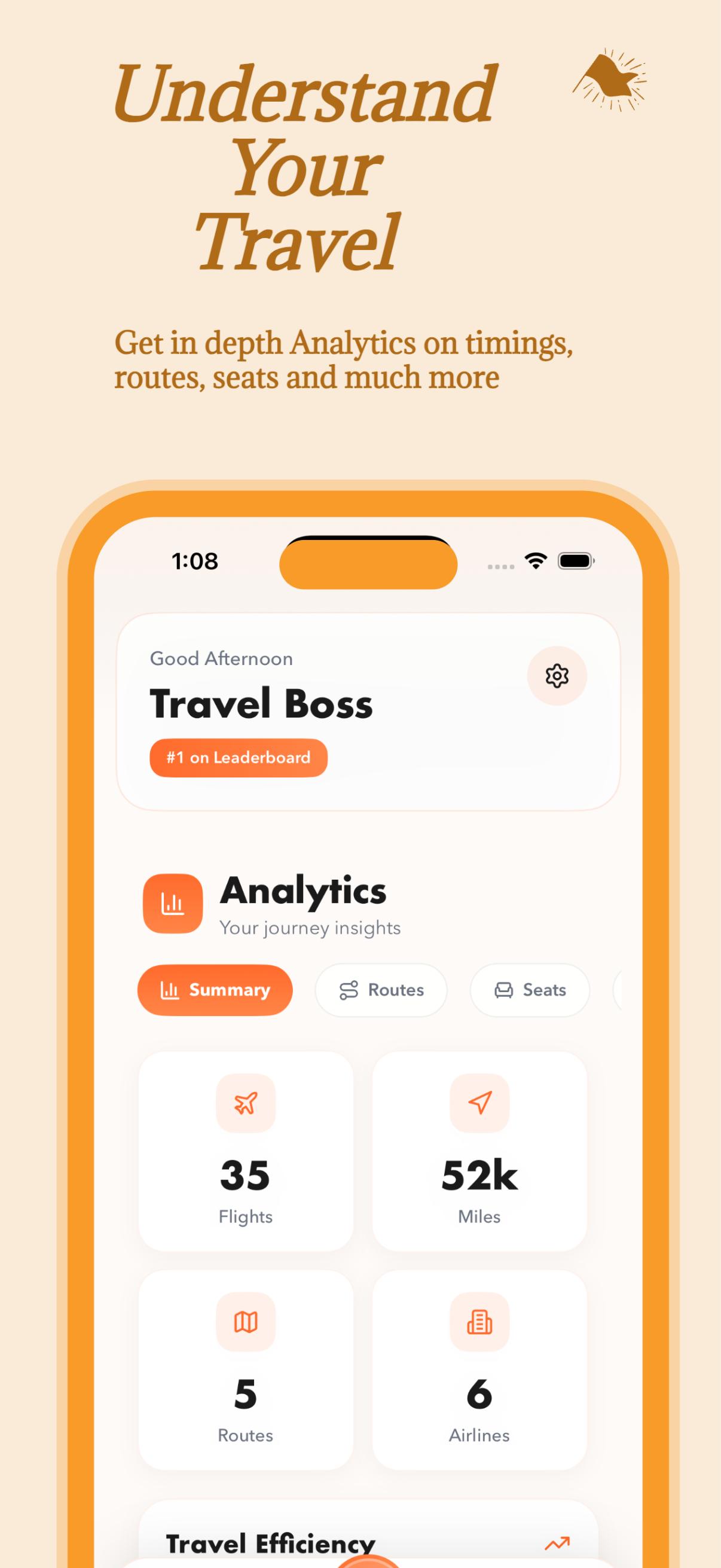
AI trip planning, group budgets, and a boarding pass wallet — everything this guide covers, in your pocket.
AI Trip Planning
Generate personalized itineraries with real-time pricing, route optimization, and local recommendations.
Group Planning & Budgeting
Invite travel companions, split costs, vote on activities, and keep everyone aligned.
Boarding Wallet & History
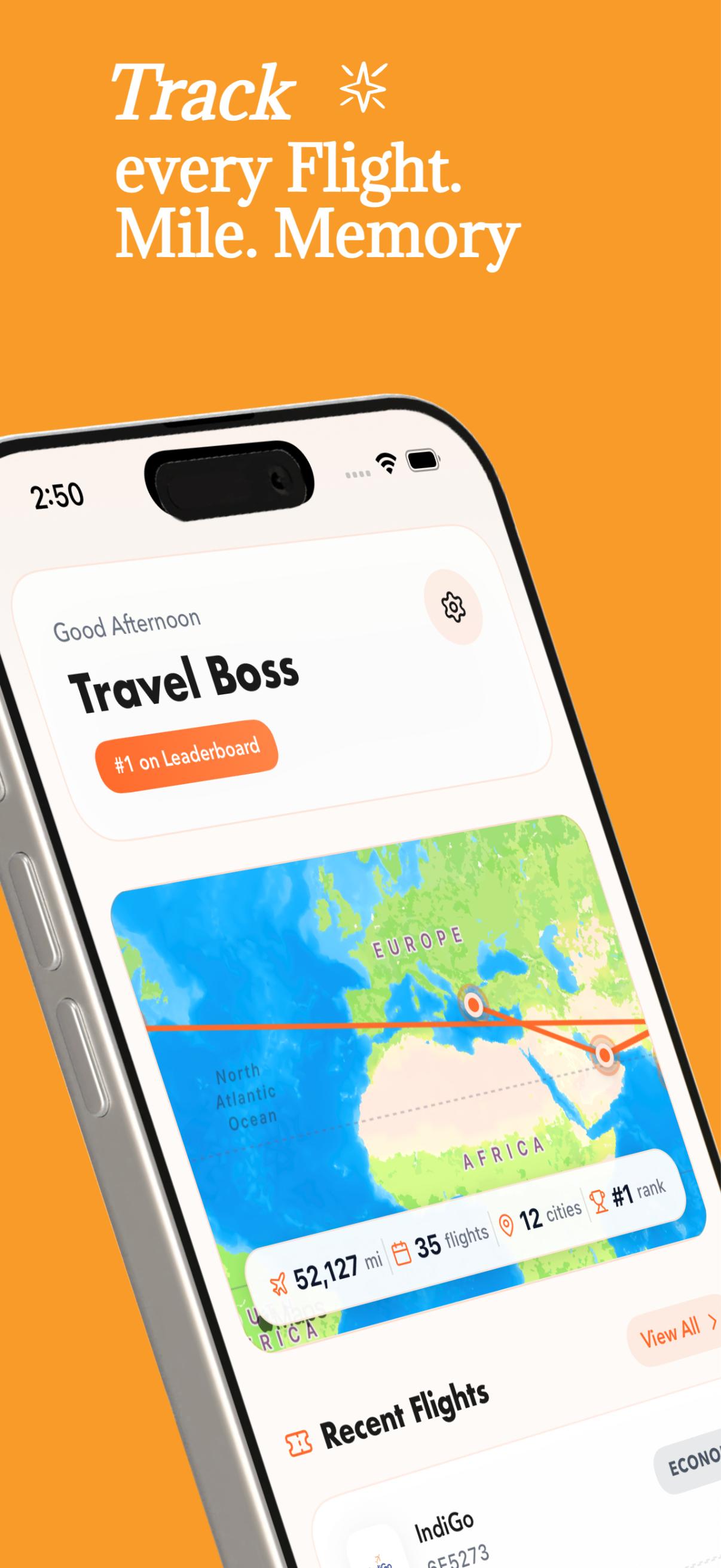
Store every boarding pass, track your travel history, and visualize your journey on a map.
Leaderboard & Achievements
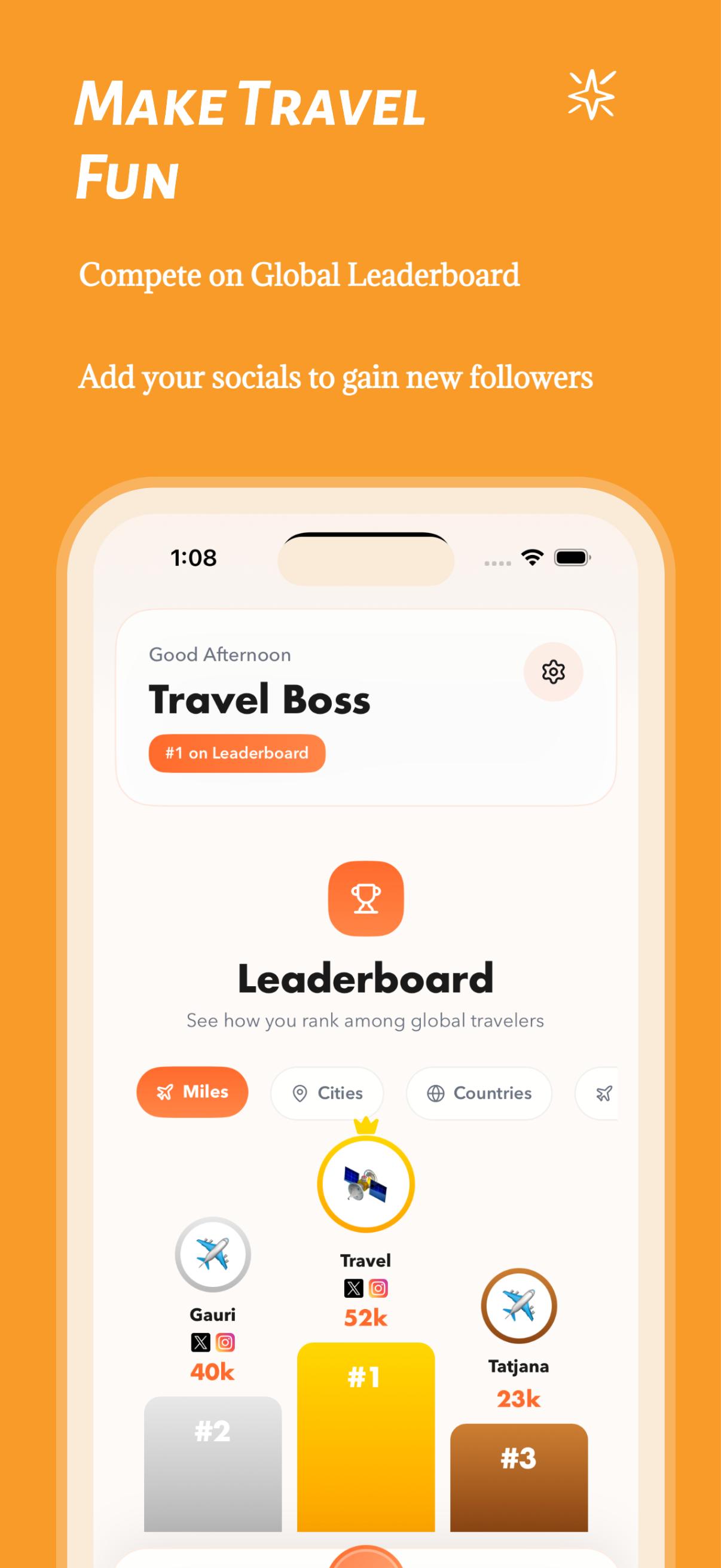
Earn badges for every destination, climb the global rankings, and compete with fellow travelers.
Travel Concierge
Get personalized booking assistance, curated recommendations, and priority support — all in-app.


Route directions & coordinate spots
The actual itinerary roadmap — coordinates, transit directions, and details for every stop.
Tawaraya Ryokan, Kyoto
Widely considered the finest ryokan in Japan, Tawaraya offers 18 uniquely designed rooms with private Zen gardens. Established over 300 years ago, it remains the gold standard for traditional hospitality, or omotenashi. Expect to pay upwards of 80,000 JPY ($530 USD) per night. Guests must book months in advance, often requiring a formal concierge or high-end travel agent to secure a reservation.
Kameya Ryokan, Gero Onsen
Located in one of Japan's top three hot spring towns, this ryokan specializes in kaiseki cuisine featuring Hida beef. The waters here are famously alkaline and skin-softening. Prices range from 35,000 JPY ($230 USD). It is perfect for those seeking a less crowded, more authentic mountain experience compared to the major urban centers like Kyoto or Tokyo.
Yamadaya, Miyajima
This historic ryokan offers breathtaking views of the Itsukushima Shrine torii gate. Known for its fresh oyster-based kaiseki meals, it provides a serene escape once the last ferry departs for the mainland. Rates begin at 45,000 JPY ($300 USD). It is an essential stop for anyone visiting Hiroshima Prefecture looking for an overnight island experience.
Asaba, Shuzenji Onsen
Asaba is famous for its Noh theater stage set over a pond within the ryokan grounds. The architecture dates back over 500 years, providing a truly immersive historical experience. Expect high-end pricing starting around 90,000 JPY ($600 USD). It is located in Izu Peninsula, easily accessible from Tokyo via the Odoriko limited express train.
Fukuzumiro, Hakone
A registered tangible cultural property, Fukuzumiro offers traditional wooden architecture and riverside views. This property is ideal for travelers wanting an authentic experience without the flashiness of large modern resorts. Rates are competitive, starting at 28,000 JPY ($185 USD). The communal baths are spacious and offer a nostalgic atmosphere reflecting Japan’s Meiji era charm.
Zao Kokusai Hotel, Yamagata
Famous for its milky sulfur-rich waters and proximity to the 'Snow Monsters' of Zao. This ryokan offers a rugged, high-altitude experience perfect for winter sports enthusiasts. Rates hover around 25,000 JPY ($165 USD). It is best visited between January and February to witness the full effect of the heavy snowfall and natural hot springs.
Kinosaki Nishimuraya Honkan
Located in the heart of Kinosaki Onsen, this ryokan allows guests to use the famous public bathhouses of the town for free. Experience the tradition of strolling in yukata and wooden geta sandals. Rates start at 55,000 JPY ($365 USD). This is the best destination for a multi-generational group that wants to walk around a walkable, historic hot spring village.
Beniya Mukayu, Kaga
A modern take on the traditional ryokan, featuring private open-air baths in every room. The architecture blends seamlessly with the surrounding forest of Yamashiro Onsen. Rates start at 70,000 JPY ($465 USD). It caters to travelers who value luxury and architectural design over strictly historical, minimalist aesthetics. The spa treatments here are world-class.
Curated tours & experiences
Skip-the-line activity tokens, certified day guides, and unique regional activities.
Interactive suggestions load dynamically based on seasonal availability.
Browse Viator Experiences
Looking for premium curated day-trips, private shuttle transports, or multi-day hiking expeditions? View top activities instantly.
The full guide, stop by stop
Hand-curated notes and specific travel insights, built exclusively for this trip.
Trail Notes
Tawaraya Ryokan: The Gold Standard of Japanese Hospitality
Tawaraya is arguably the most famous ryokan in Japan, with 18 distinct rooms that have hosted everyone from heads of state to artists. A stay here starts at roughly 80,000 JPY ($530 USD) per person, but the value lies in the decades of mastered service routines. Unlike modern hotels, Tawaraya does not list its rooms on standard booking sites; you must email them directly or use a high-end luxury agent. The garden views are curated to change with the seasons, making every visit distinct. Tip: Do not request a late checkout; the staff begins cleaning precisely at 10:00 AM to reset the rooms for arriving guests.
Nishimuraya Honkan: The Ultimate Village Onsen Experience
Located in Kinosaki Onsen, this historic property charges roughly 55,000 JPY ($365 USD) per night and is best known for its integration with the town. Guests are provided with traditional yukata to walk the streets and visit the town’s seven public bathhouses. This ryokan serves incredible snow crab during the winter season (November to March). Unlike isolated retreats, this spot encourages social exploration of the neighborhood. It is highly recommended to arrive by 3:00 PM to secure your preferred slot at the local public baths before the evening rush.
Secure curated tours & day tickets with Viator
Unlock flexible skip-the-line museum tickets, local food walkthroughs, and certified regional guides on Viator.
Take your itinerary everywhere
Sync boarding passes, earn travel badges, climb the global leaderboards, and track multi-currency expenses — all offline.
Crowd Avoidance
To avoid crowds, you must prioritize mid-week stays and avoid national holiday windows like Golden Week or Obon. Follow these tactics:
- Book mid-week (Tuesday/Wednesday) to reduce your nightly rate by up to 20% compared to weekends.
- Always request an in-room dining option to skip crowded hotel dining halls.
- Visit public onsen baths at 6:00 AM when most overnight guests are still sleeping.
- Avoid the main tourist hubs of Kyoto during the peak cherry blossom season (late March/early April).
- Use private transfer services like MK Taxi in Kyoto to bypass public bus queues.
- Choose 'hidden' locations like Shuzenji or Kaga over high-traffic hubs like Hakone or Beppu.
Secure curated tours & day tickets with Viator
Unlock flexible skip-the-line museum tickets, local food walkthroughs, and certified regional guides on Viator.
Top Curated Travel Experiences in Best Places to Stay in a Traditional Ryokan in Japan: 2026 Guide
Full-Day Guided Sightseeing Tour in Best Places to Stay in a Traditional Ryokan in Japan: 2026 Guide
Explore the absolute best sights of Best Places to Stay in a Traditional Ryokan in Japan: 2026 Guide with an expert certified local English-speaking guide.
Best Places to Stay in a Traditional Ryokan in Japan: 2026 Guide Hidden Gems & Historical Walking Tour
Step off the beaten path into quiet streets with your storyteller guide.
Suggested Route Order
A logical route starts in Tokyo to acclimate, moves to the mountains of Izu for relaxation, and concludes in Kyoto for the ultimate cultural finish.
- Tokyo: Start with 2 nights in a standard hotel to adjust to the timezone.
- Shuzenji (Asaba): Take the Odoriko express train (2 hours, 4,000 JPY) for a deep dive into nature and history.
- Kyoto (Tawaraya): Move to Kyoto via Shinkansen (3 hours, 14,000 JPY). This is your 'splurge' night.
- Kinosaki Onsen (Nishimuraya): Take the Limited Express Kinosaki from Kyoto Station (2.5 hours, 4,500 JPY) for the definitive village onsen experience.
This order minimizes backtracking and optimizes for the JR Pass or regional rail tickets. Always check the weather forecast 48 hours before departing for remote mountain regions to avoid transport delays.
Find cheap flights & multi-city stays
Secure flexible flight pathways, regional connections, and custom travel bundles on Trip.com.
Top Curated Travel Experiences in Best Places to Stay in a Traditional Ryokan in Japan: 2026 Guide
Full-Day Guided Sightseeing Tour in Best Places to Stay in a Traditional Ryokan in Japan: 2026 Guide
Explore the absolute best sights of Best Places to Stay in a Traditional Ryokan in Japan: 2026 Guide with an expert certified local English-speaking guide.
Best Places to Stay in a Traditional Ryokan in Japan: 2026 Guide Hidden Gems & Historical Walking Tour
Step off the beaten path into quiet streets with your storyteller guide.
Getting Between Spots
Japan’s rail network is the most efficient way to travel, supplemented by regional buses. Use Google Maps for real-time train updates and the Japan Transit Planner (Jorudan) for accurate pricing.
| Route | Transport | Time | Est. Cost (JPY) |
|---|---|---|---|
| Tokyo to Shuzenji | Limited Express | 2h 15m | 4,200 |
| Shuzenji to Kyoto | Shinkansen | 3h 30m | 15,500 |
| Kyoto to Kinosaki | Limited Express | 2h 30m | 4,600 |
For groups, use the 'Takkyubin' luggage forwarding service to send suitcases between ryokans for approximately 2,500 JPY ($17 USD) per bag. This saves you from dragging heavy luggage onto crowded trains, which is the biggest mistake first-time travelers make. Do not attempt to use Uber in rural areas; while it is available in major cities, local taxi companies are the only reliable option in smaller onsen towns.
Find cheap flights & multi-city stays
Secure flexible flight pathways, regional connections, and custom travel bundles on Trip.com.
Transport Cost Table
| Route | Method | Time | Cost (JPY) | Cost (USD) |
|---|---|---|---|---|
| Tokyo - Hakone | Odakyu Romancecar | 85 min | 2,400 | 16 |
| Kyoto - Kinosaki | JR Limited Express | 150 min | 4,600 | 30 |
| Osaka - Kaga | JR Thunderbird | 130 min | 7,200 | 48 |
| Tokyo - Izu | Odoriko Express | 135 min | 4,000 | 26 |
| Kyoto - Nara | JR Local | 45 min | 720 | 5 |
| Hakone - Mt Fuji | Fujikyu Bus | 90 min | 2,200 | 15 |
The total transport cost for a 1-week regional loop typically falls between 25,000 JPY and 40,000 JPY per person. Investing in a regional JR Pass can reduce these costs by 15-20% if you plan to visit three or more major hubs. Always book your seat reservations at the 'Midori-no-madoguchi' ticket counters at major stations upon arrival to ensure you have space for group luggage.
Find cheap flights & multi-city stays
Secure flexible flight pathways, regional connections, and custom travel bundles on Trip.com.
Where To Base
For mixed-budget groups, staying in the Gion or Higashiyama districts of Kyoto is ideal. You can book a luxury ryokan for the high-spenders while the budget-conscious group stays in nearby 'Machiya' guesthouses or business hotels, ensuring everyone is within a 10-minute walk for dinners and group activities.
| District | Vibe | Avg Price | Proximity |
|---|---|---|---|
| Gion | Traditional/Expensive | 40k-100k+ JPY | Center |
| Higashiyama | Temple/Quiet | 20k-60k JPY | Near Center |
| Kyoto Station | Modern/Convenient | 10k-30k JPY | High Access |
To coordinate, choose a central neighborhood like Gion for its cultural density. The luxury-seeking travelers can stay at Tawaraya, while mid-range travelers opt for Ryokan Motonago nearby (approx. 25,000 JPY), and budget travelers use Piece Hostel Sanjo. This allows the group to share transport costs and restaurant reservations while maintaining individual accommodation preferences. Never force everyone into the same hotel; the Japanese hospitality model is built for independent discovery within a shared district.
Book Hotels in Best Places to Stay in a Traditional Ryokan in Japan: 2026 Guide with Agoda
Compare premium boutique hotels, resort villas, and historic stays at the guaranteed lowest rates.
Itinerary Day Plan
| Day | Morning | Afternoon | Evening | Est. Cost |
|---|---|---|---|---|
| 1 | Arrive Tokyo | Visit Asakusa | Dinner in Ginza | 15,000 JPY |
| 2 | Travel to Hakone | Open Air Museum | Ryokan Kaiseki | 35,000 JPY |
| 3 | Travel to Kyoto | Gion stroll | Temple dinner | 25,000 JPY |
| 4 | Arrive Kinosaki | Public bath crawl | Crab feast | 40,000 JPY |
This itinerary balances transit time with deep cultural experiences. Day 4 is specifically designed to maximize the Kinosaki 'Onsen Town' culture where your ryokan acts as your base of operations for the public bathhouses. Costs include local rail, modest entry fees, and high-quality meals.
Find cheap flights & multi-city stays
Secure flexible flight pathways, regional connections, and custom travel bundles on Trip.com.
Local Insider Tips
- Don't tip; it is considered rude and confusing.
- Remove your outdoor shoes at the 'genkan' entrance; it is a mandatory cultural requirement.
- If you have tattoos, ensure they are covered with a small bandage or use a private-bath suite; many traditional onsens still enforce a 'no-tattoo' policy.
- Avoid 'must-visit' tourist breakfast buffets; the traditional breakfast served in your room is the superior culinary experience.
- When in Kyoto, avoid the 'Arashiyama Bamboo Grove' at noon; go at 6:30 AM to have it to yourself.
- Many ryokans offer a 'day-use' plan (day-trip onsen access) for a fraction of the cost, usually between 2,000-5,000 JPY.
- Ask the concierge for 'local' recommended izakayas; they often have access to places not listed on English review sites.
- Contrary to popular belief, you do not need to eat all the food provided at dinner; it is perfectly fine to leave some dishes unfinished.
- The best ryokans use seasonal ingredients like bamboo shoots in spring or chestnuts in autumn—always ask for the 'special of the season'.
Get instant mobile data with Saily eSIM
Stay connected. Skip expensive roaming fees and activate instant high-speed data in seconds with Saily.
Photography And Best Light
The 'Blue Hour' just before sunrise provides the best lighting for temple-adjacent ryokan photography. Use a tripod, as many interiors are dimly lit with natural paper lanterns. For exterior garden shots, a wide-angle lens (16-35mm) is essential to capture the scale of traditional Japanese architecture. Photography tip: Always ask staff for permission before photographing staff or other guests; respecting privacy is the most important etiquette rule in a luxury ryokan.
Get instant mobile data with Saily eSIM
Stay connected. Skip expensive roaming fees and activate instant high-speed data in seconds with Saily.
Budget And Cost Context
Budgeting for ryokans requires accounting for the 'per-person' pricing model which includes dinner and breakfast. A night at a top-tier inn is an investment in an experience, not just a bed.
| Tier | Accommodation | Food | Total Per Night |
|---|---|---|---|
| Budget | 10k-15k JPY | 5k JPY | 20k JPY |
| Mid-Range | 25k-45k JPY | 10k JPY | 50k JPY |
| Luxury | 70k-150k+ JPY | 20k JPY | 150k+ JPY |
Most luxury ryokans mandate two-person occupancy for suites. For solo travelers, look for properties like 'Kinosaki Nishimuraya' which offer single-occupancy dates during the off-season. Always confirm if the price includes the Kaiseki dinner, as some 'Bed & Breakfast' ryokan tiers exclude the evening meal to lower the sticker price.
Find cheap flights & multi-city stays
Secure flexible flight pathways, regional connections, and custom travel bundles on Trip.com.
Top Restaurants By Budget
| Name | Location | Type | Tier | Dish |
|---|---|---|---|---|
| Kikunoi | Kyoto | Kaiseki | $$$ | Seasonal Sashimi |
| Izuju | Kyoto | Sushi | $$ | Kyoto-style Mackerel |
| Omen | Kyoto | Udon | $ | Vegetable Udon |
| Hida Kotte-Ushi | Takayama | Beef | $ | Beef Sushi |
Kyoto’s food scene is dominated by kaiseki, a multi-course meal that focuses on seasonality. Avoid eating at major train stations, as the quality is significantly lower than neighborhood-specific shops. Instead, look for 'Tabelog' ratings of 3.5 or higher, which in Japan usually indicates a high-quality establishment.
Secure curated tours & day tickets with Viator
Unlock flexible skip-the-line museum tickets, local food walkthroughs, and certified regional guides on Viator.
Food And Drink Highlights
The highlight of any ryokan stay is the kaiseki dinner. This involves 8-12 small dishes showcasing local ingredients. Pair this with regional sake (Nihonshu). For a broader look at Japanese food culture, consult Japan Food Guide or the Eater Japan archives.
Secure curated tours & day tickets with Viator
Unlock flexible skip-the-line museum tickets, local food walkthroughs, and certified regional guides on Viator.
Safety Considerations
- Emergency: Call 110 for police, 119 for fire/ambulance.
- Ryokan Safety: Familiarize yourself with the evacuation route for earthquakes, which are common.
- Scams: Avoid 'tout' guides in nightlife districts; stick to hotel-recommended establishments.
- Insurance: Ensure your policy covers mountain-based injuries if visiting resort areas.
- Language: Download the Google Translate offline Japanese pack.
Get instant mobile data with Saily eSIM
Stay connected. Skip expensive roaming fees and activate instant high-speed data in seconds with Saily.
Seasonal Variations
| Month | Conditions | Crowd | Notes |
|---|---|---|---|
| Jan | Cold/Snow | Low | Best for Snow Monkeys/Skiing |
| Apr | Mild/Cherry Blossoms | Extreme | Book 8 months early |
| Aug | Hot/Humid | High | Matsuri festivals |
| Nov | Cool/Autumn Colors | High | Peak leaf-peeping |
November is the most popular time for ryokan stays due to the changing foliage, but prices skyrocket. Visit in February for the best value and the most authentic, quiet atmosphere.
Book top guided activities and tickets in Best Places to Stay in a Traditional Ryokan in Japan: 2026 Guide
Skip the long queues, discover hidden gems, and book 100% free-cancellation activities on Viator with live local support.
Equipment And Gear Advice
- Slip-on shoes: Essential for the frequent on/off process.
- High-quality socks: Your feet are exposed in ryokans.
- Universal adapter: Japan uses Type A/B.
- Portable charger: For train navigation.
- Lightweight daypack: For town exploration.
- Tattoo covers: Essential for onsen access.
- Do not bring: Large, heavy suitcases; use luggage forwarding.
Get instant mobile data with Saily eSIM
Stay connected. Skip expensive roaming fees and activate instant high-speed data in seconds with Saily.
Local Festivals And Events
| Event | Month | Location | Why Go |
|---|---|---|---|
| Gion Matsuri | July | Kyoto | Biggest festival |
| Setsubun | Feb | Nationwide | Bean throwing rituals |
| Kanda Matsuri | May | Tokyo | Historic parade |
Always book ryokans at least 4 months in advance if your visit aligns with a major festival, as local availability will vanish.
Book top guided activities and tickets in Best Places to Stay in a Traditional Ryokan in Japan: 2026 Guide
Skip the long queues, discover hidden gems, and book 100% free-cancellation activities on Viator with live local support.
Sustainable Travel Tips
- Use public transit rather than private taxis.
- Buy local crafts instead of mass-produced souvenirs.
- Respect the 'no photo' zones in Kyoto.
- Limit water usage in onsens.
- Stay at ryokans that support local agriculture.
Get instant mobile data with Saily eSIM
Stay connected. Skip expensive roaming fees and activate instant high-speed data in seconds with Saily.
Neighborhood Guide
Gion, Kyoto
The cultural heart of Kyoto, famous for its preserved wooden machiya houses. Perfect for those who want to be in the center of history. Access via Kyoto Station bus 206.
Hakone-Yumoto
The gateway to the Hakone hot spring region. Best for Tokyo-based short trips. Accessible via the Odakyu Romancecar from Shinjuku.
Book Hotels in Best Places to Stay in a Traditional Ryokan in Japan: 2026 Guide with Agoda
Compare premium boutique hotels, resort villas, and historic stays at the guaranteed lowest rates.
Alternative Options
Who Should Skip This
Travelers with limited mobility should skip traditional ryokans, as many feature steep stairs, low floor-seating, and floor-level futons that are difficult to access.
If you prefer modern comforts like elevated beds and Western-style bathrooms, look for 'Modern Ryokans' or 'Onsen Hotels' which offer the same baths but with Western-style bedding.
Book top guided activities and tickets in Best Places to Stay in a Traditional Ryokan in Japan: 2026 Guide
Skip the long queues, discover hidden gems, and book 100% free-cancellation activities on Viator with live local support.
Frequently Asked Questions
- Is staying in a traditional ryokan worth the high cost in 2026?
- Yes, it is the only way to experience authentic Japanese hospitality and seasonal kaiseki dining. It replaces the need for a hotel and a separate dinner reservation.
- What is the best month to visit a ryokan?
- November offers the best scenery with autumn colors, while February is best for budget and crowd-free relaxation. Avoid major holidays to ensure the best experience.
- Are ryokans safe for solo travelers?
- Ryokans are extremely safe and many cater to solo travelers, though you should check the property's solo-occupancy policy in advance. Booking mid-week significantly increases your chances of finding solo availability.
- Do I need to speak Japanese to stay in a ryokan?
- No, most high-end ryokans have staff who speak English, but having a translation app is useful for understanding the dinner menu. Traditional properties value patience and polite non-verbal communication.
Book top guided activities and tickets in Best Places to Stay in a Traditional Ryokan in Japan: 2026 Guide
Skip the long queues, discover hidden gems, and book 100% free-cancellation activities on Viator with live local support.
Final CTA
Book top guided activities and tickets in Best Places to Stay in a Traditional Ryokan in Japan: 2026 Guide
Skip the long queues, discover hidden gems, and book 100% free-cancellation activities on Viator with live local support.
Ready to track your travels?
Join thousands of travelers using Borderly to plan trips, track expenses, store boarding passes, and compete on the global leaderboard.