Best Places to Volunteer on a Conservation Project (2026 Guide)
Discover the most ethical and impactful places to volunteer on a conservation project in 2026, from turtle research in Costa Rica to rhino tracking in Namibia.
Travel concierge
Join travelers planning with Borderly's AI


14-day itinerary ready to plan
Search Live Flights to Best Places to Volunteer on a Conservation Project (2026 Guide)
Real-time airline seat selection, transparent baggage inclusions, and direct booking across 400+ carriers.
Book with Borderly • Powered by Duffel
Fly to Best Places to Volunteer on a Conservation Project (2026 Guide), booked directly.
Real-time seat availability, live baggage options, and transparent fares across 400+ airlines.
Just ask the AI trip planner
Tell it your dates, budget, or vibe — it will pull straight from this guide and build a route around it.
Ask about your Best Places to Volunteer on a Conservation Project (2026 Guide) trip
Real answers on routes, timing, and local tips — grounded in this guide.
Get Borderly on iOS
Download the app to generate custom AI trip plans, organize group budgets, and store your boarding wallet — all offline.

Join 2,000+ travelers using Borderly
One app for the whole trip
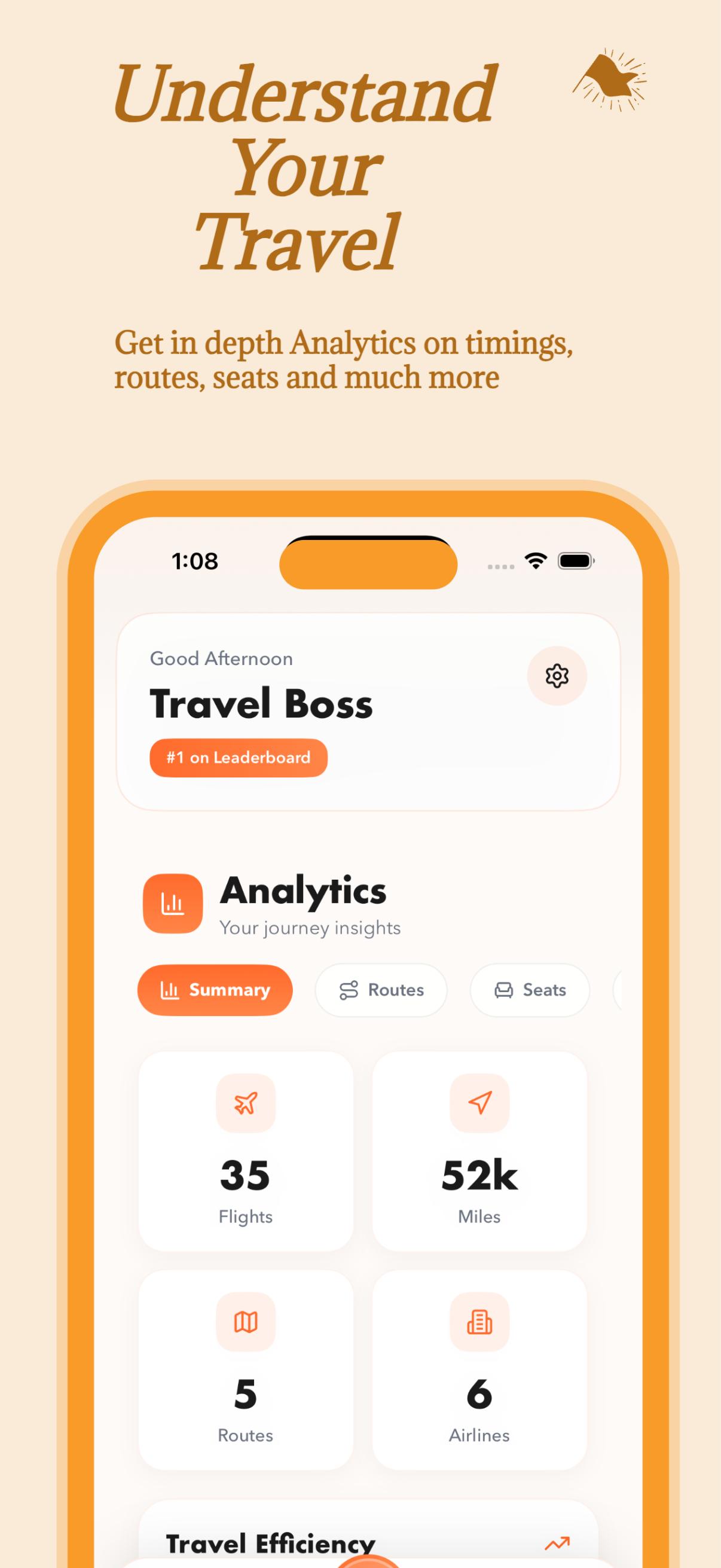
AI trip planning, group budgets, and a boarding pass wallet — everything this guide covers, in your pocket.
AI Trip Planning
Generate personalized itineraries with real-time pricing, route optimization, and local recommendations.
Group Planning & Budgeting
Invite travel companions, split costs, vote on activities, and keep everyone aligned.
Boarding Wallet & History
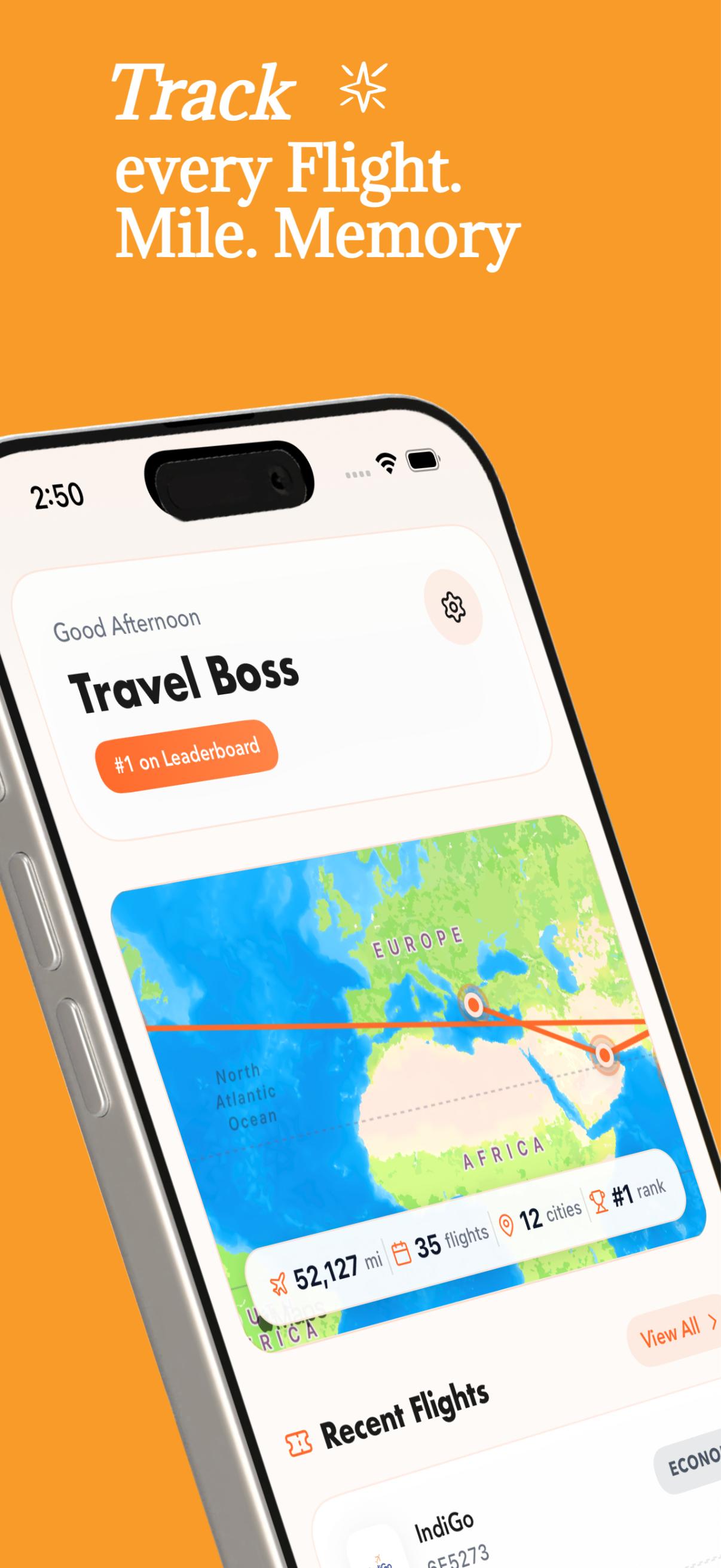
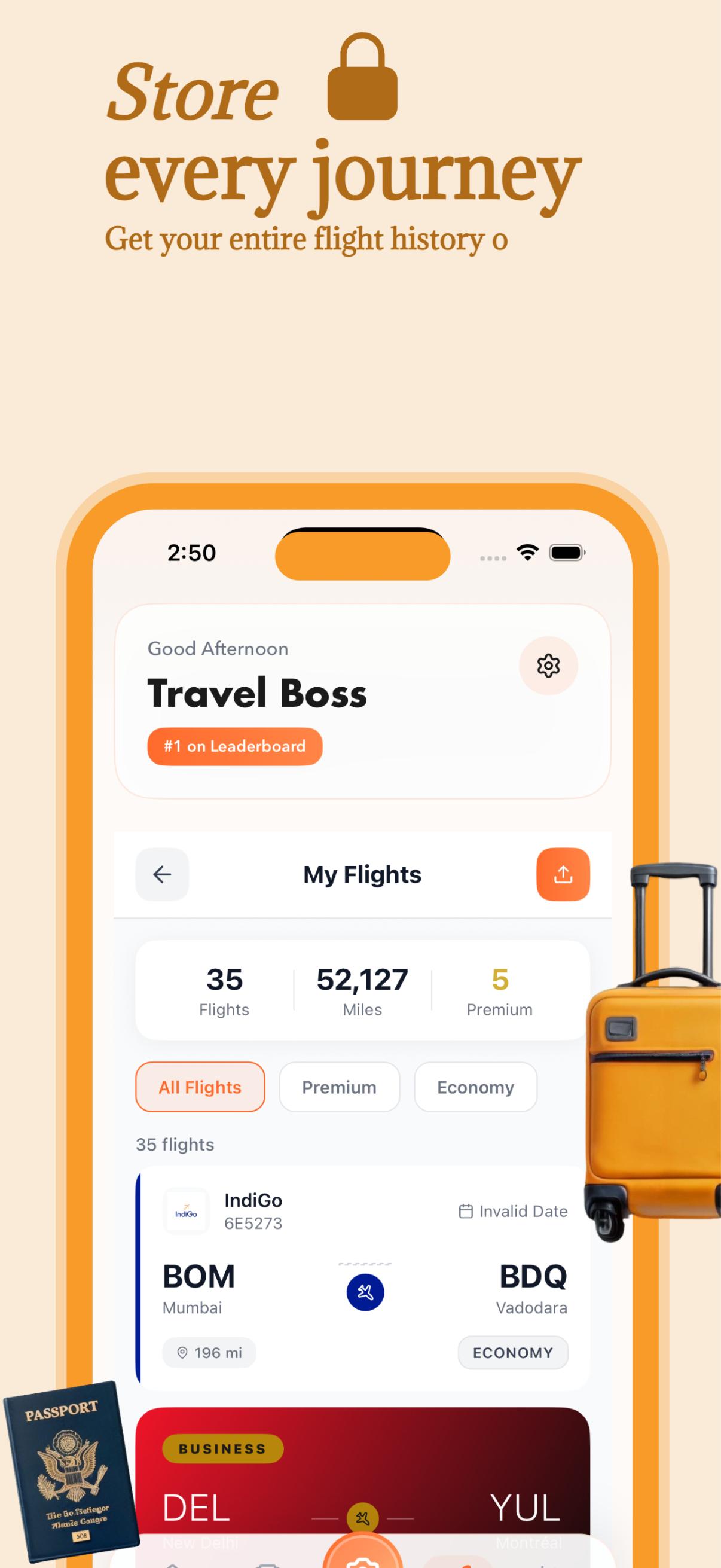
Store every boarding pass, track your travel history, and visualize your journey on a map.
Leaderboard & Achievements
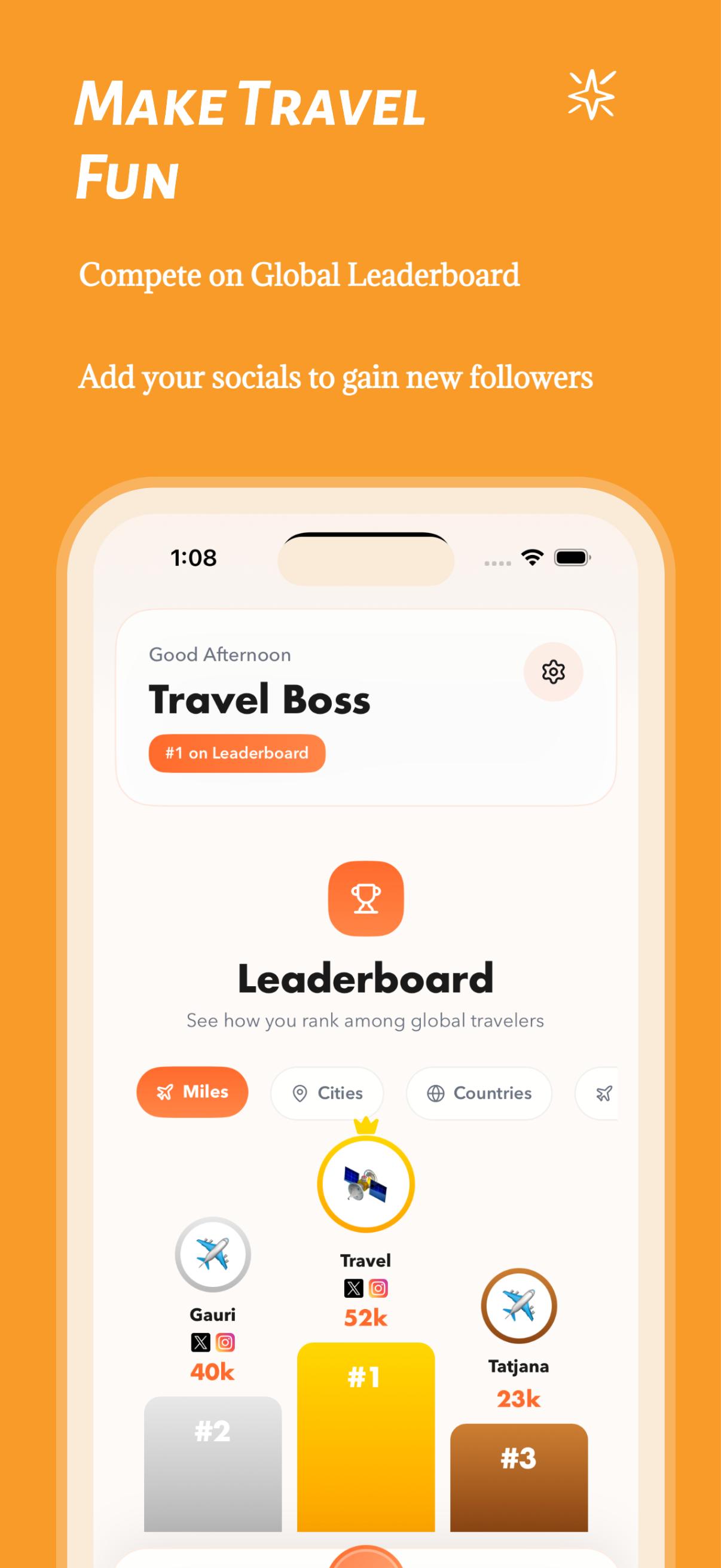
Earn badges for every destination, climb the global rankings, and compete with fellow travelers.
Travel Concierge
Get personalized booking assistance, curated recommendations, and priority support — all in-app.

Route directions & coordinate spots
The actual itinerary roadmap — coordinates, transit directions, and details for every stop.
Pacuare Reserve, Costa Rica
Located on the Caribbean coast, this 800-hectare reserve is globally significant for leatherback turtle nesting. Volunteers spend 6-hour night shifts patrolling beaches to protect eggs from poachers. It is a rugged, off-grid experience accessible only by boat through canals. The work is physically demanding but offers unparalleled proximity to critically endangered species in their natural, undisturbed habitat.
Borneo Orangutan Survival Foundation, Indonesia
This center focuses on the rehabilitation of orphaned orangutans. Volunteers engage in enrichment activities and forest school monitoring. It is located near Samboja Lestari, requiring a 45-minute drive from Balikpapan. The project is critical for primates displaced by palm oil deforestation. It offers a rare chance to observe the complex socialization processes of orangutans undergoing intensive care before their eventual release.
Namib Desert Rhino Conservation, Namibia
Operating in the Damaraland region, this project tracks desert-adapted black rhinos across vast, arid landscapes. Volunteers assist biologists with data collection and camera trap maintenance. The project requires a 4x4 vehicle for access and offers a deeply immersive experience in one of the world's most remote wildernesses. It is essential for monitoring poaching threats in unprotected communal lands.
Galápagos Tortoise Center, Ecuador
Based on Santa Cruz Island, this center manages the captive breeding of endemic giant tortoise species. Volunteers assist with habitat maintenance and vegetation clearing. Access is via the Baltra airport, followed by a 45-minute bus ride. The program provides scientific insight into island evolution and the long-term struggle to protect endemic reptiles from invasive species brought by human maritime trade.
Great Barrier Reef Coral Restoration, Australia
Based in Cairns, this project involves fragmenting healthy coral and transplanting it onto degraded sections of the reef. Volunteers must be PADI-certified divers. The work is highly technical, involving precise underwater gluing and reef monitoring. It is a frontline effort against climate-induced bleaching events, offering divers a chance to contribute directly to the long-term survival of the world's largest coral ecosystem.
Manu Biosphere Reserve, Peru
Spanning 1.7 million hectares, this reserve is a biodiversity hotspot for amphibians and mammals. Volunteer projects often focus on biological censuses and medicinal plant research. Access requires an 8-hour drive from Cusco followed by river transport. This project is ideal for those seeking deep Amazonian engagement. It provides a rare look at the intersection between indigenous land rights and modern conservation biology.
African Impact, Zululand, South Africa
Located within private game reserves, this program focuses on 'Big Five' monitoring and habitat management. Volunteers assist in snare removal and fence checks. It is highly structured, catering to those who want a blend of wildlife interaction and academic wildlife management. The project is situated near Richards Bay, making it logistically convenient for international arrivals compared to more remote African bush sites.
Sea Turtle Conservancy, Tortuguero, Costa Rica
This is the world's oldest sea turtle research program. Volunteers participate in tagging and nest excavation under strict scientific protocols. The site is a village only accessible by plane or boat, creating a tight-knit community of researchers. It is the gold standard for data-driven conservation, perfect for those who prefer rigorous scientific fieldwork over purely social volunteer experiences.
Curated tours & experiences
Skip-the-line activity tokens, certified day guides, and unique regional activities.
Interactive suggestions load dynamically based on seasonal availability.
Browse Viator Experiences
Looking for premium curated day-trips, private shuttle transports, or multi-day hiking expeditions? View top activities instantly.
The full guide, stop by stop
Hand-curated notes and specific travel insights, built exclusively for this trip.
Trail Notes
Pacuare Reserve, Costa Rica: The Highest Impact for Turtle Data
Volunteers here contribute to a 30-year dataset, arguably the most important in the Caribbean for leatherback research. The cost is approximately $1,200 USD for a 2-week stint, which includes basic dormitory lodging and simple meals. Unlike commercial hatcheries, this project is purely scientific; you will spend every night patrolling 6 kilometers of beach. The contrarian truth here is that you will see fewer turtles than you expect, as environmental shifts have made nesting rarer, but your 'zero' count data points are more valuable than a 'five' count night to the biologists. Pack a red-light headlamp, as white light is strictly forbidden to avoid scaring nesting females.
Namib Desert Rhino Conservation: The Extreme Logistics Model
Operating in a landscape where rhinos move across thousands of square kilometers, this project requires a significant commitment of at least 3 weeks. Costs hover around $2,500 USD per month due to the high expense of maintaining 4x4 vehicles in the desert. The work is physically taxing; you will track footprints for up to 10 kilometers daily. The insight here: don't look for the rhinos in the tourist-heavy Etosha park; the real work happens in the ungazetted communal lands where poachers remain the biggest threat. Success here is measured in 'data days' collected under extreme sun conditions.
Secure curated tours & day tickets with Viator
Unlock flexible skip-the-line museum tickets, local food walkthroughs, and certified regional guides on Viator.
Take your itinerary everywhere
Sync boarding passes, earn travel badges, climb the global leaderboards, and track multi-currency expenses — all offline.
Crowd Avoidance
- Shift Rotation: Request the 2:00 AM to 6:00 AM patrol shift; it is statistically the most productive for spotting nesting mothers and avoids the 'sunset tour' crowds.
- Off-Season Advantage: Schedule your trip for the 'shoulder months' (e.g., April or November) to avoid the peak tourist-volunteer crossover period.
- Remote Access: Choose field stations accessible only by boat or 4x4, as these act as a natural filter against casual day-trippers.
- Booking Strategy: Book through local grassroots organizations directly rather than third-party placement agencies to avoid sites that cater to 'voluntourism' groups.
- Behavioral Norms: Maintain a 20-meter buffer from all wildlife, even if others are encroaching, to set a standard for ethical observation.
- Technology Use: Keep photography strictly to research-oriented documentation; avoiding social media influencers keeps the site off the 'viral' tourist map.
Secure curated tours & day tickets with Viator
Unlock flexible skip-the-line museum tickets, local food walkthroughs, and certified regional guides on Viator.
Top Curated Travel Experiences in Best Places to Volunteer on a Conservation Project (2026 Guide)
Full-Day Guided Sightseeing Tour in Best Places to Volunteer on a Conservation Project (2026 Guide)
Explore the absolute best sights of Best Places to Volunteer on a Conservation Project (2026 Guide) with an expert certified local English-speaking guide.
Best Places to Volunteer on a Conservation Project (2026 Guide) Hidden Gems & Historical Walking Tour
Step off the beaten path into quiet streets with your storyteller guide.

Suggested Route Order
Start your journey at a coastal facility (e.g., Costa Rica) to acclimatize to high-humidity, high-intensity fieldwork. This builds the foundational 'observation' skills necessary for larger inland projects. Coastal sites usually offer easier transport connections, making the initial arrival less daunting.
Next, transition to a land-based sanctuary (e.g., Namibia or Indonesia) to focus on tracking and behavioral analysis. This shift in ecosystem types—from beach/sand to forest/desert—prevents burnout. Finally, conclude your trip in a managed park environment (e.g., South Africa) where the infrastructure is more developed. This sequence ensures you move from 'hard labor/raw nature' to 'managed research/organized facilities,' ensuring your energy levels remain high throughout the trip.
Find cheap flights & multi-city stays
Secure flexible flight pathways, regional connections, and custom travel bundles on Trip.com.
Top Curated Travel Experiences in Best Places to Volunteer on a Conservation Project (2026 Guide)
Full-Day Guided Sightseeing Tour in Best Places to Volunteer on a Conservation Project (2026 Guide)
Explore the absolute best sights of Best Places to Volunteer on a Conservation Project (2026 Guide) with an expert certified local English-speaking guide.
Best Places to Volunteer on a Conservation Project (2026 Guide) Hidden Gems & Historical Walking Tour
Step off the beaten path into quiet streets with your storyteller guide.
Getting Between Spots
Movement between international conservation projects requires significant planning. Use regional transit hubs rather than trying to hop directly between remote field stations. For instance, if moving between South American projects, route through Lima or San Jose as your primary consolidation points. Always use trusted local ride-share apps where available, such as Cabify in Latin America or Grab in Southeast Asia, to ensure safety and fair pricing.
| Route | Typical Time | Est. Cost (USD) |
|---|---|---|
| San Jose to Pacuare | 4 hours | $60 |
| Balikpapan to Samboja | 1 hour | $25 |
| Windhoek to Damaraland | 7 hours | $150 |
Local transport hacks: In remote regions, always coordinate with the project coordinator 72 hours in advance. They often share private 4x4 transfers with incoming staff, which is significantly cheaper than hiring a private car. Never attempt to use public buses for remote jungle or desert access; they are unreliable and often don't reach the specific camp coordinates.
Find cheap flights & multi-city stays
Secure flexible flight pathways, regional connections, and custom travel bundles on Trip.com.

Transport Cost Table
| Route | Method | Time | Local Currency | USD |
|---|---|---|---|---|
| San Jose-Limón | Shuttle | 3.5h | 25,000 CRC | $50 |
| Balikpapan-Camp | 4x4 Taxi | 1.5h | 400,000 IDR | $25 |
| Windhoek-Reserve | Private 4x4 | 8h | 2,500 NAD | $140 |
| Cusco-Manu | Van/Boat | 10h | 400 PEN | $105 |
| Cairns-Reef | Research Boat | 2h | 150 AUD | $100 |
| Richards Bay-Park | Shared Shuttle | 2h | 800 ZAR | $45 |
Always budget 20% over your estimate for fuel surcharges in remote areas. Private charters are the most expensive but often the only way to reach coastal sites without losing two full days to travel. If traveling as a group of four, always split the cost of a private 4x4; it is usually cheaper than individual seats on scheduled tourist shuttles.
Find cheap flights & multi-city stays
Secure flexible flight pathways, regional connections, and custom travel bundles on Trip.com.
Where To Base
When planning for a mixed-budget group, the best strategy is to base yourselves in the 'gateway city' near the project. For the Bornean projects, stay in Balikpapan. Budget travelers can book hostels like Knock-Knock Hostel ($15/night), while those wanting more comfort can choose Astara Hotel ($80/night). Both groups can meet for daily briefings at the same local cafes.
In South Africa’s Zululand, base in St. Lucia. It offers everything from backpacker dorms to luxury wildlife lodges. By staying in the same zone, groups can share the cost of a daily shuttle to the project entrance. This separation of sleeping quarters allows members to manage their own comfort levels without compromising the shared group mission. Always verify that your hotel provides secure long-term storage for gear if you are heading into a multi-day bush camp.
| Location | Vibe | Budget | Proximity to Projects |
|---|---|---|---|
| Balikpapan | Industrial/Urban | Low | High |
| St. Lucia | Nature/Wildlife | Mid | Medium |
| Santa Cruz | Tourist/Active | High | Medium |
Book Hotels in Best Places to Volunteer on a Conservation Project (2026 Guide) with Agoda
Compare premium boutique hotels, resort villas, and historic stays at the guaranteed lowest rates.

Itinerary Day Plan
| Day | Morning | Afternoon | Evening | Cost |
|---|---|---|---|---|
| 1 | Project Induction | Data Entry Training | Beach Patrol | $40 |
| 2 | Nest Excavation | Beach Cleanup | Night Observation | $45 |
| 3 | Community Meeting | Equipment Repair | Local Dinner | $35 |
The above plan reflects a typical 3-day cycle in a sea turtle project. Costs include local meals, basic incidentals, and shared transport. Always leave Day 4 as a buffer for weather-related delays, which are common in coastal and jungle conservation areas.
Find cheap flights & multi-city stays
Secure flexible flight pathways, regional connections, and custom travel bundles on Trip.com.
Local Insider Tips
- Skip the 'Release' Tours: Do not pay for 'turtle release' programs, as they often stress hatchlings; instead, support the research teams that monitor the nests silently.
- Local Markets: In rural Indonesia or Peru, always buy your fruit and supplies at the local morning market, not the supermarket, to support the local economy.
- The Gear Hack: Bring professional-grade headlamps from home; local replacements are rarely reliable for 6-hour night shifts.
- Contrarian Tip: Don't try to learn the local language perfectly; focus on learning specific technical terms for the local fauna and habitat—it earns you far more respect from the resident scientists.
- Respect the Elders: If working on community-managed lands, always ask the local village head for permission before setting up any equipment.
- Water Safety: Always carry your own collapsible water filtration system; single-use plastic is the number one enemy of the ecosystems you are trying to save.
- Networking: Spend your downtime with the local staff, not the other volunteers; that is where you will learn the actual history of the conservation challenges.
- Dress Code: Ignore 'safari chic'; wear dull-colored, quick-dry clothes that you don't mind ruining with mud or salt.
Get instant mobile data with Saily eSIM
Stay connected. Skip expensive roaming fees and activate instant high-speed data in seconds with Saily.

Photography And Best Light
Conservation photography requires a documentary approach. The best light is at the extreme ends of the day, 5:30 AM to 7:30 AM, or during the 'blue hour' after sunset. For night patrol shots, use a camera with high ISO performance (e.g., 3200+) and use a red-light filter to avoid disturbing wildlife. Avoid using a flash unless specifically permitted by the project lead. Check Nature Photographers Network for ethical guidelines on wildlife shooting. Use a 50mm or 85mm prime lens for portraits of local researchers, and a weather-sealed body to handle the inevitable sand and humidity.
Get instant mobile data with Saily eSIM
Stay connected. Skip expensive roaming fees and activate instant high-speed data in seconds with Saily.
Budget And Cost Context
Budgeting for a conservation trip in 2026 requires accounting for the 'volunteer fee' which covers your logistics, and personal travel costs. A typical breakdown shows that mid-range projects provide the best balance of safety and authenticity.
| Tier | Accommodation | Food | Total Daily Est. |
|---|---|---|---|
| Budget | $15 | $10 | $35 |
| Mid-Range | $50 | $25 | $95 |
| Luxury | $150+ | $50 | $250+ |
Note: The 'volunteer fee' is usually a one-time cost (e.g., $500–$2,000 for a 2-week stint) paid separately from these daily living expenses. Always ask for a line-item breakdown of your fee to ensure at least 60% of it is going toward project operations rather than agency admin.
Find cheap flights & multi-city stays
Secure flexible flight pathways, regional connections, and custom travel bundles on Trip.com.
Top Restaurants By Budget
| Name | Location | Type | Tier | Must-Order |
|---|---|---|---|---|
| Warung Tahu | Balikpapan | Indonesian | $ | Gado-Gado |
| El Sabor | Santa Cruz | Ecuadorian | $$ | Ceviche |
| Bush Pub | St. Lucia | Grill | $$ | Braai Plate |
The best food is found at the edges of the parks. Look for 'Comedor' style restaurants where locals eat; they are clean, high-turnover, and significantly cheaper. Street food is usually safe if you observe high heat-cooking standards. Avoid any raw salads in jungle regions to prevent water-borne illnesses.
Secure curated tours & day tickets with Viator
Unlock flexible skip-the-line museum tickets, local food walkthroughs, and certified regional guides on Viator.
Food And Drink Highlights
In coastal conservation areas, focus on sustainable local seafood. If in the Amazon, embrace plant-based traditional staples like cassava, plantain, and river fish, which have a lower carbon footprint than meat. In Indonesia, try local tempeh; it is a protein powerhouse that is inexpensive and locally sourced. Check Slow Food International for guides on local, sustainable eating in your specific project region.
Secure curated tours & day tickets with Viator
Unlock flexible skip-the-line museum tickets, local food walkthroughs, and certified regional guides on Viator.
Safety Considerations
- Health: Ensure all routine vaccinations are current; specific yellow fever or malaria prophylaxis may be mandatory for your chosen region.
- Insurance: Purchase travel insurance that specifically covers 'volunteer work' and 'medical evacuation,' as standard policies often exclude manual labor.
- Scams: Never pay a volunteer fee via wire transfer to a personal account; verify the bank details directly with the project website's official contact.
- Emergency: Save the local equivalent of 911 in your phone, but also keep the project manager's private mobile number on a physical index card.
- Advisories: Always cross-reference your destination with the US State Department Travel Advisories before committing your final payment.
Get instant mobile data with Saily eSIM
Stay connected. Skip expensive roaming fees and activate instant high-speed data in seconds with Saily.
Seasonal Variations
| Month | Conditions | Crowd Level | Best For |
|---|---|---|---|
| Jan | Wet | Low | Forest Research |
| Feb | Hot | Low | Birding |
| Mar | Dry | Medium | Rhino Tracking |
| Apr | Mild | Low | General Research |
| May | Mild | Low | Planning |
| Jun | Dry | High | Reef Diving |
| Jul | Dry | High | Turtle Nesting |
| Aug | Dry | High | Turtle Nesting |
| Sep | Cool | Medium | Data Review |
| Oct | Rainy | Low | Logistics |
| Nov | Wet | Low | Training |
| Dec | Wet | Medium | Field Prep |
Climate is the single biggest factor in the success of your volunteer mission. Dry seasons are typically better for wildlife tracking, while wet seasons can make rural transport entirely impossible due to mud-blocked roads. Always build in a 48-hour 'weather contingency' block at the start of your trip.
Book top guided activities and tickets in Best Places to Volunteer on a Conservation Project (2026 Guide)
Skip the long queues, discover hidden gems, and book 100% free-cancellation activities on Viator with live local support.
Equipment And Gear Advice
- Headlamp: Dual-mode white/red light (Black Diamond or Petzl).
- Boots: Waterproof, broken-in hiking boots (Merrell or Salomon).
- Water: Personal filtration bottle (Grayl or LifeStraw).
- Clothing: Quick-dry, long-sleeved shirts to protect from mosquitoes and sun.
- Bag: Waterproof 40L dry bag for boat/river transport.
- Docs: Printed copy of your travel insurance and blood type.
- Misc: High-SPF sunscreen and DEET-free insect repellent.
- DON'T BRING: Cotton clothing (stays wet), excessive electronics, or expensive jewelry.
Get instant mobile data with Saily eSIM
Stay connected. Skip expensive roaming fees and activate instant high-speed data in seconds with Saily.
Local Festivals And Events
| Event | Month | Location | Why It Matters | Booking Tip |
|---|---|---|---|---|
| Sea Turtle Festival | July | Costa Rica | Peak awareness/activity | Book 8 months early |
| Orangutan Day | August | Indonesia | Educational focus | Join via local NGOs |
| Rhino Day | Sept | Namibia | Global fundraising | Check local radio |
Local festivals are excellent ways to integrate into the community. Often, these events involve local school outreach, which is a great place to meet the project leads in a non-formal setting.
Book top guided activities and tickets in Best Places to Volunteer on a Conservation Project (2026 Guide)
Skip the long queues, discover hidden gems, and book 100% free-cancellation activities on Viator with live local support.
Sustainable Travel Tips
- Offset: Use verified carbon-offsetting platforms for your flights to and from the region.
- Local Spending: Buy your souvenirs and gifts from community-owned cooperatives, not airport duty-free shops.
- Waste: Pack out everything you pack in, especially batteries or broken gear that cannot be recycled in remote areas.
- Transport: Prioritize shared transit or walking over individual taxis.
- Education: If asked, explain your conservation work to locals; they are often the most effective stewards of the land.
- Ethics: Ensure the tour operators you use hold a valid Ecotourism certification (e.g., TIES).
Get instant mobile data with Saily eSIM
Stay connected. Skip expensive roaming fees and activate instant high-speed data in seconds with Saily.
Neighborhood Guide
Puerto Viejo (Costa Rica)
This is the gateway for Caribbean conservation. It’s a mix of surf-culture and research-base. It is special because it hosts several international NGOs. Best streets are the ones parallel to the beach. Get there by a 5-hour public shuttle from San Jose.
Balikpapan City Center (Indonesia)
The urban hub for Bornean work. It is industrial but incredibly convenient. It’s the base for buying supplies. Best spots are near the port. Use local taxis for everything.
St. Lucia (South Africa)
The ultimate bush-meets-beach town. It is the only place to stay for iSimangaliso Wetland Park projects. It’s walkable and incredibly safe for solo travelers. Accessible by a 3-hour drive from Durban.
Book Hotels in Best Places to Volunteer on a Conservation Project (2026 Guide) with Agoda
Compare premium boutique hotels, resort villas, and historic stays at the guaranteed lowest rates.
Alternative Options
Who Should Skip This: If you are looking for a 'glamping' vacation, luxury wildlife photo opportunities without manual labor, or a flexible, self-guided schedule, you should avoid these intensive conservation programs. These projects are for those who prioritize scientific contribution over personal relaxation.
Plan B Options: If the primary projects are full, look at local 'citizen science' apps like iNaturalist, which allow you to contribute to biodiversity data while on a standard vacation. You can also look for shorter, 3-day 'wildlife refuge' volunteer days in almost every major country, which require zero training and have no waiting lists. Finally, consider donating to the research funds of these organizations if you lack the time to participate in person; the impact is often identical.
Book top guided activities and tickets in Best Places to Volunteer on a Conservation Project (2026 Guide)
Skip the long queues, discover hidden gems, and book 100% free-cancellation activities on Viator with live local support.
Frequently Asked Questions
- Is volunteering on a conservation project worth it in 2026?
- Yes, it is highly worth it if you select programs that focus on data-driven outcomes rather than paid tourist experiences. You provide essential labor that allows small, underfunded research teams to perform large-scale ecological monitoring.
- What's the best month to do a sea turtle project?
- The peak months are generally July through September, though this varies by region; you must book at least 6 months ahead for these high-demand dates.
- Do I need to be a scientist to join these projects?
- No, you do not need a scientific degree, but you must be prepared for repetitive, physically demanding tasks and a commitment to strict behavioral protocols. Most projects provide comprehensive training during your first 48 hours on-site.
- Are these projects safe for solo travelers?
- Yes, these projects are typically very safe as you are embedded with a dedicated research team in a controlled environment. However, you should always research the specific regional security situation and ensure you have specialized travel insurance.
- How much should I expect to spend on a typical 2-week project?
- Budget between $800 and $2,000 for the program fee, plus personal travel costs; always look for transparency in how the fee is distributed.
- Can I bring my family along?
- Some projects allow families, but many have strict age limits, usually 18+, due to the nature of the labor and the remote conditions.
Book top guided activities and tickets in Best Places to Volunteer on a Conservation Project (2026 Guide)
Skip the long queues, discover hidden gems, and book 100% free-cancellation activities on Viator with live local support.
Final CTA
Book top guided activities and tickets in Best Places to Volunteer on a Conservation Project (2026 Guide)
Skip the long queues, discover hidden gems, and book 100% free-cancellation activities on Viator with live local support.
Ready to track your travels?
Join thousands of travelers using Borderly to plan trips, track expenses, store boarding passes, and compete on the global leaderboard.