Best Walkable Cities to Visit in 2026
From Barcelona to Kyoto, discover the most rewarding cities for pedestrians. Pick a base with both hostels and boutique hotels to manage group budgets.
Travel concierge
Join travelers planning with Borderly's AI


5-day itinerary ready to plan
Search Live Flights to Best Walkable Cities to Visit in 2026
Real-time airline seat selection, transparent baggage inclusions, and direct booking across 400+ carriers.
Book with Borderly • Powered by Duffel
Fly to Best Walkable Cities to Visit in 2026, booked directly.
Real-time seat availability, live baggage options, and transparent fares across 400+ airlines.
Just ask the AI trip planner
Tell it your dates, budget, or vibe — it will pull straight from this guide and build a route around it.
Ask about your Best Walkable Cities to Visit in 2026 trip
Real answers on routes, timing, and local tips — grounded in this guide.
Get Borderly on iOS
Download the app to generate custom AI trip plans, organize group budgets, and store your boarding wallet — all offline.

Join 2,000+ travelers using Borderly
One app for the whole trip
AI trip planning, group budgets, and a boarding pass wallet — everything this guide covers, in your pocket.
AI Trip Planning
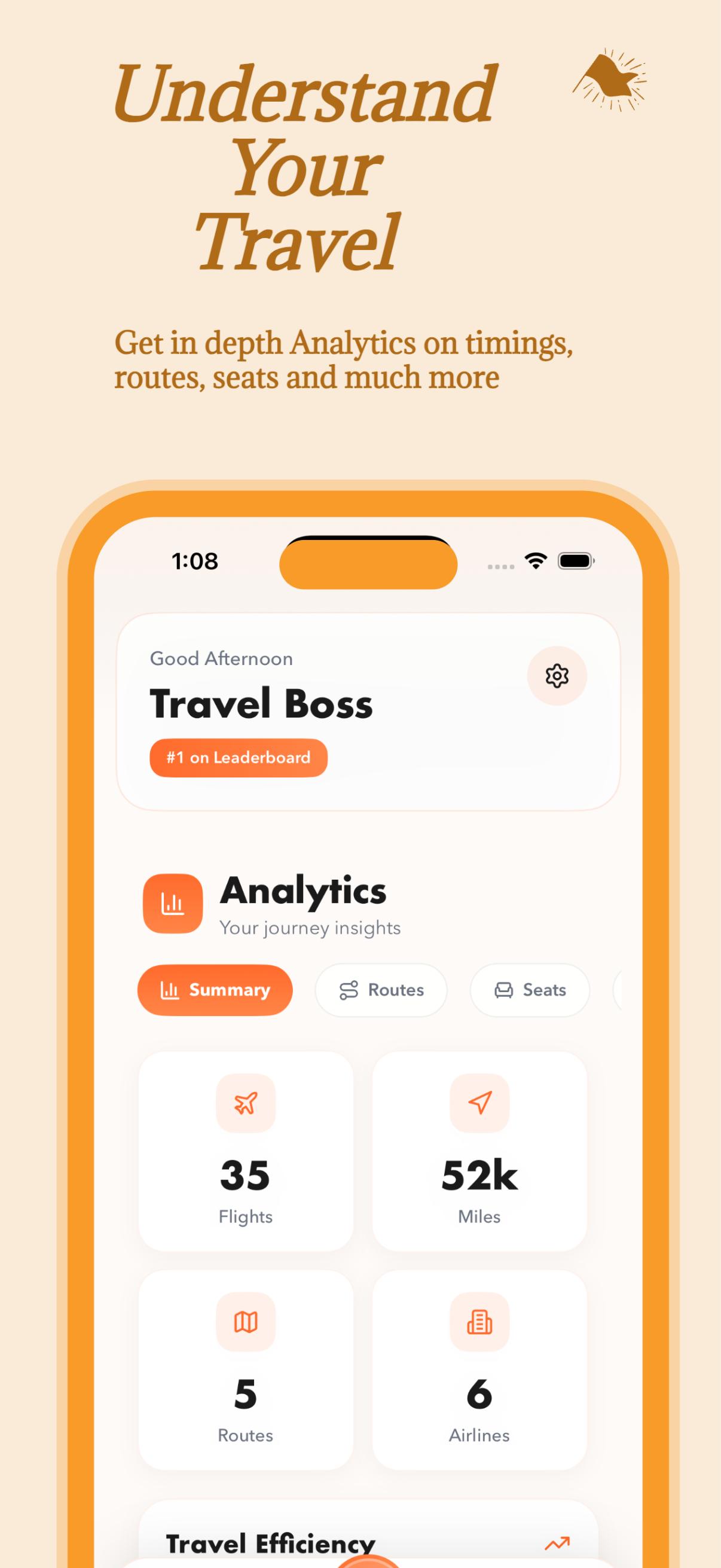
Generate personalized itineraries with real-time pricing, route optimization, and local recommendations.
Group Planning & Budgeting
Invite travel companions, split costs, vote on activities, and keep everyone aligned.
Boarding Wallet & History
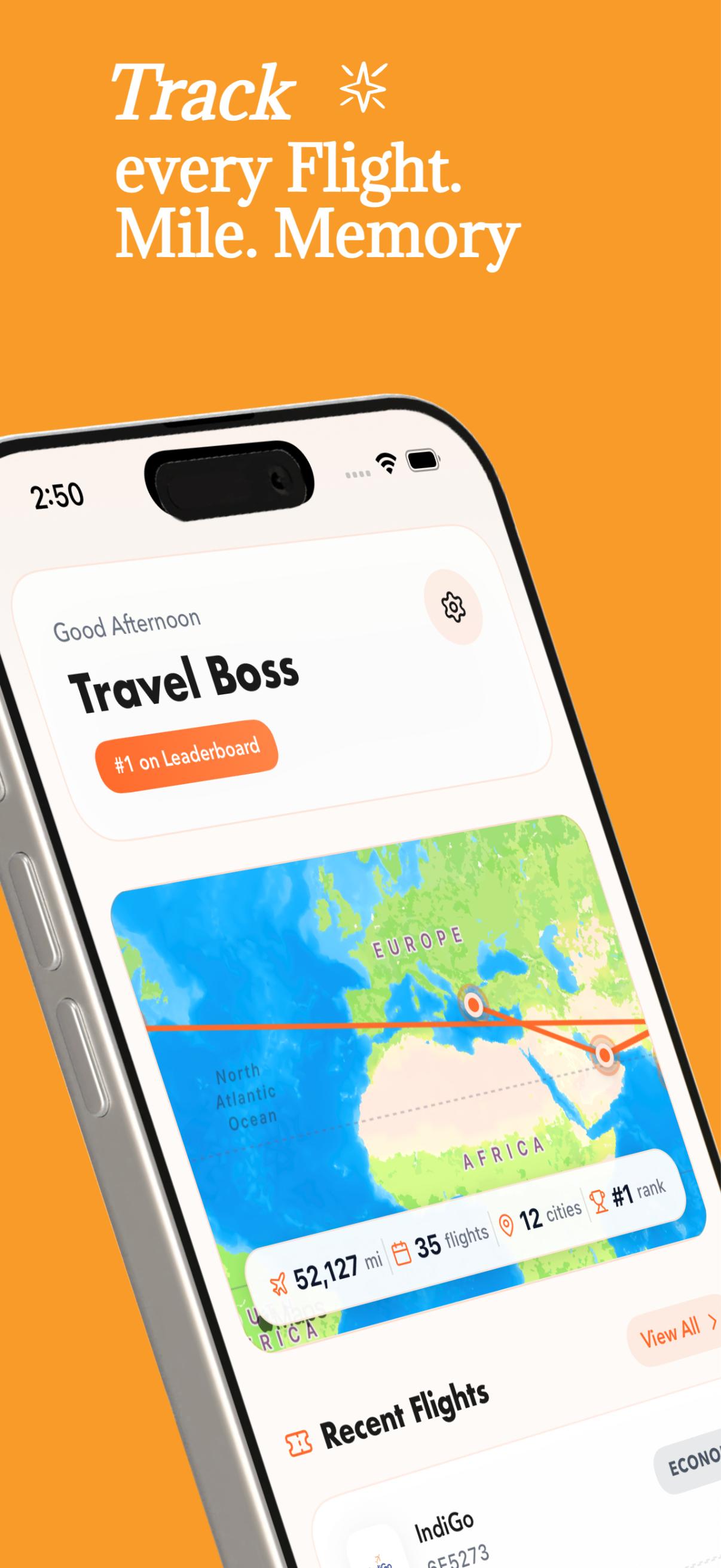
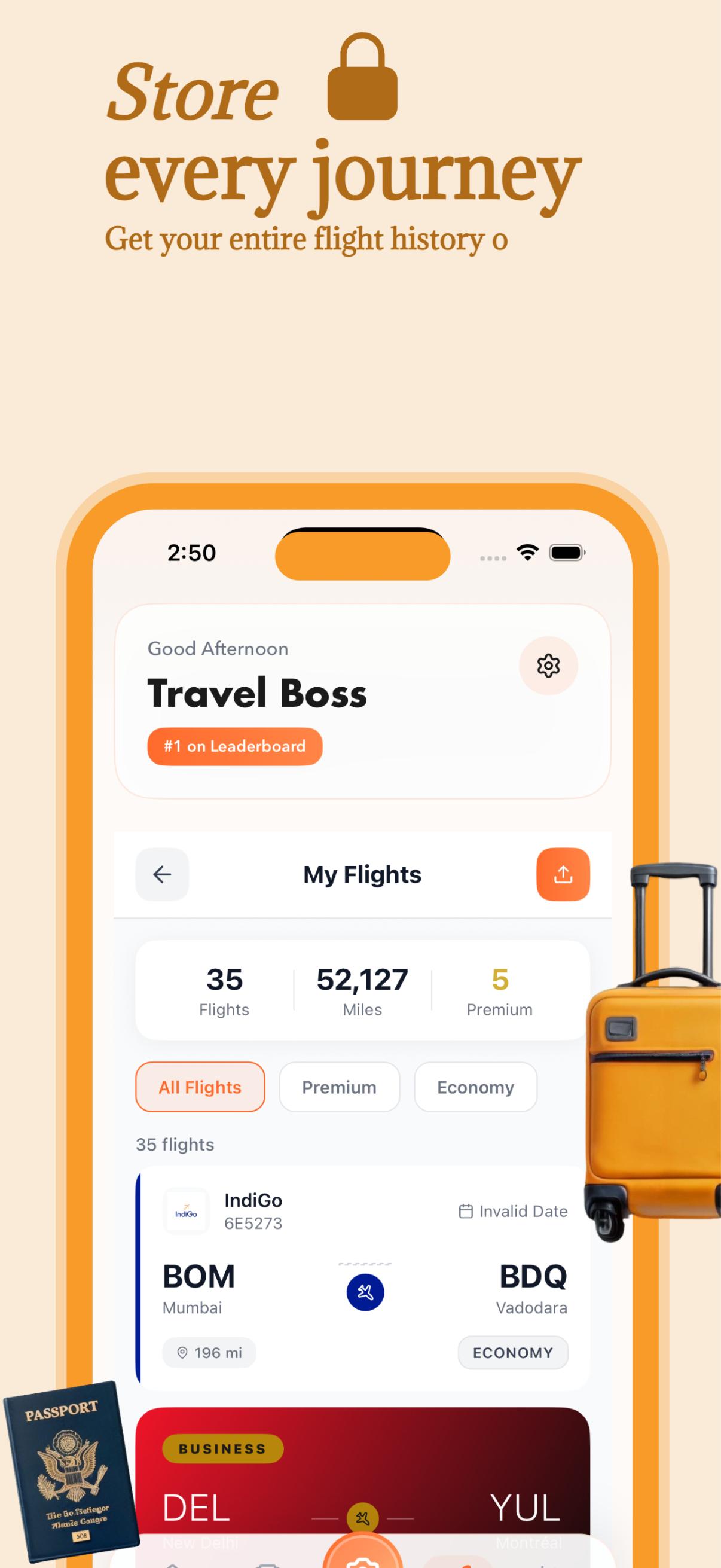
Store every boarding pass, track your travel history, and visualize your journey on a map.
Leaderboard & Achievements
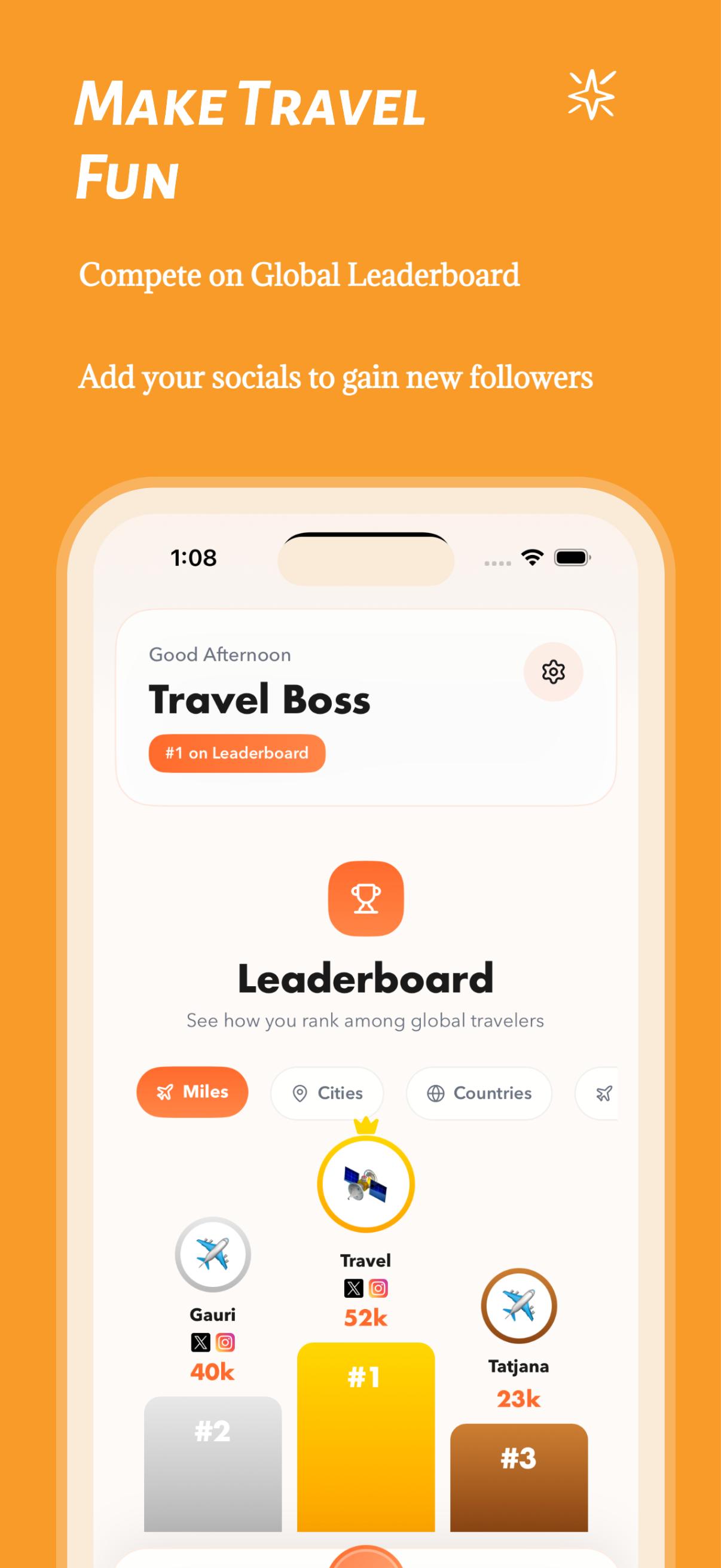
Earn badges for every destination, climb the global rankings, and compete with fellow travelers.
Travel Concierge
Get personalized booking assistance, curated recommendations, and priority support — all in-app.

Route directions & coordinate spots
The actual itinerary roadmap — coordinates, transit directions, and details for every stop.
Eixample Grid, Barcelona
The Eixample district is a masterclass in urban planning, featuring wide, chamfered street corners that were designed specifically to accommodate 19th-century carriage turning radii. Today, these expansive sidewalks provide the perfect environment for pedestrians to admire modernist architecture, including Gaudí’s Casa Milà. Walking here is effortless, flat, and visually stimulating, as every block offers a unique perspective of Catalan Art Nouveau façades that are best viewed at a slow, deliberate pace.
Kyoto Higashiyama District
Higashiyama remains the most rewardingly walkable historical area in Japan, characterized by narrow, stone-paved lanes and preserved wooden machiya houses. You can easily traverse the path from Kiyomizu-dera to Yasaka Shrine in roughly 45 minutes, passing incense-filled temples and traditional tea houses along the way. The density of cultural points per square meter is unmatched, and the strict vehicle restrictions in key sections make it a pedestrian’s paradise during the early morning hours.
Old Quebec (Vieux-Québec)
As the only fortified city north of Mexico, Old Quebec offers an European-style walking experience that is entirely contained within its walls. The city is split into the Upper and Lower Town, connected by the iconic Breakneck Stairs (Escalier Casse-Cou) or the historic funicular. It is highly recommended to traverse the Quartier Petit Champlain on foot, where cobblestone streets and hidden courtyards create an intimate urban atmosphere that effectively transports visitors back to the 17th century.
Lisbon's Alfama District
Alfama is an atmospheric labyrinth of steep alleys and hidden plazas that rewards those willing to climb its seven hills. The area is best explored without a map, allowing the pedestrian to discover hidden miradouros (viewpoints) like Santa Luzia that overlook the Tagus River. While physically demanding, the proximity of Fado taverns and ceramic-tiled homes makes it a world-class walking destination for travelers who prefer vertical complexity over monotonous flat terrain.
Edinburgh's Royal Mile
The Royal Mile acts as the spine of Edinburgh’s Old Town, stretching exactly one Scots mile from Edinburgh Castle to Holyrood Palace. The magic lies in the 'closes'—narrow, hidden alleyways that branch off the main street, revealing secret gardens and historic courtyards. This area is uniquely dense with literary and architectural history, making it perfect for independent walking tours where every turn presents a new, unexpected layer of medieval or Georgian design.
Florence's Historic Center
Florence is a concentrated open-air museum where the major sights—the Duomo, Uffizi Gallery, and Ponte Vecchio—are all within a 15-minute walking radius of each other. The city’s strict ZTL (Limited Traffic Zone) policies have turned the center into a pedestrian-dominated space. Walking here requires dodging few cars, allowing for total immersion in Renaissance history. The Oltrarno side, across the river, provides a quieter, more authentic walking experience away from the heaviest tourist corridors.
Copenhagen's Strøget
Strøget is one of the longest pedestrianized streets in Europe, stretching 1.1 kilometers through the heart of Copenhagen. The city has optimized its urban design to prioritize people-centric transit, including world-class cycling paths and wide, comfortable walkways. Walking through the surrounding Latin Quarter offers access to independent bookstores, cozy cafes, and local design boutiques, all accessible without ever needing to step into a motorized vehicle to navigate the dense urban core.
Buenos Aires' San Telmo
San Telmo is the bohemian heart of Buenos Aires, characterized by crumbling colonial mansions and antique shops that line its narrow cobblestone streets. Walking here provides a tactile connection to the city's history, especially during the Sunday fair on Calle Defensa. Unlike the manicured districts of the north, San Telmo feels lived-in and raw, with sidewalk cafes spilling out into the streets, creating a social environment that is entirely designed to be navigated at a leisurely, wandering pace.
Curated tours & experiences
Skip-the-line activity tokens, certified day guides, and unique regional activities.
Interactive suggestions load dynamically based on seasonal availability.
Browse Viator Experiences
Looking for premium curated day-trips, private shuttle transports, or multi-day hiking expeditions? View top activities instantly.
The full guide, stop by stop
Hand-curated notes and specific travel insights, built exclusively for this trip.
Trail Notes
Barcelona's Eixample: 15-minute block radius
The Eixample grid is the gold standard for walkability, with every block measuring roughly 113 meters, ensuring you never face long, boring stretches of street. Tip: Walk the perimeter of the 'manzanas' (blocks) to discover hidden courtyards that are often open to the public during business hours. Unlike the chaotic Gothic Quarter, Eixample rewards the patient observer with a continuous evolution of Modernisme architecture. Visit the Casa Batlló area before 9:00 AM to photograph the façades without the usual density of crowds, then walk toward the quieter residential pockets near Carrer de Girona for authentic, non-touristy bakeries that serve the best ensaïmadas in the city.
Kyoto’s Higashiyama: 500-year-old stone lanes
Walking the Sannenzaka and Ninenzaka slopes feels like stepping back into the Edo period, with a density of 20+ heritage sites reachable within a 2km walk. Tip: Ignore the main Kiyomizu-dera entrance path and instead take the side alleys marked for local resident access; these paths are quieter and often lead to small, unadvertised zen gardens that charge only 300 JPY ($2.00) for entry. The best strategy is to arrive at dusk when the lantern lighting begins, casting the wooden machiya structures in a glow that highlights their intricate, traditional joinery.
Old Quebec: 400 years of vertical walking
Old Quebec is divided by a 90-meter elevation change, making it a challenging but rewarding destination for the vertical hiker. Tip: Bypass the expensive funicular and take the Escalier Casse-Cou; it is free, historic, and offers a legendary view of the St. Lawrence River. The lower town, or Petit Champlain, is the most photogenic area, but the real secret lies in the Rue Saint-Louis where the historic houses retain original 18th-century wood-paneled interiors. Walk here in the late afternoon for the best light bouncing off the stone fortifications.
Secure curated tours & day tickets with Viator
Unlock flexible skip-the-line museum tickets, local food walkthroughs, and certified regional guides on Viator.
Take your itinerary everywhere
Sync boarding passes, earn travel badges, climb the global leaderboards, and track multi-currency expenses — all offline.
Crowd Avoidance
To truly enjoy a walkable city, you must adopt a 'reversed clock' strategy. Tourist hotspots are often flooded by mid-day tour groups; by walking at dawn or during the twilight 'golden hour,' you regain the streets.
- Start early: Hit the main historic hubs by 7:30 AM to capture streets before the first tour buses arrive at 9:30 AM.
- Avoid weekends: Plan your heaviest walking days for Tuesday and Wednesday when local schools and office workers dominate, thinning out the leisure-traveler crowds.
- Take the parallel streets: In cities like Barcelona or Florence, walk one block away from the primary thoroughfares to find quieter alleys with the same architectural style.
- Utilize public transit buffers: Use the metro to skip the 'tourist transit zone' and start your walk in a peripheral, more authentic neighborhood.
- Lunch during peak hours: Dine at 1:30 PM to 2:30 PM; during this time, walking routes are significantly clearer as the masses retreat to eateries.
- Use offline maps: Rely on physical maps or pre-cached Google Maps to navigate side-streets that don't appear in 'must-see' social media itineraries.
Secure curated tours & day tickets with Viator
Unlock flexible skip-the-line museum tickets, local food walkthroughs, and certified regional guides on Viator.
Top Curated Travel Experiences in Best Walkable Cities to Visit in 2026
Full-Day Guided Sightseeing Tour in Best Walkable Cities to Visit in 2026
Explore the absolute best sights of Best Walkable Cities to Visit in 2026 with an expert certified local English-speaking guide.
Best Walkable Cities to Visit in 2026 Hidden Gems & Historical Walking Tour
Step off the beaten path into quiet streets with your storyteller guide.

Suggested Route Order
A logical route for a walking-focused trip follows the 'Hub and Spoke' model: establish a base in the city center, then dedicate each morning to a 'spoke' that leads outward through a historical district, returning to the hub for evening dining.
1. Start in the dense historic core: Spend your first morning at 8:00 AM exploring the primary landmark (e.g., the Duomo or the Royal Mile) to beat the crowd before moving deeper into the secondary alleys. 2. Transition to peripheral districts: By mid-day, walk outward to neighborhoods like San Telmo or Alfama where the streets widen and the atmosphere shifts from monument-focused to residential. 3. Conclude in a neutral zone: End your day in a park or waterfront area—like Copenhagen’s harbor fronts—which are designed for leisurely evening strolling and offer lower walking resistance.
This flow works because it leverages your peak energy levels during the morning for navigation-heavy historic cores and saves the low-energy, social walking for the evening when you can prioritize comfort over navigation.
Find cheap flights & multi-city stays
Secure flexible flight pathways, regional connections, and custom travel bundles on Trip.com.
Top Curated Travel Experiences in Best Walkable Cities to Visit in 2026
Full-Day Guided Sightseeing Tour in Best Walkable Cities to Visit in 2026
Explore the absolute best sights of Best Walkable Cities to Visit in 2026 with an expert certified local English-speaking guide.
Best Walkable Cities to Visit in 2026 Hidden Gems & Historical Walking Tour
Step off the beaten path into quiet streets with your storyteller guide.
Getting Between Spots
Navigating between major walking zones in top-tier cities is best handled via localized app-based ride-shares or regional metro systems. Never rely on hailing taxis on the street, as surge pricing for tourists is common in major hubs like Buenos Aires or Lisbon.
| Route | Best Method | Est. Time | Est. Cost |
|---|---|---|---|
| Center to Neighborhood | Metro/Subway | 15 mins | $2.00 - $3.50 |
| Inter-district | Ride-share (Bolt/Uber) | 20 mins | $8.00 - $12.00 |
| Airport to City | Express Train | 30 mins | $5.00 - $15.00 |
For groups, local transport hacks are essential. In cities like Copenhagen, renting a group of e-bikes for a 2-hour window often costs less than individual public transport tickets for a full day. In Barcelona, the T-Usual card provides unlimited travel for a month for roughly 21 EUR ($23 USD), making it the most cost-effective way to leapfrog between neighborhoods if you reach your walking limit.
Find cheap flights & multi-city stays
Secure flexible flight pathways, regional connections, and custom travel bundles on Trip.com.

Transport Cost Table
| Route | Method | Time | Local Cost | USD |
|---|---|---|---|---|
| Eixample to Gothic (BCN) | Walk/Metro | 20m | 2.50 EUR | $2.75 |
| Alfama to Baixa (LIS) | Tram/Walk | 15m | 3.00 EUR | $3.30 |
| Old Town to Holyrood (EDI) | Walk | 25m | 0.00 | $0.00 |
| Florence City to Oltrarno | Walk | 10m | 0.00 | $0.00 |
| Kyoto Station to Higashiyama | Bus | 30m | 230 JPY | $1.55 |
| San Telmo to Recoleta (BUE) | Taxi/Cabify | 25m | 4500 ARS | $4.80 |
When calculating your total spend, assume a base 'transit buffer' of $10 per person per day. This allows for one emergency ride-share during rain or fatigue, while keeping the majority of your budget available for local food and experiences.
Find cheap flights & multi-city stays
Secure flexible flight pathways, regional connections, and custom travel bundles on Trip.com.
Where To Base
Choosing where to base yourself is the biggest lever in managing group budgets. For mixed-budget groups, select a neighborhood with high density of both hostels and boutique hotels—this allows everyone to be within a 5-minute walk of each other regardless of their nightly spend.
| District | Vibe | Price Tier | Proximity |
|---|---|---|---|
| Eixample (BCN) | Upscale/Grid | Mid-High | Central |
| Alfama (LIS) | Authentic/Old | Budget-Mid | Hilltop |
| San Telmo (BUE) | Bohemian/Raw | Low-Mid | Central |
To keep a group united, book in a 'Zone A' area. For instance, in Barcelona, a budget traveler can find a dorm at Hostelworld for $40, while a luxury traveler secures a suite at a nearby hotel for $300. The key is staying in the same square-kilometer area; this eliminates the friction of meeting up and ensures the group can start and end their walks together. Avoid staying in the 'primary tourist center' (like the exact base of the Eiffel Tower or the main piazza) as these zones are disproportionately expensive and offer the lowest-quality local food.
Book Hotels in Best Walkable Cities to Visit in 2026 with Agoda
Compare premium boutique hotels, resort villas, and historic stays at the guaranteed lowest rates.


Itinerary Day Plan
| Day | Morning | Afternoon | Evening | Cost |
|---|---|---|---|---|
| 1 | Historic Core Walk | Neighborhood Market | Local Tapas Tour | $60 |
| 2 | Hidden Garden Loop | Museum (Local) | Riverside Stroll | $45 |
| 3 | Architecture Tour | Artisan Workshop | Sunset Viewpoint | $55 |
This itinerary minimizes transit and maximizes the 'street-level' experience. By dedicating mornings to historical navigation and afternoons to low-intensity exploration, you avoid the burnout that comes with high-volume tourism.
Find cheap flights & multi-city stays
Secure flexible flight pathways, regional connections, and custom travel bundles on Trip.com.
Local Insider Tips
- Coffee timing: Avoid 'tourist' coffee spots. Go where you see locals standing at a bar with an espresso—it’s usually 60% cheaper.
- Contrarian tip: Don't buy a multi-day city pass. They force you to over-schedule and prioritize paid sites over the free, spontaneous walking that makes these cities great.
- Water strategy: Bring a refillable bottle. In cities like Florence or Quebec, public fountains are safe and provide free, cold, high-quality water.
- Sunday markets: Visit local street markets (like San Telmo’s) on Sunday mornings before 10:00 AM to see vendors setting up—the best antiques go fast.
- Language: Learn three phrases—'Where is the bathroom', 'Thank you', and 'Check, please'. Locals are 50% more helpful to tourists who show this small effort.
- Footwear: Don't wear brand new shoes. Wear your 'ugliest' broken-in sneakers; your feet will thank you after 15,000 steps.
- Safety: Ignore anyone who starts a conversation by asking 'Do you speak English?' in a crowded tourist hub—it is almost always a precursor to a scam.
- Laundry: Use local coin laundries to save space in your luggage; most major walkable cities have one every few blocks.
Get instant mobile data with Saily eSIM
Stay connected. Skip expensive roaming fees and activate instant high-speed data in seconds with Saily.
Photography And Best Light
To capture the essence of a walkable city, focus on 'vanishing point' photography. Use a 35mm lens to capture the depth of narrow streets during the 'Golden Hour'—the first 60 minutes after sunrise or before sunset. In Barcelona's Eixample, the chamfered corners provide a unique 45-degree light penetration that you won't find in standard grids. For camera settings, use an aperture of f/8 for sharpness and a shutter speed of at least 1/250 to freeze movement in the street. Refer to National Geographic Photography for advanced light composition tips.
Get instant mobile data with Saily eSIM
Stay connected. Skip expensive roaming fees and activate instant high-speed data in seconds with Saily.
Budget And Cost Context
Budgeting for a walking trip requires prioritizing 'Location' over 'Amenities'. Because you are walking, you save on local transport, which should be reallocated to quality accommodation closer to the center.
| Tier | Daily Estimate | Key Allocation |
|---|---|---|
| Budget | $60 - $90 | Hostel + Street Food |
| Mid-range | $150 - $250 | Boutique Hotel + Mid-tier Dining |
| Luxury | $400+ | Historic Hotel + Fine Dining |
Expect to spend 40% of your daily budget on accommodation. By staying centrally, you eliminate the $10-$20 daily transit cost, effectively paying for a better room. Always budget an extra $20/day for 'spontaneous café stops'—this is the hidden cost of the walking-heavy traveler.
Find cheap flights & multi-city stays
Secure flexible flight pathways, regional connections, and custom travel bundles on Trip.com.
Top Restaurants By Budget
| Name | Location | Type | Tier | Dish |
|---|---|---|---|---|
| El Xampanyet | Barcelona | Tapas | $$ | Cava & Anchovies |
| Oishii Ramen | Kyoto | Noodles | $ | Tonkotsu |
| Le Chic | Quebec | French | $$$ | Duck Confit |
Food in walking cities is best found on the secondary streets. Avoid any place with a menu displayed in five languages or photos of food on the window.
Secure curated tours & day tickets with Viator
Unlock flexible skip-the-line museum tickets, local food walkthroughs, and certified regional guides on Viator.
Food And Drink Highlights
Focus on 'grab-and-go' street food which allows you to keep moving. In Barcelona, look for bocadillos (sandwiches); in Kyoto, hunt for onigiri in local markets. Drinking while walking is culturally acceptable in many European cities but frowned upon in Japan; check local signage. For culinary guides, visit Eater for city-specific heat maps of local favorites.
Secure curated tours & day tickets with Viator
Unlock flexible skip-the-line museum tickets, local food walkthroughs, and certified regional guides on Viator.
Safety Considerations
- Pickpockets: Use a cross-body bag with an anti-theft zipper.
- Scams: Never accept 'free' gifts (friendship bracelets, flowers).
- Emergency: Dial 112 in Europe for all emergencies.
- Insurance: Ensure your travel insurance covers 'pedestrian accidents'—rare but necessary.
Get instant mobile data with Saily eSIM
Stay connected. Skip expensive roaming fees and activate instant high-speed data in seconds with Saily.
Seasonal Variations
| Month | Weather | Crowds | Notes |
|---|---|---|---|
| Jan | Cold | Low | Best for museums |
| June | Hot | High | Crowded; walk early |
| Oct | Mild | Medium | Best walking weather |
Spring and Autumn are the gold standards for walking. Avoid the July/August heat peaks which can turn a 5km walk into a major physical test.
Book top guided activities and tickets in Best Walkable Cities to Visit in 2026
Skip the long queues, discover hidden gems, and book 100% free-cancellation activities on Viator with live local support.
Equipment And Gear Advice
- Footwear: Hoka or Ecco walking shoes.
- Socks: Merino wool (prevents blisters).
- Gear: Lightweight cross-body bag.
- Tech: External battery (navigation kills phone battery).
- Rain: Compact travel umbrella (BLUNT brand).
- Water: Collapsible bottle (HydraPak).
- Guide: Physical paper map for non-GPS zones.
- Safety: Money belt for major transit hubs.
Get instant mobile data with Saily eSIM
Stay connected. Skip expensive roaming fees and activate instant high-speed data in seconds with Saily.
Local Festivals And Events
| Event | Month | Location | Significance |
|---|---|---|---|
| Gion Matsuri | July | Kyoto | Massive street pedestrianization |
| La Mercè | Sept | Barcelona | City-wide street festivities |
Festivals are the peak time for walking, as cities often block off main roads to cars.
Book top guided activities and tickets in Best Walkable Cities to Visit in 2026
Skip the long queues, discover hidden gems, and book 100% free-cancellation activities on Viator with live local support.
Sustainable Travel Tips
- Carry-out: Bring your own cutlery.
- Spending: Spend in local, family-owned shops.
- Walking: It is the most sustainable way to see a city.
- Water: Never buy plastic water bottles.
Get instant mobile data with Saily eSIM
Stay connected. Skip expensive roaming fees and activate instant high-speed data in seconds with Saily.
Neighborhood Guide
Eixample (Barcelona)
Designed for human transit, the wide sidewalks and low-traffic streets make it the most comfortable neighborhood to walk in Europe. Best explored in the early morning.
Book Hotels in Best Walkable Cities to Visit in 2026 with Agoda
Compare premium boutique hotels, resort villas, and historic stays at the guaranteed lowest rates.
Alternative Options
Who Should Skip This
Travelers with limited mobility or those who prioritize relaxation over active sightseeing should avoid these cities; walking 15,000+ steps daily is a prerequisite for the full experience.
Consider cities with high-density, air-conditioned public transit like Tokyo or Singapore if you prefer speed over wandering. These cities offer 'cool-down' zones that these older, historic cities lack.
Book top guided activities and tickets in Best Walkable Cities to Visit in 2026
Skip the long queues, discover hidden gems, and book 100% free-cancellation activities on Viator with live local support.
Frequently Asked Questions
- Is a walking-focused trip worth it in 2026?
- Yes, it is the best way to uncover the 'hidden layer' of a city that most tourists miss. You gain access to quieter districts and local insights by avoiding the 'tourist transit' loop.
- What is the best month to do a walking trip?
- October offers the ideal balance of mild temperatures and reduced crowds. You avoid the peak summer heat while enjoying clear, walkable conditions.
Book top guided activities and tickets in Best Walkable Cities to Visit in 2026
Skip the long queues, discover hidden gems, and book 100% free-cancellation activities on Viator with live local support.
Final CTA
Book top guided activities and tickets in Best Walkable Cities to Visit in 2026
Skip the long queues, discover hidden gems, and book 100% free-cancellation activities on Viator with live local support.
Ready to track your travels?
Join thousands of travelers using Borderly to plan trips, track expenses, store boarding passes, and compete on the global leaderboard.



 Saily eSIM