Community-Based Tourism That Actually Works (2026)
Put your money into direct local impact. Use a hub-and-spoke lodging strategy to mix budgets while staying within the community. 2026 CBT destination guide.
Join travelers planning with Borderly's AI
7-day itinerary ready to plan
Just ask the AI trip planner
Tell it your dates, budget, or vibe — it will pull straight from this guide and build a route around it.
Ask about your Community-Based Tourism That Actually Works (2026) trip
Real answers on routes, timing, and local tips — grounded in this guide.
Get Borderly on iOS
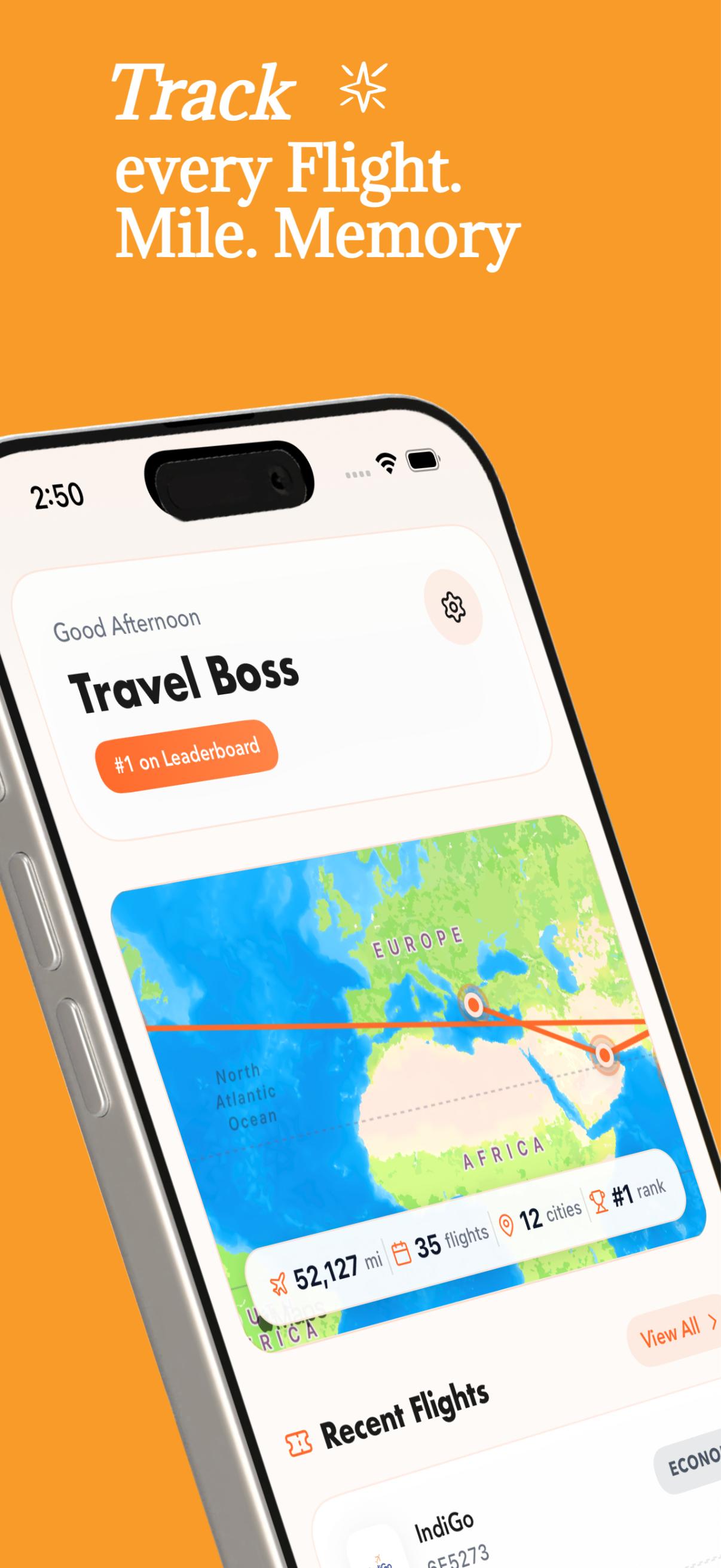
Download the app to generate custom AI trip plans, organize group budgets, and store your boarding wallet — all offline.

Join 2,000+ travelers using Borderly
One app for the whole trip
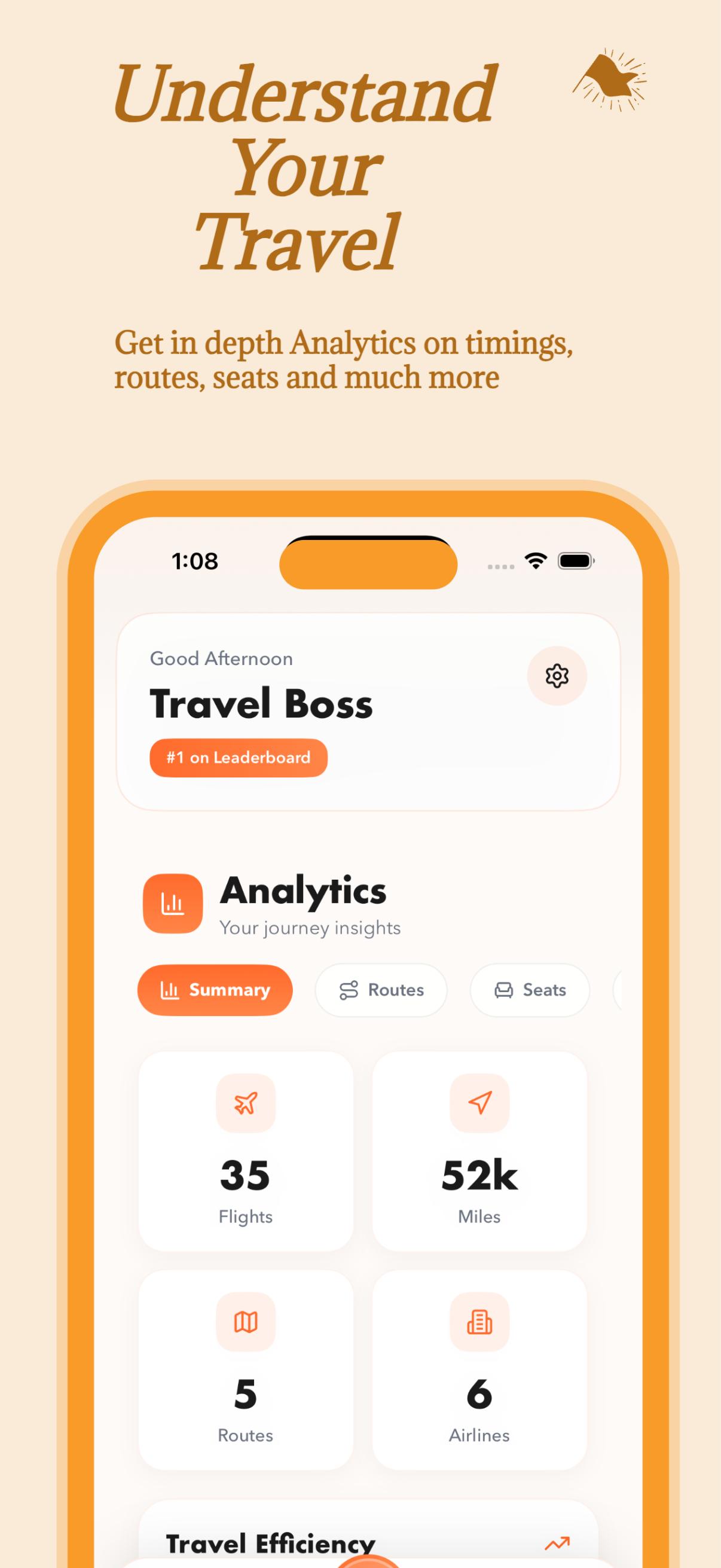
AI trip planning, group budgets, and a boarding pass wallet — everything this guide covers, in your pocket.
AI Trip Planning
Generate personalized itineraries with real-time pricing, route optimization, and local recommendations.
Group Planning & Budgeting
Invite travel companions, split costs, vote on activities, and keep everyone aligned.
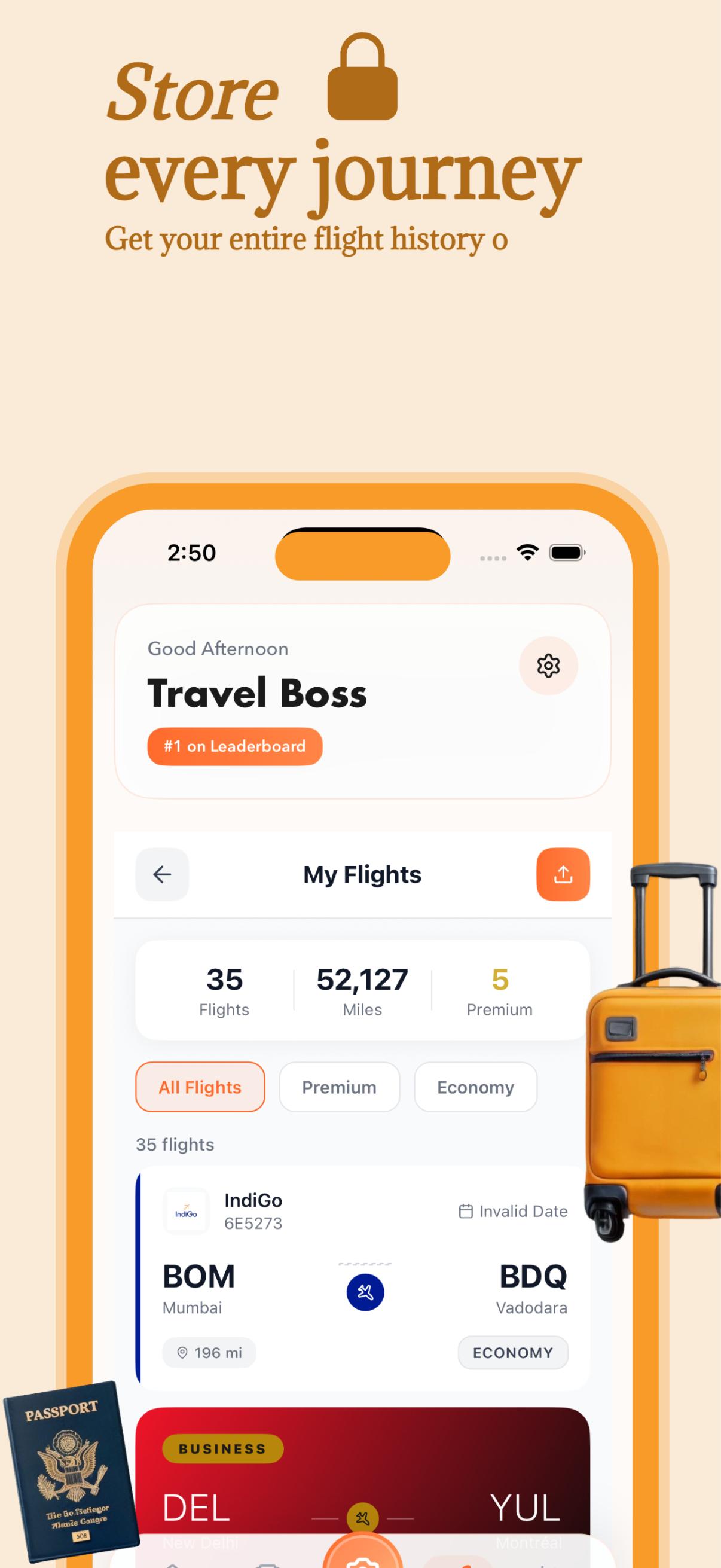
Boarding Wallet & History
Store every boarding pass, track your travel history, and visualize your journey on a map.
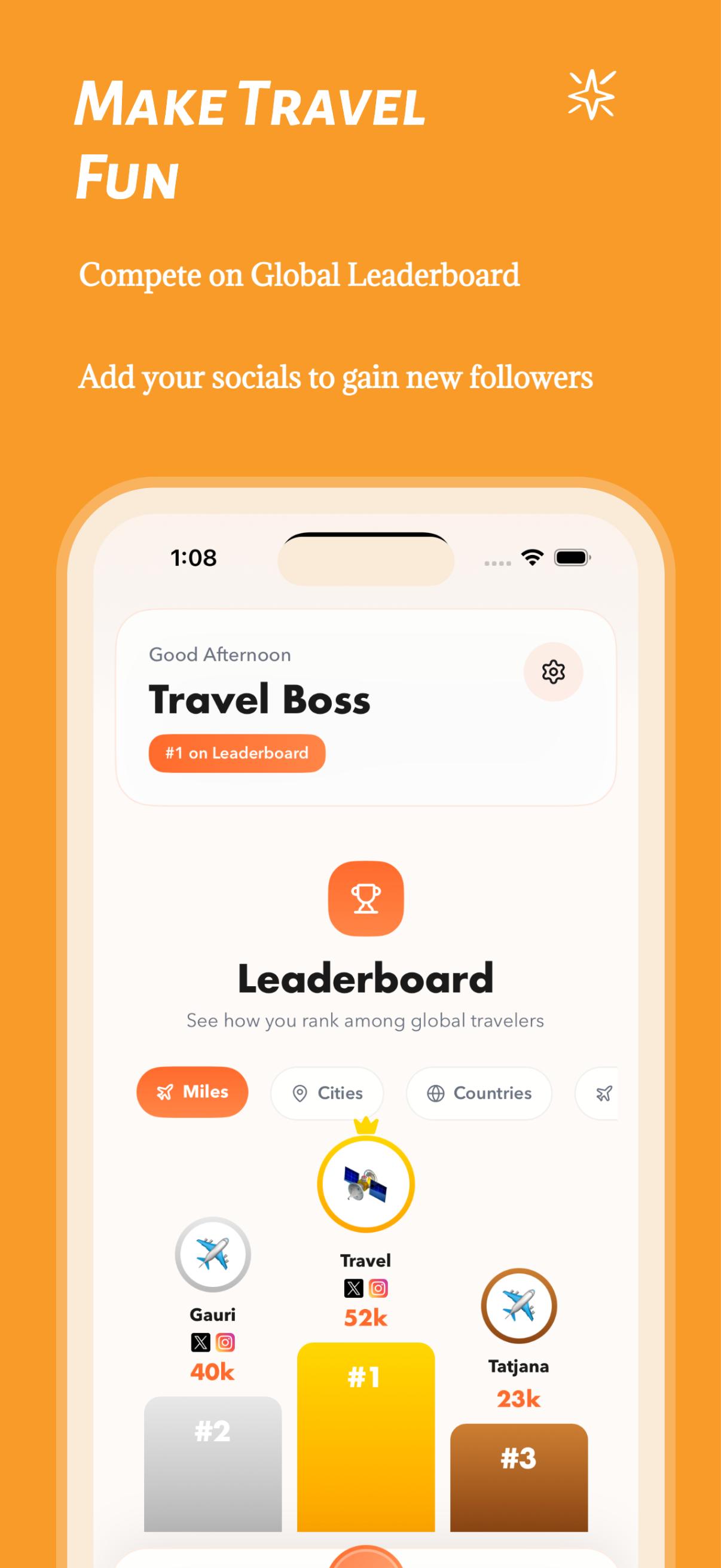
Leaderboard & Achievements
Earn badges for every destination, climb the global rankings, and compete with fellow travelers.
Travel Concierge
Get personalized booking assistance, curated recommendations, and priority support — all in-app.

Route directions & coordinate spots
The actual itinerary roadmap — coordinates, transit directions, and details for every stop.
Urubamba, Peru
This town serves as the heart of the Sacred Valley's community-based agriculture. Visitors can participate in farm-to-table cooperatives where 100% of proceeds support local land reclamation projects. It is far less crowded than Aguas Calientes, offering an authentic glimpse into high-altitude farming techniques that have remained unchanged for over 500 years.
Khiri Travel Projects, Laos
Focused on remote village immersion, these community projects allow guests to stay in traditional stilt houses. The program mandates that village elders receive 70% of the booking fees directly. It provides an unfiltered look at Hmong and Khmu cultures, far removed from the backpacker trails of Luang Prabang.
Gunjur, The Gambia
Gunjur is a leader in coastal community conservation. Local eco-lodges here are owned and operated by the village committee. Guests spend their days assisting with turtle nest protection and traditional salt harvesting. It offers a rare, non-commercialized perspective on West African coastal life that feels deeply personal and highly impactful.
Cusco Rural Homestays, Peru
These homestays in the high Andes provide a genuine cultural exchange experience. Visitors live with indigenous families, eating ancestral meals like chuño and quinoa. It is the premier way to see the Andes without the typical tourist infrastructure, emphasizing reciprocal learning and economic support for rural mountain families.
Ba'Kelalan, Borneo, Malaysia
Deep in the Kelabit Highlands, this village is world-renowned for its organic apple and rice farming. Visitors arrive via small bush planes to experience homestays managed by the community itself. It is a masterclass in isolated, sustainable tourism that prioritizes the health of the rainforest over rapid expansion.
Chumbe Island, Tanzania
This private nature reserve is managed as a non-profit, with all revenue fueling marine conservation and environmental education. The eco-bungalows are built to zero-impact standards, using rainwater harvesting and solar energy. It remains one of the few places where high-end tourism directly funds the preservation of an entire coral reef system.
Mogalakwena, South Africa
A unique community project centered on crafts, biodiversity, and local education. It is best known for its beadwork cooperatives, which empower village women to gain financial independence. Visitors can engage in guided bush walks led by local trackers, providing a deeper understanding of the Limpopo ecosystem than typical big-five safaris.
Sapa Ethnic Homestays, Vietnam
While many parts of Sapa are commercialized, the deep-valley homestays in Ta Van focus on direct community benefit. These programs are vetted to ensure that host families receive 85% of the nightly rate. It offers an immersive look at Hmong textile production and terrace farming practices that are currently under threat from urbanization.
Curated tours & experiences
Skip-the-line activity tokens, certified day guides, and unique regional activities.
Interactive suggestions load dynamically based on seasonal availability.
Browse Viator Experiences
Looking for premium curated day-trips, private shuttle transports, or multi-day hiking expeditions? View top activities instantly.
The full guide, stop by stop
Hand-curated notes and specific travel insights, built exclusively for this trip.
Trail Notes
Urubamba: The Model for Agricultural CBT
Urubamba operates on a 100% community-managed tourism model where agricultural cooperatives dictate the flow of visitors to ensure farm cycles aren't disrupted. For roughly $45/day (USD), you can participate in a 'pachamanca' feast preparation with local families, an activity that takes roughly 6 hours. Unlike the chaotic day tours from Cusco, these sessions require booking at least 48 hours in advance to source ingredients from the specific communal plot you are visiting. The hidden gem here is the Maras salt mine area, which is best accessed via a local guide from the nearby Pichingoto village. Contrarian insight: Do not visit the main salt mines during mid-day; the glare is intense and the crowds ruin the atmosphere. Instead, hire a local guide to take you to the private, lesser-known pans owned by the cooperative.
Ba'Kelalan: The Gold Standard for Remote Isolation
Ba'Kelalan offers a rare, pristine look at Kelabit life where visitors pay roughly $60/day for all-inclusive lodging and meals. Getting here requires a flight from Miri on a small 12-seater aircraft, which is essential to keep the village population manageable. The local community strictly enforces a 'no-plastic' policy; bringing single-use bottles will result in a small but enforced fine to the community fund. The best time to visit is during the harvest in March, where community participation is non-negotiable but immensely rewarding. This location is essentially immune to mass tourism due to the physical difficulty of reaching it, making it the most authentic experience on this list.
Secure curated tours & day tickets with Viator
Unlock flexible skip-the-line museum tickets, local food walkthroughs, and certified regional guides on Viator.
Take your itinerary everywhere
Sync boarding passes, earn travel badges, climb the global leaderboards, and track multi-currency expenses — all offline.
Crowd Avoidance
Mass tourism destroys the fabric of community-based projects. To maintain the authenticity of your visit, adhere to these tactical strategies for 2026:
- Visit Off-Peak: Always schedule your community visits for mid-week, Tuesday through Thursday, to avoid the weekend excursion crowds.
- Early Bird Access: Arrive at community meeting points at 7:00 AM; this is when local markets are most authentic and least filtered for tourists.
- Use Private Connectors: Hire local drivers who are not affiliated with national agencies; they have access to back-road routes that bypass blocked tourist roads.
- Book Direct: Use community-run websites or local WhatsApp contacts to book, ensuring you don't show up with a cruise-ship-adjacent bus group.
- Avoid 'Peak' Months: In Peru and Malaysia, travel during the shoulder months of May and September to find the best balance of weather and crowd density.
- Respect Cultural Blackouts: Never attempt to enter a village during sacred or mourning periods, even if your guide offers to get you access for a fee.
Secure curated tours & day tickets with Viator
Unlock flexible skip-the-line museum tickets, local food walkthroughs, and certified regional guides on Viator.
Top Curated Travel Experiences in Community-Based Tourism That Actually Works (2026)
Full-Day Guided Sightseeing Tour in Community-Based Tourism That Actually Works (2026)
Explore the absolute best sights of Community-Based Tourism That Actually Works (2026) with an expert certified local English-speaking guide.
Community-Based Tourism That Actually Works (2026) Hidden Gems & Historical Walking Tour
Step off the beaten path into quiet streets with your storyteller guide.
Suggested Route Order
A logical route for a community-focused trip involves clustering locations to minimize transit time and maximize immersion depth. Start in a hub city like Lima (Peru) or Miri (Malaysia) to handle logistics, then head immediately to the rural village settings.
- Arrival & Orientation (Day 1-2): Land in a major hub to secure supplies (medical kits, hard currency) and meet your primary local fixer.
- Primary Immersion (Day 3-7): Transition to the community project (e.g., Urubamba or Ba'Kelalan). Spend at least four nights in one location; shorter stays prevent true connection and feel like 'drive-by' tourism.
- Reflection/Transition (Day 8-9): Spend two days in a secondary, lower-intensity site to process the experience before returning to the major airport for your departure.
This order is essential because the psychological shift from city to remote village is jarring. By dedicating the middle block to deep immersion, you allow your nervous system to adjust to the local pace. Always secure your 'in-country' transport with local cooperatives rather than international car rental firms to ensure your money stays in the region.
Find cheap flights & multi-city stays
Secure flexible flight pathways, regional connections, and custom travel bundles on Trip.com.
Top Curated Travel Experiences in Community-Based Tourism That Actually Works (2026)
Full-Day Guided Sightseeing Tour in Community-Based Tourism That Actually Works (2026)
Explore the absolute best sights of Community-Based Tourism That Actually Works (2026) with an expert certified local English-speaking guide.
Community-Based Tourism That Actually Works (2026) Hidden Gems & Historical Walking Tour
Step off the beaten path into quiet streets with your storyteller guide.
Getting Between Spots
Logistics in community-focused travel require a departure from standard airline/rail thinking. You will rely on local 'fixers' and, where available, private transfer services that feed revenue back into the village.
| Route | Time | Transport Method | Cost (USD) |
|---|---|---|---|
| Cusco to Urubamba | 1.5 hrs | Colectivo (Shared Taxi) | $15 |
| Miri to Ba'Kelalan | 1 hr | Regional Flight | $110 |
| Zanzibar Port to Chumbe | 45 mins | Community Boat | $25 |
Hack: Always ask your host for a 'trusted local driver' recommendation. Often, this is a community member with a vehicle who will charge 20% less than official taxi apps like Grab or Uber and provide far better historical context. When using apps like Grab in Southeast Asia, select the 'XL' or 'Premium' options even if you are one person; the extra cost goes a long way in supporting the driver, and they are more likely to accept trips to remote, non-commercialized areas.
Find cheap flights & multi-city stays
Secure flexible flight pathways, regional connections, and custom travel bundles on Trip.com.
Transport Cost Table
| Route | Method | Time | Est Cost (Local) | Est Cost (USD) |
|---|---|---|---|---|
| Cusco-Urubamba | Private Van | 90 min | 60 PEN | $16 |
| Miri-Ba'Kelalan | Prop Plane | 60 min | 450 MYR | $105 |
| Dar-Chumbe | Boat/Taxi | 60 min | 80,000 TZS | $30 |
| Hanoi-Sapa | Sleeper Bus | 6 hrs | 400,000 VND | $16 |
| Gunjur-Banjul | Local Taxi | 50 min | 900 GMD | $15 |
Transport costs are dynamic. In 2026, fuel surcharges have made private transport 15% more expensive than historical averages. Always confirm the final price in local currency before departing to avoid confusion at the destination.
Find cheap flights & multi-city stays
Secure flexible flight pathways, regional connections, and custom travel bundles on Trip.com.
Where To Base
Staying within the community is the cornerstone of effective CBT. To accommodate mixed-budget groups, opt for a 'hub-and-spoke' lodging strategy where the group shares a high-end base but individuals book local, lower-cost homestays for the actual immersion phase.
| Neighborhood | Vibe | Budget | Proximity |
|---|---|---|---|
| Urubamba Center | Rustic/Active | Low ($30) | Central |
| Ba'Kelalan Core | Isolated/Silent | Mid ($50) | Remote |
| Stone Town (Zanzibar) | Historic/Busy | High ($150) | Transit Hub |
Mixed-budget groups should utilize a shared transport coordinator to book a 'base' accommodation (e.g., a boutique hotel in town) for the group's storage and rendezvous, while those on a budget can book a local homestay nearby for $20-$30 a night. This allows the group to enjoy communal meals and activities together without forcing everyone to overspend on high-end hotels. It also ensures that the money is spread across different tiers of the local hospitality infrastructure, maximizing the economic impact on the village as a whole.
Book Hotels in Community-Based Tourism That Actually Works (2026) with Agoda
Compare premium boutique hotels, resort villas, and historic stays at the guaranteed lowest rates.
Itinerary Day Plan
| Day | Morning | Afternoon | Evening | Cost (USD) |
|---|---|---|---|---|
| 1 | Arrival | Village Orientation | Group Dinner | $40 |
| 2 | Farm Tour | Textile Class | Local Music | $60 |
| 3 | Nature Hike | Conservation Task | Reflection | $35 |
This sample plan assumes you are staying in a community-owned lodge. Each day balances active learning with mandatory downtime to prevent 'helper's fatigue,' which can be common in immersive tourism.
By limiting the itinerary to three focused days, you reduce the social pressure on the hosts. Remember, these are homes, not hotels. Respect their routines by keeping evening activities quiet and ending by 9:00 PM.
Find cheap flights & multi-city stays
Secure flexible flight pathways, regional connections, and custom travel bundles on Trip.com.
Local Insider Tips
- Don't tip in money: In many remote communities, material goods or specific contributions to community schools (like stationary) are more valuable than cash.
- Learn basic greetings: Knowing five phrases in the local language will open doors that English never will.
- The 'Contrarian' Tip: Ignore the 'Top 10' lists for local restaurants. Instead, find the place with the longest line of locals at lunch; it is almost certainly better, cheaper, and more authentic.
- Always carry small change: Remote villages rarely have change for large denominations of national currency.
- Dress conservatively: In rural areas, shorts and tank tops can be perceived as disrespectful; dress as the elders do.
- Participate in daily chores: Offering to help with the dishes or cleaning creates a deeper bond than any formal tour.
- Don't photograph kids without permission: Always ask the parent first, even if the scene is 'perfect'.
- Bring a water filter: Reduce plastic waste by filtering your own water instead of buying plastic bottles.
- Eat seasonally: If it's not the harvest season for a crop, don't ask for it.
Get instant mobile data with Saily eSIM
Stay connected. Skip expensive roaming fees and activate instant high-speed data in seconds with Saily.
Photography And Best Light
Photography in community tourism requires an ethical approach. Avoid 'poverty porn'—do not capture images that objectify residents. The best light is during the 'Golden Hour' (one hour after sunrise and one hour before sunset), which provides a soft, warm glow perfect for portraiture.
Technical note: Use a 35mm or 50mm prime lens for portraits; they are less intrusive than large zoom lenses and yield a more intimate, documentary-style look. To avoid crowds, shoot during the midday break when villagers are eating or resting. For more professional guidance, refer to National Geographic’s ethical photo guides and professional documentary photography tips.
Get instant mobile data with Saily eSIM
Stay connected. Skip expensive roaming fees and activate instant high-speed data in seconds with Saily.
Budget And Cost Context
Community-based tourism is generally cheaper than commercial travel but requires more upfront research and logistical coordination.
| Category | Budget | Mid-range | Luxury |
|---|---|---|---|
| Lodging | $20 | $60 | $150+ |
| Food | $10 | $25 | $50 |
| Transport | $5 | $20 | $40 |
For a standard 5-day trip, expect to spend between $300 and $800, excluding long-haul flights. The bulk of your budget should go to local guides, which typically cost $20-$40 per day. Always pay in local currency to ensure the exchange rate benefits the local provider rather than the bank.
Find cheap flights & multi-city stays
Secure flexible flight pathways, regional connections, and custom travel bundles on Trip.com.
Top Restaurants By Budget
| Name | Location | Type | Tier | Dish |
|---|---|---|---|---|
| La Posada | Urubamba | Andean | $$ | Pachamanca |
| Village Kitchen | Ba'Kelalan | Organic | $ | Kelabit Rice |
| Ocean View | Gunjur | Seafood | $$ | Fresh Fish |
The food scene in community-based zones is defined by hyper-locality. You will eat what was harvested that morning. Do not expect menus; expect a set meal based on availability.
Street food is safe if cooked in front of you. Always prioritize places with high turnover, as the ingredients are fresher. Avoid 'Tourist Menus' in hotels; they are almost always imported, frozen, and overpriced.
Secure curated tours & day tickets with Viator
Unlock flexible skip-the-line museum tickets, local food walkthroughs, and certified regional guides on Viator.
Food And Drink Highlights
Eating locally is a vital part of the CBT experience. In the Andes, you must try cuy (guinea pig) or chicha morada. In Borneo, focus on heirloom rice varieties and wild-harvested jungle vegetables. The goal is to support the local agricultural cycle.
Check out Eater for broader culinary trends, but rely on your hosts for the daily meal plans. If you are adventurous, try the local ferments; they are usually excellent for gut health and represent centuries of preservation tradition. Always drink filtered or boiled water, regardless of what the locals drink; their immunity is adapted to the local water source, yours is not.
Secure curated tours & day tickets with Viator
Unlock flexible skip-the-line museum tickets, local food walkthroughs, and certified regional guides on Viator.
Safety Considerations
- Travel Insurance: Must include 'adventure' or 'rural' coverage as most standard policies exclude remote village accidents.
- Medical Kits: Carry your own basic supplies, including rehydration salts and broad-spectrum antibiotics, as local pharmacies may be days away.
- Scam Alert: Avoid 'official' guides at bus stations; always pre-arrange your contact via your homestay host.
- Local Contact: Save the contact info of a local, trusted person and the nearest embassy.
- Emergency: Local 911 equivalents vary; research this 48 hours before departure for your specific village.
Get instant mobile data with Saily eSIM
Stay connected. Skip expensive roaming fees and activate instant high-speed data in seconds with Saily.
Seasonal Variations
| Month | Conditions | Crowd | Notes |
|---|---|---|---|
| Jan | Wet | Low | Best for lush scenery. |
| Feb | Rainy | Low | Roads may be blocked. |
| Mar | Harvest | High | Best for cultural events. |
| Apr | Mild | Mid | Excellent trekking. |
| May | Dry | Mid | Clear mountain views. |
| Jun | Cool | High | Popular tourist season. |
| Jul | Cold | High | Festival period. |
| Aug | Dry | High | Peak travel time. |
| Sep | Mild | Low | Best value. |
| Oct | Changing | Low | Unpredictable weather. |
| Nov | Wet | Low | Planting season. |
| Dec | Rainy | Mid | Holiday travelers. |
Seasonal planning is crucial. In the Andes, the rainy season (Jan-Mar) can make rural access impossible. Always check local road conditions at least two weeks before arrival.
Book top guided activities and tickets in Community-Based Tourism That Actually Works (2026)
Skip the long queues, discover hidden gems, and book 100% free-cancellation activities on Viator with live local support.
Equipment And Gear Advice
- Headlamp: Essential for power outages which are common in rural community projects.
- Portable Water Filter: (e.g., Grayl or LifeStraw) to stop single-use plastic.
- Sturdy Boots: For varied terrain, suggest Salomon or Merrell.
- Layered Clothing: Merino wool layers (Smartwool or Icebreaker) are best.
- Solar Charger: Crucial for off-grid areas.
- Small Gifts: Notebooks or pens for local schools.
- No Drones: Often illegal or culturally sensitive in small villages.
- Document Holder: Waterproof bag for passports.
Get instant mobile data with Saily eSIM
Stay connected. Skip expensive roaming fees and activate instant high-speed data in seconds with Saily.
Local Festivals And Events
| Event | Month | Location | Significance | Booking |
|---|---|---|---|---|
| Inti Raymi | June | Cusco | Inca Sun Festival | 6mo ahead |
| Harvest Festival | March | Ba'Kelalan | Rice/Apple | 3mo ahead |
| Turtle Release | Nov | Gunjur | Conservation | 1mo ahead |
Festivals are the heartbeat of these communities. Plan your trip around them if you want to see the village at its most vibrant. However, expect higher prices and limited transport availability during these times.
Book top guided activities and tickets in Community-Based Tourism That Actually Works (2026)
Skip the long queues, discover hidden gems, and book 100% free-cancellation activities on Viator with live local support.
Sustainable Travel Tips
- Stay longer: A one-week stay has more impact than a two-day whirlwind trip.
- Spend locally: Buy crafts directly from the maker, not from a gift shop in a city.
- Transport: Use local buses or shared taxis instead of private car charters.
- Carbon Offsets: If you fly, invest in verified carbon capture projects.
- Cultural Respect: Learn the 'rules' of village interaction before you arrive.
- Feedback: Provide honest, constructive feedback to your hosts to help them improve their sustainability.
Get instant mobile data with Saily eSIM
Stay connected. Skip expensive roaming fees and activate instant high-speed data in seconds with Saily.
Neighborhood Guide
The Sacred Valley, Peru
This region is the ultimate hub for community-based agriculture and textiles. The neighborhoods of Urubamba and Pisac offer the best access to authentic craft cooperatives. Best reached by a 90-minute drive from Cusco, this area is the backbone of the region's economy.
The Kelabit Highlands, Borneo
Known for its mist-covered hills and organic farming, this area is home to the Kelabit people. The village of Ba'Kelalan is the focal point. It is reached via flight from Miri, providing an isolated, high-altitude experience that is almost completely removed from modern consumerism.
The Gunjur Coast, The Gambia
A coastal community setting that focuses on marine conservation and turtle protection. It is characterized by small, eco-lodge style living. Reached by a 50-minute drive from Banjul, this area is ideal for travelers looking for a slow, ocean-focused experience that feels entirely human-scale.
Book Hotels in Community-Based Tourism That Actually Works (2026) with Agoda
Compare premium boutique hotels, resort villas, and historic stays at the guaranteed lowest rates.
Alternative Options
Who Should Skip This
Travelers who require 24/7 high-speed internet, private en-suite luxury bathrooms, and air-conditioned shopping malls should skip these options. CBT requires a degree of comfort with discomfort and a desire to adapt to local realities.
If these areas are too remote, consider Community-Based Tourism in Slovenia (e.g., the Soča Valley), which offers a similar ethos with superior infrastructure. Alternatively, check out rural tourism in Japan's Iya Valley, which offers high-end comfort with deep, community-led cultural preservation. Both are excellent if you want impact without the extreme physical logistics of the primary options.
Book top guided activities and tickets in Community-Based Tourism That Actually Works (2026)
Skip the long queues, discover hidden gems, and book 100% free-cancellation activities on Viator with live local support.
Frequently Asked Questions
- Is community-based tourism actually more expensive?
- Community-based tourism often appears cheaper on the surface, but you pay for convenience in other ways. While the daily rate is lower, the time required to arrange logistics adds 'invisible' costs that luxury travelers often avoid.
- What is the best month to visit rural communities in the Andes?
- The best month is May because the rainy season has ended and the mountain landscapes are lush and green before the peak dry season. You will avoid the massive crowds of June while still enjoying stable weather for trekking.
- Are these places safe for solo female travelers?
- Yes, these communities are generally very safe and communal, but you should always follow local customs regarding dress and behavior. You should share your itinerary with your homestay host and stick to village-approved guides.
- How do I know my money is actually helping the community?
- You can verify this by checking if the project has a local council or cooperative governing body that manages the revenue. Avoid operators who act as a middleman and refuse to explain their profit-sharing model.
- What should I bring as a gift to my host family?
- The best gifts are school supplies, high-quality books in the local language, or durable tools that are hard to find in the village. Avoid candy, cheap trinkets, or excessive plastic items that cannot be recycled locally.
- Can I just show up in these villages without a booking?
- No, this is highly discouraged because it places an unexpected burden on the host family's resources and food supply. Always book at least two weeks in advance to ensure the community is prepared to host you.
Book top guided activities and tickets in Community-Based Tourism That Actually Works (2026)
Skip the long queues, discover hidden gems, and book 100% free-cancellation activities on Viator with live local support.
Final CTA
Book top guided activities and tickets in Community-Based Tourism That Actually Works (2026)
Skip the long queues, discover hidden gems, and book 100% free-cancellation activities on Viator with live local support.
Ready to track your travels?
Join thousands of travelers using Borderly to plan trips, track expenses, store boarding passes, and compete on the global leaderboard.



 Saily eSIM